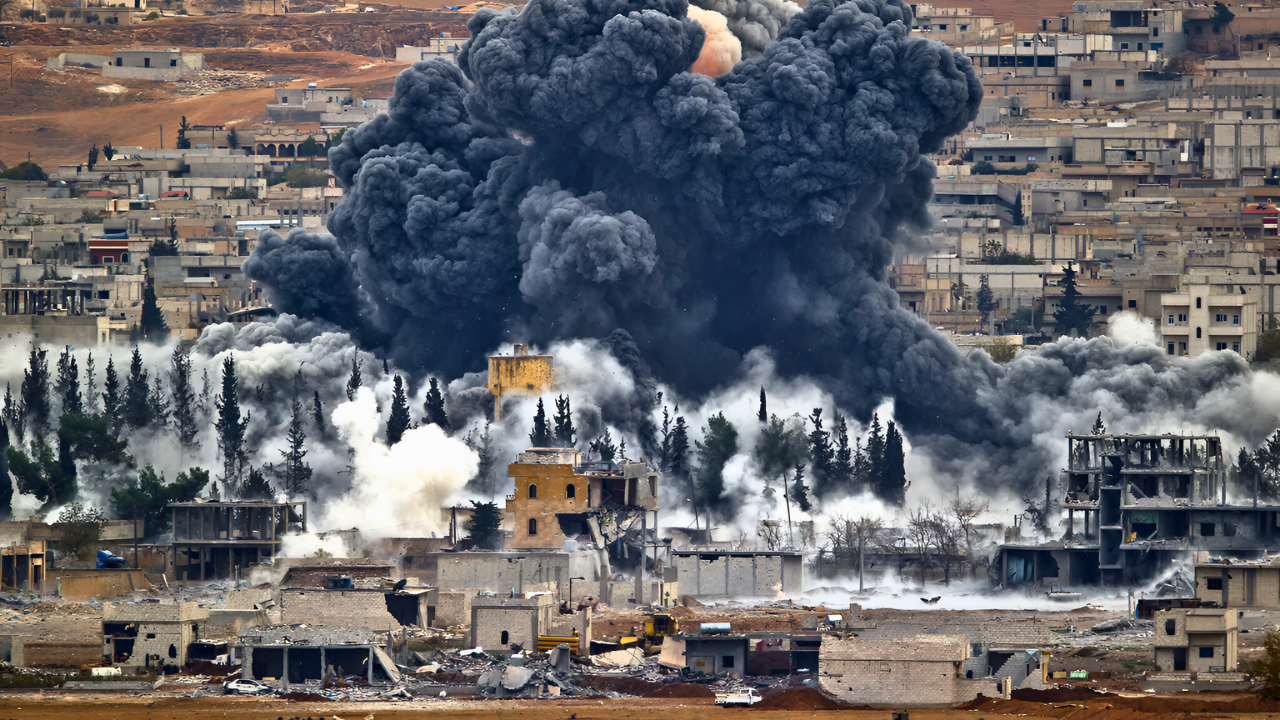
Five years after ISIS lost its last territory, U.S. forces just got a stark reminder that the group is far from gone. In late November, American and Syrian troops uncovered 15 weapons caches hidden in the scrubland of Syria’s Rif Damashq province.
What looked like a quiet desert turned into a four-day operation that destroyed more than 130 mortars, rockets, machine guns, assault rifles, and anti-tank mines—proof that the threat hasn’t faded.
The Hidden Arsenals Beneath an Uneasy Landscape
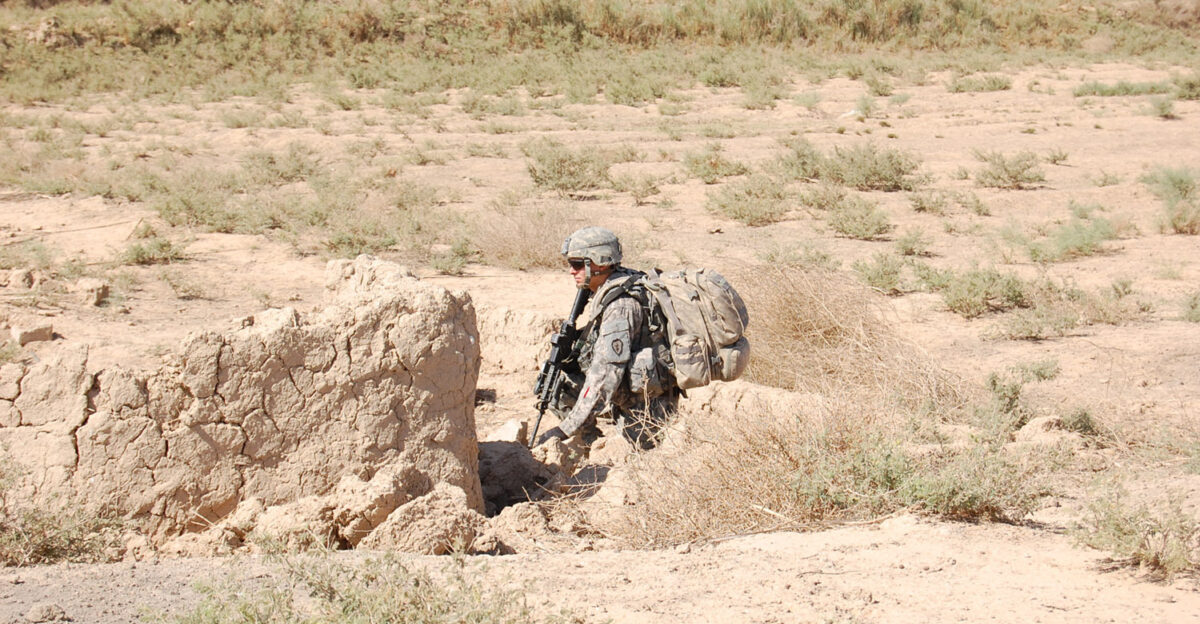
When ISIS fell in 2019, many assumed its military machine had been dismantled. But these caches reveal a quieter truth: the group buried its future in remote terrain. U.S. personnel from Combined Joint Task Force–Operation Inherent Resolve, working with Syria’s Interior Ministry, methodically uncovered stash after stash.
What they found wasn’t random—it was organized, stocked, and ready. Beneath the sand sat the blueprint of a group preparing for another chapter.
A Partnership That Once Seemed Impossible
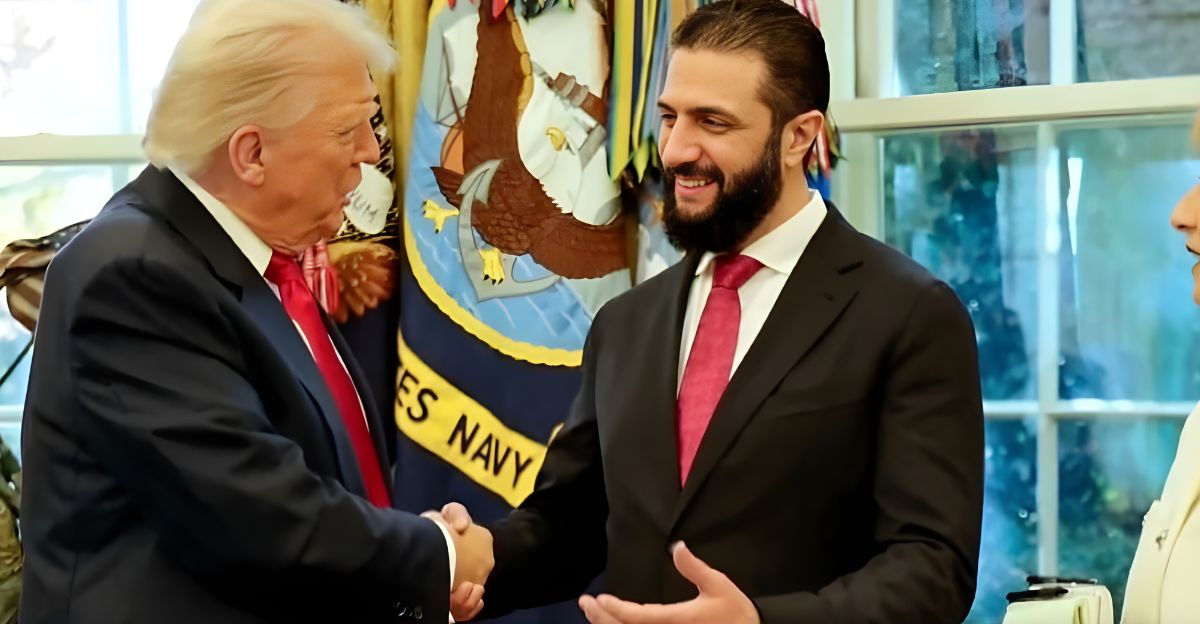
The U.S. and Syrian governments have spent years at odds, divided by war and politics. But a shared enemy has created an unexpected opening. This joint operation—the first major one since Syrian President Ahmed al-Sharaa met with President Donald Trump in November—shows how counterterrorism can reshape long-frozen lines.
Analysts at the Foundation for Defense of Democracies welcomed the progress, while reminding Washington that cooperation with Damascus must be cautious and carefully managed.
Why These 15 Sites Matter More Than the Number Suggests
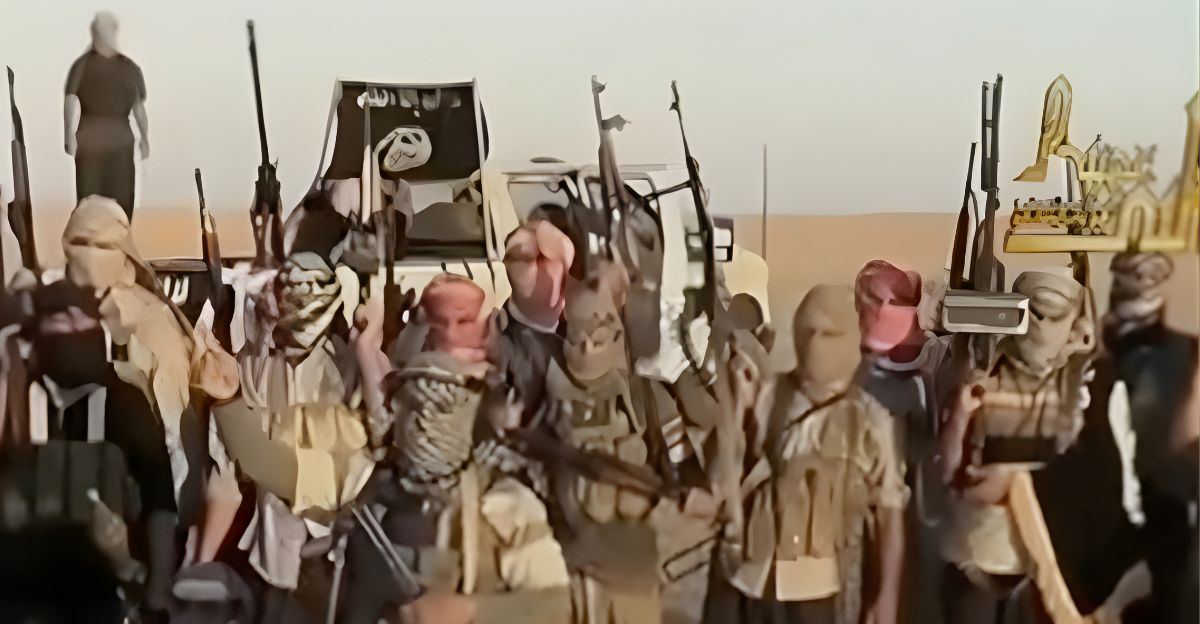
The operation wasn’t just a tactical victory; it was a window into the persistence of ISIS. Over 130 mortars and rockets don’t belong to a defeated, scattered group. They belong to a network that still knows how to move supplies, maintain discipline, and hide assets.
Admiral Brad Cooper underscored that reality, saying U.S. forces “will remain vigilant and continue to pursue ISIS remnants in Syria aggressively.” The message: this wasn’t cleanup—it was disruption.
Drugs Hidden Beside the Weapons
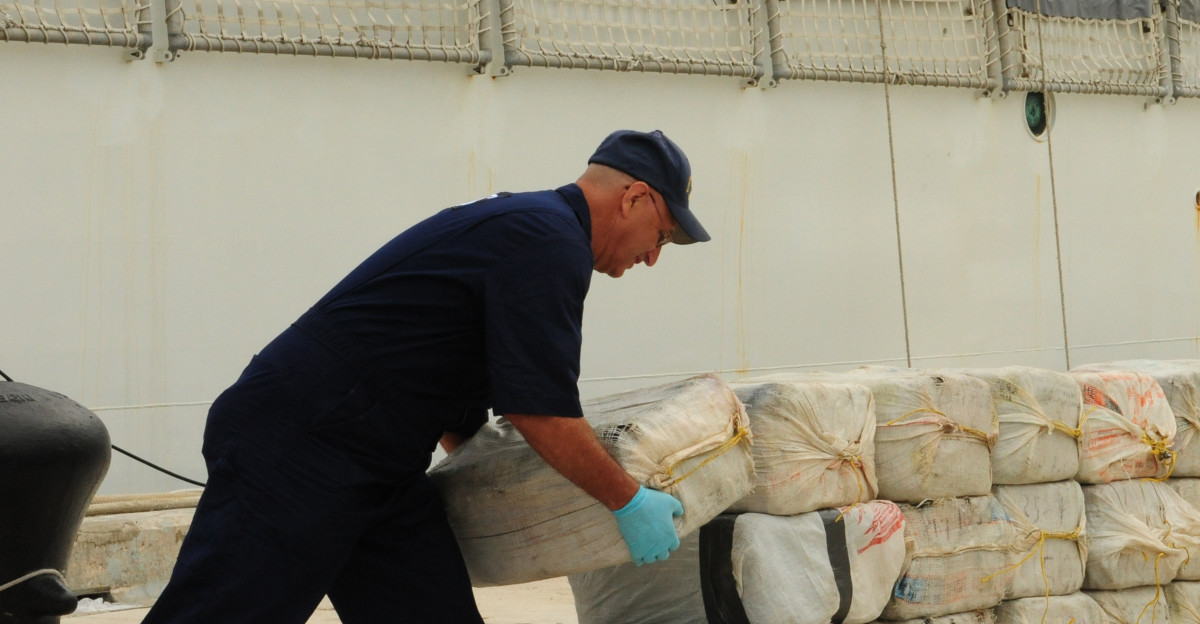
One detail stood out to analysts: alongside the weapons, U.S. and Syrian forces found illicit drugs. CENTCOM didn’t name the substances or the quantities, but the implication was clear. ISIS isn’t just surviving as a terror group—it’s behaving like a criminal syndicate.
Drug trafficking has become one of the ways extremist networks fund themselves, evade oversight, and build influence. In today’s conflicts, terror and organized crime often travel the same routes.
A Glimpse Into a Decade of Relentless Counter-ISIS Work
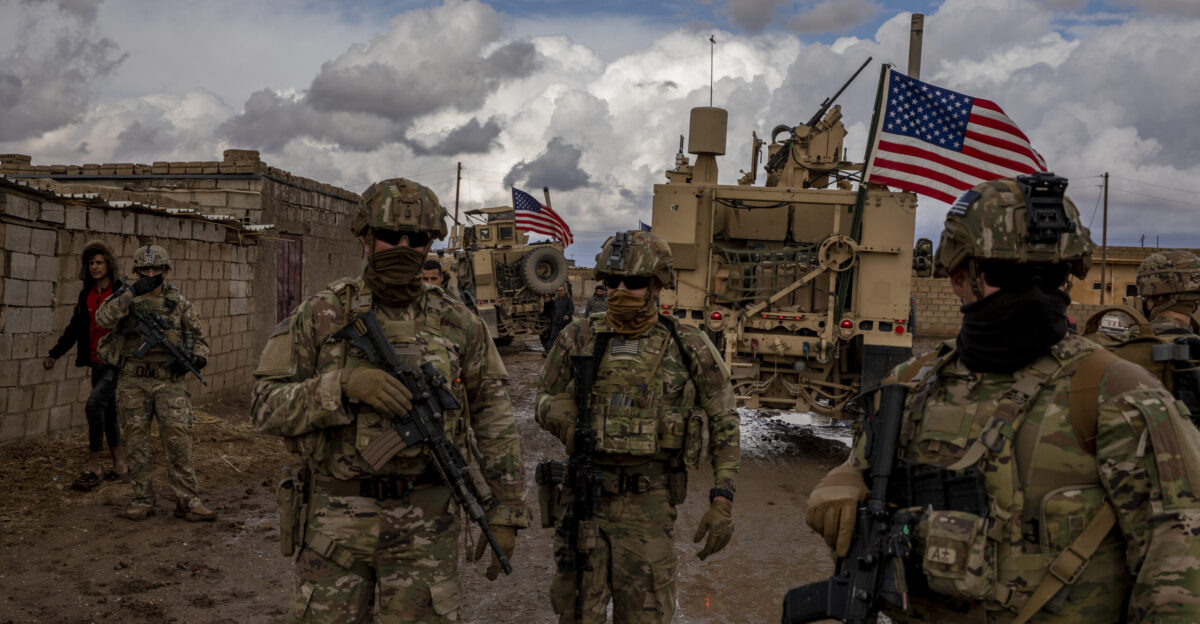
Since 2014, the Combined Joint Task Force–Operation Inherent Resolve has hunted ISIS across Iraq and Syria. The mission rarely makes headlines, but it has never paused. The November 24–27 operation illustrates the kind of work that continues behind the scenes: intelligence-driven raids, precision airstrikes, and coordination with regional partners.
Stars and Stripes recently reported that U.S. troop numbers are being reduced to around 1,000, but the fight remains complex and ongoing.
Why ISIS Still Has a Pulse in 2024
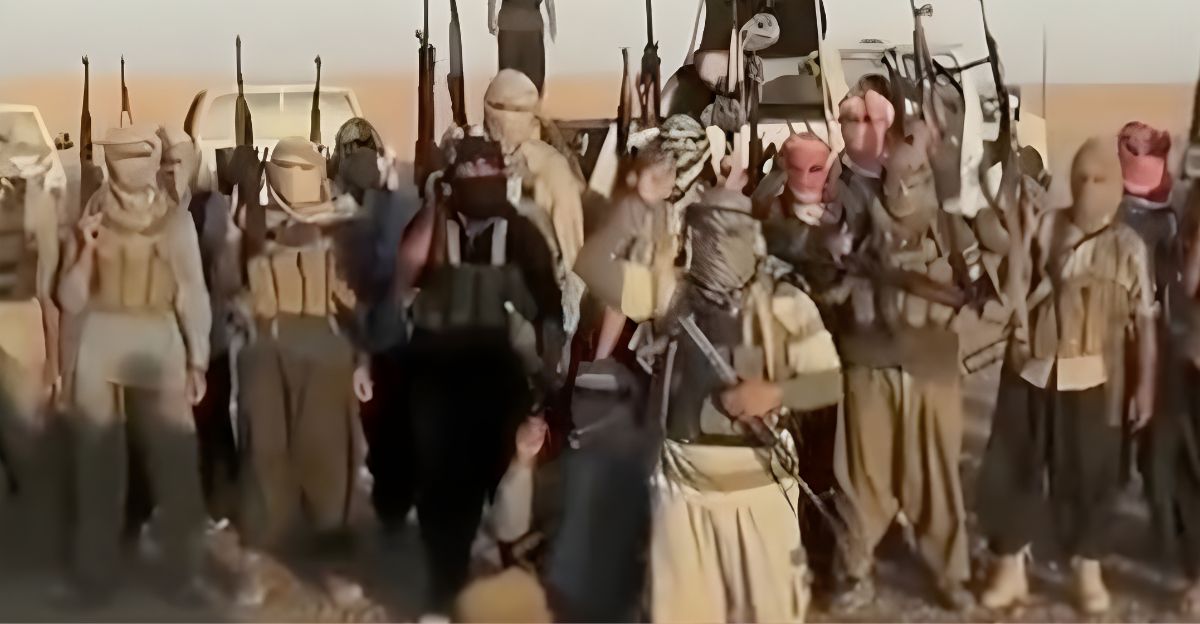
Losing territory didn’t end ISIS—it scattered it. Fighters blended into Syria’s remote terrain, ideology moved online, and networks shifted underground. The Rif Damashq caches show planning, patience, and long-term thinking. Yet the operation also shows progress. Destroying stockpiles chips away at capability, logistics, and confidence.
Terror groups survive on momentum, and every disrupted cell makes it harder for ISIS to regenerate or coordinate anything resembling its former power.
What Fifteen Destroyed Caches Reveal
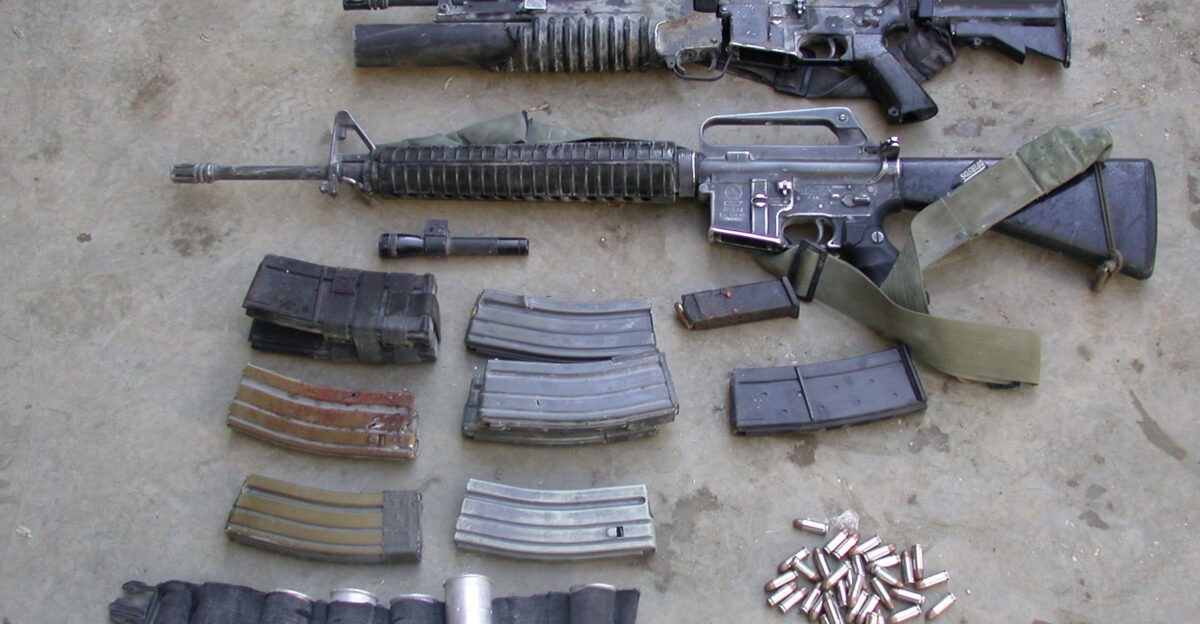
Blowing up these sites was essential, but intelligence experts caution against reading it as a final blow. The real question is how many more caches remain hidden in the ungoverned pockets of Syria.
FDD expert Justin Leopold-Cohen praised the cooperation but warned that Washington must “advance this cooperation warily given serious questions associated with the regime.” This victory is real, but it exists inside a landscape still filled with risk.
Four Days of Pressure That Reshaped the Map
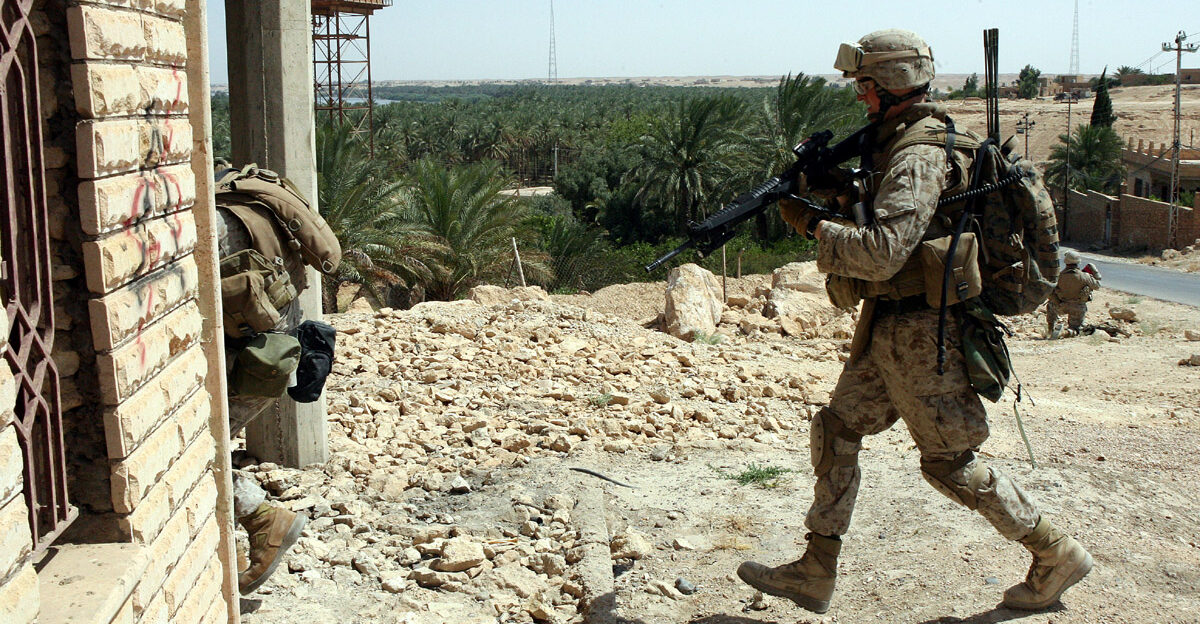
Between November 24 and 27, U.S. and Syrian forces demonstrated what a concentrated effort looks like. Precision airstrikes and controlled detonations worked in rhythm to dismantle ISIS’s supply line in Rif Damashq. The result was decisive but also humbling: in this kind of conflict, no four-day win is permanent.
Admiral Cooper’s reminder—that U.S. forces will stay vigilant—captures the nature of the mission. Success comes in pieces, never in one sweep.
A Geopolitical Shift Few Saw Coming
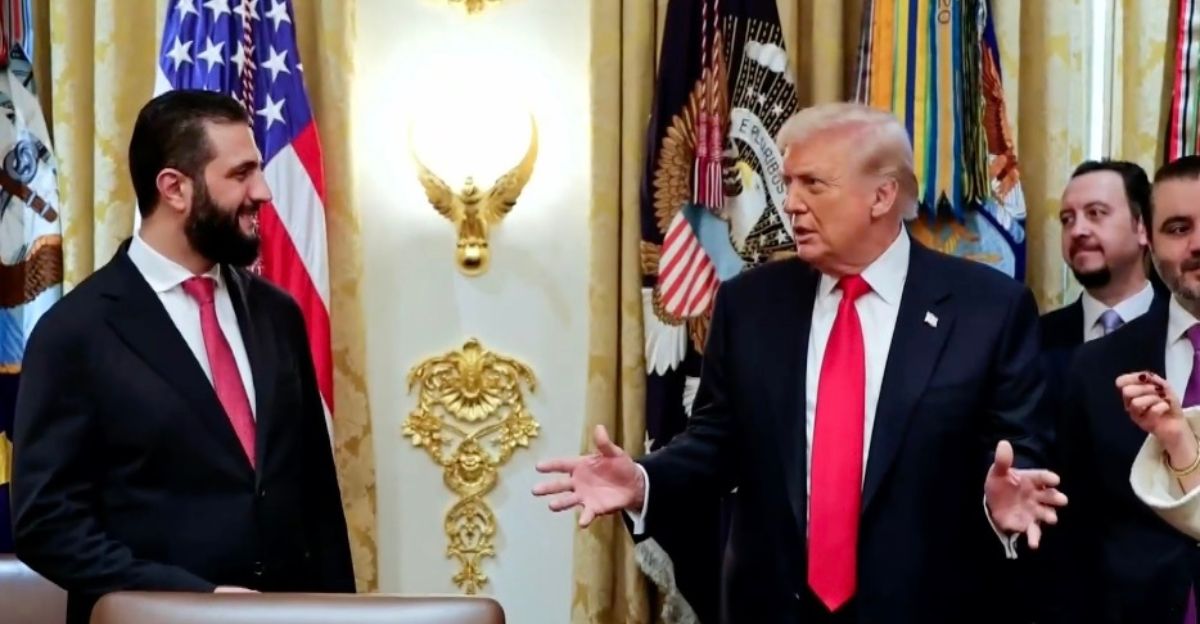
Before al-Sharaa’s November 10 visit to the White House, formal U.S.–Syrian cooperation seemed improbable. But diplomatic shifts followed: sanctions waivers, Syria reopening its embassy in Washington, and eventually military coordination.
FDD analyst Ahmad Sharawi said the operation signals Syria’s intent to be a counterterrorism partner, though he warned that Damascus must ensure “radical elements within its ranks are removed.” The reforms are promising but still fragile.
Why This Operation Matters for Americans at Home
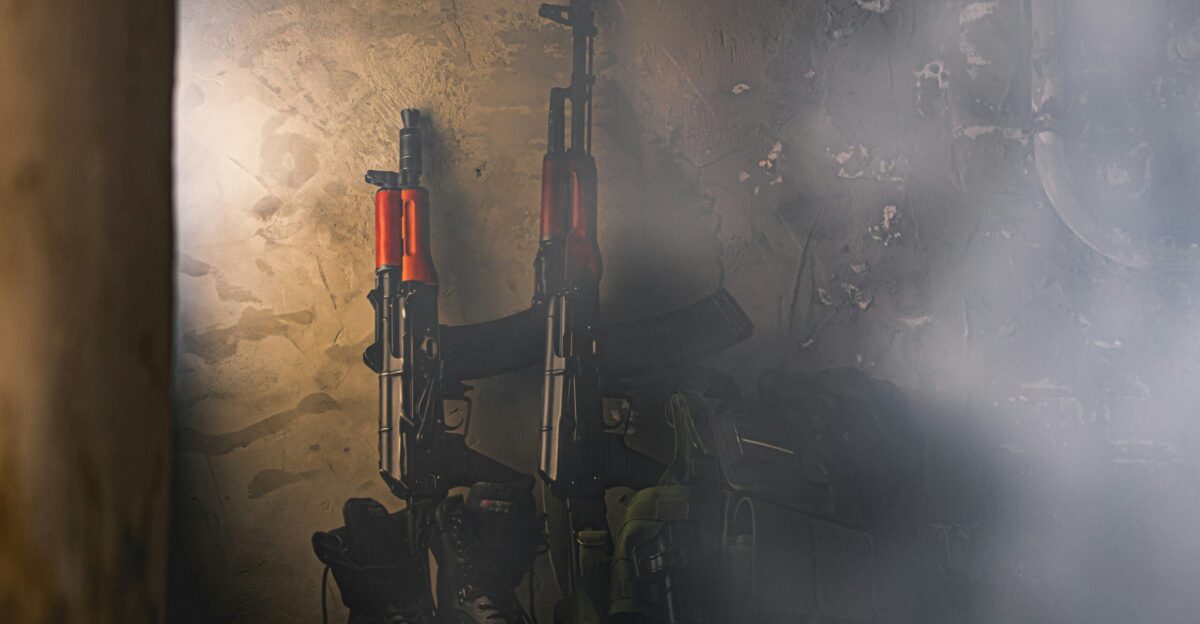
The weapons destroyed in Syria won’t be used against Americans abroad. The ISIS cells that lose their supply lines can’t coordinate attacks. That’s the quiet purpose behind operations like this: prevention. Admiral Cooper said the mission ensures ISIS cannot “regenerate or export terrorist attacks to the U.S. homeland and around the world.”
It’s a reminder that homeland security often begins far from American cities, in deserts where threats grow in silence.
Operation Inherent Resolve’s Evolving Role
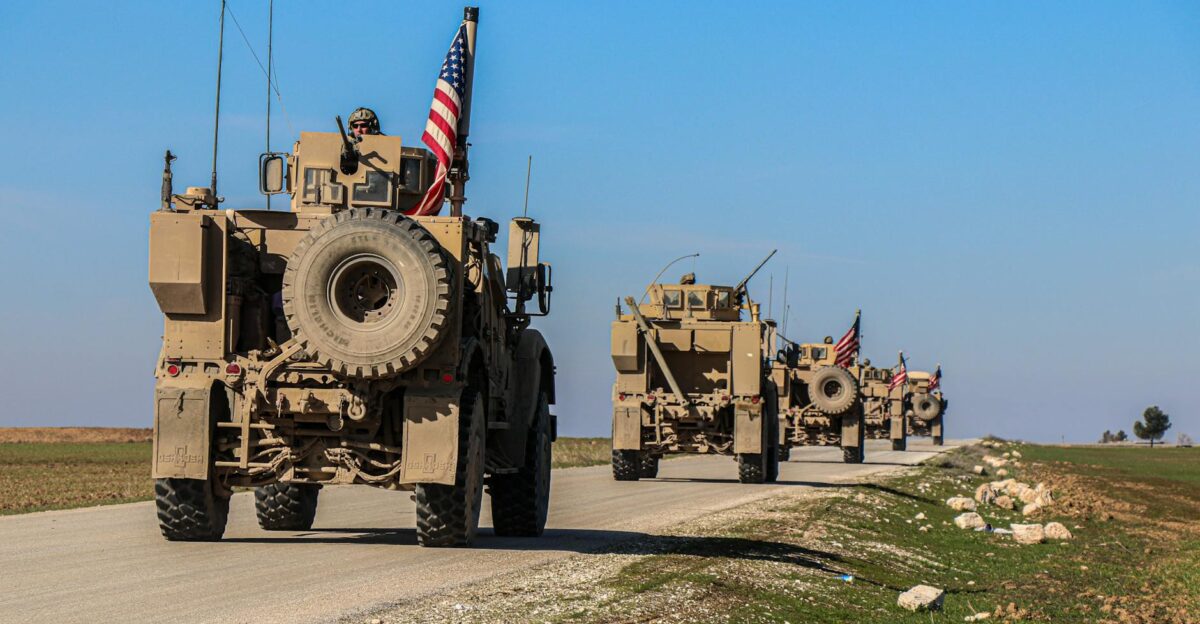
For more than a decade, Operation Inherent Resolve has tied together air power, ground operations, intelligence, and regional partners to pressure ISIS. The U.S. once had roughly 2,000 troops in Syria; today, that footprint is far smaller. But fewer boots on the ground means partnerships matter more than ever.
Operations like this one, carried out with Syrian forces, help stretch U.S. capability at a moment when ISIS is harder to find but still active.
The Drug Discovery and What It Says About ISIS’s Adaptation
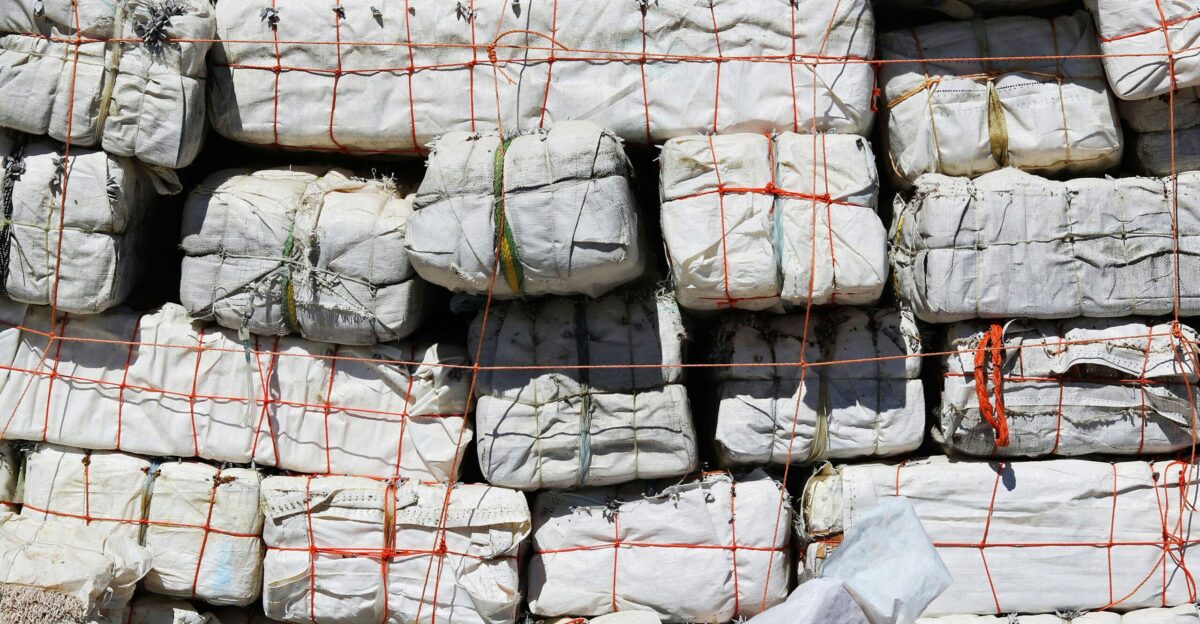
Finding drugs alongside weapons was more than a surprising detail—it was a clue. Extremist groups that lose territory often shift into smuggling to survive. It gives them money, access to routes, and leverage over corrupt officials. For ISIS, this hybrid model is part of its evolution into a network that mixes ideology with criminal enterprise.
Military pressure alone can’t end that. It takes financial disruption and targeted intelligence to dismantle the ecosystem.
What Comes After a High-Impact Operation
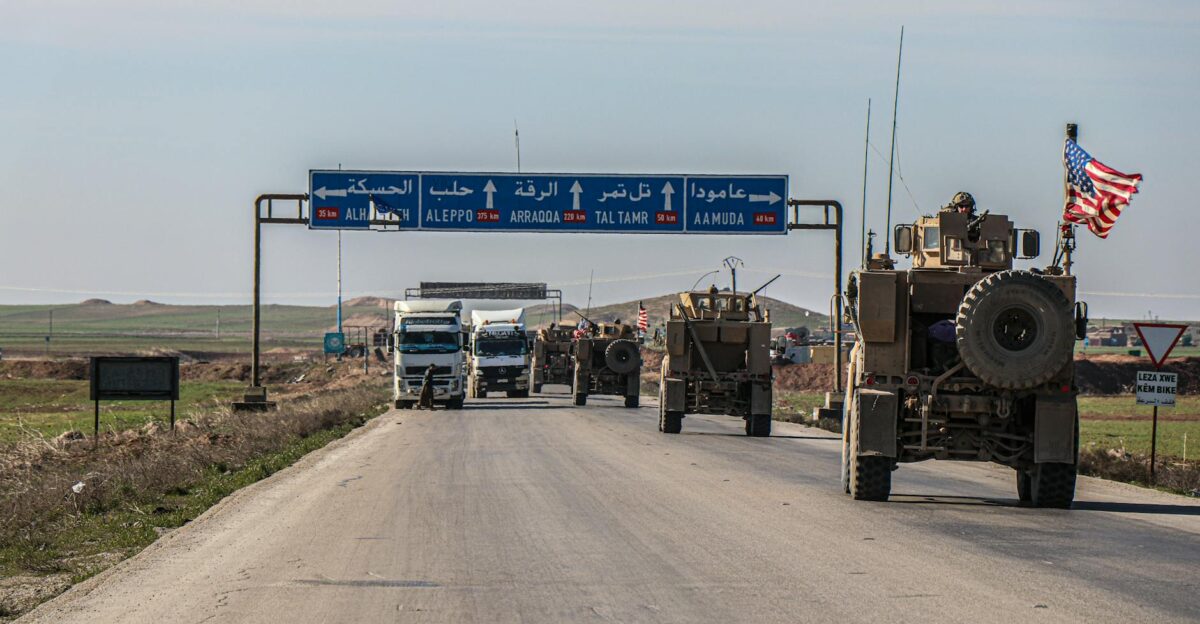
This mission wasn’t the end of anything; it was the continuation of a long campaign. The U.S. and Syria will keep hunting ISIS cells, scanning remote regions, and tracking communications. But questions remain. Can Syria’s new government be a consistent partner? Will security reforms hold? And can ISIS rebuild elsewhere?
Intelligence officials warn that without constant pressure, extremist networks exploit gaps quickly. Counterterrorism doesn’t pause, because ISIS doesn’t pause.
Why the Work in Syria Is Far From Finished
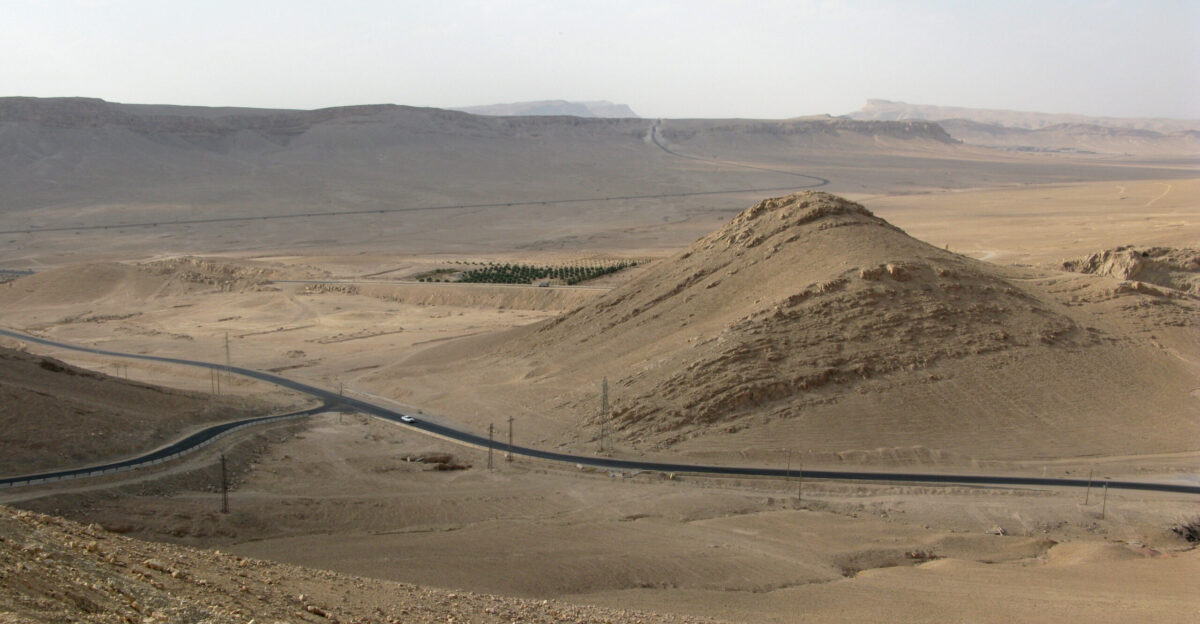
Fifteen sites and 130 destroyed weapons send a powerful message, yet countering ISIS has never been about single victories. Terror groups operate on patience. They dig in, disperse, and wait. The November operation delivered disruption and degradation, but not closure.
The people monitoring Syria’s deserts, tracking movements, and analyzing insurgent chatter know there will be another cache. The goal is simple: find it first, and destroy it faster.
A Network That Survived Defeat by Learning to Disappear
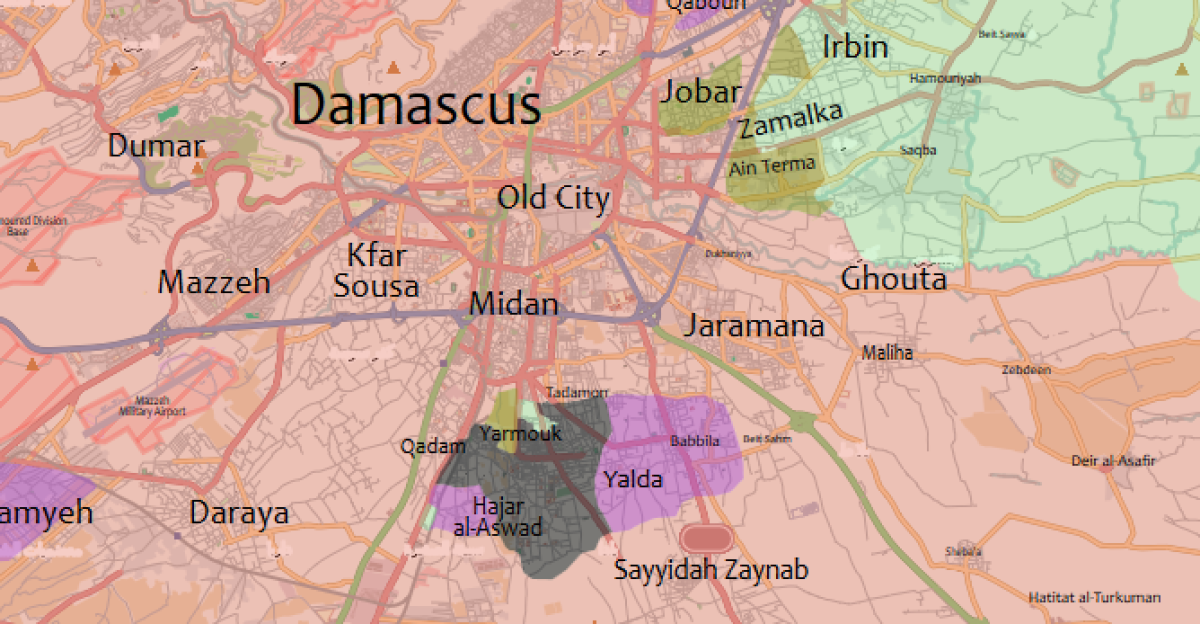
The Rif Damashq findings reveal a group that understands the terrain and uses it well. Desert compounds, scrubland, and remote valleys offer places to hide supplies for years. ISIS has shifted from running cities to running shadows, relying on concealment instead of territory. That adaptation makes operations like this essential.
Without constant surveillance and targeted strikes, the group’s underground infrastructure could slowly stitch itself back together.
How Cooperation Became a Force Multiplier
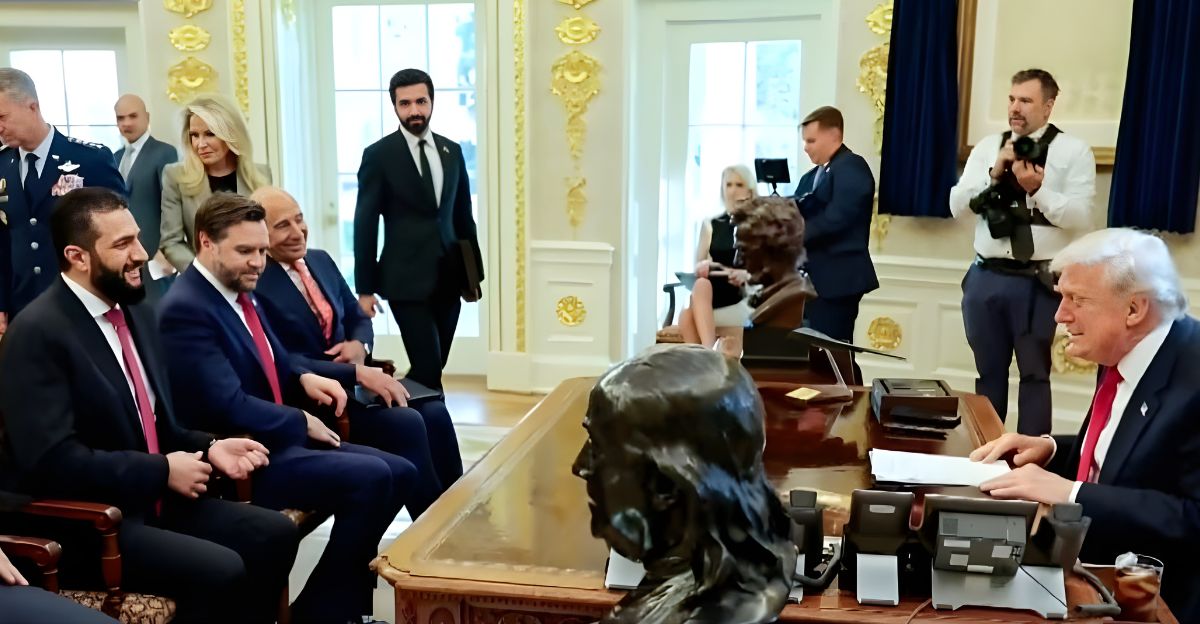
For Washington, collaborating with Damascus doesn’t replace the long-standing partnership with Syrian Kurdish forces in the northeast. Instead, it adds another layer. As FDD’s David Adesnik noted, seeing U.S. troops coordinate with Syrian government forces is a “milestone,” but not a wholesale strategy shift.
It’s a practical response to geography: ISIS moves across borders and jurisdictions, so countering it requires cooperation that sometimes transcends politics.
The Supply Chain Behind a Dormant Threat
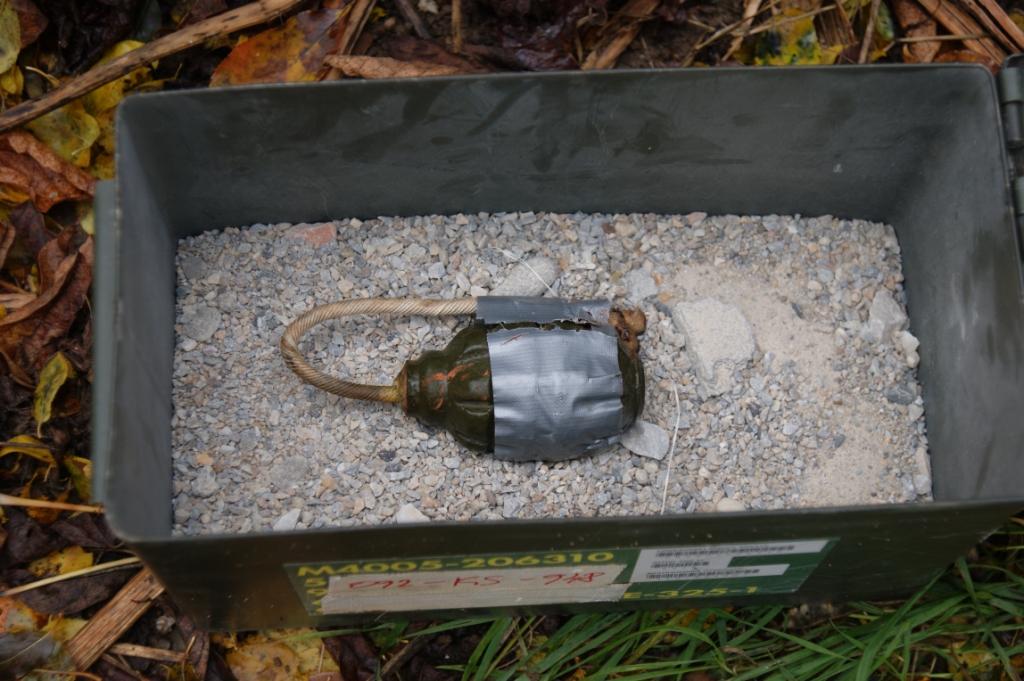
The caches weren’t just filled with weapons—they were stocked with the materials ISIS needs to build improvised explosive devices. That signals a supply chain reaching beyond the desert. Every mortar, mine, or rifle has a path: smugglers, brokers, and transport routes that ISIS still taps into.
Breaking those connections is as important as destroying the weapons themselves, because it prevents the group from replacing what it loses in each operation.
A Region Learning to Rethink Old Lines
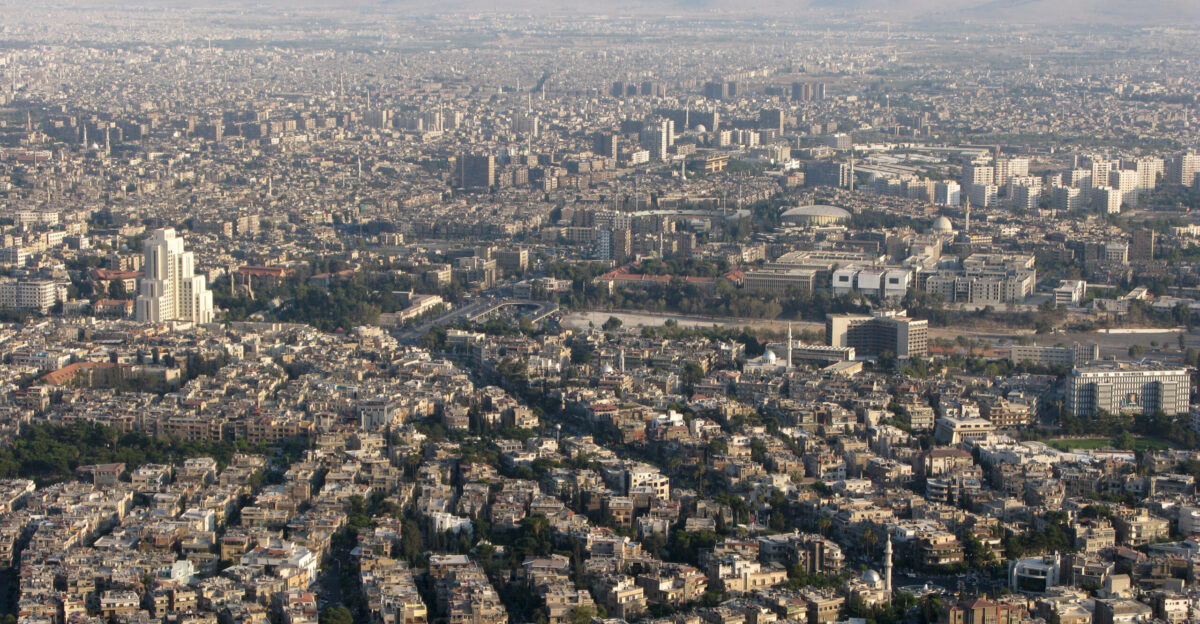
The Middle East is riddled with old fractures, but this operation suggests that new alignments are possible when the threat is shared. U.S.–Syrian cooperation will be closely watched, especially by regional partners who have long navigated the fallout of Syria’s internal turmoil.
Whether this becomes a pattern or remains a one-off depends on diplomatic progress, security reforms in Damascus, and whether both sides see value in continued coordination against ISIS remnants.
One Win in a Long Story
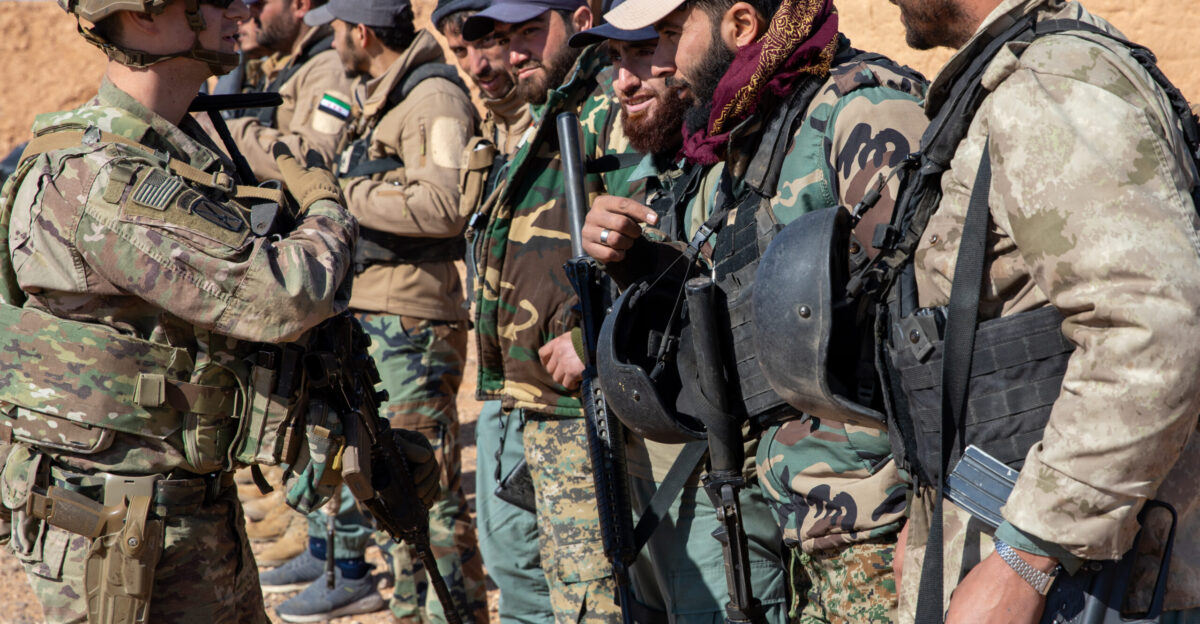
This operation shows how counterterrorism really works: quietly, steadily, and often without fanfare. Fifteen caches destroyed, 130 weapons eliminated, and one renewed understanding that ISIS remains adaptive. The U.S. and its partners can claim a meaningful victory, but not a final one.
As long as ISIS hides in the cracks of Syria’s vast terrain, the work continues—measured not only in battles won, but in threats prevented before they reach the world.
Sources:
U.S. Central Command (CENTCOM) / CJTF-OIR Operational Briefing
Foundation for Defense of Democracies (FDD) Situation Report: Syria
Syrian Ministry of Interior Official Statement
Reuters / AP Defense & Security Archives
White House Press Office (November 10, 2025)