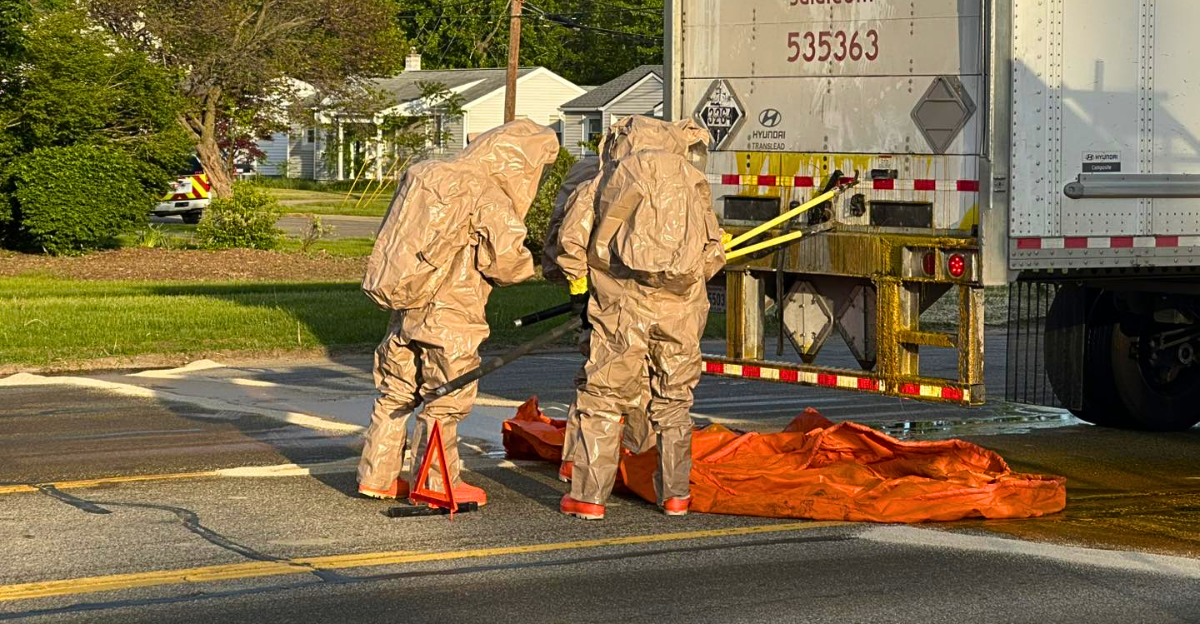
Families across the U.S. are urged to dig into their freezers after Tyson Foods announced a massive recall: nearly 58 million pounds of frozen corn dogs and sausage-on-a-stick products.
According to the U.S. Department of Agriculture’s Food Safety and Inspection Service (FSIS), the food may contain dangerous wooden fragments. While injuries have been reported, federal officials confirmed that no deaths have occurred.
How the Recall Began

According to FSIS, the alarm was first raised by consumers who found wood splinters in their food and quickly reported the issue. Those calls prompted Tyson to do an internal review at its Haltom City, Texas, facility.
Once the contamination was confirmed, the company immediately issued a recall affecting households, schools, and even military kitchens nationwide.
A Recall of Rare Scale

In its official notice, FSIS said the recalled items were produced between March 17 and September 26, 2025. That timeline represents months of production, so the recall has ballooned to a staggering 58 million pounds.
“The sheer scale is striking,” one food-safety analyst noted, warning that bulk production can multiply risks if flaws go undetected.
Tyson’s Official Statement
Tyson, through its Hillshire Brands division, said the recall was initiated “out of an abundance of caution.” The company stressed that the problem is confined to one facility in Haltom City and that no other plants or products are involved.
Tyson also emphasized its commitment to food safety, telling consumers it is “working closely with regulators” to prevent the issue from happening again.
How Splinters Entered the Food

According to Tyson’s internal investigation, the problem stems from the wooden sticks used to hold the products together. Sometimes, splinters broke loose during processing and became lodged in the battered coating.
While it may sound minor, food-safety experts explain that wooden shards can cause choking, dental damage, or injuries to the mouth and throat — and those risks rise sharply when millions of servings are in circulation.
Products You May Recognize

The recall doesn’t involve obscure brands. Tyson confirmed that household staples like State Fair Corn Dogs and Jimmy Dean Pancakes & Sausage on a Stick are affected. Packages carry the establishment numbers EST-582 or P-894.
Consumers are urged to check those codes carefully, along with production dates between March 17 and September 26, before serving frozen corn dogs or sausage sticks.
Injuries Already Reported

Federal officials confirmed that at least five people were injured by the contaminated products. The nature of the injuries has not been disclosed, but they were significant enough to trigger an immediate recall.
Food-safety consultant Darin Detwiler explained that “large batches cause larger recalls,” noting that industrial-scale production means a single flaw can put countless families at risk.
No Deaths Reported
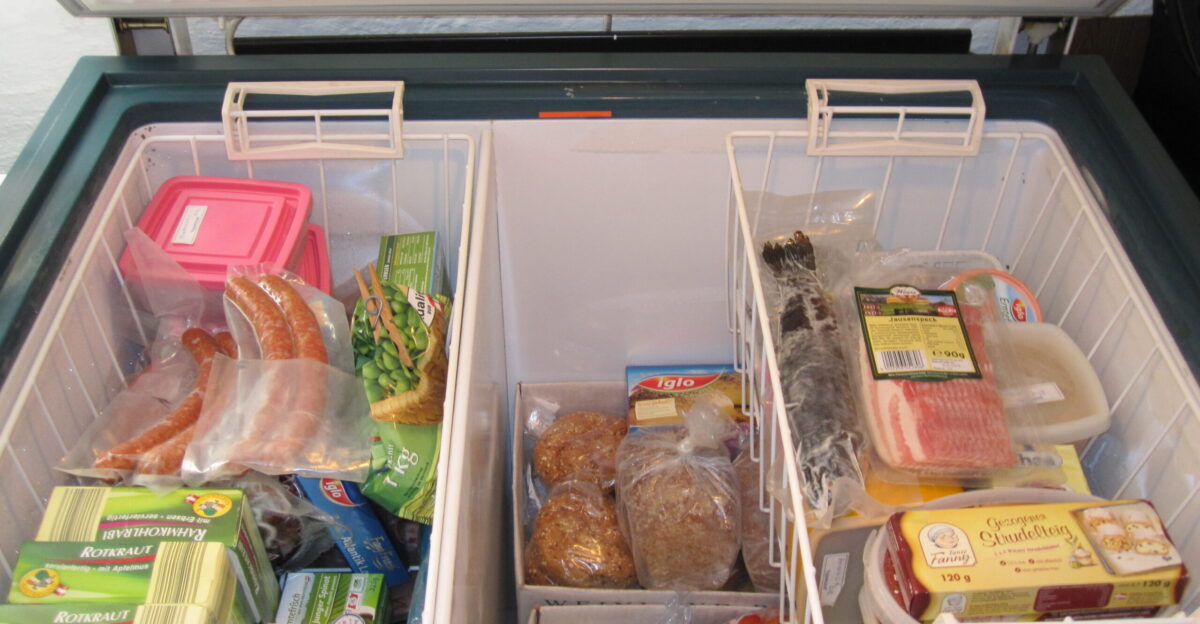
While the injuries are concerning, Tyson and FSIS confirmed that no fatalities have been linked to the recalled products. Officials stressed that the recall was initiated to prevent further harm, not because of a widespread outbreak.
Regulators say vigilance and careful freezer checks remain the best defenses for families worried about serving the wrong meal.
The Consumer’s Role in Detection

FSIS said the recall began with ordinary consumers who spoke up. According to officials, those complaints were “instrumental” in identifying the contamination quickly. “This is how the system is supposed to work,” one regulator said.
By filing complaints, shoppers triggered a review and helped prevent what could have become a much broader public health problem.
Why Wooden Splinters Matter
Food-safety specialists warn that wooden fragments pose a unique challenge. Unlike metal or glass, which industrial scanners can often detect, wood can slip through production lines.
A single unnoticed splinter can cause a chipped tooth or worse. One expert said, “It only takes one bite for a seemingly small defect to become a painful injury.”
The Institutional Impact
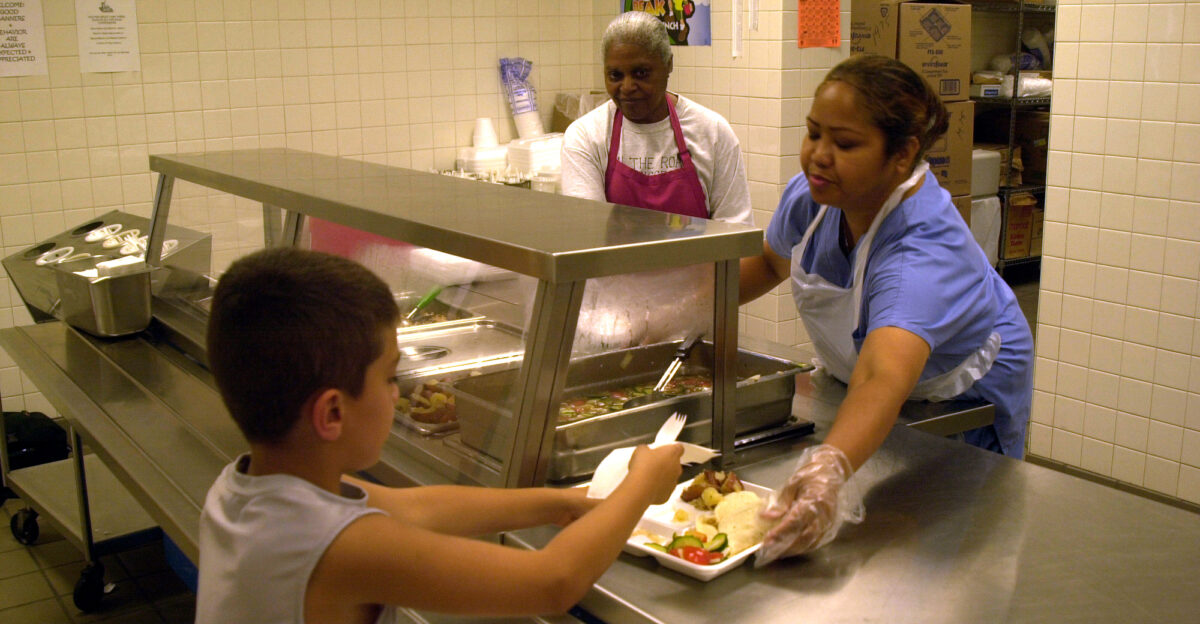
The recall’s effects extend far beyond home kitchens. Schools, hospitals, and military bases often purchase frozen foods by the pallet and store them for months.
FSIS said it is working with distributors to help institutional buyers sort through inventories. The task is urgent for school nutrition directors and military food service officers: stop the recalled items before they’re served in cafeterias or mess halls.
Tyson’s Food-Safety Track Record
Tyson has long invested in food-safety programs, but this isn’t the company’s first recall. Previous incidents have involved metal fragments and undeclared allergens. According to industry observers, this latest case highlights the limits of large-scale processing.
“When production is this centralized, one mistake can go national,” noted a food-policy professor, stressing that efficiency often comes with hidden vulnerabilities.
The Costs Behind the Recall

Pulling millions of pounds of food from circulation comes with steep financial consequences. Analysts say Tyson faces disposal costs, lost sales, and possible lawsuits from injured consumers. However, the greater cost will be consumer confidence.
Past recalls at major companies show that reputation is fragile, and recovery depends on how swiftly and transparently firms respond to crises like these.
How to Identify Recalled Products
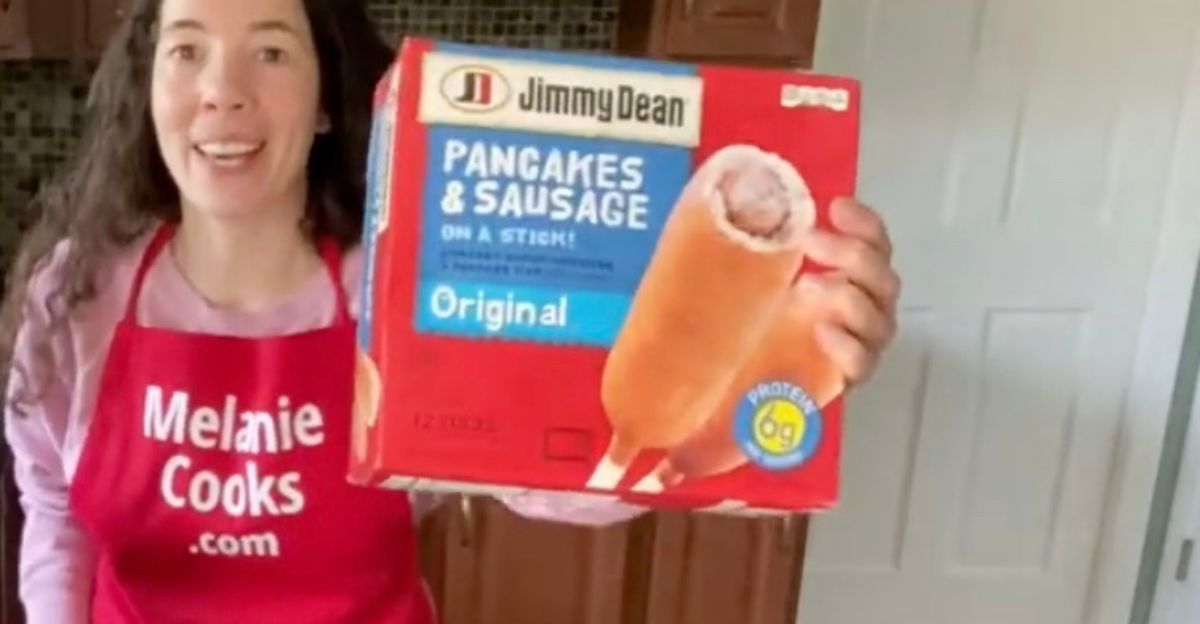
According to FSIS, the recalled packages can be spotted by two details: establishment codes EST-582 or P-894, and production dates between March 17 and September 26, 2025. Tyson has also posted images of the affected packaging.
Officials encourage families to compare codes closely before serving anything from the freezer, even if the food appears normal.
What to Do if You Have Them
The advice is direct: don’t eat the food. Consumers should throw it out or return it to the store where it was purchased. Tyson has set up a hotline for questions about refunds.
FSIS also encourages anyone who finds a fragment or suffers an injury to report it. Those consumer reports help regulators measure the scope of the problem and prevent additional harm.
Why This Recall Matters

A package of corn dogs might feel routine — a quick dinner or an easy lunchbox filler. However, recalls like this show how everyday foods can carry unexpected risks.
For parents, the recall is about protecting kids from harm. For institutions, it’s about keeping hundreds of people safe at once. The incident highlights how quickly food safety issues can affect daily life.
How the Industry Is Responding
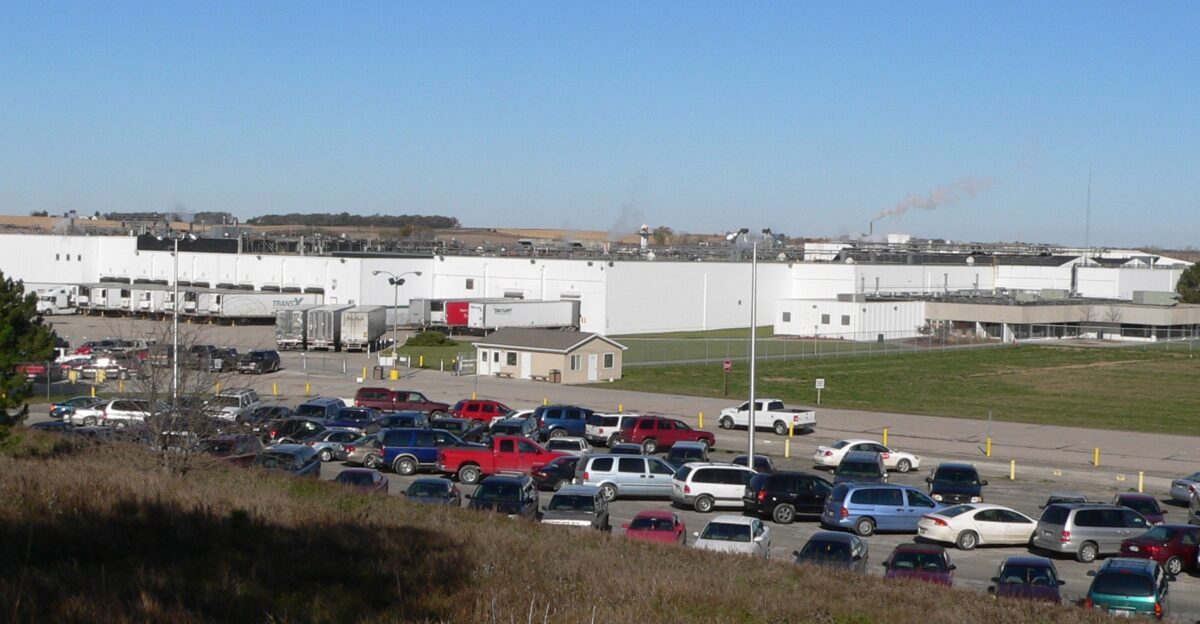
Experts say this recall reignites debate about the risks of consolidating food production. With fewer, larger plants serving millions, even minor errors can cascade nationwide. Some critics argue the system prioritizes volume over resilience.
Industry defenders counter that strong oversight, hazard analysis, and corrective action plans are in place — though this recall shows they don’t always catch everything.
FSIS Oversight Continues
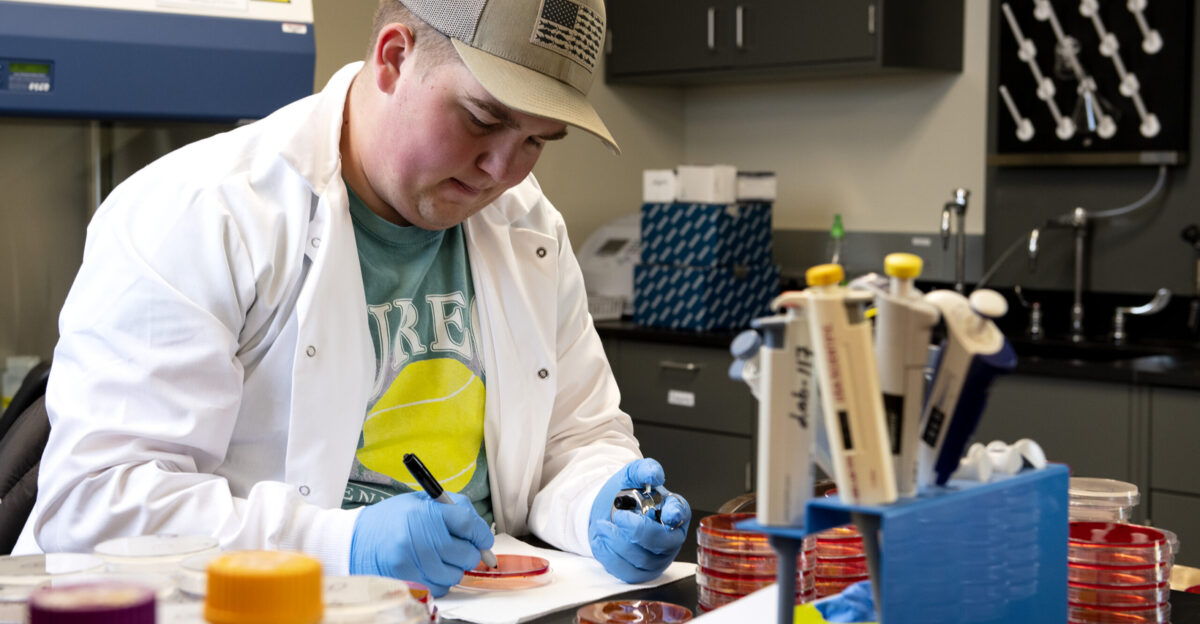
Federal inspectors are staying on-site at Tyson’s Haltom City facility to verify corrective steps. According to FSIS, the agency will not consider the recall closed until it is satisfied that the source of contamination has been addressed.
Public updates will remain active, officials said, until every recalled batch has been removed from circulation.
A Story Still Unfolding
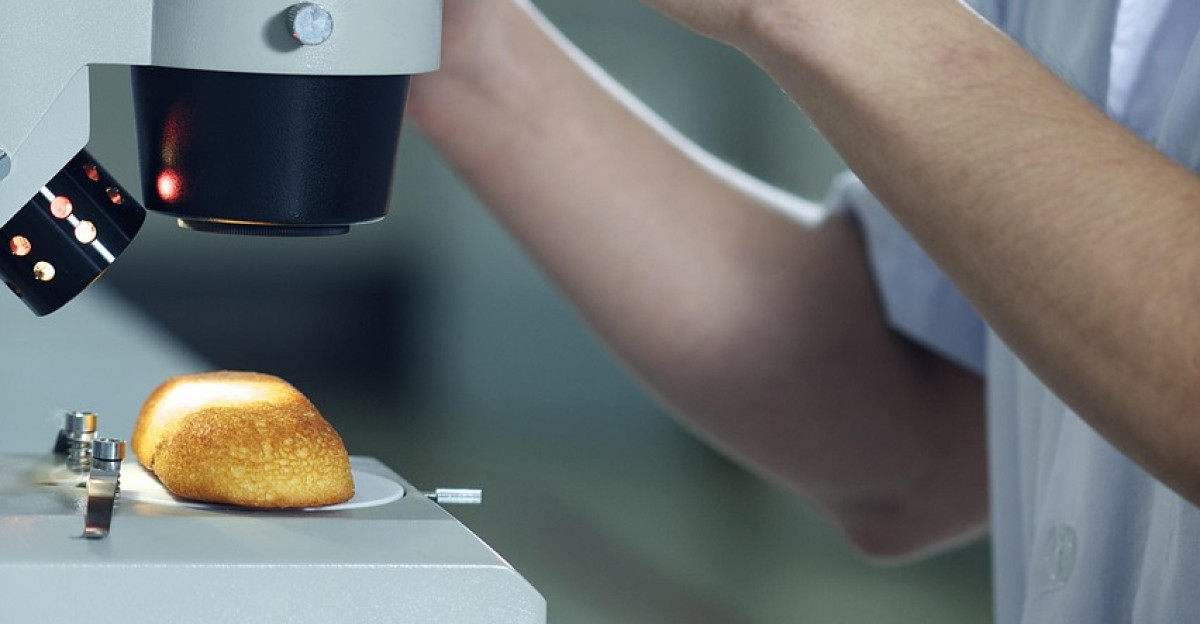
The injuries are limited, no deaths have been reported, and Tyson is working closely with regulators. However, the recall remains one of the largest in recent years, and its effects will continue to ripple as schools, military bases, and families comb through freezers.
According to an Associated Press report, the sheer size of the recall highlights how fragile consumer trust can be.
The Takeaway for Families

The Tyson recall is more than a headline — it’s a reminder to double-check what we feed our families. For most people, the next step is simple: open the freezer, check the packaging, and act quickly if the codes match.
Regulators say the best way to stay safe is also the easiest: don’t assume, don’t guess — check before you serve.