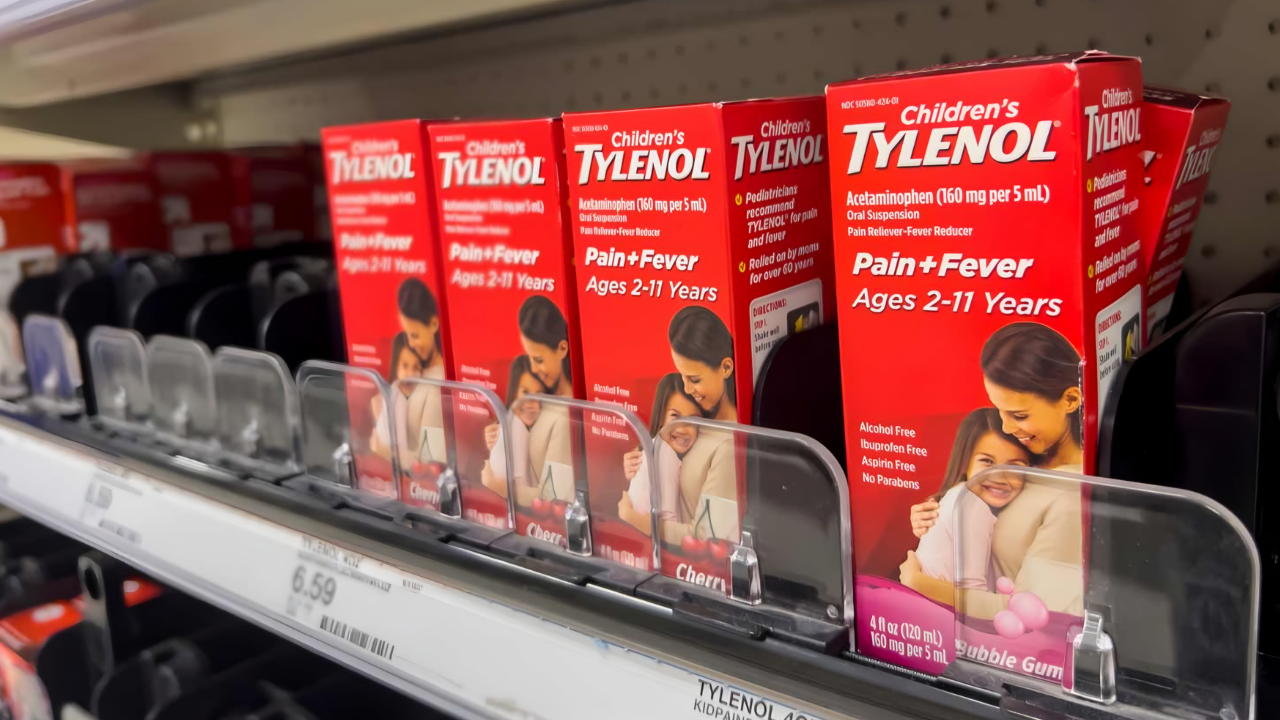
A turning point in consumer health was reached on November 3, 2025, when Kimberly-Clark announced its $48.7 billion cash-and-stock acquisition of Tylenol’s manufacturer, Kenvue. This deal, which values Kenvue at roughly $40.3 billion, comes after intense political scrutiny, particularly from the Trump Cabinet and RFK Jr., who openly questioned Tylenol’s safety despite the lack of medical evidence.
By combining Tylenol with its hygiene products, Kimberly-Clark hopes to save $1.9 billion in costs and generate $32 billion in revenue. However, the strategic intent is clouded by legal and regulatory obstacles to the takeover. This deal is a prime example of how political pressure can lead to significant corporate reorganization, influencing public confidence in health staples as well as markets.
Tylenol and Kenvue’s Historical Context
After being separated from Johnson & Johnson in 2023, Kenvue became a stand-alone consumer health company for just two years before Kimberly-Clark intervened. The 60-year-old FDA-approved acetaminophen brand Tylenol is well-known throughout the world. Deep market and political undercurrents are indicated by this acquisition, which is among the biggest of 2025 and the fastest pharma spin-off reabsorption ever documented.
Tylenol has historically withstood decades of scrutiny, including recalls and safety discussions, but its independent trajectory was disrupted by an unprecedented Cabinet-level attack spearheaded by RFK Jr. during a Trump administration meeting. This change highlights how vulnerable traditional pharmaceutical brands are in the current political environment.
The Catalytic Effect of Political Pressure
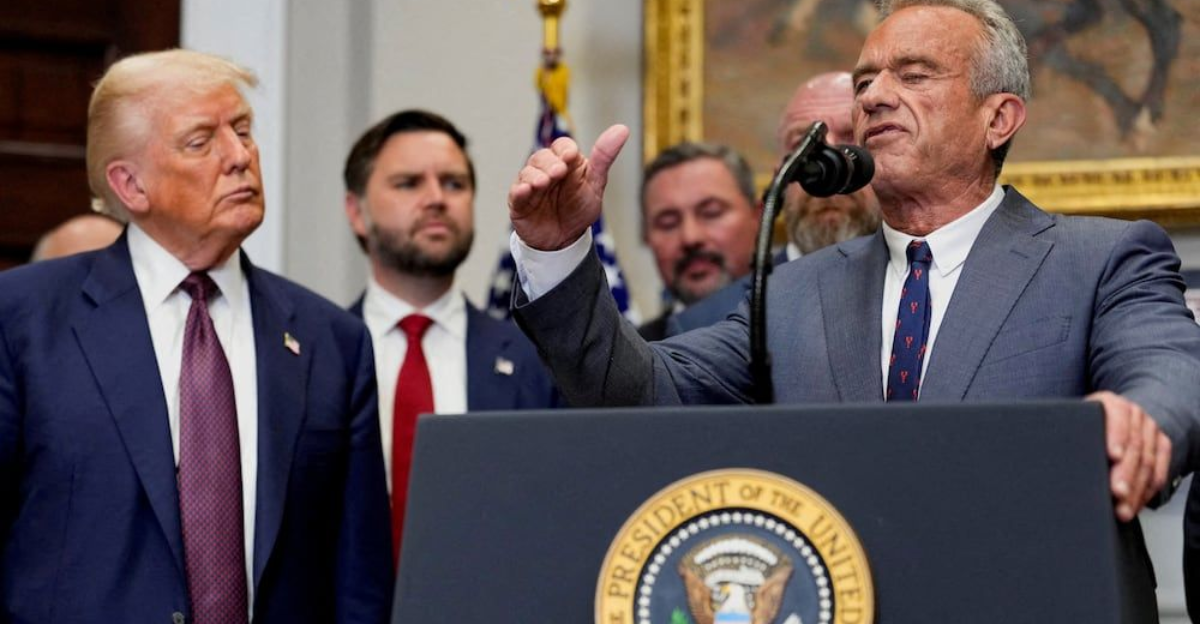
RFK Jr. and President Trump’s Cabinet publicly criticized Tylenol during health policy talks weeks prior to the agreement, reiterating an unproven connection between acetaminophen and autism. Despite the lack of scientific proof, this political attention increased investor and public anxiety.
Such high-level governmental involvement is uncommon and indicates a deliberate attempt to shape health product narratives. This political meddling probably put pressure on Kenvue’s leadership, hastened the actions of activist investors, and lowered valuations, giving the $48.7 billion deal the appearance of a “fire sale” driven more by reputational harm than by sound business reasoning.
Market Reactions and Shareholder Dynamics

Kenvue shares are valued at $21.01, a 46% premium over the previous close, thanks to the deal’s structure, which consists of $3.50 cash plus 0.14625 Kimberly-Clark shares per Kenvue share. Before the market opened, Kimberly-Clark’ssharesfell by almost 15%, indicating investor concerns about purchasing “damaged goods,” while Kenvue shareholders saw a 19.6% stock surge.
Potential litigation liabilities and safety overhang were identified as financial risks by analyst Jay Woods. Future corporate governance conflicts are set up by the ownership split (54% Kimberly-Clark and 46% Kenvue shareholders), especially in light of divergent investor priorities in the face of regulatory scrutiny. Operational strategy and post-merger integration will be shaped by these push-pull dynamics.
Cost Savings and Financial Consequences
Within the first three years, Kimberly-Clark anticipates cost savings of about $1.9 billion through operational synergies and efficiency gains, mostly through the merger of overhead and supply chains. Kimberly-Clark is positioned to compete with other conglomerates as a consumer health giant thanks to the deal’s estimated $32 billion in combined revenue.
But those margins could be eroded by the $1.12 billion termination fee and regulatory risks, which could postpone the expected financial boost. The company’s substantial risk-taking on post-acquisition turnaround highlights how political pressure can skew valuation and create expensive integration issues.
Regulatory and Legal Obstacles

Antitrust reviews and patent litigation related to safety concerns are among the regulatory obstacles that must be overcome before closing, which is slated for the second half of 2026. Regulators may impose restrictions or completely block the deal due to Tylenol’s politically charged controversies.
Furthermore, Kimberly-Clark may be subject to unforeseen liabilities or expensive recalls as a result of ongoing lawsuits alleging health hazards. Due to these intricacies, the acquisition is among the most politically and legally complex transactions of 2025, putting investor tolerance and consumer confidence in healthcare products to the test.
Effects on Consumers’ Minds
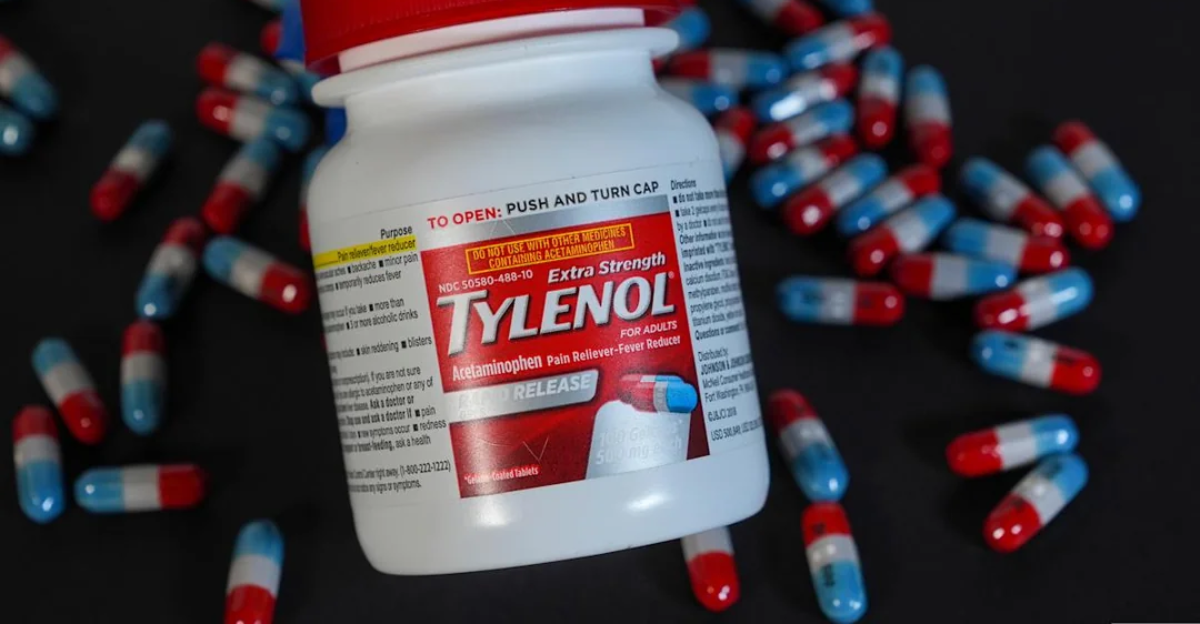
Although unproven and scientifically disproven, the Cabinet-level suggestion of an autism link has significantly changed consumer perception. This controversy affected more than 500 million Americans, undermining trust in a common painkiller. A product that has been trusted for generations is now being questioned by parents and public health advocates, demonstrating how political narratives can subvert scientific consensus and sow doubt.
This psychological phenomenon may cause consumers to choose alternatives or adopt risk-averse buying habits, changing market demand and compelling businesses to make significant post-merger reputation management investments.
Opposing Perspectives on Business Strategy
While detractors accuse Kimberly-Clark of purchasing “tainted assets,” a contrarian viewpoint contends that this action strategically unites brands for long-term stability. Insulated revenue streams are produced by the consumer health sector’s shift toward conglomerates offering daily necessities. Kimberly-Clark is more resilient to regulatory shocks and economic downturns thanks to its diversification into baby care, hygiene, and now pharmaceuticals.
Additionally, purchasing Kenvue at a suppressed valuation as a result of manufactured controversies may result in profitable returns once the political noise and litigation fade. This purchase might serve as a prime illustration of opportunistic purchasing during a crisis.
Industry Patterns and Prospects

The Tylenol deal is indicative of larger trends in the industry, which include pharmaceutical spin-offs, increased political meddling, and mega-mergers to gain scale. Businesses are being forced to create public relations and compliance barriers as consumer health brands deal with more and more politicized health debates.
At the same time, persistent innovation pressures necessitate enormous R&D funding, which favors risk-tolerant giants like Kimberly-Clark. In the future, these kinds of mergers will be essential strategic tools for controlling regulation, enduring volatility, and winning over customers in a variety of product ecosystems. This agreement might establish a standard for politically motivated negotiations.
Changes in Corporate Governance and Leadership

Fragility within the company was indicated by Kenvue’s CEO departure in July 2024 due to pressure from activist investors. Acquisition is frequently preceded by leadership turnover, which reflects governance issues in striking a balance between independence and shareholder return.
Kimberly-Clark Chairman/CEO Mike Hsu’s pledge to serve billions of customers following the acquisition highlights a unification vision, but managing a brand portfolio that includes everything from hygiene products to pharmaceuticals will be challenging. In order to prevent the combined entity from struggling under operational and political stress, governance models must adjust to integrate different cultures, legal exposures, and reputational sensitivities.
Political Influence on Pharma’s Regulatory History
The Tylenol controversy is noteworthy because it was the first time a sitting U.S. administration Cabinet publicly denounced a 60-year-old FDA-approved medication in the absence of supporting medical data. This represents a new political and regulatory precedent in which partisan narratives and false information spread by social media can influence health policy.
The consequences for pharmaceutical innovation, consumer trust, and regulatory integrity are significant; they may spur more stringent regulation, but they also raise uncertainty for market participants. Discussions about striking a balance between corporate risk management, public health responsibility, and freedom of speech may be sparked by this case.
Economic Consequences for Consumers and Investors
Kenvue’s $9.7 billion shareholder value increase and Kimberly-Clark’s abrupt $7.3 billion market value loss in pre-market trading show transactional asymmetry indicative of risk transfer. The $48.7 billion deal may result in pricing power consolidation for consumers, which could raise the price of necessities. Unified supply chains, however, might increase product innovation and availability.
As political sentiment, court decisions, and integration success develop, investors face a volatile mid-term outlook. This purchase is a prime example of how political developments can quickly realign economic interests and change the landscape of the financial markets.
The Model of Political-Pharma Market Disruption
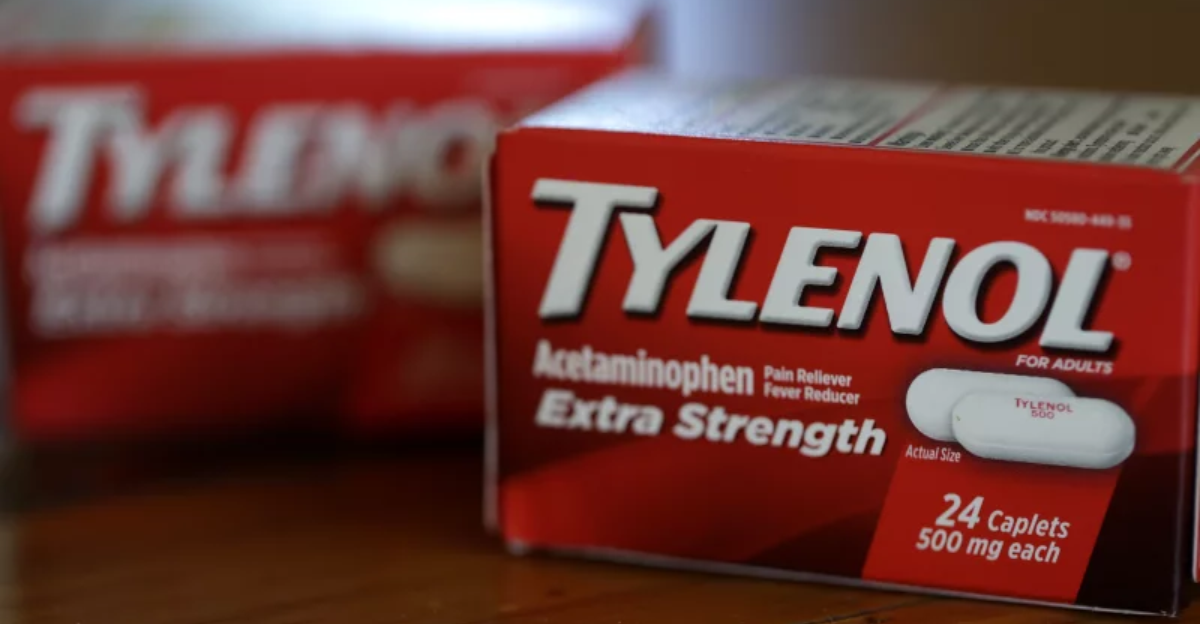
This acquisition exemplifies a novel “Political-Pharma Market Disruption Model,” in which corporate consolidation is compelled due to reputational harm caused by government influence. There are three stages in this model: 1) The creation of a political narrative against a legacy brand; 2) Investor activism that takes advantage of weaknesses; and 3) Strategic acquisitions by diverse conglomerates that take advantage of low valuations.
The Tylenol case illustrates the tangible effects of external non-market forces on pharmaceutical valuations and consumer health industries. According to the model, politically motivated M&A will occur more frequently over the next ten years, requiring new risk assessments and strategic approaches.
The Ripple Effects on Society and Culture

Trust in a common medication has been shattered by the controversy, which has fueled culturally charged discussions about autism and vaccine skepticism. The spread of false information and the polarization surrounding science and public health are exacerbated when Tylenol is falsely linked to autism.
Giant corporations like Kimberly-Clark are also forced by this controversy to manage unstable social environments while striking a balance between business interests and brand stewardship. Beyond market metrics, it has an impact on policy discourse, health communication standards, and eventually large-scale individual health decisions. These knock-on effects highlight how politics, psychology, and business interact in contemporary pharmaceutical narratives.
Uncovering the Real Significance of the Takeover
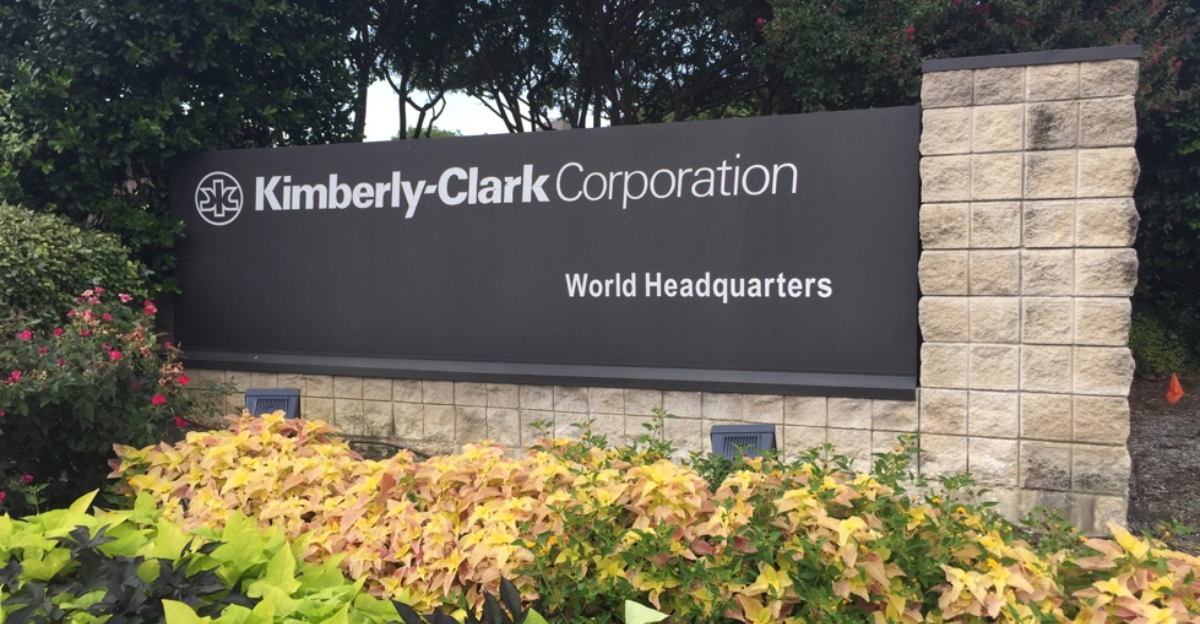
In addition to being a business deal, Kimberly-Clark’s$48.7billion acquisition of Kenvue is a significant example of how political forces can accelerate consumer health market realignment. Notwithstanding the risks associated with the deal, such as legal liabilities and regulatory obstacles, it sheds light on more general truths about profit, power, and perception.
The acquisition is a prime example of a new era in which political narratives and scientific scrutiny pose existential threats to established pharmaceutical brands. By comprehending this dynamic, stakeholders, from consumers to investors, are better able to foresee and negotiate the intricate intersections of business, politics, and health in the 2020s.