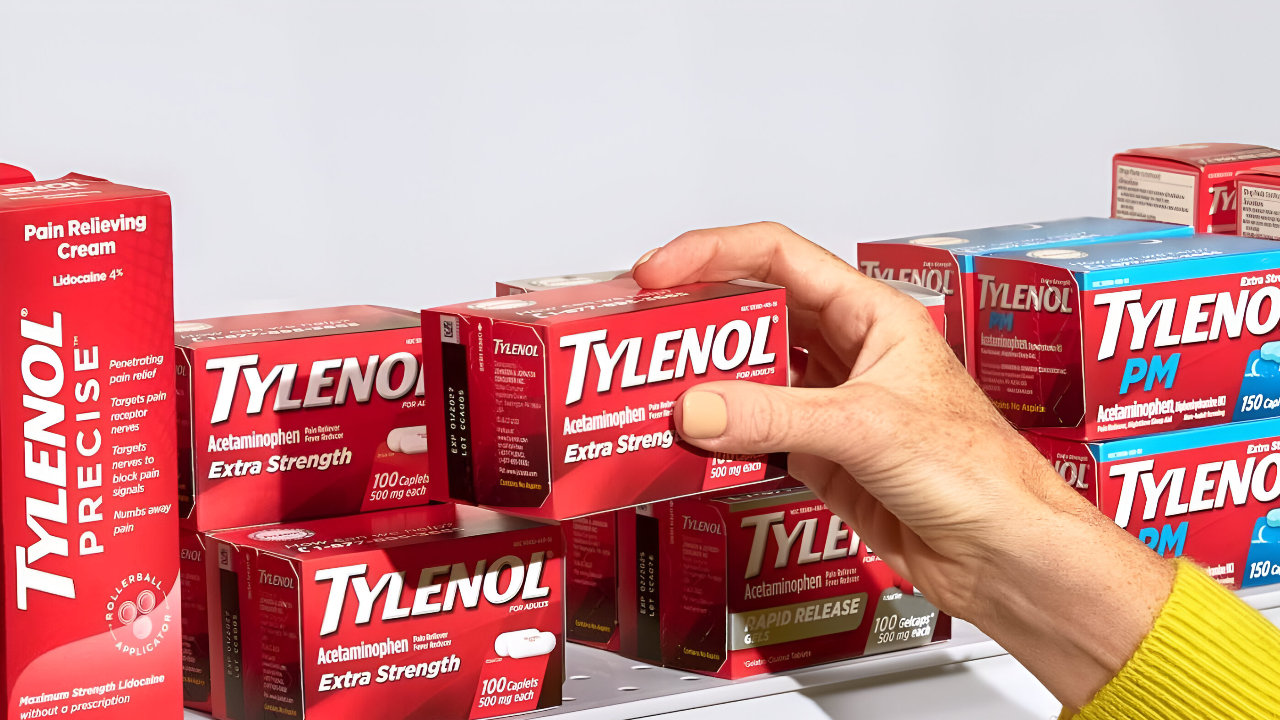
When millions of medicine cabinets hold a bottle of Tylenol, you wouldn’t expect political drama to trigger one of the year’s biggest corporate deals. But that’s precisely what happened when Kimberly-Clark announced plans to acquire Kenvue Inc.—the maker of Tylenol, Band-Aid, and Listerine—for $48.7 billion on November 3, 2025.
The company’s share price had already plummeted roughly 40 percent over six months, battered by White House warnings linking acetaminophen to autism. What started as a struggling spinoff evolved into a fire-sale acquisition that puzzled Wall Street yet offered the best lifeline either company could find.
Trump and RFK Jr. Just Shook Up Everything
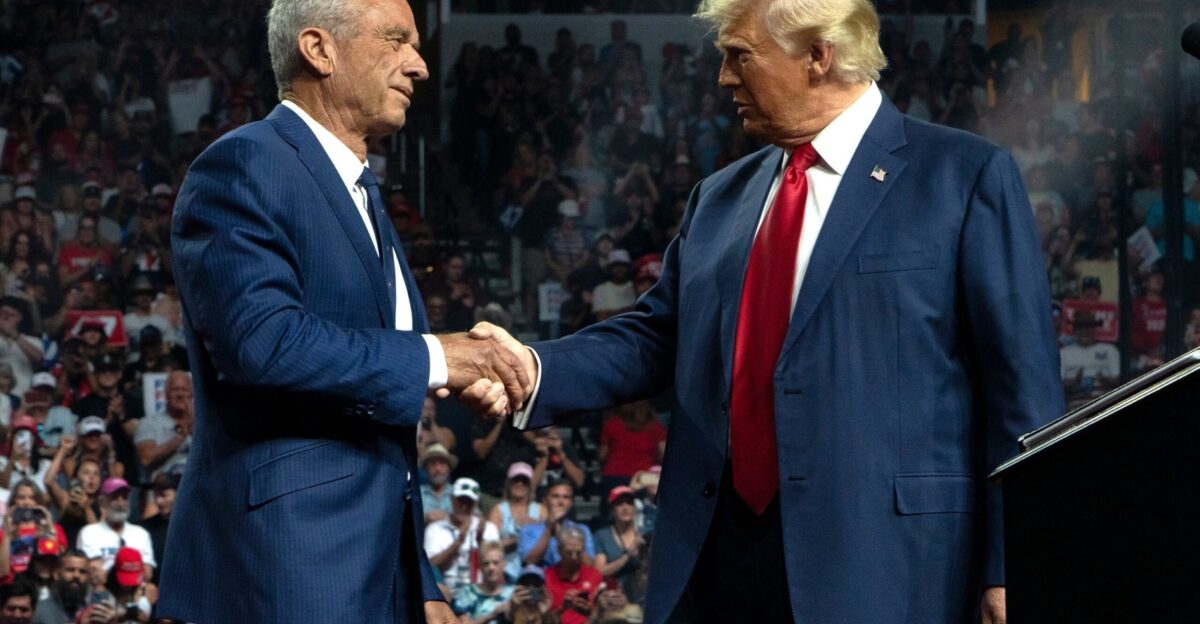
In mid-September 2025, President Trump and Health Secretary Robert F. Kennedy Jr. publicly claimed that acetaminophen poses risks to fetal development. Trump declared the drug “can be associated with a very increased risk of autism,” while FDA Commissioner Dr. Marty Makary announced label changes warning about potential neurological connections.
Kennedy adopted a more cautious tone, saying evidence was “very suggestive” but stopping short of definitive claims.
Here’s What the Research Actually Shows
A landmark 2024 JAMA study comparing siblings—one exposed to acetaminophen in utero, one not—found no increased autism, ADHD, or intellectual disability risk. However, Mount Sinai researchers argue that higher-quality studies show correlations, suggesting methodology matters enormously. The FDA itself acknowledged that “a causal relationship has not been established” despite claims of association.
The American College of Obstetricians and Gynecologists continues recommending acetaminophen as the safest pain reliever for pregnant women managing fever and discomfort.
Inside the White House Meeting

On September 22, 2025, Trump convened a press conference in the Roosevelt Room with Kennedy, FDA Commissioner Makary, NIH Director Jay Bhattacharya, and CMS Administrator Mehmet Oz. Trump called autism a “horrible, horrible crisis” warranting action against “too much liquid, too many different substances” given to babies.
The FDA initiated formal label-change procedures to reflect a potential association with neurodevelopmental conditions, while simultaneously noting contrary scientific literature and unproven causation. The announcement marked an unusual instance of the FDA acting on political direction, absent definitive proof of causality.
RFK Jr. Keeps Changing His Story—And Here’s Why That Matters
Health Secretary Kennedy offered conflicting signals throughout this saga. In early October, he stated that establishing causality “is not sufficient to say it definitely causes autism. But it’s very suggestive,” recommending cautious usage. When pressed publicly in November, Kennedy reaffirmed his position, promising not to change course “until science changes the science.”
The HHS announced a campaign encouraging pregnant women to consult their physicians and minimize their acetaminophen dosage.
Texas Just Fired the First Legal Shot
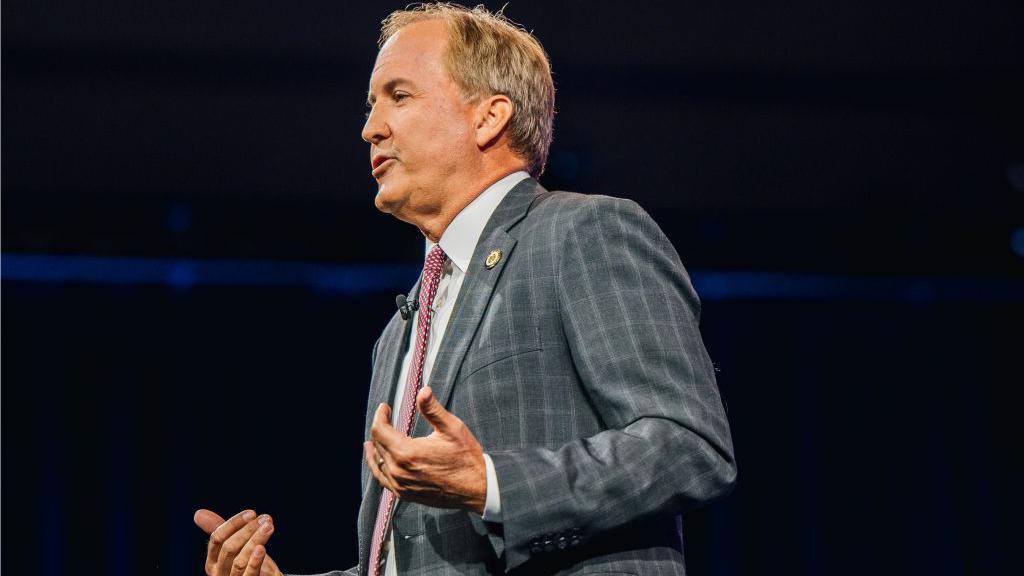
Texas Attorney General Ken Paxton filed the first state-level lawsuit against Kenvue and Johnson & Johnson in late October, alleging executives concealed acetaminophen’s autism risks. Texas leveraged consumer protection statutes rather than traditional injury claims, potentially enabling broader remedies.
In November, Texas requested a temporary restraining order preventing Tylenol marketing as safe for pregnant women and blocking dividends.
Before the Politics, This Company Was Already Falling Apart
Spun off from Johnson & Johnson in May 2023, Kenvue faced immediate operational headwinds. By mid-2025, quarterly sales declined 4 percent year-over-year, with organic growth falling 4.2 percent in Q2. In July 2025, Kenvue’s board terminated CEO Thibaut Mongon and elevated Kirk Perry—a three-decade veteran of Procter & Gamble—as interim chief.
The board announced a strategic review with Centerview Partners and McKinsey & Company. Activist investors Third Point and Starboard Value had already been demanding restructuring or a sale.
How Political Chaos Made a $48B Company Suddenly Cheap

Before Trump’s September announcements, Kenvue shares had declined roughly 30 percent in two months. After September 22, the decline accelerated to approximately 40 percent over the next six months. The political firestorm transformed Kenvue into a distressed asset nobody wanted to touch.
Kimberly-Clark’s final offer of $21.01 per share represented a 46 percent premium to the pre-announcement price, yet still reflected a substantial discount compared to pre-controversy valuations.
Dozens of Lawsuits Are Lining Up Behind Texas

Beyond Texas, dozens of personal injury lawsuits alleged prenatal acetaminophen exposure caused autism or ADHD in children. A federal multidistrict litigation involving approximately 500 cases was dismissed in 2023 when Judge Cote ruled expert testimony lacked a scientific foundation.
However, plaintiffs continued to pursue state court claims and introduced new expert testimony, potentially reviving federal litigation. Legal analysts noted that FDA label warnings could significantly strengthen plaintiffs’ cases, even in the absence of definitive causation proof.
Why Kimberly-Clark Is Betting Billions Despite the Chaos
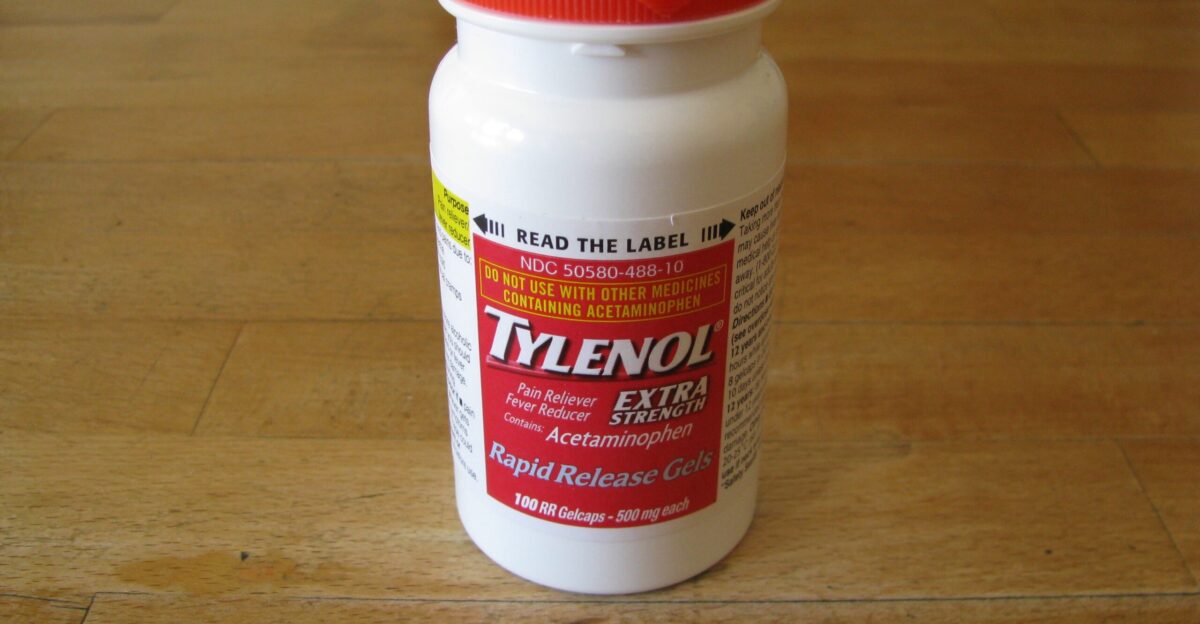
Despite unprecedented controversy, Kimberly-Clark CEO Mike Hsu articulated compelling strategic logic for the acquisition. The deal represented the next step in transforming the company into higher-growth, higher-margin consumer health businesses.
Kenvue’s iconic portfolio—Tylenol, Band-Aid, Listerine, Aveeno, and Neutrogena—offered perfect adjacency across pain relief, wound care, oral care, and dermatology. These categories commanded strong margins and durable consumer loyalty.
The Jaw-Dropping Numbers Behind This Record-Breaking Deal
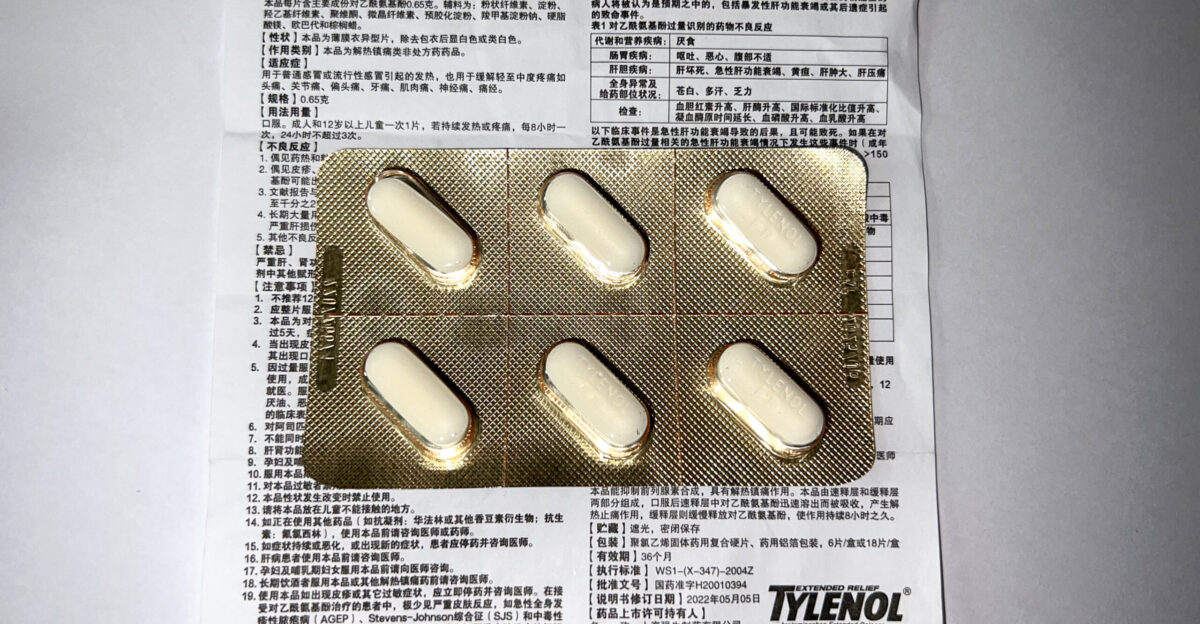
Kimberly-Clark and Kenvue identified approximately $2.1 billion in combined annual growth, comprising $1.9 billion in cost reductions and $500 million in revenue gains, net of $300 million in reinvestment. Kenvue shareholders received $3.50 per share in cash plus 0.14625 Kimberly-Clark shares, totaling $21.01 per share.
The transaction required $6.8 billion in upfront cash consideration, funded through existing cash, new debt, and corporate actions. Kenvue shareholders would own approximately 46 percent of the combined entity. Projected annual revenues reached roughly $32 billion with $7 billion adjusted EBITDA.
Doctors And Their Response
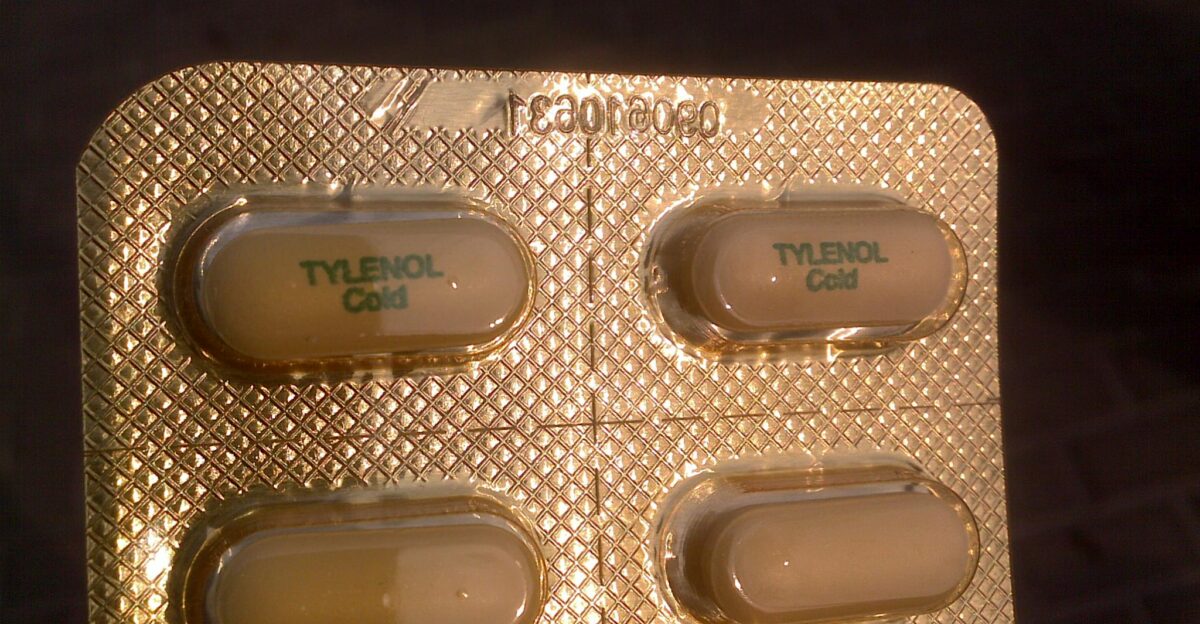
Major medical organizations formally rejected Trump administration claims with striking unanimity. The American College of Obstetricians and Gynecologists reaffirmed acetaminophen as the preferred pain reliever for pregnant women, as untreated fevers pose demonstrable fetal risks. Dr. Veronica Gillispie-Bell stated Trump’s announcement “puts healthcare professionals in a very challenging position.”
The World Health Organization reiterated “no consistent association has been established” between acetaminophen and autism. Medical experts cautioned that discouraging acetaminophen might prompt women to undertreat pain or fever, causing greater fetal harm.
Reshaping the Consumer Health Industry
The Kimberly-Clark-Kenvue combination triggered a competitive realignment across the consumer health sector. Competitors, including Haleon, Unilever, Procter & Gamble, and Reckitt Benckiser, now face a powerful rival controlling diverse over-the-counter categories. The $48.7 billion transaction highlighted the substantial asset base underlying global OTC markets, where brand trust creates defensible competitive advantages.
Major capital providers remained willing to finance large acquisitions despite political pressure and litigation uncertainty. Some analysts viewed Kimberly-Clark’s bet as implicitly wagering that Trump’s claims would prove politically rather than scientifically sustainable.
Why Investors Are Still Nervous

Success depends on multiple uncertain variables extending beyond typical acquisition risks. Political pressure could intensify if Trump or Kennedy pursue additional regulatory actions, potentially harming Tylenol sales despite the scientific consensus.
Litigation outcomes remain unpredictable, particularly if state courts prove receptive to claims previously rejected by federal judges.
This $48B Gamble Could Either Make History or Break It
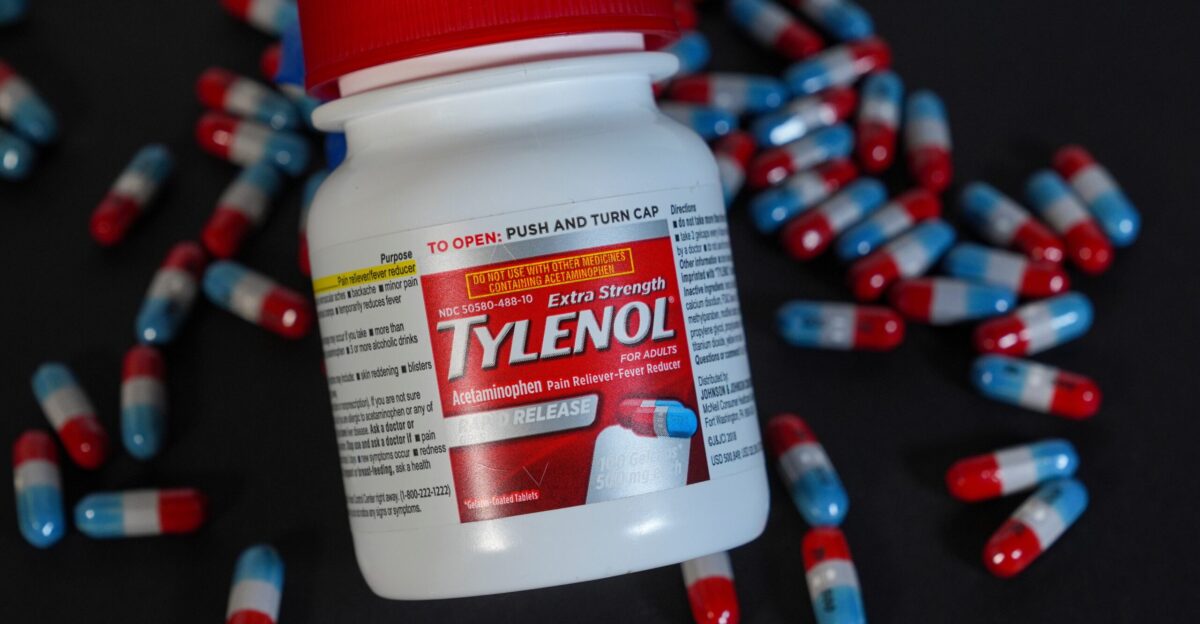
If Kimberly-Clark successfully integrates Kenvue and weathers political and litigation storms, the combined company emerges as a consumer health powerhouse with durable brands and strong margins. The company would command unmatched scale in pain relief, wound care, oral care, and dermatology—categories experiencing secular growth as consumers prioritize self-care.
Conversely, if litigation escalates dramatically or political interference becomes chronic, the acquisition may face unforeseen challenges that complicate value creation. Market observers view this as a high-risk, high-reward calculation justified by record-breaking commitment despite unprecedented headwinds.