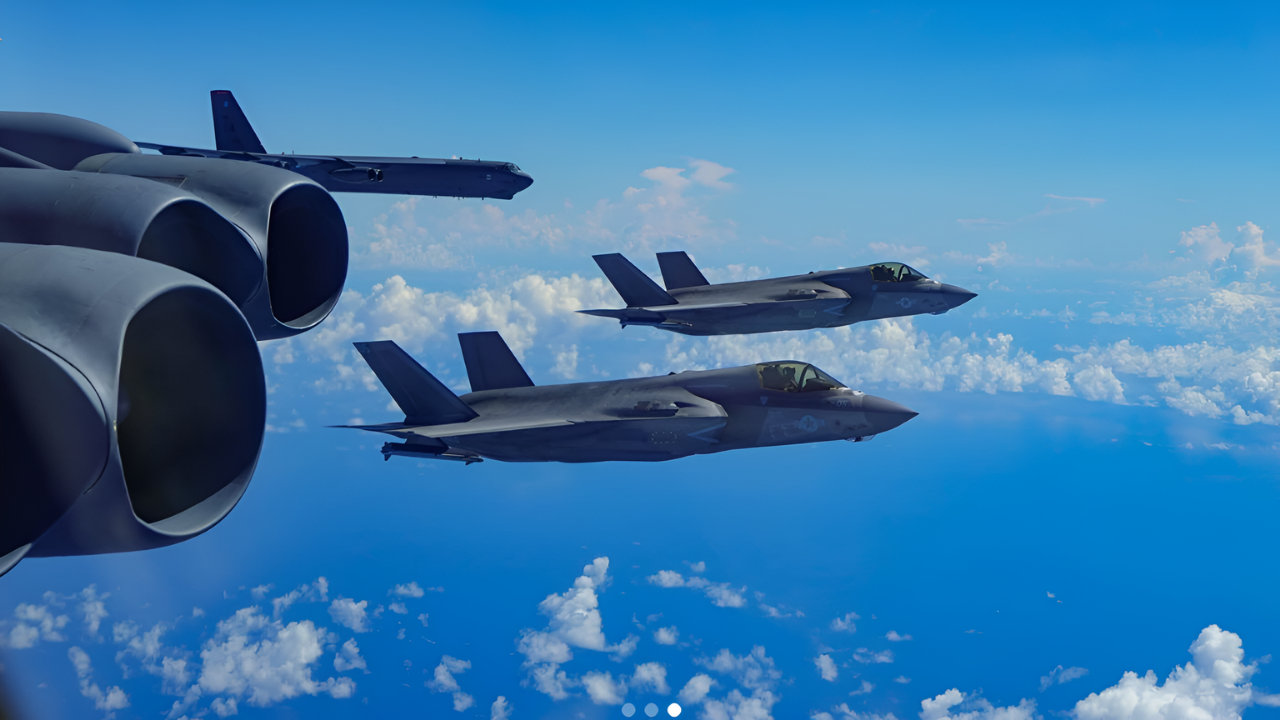
The Trump administration is ramping up military pressure on Venezuela, with U.S. bombers and fighter jets now conducting high-visibility patrols near Caracas. These missions represent an escalation of Operation Southern Spear, the Pentagon’s campaign targeting drug trafficking in the Caribbean.
However, observers see it as part of a broader political pressure campaign against President Nicolás Maduro. Flight trackers have been monitoring the movements in real-time, with public transponders revealing every detail of the operations.
Unprecedented Tempo
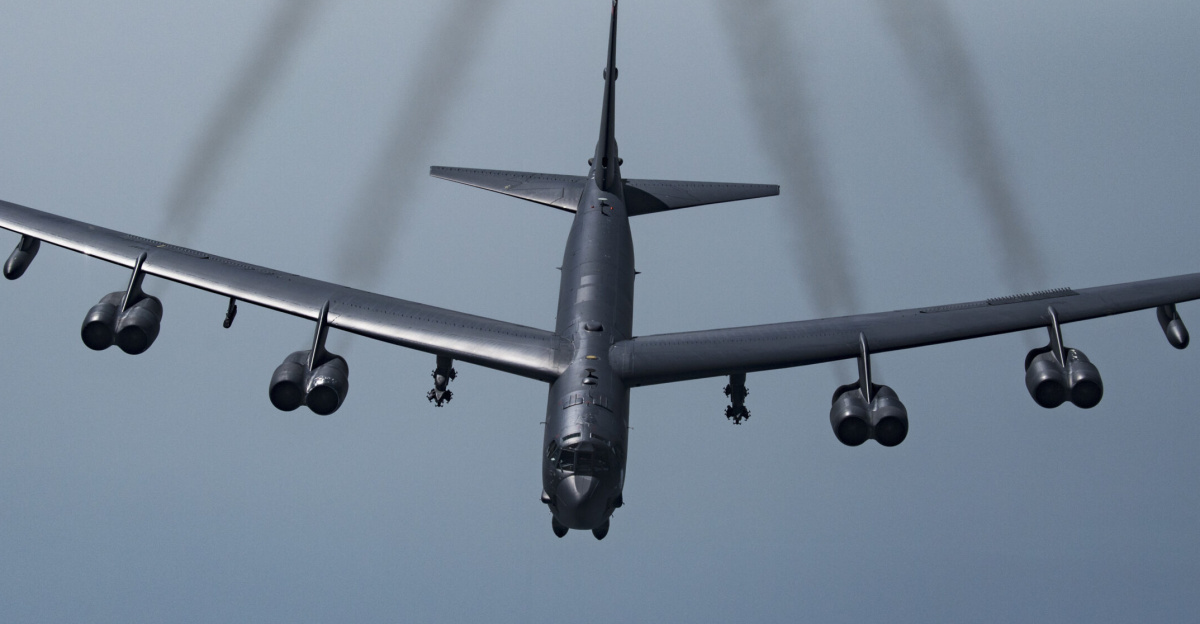
What makes November’s operations unusual is their frequency and transparency. Two B-52H bombers departed Minot Air Force Base on November 24, just four days after another multi-bomber mission on November 20.
The aircraft deliberately kept their transponders active, allowing 75,000+ users on Flightradar24 to watch the flights in real-time, a rare display of intentional military visibility. The rapid succession and public nature signal a significant shift in the U.S. posture toward Venezuela.
Operation Southern Spear: Origins
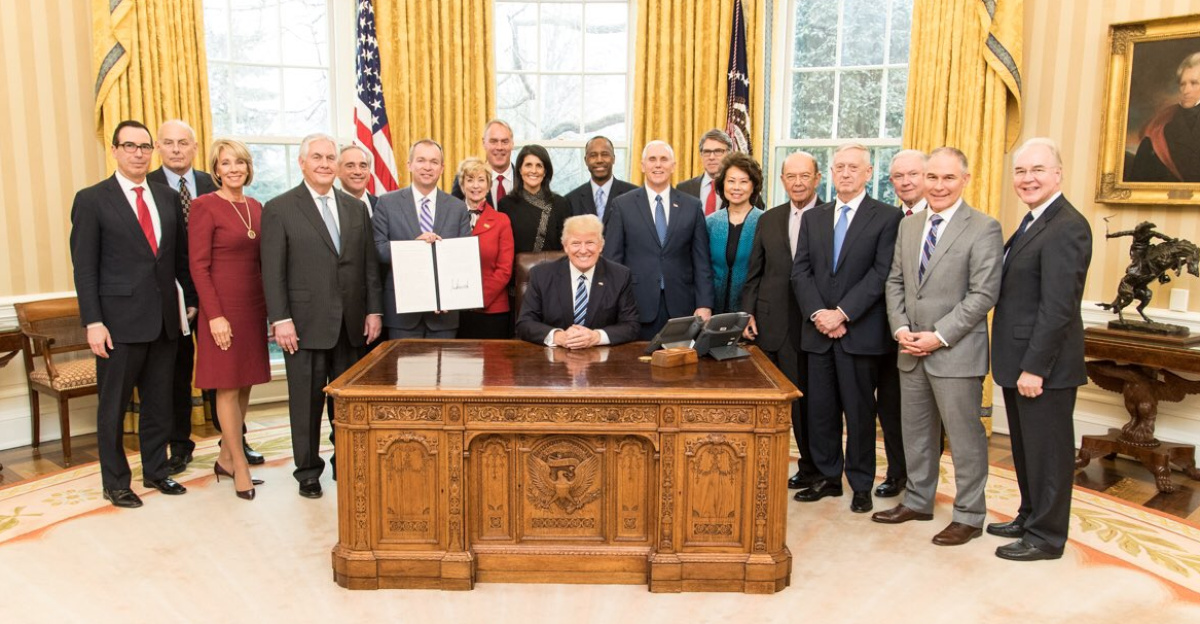
Operation Southern Spear was launched in mid-November 2025 as a Pentagon-coordinated counter-narcotics campaign, but its origins date back even further. The Trump administration, seeking to isolate Maduro’s government, authorized the deployment of significant naval and air assets to the Caribbean, including the USS Gerald R. Ford carrier strike group, strategic bombers, fighter squadrons, and reconnaissance drones.
By late November, this represented the most significant U.S. military buildup in the Caribbean since the Cold War, signaling intent far beyond routine drug interdiction.
Mounting Pressures on Maduro
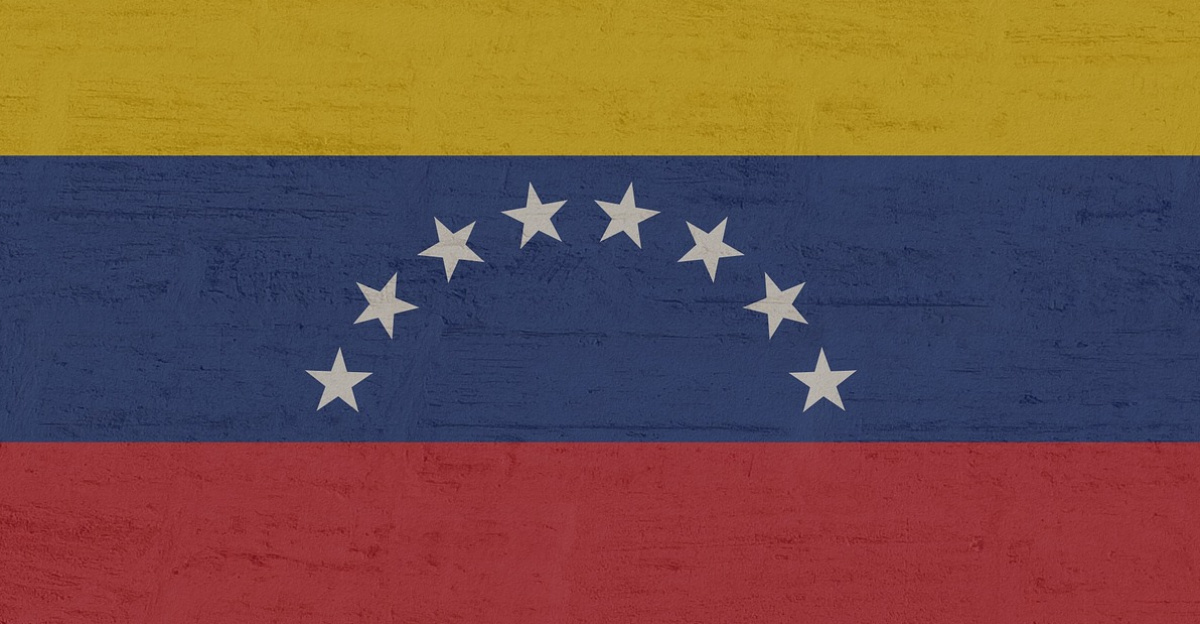
Venezuela’s regime faced mounting international isolation as November 2025 approached. The U.S. had already withdrawn diplomatic recognition from Maduro’s government in favor of the opposition. Sanctions tightened access to oil revenues and financial markets.
And the Trump administration rhetoric intensified, with officials openly calling for regime change. The military buildup added kinetic teeth to diplomatic pressure, signaling that the U.S. was prepared to back political demands with military force if necessary.
The November 24 Patrol: Core Facts
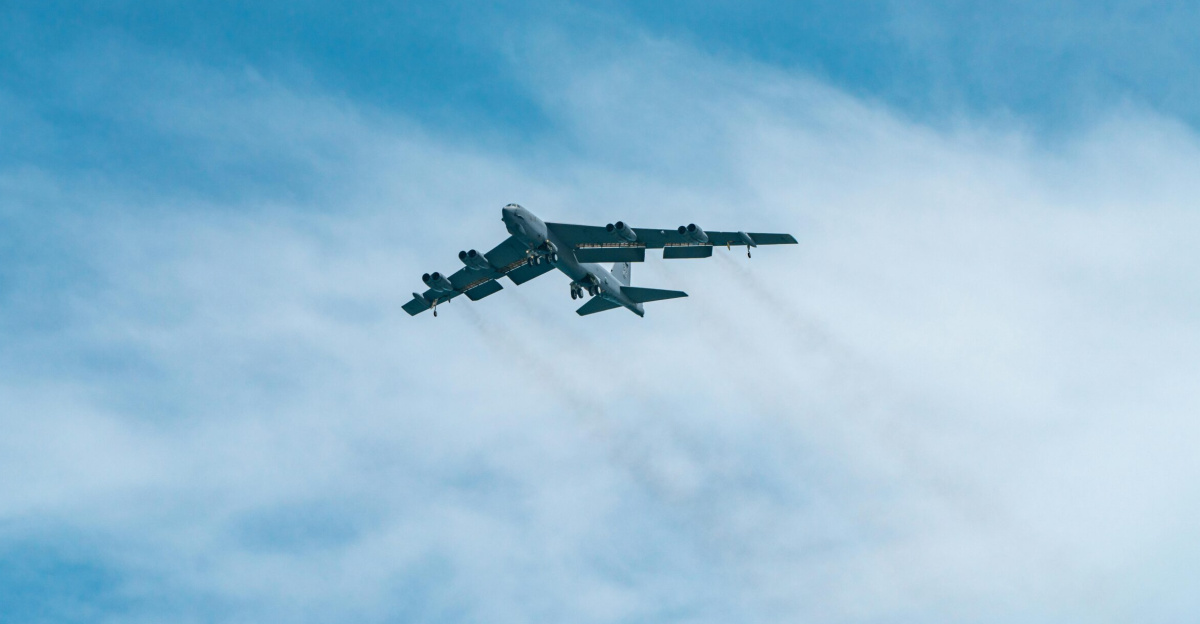
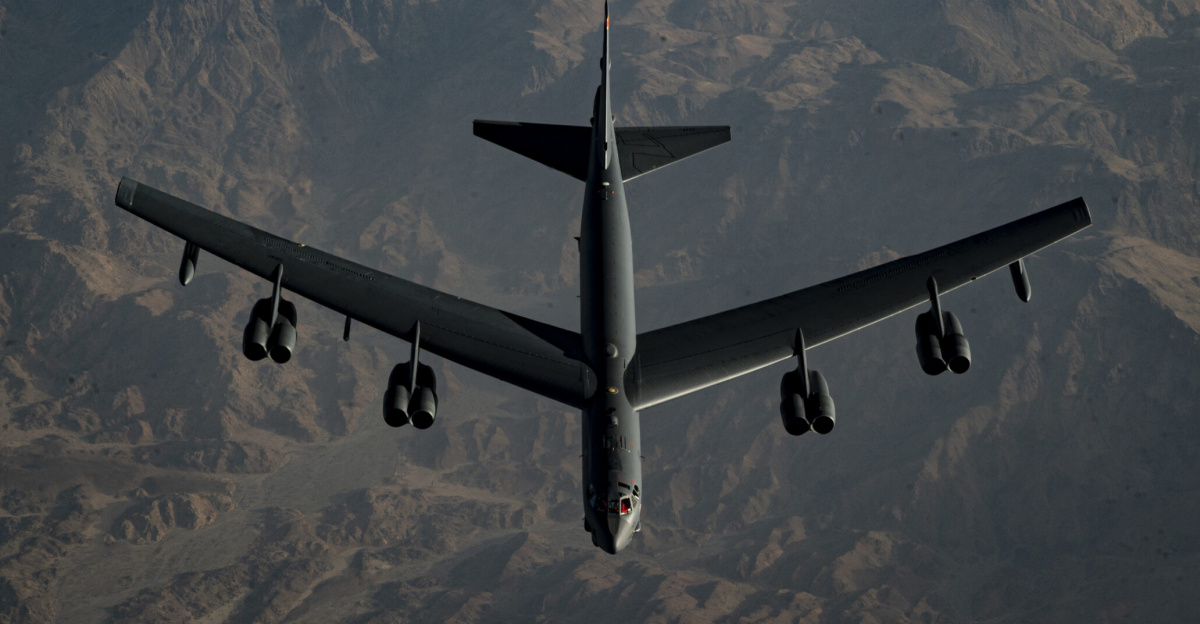
On November 24, 2025, a single B-52H Stratofortress, after its pair-mate turned back, flew south from Minot Air Force Base in North Dakota, crossed the Yucatan Peninsula, and descended toward the Venezuelan coast escorted by Navy F/A-18 Super Hornets.
The bomber passed directly north of Caracas, Venezuela’s capital, well within the strike range of its weapons systems: AGM-86B cruise missiles (1,500–2,400 km), AGM-158 JASSM (370 km), and JASSM-ER (925 km). The entire route was publicly visible on flight-tracking apps.
Caracas in the Crosshairs
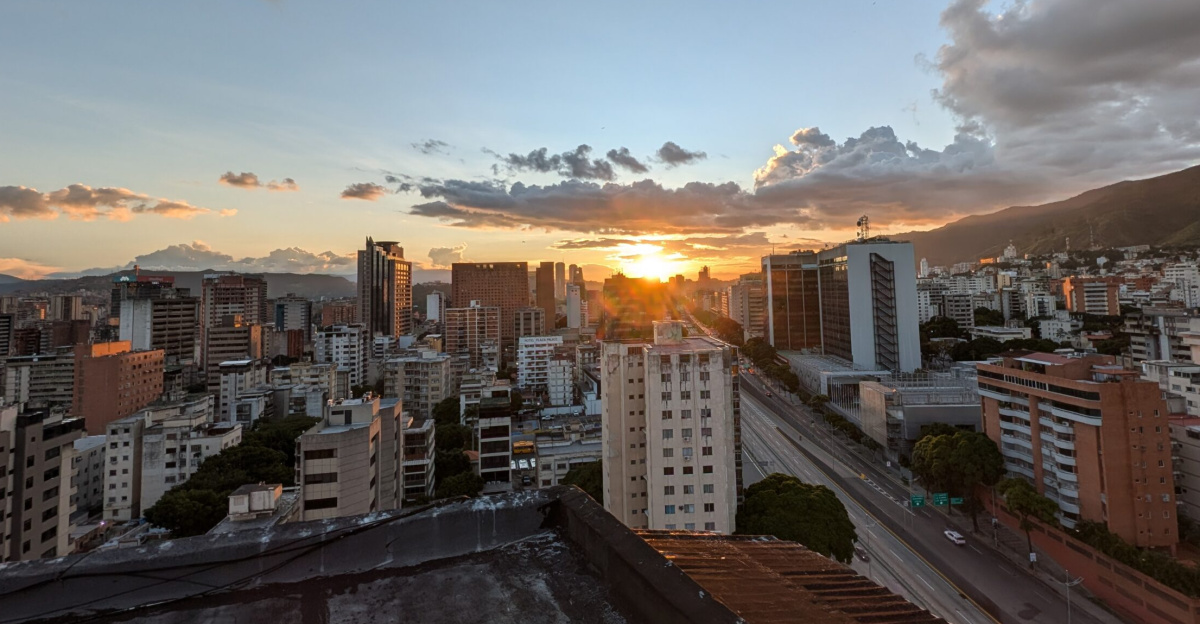
Caracas sits only 7–15 kilometers inland from the Caribbean coast, nestled in a mountain valley. This proximity made it an ideal geographic marker for a presence patrol meant to communicate American capability and resolve.
The B-52, with a 70,000-pound ordnance capacity and the ability to deploy up to 20 precision-guided munitions, positioned itself to strike the capital from stand-off distance, meaning the bomber could launch weapons without entering Venezuelan airspace. The symbolism was unmistakable: American air power could reach Venezuela’s nerve center.
The Human Toll Beneath the Headlines

The presence patrols are conducted against a backdrop of kinetic action. Between November 1 and November 24, 2025, the Trump administration authorized 21 airstrikes on alleged drug boats and trafficking vessels in the Caribbean, killing at least 83 people.
U.S. officials have released no public details about who was killed, whether civilians were among the dead, or specific evidence linking the targeted boats to narcotics trafficking. The administration claims authority under its classification of drug cartels as terrorist organizations threatening U.S. national security.
Allies and Assets: The Broader Force
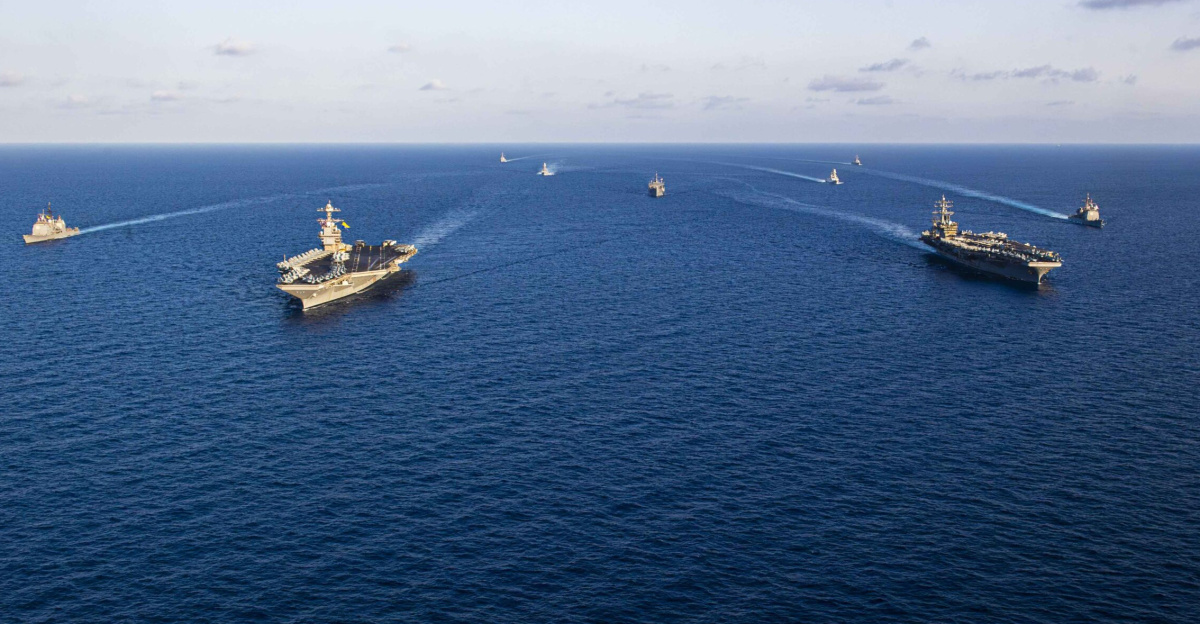
The B-52 patrols represent only one layer of an unprecedented military buildup. The USS Gerald R. Ford carrier strike group, with 10 carrier-based F-35B fighters, arrived on November 16, 2025. Air Force AC-130 gunships operate from bases in Puerto Rico and El Salvador.
Navy P-8 Poseidon maritime patrol aircraft conduct reconnaissance. U.S. Air Force MQ-9 Reaper drones maintain surveillance. Together, this multi-domain force represents American military dominance in the region and signals to regional actors and to Maduro that the U.S. is prepared for sustained operations.
The Maduro Question: Why Now?
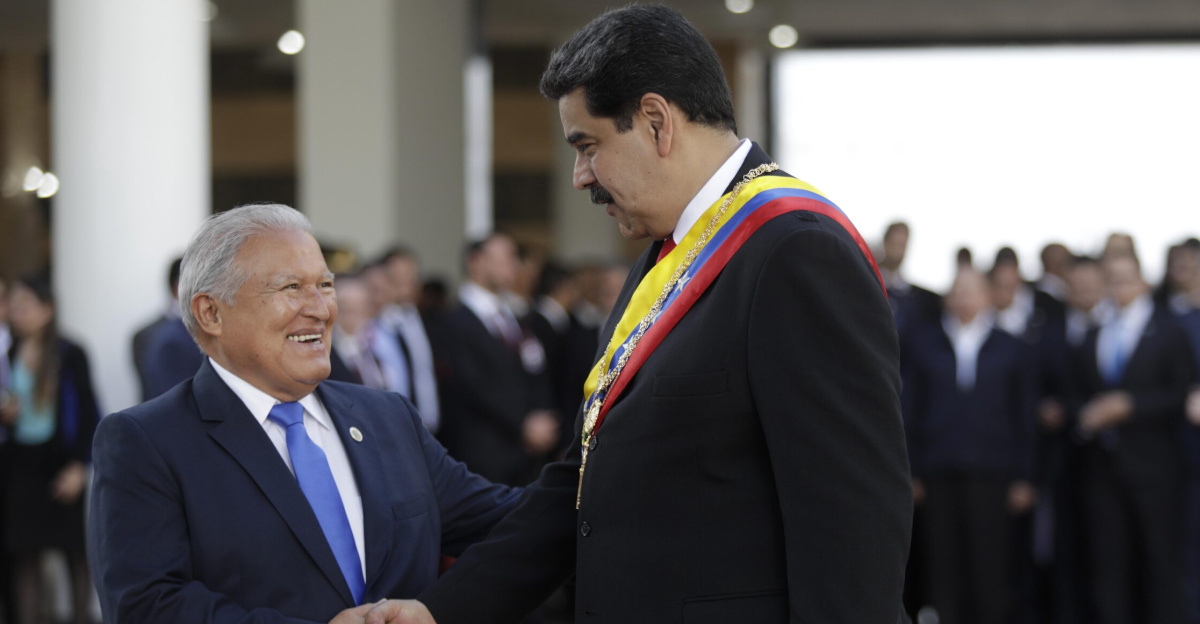
Nicolás Maduro has remained president despite two decades of economic collapse, democratic backsliding, and international isolation. Venezuela’s economy shrank by 75% between 2013 and 2023. Yet Maduro, backed by military hardliners, has survived coup attempts, sanctions, and diplomatic pressure.
The Trump administration’s November 2025 military escalation reflects frustration with slower diplomatic approaches and pressure from regional allies like Colombia and Brazil, who fear Venezuelan instability will trigger mass migration and refugee crises across South America.
The Transponder Paradox: A Tactical Choice
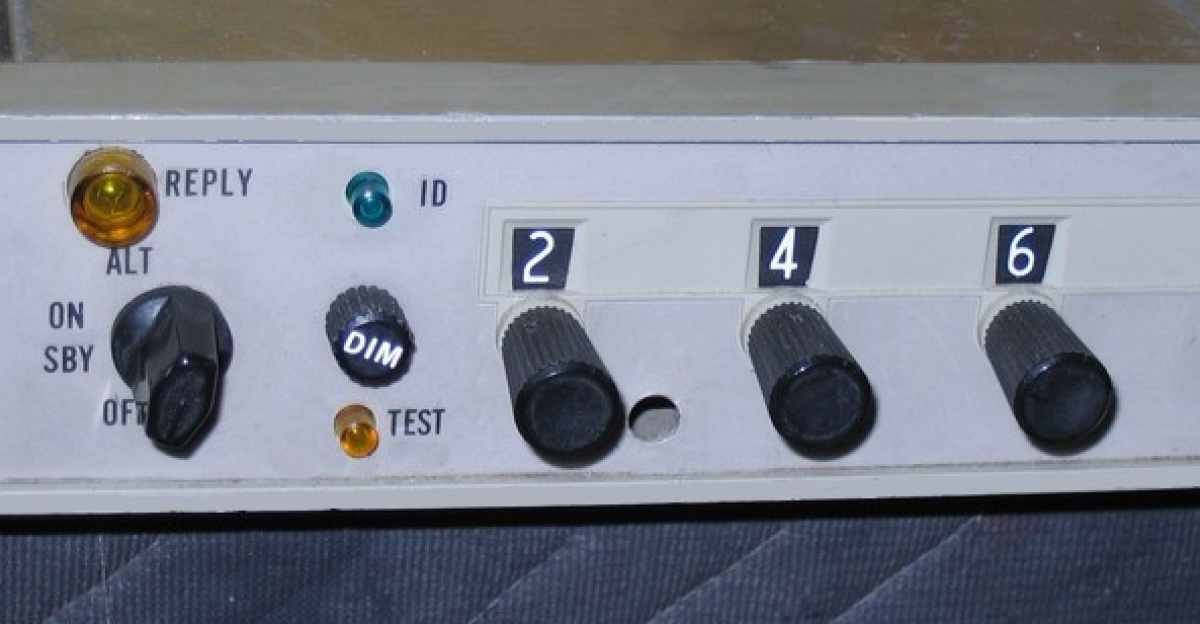
Here’s the collateral insight: the B-52s deliberately kept transponders active, making their routes publicly visible on civilian flight-tracking apps. This is not standard operational security. By contrast, military aircraft conducting sensitive or classified missions typically turn off transponders.
The decision to broadcast the missions, enabling over 75,000 people to watch live, suggests that the operation was as much about psychological messaging as military capability. It ensures every news outlet, Venezuelan official, and regional actor knows exactly where American bombers are operating.
Internal U.S. Tensions: Military vs. Diplomacy
Behind closed doors, tensions exist between the Trump administration’s hawkish escalation and Pentagon leaders concerned about overreach. Some military officials worry that aggressive drone strikes and presence patrols, without clear rules of engagement or Congressional authorization, invite retaliation, accidental escalation, or international legal challenges.
The 83 deaths from 21 airstrikes have triggered internal debates about proportionality and collateral damage protocols, particularly since the administration has disclosed zero operational details about the killed or targeted vessels.
Air Forces Southern’s Public Messaging
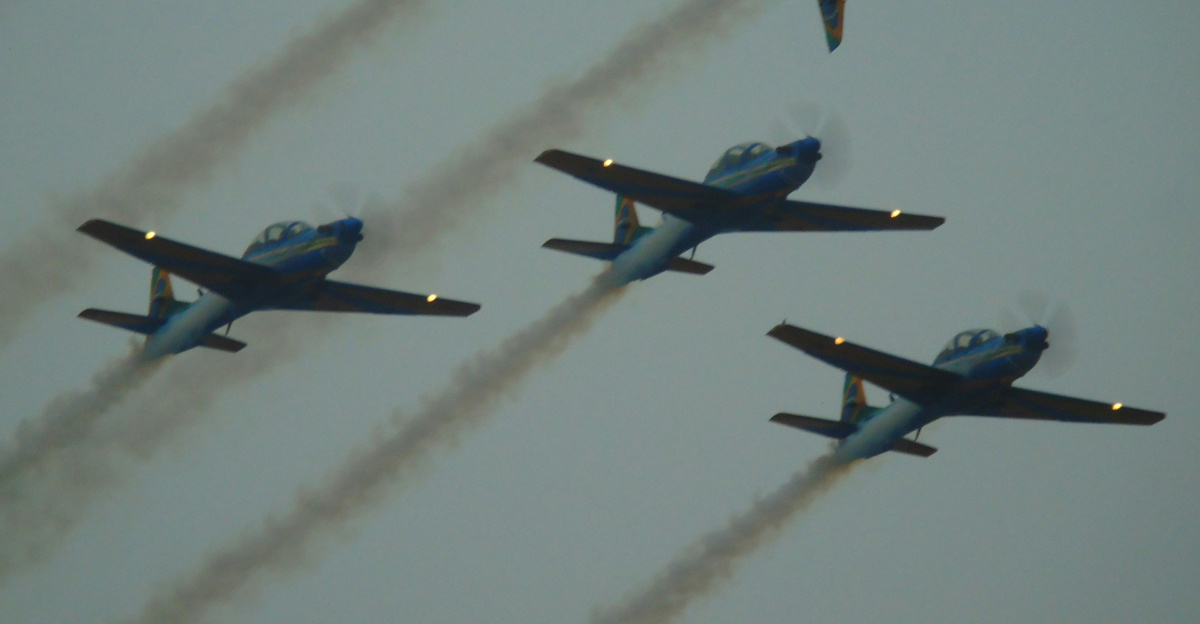
The command responsible for Caribbean operations, Air Forces Southern, has adopted explicit messaging to justify the missions. In an official social media statement, the command declared: “Operation Southern Spear support showcases our vow to deter illicit drug networks & defend the homeland.” This framing of drug trafficking as a homeland defense issue redefines the scope of military operations.
It positions bombers and fighters as extensions of border security, blurring the line between foreign military operations and domestic protection.
Legal Authority: The Terrorist Classification

The Trump administration’s legal foundation for the strikes rests on a controversial classification: drug cartels are terrorists threatening U.S. national security. This allows the military to conduct strikes without new Congressional authorization. However, the classification is debated internationally and among legal scholars.
International law typically distinguishes between criminal organizations (subject to law enforcement) and designated terrorist groups (subject to military action). By conflating the two, the U.S. essentially grants itself a broad license to conduct military operations against non-state actors across the Caribbean and beyond.
Expert Skepticism: Will It Work?
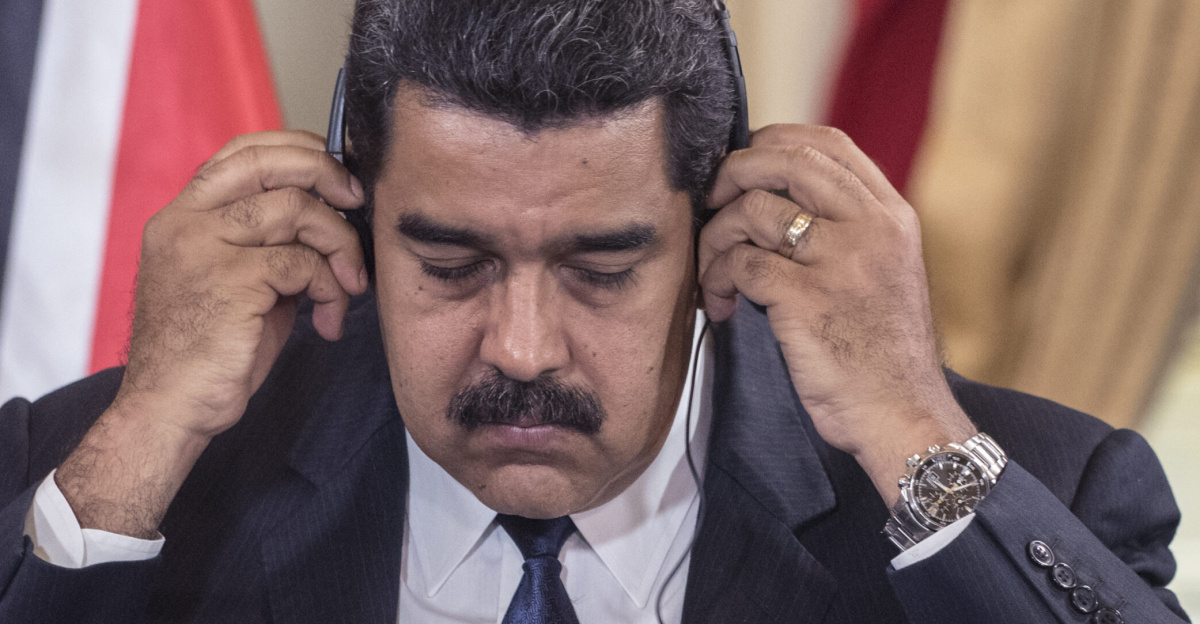
Defense analysts remain skeptical that military pressure will dislodge Maduro. The Venezuelan president has survived 24 years of U.S. hostility by consolidating military support, controlling state resources, and rallying nationalist sentiment against “American imperialism.”
Strategic bombers and fighter jets may degrade criminal networks, but they have not traditionally removed entrenched authoritarian leaders. Some experts argue that the Trump administration’s strategy assumes military pressure will trigger internal fractures within Maduro’s coalition, a gamble without a guaranteed payoff.
What Comes Next: Escalation or Negotiation?

As November comes to a close, the trajectory remains unclear. Will Operation Southern Spear intensify with more bomber missions, potential strikes on regime assets, or a blockade of Venezuelan ports? Or will the Trump administration pivot toward negotiation, using military pressure as a means of leverage for political compromise? Maduro shows no signs of stepping down, and his military remains loyal to him.
The coming weeks will test whether American military presence can translate into political outcomes or whether the operation becomes a protracted, costly stalemate in the Caribbean.
Regional Geopolitics: Russia, China, Cuba
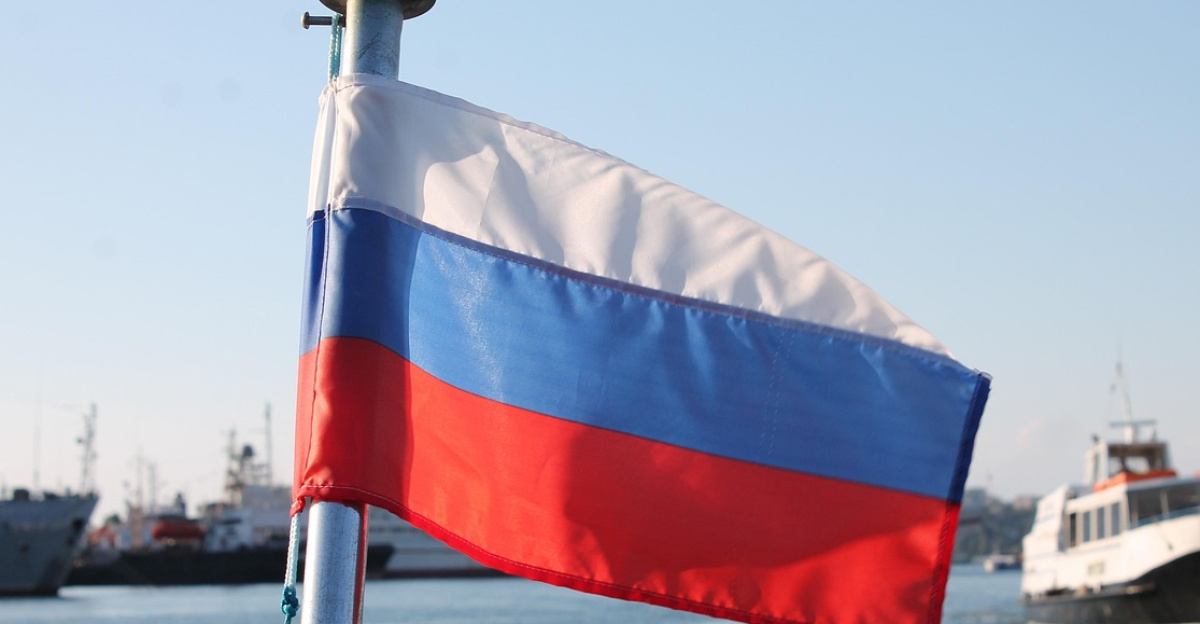
Venezuela is not isolated. Russia maintains military ties and has deployed bombers to the region in the past as a counter-show of force. China has invested billions in Venezuelan oil infrastructure and extended credit lines. Cuba hosts Venezuelan military and intelligence officers.
The Trump administration’s Caribbean escalation has inadvertently raised the stakes for these actors, who may view American aggression as an opportunity to deepen their own presence. A unilateral U.S. military campaign risks drawing Russia, China, and Cuba into a broader regional conflict.
Refugee and Migration Impacts
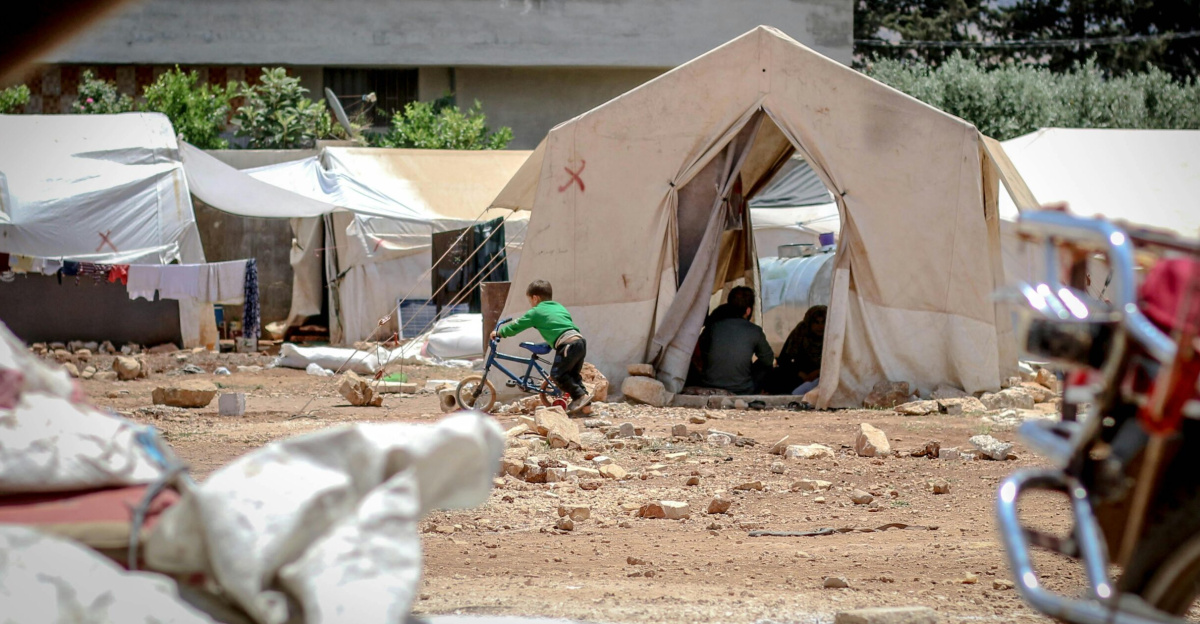
If Operation Southern Spear destabilizes Venezuela further, the humanitarian costs could be severe. Venezuela has already forced 7+ million people to flee since 2015, the largest displacement crisis in the Western Hemisphere. Military escalation risks accelerating this exodus.
Refugees fleeing bombs and instability would overwhelm neighboring countries, Colombia, Brazil, and Guyana, creating humanitarian emergencies and political backlash. The Trump administration’s focus on military pressure may inadvertently trigger the very migration crisis it seeks to prevent through border security measures.
International Law Questions: Strikes Without Authorization

The 21 airstrikes that killed 83 people raise unresolved legal questions. No United Nations Security Council resolution authorized military action. No Congressional declaration of war exists. The administration claims standing under the domestic counter-narcotics law and the terrorist designation of drug cartels.
However, international human rights bodies and some legal experts argue that strikes on foreign vessels in international waters, without due process or transparent accountability, violate international norms and expose the U.S. to legal challenges at the International Court of Justice or in third-country courts.
The Optics Problem: Democracy vs. Force
Ironically, the Trump administration justifies Operation Southern Spear partly as a defense of democracy against Maduro’s authoritarian regime. Yet the administration’s reliance on military force without Congressional debate, combined with zero transparency on who was killed or why, undermines the democratic legitimacy of the message.
Critics argue the U.S. cannot credibly champion democracy while conducting covert military operations with minimal public accountability. This contradiction weakens American soft power and fuels anti-American sentiment across Latin America.
What This Signals: The New Normal?
Operation Southern Spear marks a turning point in how the Trump administration is willing to project power in its neighborhood. Strategic bombers, carrier strike groups, and unilateral strikes all deployed in the name of counter-narcotics suggest a willingness to use military force more aggressively and with less Congressional oversight than in recent decades.
Whether this becomes a sustainable strategy or a costly misstep, the November 2025 operations in the Caribbean have reset expectations for American military presence in the Western Hemisphere. The world is watching.
Sources:
Air & Space Forces Magazine — “B-52 Returns to Caribbean for Second Mission in Four Days”
Wikipedia — “2025 United States Naval Deployment in the Caribbean”
Al Jazeera — “Timeline: 26 Years of Fraught US-Venezuela Relations”
CSIS Missile Threat Database — “AGM-86 Air-Launched Cruise Missile”
U.S. Air Force Barksdale AFB — “B-52 Stratofortress Fact Sheet”
International Crisis Group — Venezuela Analysis and Assessments
Human Rights Watch — Americas Watch Statements on U.S. Operations
UN High Commissioner for Refugees — Venezuela Statistics