
In September 2025, Paramount Skydance made headlines when hundreds of employees in Los Angeles and New York walked off the job. The protest was against a strict rule forcing workers to return to the office five days a week. The mass exit quickly halted studio operations and disrupted major film and TV productions. It also set off a nationwide conversation about work-life balance and flexibility in the entertainment world.
This event came at a sensitive time for the company. Paramount Skydance had just completed a major merger, which already created pressure to stabilize the business and keep staff motivated. The walkout reminded executives across Hollywood that employee expectations about remote work had changed since the pandemic, and companies could no longer rely on old models to keep morale high.
The Cost of Losing Workers

The financial fallout from the walkout was swift and significant. Paramount Skydance revealed it had to pay about 185 million dollars in severance to employees who quit. That massive payout caught the attention of the entire industry and showed the high financial risks of enforcing rigid office policies.
The company’s filings made clear that this wasn’t just about replacing workers, it also affected its reputation. Investors and other studios began asking whether strict in-person requirements were worth the cost. The financial shock served as a warning for other corporations: forcing employees back to offices too suddenly can lead to higher losses than anticipated.
Many experts pointed out that while returning to physical offices could improve collaboration, the approach needs to be flexible. Creative industries especially value freedom, and the Paramount Skydance incident highlighted how expensive poor morale can be in a competitive field.
The Merger and Leadership’s Struggle
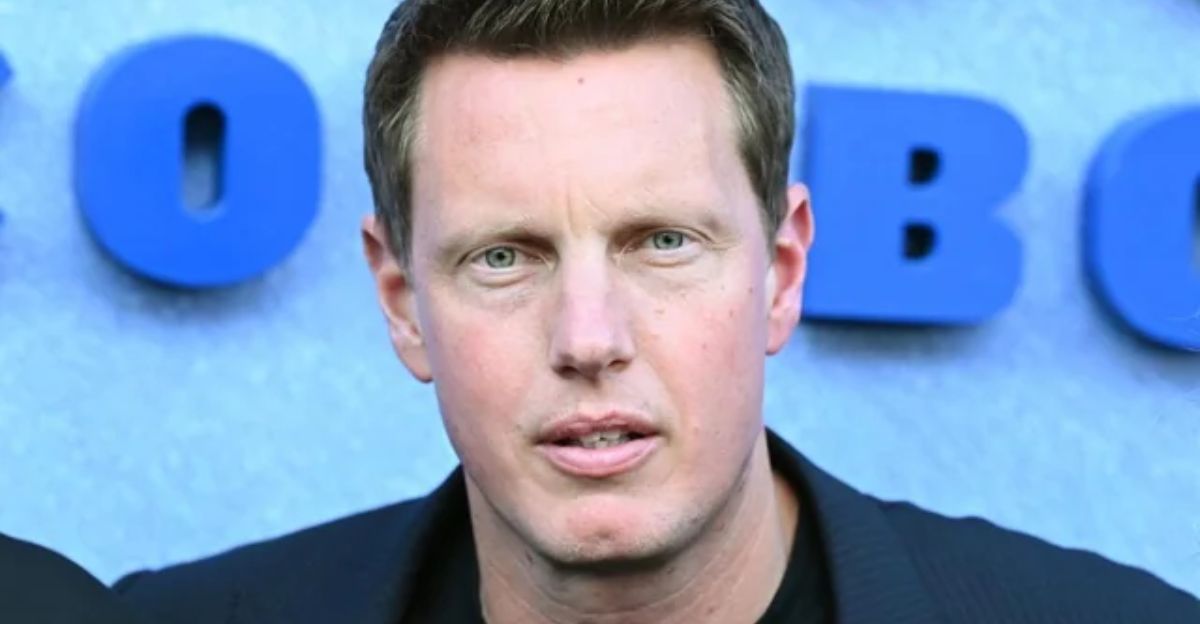
The walkout happened right after Paramount and Skydance completed an 8 billion dollar merger, with David Ellison stepping in as the new chief executive. His job was to combine two very different companies, each with its own culture, production style, and internal systems. That task was already challenging, but the employee exodus made it far harder.
The timing couldn’t have been worse. The merged studio needed to prove it could produce content efficiently while cutting costs and keeping creative staff engaged. Ellison’s team faced intense scrutiny from both the media and investors. The situation showed how quickly a management decision, like a return-to-office order, can affect employee trust and company performance during periods of major change.
For executives across entertainment, the lesson was clear: leadership during mergers must balance financial stability with empathy for workers. A top-down approach may seem efficient, but it can backfire when employees feel unheard or undervalued.
Clash Over Office Rules and Industry Reactions

Paramount’s new five-day office requirement came at a time when company earnings were already under stress. The studio’s TV division saw a 6 percent drop in income, contributing to a 3 percent decrease in overall revenue from the previous year. Executives argued that working together in person would spark creativity and improve efficiency. However, many staff members disagreed.
After years of remote and hybrid work, employees had grown used to greater independence and flexibility. The sudden change created anger and fatigue, especially among creative workers who often operate best with flexible schedules. The walkout showed how employees now have more power to push back, particularly in industries where their skills are hard to replace.
The effects were immediate in Paramount’s Los Angeles and New York offices. Productions were paused, schedules thrown off, and partners left uncertain about future projects. Other studios watched closely. NBCUniversal soon announced its own, less rigid four-day office rule to take effect in early 2026, testing whether a compromise could maintain both structure and morale.
The industry as a whole began reevaluating what kind of work model fits modern entertainment production. With competition for skilled workers growing, companies started questioning whether strict office rules helped or hurt long-term progress.
What Comes Next for Hollywood Work Culture

Paramount’s 2025 walkout is now seen as part of a larger movement reshaping the modern workplace. Across various industries, big employers like Amazon, JPMorgan Chase, and Walmart have also started limiting remote work, leading to resignations and mixed results. Yet no other media company had faced such a visible and costly outcome as Paramount Skydance.
The 185 million dollar severance cost became a key figure in debates among executives, investors, and even regulators. It sparked conversations about how companies calculate the trade-offs between control and flexibility. For Paramount, the event forced a reassessment of its internal culture, communication, and leadership strategies.
Looking ahead, the entertainment industry faces a balancing act on how to preserve creativity and collaboration without returning to pre-pandemic rigidity. The outcome will shape not only how studios manage talent but also how production schedules, budgets, and creative partnerships evolve.
For now, one thing is clear, the Paramount Skydance walkout has permanently influenced how Hollywood thinks about work. The next few years will show whether studios choose strict office mandates or adopt more adaptable models that reflect the changing expectations of modern workers.