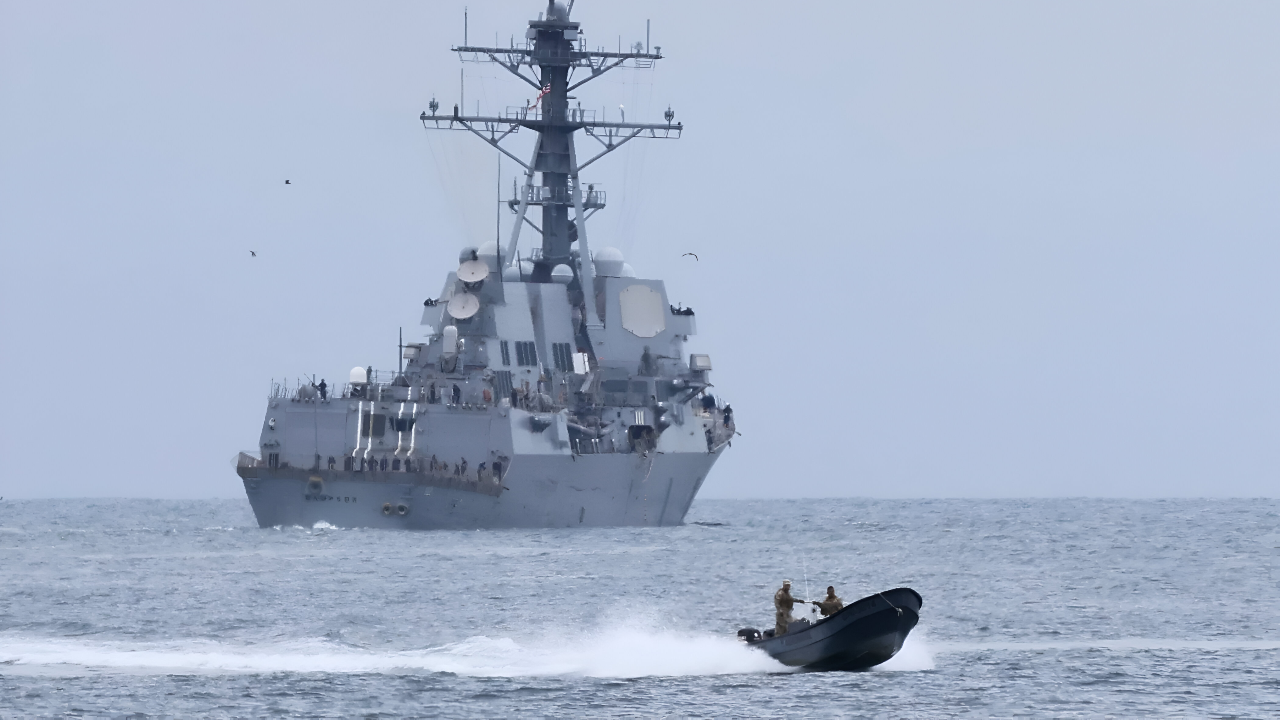
In late October 2025, the United States military launched two deadly strikes against suspected drug-smuggling vessels in the East Pacific, marking the ninth such operation since September. This escalation signals a dramatic shift in U.S. anti-drug strategy, moving from law enforcement to overt military intervention. The campaign, which has now resulted in at least 37 deaths, is sparking urgent debate among lawmakers, foreign governments, and local communities about the risks, legality, and long-term consequences of using military force to combat drug trafficking.
Mounting Human and Political Costs
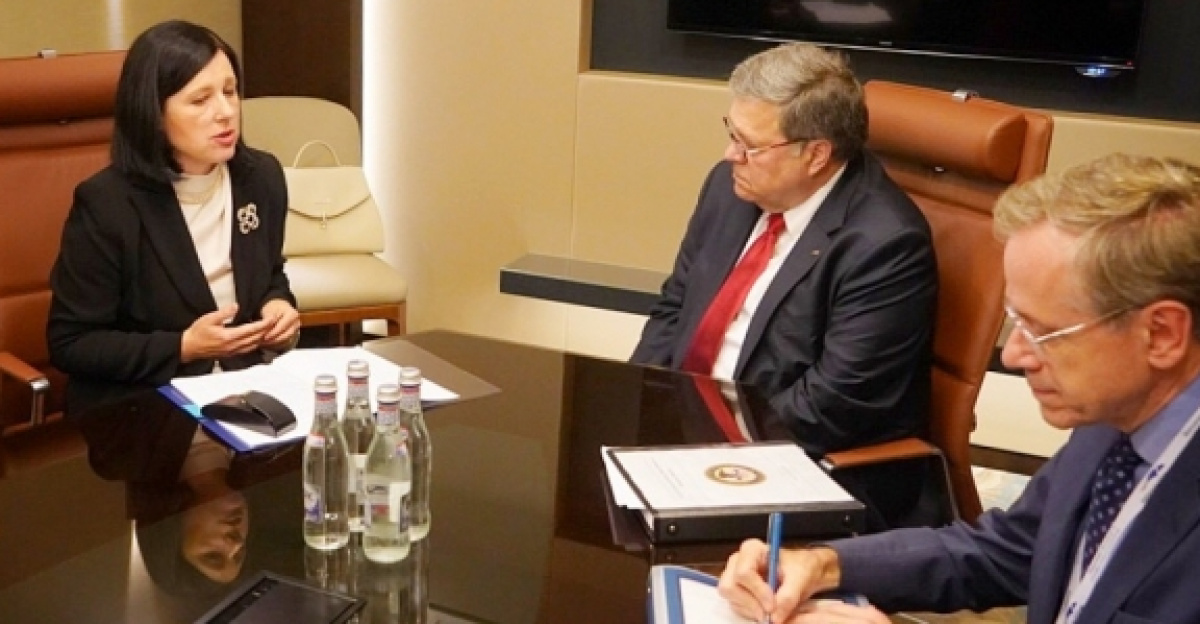
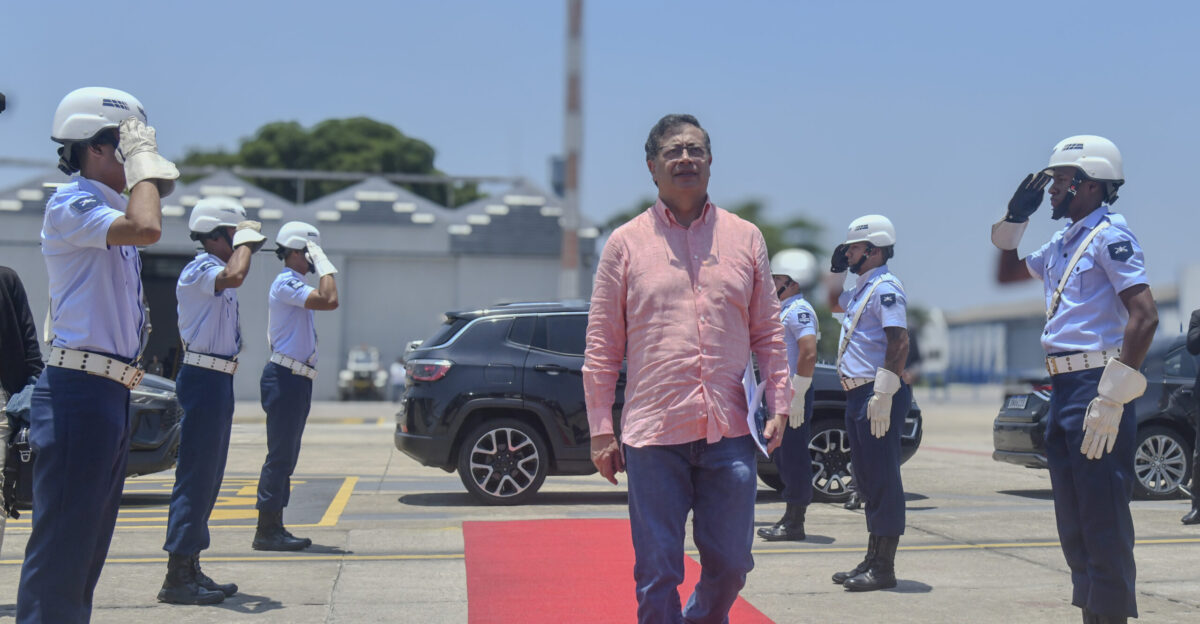
The recent strikes, which targeted vessels off Colombia’s coast and killed five people, have intensified scrutiny of the U.S. approach. Defense Secretary Pete Hegseth described the targets as “designated terrorist organizations” involved in narco-trafficking, justifying the use of lethal force under current U.S. policy. However, critics question both the ethics and effectiveness of this strategy. Colombian President Gustavo Petro condemned the killings, stating, “It is murder.” His remarks reflect widespread concern in Colombia, where communities are grappling with the fallout of increased violence and instability.
Human rights advocates warn that the rising death toll and the risk of civilian casualties demand urgent accountability and a reassessment of tactics.
Historical Shift and Global Comparisons
The United States has a long history of anti-drug operations in Latin America, but this is the first time since 1989 that airstrikes have been publicly acknowledged in the region. The renewed military focus began in August 2025, when Navy warships were deployed to disrupt established smuggling routes.
Political analyst Peter Feaver notes, “While previous administrations considered military force in the war on drugs, Trump’s second term has led to unprecedented execution of such strikes.” This aggressive posture, he warns, could destabilize the region and complicate U.S. interests in promoting democratic governance.
Legal and Ethical Controversies

The campaign’s legal foundation is under intense scrutiny. The Trump administration has classified cartel members as “unlawful combatants,” a designation that expands military authority to use lethal force and detain suspects without trial. This move, reminiscent of post-9/11 wartime powers, has alarmed legal experts and human rights organizations. They argue that the lack of transparency about targeting criteria and the absence of judicial oversight undermine both U.S. and international law.
Senators Adam Schiff and Tim Kaine recently introduced a War Powers Resolution to require congressional approval for future strikes, but the measure narrowly failed. Bipartisan concerns about unchecked executive power and the need for legislative safeguards have been raised by multiple lawmakers.
Community Impact and Calls for Change

On the ground, the consequences are deeply felt. The cumulative toll of at least 37 deaths since September has left families grieving and local economies disrupted. Some U.S. lawmakers, like Senator Bernie Moreno, defend the campaign: “Sinking the boat saved American lives.” Yet, for many in affected regions, the strikes have brought more fear than relief.
Community leaders and residents are calling for a shift in strategy toward solutions that address poverty and lack of opportunity, not just military force.
Looking Ahead: Uncertain Outcomes
As the U.S. signals a willingness to expand operations to land-based targets, the stakes are rising for regional stability and diplomatic relations. Colombia, a key U.S. ally, fears that continued military action could strain cooperation and fuel domestic unrest. UN High Commissioner for Human Rights Volker Türk has called the strikes “unacceptable” and violations of international law. Globally, the campaign is being watched as a test case for the militarization of anti-drug policy.
The future of this strategy remains uncertain. Lawmakers, experts, and local communities are demanding greater oversight, transparency, and a renewed focus on the humanitarian and legal dimensions of the drug war. Whether the U.S. can balance security interests with respect for human rights and international norms will shape not only the outcome of this campaign, but also the broader trajectory of U.S. foreign policy in the region.