Two house-sized asteroids are making close approaches to Earth this week, drawing attention from NASA’s planetary defense experts and the public alike. Their flybys are distant and pose no threat, but the events highlight the ongoing efforts to monitor and understand near-Earth objects—and the stakes of planetary defense.
Sizing Up the Visitors
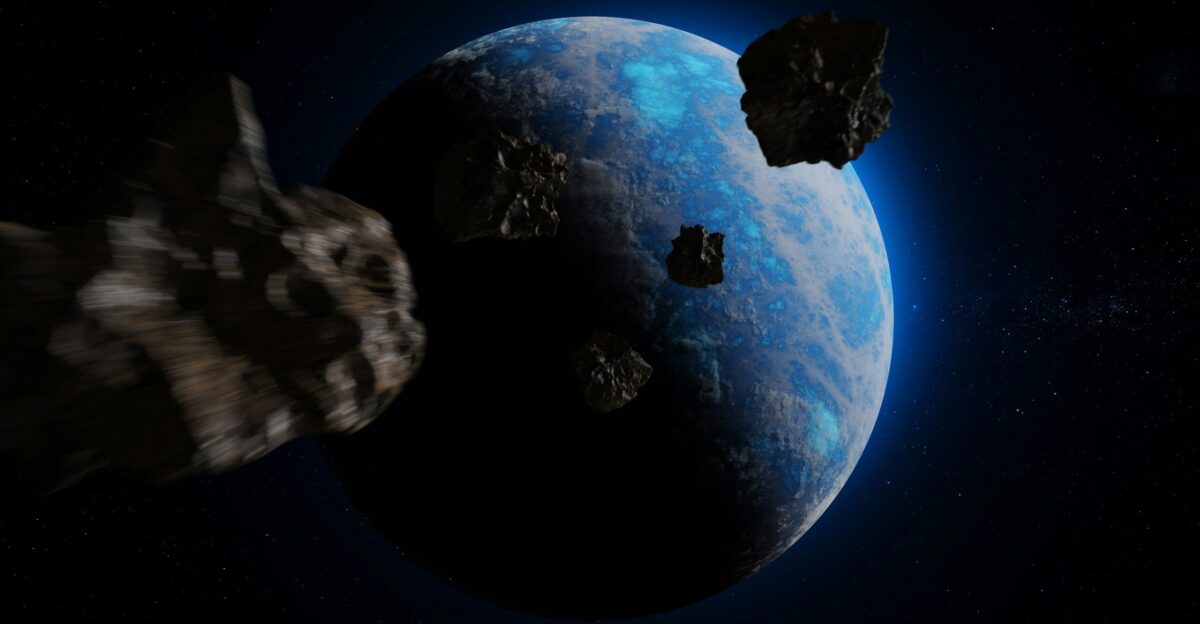
The first asteroid, designated 2025 VW, measures between 39 and 91 feet across—comparable to a two-story house or a small commercial building. It will pass Earth at a distance of 1.29 million miles, traveling at 15,900 miles per hour. The second, 2025 VC2, is slightly smaller at 32 to 75 feet wide and will approach from 1.92 million miles away, moving at 20,500 miles per hour. For context, the Moon orbits Earth at about 239,000 miles, so both asteroids will pass at more than five times that distance.
Though these objects are much smaller than the 17-meter (about 56 feet) Chelyabinsk meteor that exploded over Russia in 2013, they are still large enough to cause significant local damage if they were to enter Earth’s atmosphere over a populated area. However, NASA’s calculations confirm that both will safely bypass the planet, with clearance margins far exceeding all planetary defense safety requirements.
What Makes an Asteroid “Potentially Hazardous”?
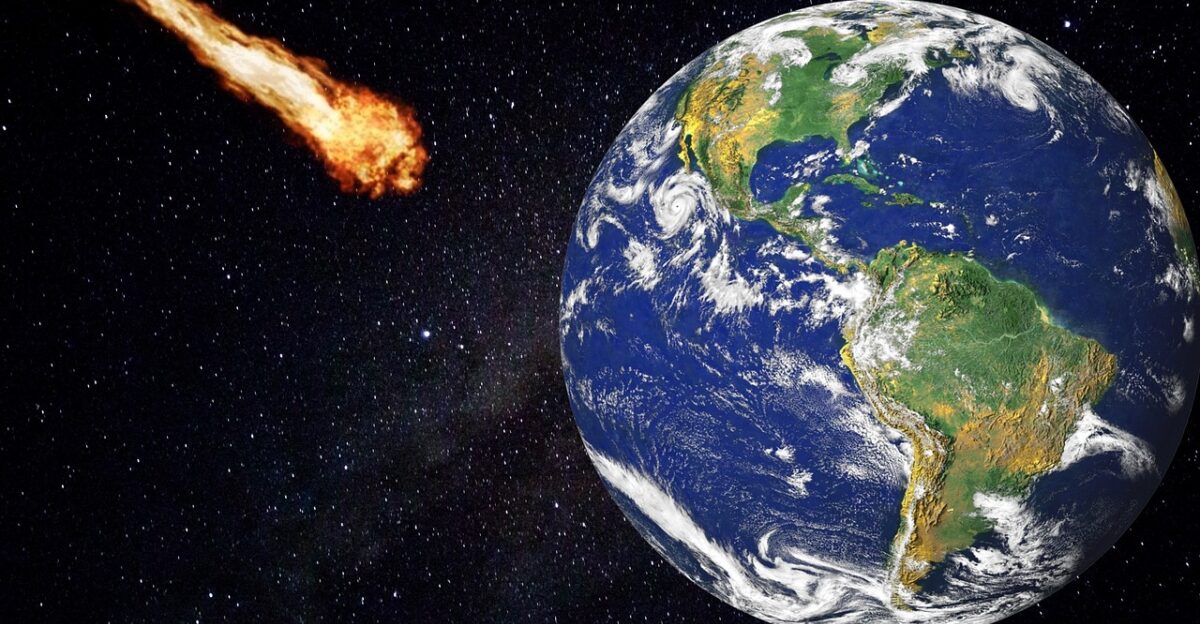
Not every asteroid that passes near Earth is considered a threat. NASA classifies an object as a Potentially Hazardous Asteroid (PHA) if it comes within 0.05 astronomical units (about 4.6 million miles) of Earth and measures at least 140 meters (about 460 feet) in diameter. Neither 2025 VW nor 2025 VC2 meets the size threshold for this designation, despite their relatively close approaches. The “potentially hazardous” label is based strictly on orbital geometry and size, not on any immediate danger.
The Chelyabinsk event remains a stark reminder of the risks posed by even modestly sized asteroids. In 2013, a 17-20 meter object exploded over the Russian city, releasing energy equivalent to 500 kilotons of TNT—about 30 times the power of the Hiroshima bomb. The blast injured nearly 1,500 people and damaged thousands of buildings. The meteor approached undetected, its trajectory hidden by the Sun’s glare, underscoring the challenges of asteroid detection and the importance of continuous monitoring.
How NASA Tracks Near-Earth Objects
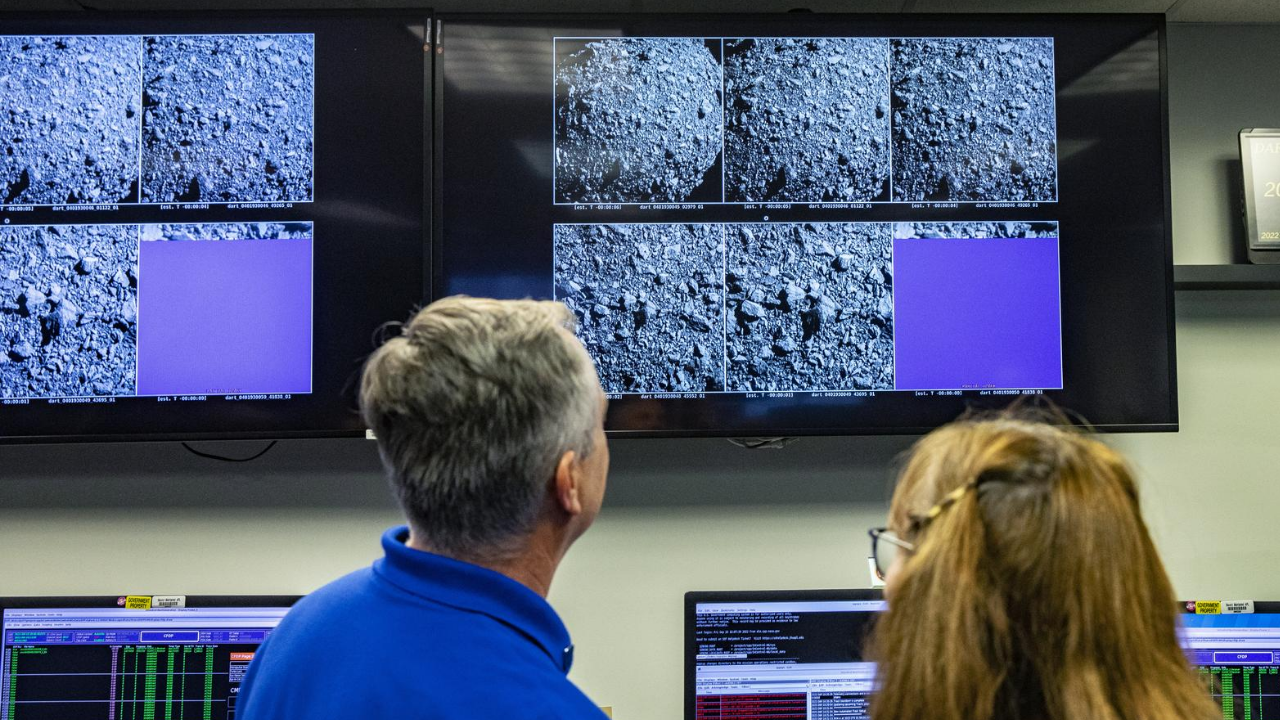
NASA’s Center for Near-Earth Object Studies (CNEOS), based at the Jet Propulsion Laboratory, leads the global effort to track and assess asteroids and comets that come close to Earth. Ground-based telescopes such as Pan-STARRS in Hawaii and the ATLAS network scan the skies nightly, searching for new objects and refining the orbits of known ones. These systems typically detect asteroids weeks to months before their closest approach, providing crucial time for assessment and, if necessary, emergency planning.
CNEOS uses the Sentry system to automatically analyze asteroid catalogs and calculate impact probabilities for the next century. If a trajectory raises concern, CNEOS alerts NASA’s Planetary Defense Coordination Office (PDCO), which coordinates further analysis and response planning.
The PDCO, headquartered in Washington, D.C., manages planetary defense missions and works closely with agencies like FEMA for emergency preparedness. It also collaborates internationally through the United Nations-endorsed International Asteroid Warning Network (IAWN), ensuring that discoveries and tracking data are shared globally.
Lessons from Past Impacts
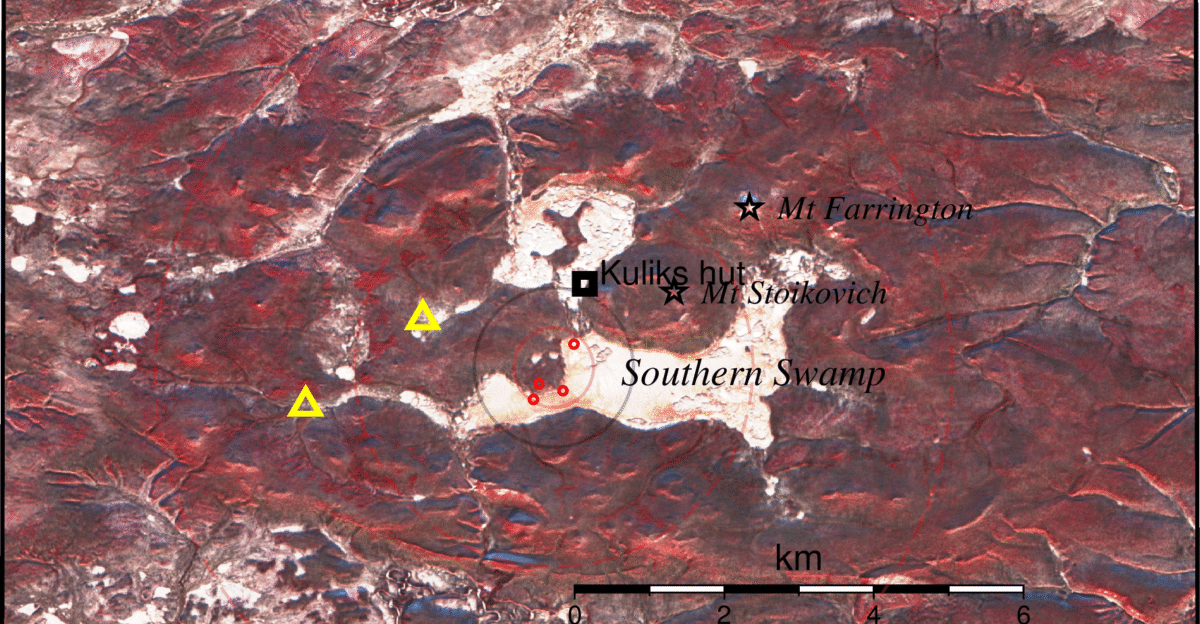
History offers sobering examples of the damage asteroids can inflict. The 1908 Tunguska event in Siberia, caused by a 50-80 meter asteroid, flattened 830 square miles of forest in an instant. The explosion occurred several miles above the ground, demonstrating how even airbursts—when an asteroid explodes in the atmosphere rather than striking the surface—can cause widespread devastation.
Asteroids between 20 and 30 meters across can produce powerful airbursts with severe local effects. A 100-meter object could devastate a city, while asteroids 140 meters or larger have the potential to cause regional catastrophes. Most smaller objects, however, burn up or explode harmlessly over oceans or unpopulated areas. Statistically, a 20-meter asteroid impacts Earth about once every 60 years.
Advances in Detection and Defense
NASA is investing in new technologies to improve detection and response. The upcoming NEO Surveyor mission, set to launch in 2027, will use an infrared space telescope to find dark asteroids invisible to ground-based observatories. Operating from the Sun-Earth L1 Lagrange point, it is expected to discover 90% of potentially hazardous asteroids within a decade.
In 2022, NASA’s Double Asteroid Redirection Test (DART) mission successfully altered the orbit of asteroid Dimorphos, demonstrating that it is possible to deflect a threatening object. Analysis showed that debris ejected by the impact carried even more momentum than the spacecraft itself, providing valuable data for future planetary defense strategies.
Looking Ahead
While the two asteroids passing Earth this week pose no danger, their flybys serve as a reminder of the importance of vigilance and preparedness. NASA’s transparent communication, real-time public databases, and international partnerships help maintain public trust and ensure that monitoring systems remain robust. As detection capabilities improve and global cooperation strengthens, humanity is better equipped than ever to understand—and, if necessary, defend against—the hazards posed by near-Earth objects.