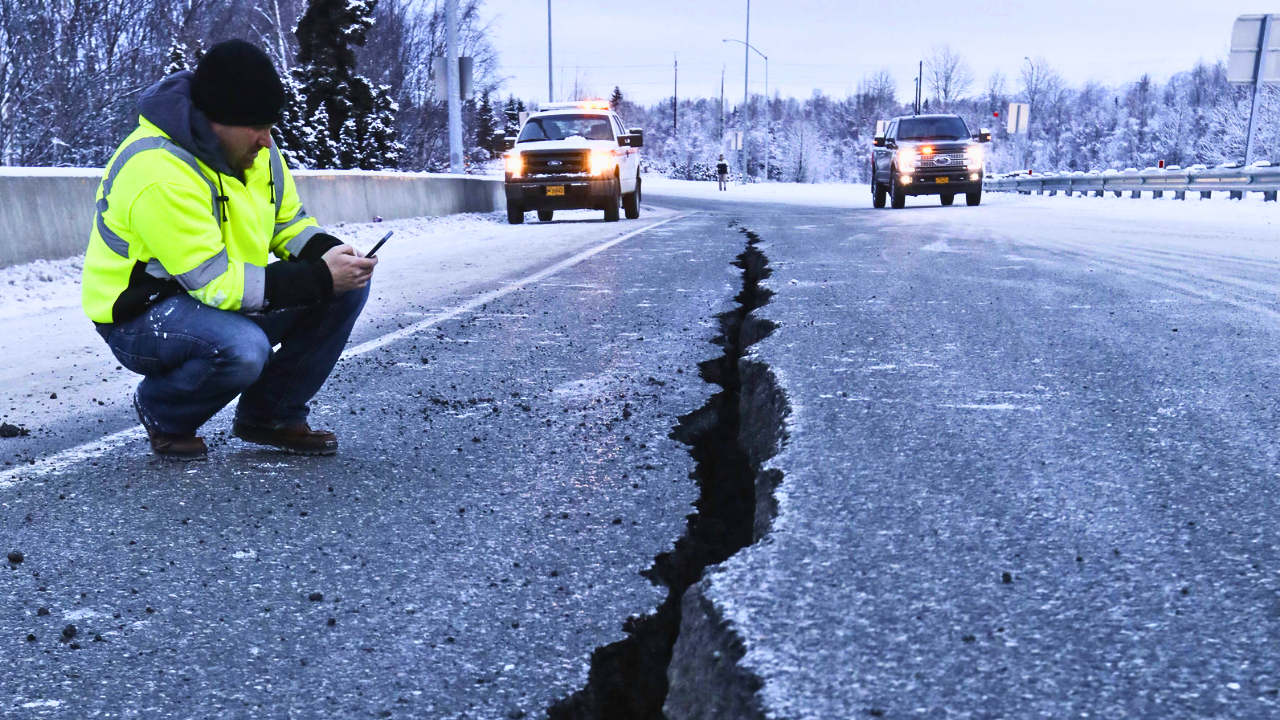
Right now, millions of people along Japan’s northeastern coast are spending their days under a rare warning that a “megaquake” could strike. Since December 8, the ground has barely stopped moving: 25 earthquakes in three days, including a magnitude 5.7 off the coast on December 10. Helicopters are checking damaged areas, evacuation centers are open, and local officials are testing emergency lines daily as residents wait out an advisory that lasts until December 16.
Megaquake Alert Raises Unusual Alarm
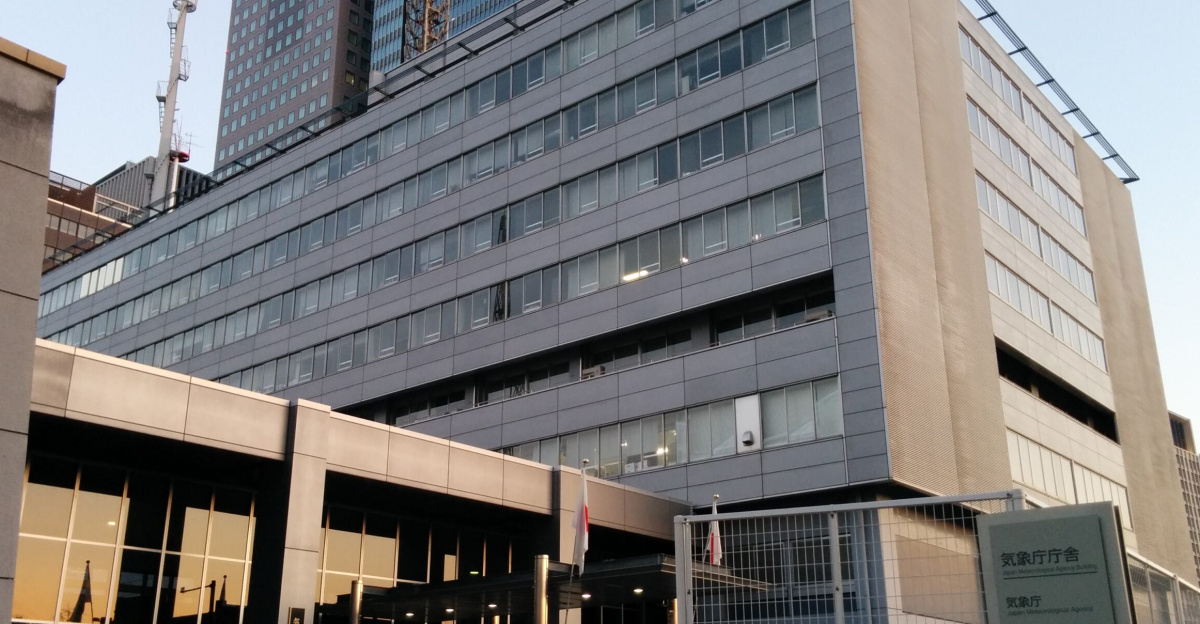
The Japan Meteorological Agency has issued what it calls a megaquake advisory, a step taken only twice in three years. It is not a forecast that a disaster will definitely occur, but a formal notice that the probability of a magnitude 8.0 or greater earthquake in the region has risen to around 1 percent over a week. That figure may sound low, but seismologists stress it is roughly 100 times higher than the usual background risk. The agency urged residents to take steps to safeguard their lives and be ready to act quickly if strong shaking begins.
The advisory covers 182 municipalities spread over roughly 500 miles of coastline from northern Hokkaido down to Chiba prefecture, east of Tokyo. In communities across this stretch, residents have been arriving at evacuation sites in shock, recounting some of the strongest shaking they have ever felt. Families are packing emergency kits, local governments are reviewing disaster plans, and volunteers are helping elderly and vulnerable residents prepare, all in the hope that the worst-case scenario never materializes.
Foreshocks and Shifting Probabilities
The chain of events began late at night on December 8, when a magnitude 7.6 earthquake struck about 50 miles offshore. An NHK reporter in Hokkaido described around 30 seconds of intense horizontal shaking so strong he could not stand, and tsunami waves of about 70 centimeters reached the coast. For seismologists, the biggest concern was not the tsunami, but the pattern of aftershocks and the possibility that the large tremor itself might be a foreshock.
Studies of previous sequences, such as the 2019 Ridgecrest earthquakes in California, have shown that roughly 5 percent of significant earthquakes are followed within days by an even larger event on the same fault system. In that case, a magnitude 6.4 shook the area on July 4, only to be overtaken a day later by a magnitude 7.1. Drawing on such examples, Japanese experts concluded that the chances of another large quake in the region had climbed enough to warrant a special advisory and heightened public preparedness, even though they could not say whether a larger rupture would actually occur.
Winter Strain on People and Infrastructure
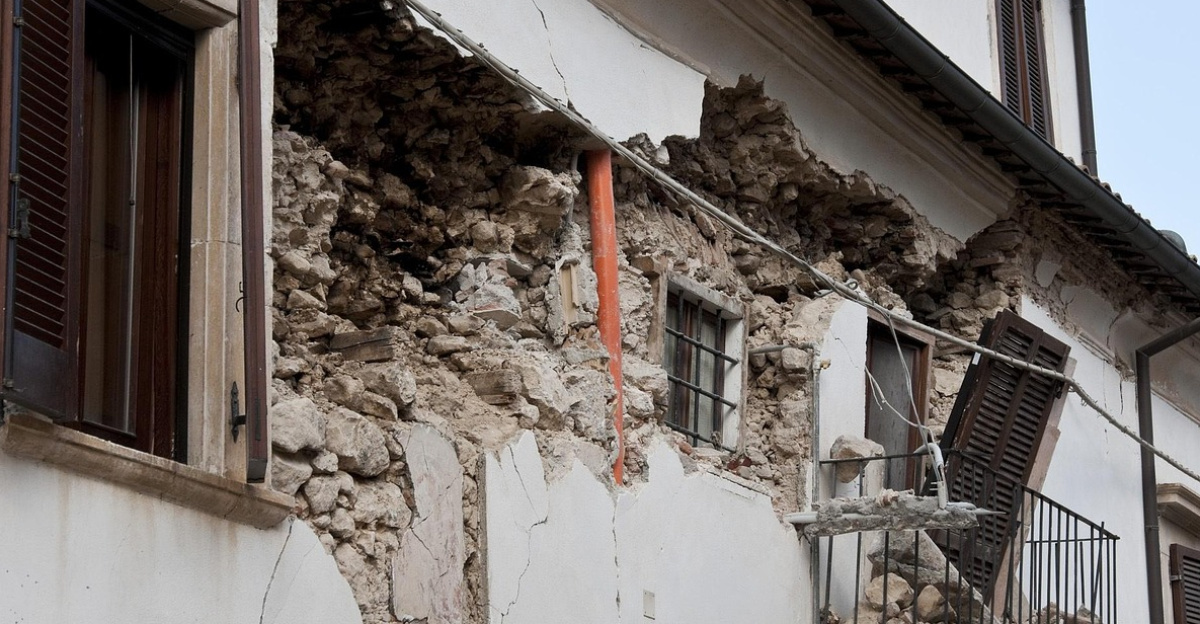
The December 8 earthquake struck at a difficult time of year. Early reports listed at least several dozen injuries. Around 90,000 residents evacuated their homes, with about 480 people taking refuge at a Self-Defense Forces air base and some 200 train passengers stuck overnight when rail service halted. The shaking and power outages arrived amid winter cold, forcing families to leave their homes in darkness and low temperatures, adding to the physical and mental stress of an already frightening situation.
Critical infrastructure also took a hit. Roads cracked or collapsed, the Shinkansen bullet train system was temporarily suspended, and electricity failed in many populated areas. Telecommunications networks suffered damage in some districts, complicating efforts to share information and coordinate assistance. With routine safety systems disrupted, national leaders, including Prime Minister Sanae Takaichi, urged residents in the advisory zone to be ready to evacuate immediately at the first sign of major shaking, emphasizing that quick personal response would be central to limiting casualties.
Linked by the Ring of Fire
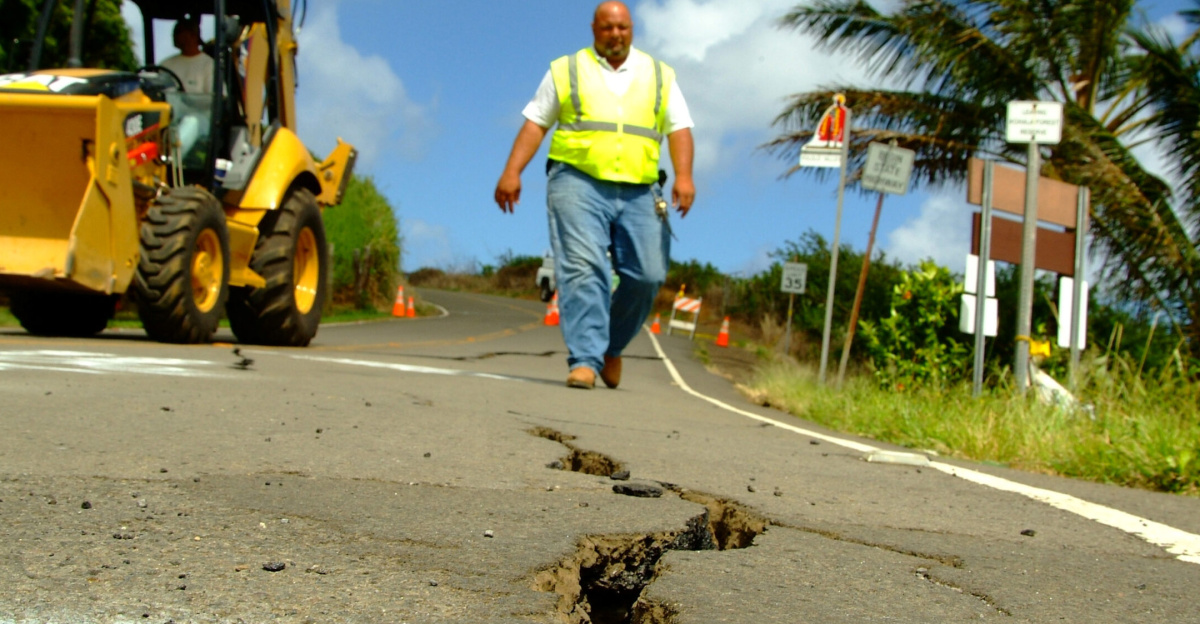
Two days before Japan’s 7.6 quake, on December 6, a magnitude 7.0 earthquake struck near Yakutat, Alaska, about 370 kilometers from Juneau. Its remote location meant there were no serious injuries or major structural damage, but it generated an energetic aftershock sequence, with 164 tremors in the first 24 hours and the largest measuring magnitude 5.8. The close timing of the Alaskan and Japanese events, both accompanied by clusters of aftershocks, unsettled many observers.
Scientists, however, point to statistics rather than patterns of coincidence. Global seismic records show that about 15 to 16 earthquakes of magnitude 7.0 or higher occur worldwide in an average year, making two such events within 48 hours unusual but not outside normal expectations. What does link the Alaska and Japan quakes is their tectonic setting: both occurred along the Pacific Ring of Fire, the seismically active belt circling the Pacific Ocean where about 90 percent of the world’s earthquakes and more than four-fifths of the largest ones take place. This same boundary, studded with hundreds of volcanoes, also underpins future risks in North America.
Preparing for the Quakes to Come
As Japan manages its current emergency, seismologists in the United States and Canada continue to monitor the Cascadia Subduction Zone, a 700-mile fault system off the Pacific Northwest coast from northern California to British Columbia. Research suggests about a 37 percent chance that this boundary will generate a magnitude 7.1 or larger earthquake in the next 50 years. Geological records show the last major Cascadia rupture occurred on January 26, 1700, and that such events tend to recur every 400 to 600 years, indicating the region is moving into a period when the probability increases.
If Cascadia were to fail in a great megathrust event, modeling indicates tsunami waves of 80 to 100 feet could hit parts of the coast, while some shoreline areas might subside by one to two meters, as evidence from 1700 suggests. Strong shaking would extend far inland, threatening millions of people and critical economic centers. In less well-known parts of the United States, from Memphis to the mid-Atlantic, mapped faults and USGS hazard assessments also point to meaningful earthquake risk, even though many residents assume such hazards are confined to the West Coast.
Despite these threats, scientists remain clear about one central limitation: there is no reliable way to predict the exact time, place, and size of future earthquakes. Agencies can map faults, estimate long-term probabilities, and, in rare cases like Japan’s current advisory, warn when short-term odds have risen sharply. They cannot say exactly when a plate boundary will rupture. For people in Japan’s advisory zone this week, and in other vulnerable regions worldwide, the lesson is the same: catastrophic earthquakes are inevitable over long time scales, but their impact will depend heavily on preparation, building standards, and how societies use the warnings that science can provide.
Sources
Japan issues mega-quake advisory after M7.5 tremor | NHK WORLD-JAPAN
Earthquake Advisory: Japan Government Agency Warns Residents of Increased Likelihood of Major Tremor in the North | Japan Meteorological Agency via Nippon.com
Japan warns of possible megaquake after powerful earthquake, raising fears of potential 98-foot tsunami | CBS News
Magnitude 7 earthquake strikes Yakutat, Alaska region, USGS says | Reuters