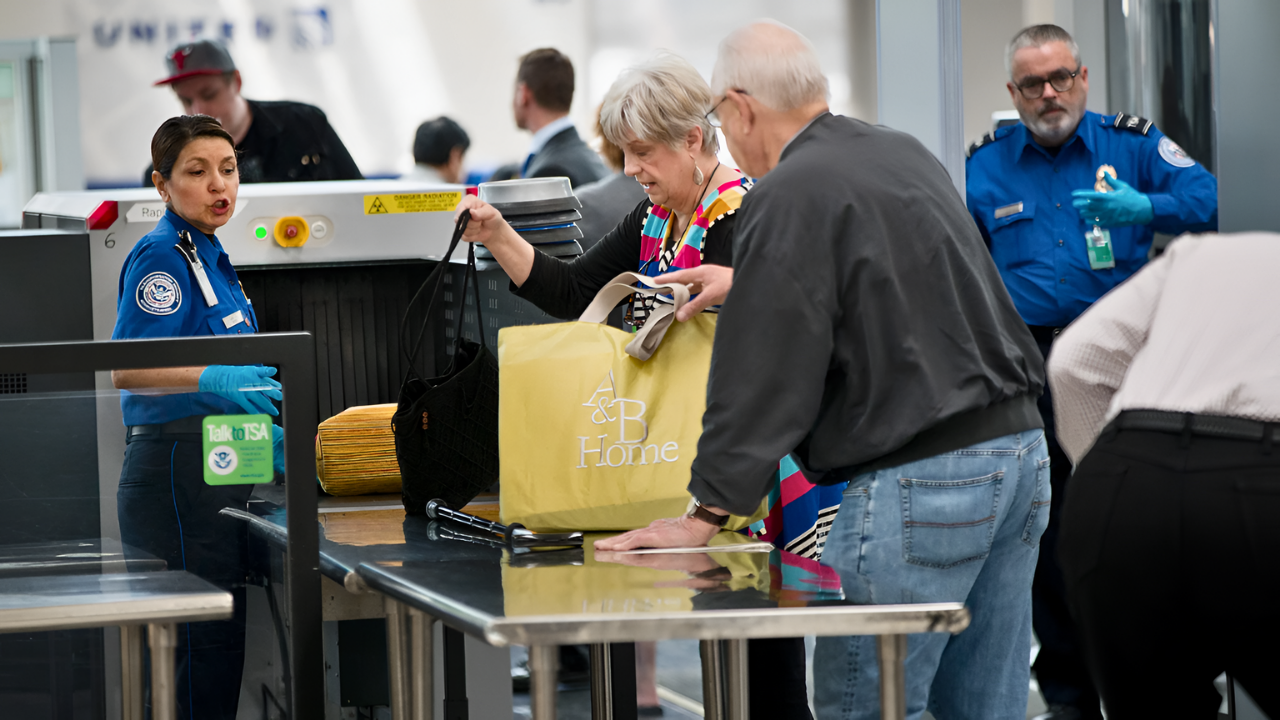
At the security checkpoint, the hum of the conveyor belt is interrupted by a TSA officer holding a jar of peanut butter, confiscating it from a flustered traveler.
“This can’t go through,” the officer states, pointing to the 3.4-ounce limit for liquids. What seemed harmless—a jar of spread—turns into a seized item under TSA’s strict rules. As thousands pass through daily, many lose everyday objects without realizing the fine print.
Will your next carry-on be the one to trigger a seizure? Stay tuned to discover how longstanding security measures continue to make routine travel more challenging.
Discretion Dominates
TSA officers make the final decision on whether an item is prohibited at checkpoints. Under post-9/11 mandates, they hold authority to seize items immediately, without appeals at the gate.
This extends beyond the prohibited list, allowing officers to assess any suspicious goods. This authority has remained consistent as passenger numbers rise.
TSA’s History and Evolving Rules
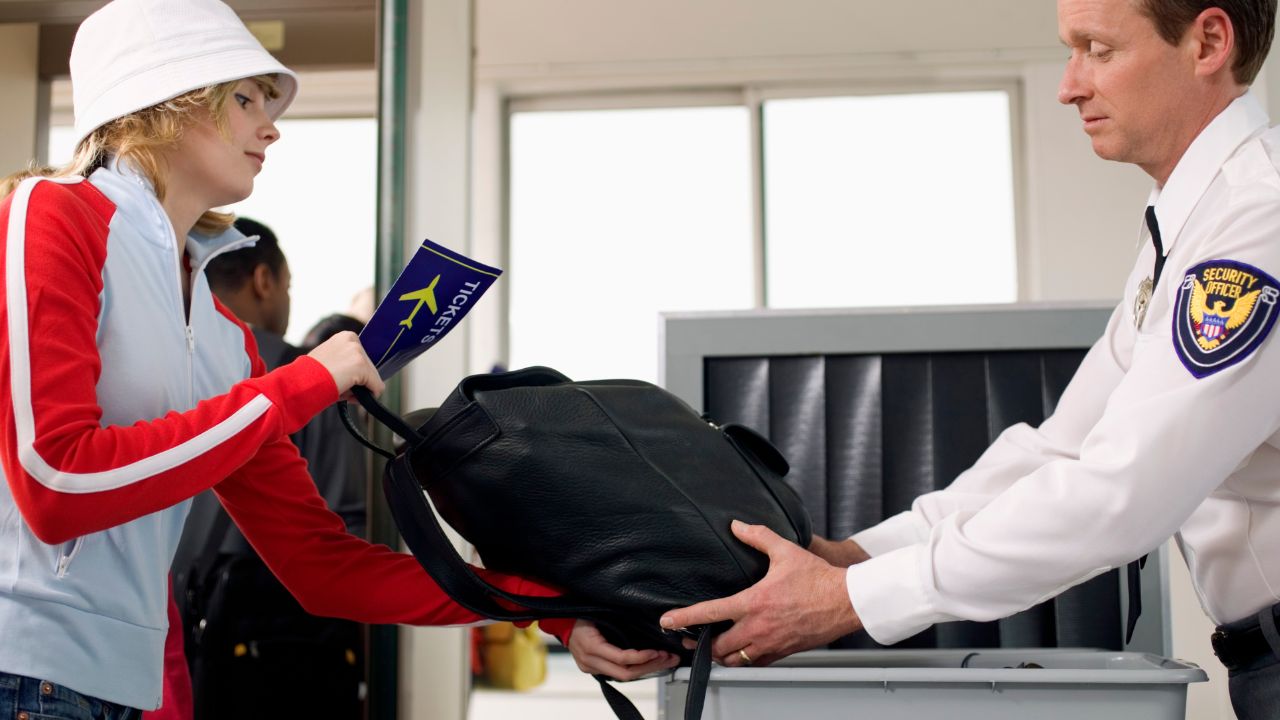
Since its formation in 2001, the TSA has enforced changing rules at U.S. airports. Initially banning sharp objects, they introduced the 3-1-1 liquids rule in 2006.
FAA lithium battery restrictions have been enforced for years, with recent reinforcement in 2025. These regulations are still in place today, ensuring modern safety standards on every flight.
Passenger Volume and TSA Enforcement
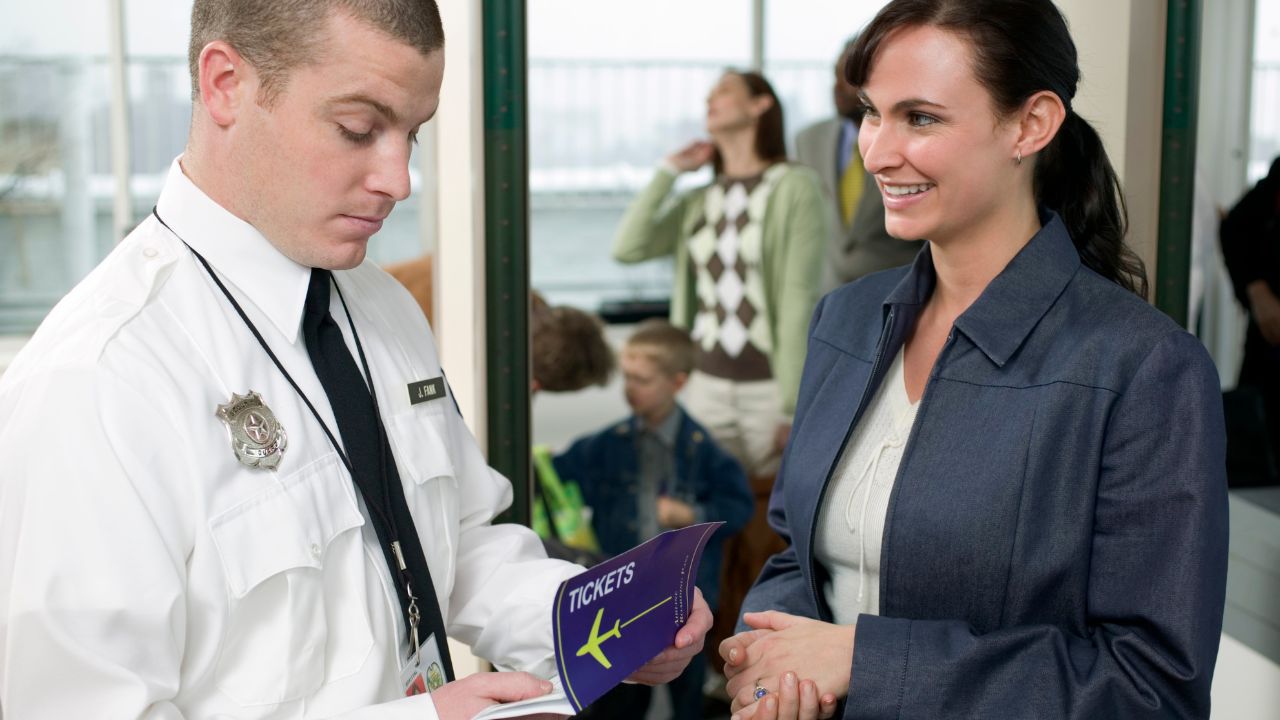
As the number of travelers has grown over the years, TSA continues to enforce longstanding security standards.
From lithium battery fire risks to enforcing the 3-1-1 rule, officers exercise discretion to ensure safe travel. Enforcement focuses on restricted items like vapes and power banks. Will your carry-on meet the standards?
What’s on the Prohibited List?
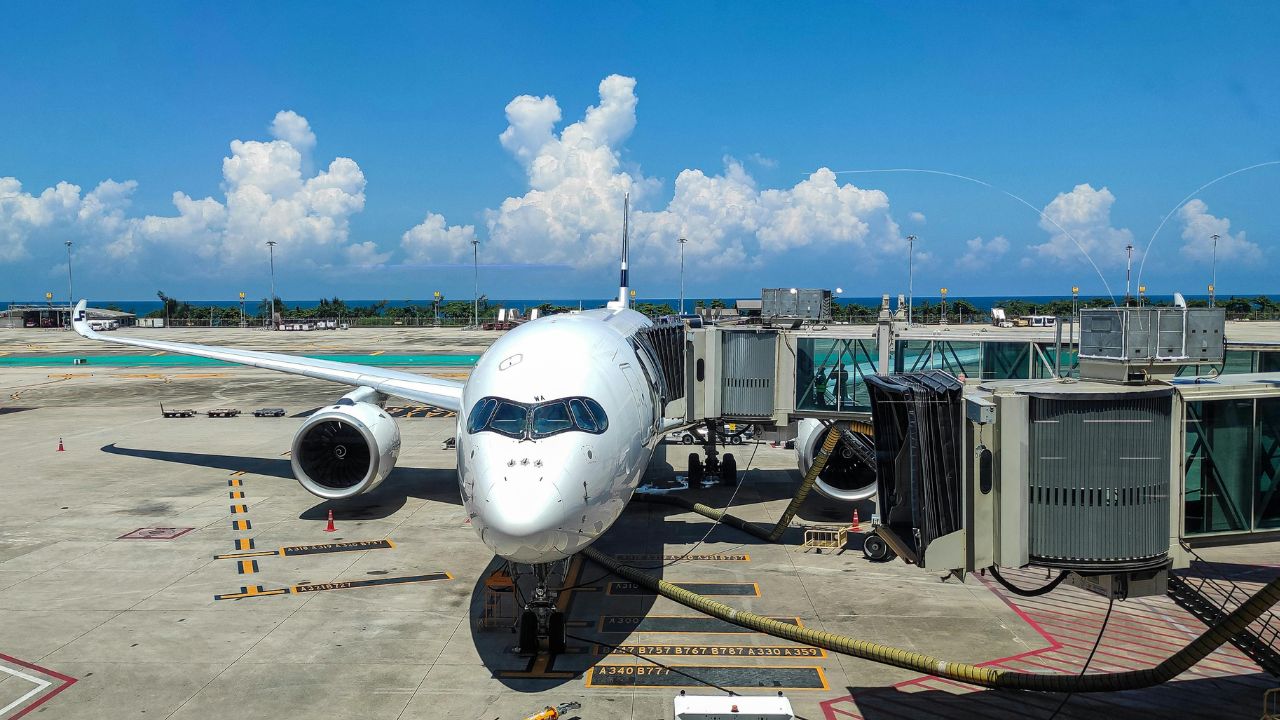
TSA and FAA rules currently prohibit spare lithium batteries and certain powered devices in checked luggage. The 3-1-1 rule also applies to spreads like peanut butter and hummus in carry-ons.
Officers have the discretion to seize anything that appears unsafe, ensuring that modern travel remains as secure as possible.
Enforcement in High-Volume Hubs
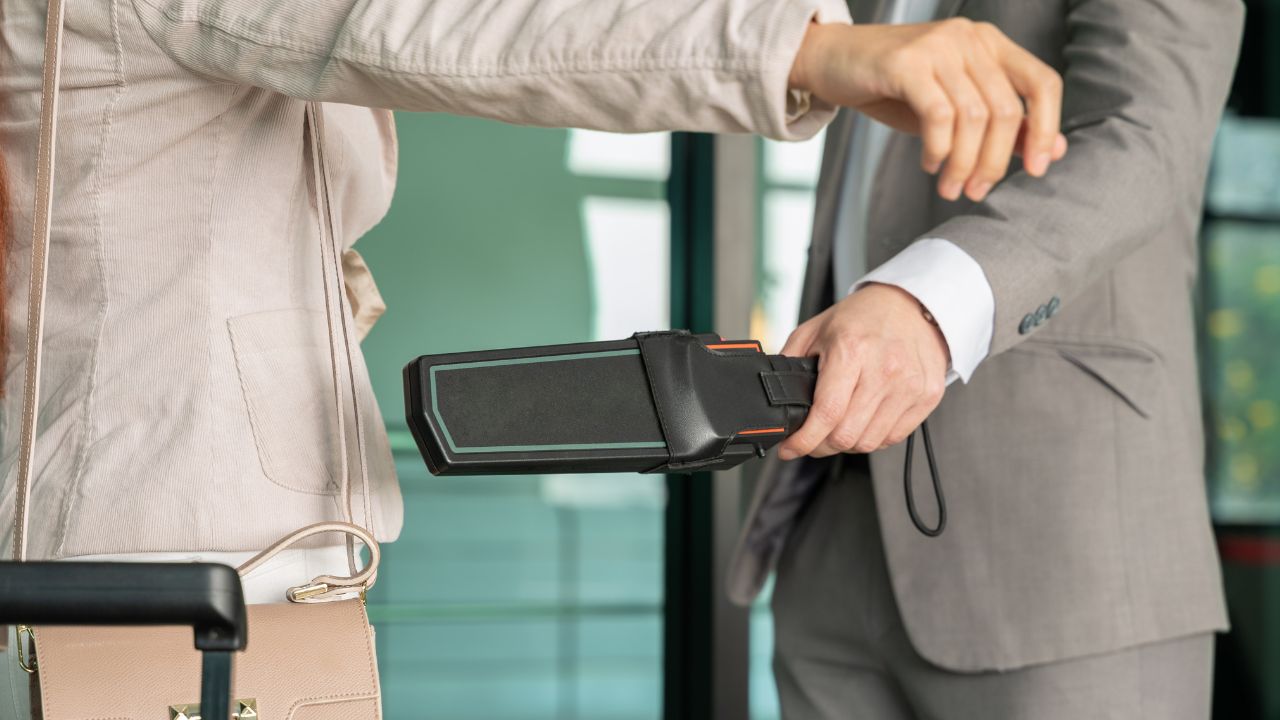
Major airports nationwide enforce TSA and FAA rules consistently. Delays are common as travelers unknowingly carry prohibited items like power banks in checked luggage.
Are you prepared for scrutiny at major airports?
Everyday Items at Risk
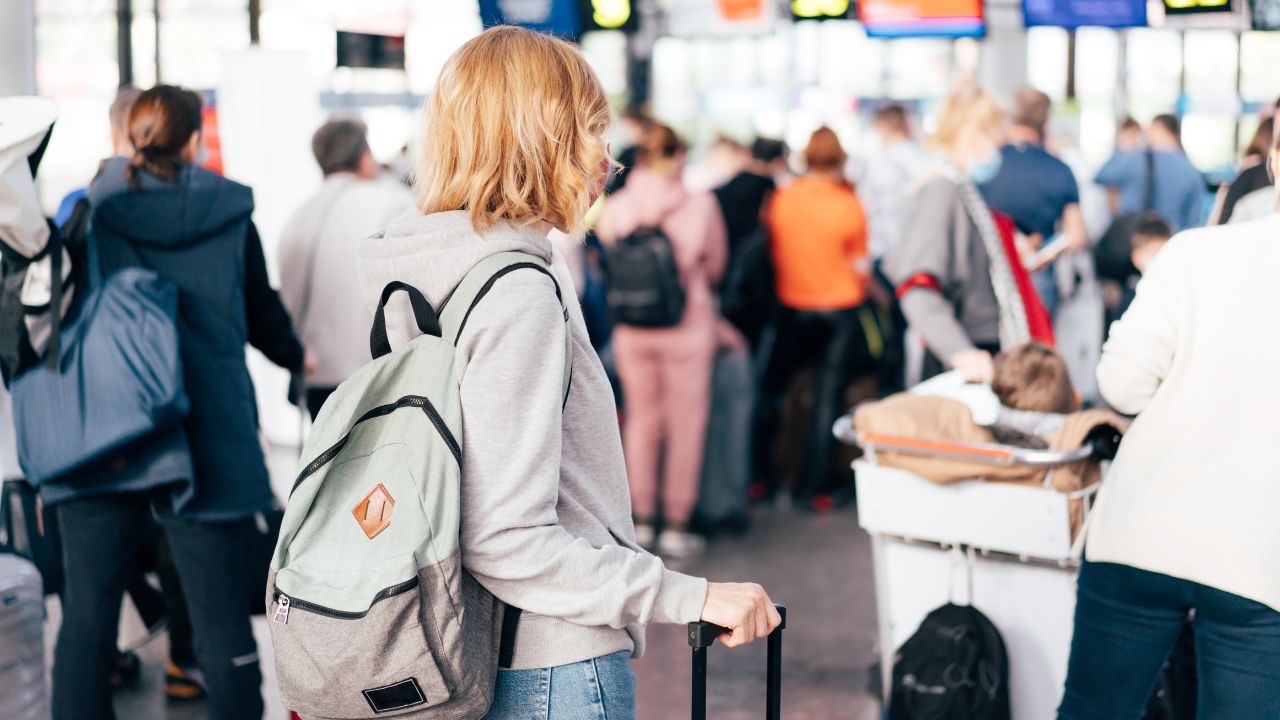
Everyday items like peanut butter, hummus, and even toothpaste can be confiscated if they exceed 3.4 ounces in carry-ons.
The TSA’s “if you can spill it, spread it” rule leads to seizures of items considered liquids. Although these items can be packed in checked luggage, travelers often lose them mid-security.
Airlines Enforcing Battery Rules
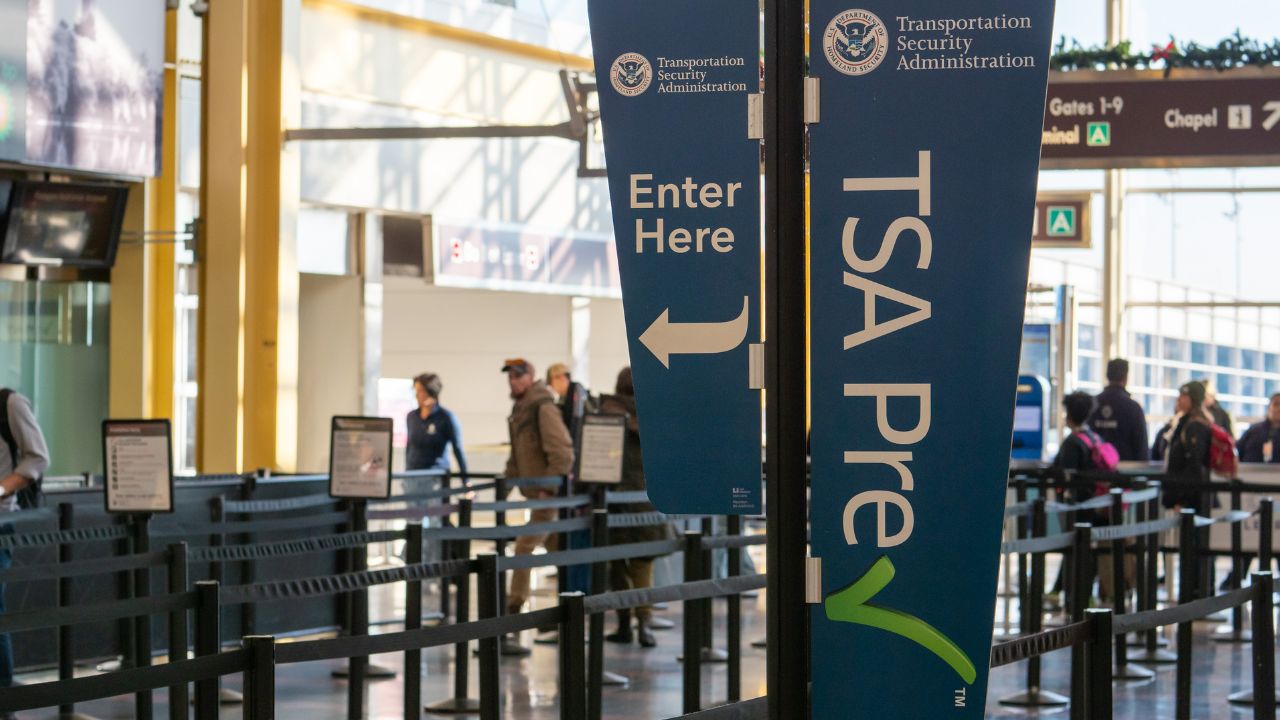
Airlines are closely following FAA guidelines, which prohibit spare lithium batteries in checked luggage. Vapes, e-cigarettes, and similar devices are allowed in carry-ons only.
As international carriers align with these standards, travelers must stay informed to avoid fines or confiscation of essential devices.
Why Lithium Batteries Pose a Threat
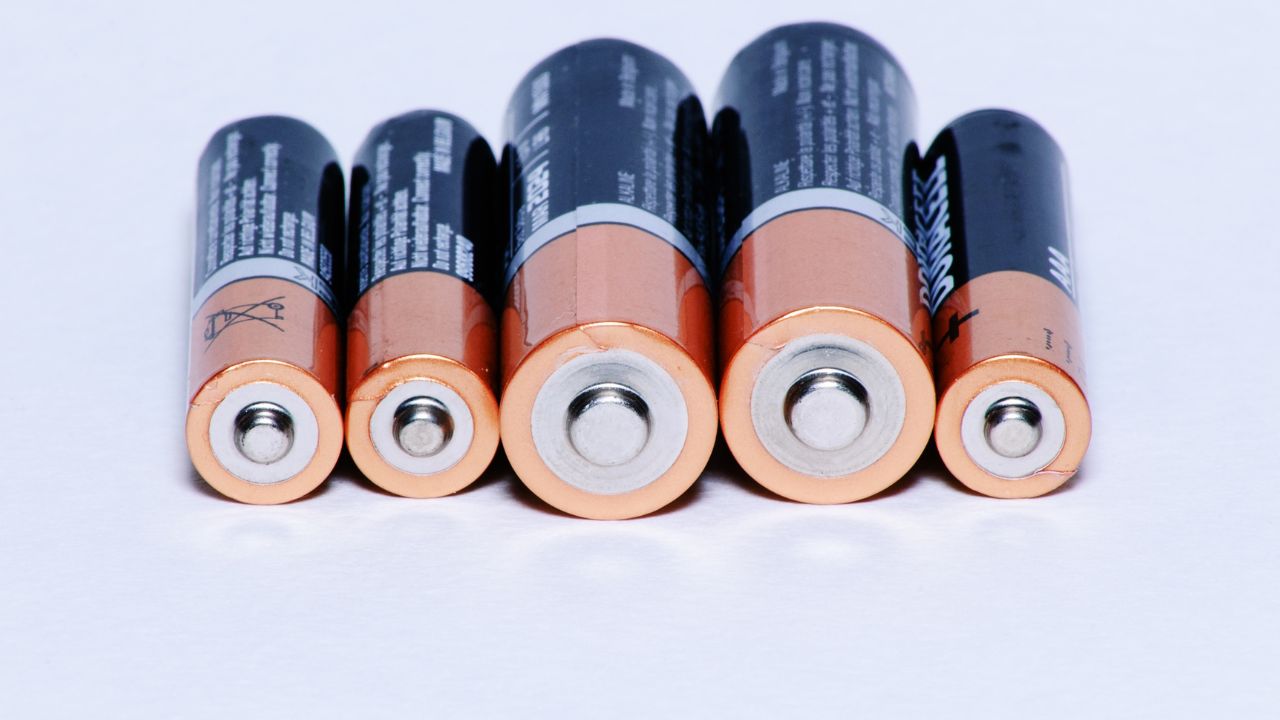
Lithium-ion batteries, which power most personal devices, pose a fire risk when overheated. The FAA limits the carry-on quantity to two batteries above 100Wh, with approval required for larger ones.
These rules are strictly enforced to prevent dangerous incidents that could jeopardize flight safety.
TSA’s “Spreads as Liquids” Rule

TSA has applied the 3-1-1 rule to a wide range of food items, including spreads like peanut butter and hummus.
If these items are in your carry-on and exceed 3.4 ounces, they are classified as liquids and subject to confiscation. In contrast, there are no size restrictions for these items in checked luggage.
Frustrated Travelers
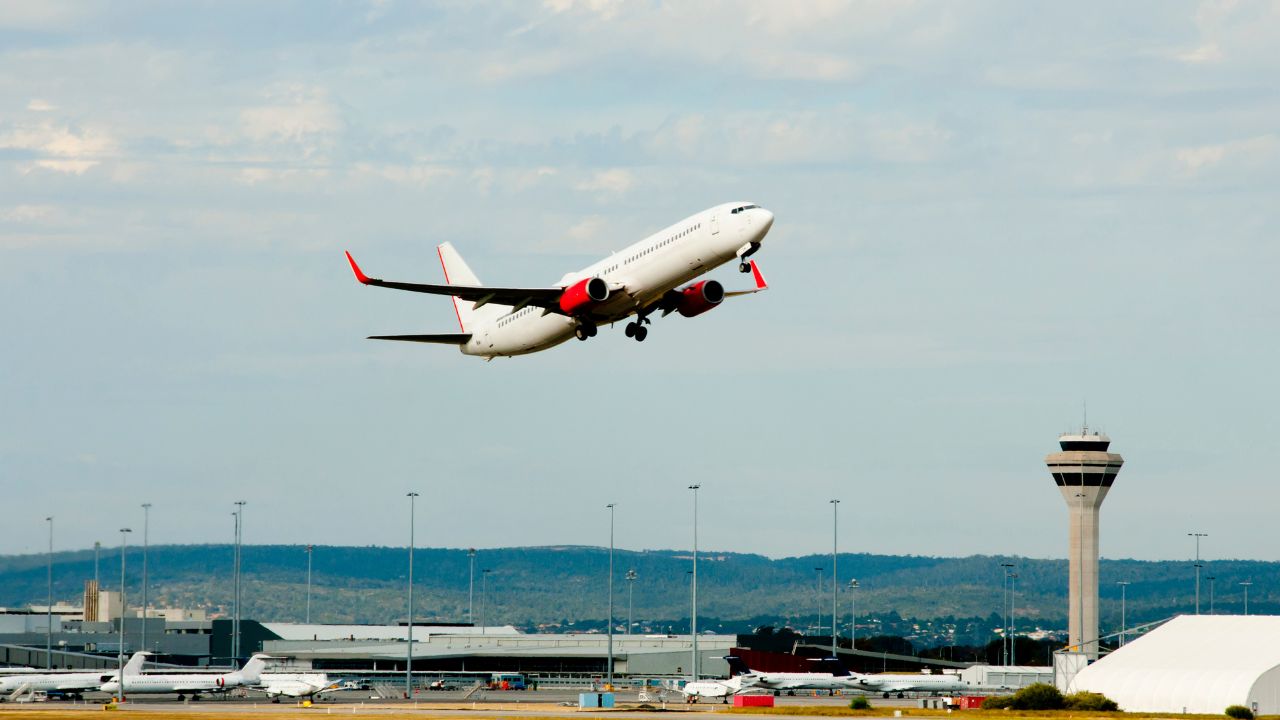
Social media and travel forums are full of complaints from travelers who lost items like power banks and food spreads.
The frustration often comes from confusion about the rules or unexpected seizures. As volumes grow and security lines lengthen, better education about TSA’s standards remains important.
TSA’s Leadership on Enforcement
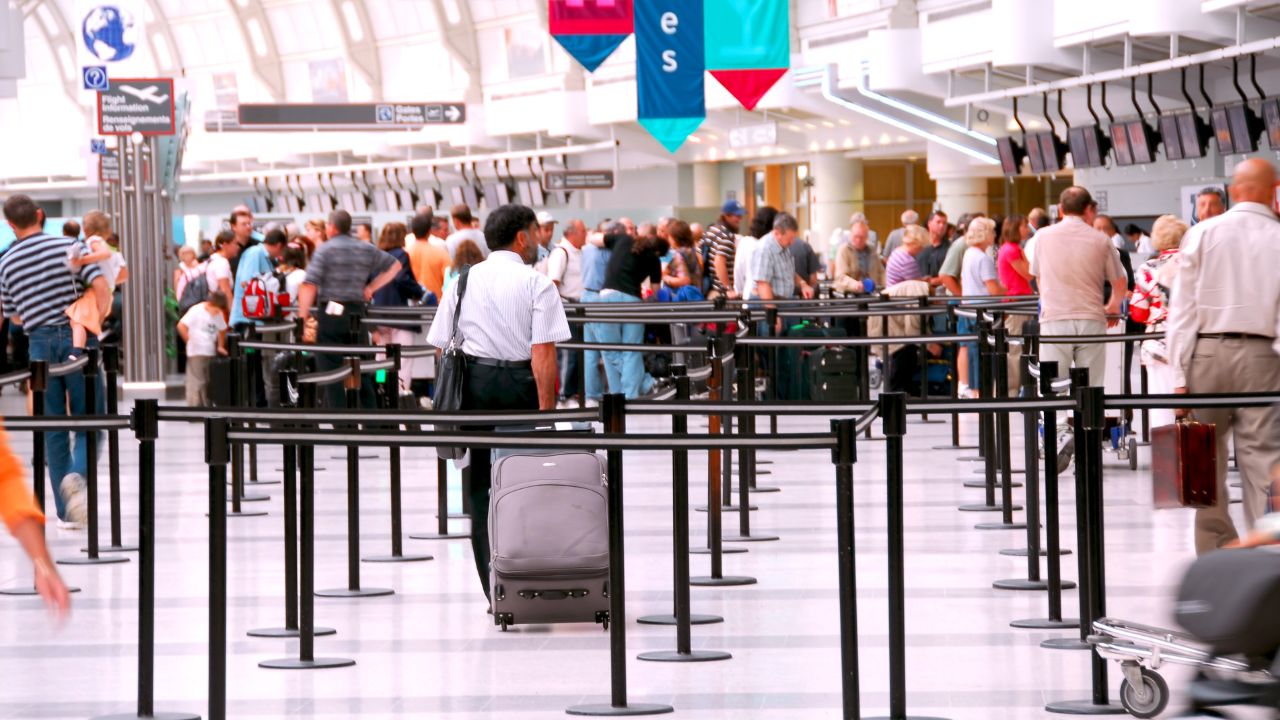
TSA leadership is committed to maintaining high standards, investing in training for its 60,000+ officers.
With real-time threat analysis and a focus on protecting aviation safety, the TSA continues to enforce its policies, including Real ID verification which began in May 2025. As the agency adapts, these rules continue to shape travel experiences.
Preparing for Your Next Trip
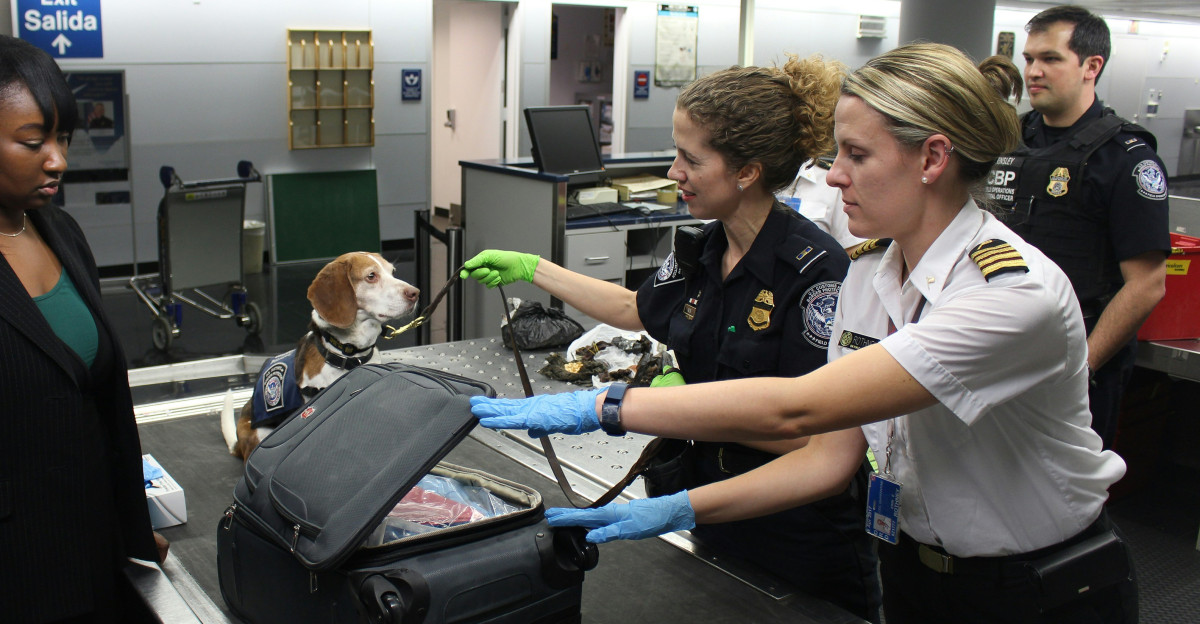
Packing smartly is key to avoiding TSA hassles. Label your spare batteries, ensure liquids and gels fit within 3.4 ounces, and place spreads in checked luggage.
Many airlines provide packing tips to help ensure your journey is smooth and compliant. Is your strategy aligned with TSA’s current rules?
Expert Opinions on TSA Enforcement
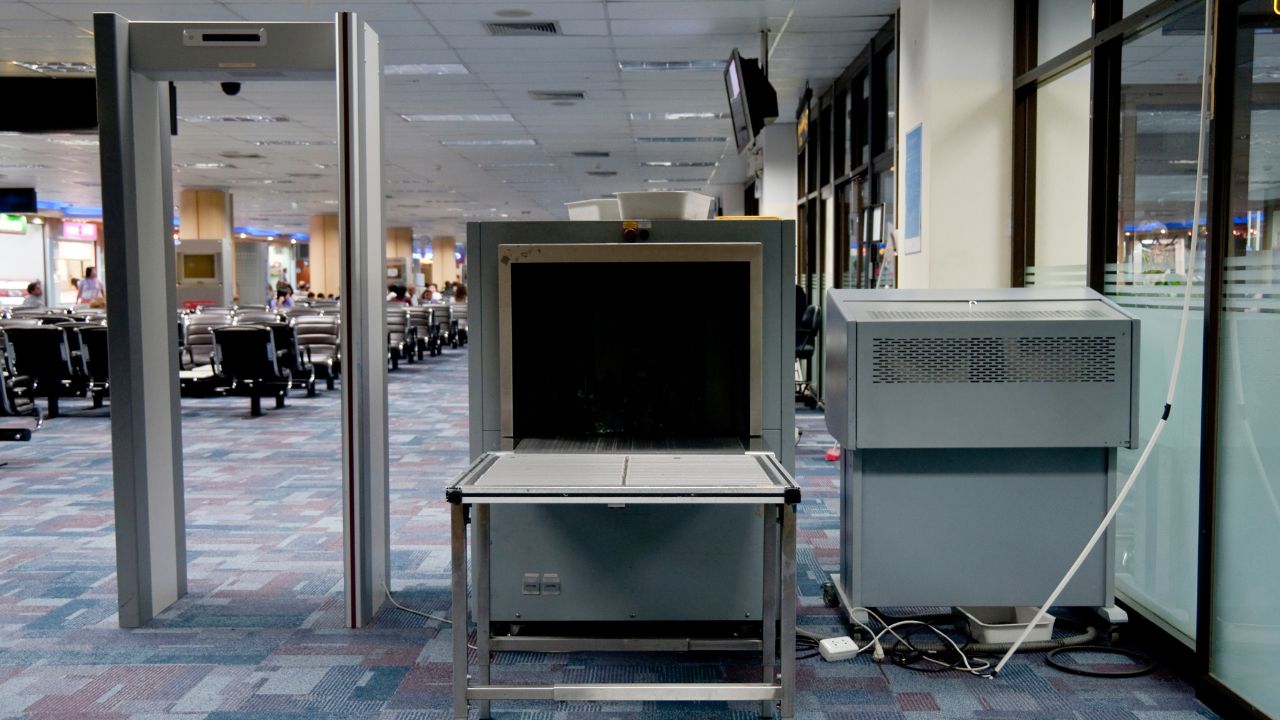
Aviation experts note that while TSA’s enforcement is generally consistent, variances can occur between regions and airports.
As the rules are applied, ensuring uniformity across hubs becomes even more critical to preventing disruptions and confusion among passengers. Can better scanners and uniform enforcement ease these concerns?
What’s Next for TSA Screening?
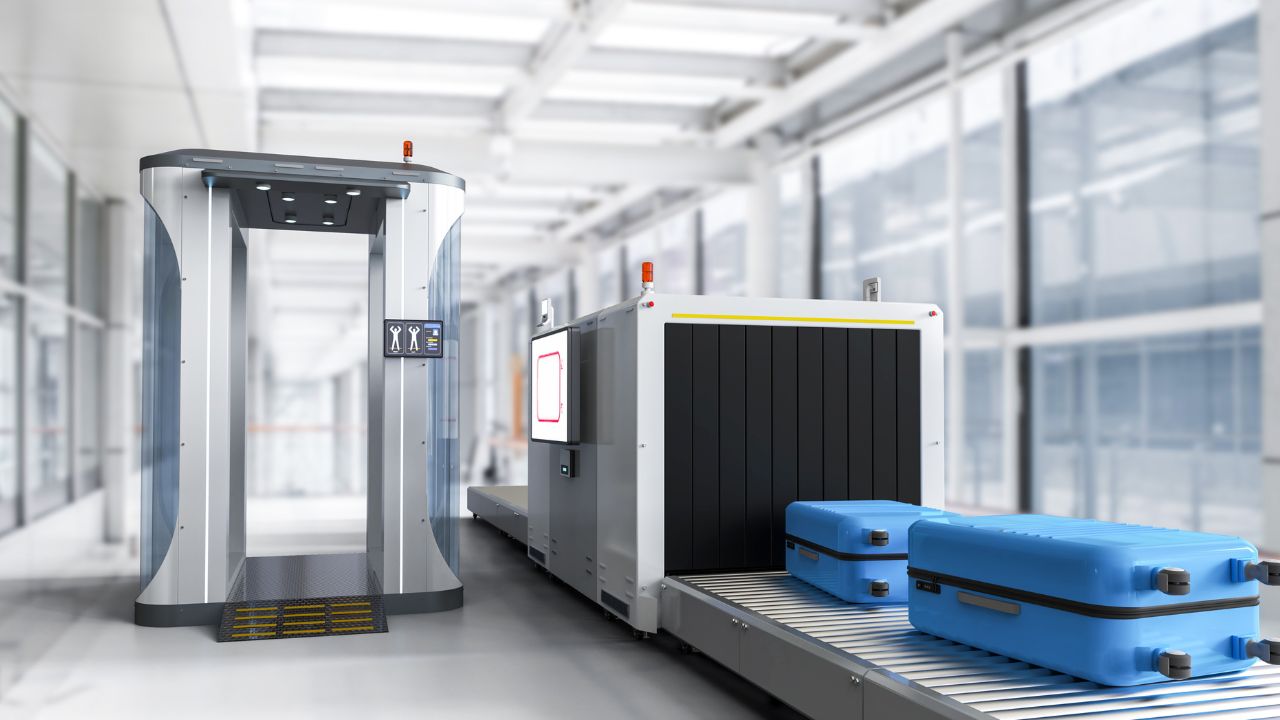
TSA has been deploying advanced CT scanners at airports nationwide to streamline the screening process.
However, TSA’s strict enforcement continues to shape the travel experience. Are your next steps through airport security clear, or could your favorite items be at risk for seizure?
Sources:
“September 11 and the Transportation Security Administration.” National Museum of American History, Smithsonian Institution, 2011.
“Lithium Batteries in Baggage.” Federal Aviation Administration, Sept 2025.
“TSA Begins Full REAL ID Enforcement.” Fredrikson & Byron, Oct 2025.
“If you can spill, spread, pump or pour it, then check it. TSA tips for smooth holiday travel.” WTOP News, 14 Nov 2023.