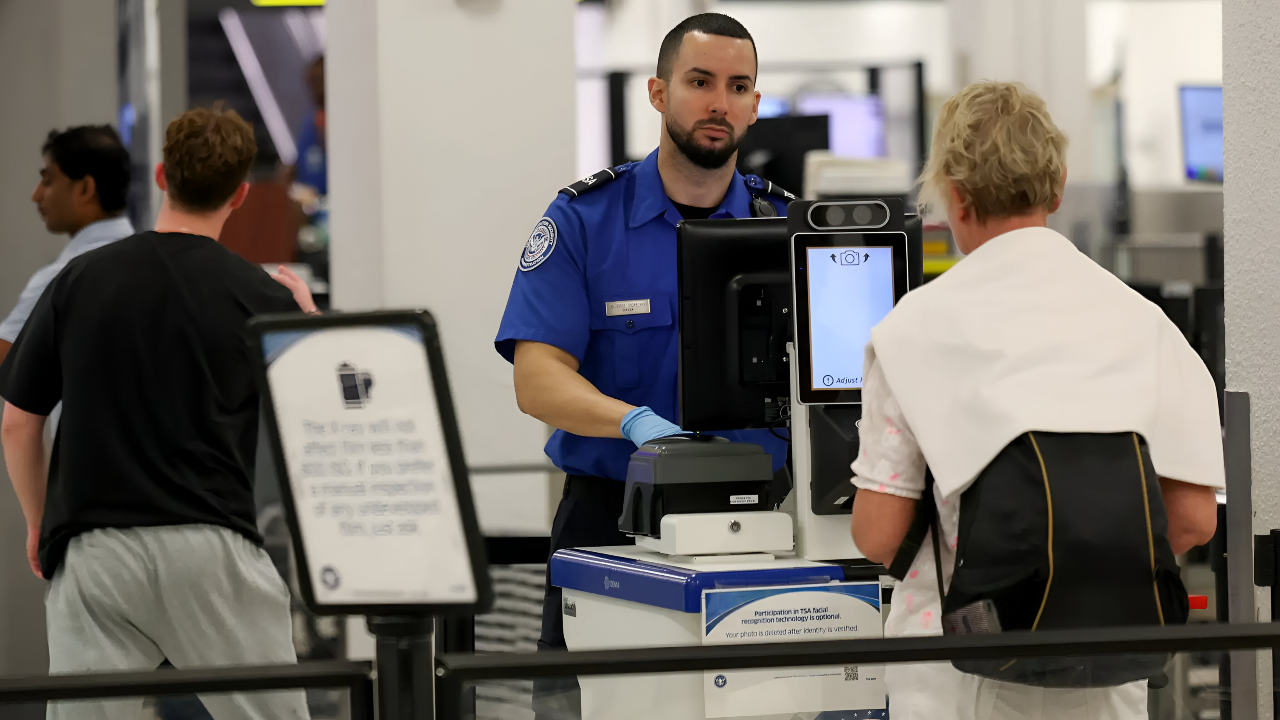
In 2025, the Transportation Security Administration (TSA) clarified existing regulations and increased enforcement of safety measures due to rising safety incidents involving lithium batteries and flammable gases.
The Federal Aviation Administration (FAA) reported 89 lithium battery-related incidents in 2024, with 50 additional incidents recorded through August 2025, including smoke and fire on passenger aircraft. These measures aim to enhance safety in cargo holds, where crew cannot respond to in-flight fires.
Cordless Curling Irons with Gas Cartridges

TSA clarified in August 2025 that cordless curling irons with gas cartridges are prohibited in checked luggage due to fire risks, reinforcing existing FAA safety regulations.
They can be carried on, provided they have a safety cover and no spare cartridges are present. These devices operate with flammable butane cartridges, prompting this safety measure.
Why Cordless Curling Irons Are Banned

Butane-fueled irons can be hazardous, as they may vent or rupture under vibration, heat, or pressure changes, leading to significant fires.
The plastic housings can melt quickly in a fire, releasing pressurized butane that can intensify flames, especially in hard-to-reach cargo areas. Careful handling is essential to prevent these risks.
Cordless Flat Irons with Butane

TSA reinforced in August 2025 that cordless flat irons that use butane are prohibited in checked baggage, similar to the existing ban on curling irons.
For carry-on luggage, the same regulations apply as for curling irons: these devices must be stored with a protective safety cover and are not allowed to have spare butane cartridges.
Why Cordless Flat Irons Are Banned

Vibrations, temperature changes, and pressure differences during flight can negatively impact cartridges.
Moreover, any secondary ignition source can lead to intense combustion that may exceed the capabilities of cargo fire suppression systems.
Gas Refill Cartridges for Hair Tools

TSA emphasized in August 2025 that gas refill cartridges for hair tools are banned in both checked and carry-on luggage due to safety concerns, clarifying existing safety regulations.
These butane cartridges can leak, and even “empty” ones may contain flammable residues, posing risks during air travel.
Why Gas Refill Cartridges Are Banned

Spare cartridges significantly increase the risk of leakage, venting, or explosion when not contained within a device housing.
Due to their flammable nature and the potential hazards associated with pressure and ignition, these cartridges are classified as hazardous materials, particularly in flight conditions.
Portable Chargers and Power Banks
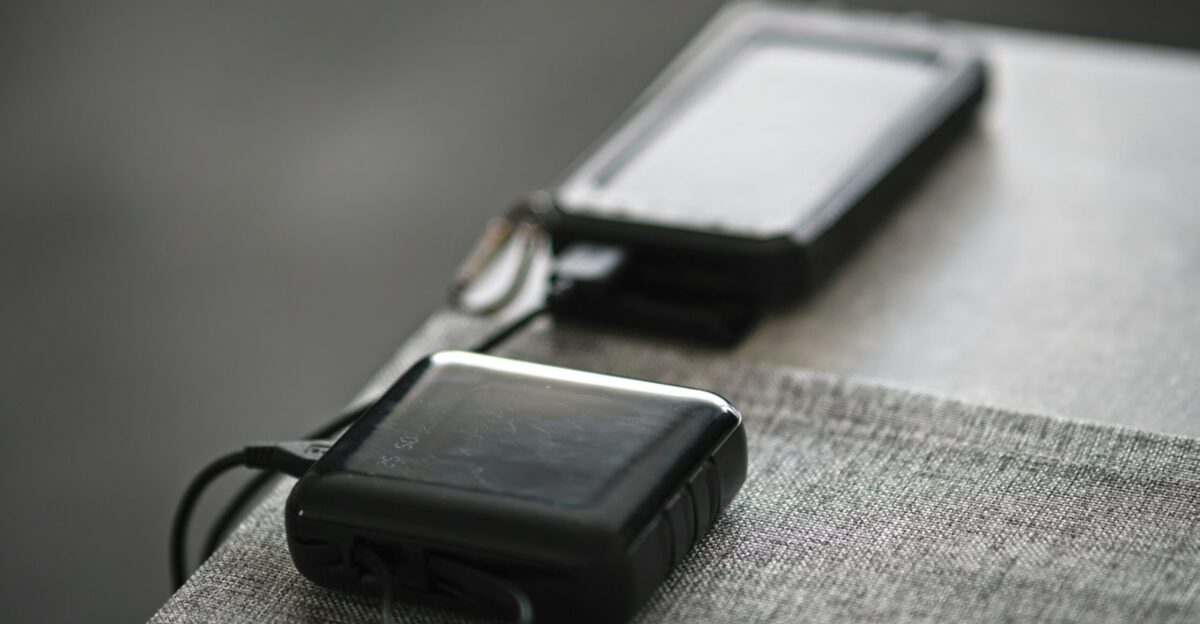
Portable chargers and power banks have been prohibited in checked luggage under existing TSA regulations for a long time.
Southwest Airlines took additional action on May 28, 2025, becoming the first U.S. carrier to require portable chargers to remain visible during use—no more charging devices hidden in bags or overhead bins.
Why Portable Chargers Are Carry-On Only
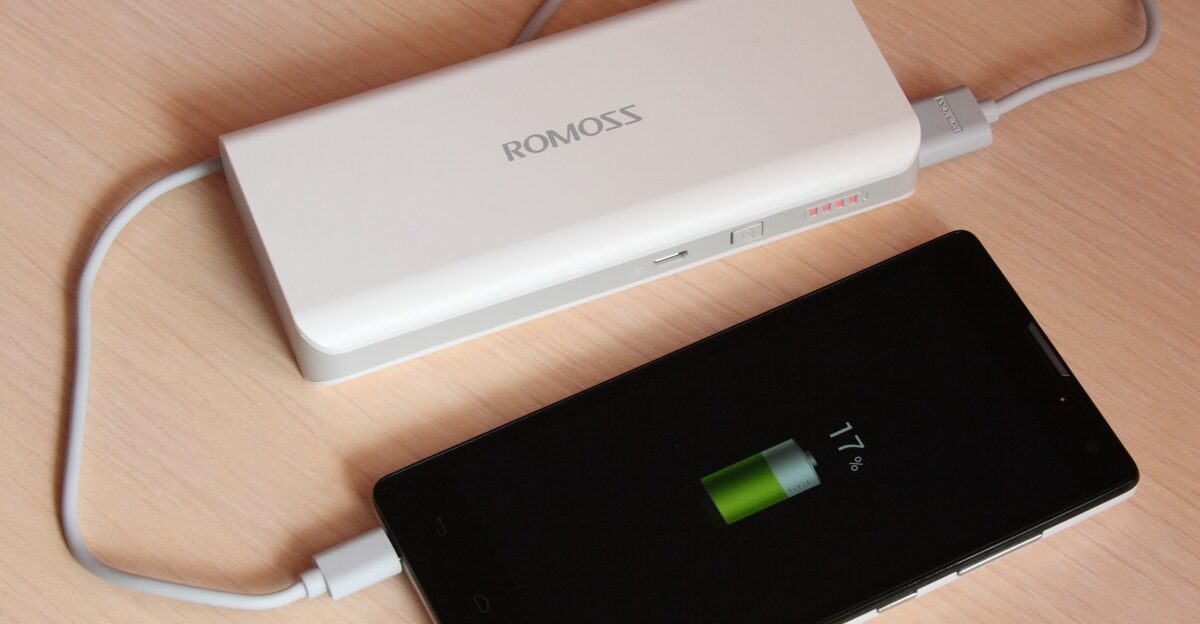
Lithium-ion cells can enter thermal runaway, producing intense heat and toxic gases. In the cabin, crew can respond with fire suppression procedures; in the cargo hold, response is delayed or impossible.
Southwest’s visible charging requirement followed incidents where hidden power banks overheated undetected, creating safety hazards that prompted the industry-first policy change.
Spare Lithium Batteries for Electronics
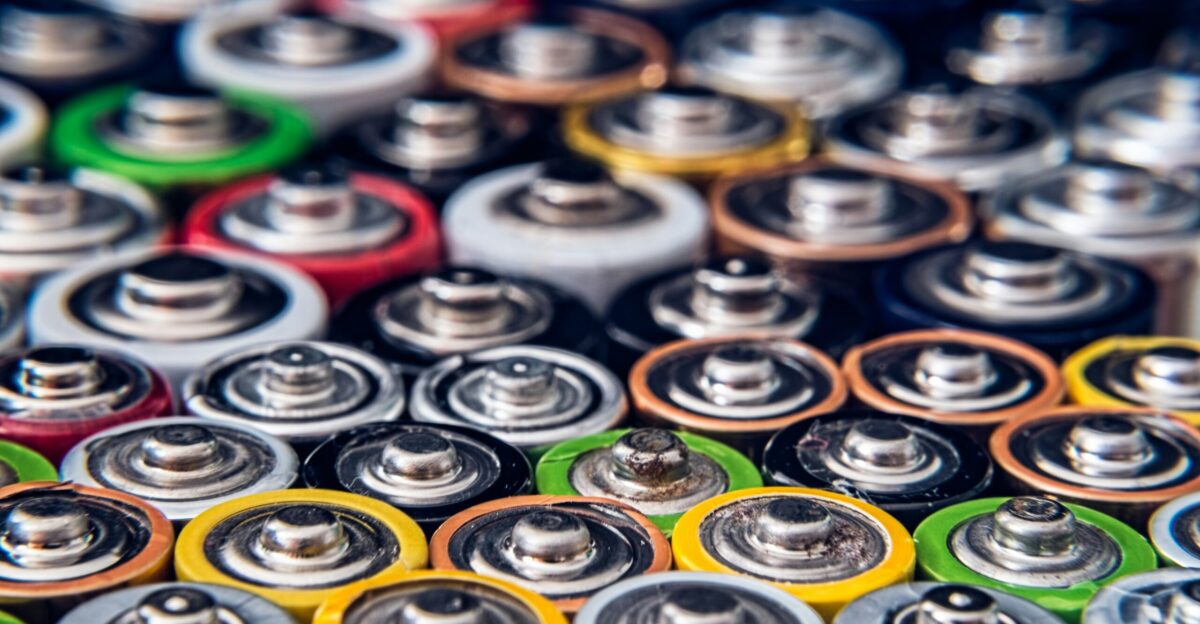
Uninstalled lithium-ion and lithium-metal batteries remain prohibited in checked luggage under long-standing TSA regulations.
This applies to camera batteries, laptop spares, drone batteries, and other loose cells. All spare batteries must be carried with protected terminals to prevent short circuits during transport.
Why Spare Lithium Batteries Are Carry-On Only
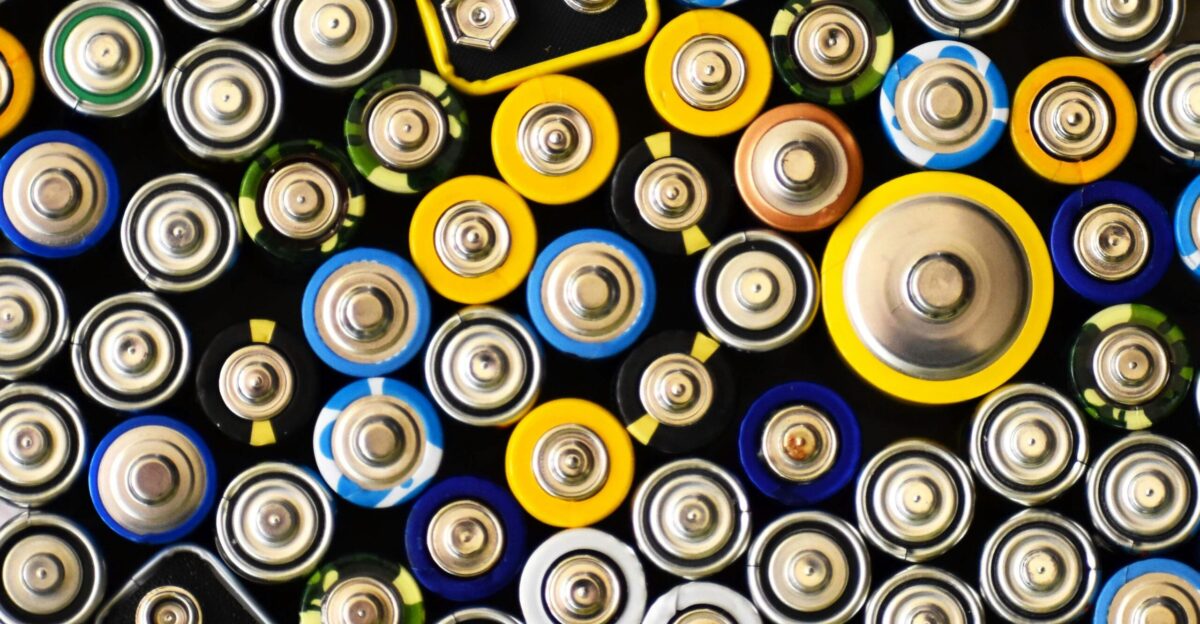
Loose batteries lack device-level protective circuits and can short-circuit if their terminals come into contact with metal objects, such as keys or coins.
Thermal runaway may occur due to damage, overheating, or manufacturing defects. Cabin access enables crew response when battery failures occur, as cargo hold fires are hazardous due to delayed detection and limited response capabilities.
Battery-Powered Heated Clothing Accessories

Heated clothing accessories with removable lithium battery packs must remain in carry-on luggage under existing TSA regulations. Battery packs cannot be placed in checked baggage.
TSA and manufacturers recommend removing battery packs from garments before security screening to expedite the checkpoint process.
Why Heated Clothing Batteries Are Restricted
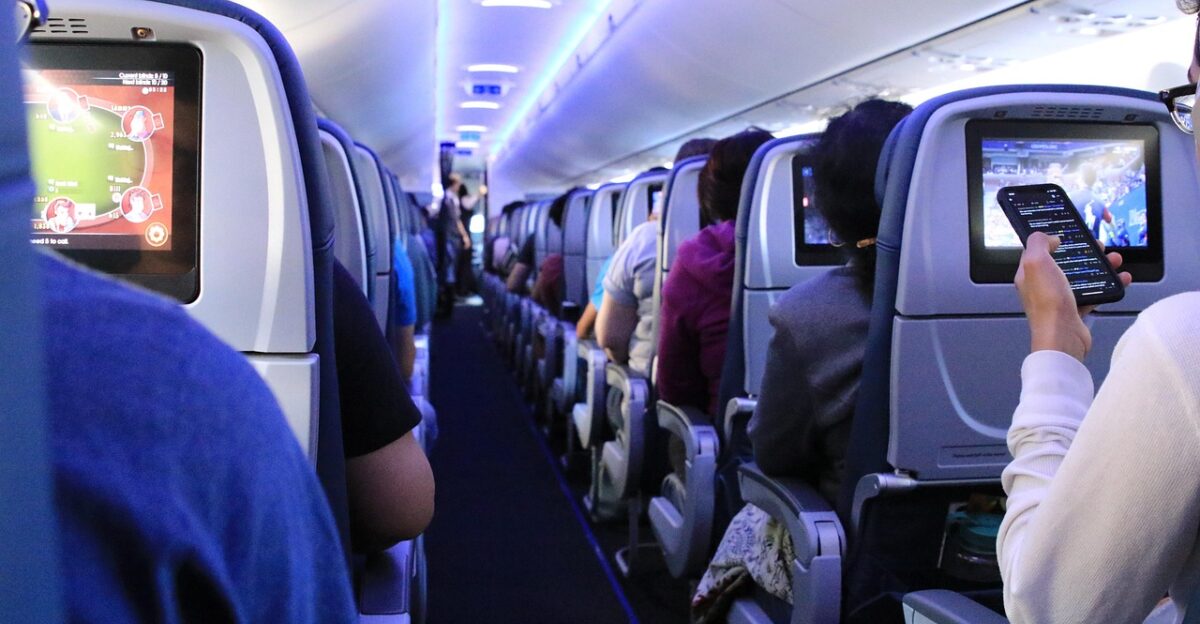
Battery packs in heated clothing pose fire risks if thermal runaway occurs. Modern heated jackets often feature temperature controls and safety features; however, battery failures can still happen.
Cabin access allows crew to respond immediately if overheating occurs, while cargo hold incidents are harder to detect and control until fires become established.
Large Capacity External Battery Packs

Large capacity battery packs remain subject to existing capacity regulations.
Batteries exceeding 100 watt-hours require airline approval for carry-on transport, while those exceeding 160 watt-hours are completely banned from passenger aircraft. All remain prohibited in checked baggage regardless of capacity.
Why Large Battery Packs Face Stricter Limits
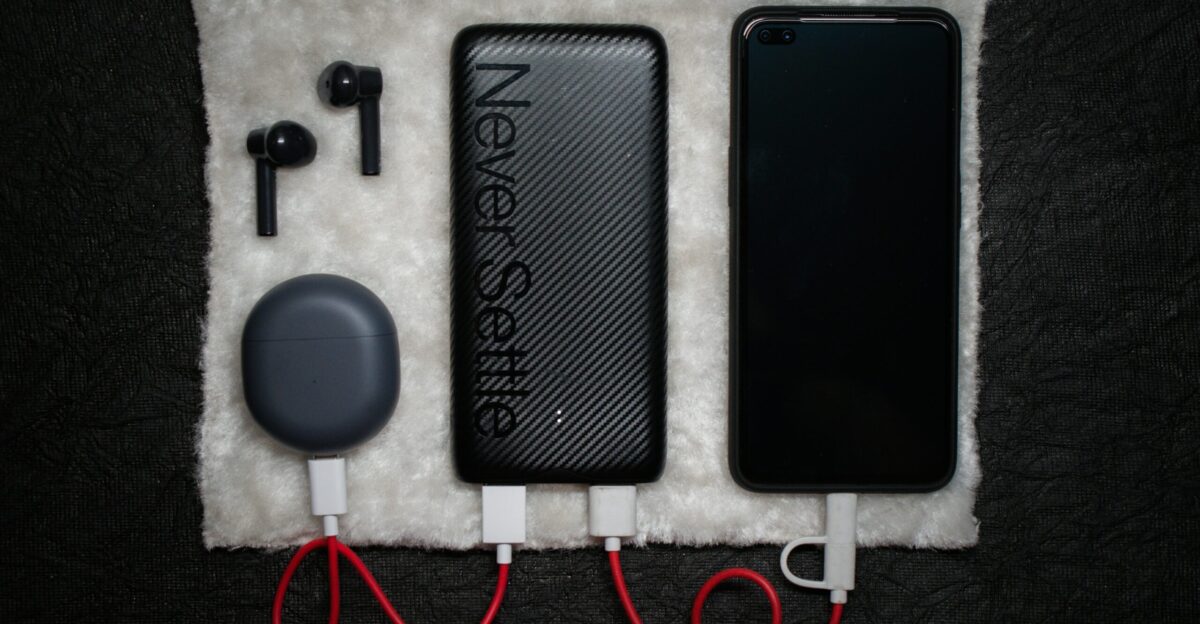
Greater stored energy increases the consequences of fire if cells fail. Aviation incidents in 2025 involving high-capacity devices prompted flight diversions or emergency procedures, underscoring the need for strict carriage limits and mandatory capacity checks.
Airlines require advance approval for high-capacity batteries to ensure proper documentation and crew awareness of onboard hazards.
Professional Camera Battery Systems
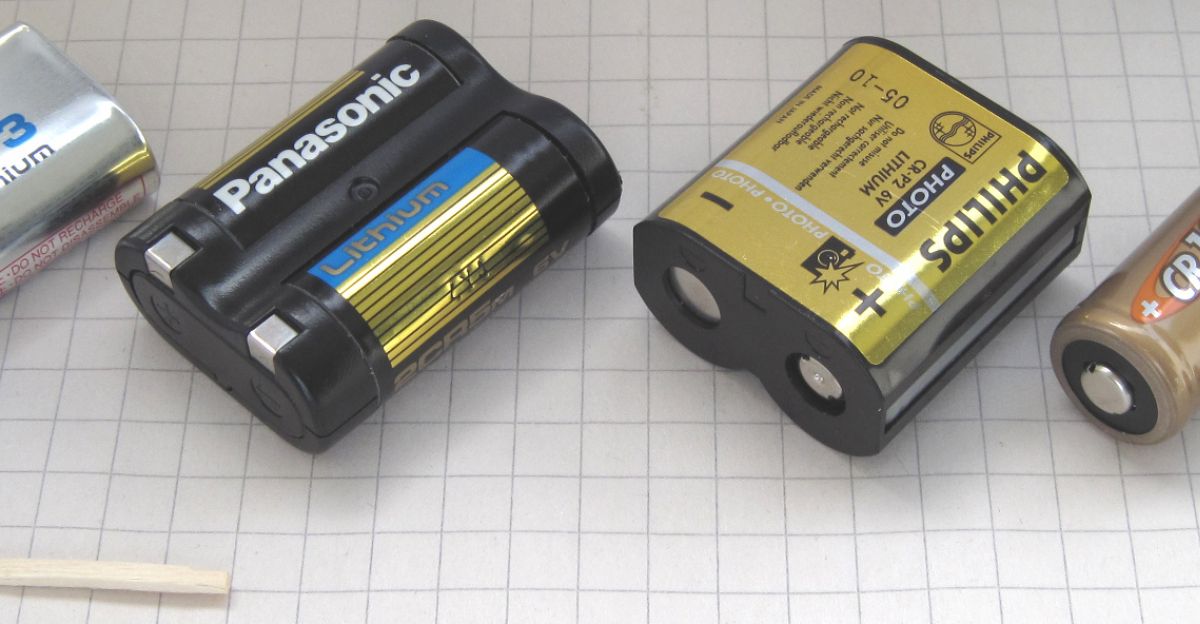
Professional camera battery packs are currently restricted from being carried in carry-on luggage under existing regulations. Photographers must clearly label capacities and protect terminals.
Most professional camera batteries stay under 100Wh to comply with airline limits; however, some high-capacity packs approaching this threshold require advance approval from the airline.
Why Professional Camera Batteries Face Strict Rules
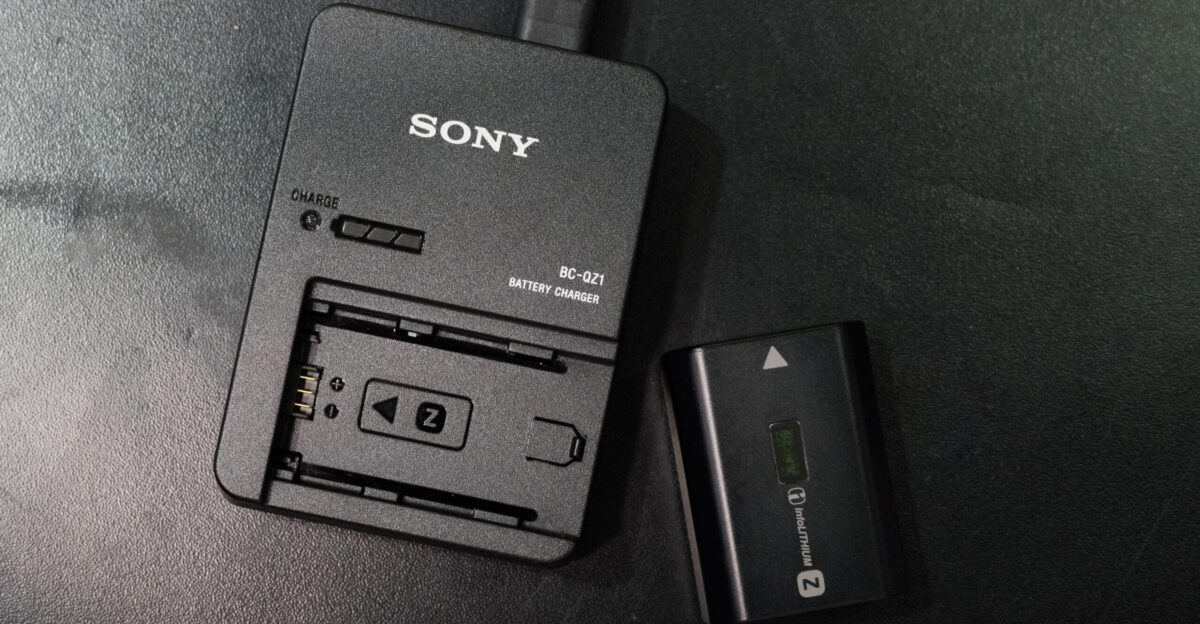
Professional camera batteries pose thermal runaway risks that require immediate response capabilities. Battery failures in electronic devices can generate intense heat and toxic gases.
Crew response procedures are only practical when batteries remain accessible in the passenger cabin, making checked baggage storage prohibited due to safety reasons that require immediate intervention in the event of thermal events.
IATA 2026 Regulations: Mandatory Charge Limits
Significant regulatory changes take effect on January 1, 2026, when IATA’s updated Dangerous Goods Regulations make 30% state-of-charge limits mandatory for UN 3481 lithium-ion batteries packed with equipment exceeding 2.7 Wh and UN 3556 vehicles with batteries exceeding 100 Wh.
These specific battery categories must be shipped with a charge capacity of no more than 30%. The requirements upgrade current recommendations to mandatory compliance standards for commercial air transport.
Why Charge Limits Reduce Aviation Risk
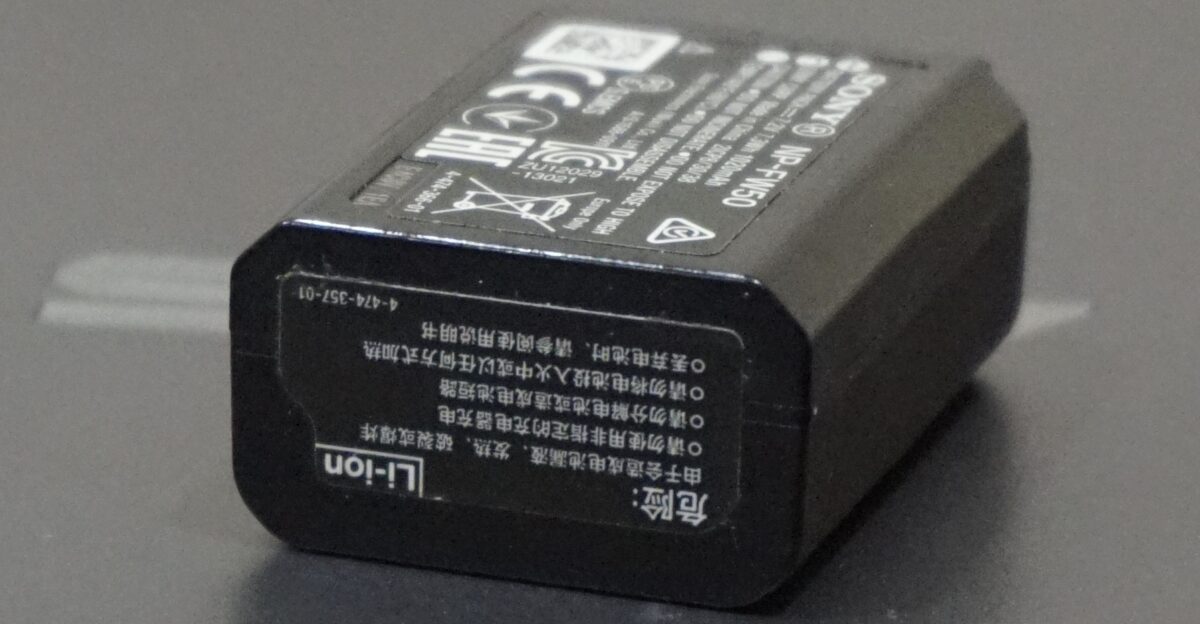
A reduced state of charge decreases the probability of thermal runaway in lithium batteries during air transport. Lower charge levels reduce the energy available for catastrophic failure, making batteries safer under flight conditions.
The mandatory limits address the documented rise in aviation battery incidents, with the FAA tracking 89 incidents in 2024 and 50 additional events through August 2025. Industry testing supports the reduction of charges as an effective risk mitigation strategy.
Future Aviation Battery Safety Outlook

Aviation authorities continue to advance safety solutions, with UL 5800 certification already established for airplane fire containment products specifically designed for battery incidents.
Emerging technologies, including sodium-ion batteries, are receiving new UN classifications (UN 3551-3558) for air transport. Enhanced crew training, improved detection systems, and international regulatory harmonization through IATA and UN bodies remain priorities as the use of battery-powered devices continues to expand in aviation.