
This year, America is seeing its largest federal workforce shake-up in decades, with over 275,000 layoffs eliminating 12% of the civilian workforce. This goes beyond routine efficiency measures. It represents a fundamental transformation in how the government operates, reshaping agencies, roles, and the very way federal operations are managed.
Trump’s “CEO-Monarch” strategy combines corporate speed with unilateral authority. Decisions once debated in Congress are now made quickly, reshaping government functions. What started as numbers on a page is changing the daily reality of federal operations, and the impacts are just beginning to ripple across the country.
The Scale Is Staggering

The numbers are hard to ignore. The 2.4 million-person federal workforce lost roughly 12%, confirmed by The New York Times. Atlanta Federal Reserve notes that actual and planned reductions account for more than 12% of employees as of April 2025.
Challenger, Gray & Christmas reported 216,215 positions cut in March alone. This isn’t slow reform—it’s systematic dismantling. These figures show the scope of change and set the stage for a deeper look at Trump’s unique leadership style driving this large-scale federal reorganization.
CEO Meets Monarch
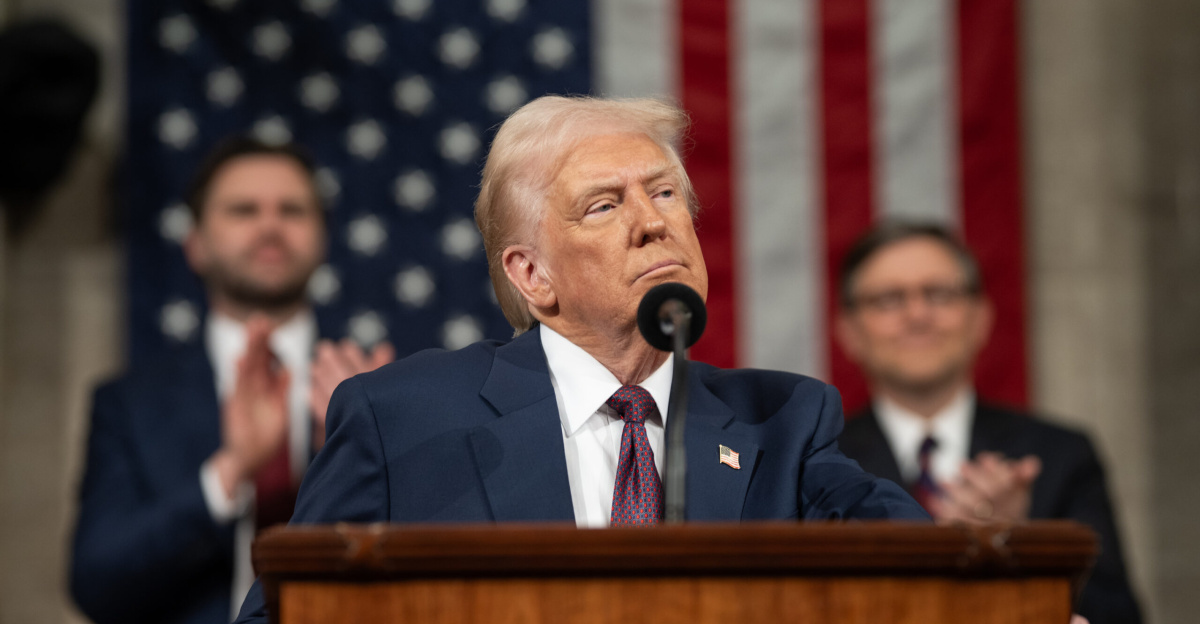
Trump’s method merges corporate ruthlessness with monarchical authority. Like a tech CEO conducting mass layoffs, he used voluntary buyouts, deferred resignation programs, and workforce analytics. DOGE tracked inefficiencies and guided decisions.
Unlike CEOs answerable to boards, Trump acts with executive power, making fast, unilateral decisions. This hybrid creates unmatched speed in government restructuring. The combination of business tactics and direct political authority reshapes how agencies operate, showing why traditional rules and oversight often can’t keep pace with this approach.
From Boardroom to Oval Office
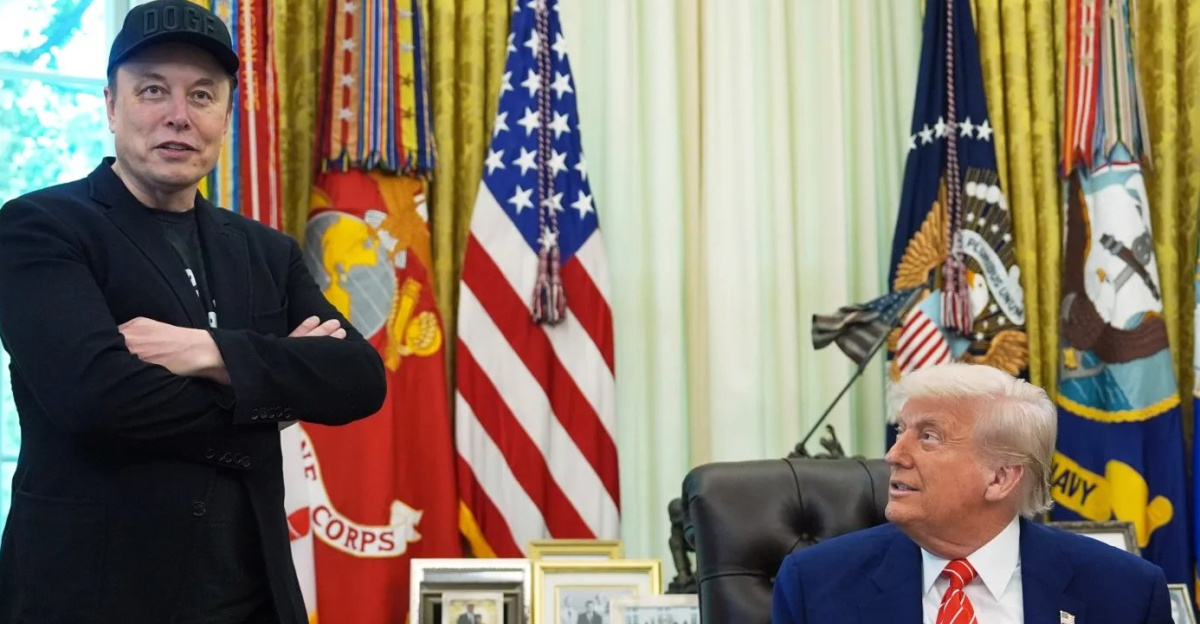
Trump’s corporate experience shaped his federal workforce strategy. He drew from years of restructuring businesses and turned those ideas into federal policy. His discussions with Elon Musk led to the idea of a “government efficiency commission.”
This Silicon Valley mindset applied data-driven analysis to government operations. By borrowing corporate efficiency methods, Trump aimed to streamline agencies quickly. The result is a unique blend of business strategy and executive authority, setting up the next chapter in workforce reduction across federal agencies.
DOGE Takes Center Stage

The Department of Government Efficiency (DOGE) became Trump’s main tool for reshaping government. Initially led by Musk until May 30, DOGE operated like a corporate consulting firm with extraordinary access to federal systems.
According to NPR, DOGE members terminated contracts and grants with little transparency. The unit used data analytics to identify “waste” and guide agency decisions. This approach gave Trump’s administration corporate-style oversight, combining analytics with authority, and made workforce reductions faster than traditional federal procedures could allow.
Musk Brings Silicon Valley Speed

Elon Musk applied corporate restructuring tactics to federal agencies. He eliminated roughly 80% of staff at Twitter and tried to replicate this model in government. Musk worked as a “special government employee” up to 130 days, with access to sensitive databases.
His departure on May 30, marked a shift from tech-driven to politically-driven efficiency efforts. Musk’s approach demonstrated how private-sector tactics could be applied in government, and his time at DOGE showed the potential and risks of blending corporate speed with executive power.
How the 12% Cut Happened

The 12% workforce reduction came from multiple channels. Voluntary departures accounted for over 75,000 employees using financial incentives. Mass layoffs targeted probationary employees, and entire departments like USAID were cut from 10,000 to under 300, according to Reuters and Politico.
This mirrors corporate restructuring more than traditional reform. Every step was planned, using buyouts, early retirements, and targeted terminations. Together, these measures achieved rapid reduction while maintaining Trump’s “CEO-Monarch” speed, showing the strategic application of business methods to federal operations.
Strategic Buyouts

Financial incentives played a major role. The deferred resignation program provided pay through September 2025, and Voluntary Separation Incentive Payments offered up to $25,000. NPR reported that more than 75,000 employees accepted these buyouts.
These buyouts reduced legal challenges and sped up workforce reduction. By applying corporate tactics, Trump’s administration achieved numbers-based goals while limiting disputes. The voluntary program also smoothed transitions for some employees while demonstrating the effectiveness of incentives in large-scale federal restructuring.
Mass Terminations
Corporate-style terminations followed buyouts. Over 24,000 probationary employees with less than a year of service were removed, based on reports from NPR and multiple tracking sources. Weekly work summaries mirrored Silicon Valley management methods.
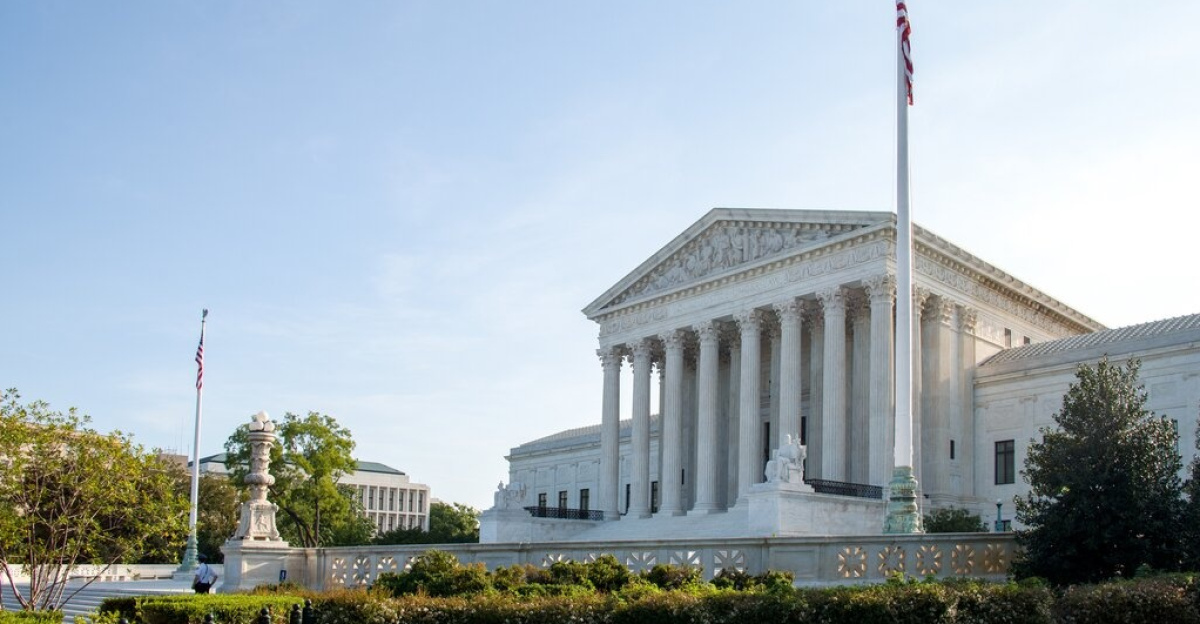
Federal courts initially blocked some terminations, but the July 8, 2025 Supreme Court decision allowed cuts to continue. These actions show how the administration applied corporate efficiency models in government, prioritizing speed and results over traditional employment protections, moving the “CEO-Monarch” vision forward.
Entire Agencies Shut Down

Agency closures reshaped federal operations. USAID shrank from 10,000 to under 300 employees globally. Treasury and Agriculture lost thousands of positions according to Partnership for Public Service data.
These were not normal efficiency measures but corporate-style shutdowns. By closing entire units, the administration could cut overhead and reduce headcount quickly. These dramatic moves further demonstrate the reach of Trump’s strategy, reshaping government structure at a scale unseen in decades.
Courts Push Back

Federal courts initially blocked mass layoffs, recognizing limits on executive power. These decisions temporarily slowed workforce reductions and highlighted the legal tension between corporate methods and constitutional authority.
The Supreme Court overturned these blocks on July 8, 2025, allowing cuts to continue. Justice Ketanji Brown Jackson dissented, warning of “unprecedented and congressionally unsanctioned dismantling.” The legal back-and-forth set the stage for full implementation of the CEO-Monarch model, showing the power of judicial decisions in shaping federal workforce policy.
Supreme Court Clears the Way

The July 8 ruling fundamentally changed federal employment rules. Reuters reported it allowed mass job cuts and downsizing without congressional approval. This represents a historic shift in executive authority over federal employment.
With the ruling, Trump could implement his “CEO-Monarch” strategy fully. The decision effectively removed constitutional guardrails that previously limited large-scale federal workforce reductions. This opened the door to rapid restructuring, combining executive authority with corporate-style methods to achieve the 12% reduction goal.
Public Pushback and Reaction

Public response has been mixed. Federal employee unions filed lawsuits, and Congressional Democrats protested, but Republicans blocked subpoenas. Despite opposition, workforce reductions continued.
The Supreme Court decision ensured implementation proceeded largely unimpeded. Citizens and employees watched closely as the administration applied corporate strategies to government jobs. Reactions highlight the tension between efficiency-driven reform and democratic accountability, providing context for understanding both the scale and controversy of Trump’s approach.
Effects on Government Services
Early indicators show trade-offs. Agencies lost key staff, affecting service delivery in areas like public health and environmental protection. Operational capacity dropped as headcount decreased.
Washington D.C. and regional employment data show unemployment spikes near federal facilities. Like corporate restructuring, these changes delivered short-term financial savings but risked service quality. These operational consequences illustrate how workforce reduction impacts everyday citizens, bridging corporate strategy with real-world effects on government performance.
Economic Impact Beyond Washington
The workforce cuts have broad effects on the economy. Communities with federal facilities saw unemployment rises, while larger metro areas experienced varying economic ripples.
Federal reductions represent an unprecedented peacetime change in U.S. employment. Local businesses, suppliers, and service industries feel the impact of reduced federal payrolls. The economic shockwaves reinforce how decisions in Washington extend far beyond the federal workforce, highlighting the national significance of the 12% reduction strategy.
DOGE Savings Under Scrutiny

DOGE claimed $202 billion in savings, but a Politico analysis found less than 5% of that amount was actually realized. Much of the calculation used inflated contract ceiling values rather than committed spending.
These numbers suggest corporate-style claims don’t always translate to real results. While the strategy achieved headcount reduction, financial efficiency is less clear. This gap emphasizes the difference between numeric success and practical outcomes, keeping the conversation about efficiency versus actual performance alive.
Efficiency vs. Democracy

The administration hit its numerical goals: 12% workforce reduction, billions in claimed savings, and faster executive operations. Corporate metrics show clear wins.
Democratic measures raise concerns. Reduced institutional capacity and oversight weaken traditional checks and balances. The strategy illustrates tension between achieving efficiency and maintaining democratic norms.
How success is measured depends on perspective, highlighting the broader debate over whether speed and reduction justify potential impacts on governance.
Global Reactions

Foreign governments watched closely. Japan expressed concern, with Finance Minister Katsunobu Kato noting potential economic fallout. Reuters reports other nations observed reductions but did not adopt similar methods.
International reactions were cautious rather than emulative. While Trump pursued cuts at agencies including USAID, the global community largely focused on trade impacts and diplomatic stability. This shows the U.S. strategy’s reach is significant domestically but limited as a global model.
Future of Federal Employment
Federal employment changed drastically under Trump. Supreme Court approval on July 8 cleared the way for ongoing reductions. Politico noted this overturned assumptions about federal job protections.
Agencies struggle to compete with private sector salaries, with advanced-degree federal workers earning up to 22% less than corporate counterparts. Recruitment challenges continue. These factors illustrate that federal employment is now shaped by market forces and executive authority, redefining job security and agency staffing.
A New Era in Government
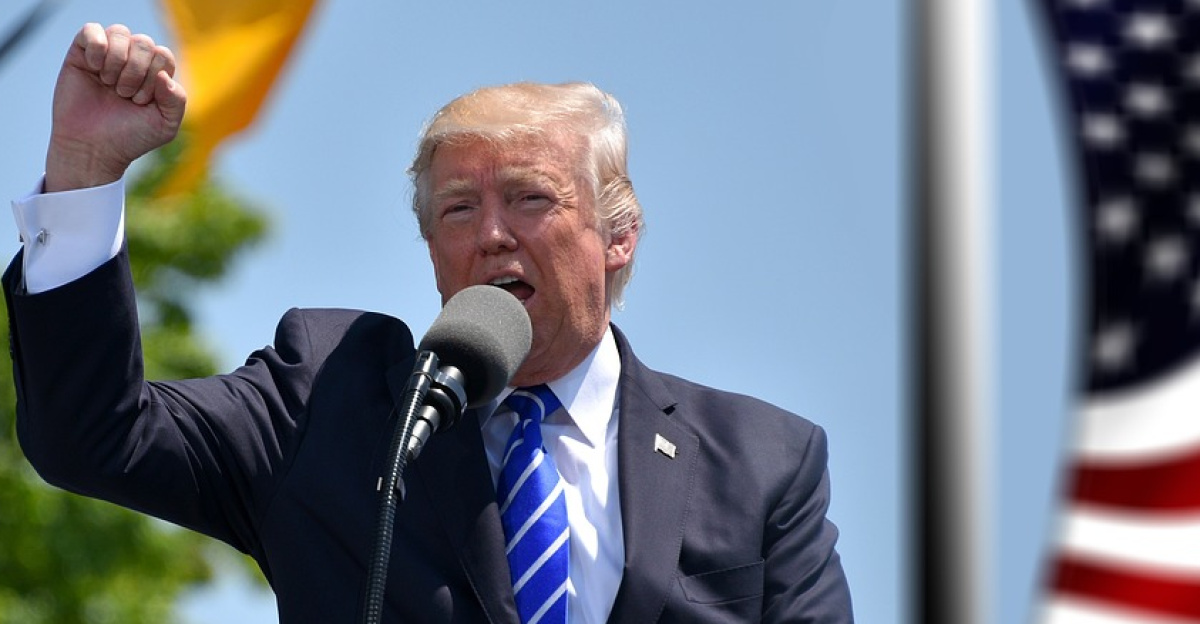
Trump’s CEO-Monarch approach reshaped American governance. Approximately 12% of the federal workforce was eliminated, buyouts and terminations executed, and Supreme Court backing ensured implementation.
Whether this improves efficiency or undermines services is debated. The administration demonstrated that executive power can restructure government rapidly, blending corporate tactics with legal authority.
American federal employment has entered a new era, and the long-term effects on democracy, service delivery, and institutional stability are still unfolding.