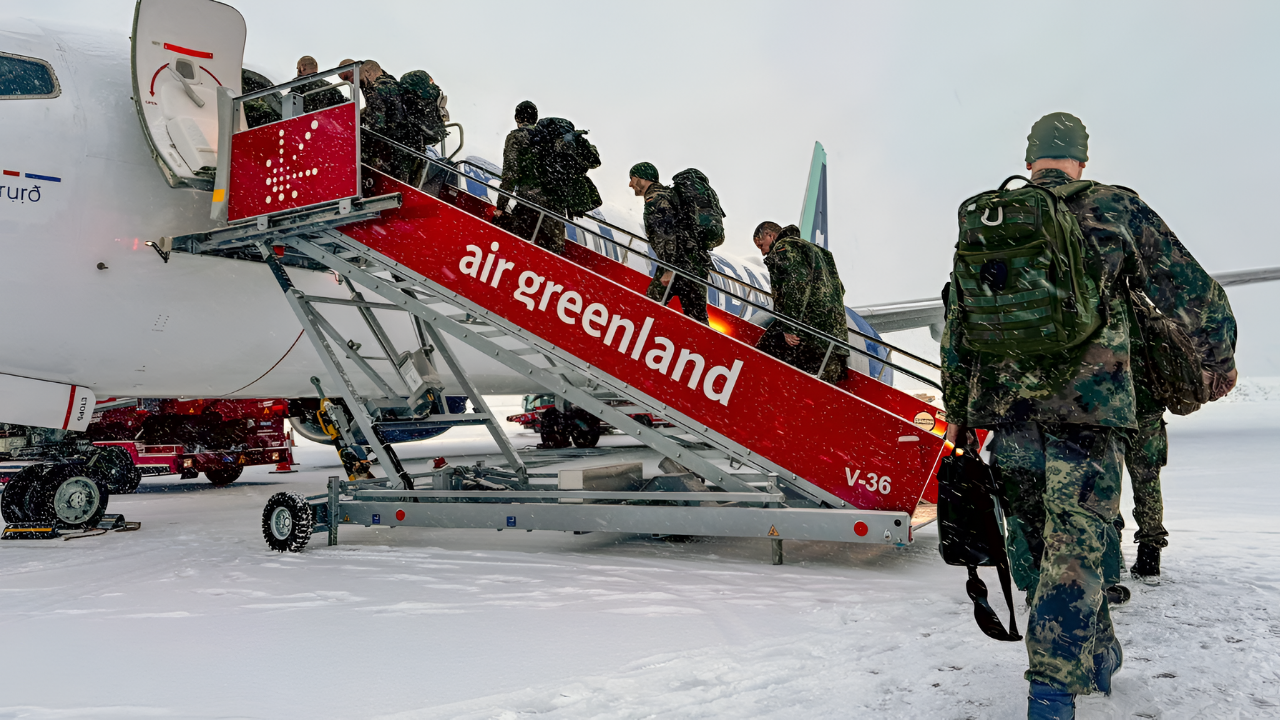
In the frozen reaches of the Arctic, a 15-member German military reconnaissance team touched down in Greenland on January 16, 2026, as part of a broader NATO show of solidarity with Denmark. What unfolded over the next 72 hours would expose deep fissures within the transatlantic alliance, as US President Donald Trump weaponized tariffs to pressure European allies over control of the strategic island.
The soldiers’ hastily completed mission reveals not just military tensions, but an economic ultimatum that shook the foundations of NATO itself before a dramatic reversal changed everything. That’s where the 44-hour timeline starts to matter.
Arctic Landing With Hidden Stakes
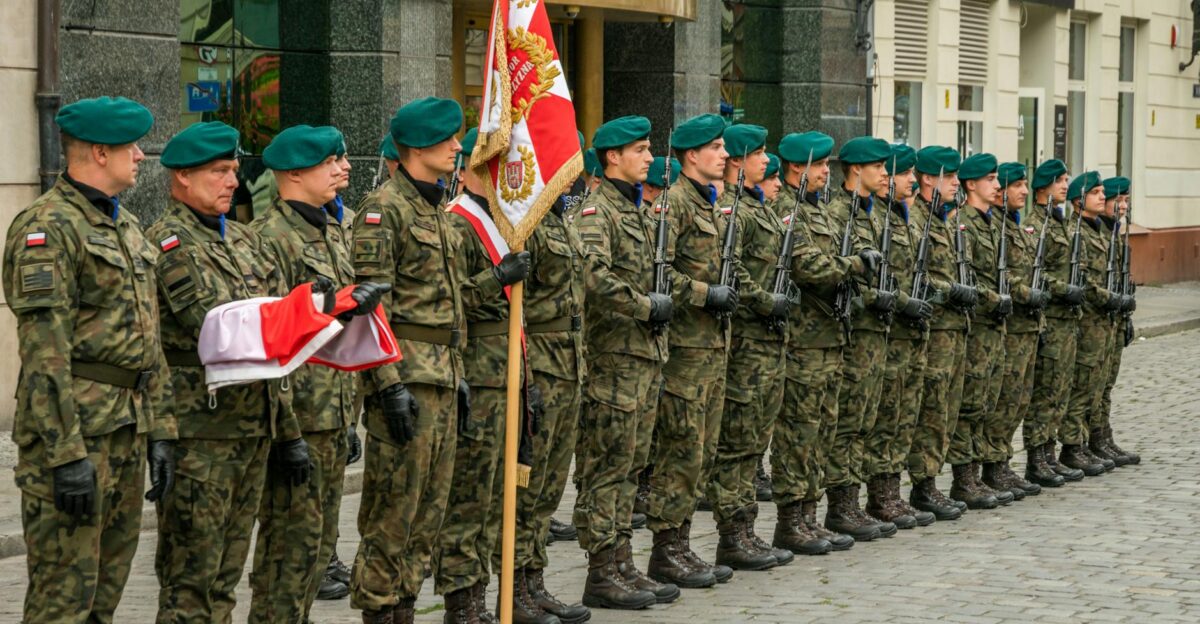
On January 16, 2026, 15 German Bundeswehr reconnaissance soldiers arrived in Nuuk, Greenland. The deployment supported Denmark’s Operation Arctic Endurance, a NATO-backed effort to strengthen Arctic security. Led by Rear Admiral Stefan Pauli, the team began assessing terrain, logistics, and conditions for future missions. At first, the operation appeared routine, yet events unfolding elsewhere were already reshaping its significance.
Operation Arctic Endurance Explained
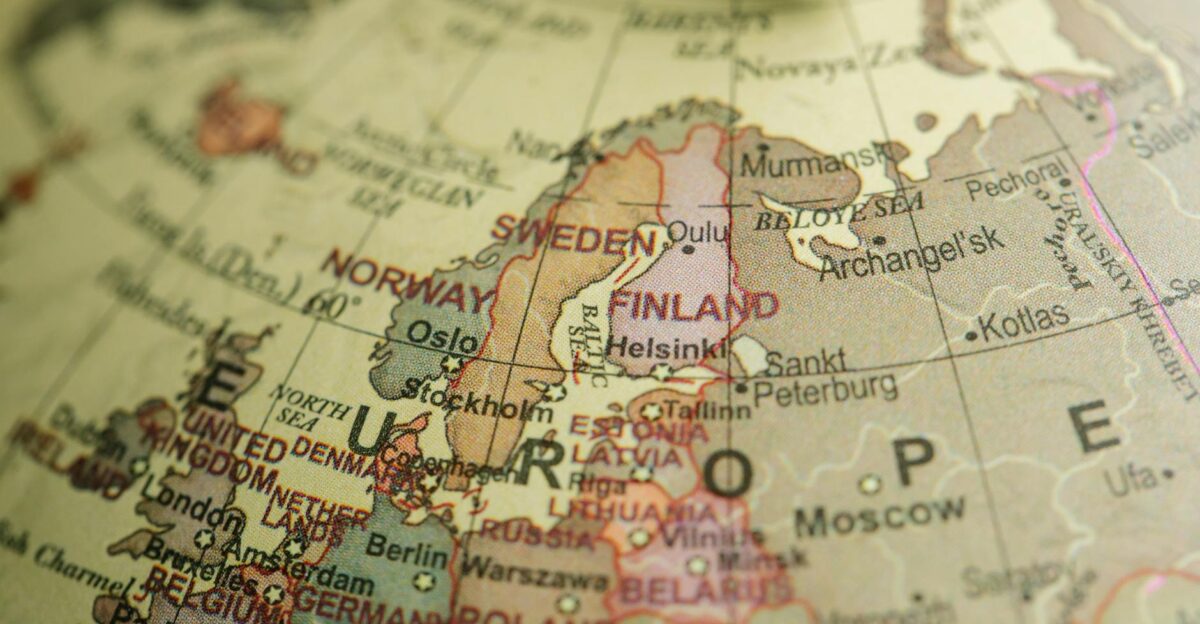
Operation Arctic Endurance brought together forces from Denmark, Germany, France, Sweden, Norway, and the United Kingdom. About 200 Danish soldiers formed the core, with allies rotating smaller units. The mission focused on Arctic surveillance, infrastructure assessment, and rapid response readiness. Denmark planned a multi-year expansion in Greenland, reflecting growing concern over regional competition. That concern soon collided with unexpected economic pressure.
Greenland’s Strategic Value
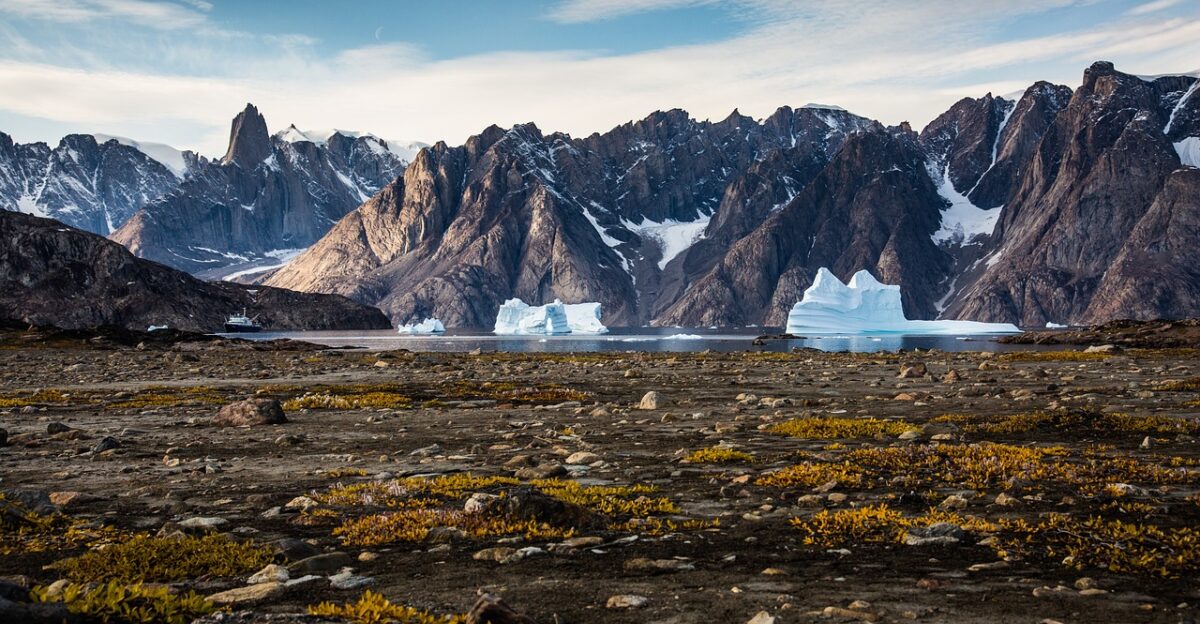
Greenland sits astride Atlantic and Arctic sea lanes increasingly monitored by Russia and China. Beneath its ice lie about 36 million tonnes of rare earth elements, plus uranium and graphite. These resources matter for defense systems and renewable energy. US officials framed control of Greenland as essential to national security, setting the stage for a dramatic escalation.
The Tariff Threat Emerges
On January 17, 2026, US President Donald Trump announced 10% tariffs on 8 European nations starting February 1. Denmark, Germany, France, the United Kingdom, Norway, Sweden, Finland, and the Netherlands were targeted. Trump warned tariffs would rise to 25% by June 1 unless a deal delivered “complete and total purchase of Greenland.” Could trade pressure really force sovereignty changes?
Trade Figures At Risk

The threatened tariffs endangered more than $1.7 trillion in annual EU-US trade. European exports, energy purchases, and investment flows all faced disruption. Analysts warned supply chains would suffer immediate shocks. The move linked economic punishment directly to territorial demands, a sharp departure from past trade disputes. As markets absorbed the news, soldiers on the ice watched their mission grow politically charged.
A Mission Cut Short

On January 18, 2026, the German team departed Greenland earlier than some observers expected. The deployment lasted exactly 44 hours, from afternoon arrival to afternoon departure. Initial reports hinted at a retreat triggered by political pressure. German officials quickly pushed back, insisting the mission followed preplanned timelines. Still, the coincidence fueled speculation about what changed so fast.
“Weather, Not Withdrawal”

German officials blamed Arctic conditions. The Federal Ministry of Defence said bad weather canceled a scheduled visit to Kangerlussuaq air base. A Bundeswehr spokesperson said the group “fully completed its assigned tasks.” The ministry added soldiers had “completed its mission today as planned” and gathered “important information.” Denmark echoed that cooperation was constructive, yet doubts lingered beyond meteorology.
European Leaders React
Europe’s response was swift and unified. UK Prime Minister Keir Starmer called the tariffs “completely wrong.” French President Emmanuel Macron said Europe “does not yield to bullies.” Governments argued allies strengthening NATO should not face punishment. The shock hardened resolve across capitals, transforming Greenland from a regional issue into a test of European solidarity.
Brussels Raises The Stakes
On January 22, 2026, the European Parliament voted to suspend ratification of a major US trade agreement signed in July 2025. The deal covered $1.7 trillion in trade, including $750 billion in EU energy purchases and $600 billion in EU investment over 3 years. Suspending it signaled readiness to absorb costs rather than concede sovereignty.
The Trade Bazooka Option

EU officials revived discussion of the Anti-Coercion Instrument, created in 2021 but never used. Macron urged deploying this “trade bazooka,” allowing tariffs, procurement bans, and licensing restrictions. The EU’s market of 450 million consumers gave it leverage. Economists warned full retaliation could push US recession risks higher and drag global GDP toward 2.6%.
NATO Keeps Drilling
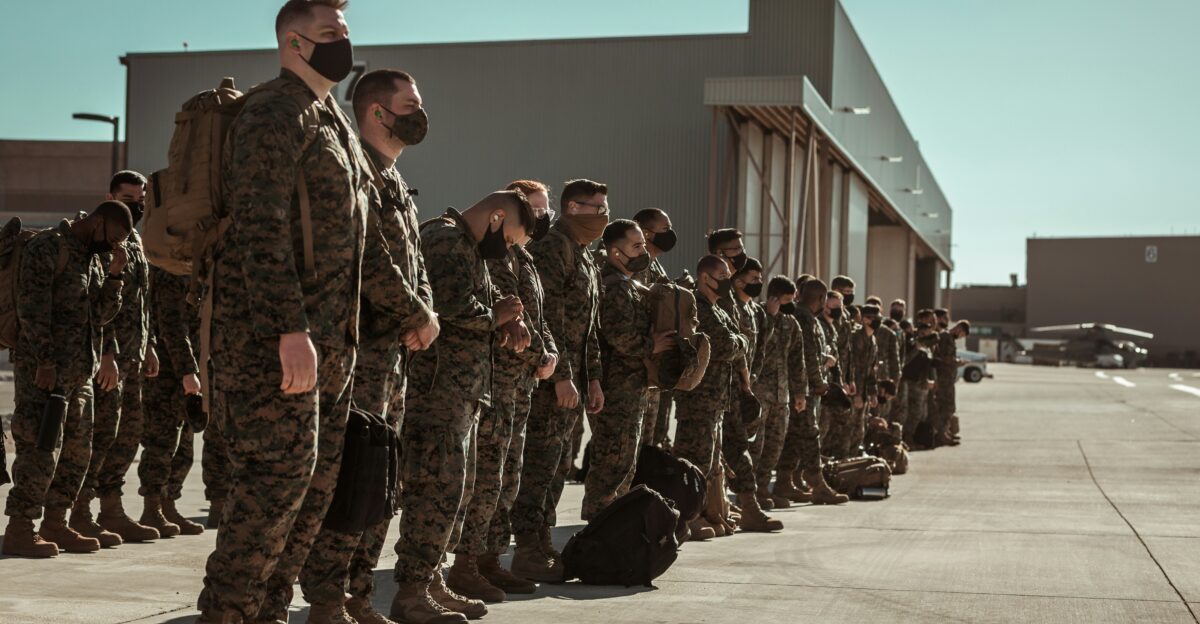
Despite political turmoil, NATO exercises continued. Operation Arctic Endurance pressed ahead while preparations grew for Cold Response 26 in March 2026, involving about 3,000 US Marines. NATO framed these drills as deterrence, not provocation. Yet the contrast was stark: military coordination advanced even as political trust strained under tariff threats.
Shipley’s Warning
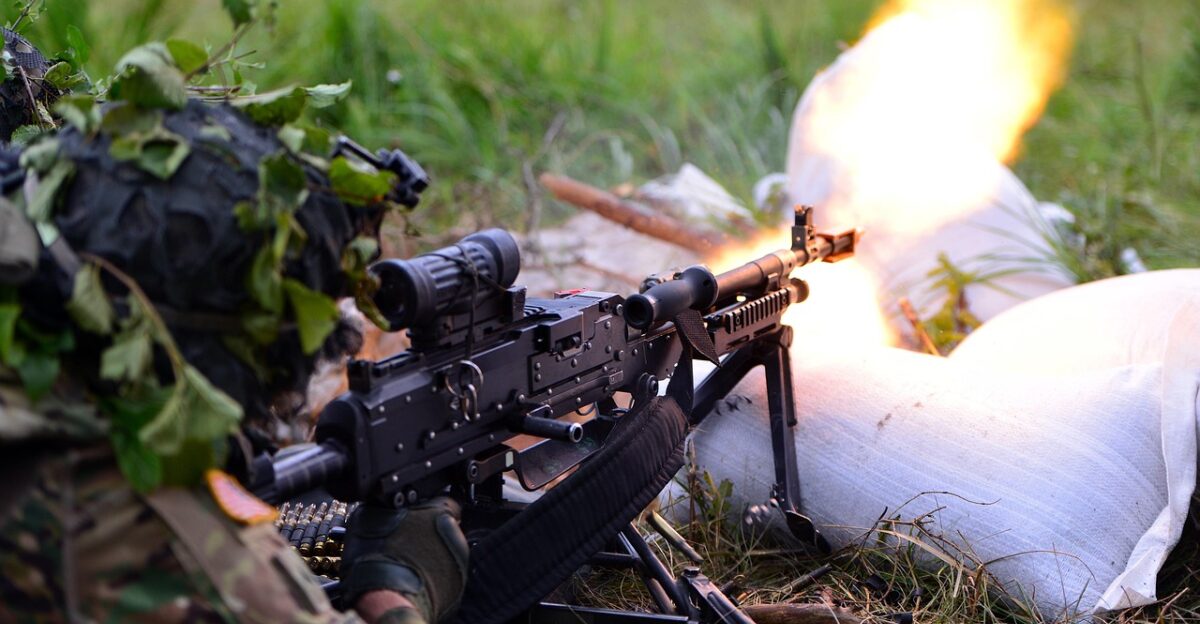
“This exercise isn’t just about preparing for today’s threats it’s about building the capabilities and strengthening the capacity necessary to deter future aggression,” said Maj. Gen. Daniel L. Shipley on January 21, 2026. His words underscored NATO’s long-term Arctic focus. Still, exercises could not erase fears that economic coercion was rewriting alliance rules.
Greenland Pushes Back
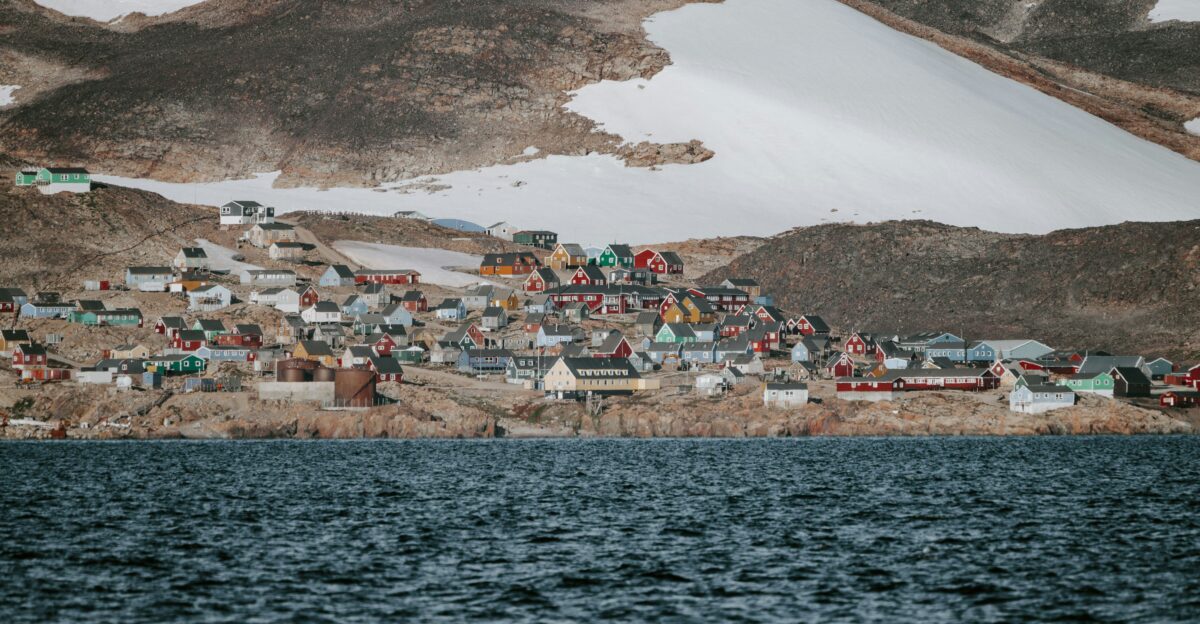
Greenland’s leaders rejected outside pressure. Prime Minister Jens-Frederik Nielsen said on January 13, 2026, “If we have to choose between the United States and Denmark here and now, we choose Denmark.” The government said Greenland “is not for sale.” Foreign Minister Vivian Motzfeldt added, “nothing about Greenland without Greenland.”
Public Opinion Matters

A 2025 poll showed 84% of Greenlanders favored full independence, not absorption by another country. That sentiment hardened resistance to Washington’s approach. Local leaders framed the issue as self-determination, not geopolitics. The backlash traveled quickly through diplomatic channels, increasing pressure on the White House as criticism mounted at home and abroad.
The Davos Reversal
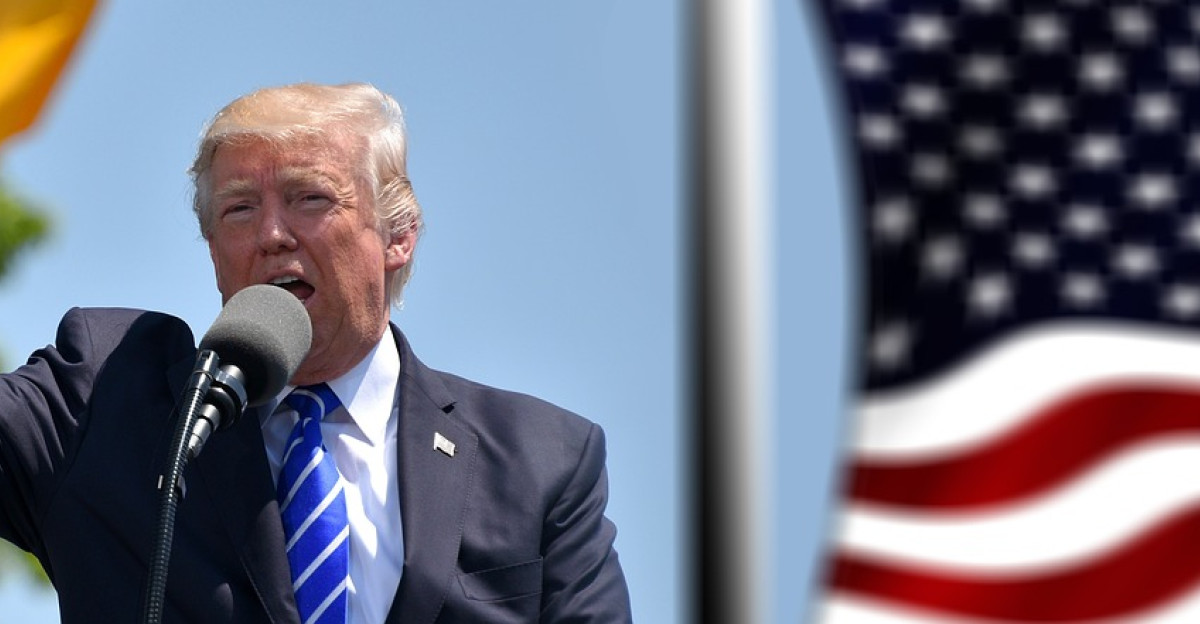
At the World Economic Forum in Davos on January 21, 2026, Trump announced a sudden shift. He said talks with NATO Secretary General Mark Rutte had produced “the framework of a future deal with respect to Greenland and the entire Arctic Region.” Trump said tariffs planned for February 1 would be withdrawn, stunning observers across Europe.
Vague Claims, Few Details

Trump offered little clarity. Asked if US ownership of Greenland remained possible, he said he “didn’t want to say yet.” On CNN, he claimed the US got “everything we wanted,” calling the deal “infinite” and “forever.” Rutte countered that Greenland’s status “did not come up anymore” during talks that night.
NATO’s Red Line
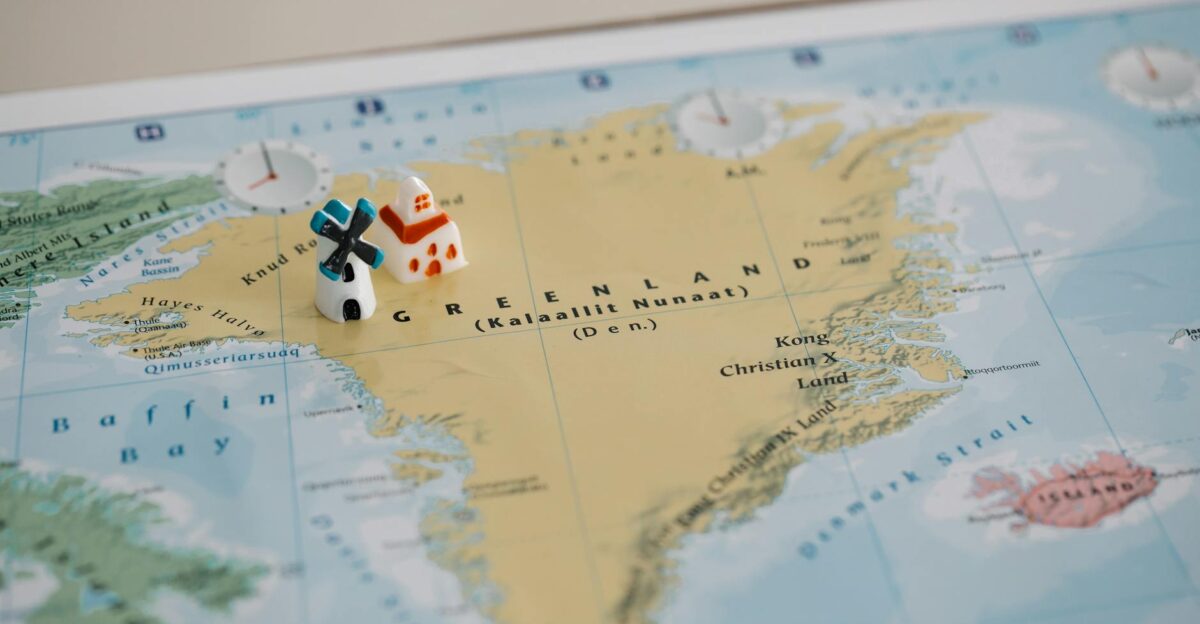
EU Defence Commissioner Andrius Kubilius warned a US invasion of Greenland would mean “the end of NATO,” triggering Article 5 obligations. Denmark said it would defend Greenlandic territory and could invoke Article 5 even against an ally, with deadly force authorized. The episode exposed an unthinkable scenario, revealing structural vulnerabilities inside the alliance.
Germany’s Balancing Act
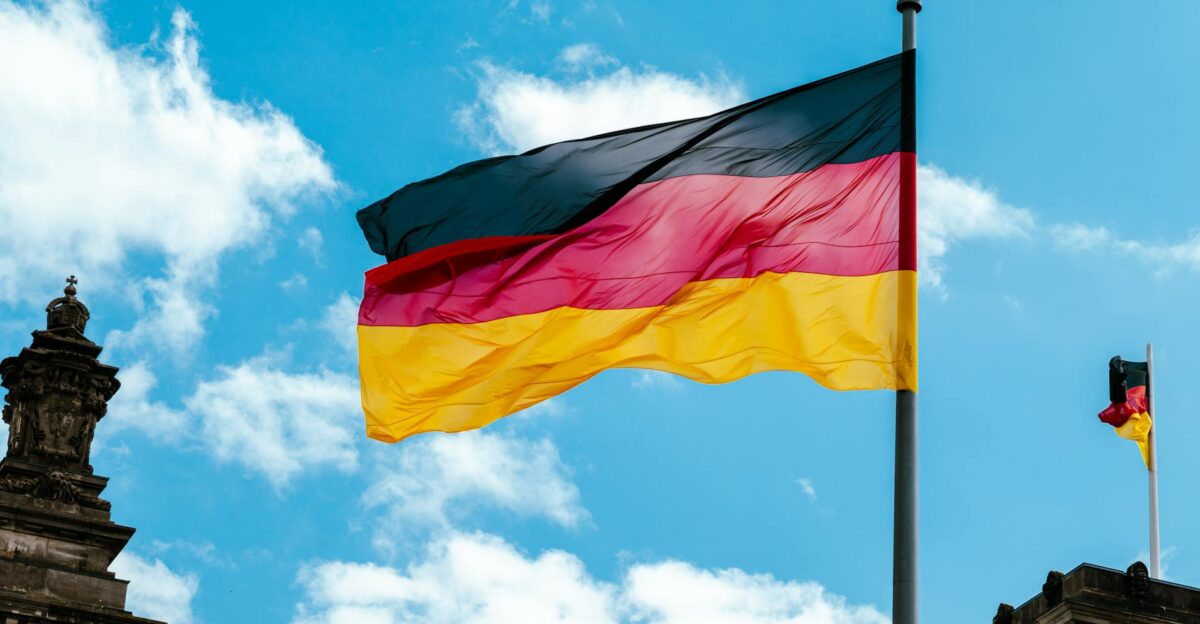
Germany faced tariffs while anchoring European unity. Despite threats, German economic sentiment hit a 4-year high in January 2026. Still, exports to the US were down 7.8% compared with earlier tariff eras. Berlin supported a proposed “Arctic Sentry” mission, modeled on Baltic Sentry, aiming to reassure security partners without ceding sovereignty.
Minerals Drive The Contest
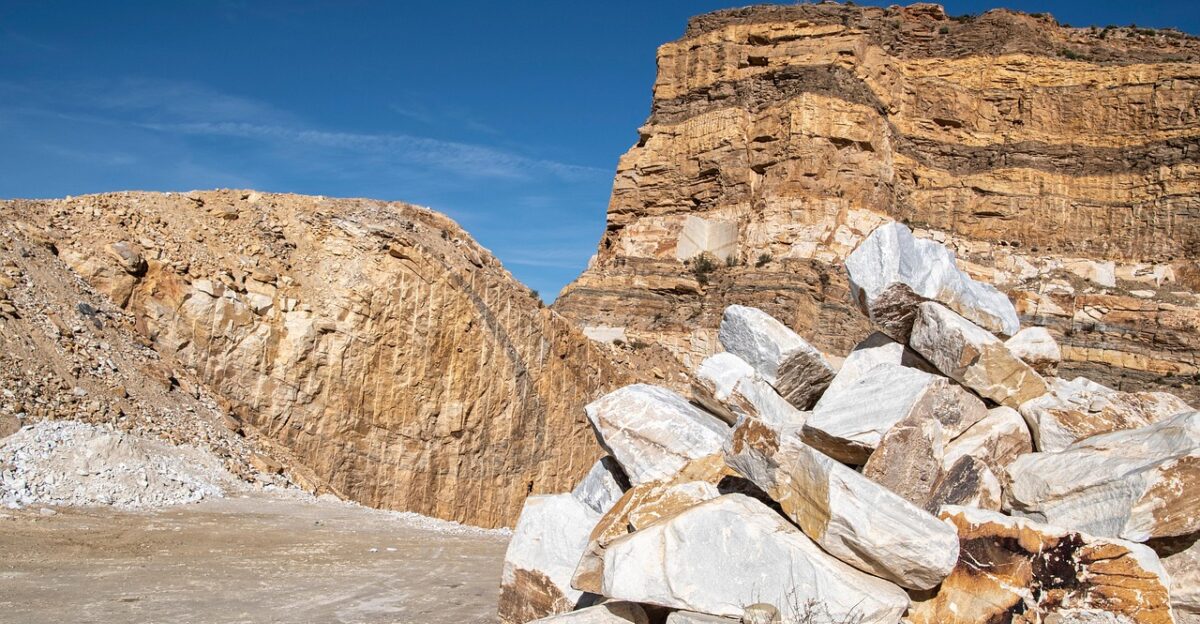
Greenland’s Kvanefjeld deposit holds about 11 million metric tonnes of rare earth resources, among the world’s largest. The Tanbreez project contains heavy rare earths vital to defense electronics. China dominates processing, shaping supply chains critical to US manufacturing. Analysts said partnership, not coercion, offered the only realistic path to accessing Greenland’s minerals.
The Lesson Of 44 Hours

The German mission’s 44 hours overlapped with NATO’s sharpest crisis in years. Militarily, it delivered reconnaissance and signaled commitment. Politically, it revealed how fast unity can fracture when trade becomes leverage. The outcome brought dropped tariffs, stronger Arctic coordination, and lingering mistrust. The Arctic story remains unfinished, and future crises may test whether trust truly recovered
Sources:
NATO Secretary General Mark Rutte keynote address. NATO, January 13, 2026
Joint statement by President Costa and President von der Leyen on Greenland. European External Action Service, January 18, 2026
EU trade relations with United States. European Commission, accessed January 22, 2026
The Second Agreement on the Arctic and North Atlantic strengthens operational effectiveness. Danish Defence, October 10, 2025
Cold Response: 25,000 NATO Allies Launch High-North Exercise. DVIDS, January 19, 2026