
On Oct. 5, 2025, President Trump took to Truth Social to accuse the nation’s largest homebuilders of hoarding land: “they’re sitting on 2 million empty lots, A RECORD,” he wrote, likening the firms to an OPEC-like cartel manipulating prices.
He urged Fannie Mae and Freddie Mac to “get [the] Big Homebuilders going,” sparking an immediate firestorm in Washington and the housing industry.
Conservative Unease

Even within Trump’s party, the tactic raised eyebrows. Sen. Cynthia Lummis (R-Wyoming), a free-market stalwart, said the approach “tends to go against the grain” of private enterprise norms.
Observers also noted that a few public builders (D.R. Horton, Lennar, PulteGroup) now account for roughly half of all new-home sales, concentrating the administration’s pressure on a small handful of firms.
A Decade-Long Shortage

The push came amid a persistent housing deficit. The National Association of Home Builders estimates the U.S. is short about 1.5 million homes. Construction never fully recovered after the 2008 crash, even as population and household growth continued.
Builders point to rising material prices, tighter credit, a shortage of skilled labor, and heavy regulation as chronic barriers to ramping up supply.
Builders’ Supply Crunch

Data underscore the squeeze: an NAHB survey in May 2025 found 64% of builders reporting low or very low lot inventories. In August 2025, total housing starts plunged 8.5% to a 1.31 million annual rate.
Single-family starts fell about 7.0% and multifamily starts 11.7% that month – far below the roughly 1.5–1.6 million per year pace analysts say is needed to close the gap.
FHFA’s First Move

Against that backdrop, FHFA Director Bill Pulte (grandson of PulteGroup’s founder) quickly stepped in. He announced that Fannie Mae and Freddie Mac will meet individually with the big builders to “assess building more, growth, partnership, and more”.
This October 6 statement – made via Pulte’s own social media – was the first concrete action in response to the president’s demand, signaling regulators were taking the charge seriously.
Builders’ Response

Builder organizations publicly welcomed a focus on affordability. NAHB Chairman Buddy Hughes said Trump was “right to focus on housing affordability” and agreed “getting more homes built is essential to restoring the American Dream”.
He stressed that achieving this “will require builders of all sizes working together with the administration to overcome the complex government barriers that slow the pace of new construction”.
Market Concentration

Notably, the industry has consolidated sharply. By 2023, publicly traded homebuilders (D.R. Horton, Lennar, PulteGroup, etc.) accounted for roughly 51% of all new home closings, up from only about 25% in 2005.
These large firms often have captive financing arms (e.g., Pulte Mortgage, Lennar Mortgage) to offer rate buydowns, while smaller builders struggle to secure capital. In effect, Trump’s strategy zeroed in on a few powerful companies that could, in theory, respond more quickly than a fragmented market.
Builder in the Boardroom

Within days, Pulte took another bold step: on Oct. 7, he announced the appointment of Brandon Hamara – a former Tri Pointe Homes land executive – to Fannie Mae’s board and as Senior VP of single-family and multifamily operations.
The SEC filing shows Hamara’s role (effective Nov. 2025) carries about $1.9 million in annual pay. Pulte told The Builder’s Daily that “it’s absolutely critical that we get somebody with home building expertise in there”, marking an unprecedented infusion of builder know-how into the mortgage giants.
Regulator vs. Insider

The episode is anchored by Bill Pulte’s unique role. He is indeed the grandson of PulteGroup’s founder, yet he now serves as the regulator overseeing Fannie and Freddie – the very GSEs Trump wants to use.
That dual identity gives Pulte exceptional influence to bridge the White House’s demands and builder realities. It also raises questions about conflicts of interest or favoritism, since one of Washington’s top policy enforcers has deep personal ties to the industry he is being asked to regulate.
Fannie/Freddie’s Limits
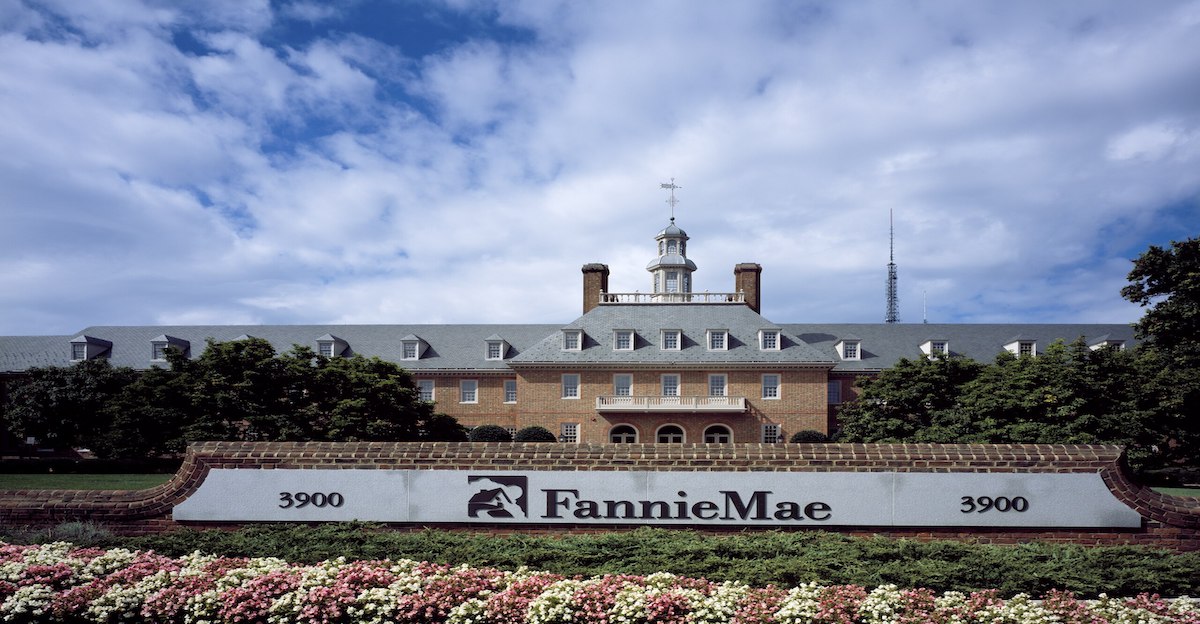
Fannie Mae and Freddie Mac collectively guarantee over half of U.S. mortgages, so in theory, they could adjust lending standards or create incentives for construction loans. In practice, however, their power is limited.
They cannot override local zoning, land-use approvals, or workforce constraints – those lie with cities and markets. Pulte himself noted that this year the GSEs have financed “over $30 billion just with the top home builders”, implying existing channels for support.
Economists Weigh In

Economists were quick to critique the approach. George Mason University’s Bryan Caplan quipped, “U.S. homebuilding is the opposite [of OPEC] — tens of thousands of firms desperate to build more, constantly running into red tape”.
Others warned that even if the GSEs and builders cooperate, fundamental constraints remain. Most forecasters expect only modest housing gains in 2026, noting that political pressure alone can’t lift the heavy burden of regulatory and supply-chain bottlenecks.
Key Uncertainties Ahead
For now, many questions loom. Can Fannie and Freddie create significant new incentives without fresh congressional authority? Local barriers – from zoning restrictions to labor shortages to material inflation – lie mostly outside federal control.
Observers will watch whether the administration’s push can translate into actual policy tools (tax credits, financing guarantees, regulatory waivers) or simply fizzles. The next moves by Congress, state governors, and city councils may determine if any substantive change follows the hype.
Shift in GOP Orthodoxy

Politically, Trump’s gambit represents a departure from traditional Republican orthodoxy. He is leaning on the government to pressure private companies for a social goal – a technique more commonly associated with progressive “abundance” advocates.
This populist, executive-driven strategy echoes bipartisan calls for more housing supply, blurring party lines on the problem, if not the method. If Trump’s effort succeeds in lowering prices or boosting construction, it could reshape GOP housing policy heading into the 2026 elections.
Generational Pressure

Beyond policy, the episode taps deep cultural anxieties. Homeownership is now largely the domain of Millennials and Gen Z, who together held about 40% of U.S. mortgages in 2023.
Many young Americans feel priced out of the “American Dream.” Trump’s rhetoric echoed their frustration, even if his scheme may not work. That generational housing crisis crosses party lines, putting pressure on all leaders to show action – even as the true fixes (more supply and affordable credit) will take years to implement.
Limited Power, Lasting Crisis

In the end, Trump’s homebuilder gambit illustrates the limits of presidential power in complex markets. Social media demands and regulatory tweaks can grab headlines, but they can’t immediately build homes or clear local rules.
Lasting relief will require comprehensive solutions: zoning reform, investment in labor training, and market-driven incentives that go beyond press conferences. Without those, this episode may prove more political theater than policy victory – and America’s deep housing shortages will endure largely unchanged.