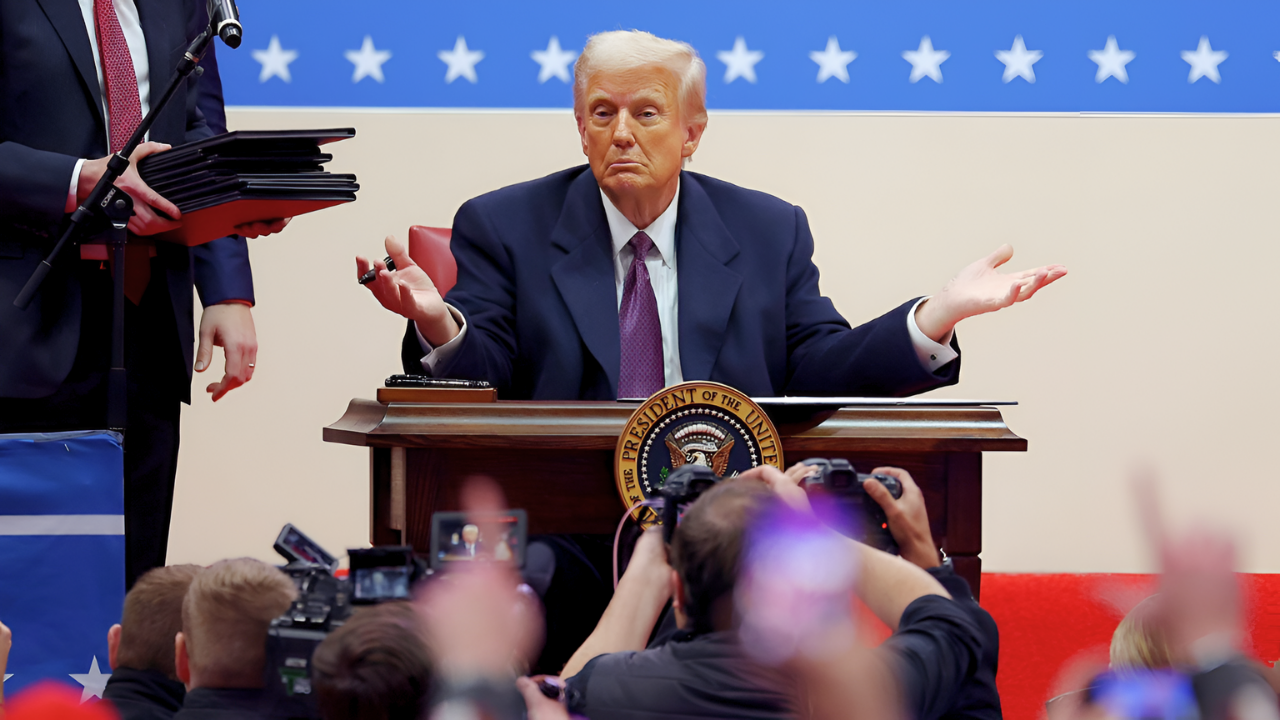
For the first time in the World Health Organization’s 78-year history, a founding member has walked away. On January 22, 2026, the United States formally completed its withdrawal, ending a relationship that began in 1948 and helped shape the modern global health system.
Announced by HHS Secretary Robert F. Kennedy Jr. and Secretary of State Marco Rubio, the move makes the U.S. the only country ever to leave the WHO.
The Flag Comes Down in Geneva
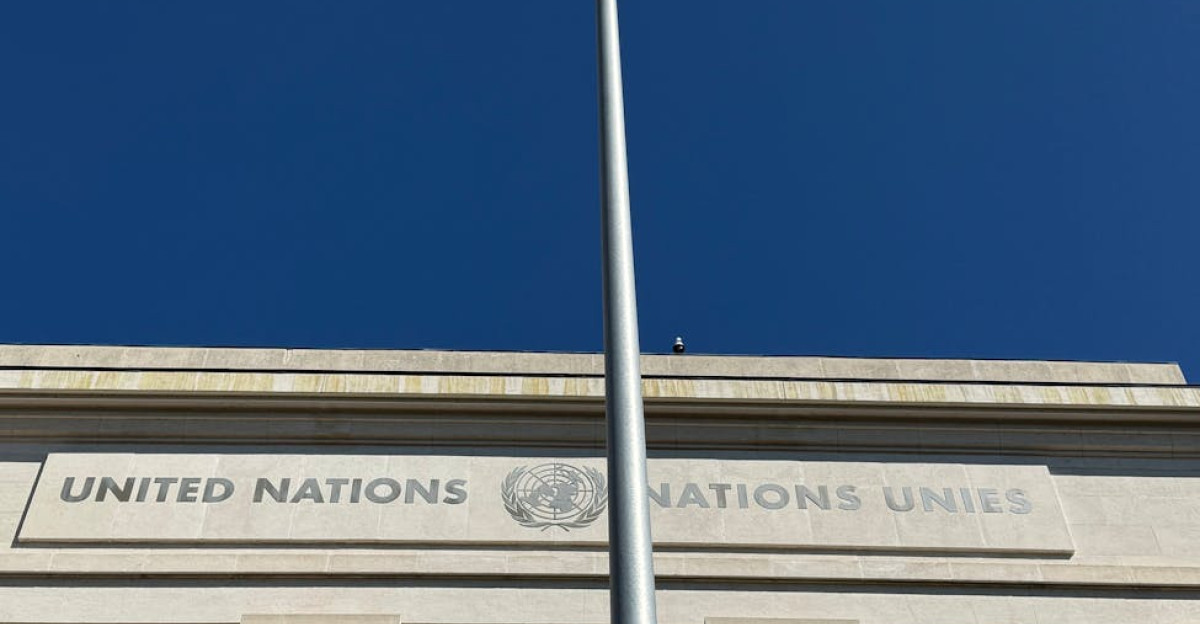
On January 22, 2026, the American flag was removed from outside the WHO headquarters in Geneva, marking a symbolic end to the 78-year partnership. Reuters witnesses confirmed the flag came down Thursday morning as the termination took effect.
While Kennedy and Rubio had declared “We will get our flag back” in their joint statement, the removal occurred the moment withdrawal became official. The flag that represented decades of American doctors, researchers, and officials, embedded within the world’s most influential health organization, no longer flies.
One Year Ago, Trump Signed the Order
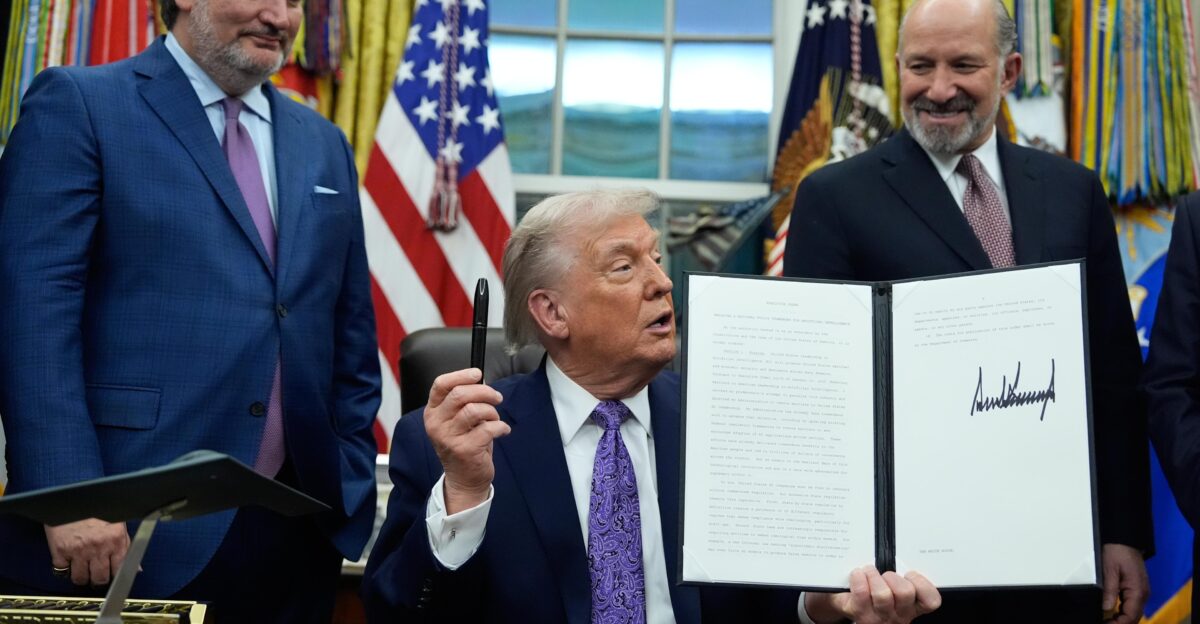
On January 20, 2025—his first day back in office—Trump signed the executive order. WHO bylaws required a one-year notice before departure could take effect. The clock started ticking.
For twelve months, the Trump administration used those weeks strategically: withdrawing all personnel, halting all funding, and dismantling decades-old partnerships with country health ministries worldwide.
The Money Stops Flowing
America had been WHO’s largest donor, providing roughly 20 percent of its operational budget. On January 22, that funding ended instantly. But there’s a financial complication: the U.S. owes approximately $260 to $278 million in unpaid dues for 2024 and 2025.
WHO bylaws technically require member states to settle all debts before exiting. The State Department’s response? “The United States will not be making any payments to the WHO before our withdrawal.”
Hundreds of Americans Recalled from WHO Posts
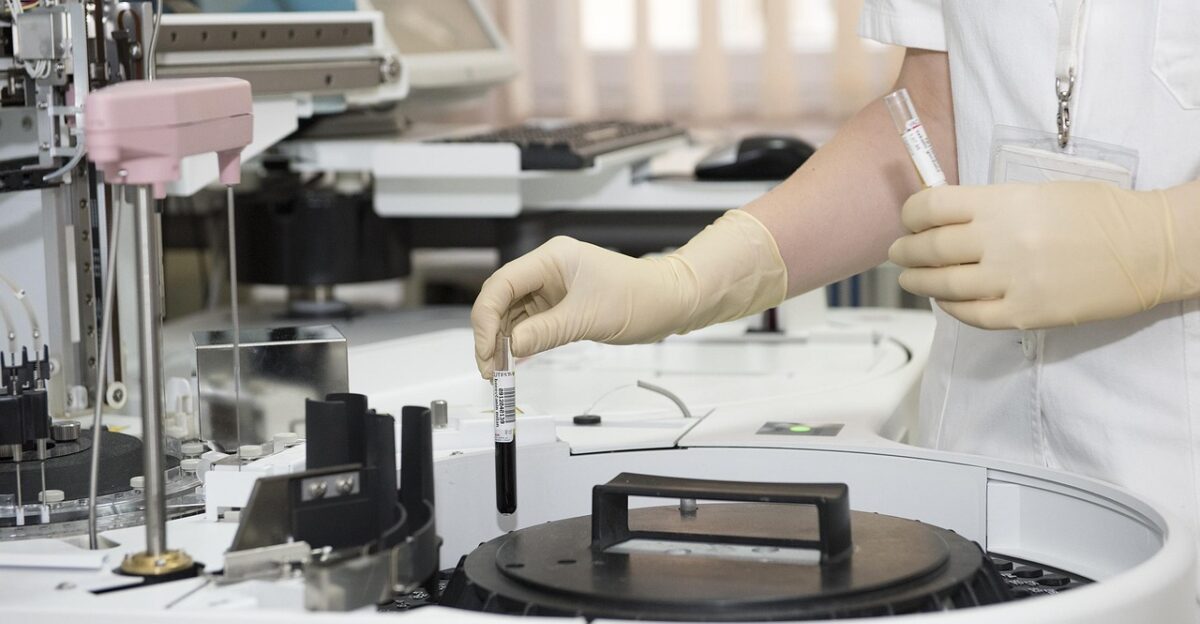
The State Department didn’t leave quietly. Every American personnel member and contractor stationed at the WHO headquarters in Geneva and offices worldwide received recall orders. Hundreds of U.S. staff embedded in WHO committees, technical working groups, and governance bodies withdrew from their positions.
These weren’t just diplomats—they were epidemiologists, disease surveillance experts, and public health professionals who shaped global responses to infectious disease.
COVID-19 Is the Breaking Point
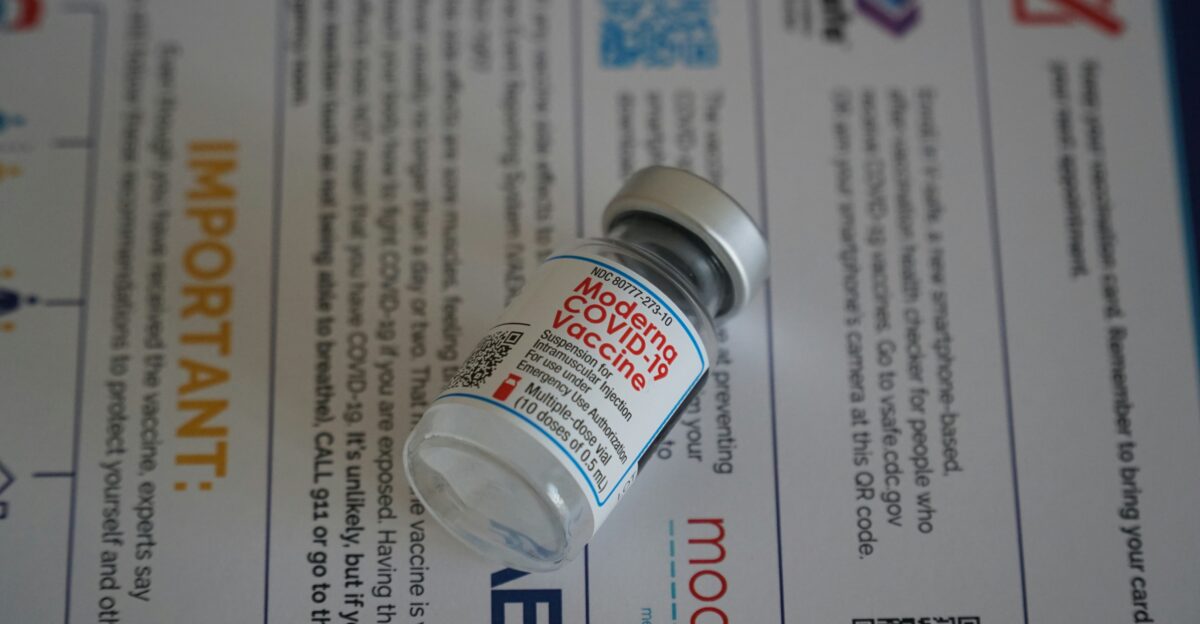
Why? Kennedy and Rubio cited one thing above all: the pandemic. According to their joint statement, WHO “delayed declaring a global public health emergency during early COVID-19 stages.” Those delays, they argue, cost critical weeks.
The virus spread unchecked from Wuhan while WHO leadership praised China’s response—despite evidence that the Chinese government was suppressing information and underreporting cases. The administration sees this as a catastrophic failure of global coordination.
What Did WHO Get Wrong About the Virus?
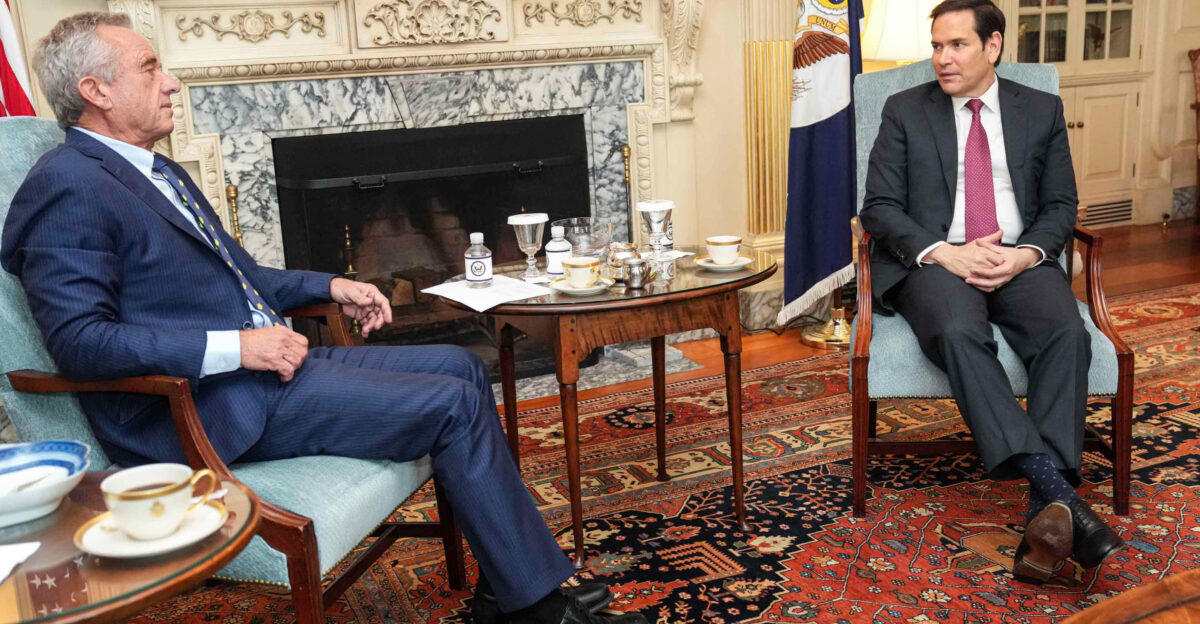
The specific accusations are damaging. Kennedy and Rubio say WHO “obstructed the timely and accurate sharing of critical information that could have saved American lives.” The organization downplayed airborne transmission for months.
It ignored asymptomatic spread—a crucial feature of COVID-19’s lethality. WHO also resisted acknowledging the possibility that the virus came from a laboratory until international pressure mounted. These weren’t small mistakes; they shaped policy worldwide.
The Lab-Leak Report That Changed Nothing

WHO’s COVID-19 origins investigation is central to the U.S. complaint. The report rejected the lab-leak hypothesis—but China never provided genetic sequences from the Wuhan Institute of Virology. The country refused to share critical data.
According to the U.S. government, WHO simply accepted these refusals and moved on. The administration argues this revealed WHO’s priority: maintaining relationships with member states mattered more than finding scientific truth.
The Founding Member That Lost Faith
The United States was there when WHO was created in 1948. America shaped the organization’s mission: global health cooperation and disease prevention. Over the decades, America became its largest financial backer and most influential member.
Yet Kennedy and Rubio’s statement accuses WHO of abandoning “its core mission” and acting “repeatedly against the interests of the United States.” They describe it as “politicized” and “driven by nations hostile to American interests.”
Trump’s Second Try Succeeds Where the First Failed
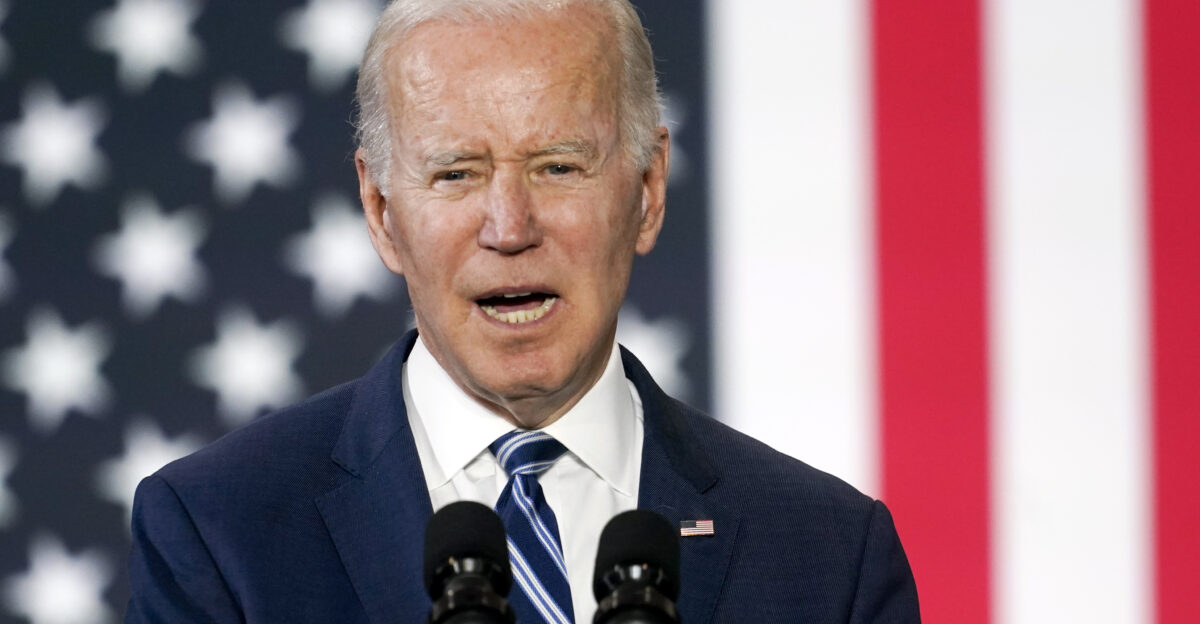
This isn’t Trump’s first attempt at withdrawal. In 2020, during his first term, he initiated the exact same process. President Biden reversed it on his first day in office—January 20, 2021. The decision infuriated Trump. When he returned to office two years later, one of his first acts was to order the withdrawal again.
This time, he saw it through to completion. The reversal and re-reversal reveal deep partisan divisions over America’s role in global health institutions.
The World’s Most Crucial Surveillance Network
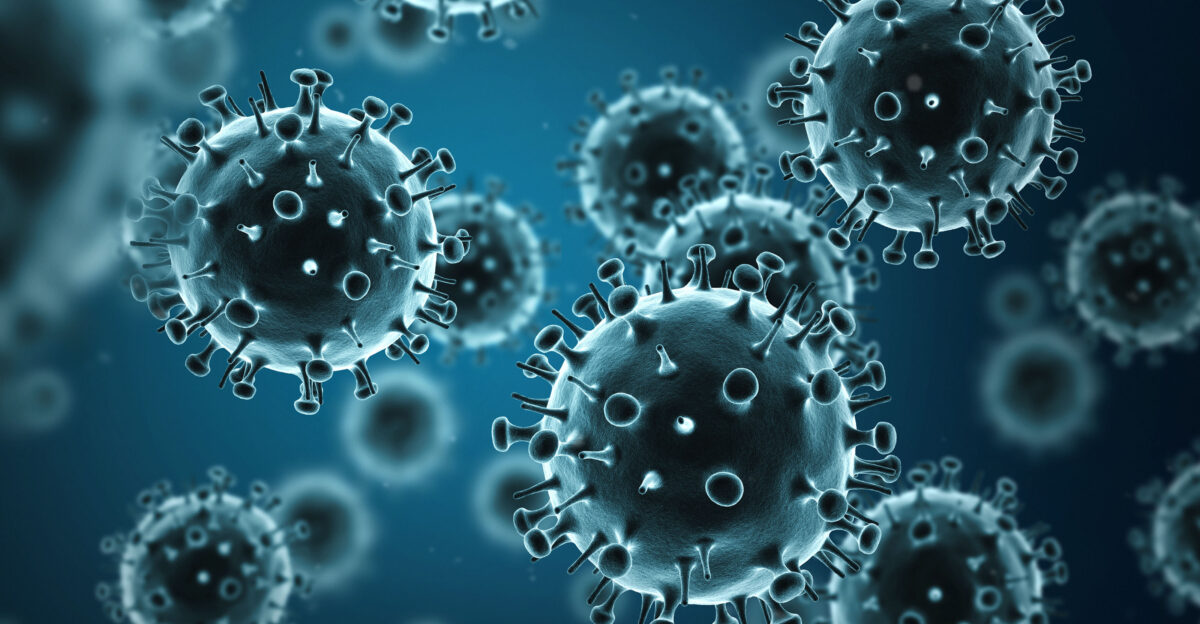
The consequences are immediate and alarming. The Global Influenza Surveillance and Response System—the world’s primary platform for tracking flu variants and sharing viral samples for vaccine development—now loses American participation.
The Infectious Diseases Society of America called this “devastating.” Without U.S. engagement, the system loses real-time data from the world’s largest economy and most advanced healthcare infrastructure.
Bioweapons, Natural Viruses, and the Vulnerability Ahead
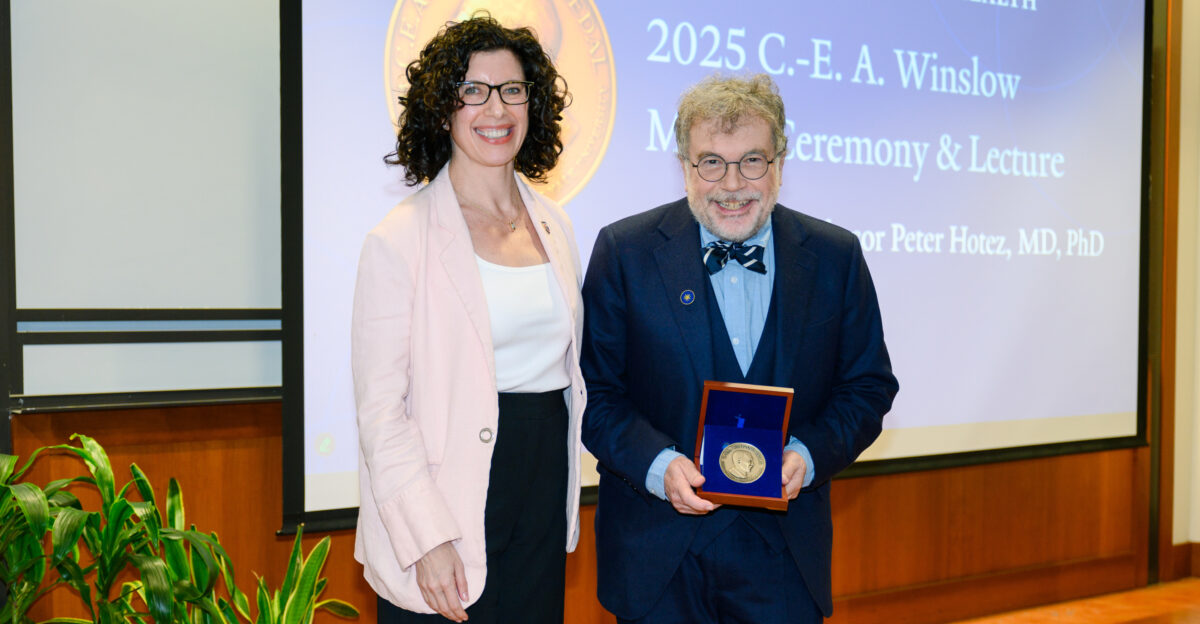
Vaccine scientist Peter Hotez tweeted his concern starkly: the withdrawal ignores “our nation’s greatest vulnerability—biosecurity both from natural viruses and our enemies designing bioweapons.”
International disease surveillance isn’t bureaucratic overhead. It’s an early warning system. Without it, emerging pathogens spread longer before detection. Global cooperation transforms weeks of advantage into faster response times that save millions of lives.
The Experts’ Chorus of Alarm

Ronald G. Nahass, president of the Infectious Diseases Society of America, called the withdrawal “scientifically reckless.” He emphasized that “global cooperation isn’t a luxury for public health—it’s a biological necessity.”
The consensus among infectious disease specialists is stark: fragmenting the international surveillance network weakens everyone’s defense against pandemic threats. Viruses don’t respect borders, and neither should our response systems.
The WHO Director Faces an Organization in Crisis
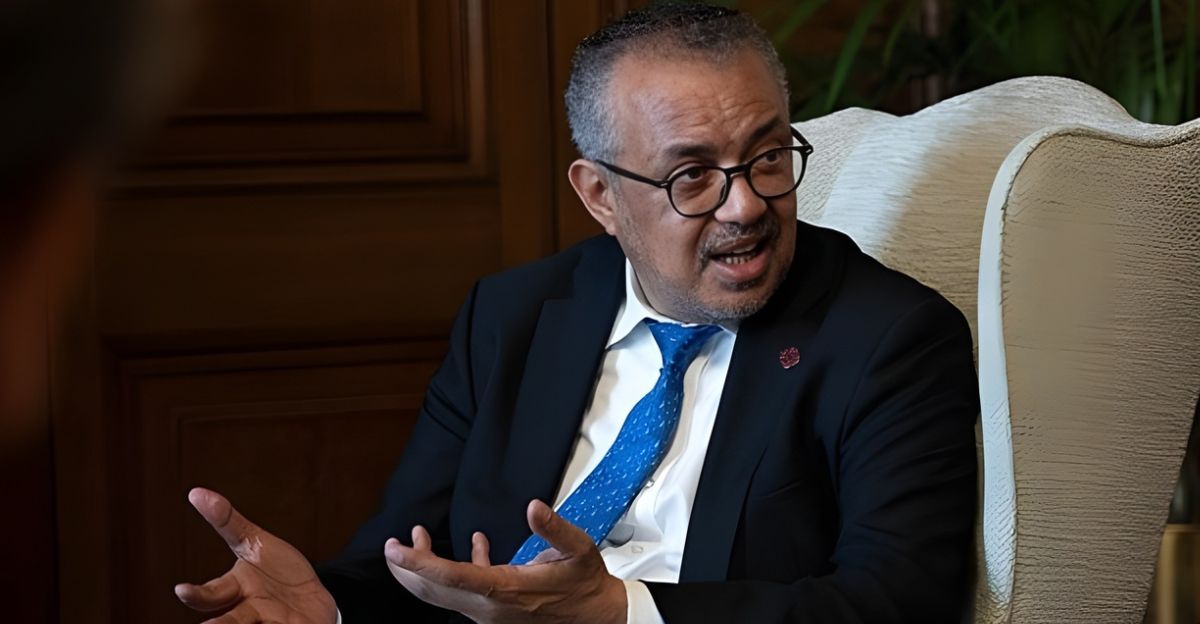
WHO Director-General Tedros Adhanom Ghebreyesus characterized the withdrawal as “lose-lose.” In spring 2025, he stated plainly: “The losers, the rest of the world we know for certain, loses.” The director has since downsized the organization’s budget to accommodate the massive funding gap.
The message is clear: WHO is reeling. The institution America helped create is now struggling to function without America’s financial support and institutional presence.
The New Strategy
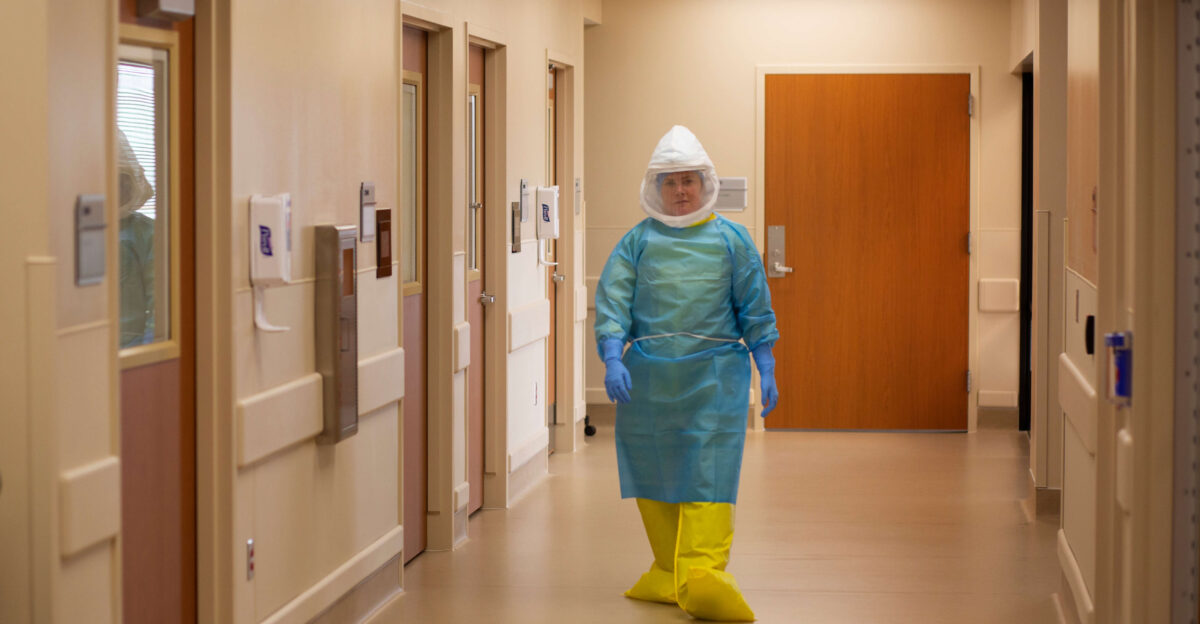
During the transition year, the Trump administration pivoted. Rather than multilateral cooperation through WHO, the strategy emphasizes direct bilateral relationships with specific countries and regional organizations.
According to the HHS fact sheet, the U.S. “remains the world’s leading authority in public health” and will “ensure rapid detection and response to infectious disease outbreaks” through targeted partnerships. It’s a fundamentally different approach to global health.
The Global Health Infrastructure Without America
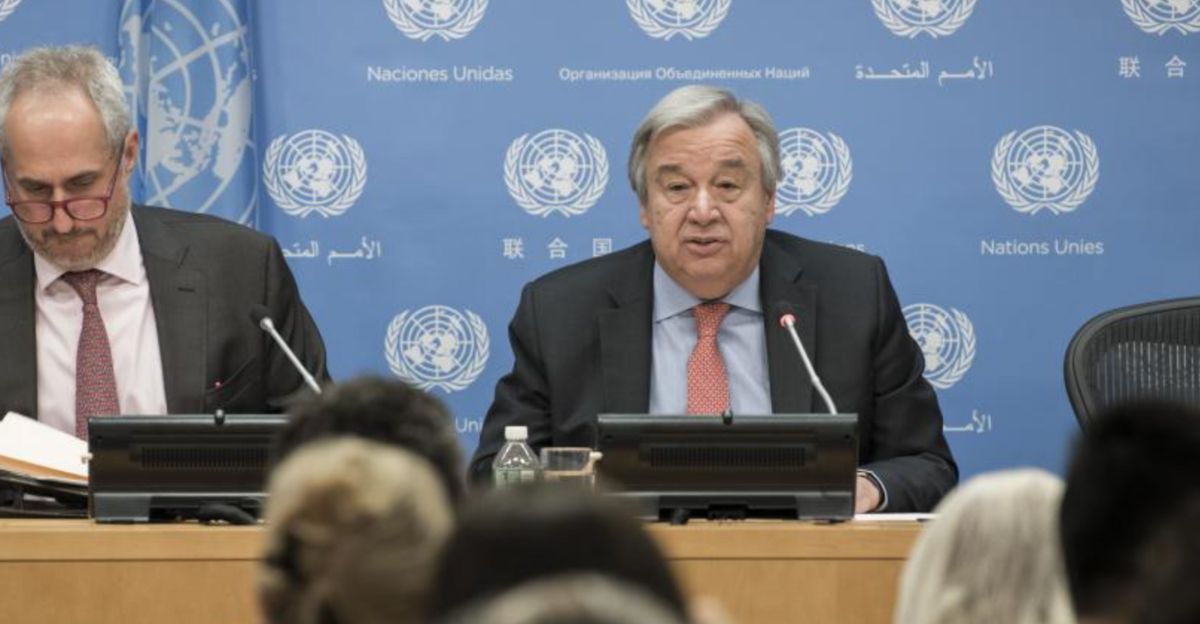
WHO now faces what UN spokesperson Stephane Dujarric called “a pivotal moment requiring internal reflection.” For practical purposes, the U.S. is no longer engaged in WHO operations. The organization loses not just funding but credibility with major powers.
Other nations are watching to see if they’ll follow America’s exit or double down on multilateral cooperation. The decision creates uncertainty about WHO’s future role in global health governance.
Disease Tracking Gets Harder
Research demonstrates that international tracking of infectious diseases—including influenza, Ebola, and novel pathogens—depends entirely on real-time information sharing and cooperation. Without U.S. participation in early warning systems, global health officials lose surveillance data from the nation with the most advanced disease-tracking infrastructure.
That gap means slower detection of emerging threats and delayed response during the crucial early weeks of outbreaks.
The Historical Earthquake
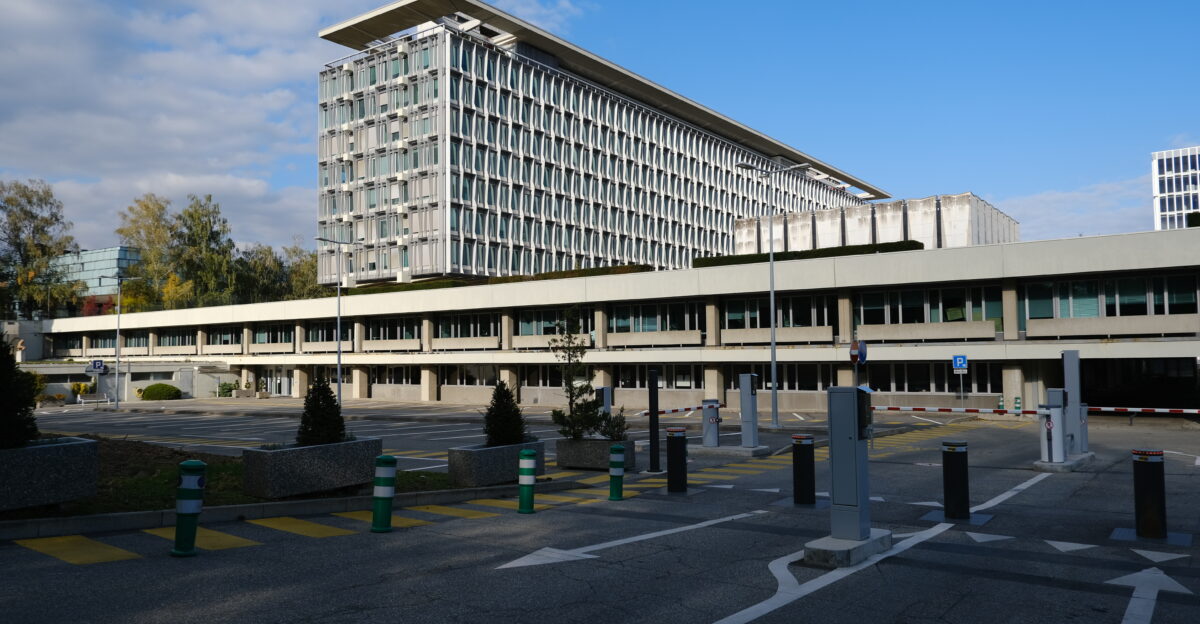
Since WHO’s 1948 founding, no nation has voluntarily withdrawn. According to WHO Chief Legal Officer Steven Solomon, the organization’s founders never imagined this scenario. They designed WHO as “a truly universal organization that would enhance global safety.”
The U.S. withdrawal is historically unprecedented. It signals a fundamental shift in how America views its role in global institutions and international cooperation on existential threats.
Bilateral Engagement Replaces Multilateral Partnership
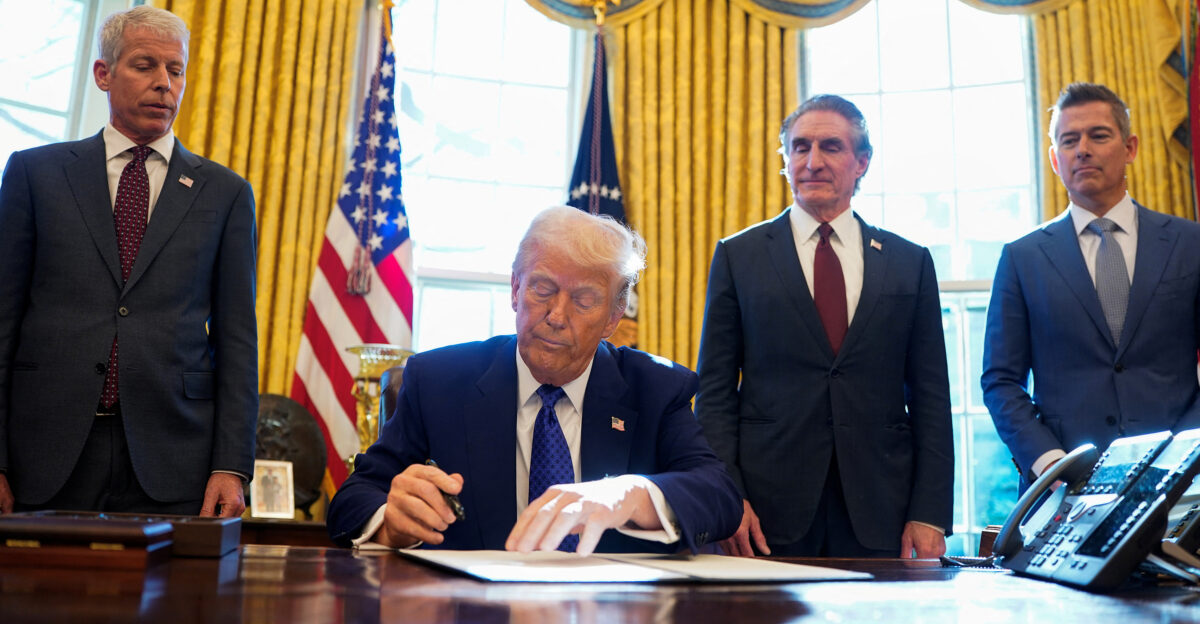
The HHS fact sheet outlines America’s new path: “drive health innovation,” “strengthen global biosecurity coordination,” and “deliver measurable benefits to U.S. allies” through targeted cooperation outside WHO frameworks.
The statement concludes: “U.S. involvement with the WHO will be confined solely to facilitate our exit and to protect the health and safety of the American populace.” The 78-year partnership has ended.
Who Responds When the Next Crisis Hits?
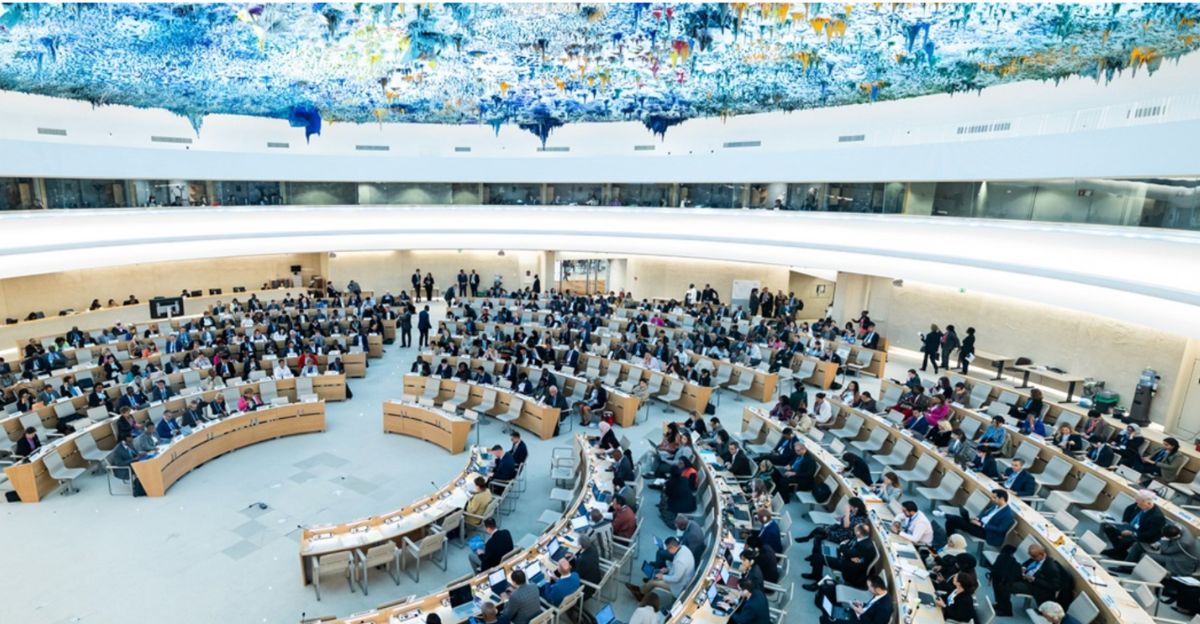
The withdrawal is complete and irreversible. America is no longer at the table where global health decisions are made. When the next pandemic emerges—and history tells us it will—the world’s response will be fragmented. America will pursue its interests. Other nations will coordinate through a weakened WHO.
The surveillance network that catches outbreaks early will operate without its most important member. The question haunting public health experts is not if another pandemic will strike, but whether a fractured international system can respond fast enough to save lives.
Sources:
U.S. Withdrawal from the World Health Organization — U.S. Department of Health and Human Services
Joint Statement by Secretary of State Rubio and Secretary of Health and Human Services Kennedy on the Termination of U.S. Membership in the World Health Organization (WHO) — U.S. Department of Health and Human Services
WHO statement on notification of withdrawal of the United States — World Health Organization
United States Completes WHO Withdrawal — U.S. Department of Health and Human Services