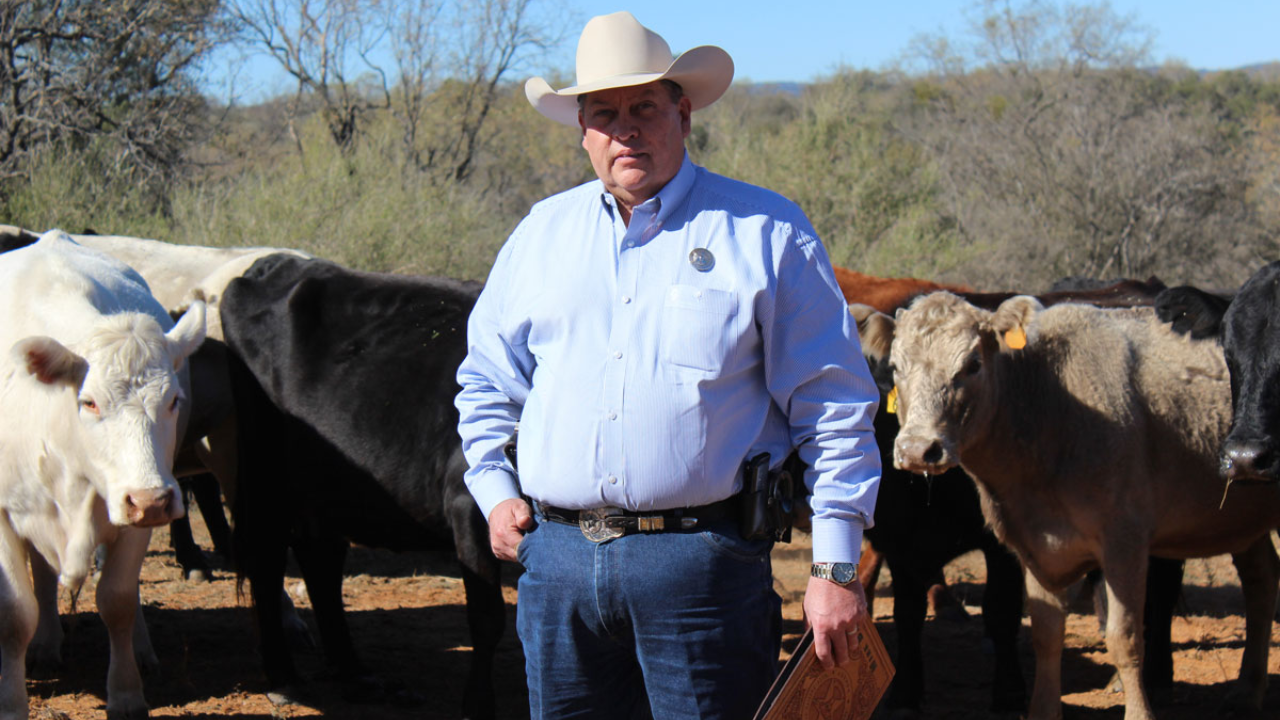
American cattle ranchers face an unprecedented crisis as President Trump’s sudden reversal of beef tariff protections in October 2025 triggered a devastating market collapse. With the national herd at its smallest level since 1951, just 86.7 million head, ranchers had finally begun recovering from years of losses.
Now, the announcement to quadruple Argentine beef imports threatens to erase gains and spark another contraction. The timeline reveals how fast it unraveled.
When Protection Turns Into Betrayal
Cattle ranchers across Texas and the Great Plains thought President Trump’s tariffs finally turned luck around. In April 2025, the 10% reciprocal tariff on beef imports offered hope. By October 2025, Trump announced quadrupling Argentine beef quotas from 20,000 to 80,000 metric tons at reduced tariffs. Feeder cattle futures fell $41 per hundredweight, cutting $80 to $100 per head overnight. The reason shocked even loyal supporters.
A Herd Crisis Years In The Making
The U.S. cattle herd shrank to 86.7 million head by January 2025, the lowest since 1951, a 74-year low. Seven straight years of contraction came from drought, record input costs, and depressed prices that forced liquidation of breeding herds. Then, 2024 and early 2025 finally brought profitability. Ground beef hit $6.32 per pound in August 2025. Still, warning signs were quietly stacking up.
Ranchers Finally See Real Profits
Fed cattle peaked at $244.25 per hundredweight in August 2025, the highest nominal price ever. Cow-calf margins reached $900 per head, up 122% from 2024. For families coming off bankruptcy-level years, it felt like breathing room and a chance to rebuild. Mississippi State University economists said, “For the first time in a long time, cattle ranchers, backgrounders, stockers and cow-calf producers are experiencing dependable economic returns.” But shoppers were running out of patience.
Grocery Aisle Anger Hits A Boiling Point
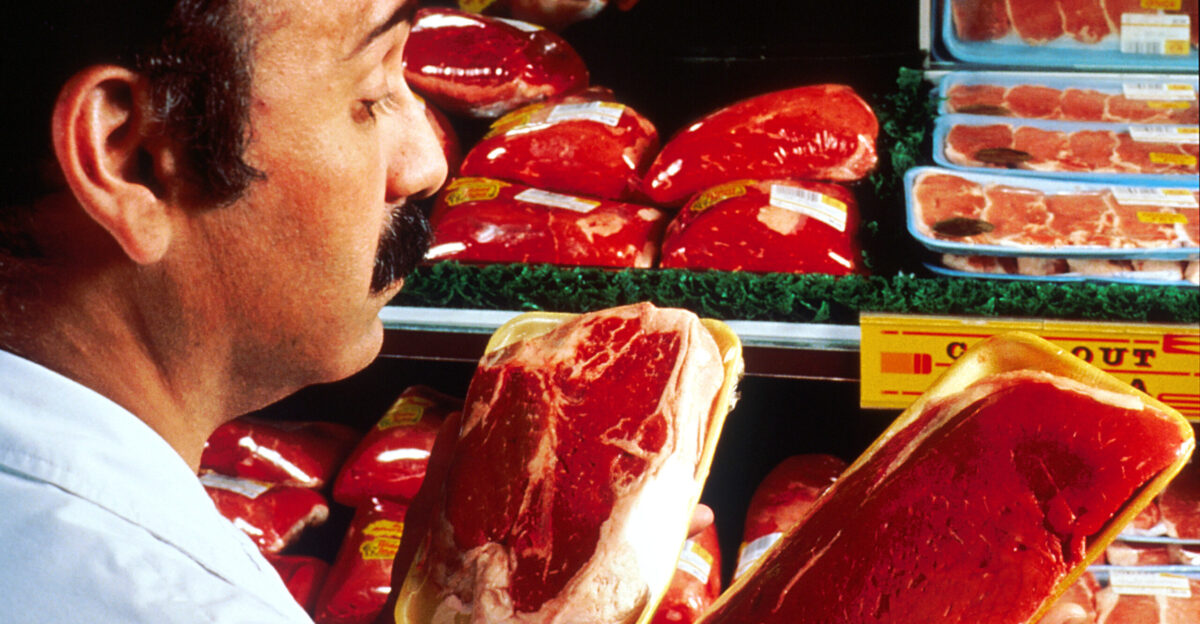
Ground beef surged to $6.32 per pound by August 2025, up 13% year-over-year and rising into autumn. Sirloin reached $14.31 per pound, up 24% from a year earlier. Families buying ground beef weekly faced sharply higher food bills as inflation anxiety lingered. President Trump, sensitive to political pressure and claims about lowering costs, saw trouble building. The catch was supply, not messaging.
Trump Targets Ranchers Instead Of Shortages
On October 17 last year, President Trump suggested buying beef tariff-free from Argentina to lower grocery prices. Days later, in a Truth Social post on October 22, he wrote: “The Cattle Ranchers, who I love, don’t understand that the only reason they are doing so well, for the first time in decades, is because I put Tariffs on cattle coming into the United States, including a 50% Tariff on Brazil. It would be nice if they would understand that, but they also have to get their prices down, because the consumer is a very big factor in my thinking, also!” That demand raised a larger question.
The Timeline That Made Planning Impossible
April 2, 2025: Executive Order 14257 imposed 10% reciprocal tariffs on most beef imports, and ranchers celebrated. July 30, 2025: an added 40% tariff on Brazilian beef restricted competition and looked protective. October 17 to October 23, 2025: Trump moved to quadruple Argentine quotas. In about 180 days, the policy logic flipped completely. Could anyone invest under rules that changed this fast?
October Panic Freezes The Futures Market
On October 23, as the Argentine import expansion became official, futures markets turned into a stampede and hit trading halts. Live cattle fell from $247 per hundredweight on October 16 to $224 by October 27, down $23 in 11 trading days. Feeder cattle dropped $41 per hundredweight, with multiple limit-down sessions. Ranchers heading into fall calf sales watched prices collapse by the hour. The emotional fallout arrived immediately.
Texas Ranchers Say They Feel Attacked
Jerrel Bolton told the Financial Times in December: “I don’t really understand it politically, he has just alienated a bunch of ranchers. He would turn us against him. And we are his biggest supporters.”
Hank Herrmann added: “We feel attacked. People are suddenly looking at ranchers like we’re the bad guys. We’re only just getting a price that makes ranching economical. Very few people make much money ranching, right now we’re at a spot where it’s paying some bills.”
Milton Charanza said: “There is nobody that has been taken advantage of more than the American rancher.” Even industry groups joined in.
Industry Groups Break With The White House
Major cattle organizations opposed the Argentine import expansion. Colin Woodall, CEO of the National Cattlemen’s Beef Association, said: “The National Cattlemen’s Beef Association and its members cannot stand behind the President while he undercuts the future of family farmers and ranchers by importing Argentinian beef in an attempt to influence prices.
It is imperative that President Trump and Secretary of Agriculture Brooke Rollins let the cattle markets work.” R-CALF USA warned the math did not add up.
The Numbers That Should Have Calmed Everyone
Argentina supplies about 2% of U.S. beef imports. Quadrupling its tariff quota from 20,000 to 80,000 metric tons equals about 3.5% of total U.S. beef import volume year-to-date and about 0.6% of forecast U.S. beef consumption for 2025. Even if Argentina sent all output tariff-free, supply rises only about 2.5%. Yet prices crashed anyway. Psychology, not supply, drove the slide.
Brazil Looms Larger Than Argentina Ever Could
The 40% Brazilian tariff in July 2025 was framed as punishment over Brazil’s prosecution of Jair Bolsonaro, a Trump ally. Brazil supplies about 1/3 of U.S. coffee and had become a major beef source, with year-to-date beef imports up 94% at 260,000 metric tons. When Trump signaled in November that the Brazilian tariff could be removed, traders saw the real risk. The bigger import flood was suddenly imaginable.
November Ends The Tariff Structure Completely
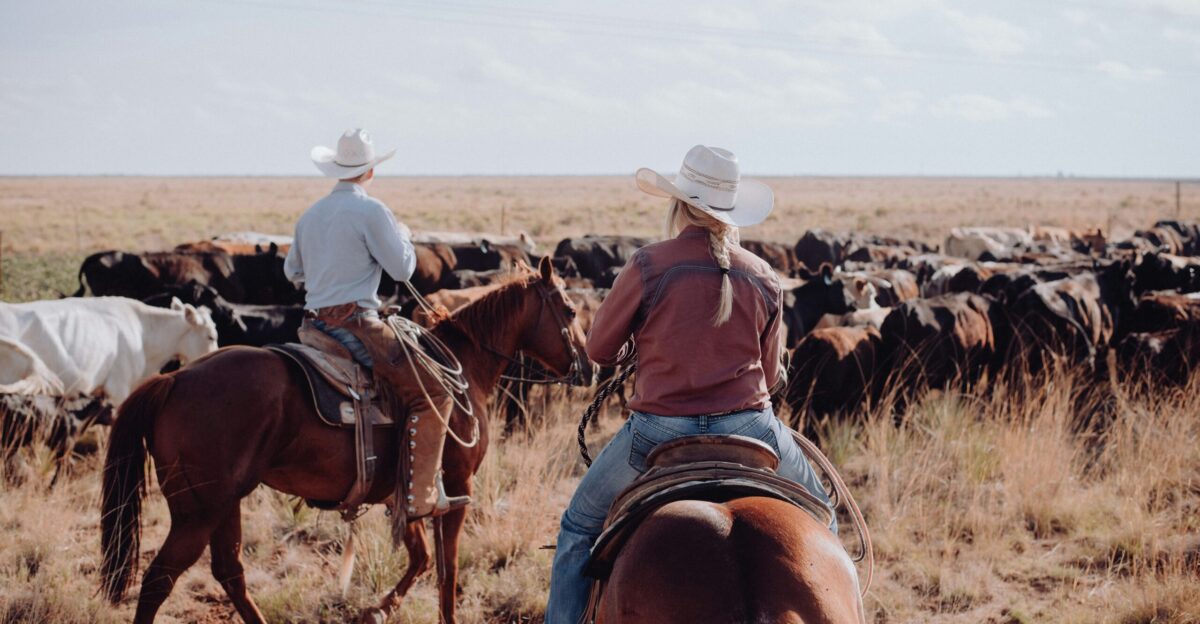
On November 14, the administration removed the 10% reciprocal tariff on beef and beef products from all countries except those with formal trade agreements. On November 20, the 40% tariff on Brazilian agricultural products was permanently removed and refunds issued for tariffs collected since November 13.
Commerce Secretary Howard Lutnick explained: “What happened is the president said, ‘Look, it’s been six months. It’s time. Let’s just wipe the slate clean…let’s focus on affordability.” Ranchers then examined what they had briefly gained.
Who Was Finally Getting The Beef Dollar
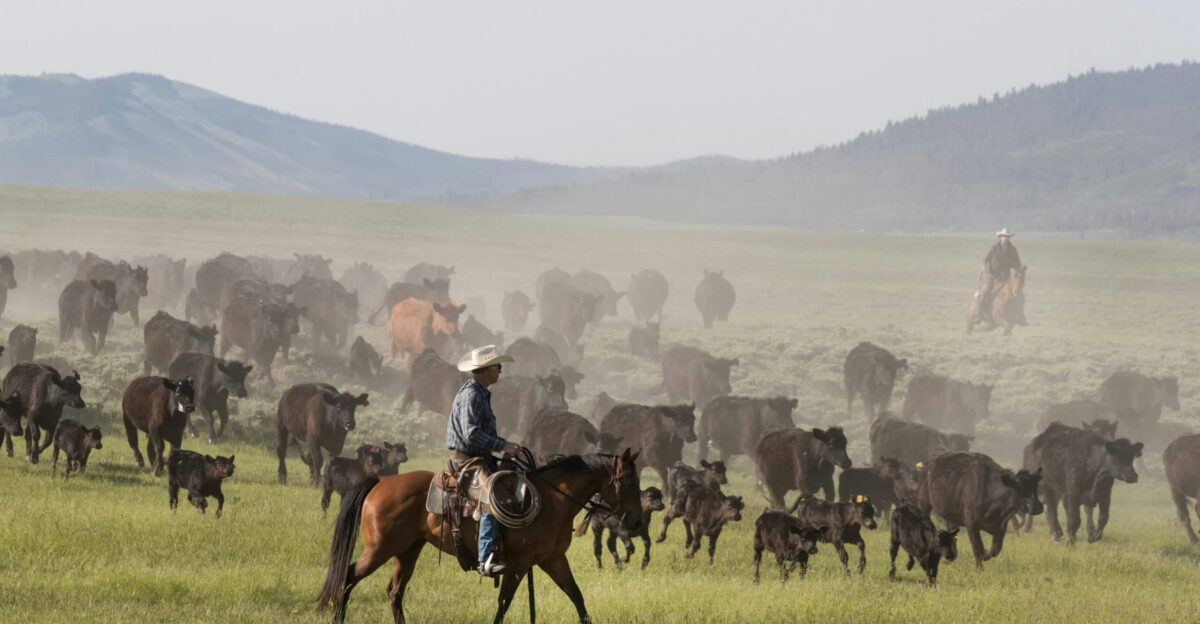
In August 2025, cattle producers captured 55% of the retail beef dollar, averaging 54% year-to-date, up from the 37% to 50% range seen from 2019 to 2024. The Packers’ share fell from 13% to 5% as they faced negative margins. Feedlots also reported negative margins because feed costs climbed so sharply. The system appeared unstable even before the tariffs were implemented. Then reality returned: the herd itself was the bottleneck.
A Supply Problem That Trade Cannot Fix
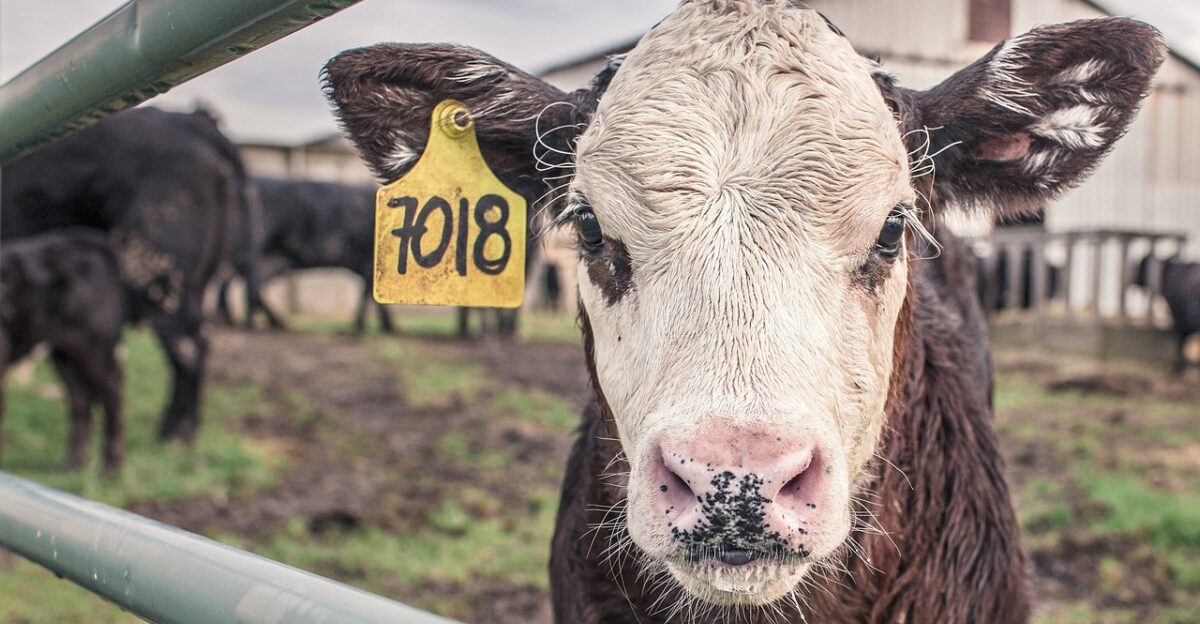
The 86.7 million head counted January 1, 2025, reflects drought, the 2015 to 2022 price slump that pushed ranchers out, and the slow biology of rebuilding breeding herds. Even unlimited imports at zero tariffs cannot quickly restore lost domestic capacity.
Derrell Peel of Oklahoma State University said, “The fact of the matter is there’s really nothing anybody can do to change this very quickly.” That truth made ranchers’ next decision feel brutal.
The High-Stakes Heifer Decision
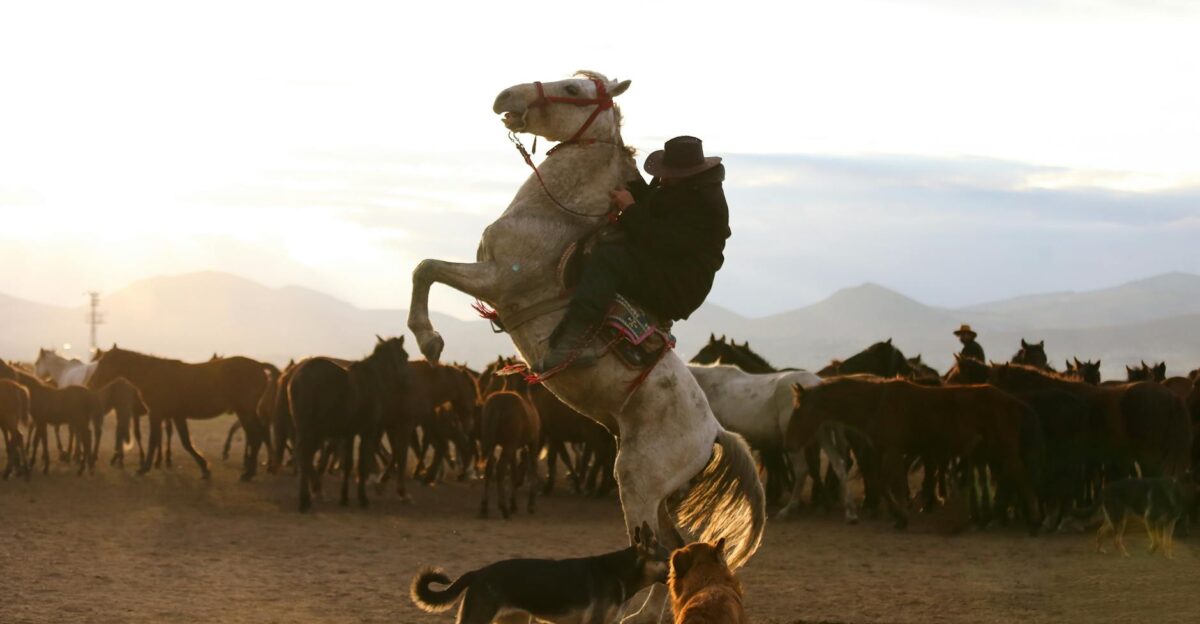
Ranchers had to choose between retaining breeding heifers to expand herds or selling at strong prices before a deeper collapse. Retaining one meant giving up $2,000 to $3,000 in immediate sales and paying $800 to $1,200 per year for 18 to 24 months until her first calf. That bet works only if future prices hold. With Washington signaling import liberalization, many sold instead. That choice can tighten future supply in a painful way.
The Monopoly Problem Tariffs Ignore
Four firms, Tyson, JBS, Cargill, and National Beef, control 81% to 85% of U.S. fed-cattle processing. Consolidation lets packers pressure rancher prices while retail stays high through tight wholesale supply. In February 2025, JBS settled a major antitrust lawsuit for $83.5 million, about $83.5 million, admitting no wrongdoing and avoiding further litigation. The structure stayed intact. A DOJ investigation announced in November 2025 raised hopes, but did it change anything?
“The $10-A-Pound Reality” Warning
Nate Rempe, president and CEO of Omaha Steaks, warned in November 2025 that “we are headed for what I’m calling the $10-a-pound reality. By third quarter of ’26, families are gonna see $10 a pound for ground beef in the grocery store. I don’t believe we’ll see price[s] come down in any meaningful way until sometime in 2027.” His view matched a broader consensus: imports cannot erase a domestic supply squeeze. That forecast sharpened the politics.
Rural Betrayal Starts Looking Permanent
Late 2025 reporting captured ranchers describing not just losses, but betrayal. Many of these communities voted overwhelmingly for Trump in 2020 and saw tariffs as proof their interests mattered. The sudden shift suggested rural priorities could be sacrificed when urban food price pressure rose. Representative Jason Smith said “importing more beef from Argentina would only put our farmers at a further disadvantage.” Would anger fade, or reshape political loyalty for years?
The Herd Outlook Could Get Worse First
If the 1970s to 1990s cattle cycle repeats, herd expansion begins once prices stabilize at profitable levels. But policy whiplash created uncertainty that discourages retaining breeding stock. If ranchers continue to sell rather than rebuild, shortages will deepen through 2026 to 2027, pushing beef prices toward the $ 10-per-pound prediction. That outcome would mean consumer relief never arrives, while import dependence rises. The final damage shows up in what whiplash costs long term.
The Price Of Whiplash For Everyone
The October to November 2025 tariff whiplash exposed how trade policy cannot fix structural market problems. Tariffs can offer short-term relief and encourage expansion, but they cannot replace antitrust action, more processing capacity, or stronger rancher bargaining power.
Producers remain exposed to sudden reversals and volatility. Whether future administrations tackle consolidation or keep prioritizing short-term consumer optics will shape U.S. food security. For now, ranchers wait, watching for the next surprise shift.
Sources:
Trump Removes Tariffs on Brazil Beef & Coffee. Reuters, November 20, 2025
President Trump Undercuts America’s Cattle Producers. National Cattlemen’s Beef Association, October 22, 2025
Statement on Government Effort to Lower Beef Prices. R-CALF USA, October 17, 2025
Summary of Market Conditions: Cattle Producers Enjoying Record Highs. Meat Institute, October 2025
Beef Prices Headed to $10 a Pound by 2026, Industry CEO Warns. Fox Business, November 2025
America First Means American Beef. Representative Jason Smith, October 25, 2025