Chaos erupted at airport gates from Asia to Latin America as travelers faced a harsh reality: their U.S. visas, electronically revoked without notice, barred them from boarding flights home. Over the past 12 months, more than 100,000 non-immigrant visas were canceled—a 150 percent increase from the prior year and double the 2024 total—marking the largest such campaign in modern U.S. history. International students and skilled workers found themselves stranded, unable to resume studies or jobs amid this sweeping enforcement push.
Real-Time Vetting Transforms Enforcement
The State Department’s Continuous Vetting Center, launched in August 2025, now tracks all 55 million U.S. visa holders via automated data links with law enforcement. Algorithms detect arrests or citations, enabling analysts to void visas within 24 hours. Many learn of the change only at departure gates when airlines refuse boarding, as routine checks reveal terminated status.
Students Hit Hardest

Around 8,000 student visas were revoked, impacting over 200 universities in 32 states. Most cases involved arrests, not convictions, including some linked to pro-Palestinian campus protests. Secretary of State Marco Rubio confirmed cancellations for students protesting against Israel. Universities report over 1,800 students losing lawful status, with more than 1,000 additional terminations following.
Universities Reel Financially
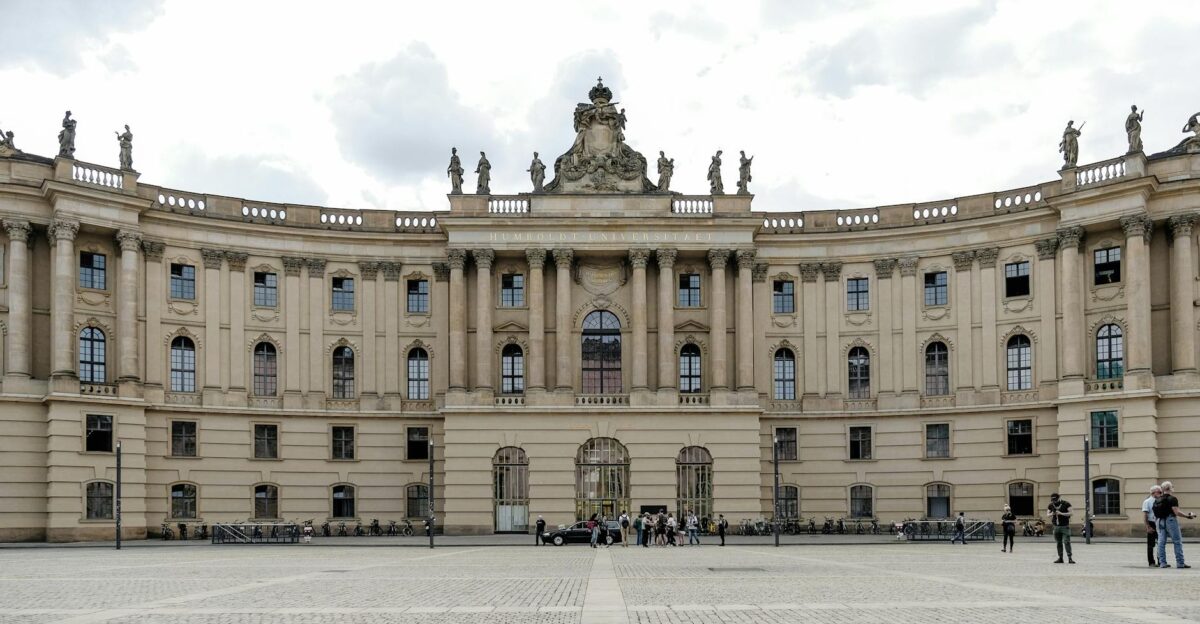
Enrollment drops have triggered crises. DePaul University’s international numbers fell 30 percent, prompting budget cuts. The University of North Texas faces a $50 million gap, and the University of Texas at Arlington expects $13-15.6 million in lost tuition. At least 35 schools announced reductions tied to these policies. Moody’s Ratings warns of significant financial stress that could jeopardize operations for some institutions.
Economic Ripples Widen

NAFSA projects 150,000 fewer international students for fall 2025—a 30-40 percent decline—costing $7 billion in activity and 60,000 jobs. Indian arrivals plunged 46 percent in July 2025, Chinese enrollment 26 percent. International students added over $50 billion to the economy in 2023, bolstering housing, transport, and retail. Tech firms lost 2,500 H-1B visas, half for driving under the influence, others for assault, theft, or drugs. Amazon, Apple, Meta, Microsoft, and Google warned staff against international travel needing restamps, hampering AI and engineering hires.
Global Freeze and Legal Pushback
On January 14, 2026, immigrant visa processing halted indefinitely for 75 countries—including Afghanistan, Bangladesh, Brazil, Colombia, Egypt, Ethiopia, Ghana, Haiti, Iran, Iraq, Jamaica, Morocco, Nigeria, Pakistan, Russia, Somalia, Syria, Uganda, and 57 others—over fears of applicants becoming public charges. No resumption date was given.
Immigration lawyers highlight due process gaps, with automated flags ignoring acquittals or dropped charges. The Foundation for Individual Rights and Expression sued over revocations tied to protected speech like social media posts and op-eds. Federal courts issued temporary restraining orders, such as one in Georgia restoring status for 133 students, though Supreme Court precedent on consular nonreviewability limits reviews.
Secretary Rubio stated student visas are not a right, and spokesperson Tommy Pigott said the system ensures foreign nationals obey laws and revokes threats swiftly. A survey of 1,001 hiring managers found 55 percent of tech firms facing six-week delays, half with cost hikes, and two-thirds unable to source skills domestically. The National Foundation for American Policy estimates $100 billion in losses over a decade from H-1B curbs.
Canada sped visas for U.S. H-1B holders. Germany, Ireland, and Singapore recruited students with fast processing and work options. Tech nearshoring to Mexico and Latin America accelerates. The 75-country freeze risks remittance drops to reliant nations like Somalia, Haiti, Nigeria, and Pakistan. Denaturalization referrals aim for 100-200 monthly cases in 2026, far above prior years’ 120 total.
This enforcement, dwarfing President Carter’s 7,000 Iranian visa revocations in 1979, has chilled campuses—students fear labs, classes, or stores amid deportation risks. Ongoing lawsuits from ACLU, immigration lawyers, and FIRE, plus congressional hearings, will test executive power limits on speech, due process, and immigration for those in the U.S. The outcomes could reshape talent flows, university stability, and global competitiveness for years ahead.
Sources:
“US revokes more than 100,000 visas since Trump’s return to office.” Al Jazeera, Jan 13 2026.
“Trump administration has revoked over 100,000 visas, State Department says.” Reuters, Jan 12 2026.
“U.S. to suspend immigrant visas from 75 countries over public assistance.” NPR, Jan 14 2026.
“State Department Has Revoked More Than 100,000 US Visas Since January 2025.” VisaHQ, Jan 13 2026.
“US suspending immigrant visa processing from 75 countries.” CNN, Jan 14 2026.
“Trump Admin. Says It Revoked 8,000 Student Visas.” Inside Higher Ed, Jan 13 2026.