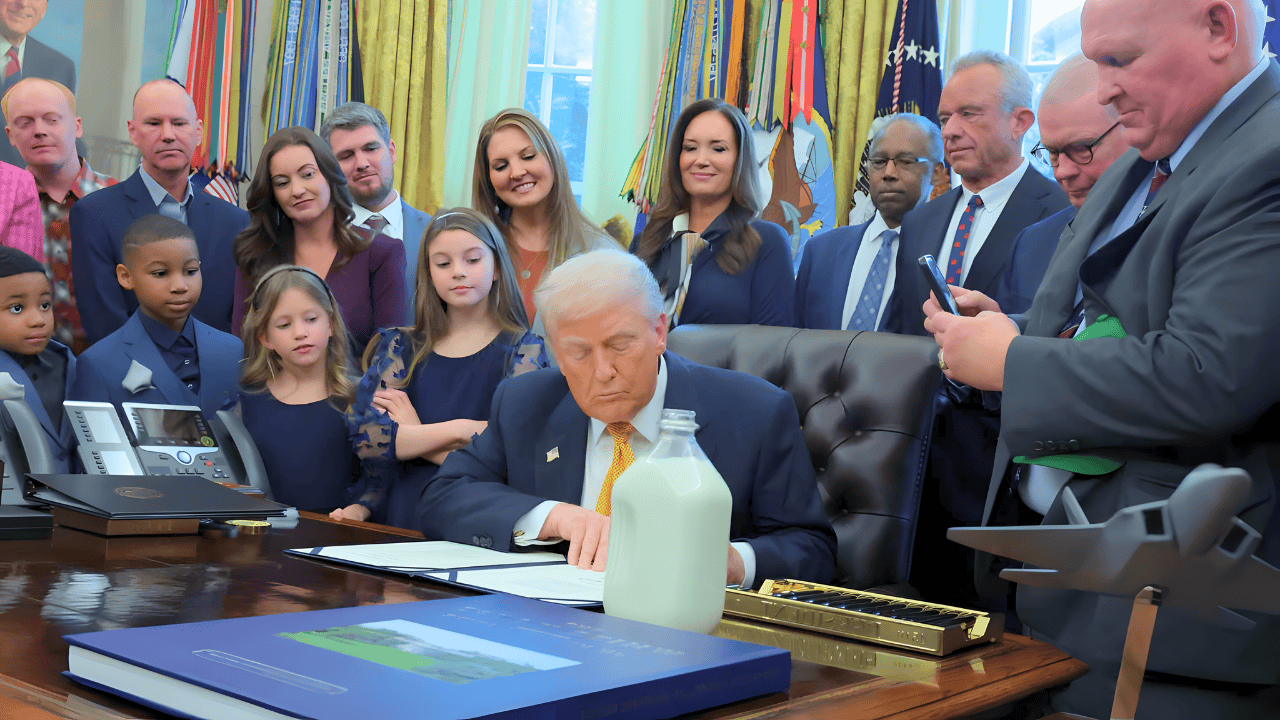
After more than 13 years in regulatory limbo, whole milk is making a dramatic return to America’s school cafeterias. On January 14, President Trump signed the Whole Milk for Healthy Kids Act into law, reversing a 2012 Obama-era policy that restricted schools to low-fat and fat-free options only. The move affects nearly 30 million students across 94,000 schools nationwide. The fight over why milk fat matters started long before the signing.
A 2012 Rule Changed The Lunch Line

The controversy began in 2012 when the Obama Administration tightened school nutrition standards, excluding whole and 2% milk from federal school lunch programs. Officials cited concerns about saturated fat and childhood obesity, restricting schools to fat-free or 1% milk only. For over 13 years, cafeterias served low-fat options. That certainty cracked once industry pressure started building behind scenes.
The Health Crisis Used To Justify Change
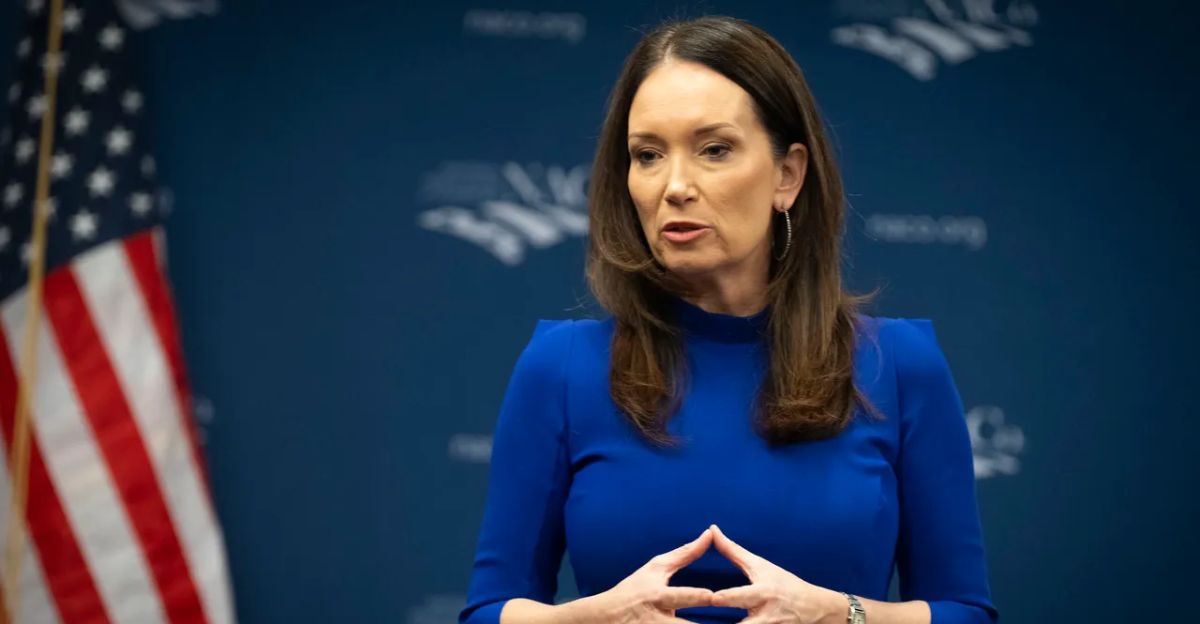
Secretary of Agriculture Brooke Rollins cited alarming statistics: over 75% of American children struggle with obesity, poor physical fitness, or related health challenges. CDC data says 19.7% of children aged 2–19 have obesity, about 14.7 million youths. The MAHA Commission said nearly 70% of calories come from ultraprocessed foods. Is whole milk the fix, or a distraction?
The Law Behind The Ban

The Healthy, Hunger-Free Kids Act of 2010, championed by First Lady Michelle Obama, took effect in 2012 with strict nutrition standards. USDA rules required milk to be fat-free or low-fat (1%) only. Whole and 2% were prohibited, and flavored milk had to be fat-free. The goal was lowering saturated fat to curb obesity and heart risk. Then cafeterias noticed something else.
Milk Drinking Fell And Waste Rose
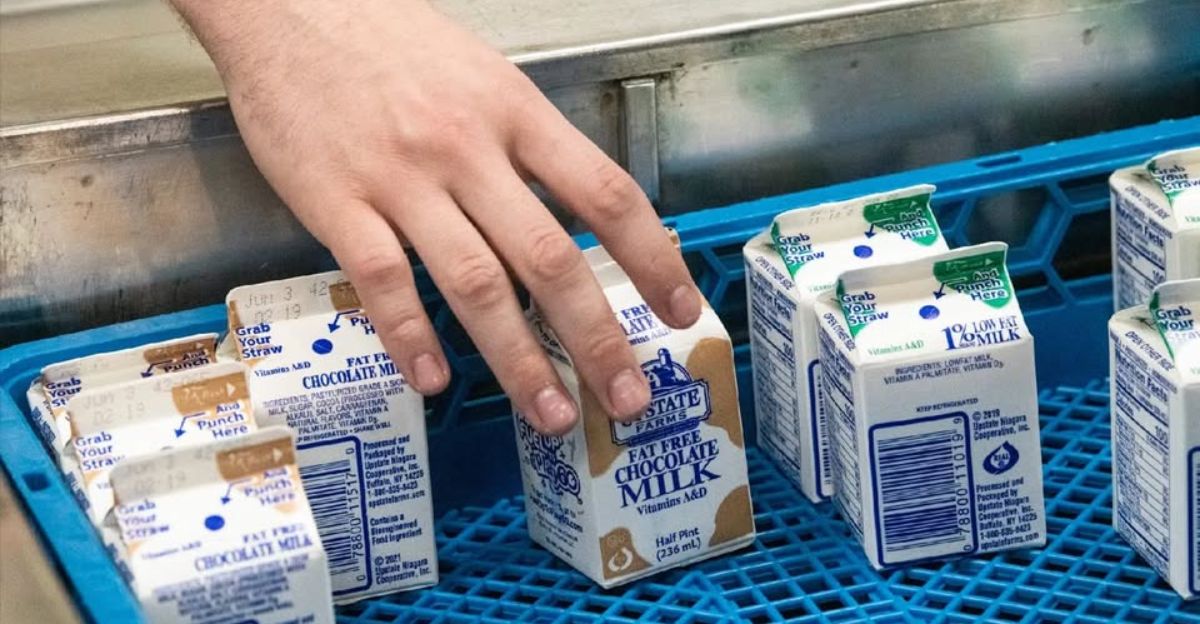
Between 2008 and 2018, weekly milk consumption per student fell 15%, from 4.03 cartons to 3.39 cartons. Before 2012, consumption declined 0.03 cartons yearly; after the restriction, it dropped 0.13 cartons, a 77% faster decline. Unopened cartons meant food waste and budget strain. Supporters argue this decline set the stage for today.
MAHA Politics Meets Cafeteria Policy
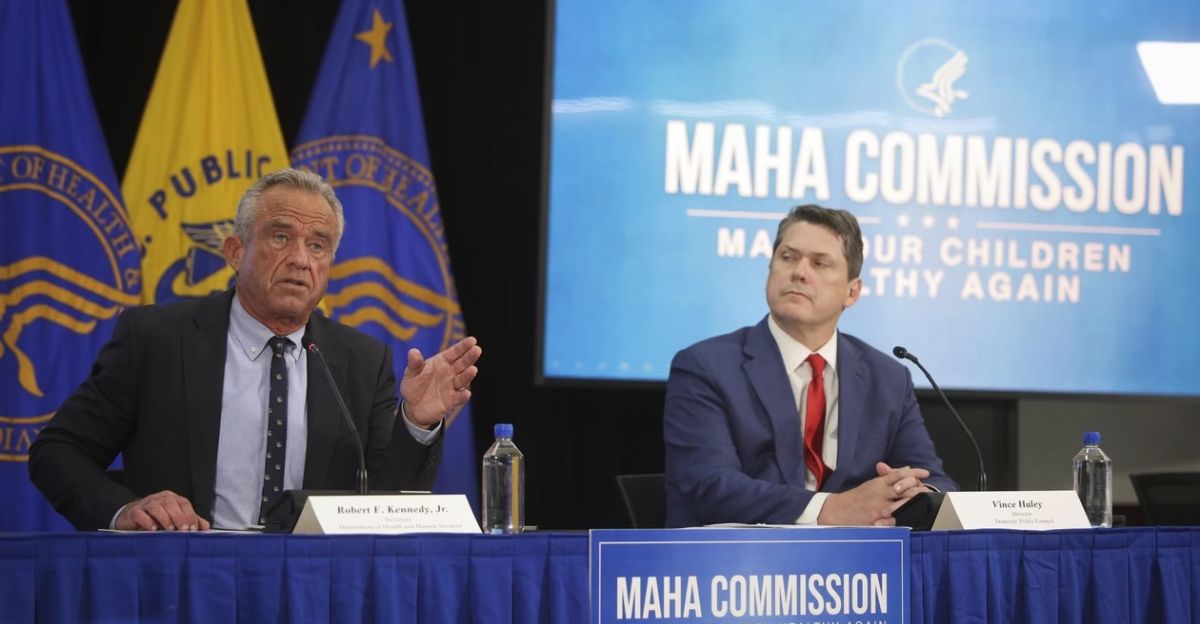
When President Trump took office in January 2025, HHS Secretary Robert F. Kennedy Jr. began reshaping federal nutrition policy. He championed the Make America Healthy Again initiative, tying chronic disease to diet. On January 9, 2026, the Administration released the 2025–2030 Dietary Guidelines recommending full-fat dairy for children. The timing raised eyebrows across nutrition circles.
“An Existential Threat,” Rollins Warned

The childhood health crisis currently facing our nation is nothing less than an existential threat. Over 75% of kids in America struggle with obesity, poor physical fitness, or related health challenges. These rising rates of chronic disease are influenced by several factors, but diet plays a central role. Rollins framed whole milk as a tool against chronic disease. The legal changes were even more specific.
What The New Law Allows

The Whole Milk for Healthy Kids Act, signed January 14, 2026, permits whole, reduced-fat (2%), low-fat (1%), and fat-free milk, plus lactose-free and nutritionally equivalent nondairy beverages. Milk may be flavored or unflavored, organic or nonorganic. Schools must offer at least 2 milk options daily at lunch. Saturated fat from fluid milk is excluded from weekly saturated fat calculations. Districts now face new logistical choices.
A Massive System Gets A New Option

The National School Lunch Program runs in over 95,000 schools and institutions, serving 29.9 million students daily. About 21.2 million get free lunches, 0.8 million reduced-price, and 8 million pay full price. Roughly 4.8 billion lunches are served annually. Schools account for about 7.5% of U.S. fluid milk sales. But can every district implement this quickly?
A Key Catch: Lunch Only
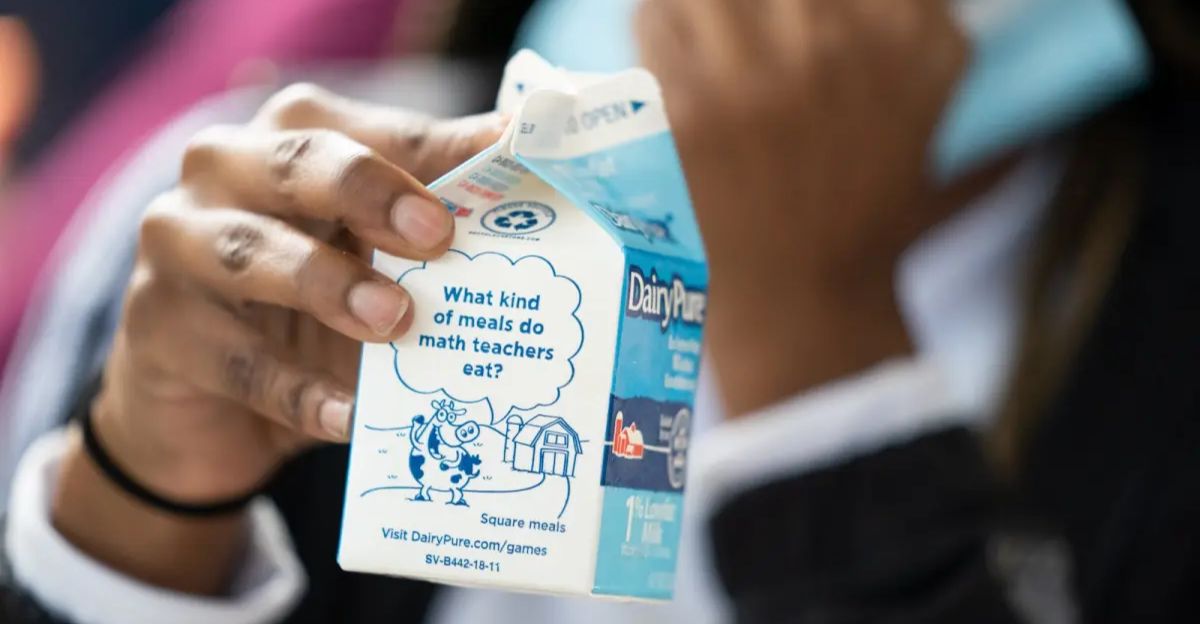
A critical detail: the law applies only to the National School Lunch Program at lunch. School Breakfast Program rules stay unchanged, allowing only low-fat (1%) and fat-free milk. CACFP and the Special Milk Program were not modified. Schools must still offer low-fat and fat-free options; whole and 2% are choices, not mandates. > “Legislation does not equal adoption,” cautioned Jennie McDowell. So who actually opts in?
Supporters Point To Nutrients Kids Miss
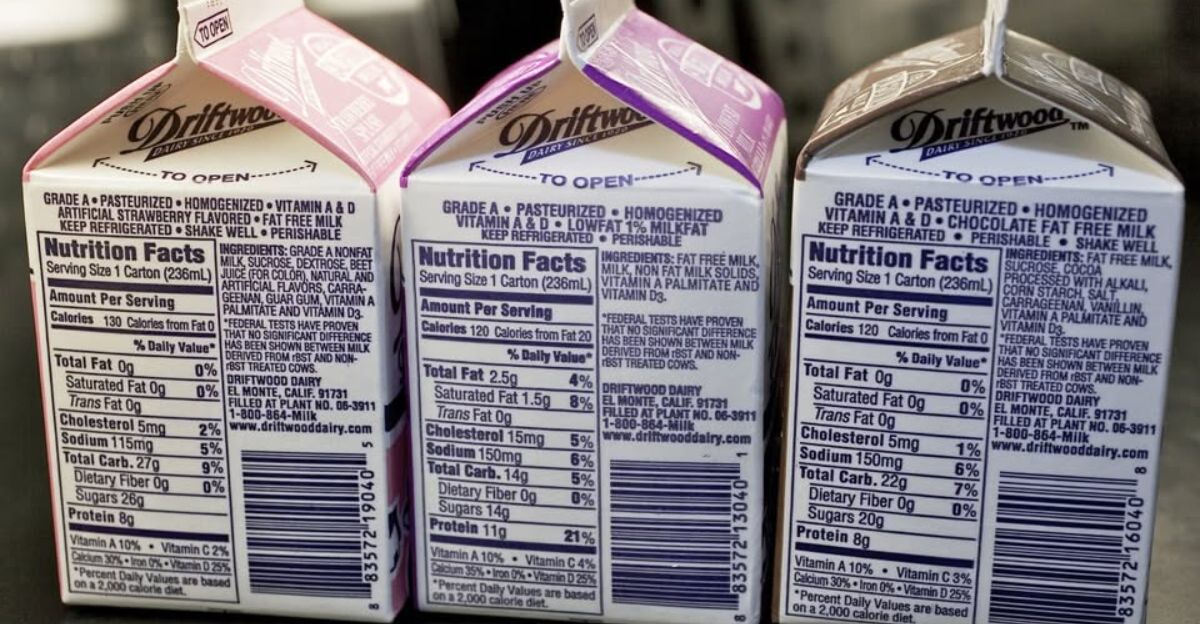
All milk contains 13 essential nutrients, including protein, calcium, vitamin D, phosphorus, vitamin A, and vitamin B12. A cup of whole milk has 8 grams of protein and 306 mg of calcium. For ages 2–19, calcium and vitamin D are amongthe 4 nutrients of public health concern. Supporters add that whole milk’s 3.25% fat helps absorb vitamins A, D, E, and K. Critics say fat type still matters.
Farmers See Demand, Not A Windfall
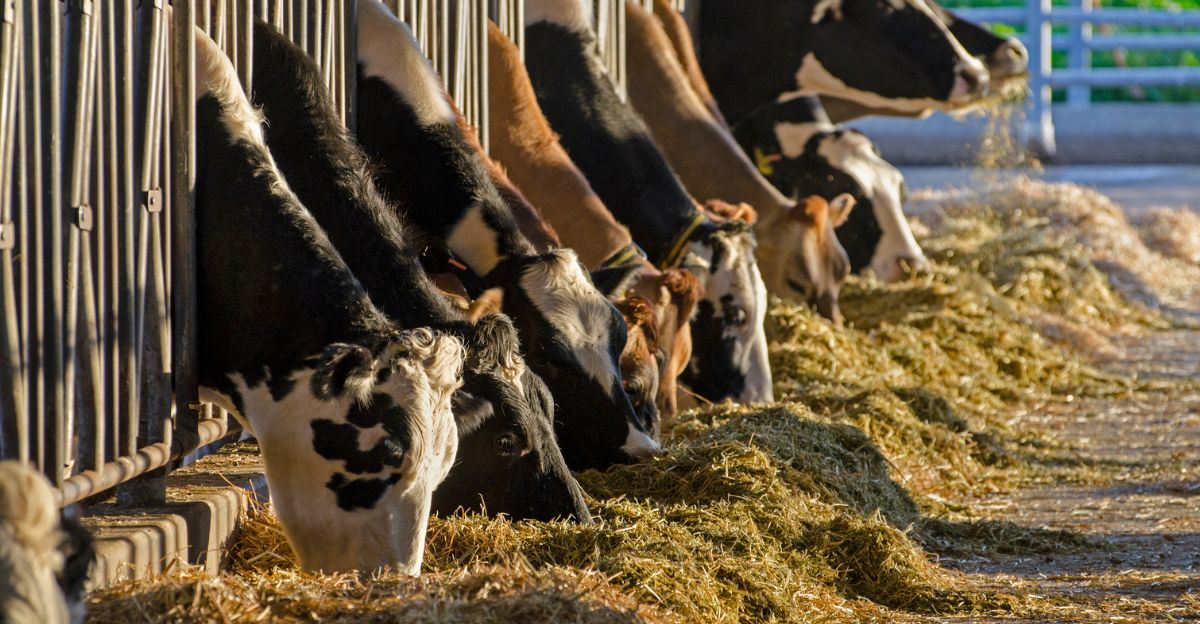
Dairy farmers pushed for the return of whole milk for years as market support. If 25–75% of schools adopt it, annual butterfat demand could rise 18–55 million pounds. That could mean +2–8 cents per hundredweight in modest price gains. Whole milk has 8 grams of fat per carton versus 2.5 grams in 1% milk, changing processing economics. Yet most profits still come from manufactured dairy. Will schools really move the needle?
“Options Students Are More Likely To Drink”
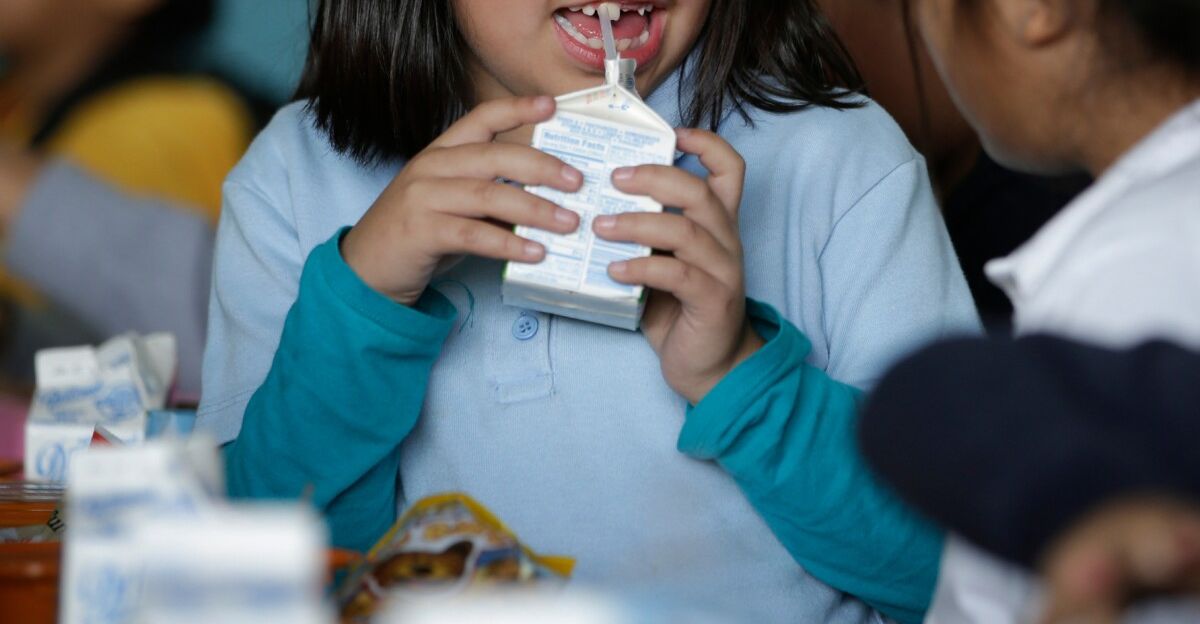
Dennis Rodenbaugh of Dairy Farmers of America said: “With the Whole Milk for Healthy Kids Act now signed into law, schools can offer whole and reduced-fat milk – options students are more likely to drink and benefit from. Parents, school nutrition leaders and our farmer owners have been consistent: Kids need options that truly work in real cafeterias.” Regional cooperatives celebrated too. But nutrition researchers kept sounding alarms about one ingredient.
Saturated Fat Is Still The Flashpoint
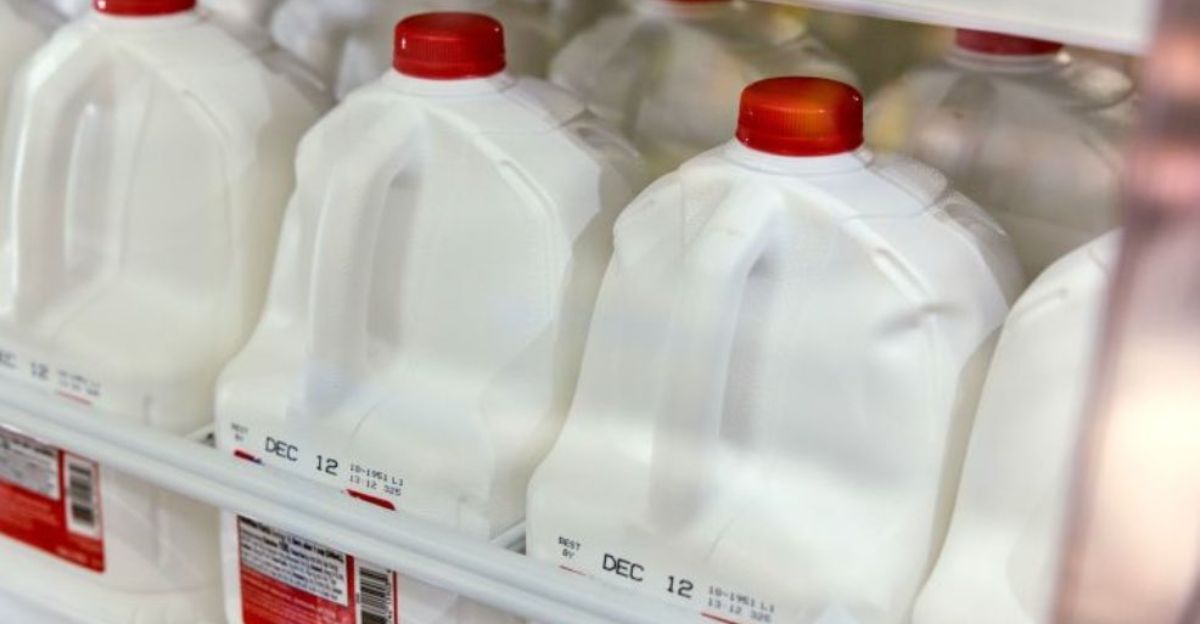
Many nutrition experts criticized the law, pointing to research linking saturated fat to heart disease. Whole milk has 4.5 grams of saturated fat per cup, about 20% of a daily recommended limit. The December 2024 Dietary Guidelines Advisory Committee report said evidence was “limited” that higher-fat dairy reduces cardiovascular risk, recommending low-fat or skim. Harvard’s Walter Willett warned 3 servings daily could exceed limits. Yet USDA moved fast anyway.
USDA Told Schools To Start Immediately
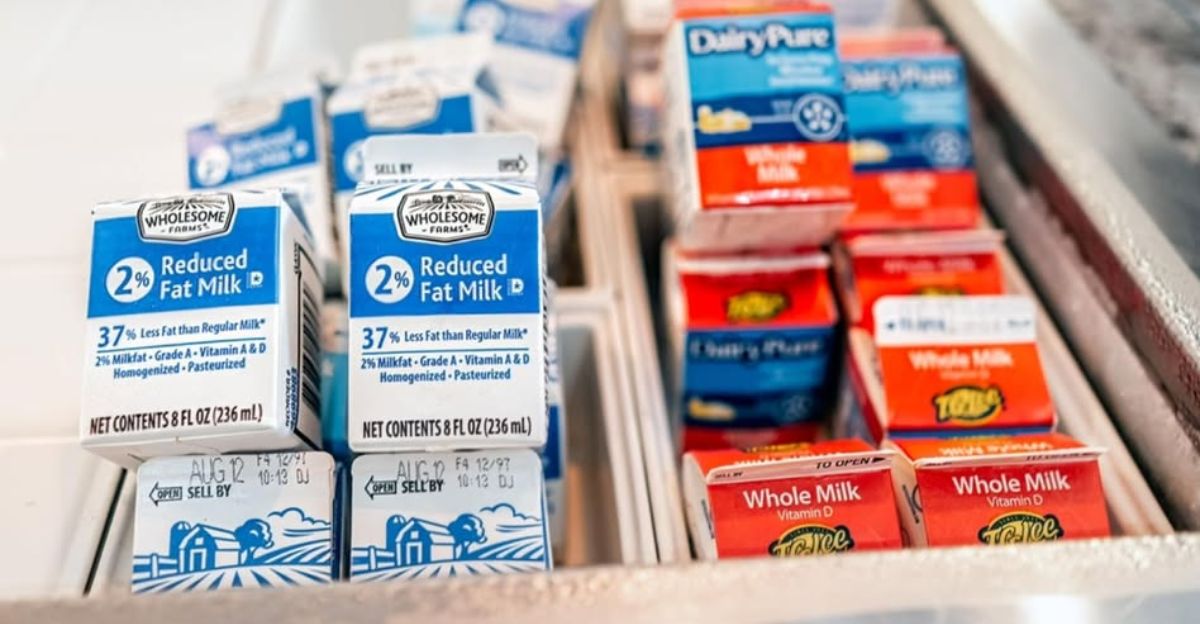
On January 14, 2026, USDA issued an implementation guidance memo SP 01-2026 directing schools to begin offering whole and 2% options immediately. Schools must offer at least 2 milk options daily, with unflavored milk required at each meal service. Flavored milk cannot exceed 10 grams of added sugars per 8-ounce serving. Milk must be pasteurized and meet standards. USDA also signaled that it will rule on breakfast and other programs. But can budgets absorb it?
Tight Budgets Could Decide Everything
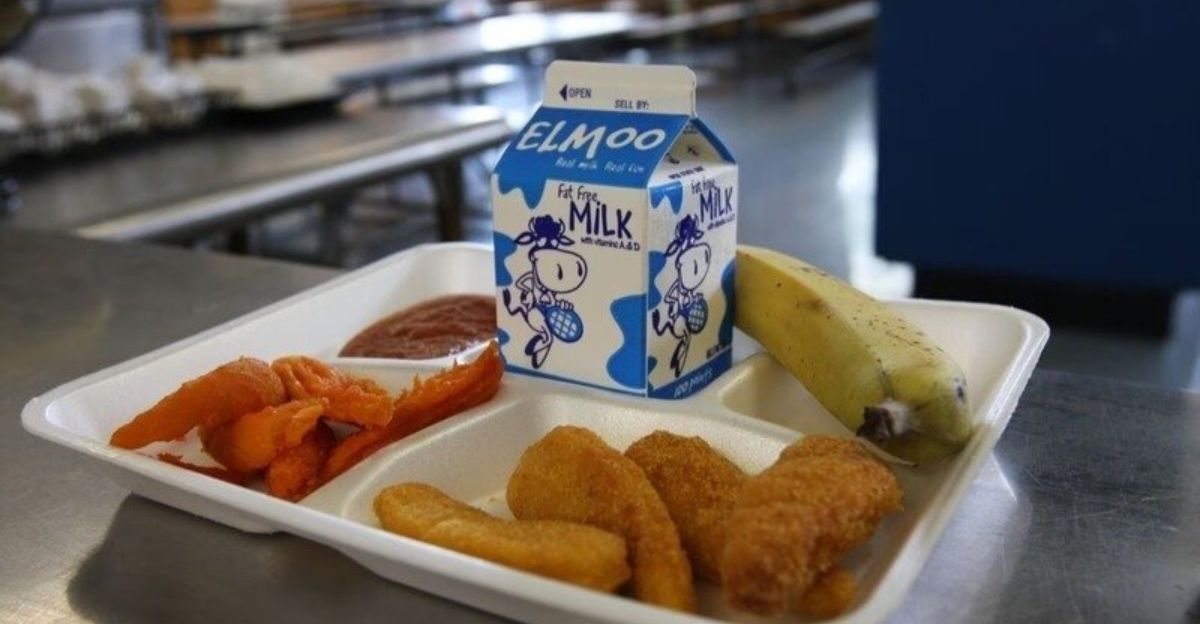
School meal programs already run thin: 70% of nutrition directors say federal reimbursement is insufficient for production costs. Average lunch reimbursement for SY 2025-26 is $4.60 for free meals, with no inflation adjustment. School meal debt hit $25.3 million nationally in 2024–25, up from $20.3 million. Whole milk adds complexity to procurement and storage. Supporters say less waste could offset costs, but is that realistic district by district?
Doctors Warn While Some Hedge

The Physicians Committee for Responsible Medicine objected: “We agreed that poor diet leads to childhood chronic disease, but emphasize early signs of heart disease and high cholesterol now appear in children with increasing frequency.” Yale’s Dr. Nate Wood worried about saturated fat and calories, but added, “If kids won’t drink low-fat milk but will drink whole milk, then providing whole milk is a good thing.” This tension reveals a deeper fight over national dietary direction.
New Guidelines Signal A Bigger Reversal

The 2025–2030 Dietary Guidelines, released January 9, 2026, emphasize protein, dairy, and healthy fats, shifting away from grain-forward advice. They use “Eat Real Food” and warn against ultraprocessed foods and added sugars. Full-fat dairy is explicitly recommended for children’s energy needs and brain development. Critics say the pyramid’s steak, cheese, whole milk, and butter imagery lacks nuance on frequency versus moderation. Was the milk law really about milk, or ideology?
Retail Trends Already Favored Whole Milk
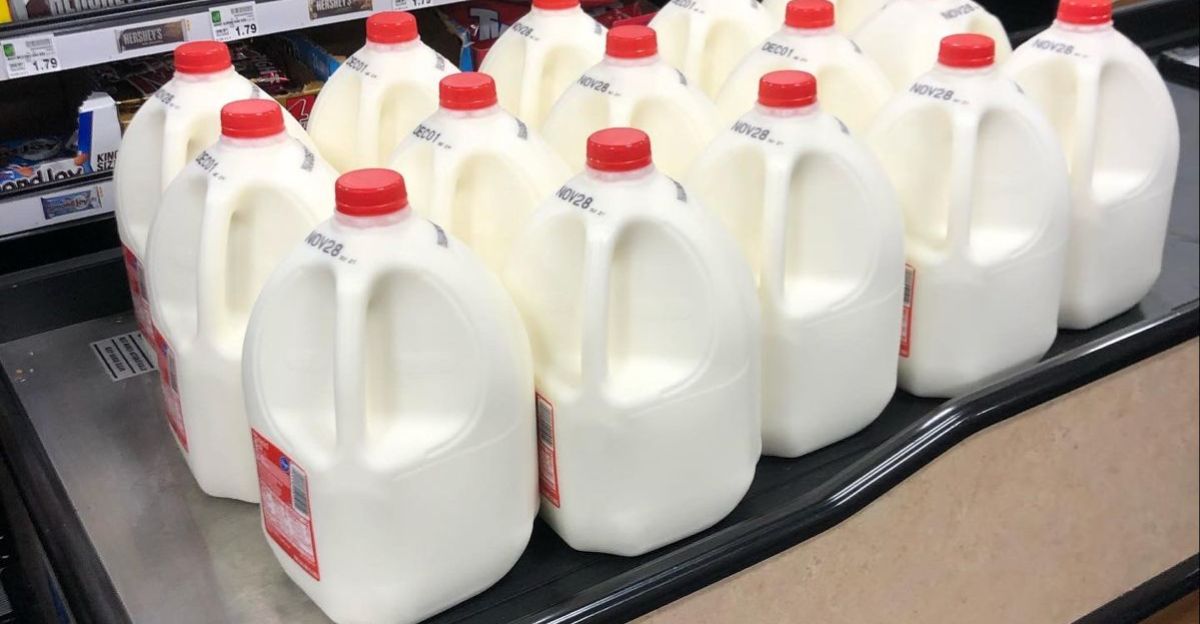
Even during the school ban, whole milk sales grew 16% from 2013 to 2024, while skim and reduced-fat fell. Supporters argue this shows families prefer minimally processed, higher-fat dairy at home. They also cite that 81% of milk purchased is whole or 2%, making school rules feel disconnected from real life. Critics counter that popularity is not proof of health benefit. The next test is whether districts can adopt it widely.
Adoption Will Be Uneven Across America
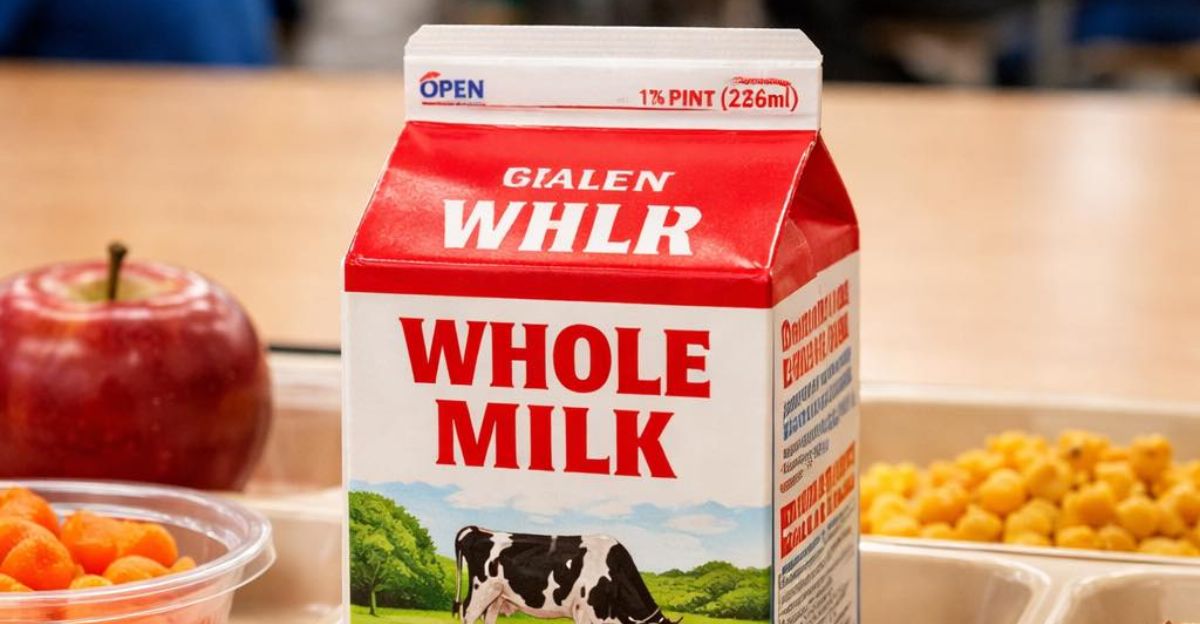
Whole milk adoption will likely be gradual, shaped by local board decisions, supplier capacity, and budgets. Some high-poverty districts reliant on federal reimbursement may avoid adding options due to storage and cost. Higher-income districts with procurement flexibility may move faster. Regional dairy supply chains will affect availability and pricing. USDA rulemaking for breakfast and other programs could speed up change if similar flexibilities spread. The true impact will depend on what schools do next.
A Symbol Of A New Nutrition Era
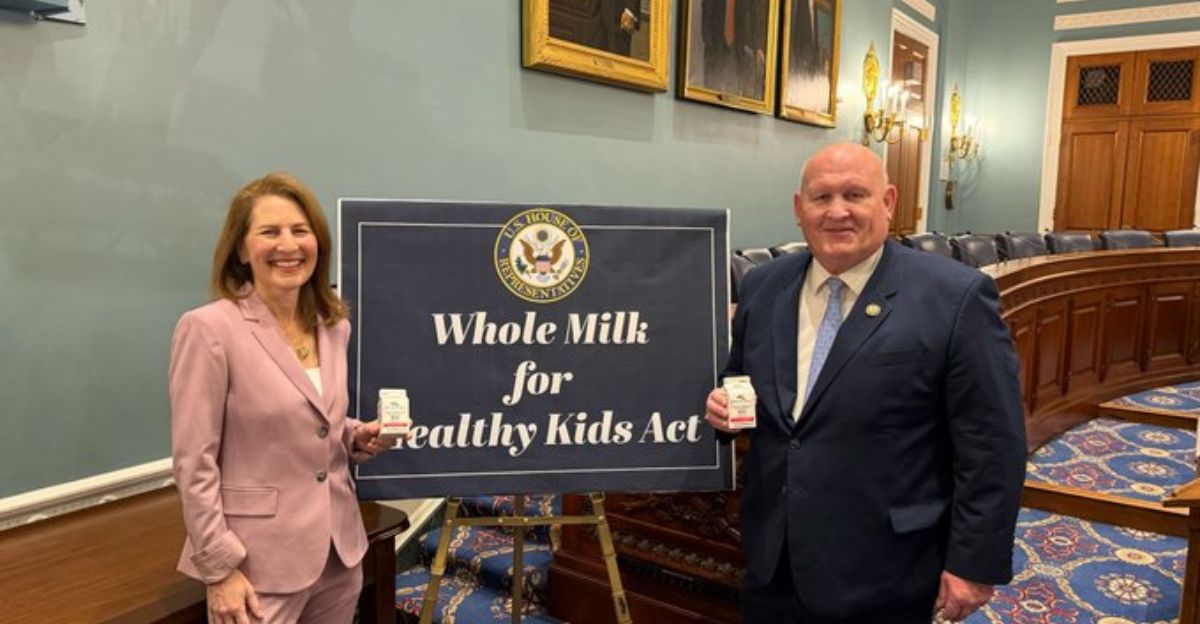
The Whole Milk for Healthy Kids Act is more than a menu tweak. It signals a shift from strict federal limits toward choice-based “real food” principles favored by Trump-era health leadership. Whether it improves health or increases cardiovascular risk will take years to measure, and data will arrive slowly. For now, nearly 30 million students across about 94,000 schools may see different cartons on the line. What other long-standing lunch rules might be next?
Sources
Whole Milk for Healthy Kids Act of 2025 Implementation Requirements. U.S. Department of Agriculture Food and Nutrition Service, January 14, 2026
Secretary Brooke Rollins Op-ed On Whole Milk For Healthy Kids Act. Fox News, January 20, 2026
Dietary Guidelines for Americans 2025-2030. U.S. Department of Health and Human Services, January 9, 2026
School Lunch and Breakfast Participation A Snapshot of Recent Trends. Congressional Research Service, April 21, 2025