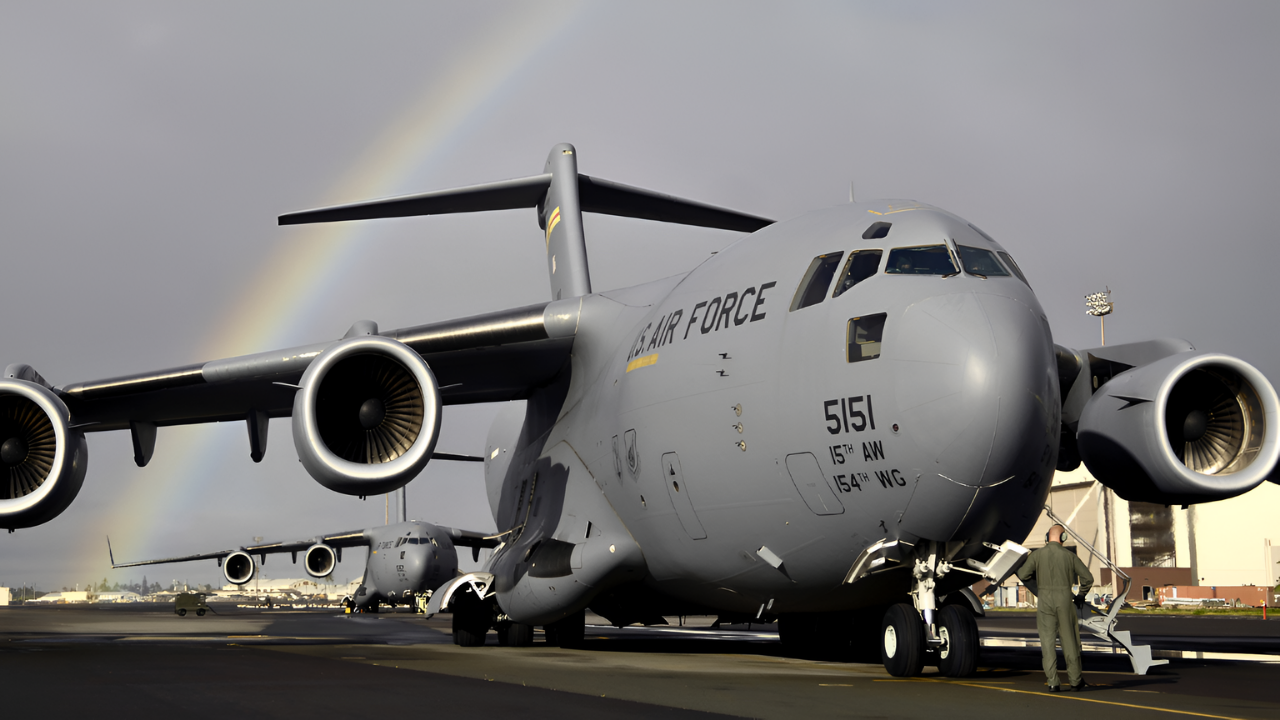
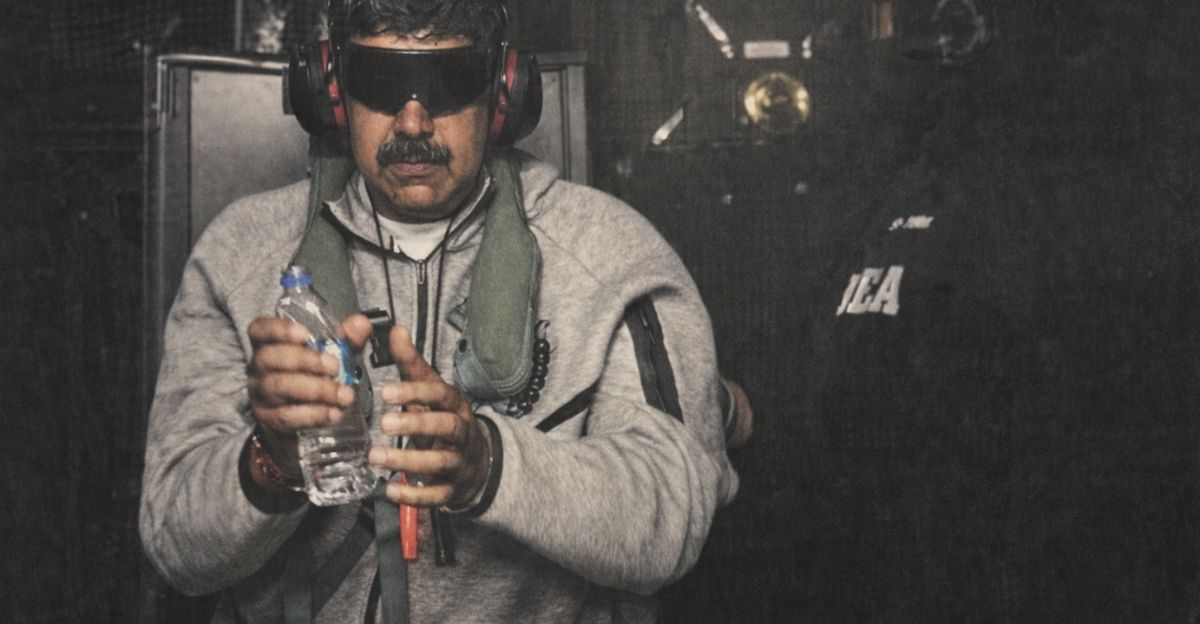
January 3, 2 a.m. Helicopters woke Nicolás Maduro. By dawn, the man who once mocked American warnings sat blindfolded aboard USS Iwo Jima, bound for Brooklyn. Ten C-17 transports landed on British soil within hours.
What began as one dictator’s capture evolved into something far larger: a calculated hunt for an oil tanker fleeing the Atlantic waters, and a confrontation with Moscow that will reshape global geopolitics in 2026.
Maduro’s Last Dance on Stage
The 62-year-old had performed his defiance weeks earlier: “No crazy war,” he sang, mocking threats. Intelligence showed that he’d rejected exile in Turkey. He chose Caracas. He chose to fight. His confidence was absolute. His miscalculation was fatal.
When Delta Force breached his compound’s fortified doors—replicated for months of rehearsal—Maduro ran for his safe room. He didn’t make it. Minutes later, he was in custody.
150 Aircraft. One Hour. Surgical Execution.
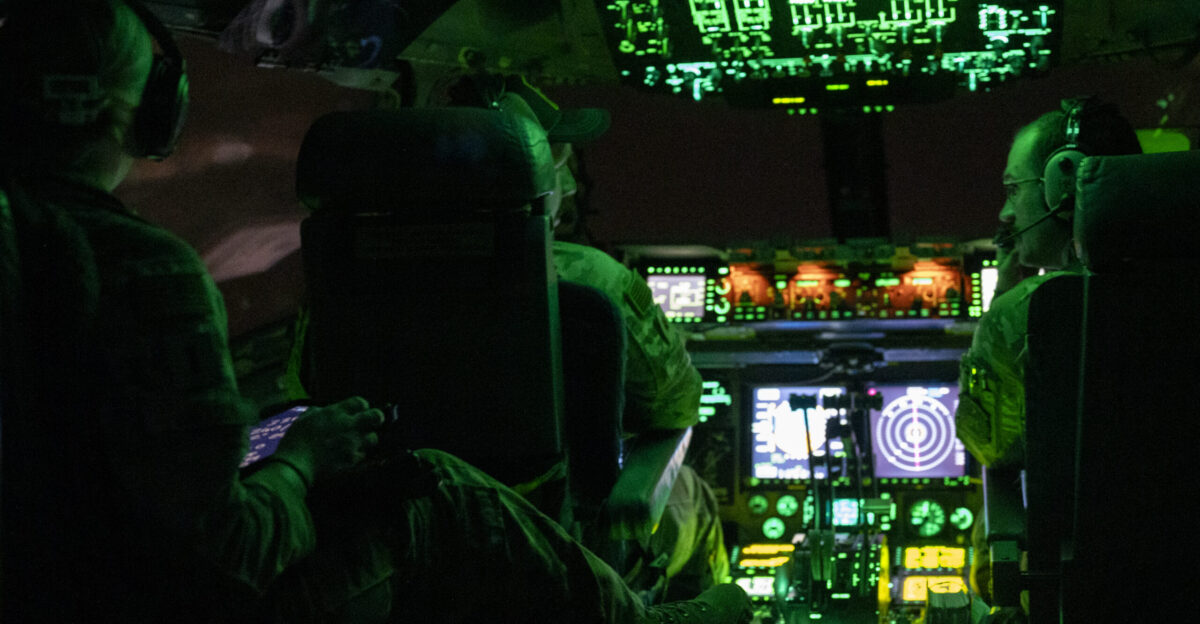
Over 150 American aircraft descended at dawn. The Night Stalkers inserted Delta commandos into the fortress. C-17s from Fort Campbell and Hunter Army Airfield carried rotary-wing assets. These pilots train flying low and fast into impossible places.
The ground operation: less than 60 minutes. No siege. No urban combat. Just breathtaking precision. One helicopter took gunfire and flew home operational.
From Caracas to Mar-a-Lago to Truth Social
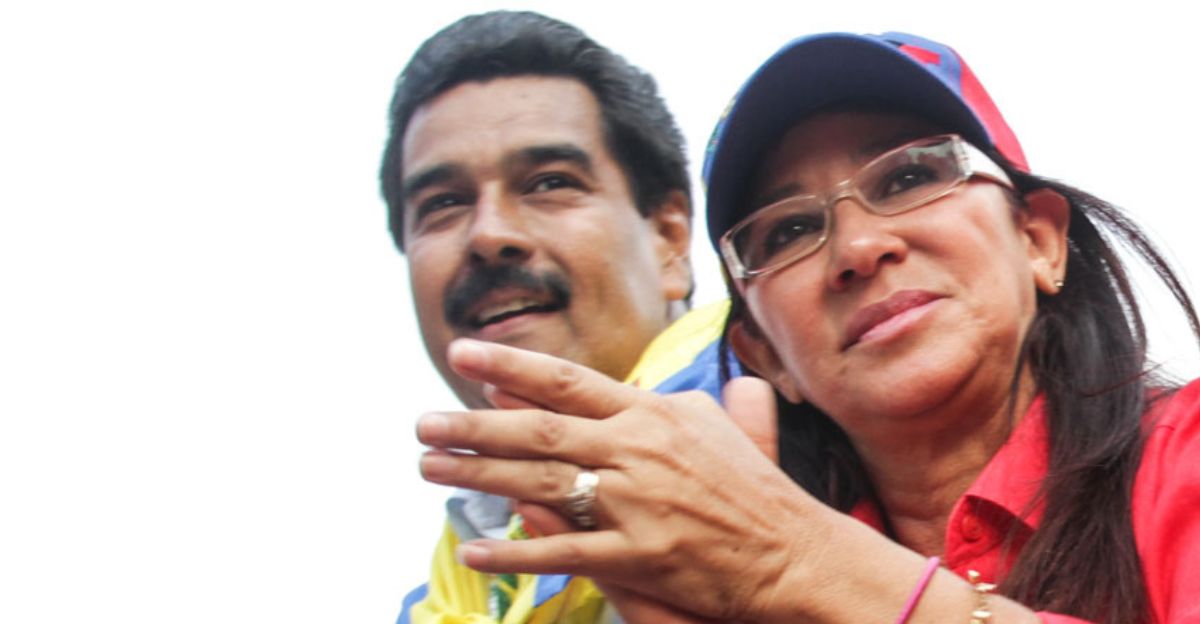
Trump announced the capture at 5:21 a.m., posting a photo of blindfolded Maduro aboard the carrier. Within hours, Maduro and his wife, Cilia Flores, were airborne, facing federal charges of drug trafficking and narco-terrorism. In military operations, shock is strategy.
By the time Congress understood what had happened, Maduro was arraigned in Brooklyn. House Speaker Mike Johnson got briefed only after custody. Constitutional questions would linger for months.
Did Congress Even Know This Was Coming?
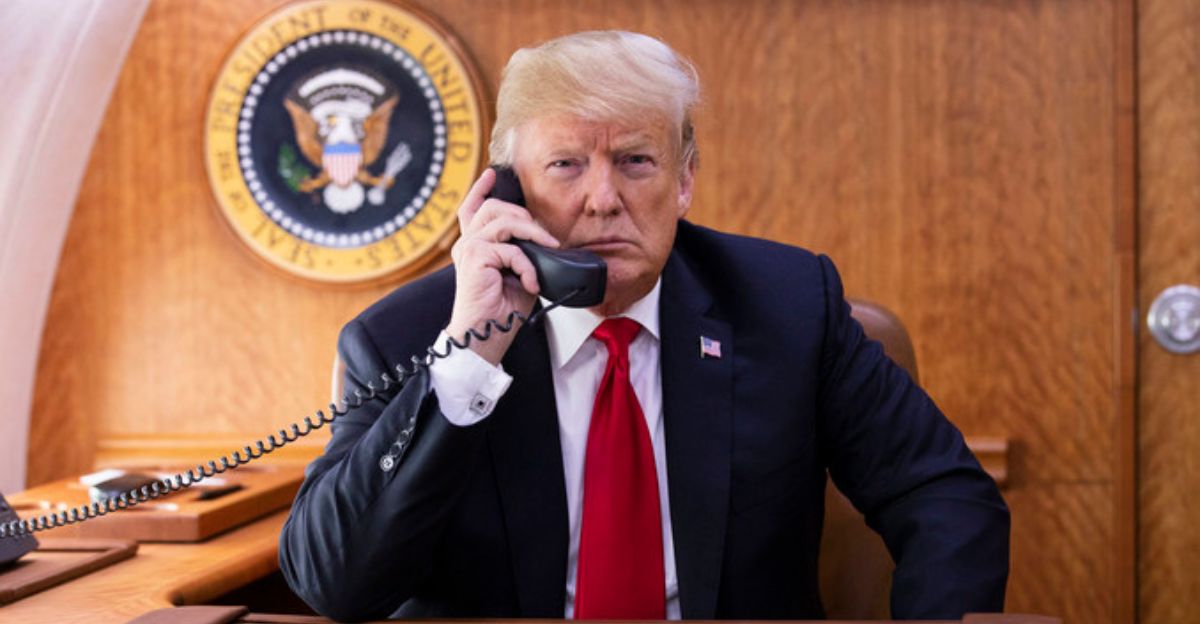
Trump never briefed Congress before ordering the raid. He invoked Article II presidential powers—authority to respond to threats without legislative approval. Senior Republicans endorsed quickly. But the precedent troubled many: if a president can topple governments without congressional briefing, what survives of constitutional checks?
Senator Mike Lee argued defensive authority might apply. Yet the question hung: Who decides when regime change becomes presidential power? When must Congress vote?
Three Words: Oil. Oil. Oil.
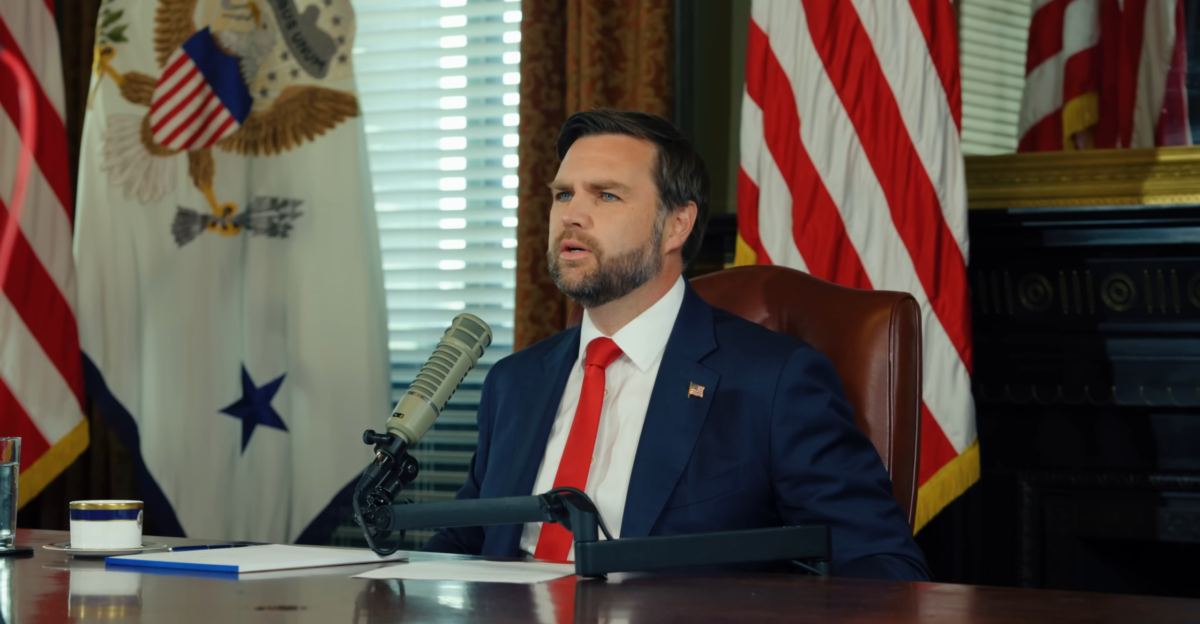
Trump made the true objective unmistakable. His team claimed Venezuela had “stolen oil” through nationalizations in 1976 and 2007. Vice President JD Vance declared: “The stolen oil must be returned.” Secretary of State Marco Rubio moved to maximize legal exposure.
The calculation ran deeper. Trump’s advisors reasoned that strangling Venezuela’s oil exports—the nation’s only revenue—would lock regime change permanently.
A Desperate Escape on New Year’s Eve
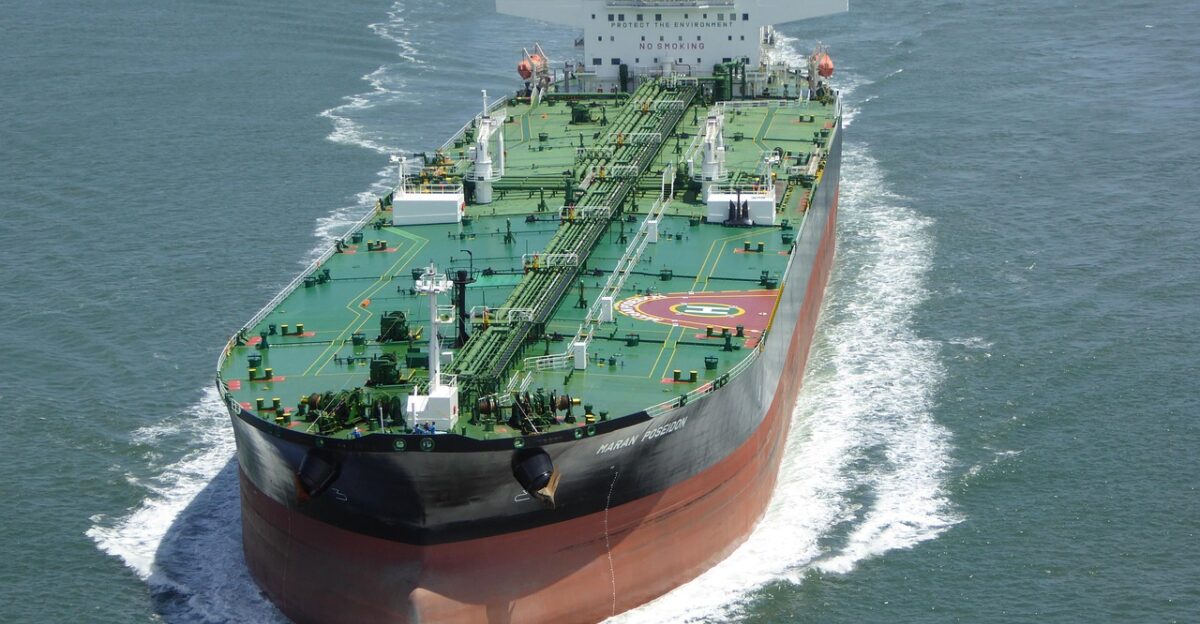
Meanwhile, a massive tanker named Bella 1 had become the focus of a different hunt. Registered initially under invalid Panamanian paperwork, it departed Iran with sanctioned crude. The Coast Guard tracked it for weeks. Boarding attempts repeated. The crew resisted every time.
Then, on December 31, the crew painted a Russian flag, registered with Russia’s registry, and renamed the ship Marinera. Sochi became a home port. Diplomacy or desperation?
Russia’s New Year’s Eve Ultimatum
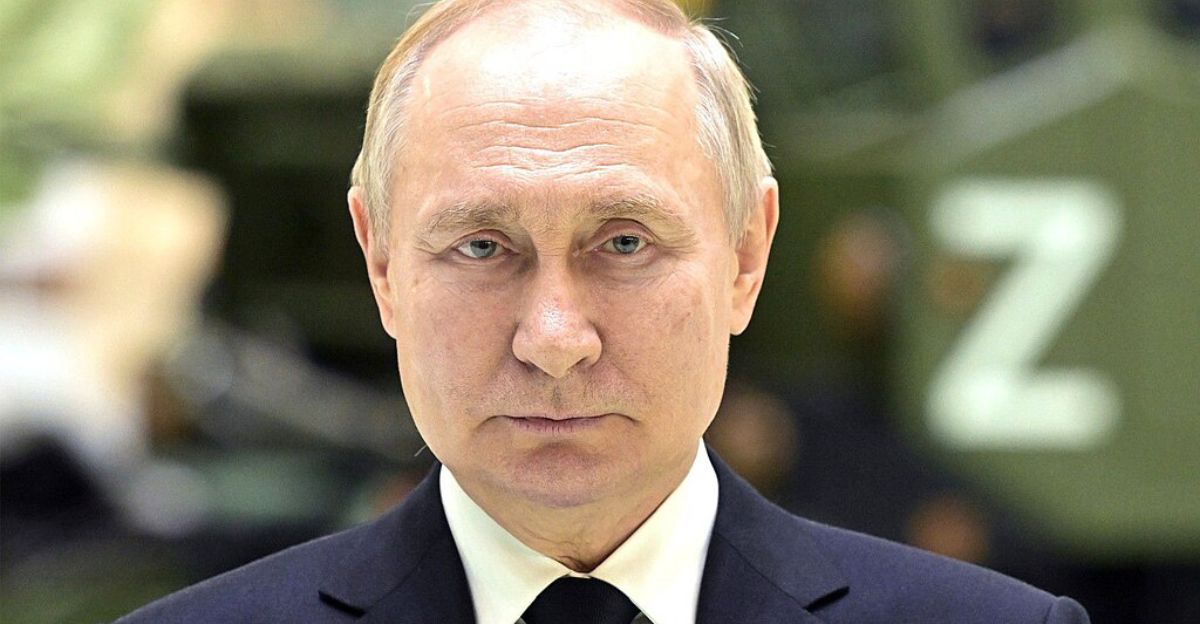
On New Year’s Eve, Moscow formally demanded that American forces stop pursuing Bella 1/Marinera. Russia cited maritime law and Russian status. The Kremlin drew a line: interfere with this tanker, interfere with Russia. American officials weren’t convinced.
Former Treasury sanctions officer David Tannbaum noted: “Russia’s rapid flag registration would likely not hold up legally.” Russia bet on paperwork. Washington bet on law.
Two Tankers Already in American Hands
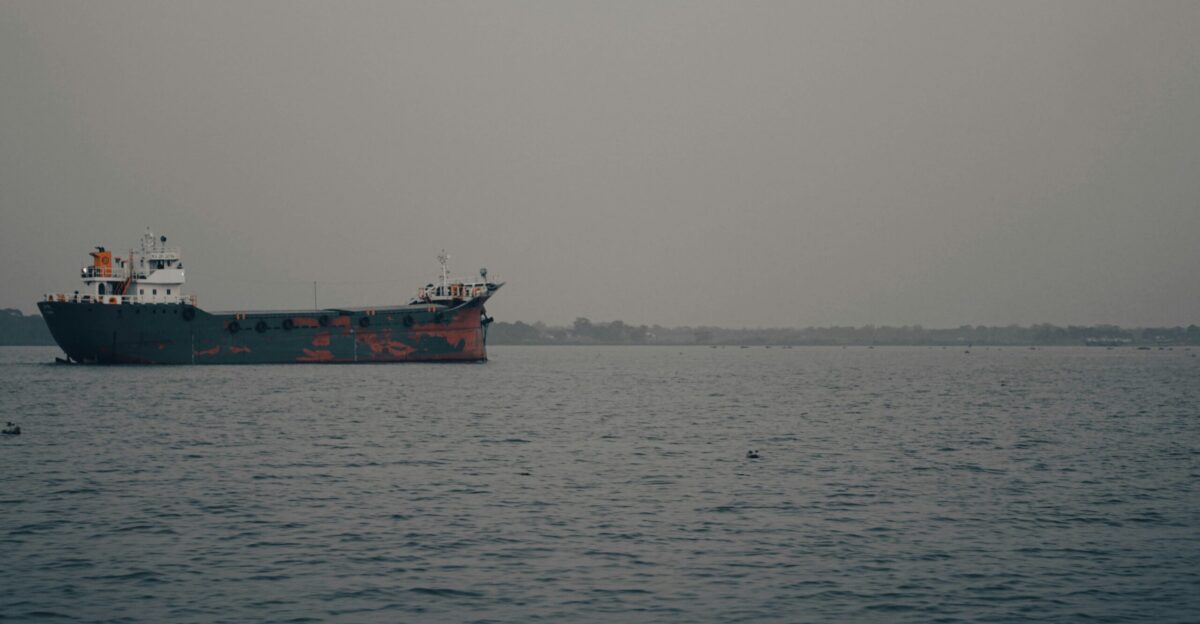
Bella 1 wasn’t America’s first catch. The Coast Guard seized the Skipper in December—another vessel carrying smuggled Iranian crude for Hezbollah and Islamic Revolutionary Guard networks. A week later, a second tanker fell into American hands.
Both were heading toward Asia. Venezuela referred to it as “international piracy.” The UN condemned the “illegal blockade.” Trump’s team expected more seizures. Each vessel meant $50-100 million in lost revenue.
The Economics of Strangling a Nation
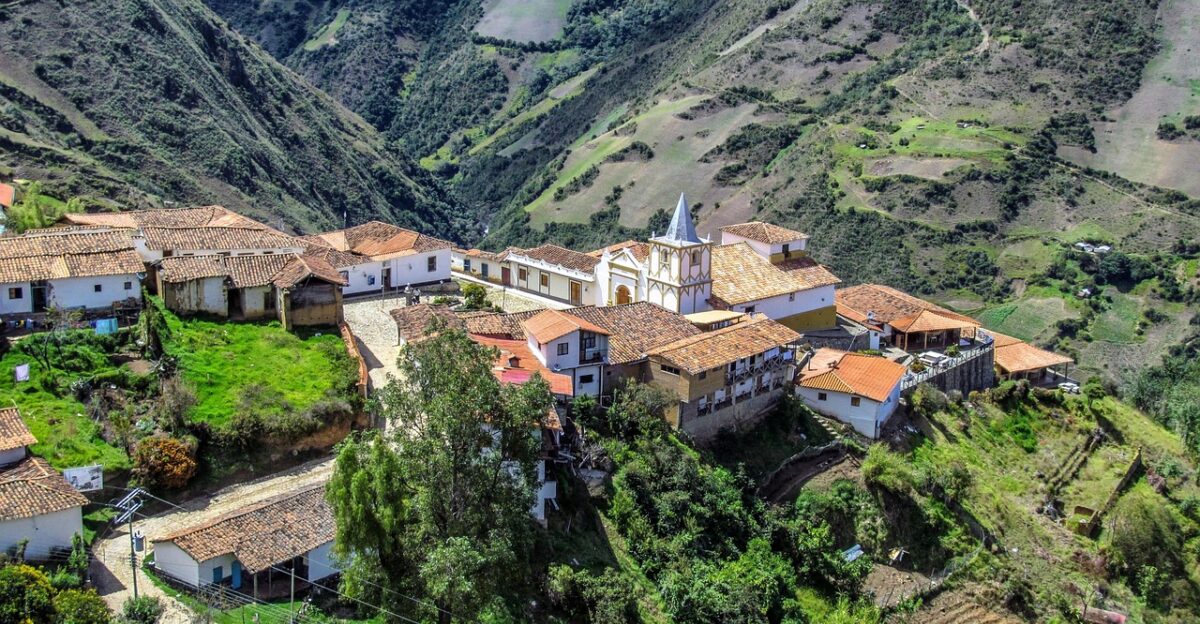
Venezuela’s economy is oil. Period. Under Maduro, every barrel shipped to China funded his military and inner circle. Cut the exports, cut the oxygen. Trump’s logic was brutal: combine Maduro’s removal with tanker seizures, and any successor regime faces financial collapse.
Without revenue, the government starves. New leaders capitulate, or Venezuela descends into chaos.
Ten C-17s Land at RAF Fairford and RAF Mildenhall
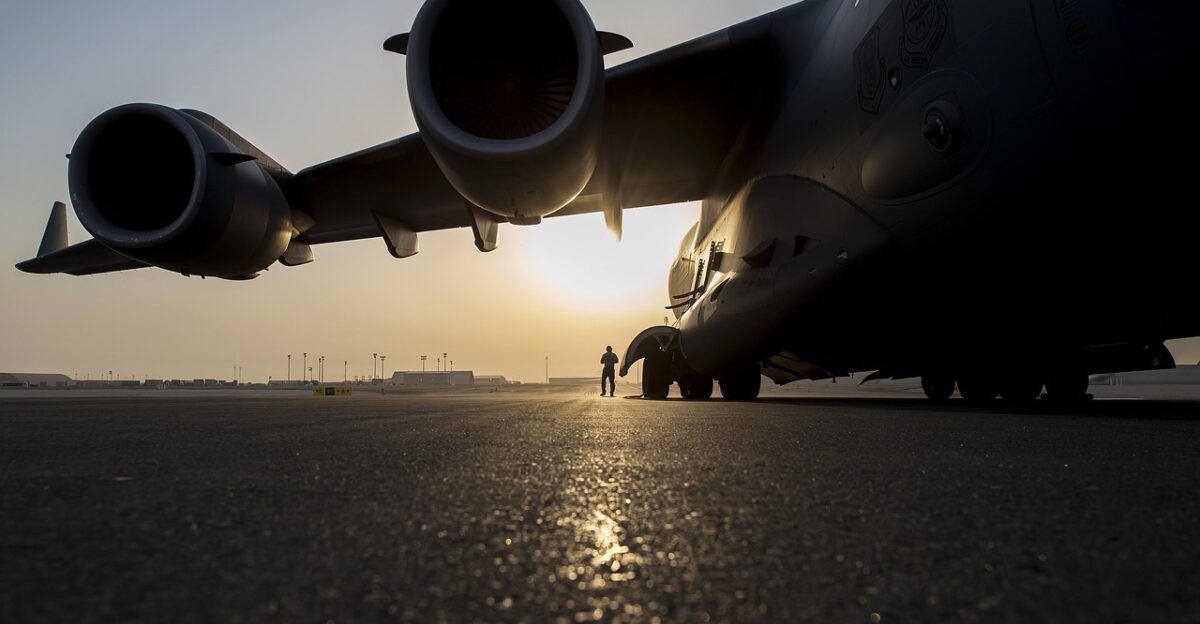
Flight tracking showed at least ten C-17 Globemasters from Fort Campbell and Hunter Army Airfield landing at RAF Fairford in Gloucestershire and RAF Mildenhall in Suffolk on January 3-4. Some quickly departed for Ramstein Air Base in Germany.
RAF Fairford serves as the primary U.S. European air bridge. RAF Mildenhall hosts the 352nd Special Operations Wing—the hub for American special operations across Europe.
AC-130J Ghostriders Touch Down at Mildenhall
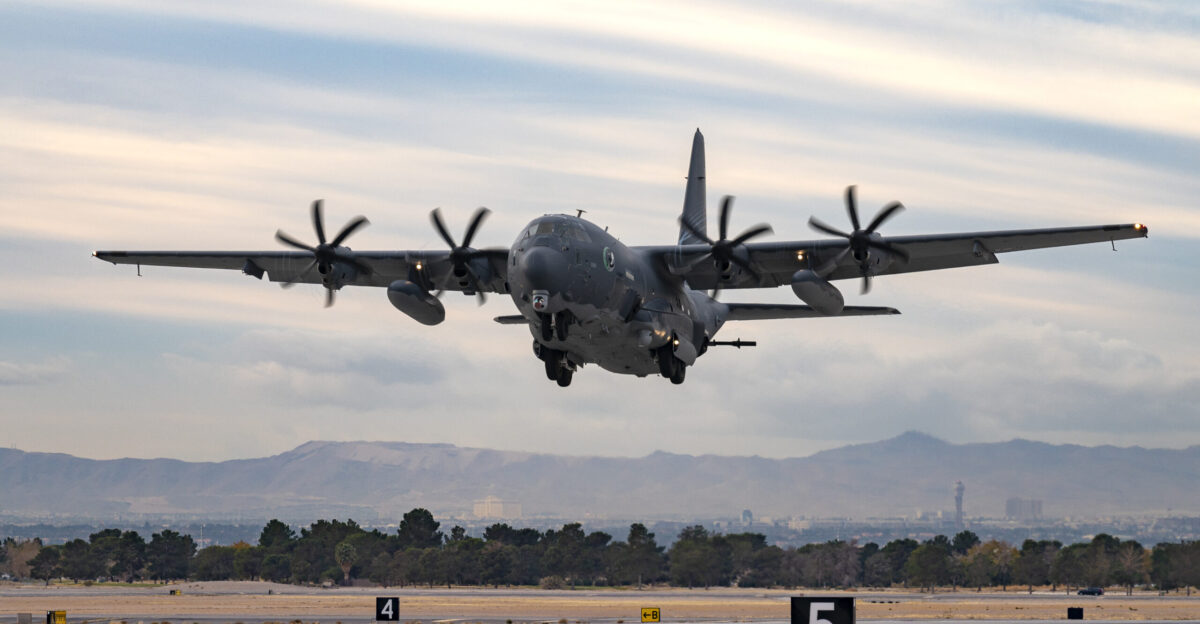
More telling than the transport planes: two AC-130J Ghostriders spotted at RAF Mildenhall. America’s deadliest gunships. Equipped with a 105mm howitzer, 30mm cannons, and precision targeting for destroying targets on land or sea.
On January 5, one departed for a northwest sortie. Practice or Atlantic surveillance? AC-130Js don’t defend. They destroy. The Pentagon was staging something needing both precision and firepower.
The Bella 1 Pivots Toward British Waters
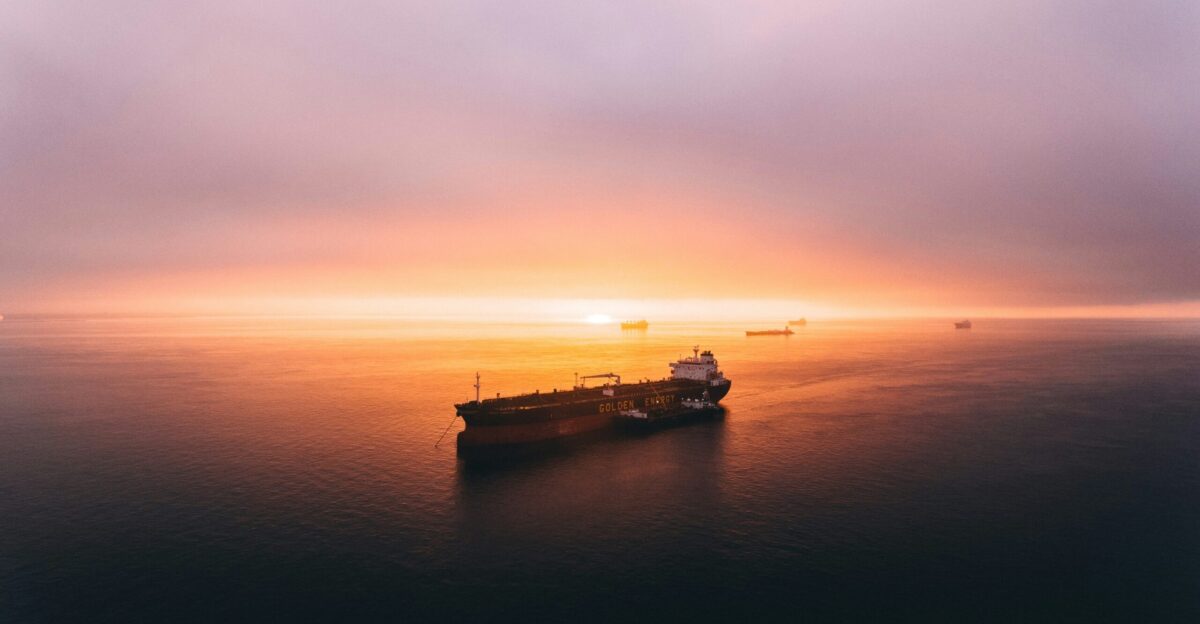
By January 5, Bella 1/Marinera had been tracked for ten consecutive days. Unlike Skipper, this tanker resisted every attempt to board it. The crew changed course, steering away from Venezuelan and Caribbean waters toward the Atlantic.
Shipping analysts traced the route, heading toward the UK’s Atlantic coast. American officials stated they “no longer anticipate” Bella 1 returning to Venezuela.
When Sovereignty Becomes Complicated
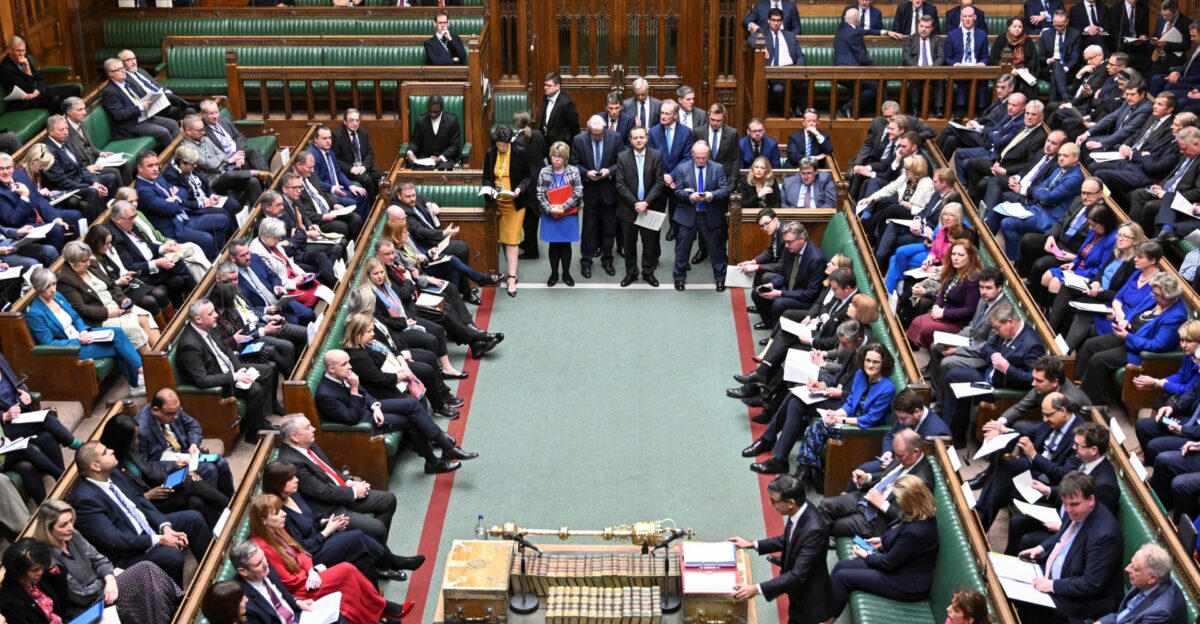
Britain faces an uncomfortable position with no clean options. Historically, the UK has stayed clear of U.S. Latin American operations, maintaining a distance. But Bella 1 heads toward Royal Navy waters. If the U.S. attempts to seize territory near British waters, the UK government faces pressure to either facilitate or distance itself.
Trump’s team views international maritime law as secondary to strategy. AC-130Js and special ops on British bases suggest London coordination—but Parliament wasn’t consulted.
Russia Can Protest, but Cannot Defend
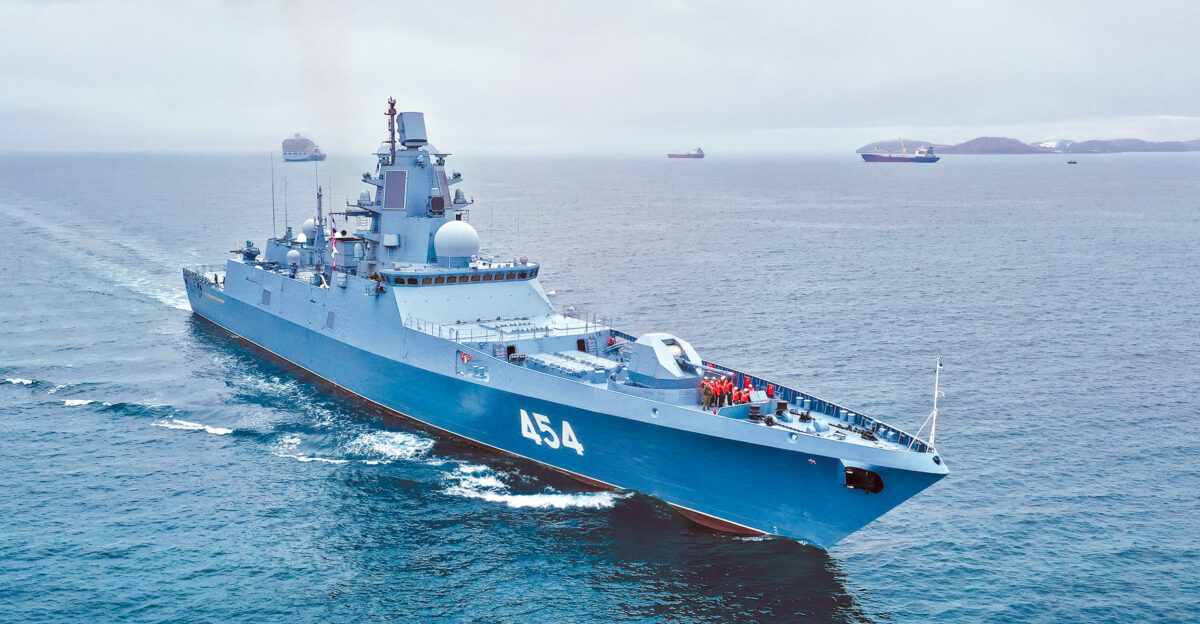
Moscow faces an inescapable reality: it cannot militarily defend a tanker in the Atlantic. Sending a frigate triggers Cold War escalation that Putin won’t risk. Russia’s strategy relies on legal ambiguity and pressure.
By painting a Russian flag and registering Bella 1 in Russian waters, Moscow hoped to raise the seizure’s political cost.
Delcy Rodríguez Steps Into the Shadow
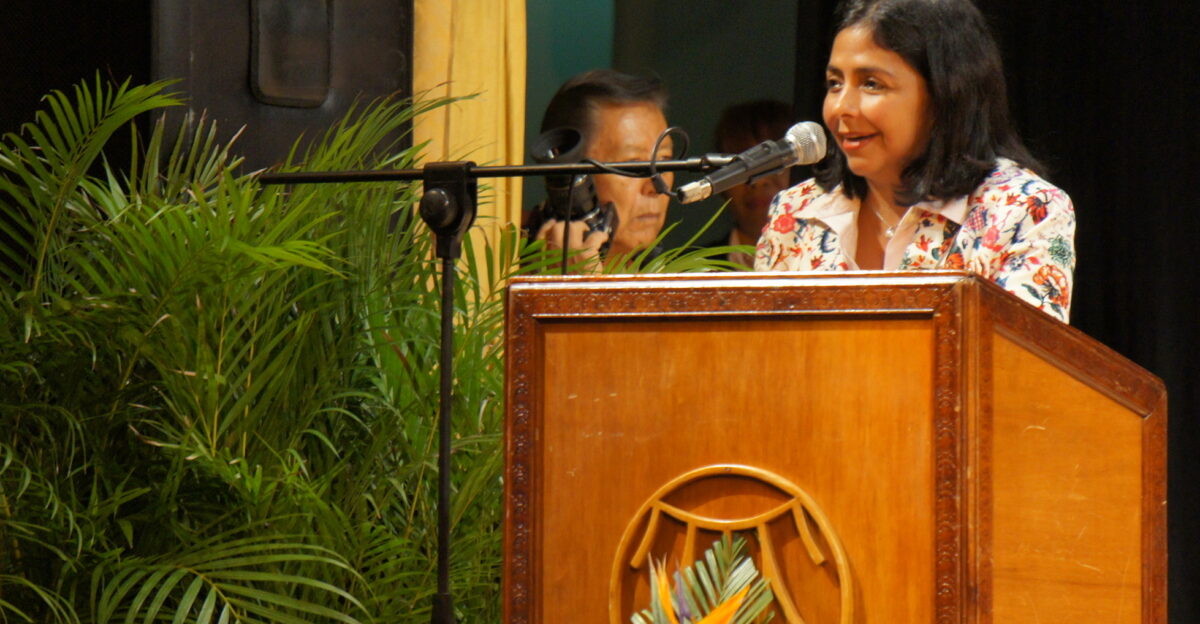
With Maduro locked in Brooklyn, a power vacuum opened in Caracas. Within days, a shadow government coalesced around Delcy Rodríguez, Maduro’s former foreign minister. She outlined a roadmap: a “transitional government” maintaining legitimacy while remaking foreign policy.
Exiled General Miguel Rodríguez Torres is positioned to lead. The trade-off: Venezuela welcomes American investors, cuts ties to Iran and Russia, and accepts American oversight of its oil industry.
Capturing a Dictator in Three Hours
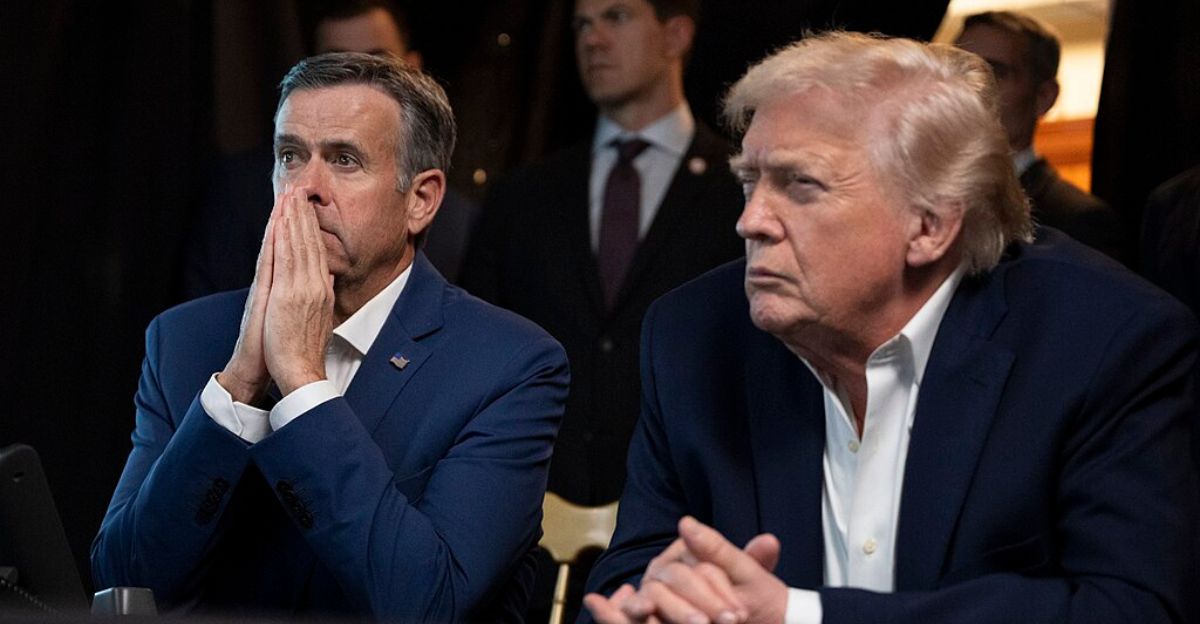
Military historians note the rarity: a sitting head of state captured via a special operations raid, executed with such speed and precision. Trump watched Operation Absolute Resolve from Mar-a-Lago. From insertion to evacuation, less than three hours.
Delta breached fortified doors with blowtorches. Maduro ran to his safe room and was arrested before he could seal it—no mass casualties. No occupation. Just speed and decisiveness that stunned military analysts.
The UN Security Council Convenes
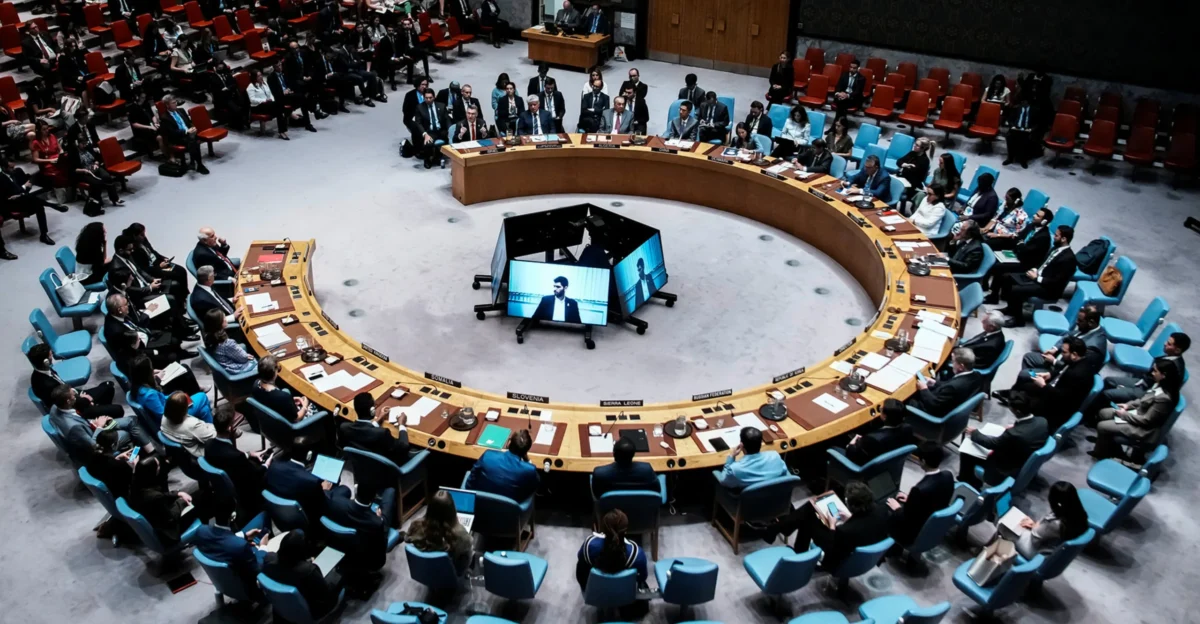
The UN Security Council convened on January 6 to address what nations called a violation of Venezuelan sovereignty. China’s Sun Lei stated U.S. actions “seriously infringe upon other countries’ sovereignty.” African and Latin American nations echoed complaints.
The U.S. and allies vetoed a formal condemnation. Trump’s administration justified its action by invoking presidential war powers and classified intelligence indicating Maduro posed an active threat.
Preparations Are In Place. Orders May Follow.
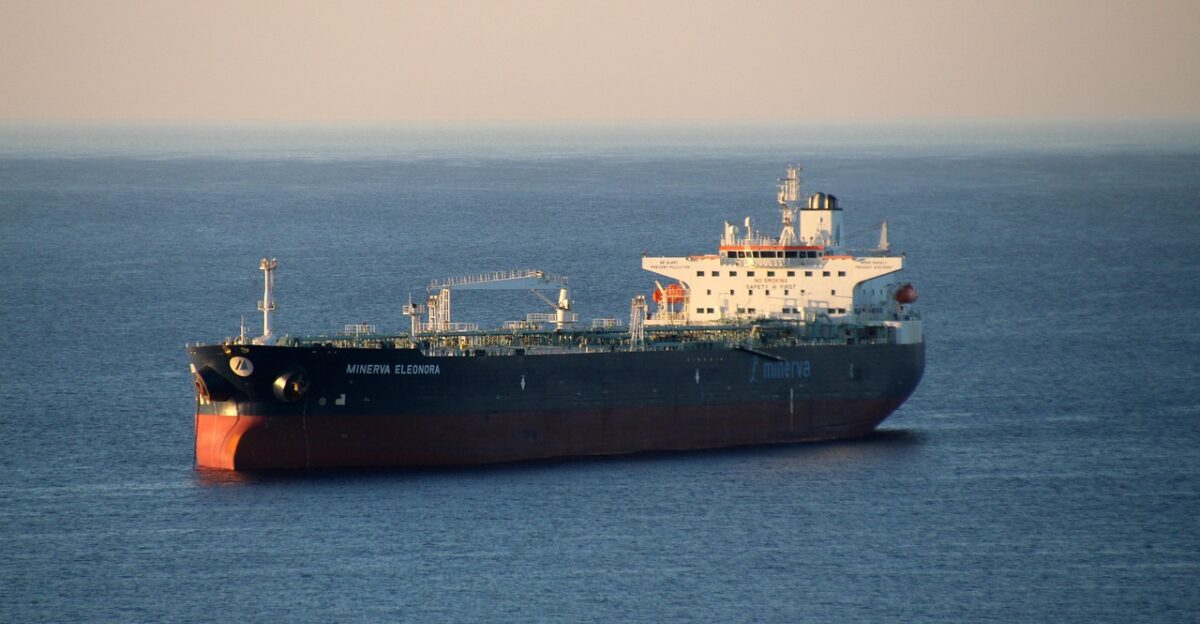
Bella 1 continues toward British waters. American capabilities staged at RAF bases, ready. If Trump orders a seizure, AC-130 gunships provide cover while Maritime Special Response Teams board the resisting vessel. Legal justification rests on maritime seizure warrants and sanctions violations.
Russia’s diplomatic protest won’t stop an ordered operation. Every week Bella 1 remains unseized, every tanker reaching Asia represents victory for Iranian-Venezuelan traders.
What Happens When Might Becomes Strategy
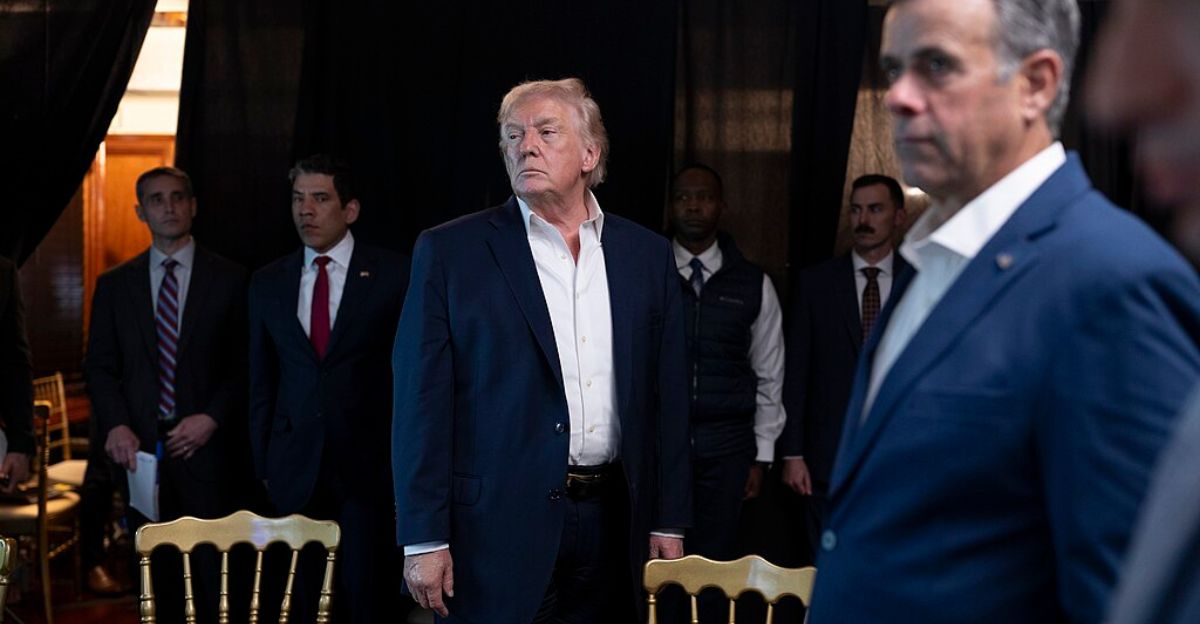
Operation Absolute Resolve toppled a government—the C-17 deployment to British bases established infrastructure for follow-up operations. The Bella 1 hunt signals the administration intends to consolidate control over Venezuela’s resources, not merely its government.
GB News analyst Charlie Peters captured the unspoken philosophy: Trump “cares more for might and strategic U.S. interests rather than niceties of international law.”
Sources:
Trump Says U.S. Will ‘Run’ Venezuela After Capturing Maduro in Audacious Attack – Los Angeles Times
Inside ‘Operation Absolute Resolve,’ the U.S. Effort to Capture Venezuela’s Maduro – New York Times
How the US Captured Venezuelan Leader Nicolás Maduro – BBC
Trump Announces U.S. Military’s Capture of Maduro – U.S. Department of Defense
U.S. Special Ops Aircraft Arriving In UK Could Point To Looming Oil Tanker Boarding Operation – The War Zone
Delcy Rodríguez Sworn In as Venezuela’s President After Maduro Abduction – Al Jazeera