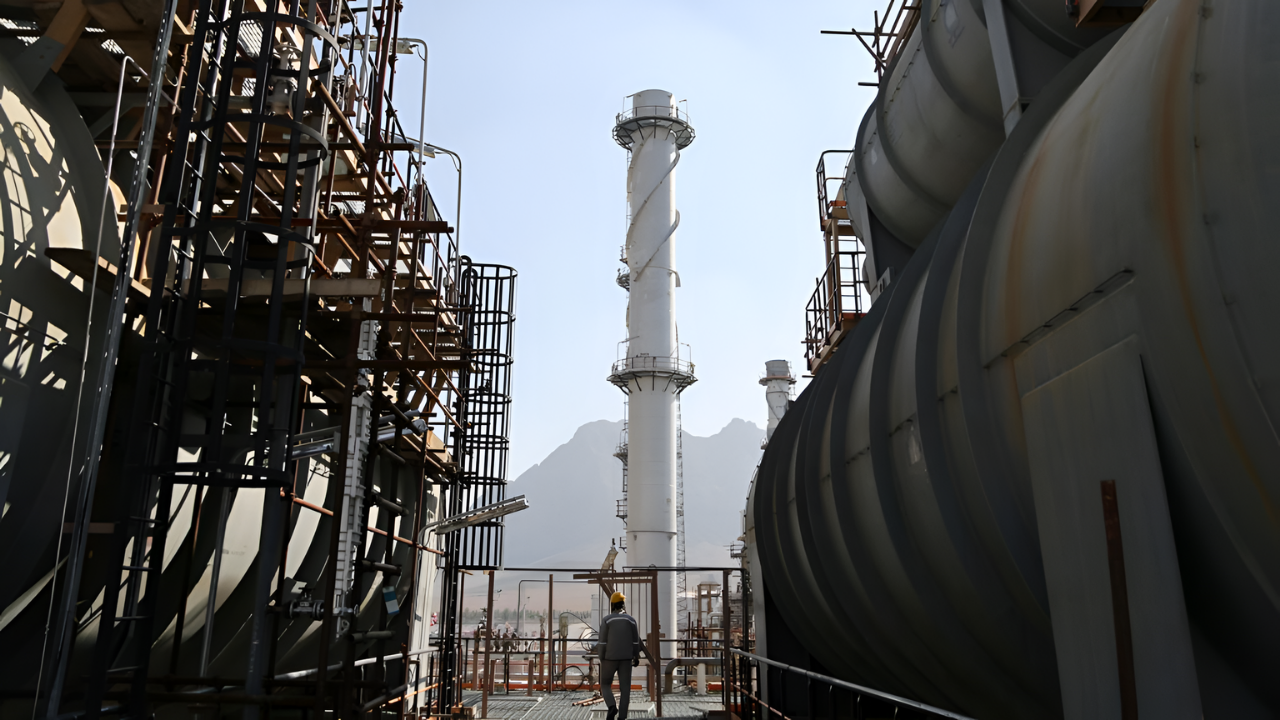
President Donald Trump has issued stark strike threats against Iran, the world’s sixth-largest oil producer, prompting U.S. military evacuations from regional bases and carrier deployments amid soaring market volatility. Oil prices fluctuated sharply—swinging between $58 and over $62 per barrel over several days—as traders braced for disruptions from a nation outputting 3.2 million barrels daily despite sanctions.
Venezuela Raid Establishes Military Precedent in OPEC
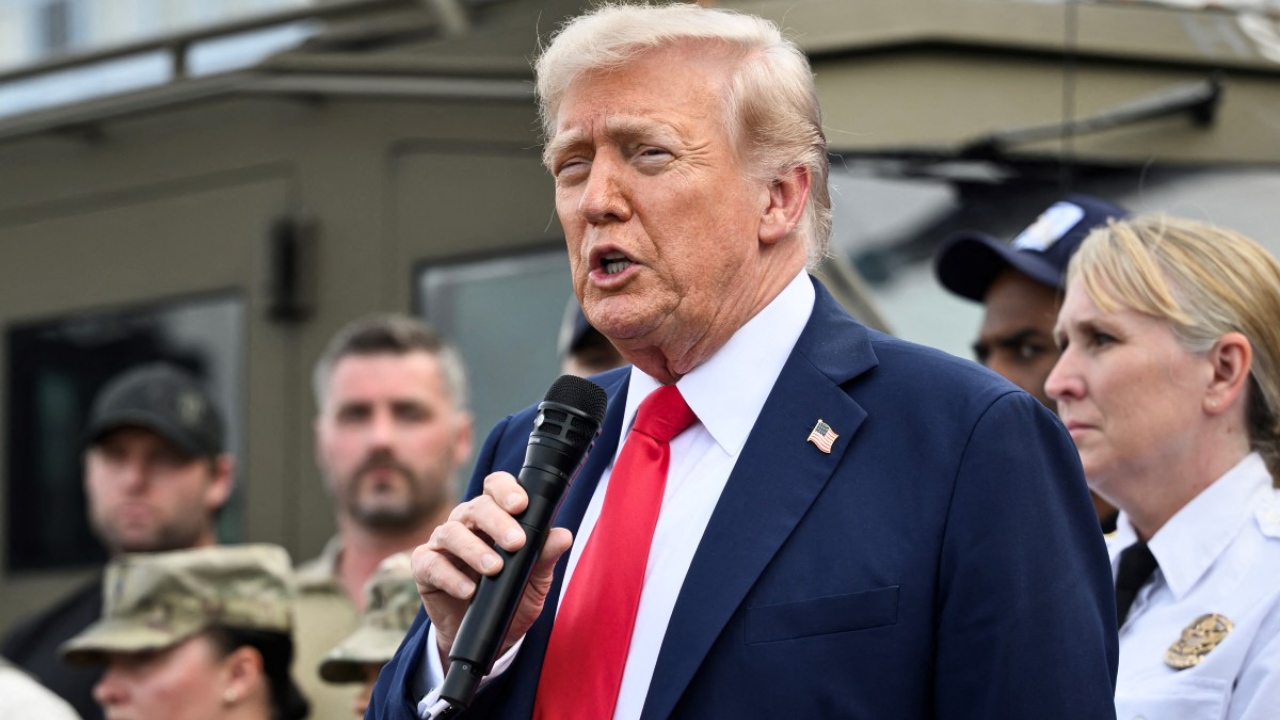
This follows a U.S. Delta Force raid on January 3 that captured Venezuelan President Nicolás Maduro, toppling another OPEC member. Trump released a photo of the blindfolded leader aboard the USS Iwo Jima. The operation killed at least 23 Venezuelan security personnel and 32 Cuban military advisors. Venezuela, with 303 billion barrels in proven reserves—the world’s largest—saw production plummet from 3.5 million barrels per day in the 1970s to 934,000 in November 2025, per OPEC data. Mismanagement, corruption, and sanctions reduced its global share to 1%, limiting market impact.
OPEC’s January 4 meeting urged a cautious approach amid geopolitical uncertainty, sidestepping Venezuela. Analysts highlight the cartel’s fragility with two members destabilized in quick succession. While Venezuela’s low output spared markets major shocks, the military precedent in oil states fuels unpredictable swings that challenge pricing models.
Iran’s Strategic Oil Role and Domestic Upheaval
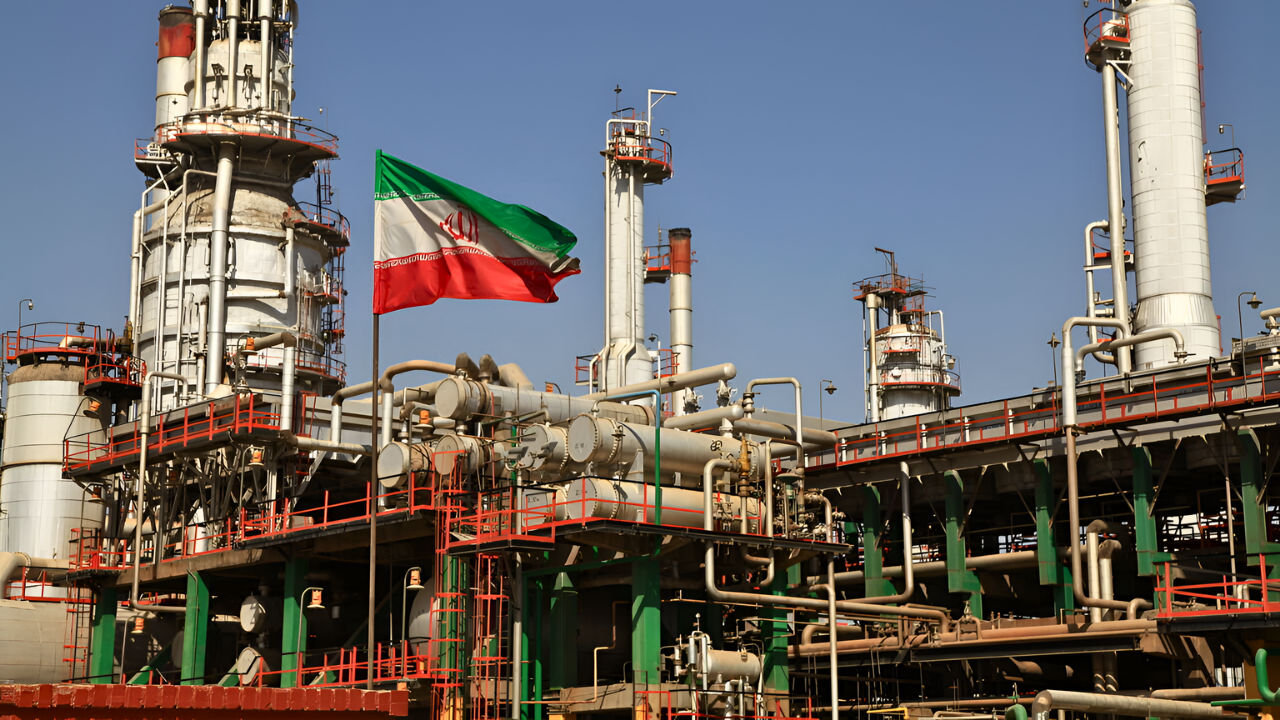
Iran, with 209 billion barrels in reserves—third globally—exports about 2 million barrels daily, four times Venezuela’s volume, supplying 4% of world crude. Trump warned on January 2 that the U.S. was locked and loaded if Iran targeted protesters. By January 13, Pentagon options targeted nuclear sites and missile facilities. Prices hit above $61 per barrel on January 14 before dropping 4% as Trump paused, opting to watch developments. This echoed June 2025 volatility, when crude spiked 7% to $74 amid Israel-Iran tensions, retreating after U.S. strikes on three Iranian nuclear sites in Operation Midnight Hammer spared oil assets.
Protests ignited in Iran on December 28 after the rial’s collapse, morphing into calls to end clerical rule. An official confirmed at least 5,000 deaths, including 500 security forces, in the crackdown—the worst in decades. Human Rights Activists News Agency verified 3,766 fatalities and 24,348 arrests, hampered by internet blackouts from January 8. Chatham House notes Iran’s exposure: Israeli strikes since October 2023 weakened proxies, and U.S. bunker-busters hit Fordo, Natanz, and Isfahan facilities. Trump deemed the nuclear program effectively buried.
China relies on 1.38 million barrels daily from Iran—13.4% of its seaborne imports and 89% of Iran’s exports—via “teapot” refineries blending cargoes to skirt sanctions. These low-margin plants have exhausted the majority of their 2024 quotas, heightening vulnerability. Iran, OPEC’s third-largest producer, maintains decent infrastructure versus Venezuela’s ruins, with potential to revive 3.3 million barrels per day from 1970s peaks of 6.5 million, if stability and sanctions lift allow investment.
Strait of Hormuz: Global Energy’s Critical Chokepoint
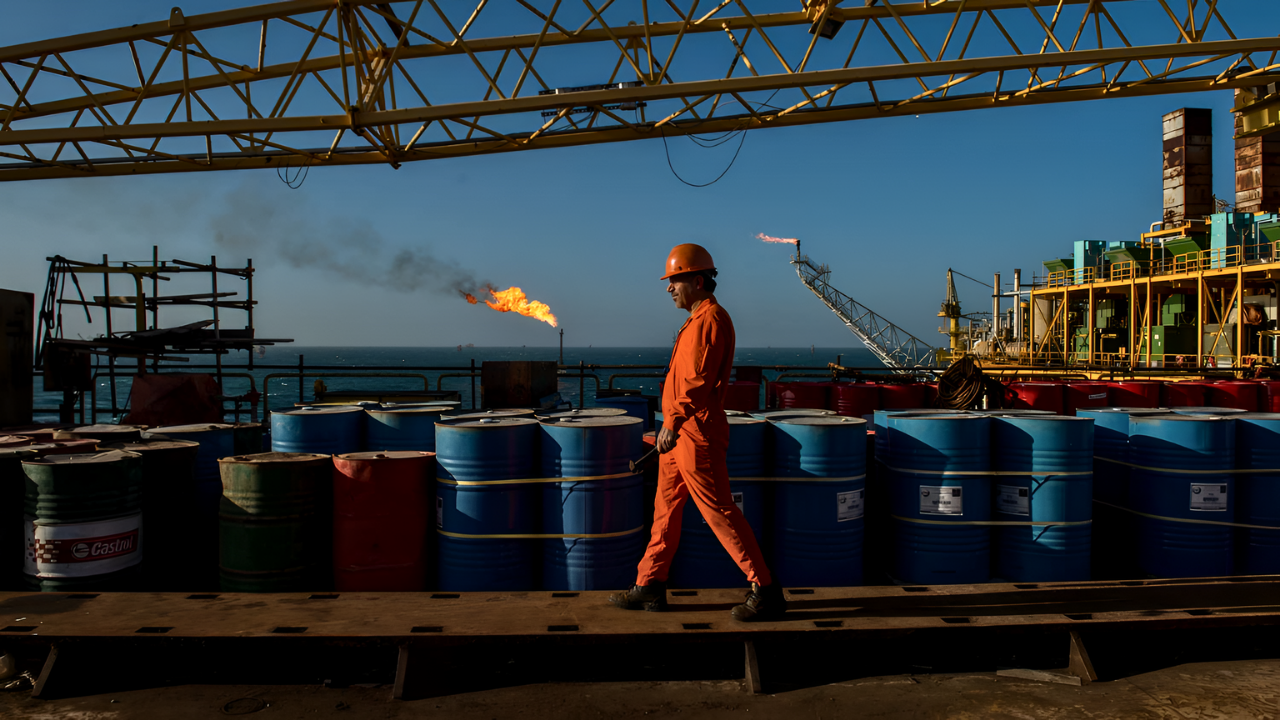
Iran guards the Strait of Hormuz’s northern flank, where 20 million barrels—20% of global consumption—pass daily, per U.S. Energy Information Administration. Some 84% heads to Asia, with China, India, Japan, and South Korea taking 69%. Blockades could lift prices $10-$20 per barrel, or to $120 in extremes. Pickering Energy Partners’ Dan Pickering warned of Iran’s chaos potential in oil markets. DeVere Group’s Nigel Green described Hormuz shifting from corridor to pressure point.
Military moves intensified: the USS Abraham Lincoln group advanced, 12 F-15s landed in Jordan, and hundreds evacuated Al Udeid in Qatar. Iran threatened regional U.S. bases, including in Qatar and Saudi Arabia. White House Press Secretary Karoline Leavitt said on January 15 all options remained open. The Wall Street Journal reported strike preparations ordered January 13 but paused, fostering strategic ambiguity. U.S. Central Command sustains 24/7 planning.
Legal Questions and the Reshaping of Energy Governance
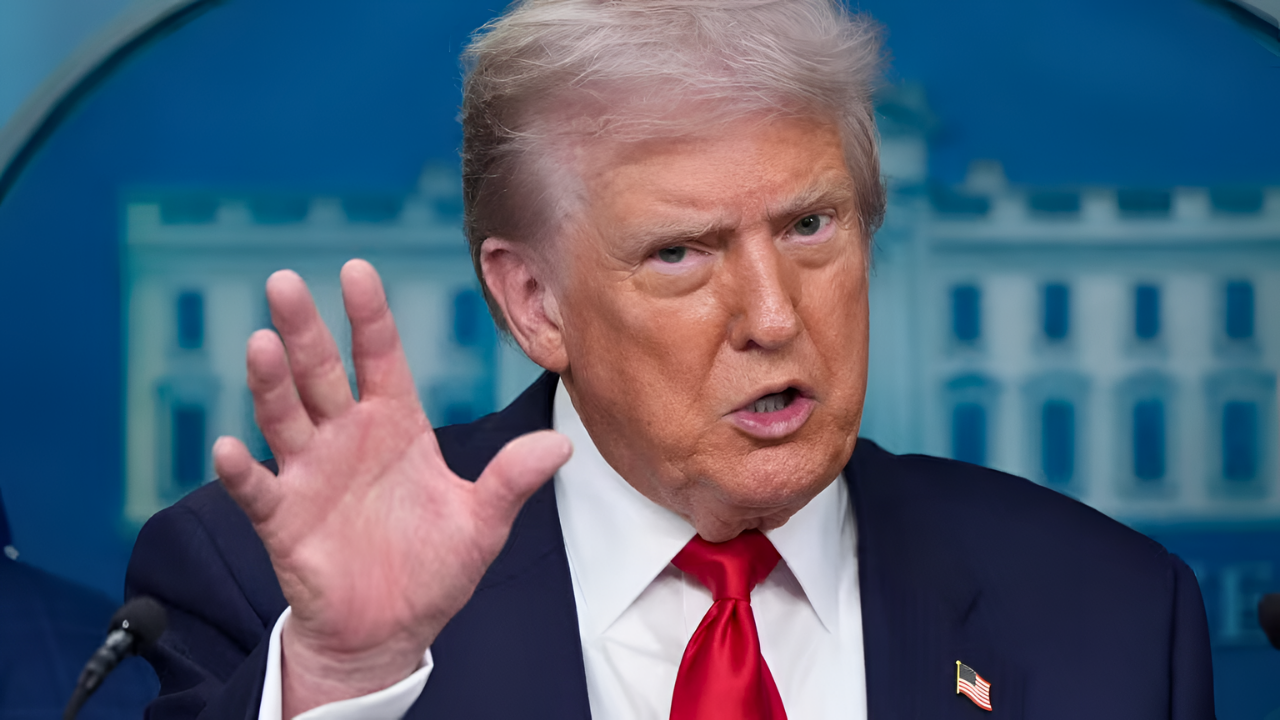
Legal questions swirl. UN officials deemed the Venezuela raid a sovereignty breach. International law experts note tensions between Article 51 self-defense rights and Article 2(4)’s prohibition on force in cases involving humanitarian concerns. Iran, Pakistan, Russia, and Europeans voiced alarms; China stayed silent despite stakes.
These OPEC interventions mark a pivot from sanctions to force, upending energy governance norms. Short-term spikes could boost renewables and electric vehicles, hastening fossil fuel decline, yet instability might stall climate efforts in poorer nations. Iran’s youth-driven unrest—most deaths under 30, heaviest in Kurdish areas—pressures the regime of 86-year-old Ayatollah Ali Khamenei. Outcomes will redefine multipolar energy security, echoing Iraq and Libya’s legacies or forging new stability.
Sources:
CNN: Trump is threatening to attack a country that produces three times more oil than Venezuela
ABC News: Trump warns US is ‘locked and loaded’ if Iran kills peaceful protesters
Reuters: Iranian official says verified deaths in Iran protests reaches at least 5000
U.S. Energy Information Administration: Amid regional conflict, the Strait of Hormuz remains critical to global oil supply
Wall Street Journal: How Trump Went From ‘Locked and Loaded’ to Hitting Pause
Chatham House: Trump’s objective is to force Iran into strategic submission