On January 5-6, 2026, the U.S. Department of Health and Human Services (HHS) sent letters across five Democratic-led states announcing a sudden $10 billion freeze on welfare funds—including child care and cash assistance programs—that would disrupt the lives of millions of low-income families.
The freeze threatened to halt services, potentially affecting childcare access, welfare aid, and essential support. States scrambled to respond as families faced impossible choices between work and basic needs. How did this unprecedented freeze unfold, and what happens next?
Stakes Skyrocket

The freeze affects $10 billion in programs such as Child Care Development Fund (CCDF), Temporary Assistance for Needy Families (TANF), and Social Services Block Grant (SSBG).
California faces the biggest loss, with $5 billion at risk. Families faced potential cuts to child care subsidies and foster care services. What prompted this swift and severe action?
Fraud Sparks Alarm
Allegations of welfare fraud in Minnesota involving federal daycare funds triggered the freeze. The Trump administration cited “serious concerns about fraud and misuse of taxpayer dollars,” though it provided no supporting evidence to justify extending the freeze to the other four states.
States argue the freeze is a pretext to cut vital programs. Could legal action resolve this before it causes lasting harm?
States Fight Back

Attorneys general from California, Colorado, Illinois, Minnesota, and New York filed a lawsuit in the U.S. District Court for the Southern District of New York.
They argue the freeze violates the Administrative Procedure Act and constitutional protections. The states sought an emergency injunction to prevent “irreparable harm.” Will the court side with them?
Judge Halts Freeze
On January 9, 2026, U.S. District Judge Arun Subramanian blocked the $10 billion freeze, issuing a temporary restraining order.
The freeze on funding to CCDF, TANF, and SSBG programs was temporarily lifted, ensuring vital services continue while the lawsuit proceeds. A fast-paced legal battle is expected.
California Reels

California faces the largest impact, with $5 billion frozen. Child care subsidies and essential services like CalWORKS were at risk.
California AG Rob Bonta sued, calling the freeze an illegal and reckless attack on vulnerable families. How many families will be left without support?
Family Heartbreak

In Minnesota, the funding freeze threatened child care services that low-income parents rely on. With potential loss of TANF funds, families faced impossible choices between work and childcare.
Minnesota AG Keith Ellison warned that without childcare assistance, poor families will be forced to choose between parents going to work and paying bills or staying home to provide childcare. The financial strain on parents was mounting.
Regulatory Clash
States argue that HHS bypassed legal channels for audits and sanctions, using fraud allegations as a pretext for cuts.
The lawsuit claims the freeze violates Congress’s spending power. Counties faced a shift of costs to local taxpayers. Can the federal government pivot to a more targeted enforcement approach?
National Ripple

The freeze threatened billions in funding across five states, with New York’s counties bearing a heavy burden.
With $7 billion for TANF, $2.4 billion for CCDF, and $869 million for SSBG at risk, families faced significant disruption. What will the broader effects be as the freeze pushed welfare systems to the brink?
Hidden Trigger

The freeze stems from allegations of welfare fraud involving daycare providers in Minnesota, but the administration extended it to four other states without providing evidence of similar issues in those states.
States argue there is no legitimate justification for the blanket cuts. Is this an overreach, or is the government trying to tackle fraud at all costs?
AG Outrage Boils

New York Attorney General Letitia James called the judge’s ruling “a critical victory for families.” Minnesota AG Keith Ellison described the freeze as part of “Trump’s war on Minnesotans.”
Legal officials expressed frustration over what they see as an attack on vulnerable families, even as fraud investigations continue.
Leadership Locked In
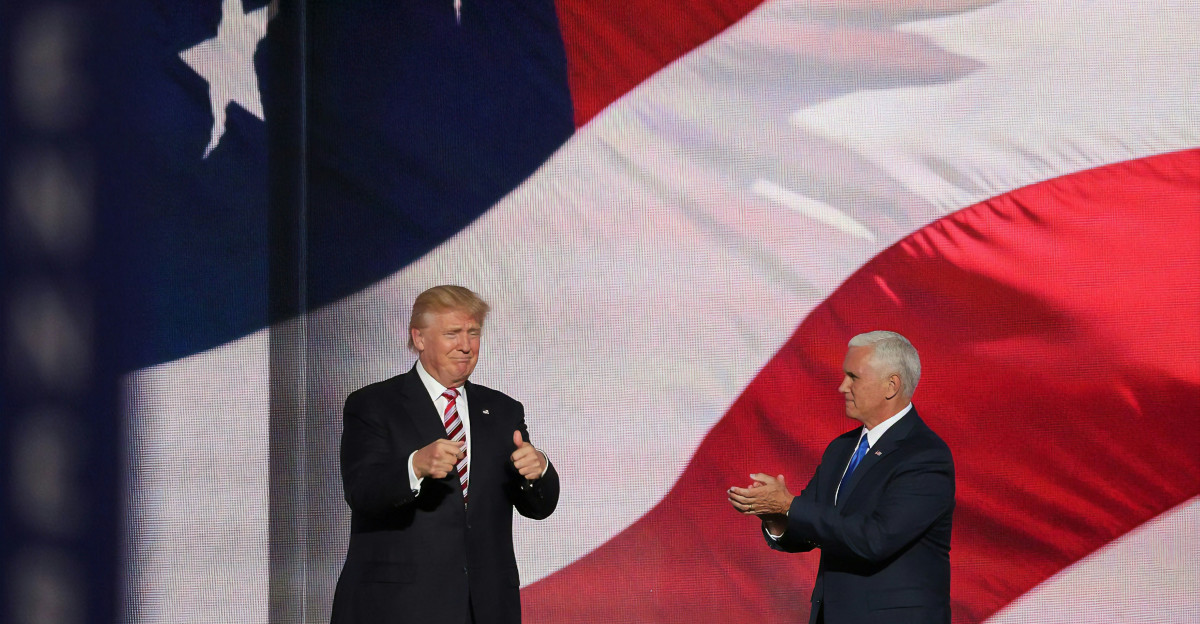
The five states leading the lawsuit—California, New York, Minnesota, Colorado, and Illinois—are holding firm against the Trump administration’s actions.
NYSAC expressed it is considering joining the case to protect counties. Will their unity withstand the pressures of the legal and political fight ahead?
Restoration Push
The temporary restraining order gave the states a 14-day window to push for a permanent block on the freeze.
Advocates urge the feds to restore funds and target fraud through specific oversight, not blanket cuts. Can the safety net hold while recovery plans unfold?
Experts Doubt

Legal analysts question the legitimacy of the freeze, calling it an overreach. Counties warn of the lasting damage to child care providers and vulnerable families.
Is this an attempt to fix fraud, or is it an exaggerated political response that could backfire?
Battle Looms

The clock is ticking on the temporary restraining order, set to expire in 14 days. Will the court decide to allow $10 billion to flow again, or will families face further disruptions?
This high-stakes battle could reshape the future of federal oversight on welfare funding.
Sources:
“Judge Blocks Trump’s $10B Welfare Fund Freeze.” Politico, 9 Jan 2026.
“Trump Administration Freezes Billions in Social Services and Child Care Funding to Five Democratic-Led States.” CNN, 6 Jan 2026.
“Minnesota Investigators Say Child Care Centers Accused of Fraud Have Closed, Assets Moved Overseas.” CNN, 5 Jan 2026.
“Attorney General James Wins Court Order Stopping $10 Billion Cut to Childcare and Support for Vulnerable Families.” New York State Attorney General, 9 Jan 2026.