Iran’s streets pulse with the fury of unprecedented unrest, where security forces have killed at least 2,571 people since protests ignited in January 2026, marking the deadliest challenge to the Islamic Republic in its 47-year history. This toll, reported by U.S.-based human rights group HRANA, surpasses the fatalities from the 2009 Green Movement and 2022 Mahsa Amini demonstrations combined. Over 18,137 arrests have followed, with Tehran closing its airspace and threatening executions amid mounting international scrutiny.
U.S. Mobilization Accelerates
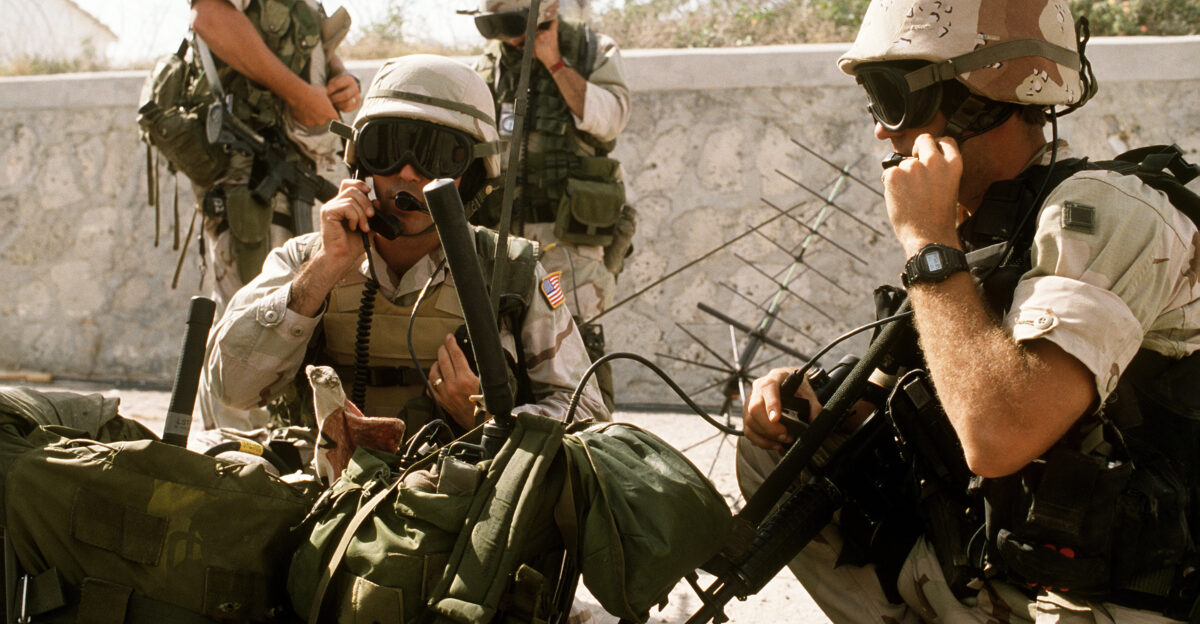
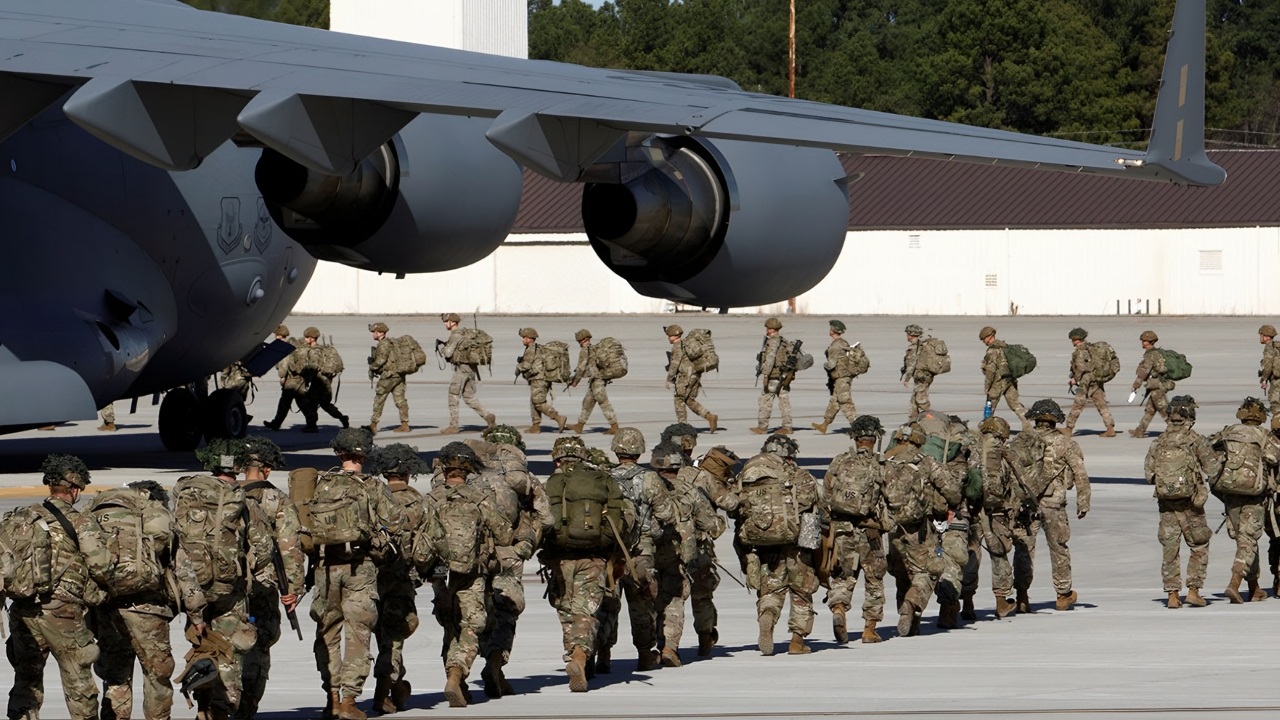
The United States has begun withdrawing personnel from Al Udeid Air Base in Qatar, home to about 10,000 troops and the largest U.S. military hub in the Middle East. Warnings circulate of possible military action within 24 hours. The United Kingdom pulled its staff from the base as well. Spain, Poland, Italy, and Germany have advised their citizens to leave Iran immediately. These moves signal regional preparations for potential U.S. intervention as tensions climb.
Protests’ Deep Roots
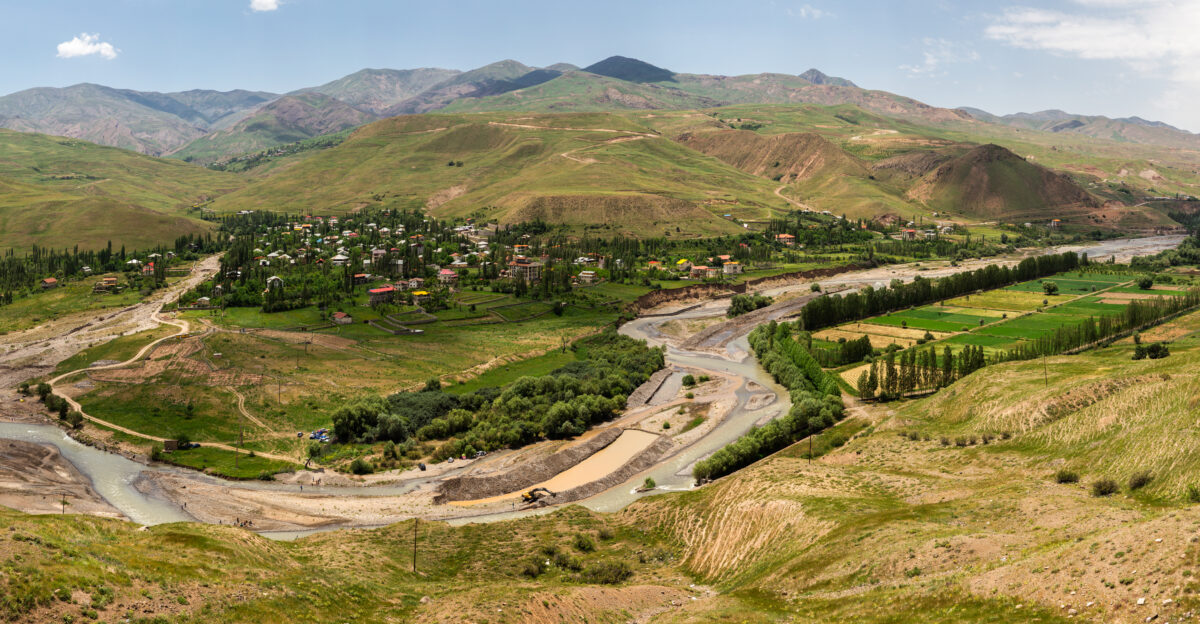
Demonstrations spread across all 31 Iranian provinces, sparked by economic woes but swelling into the broadest anti-regime uprising since 1979. Unlike prior waves that claimed dozens of lives, this one has drawn live fire from the Islamic Revolutionary Guard Corps against unarmed crowds, amplifying its lethal reach. The scale underscores a profound societal fracture, with young, urban protesters coordinating via encrypted apps despite internet blackouts.
Financial Siege Tightens
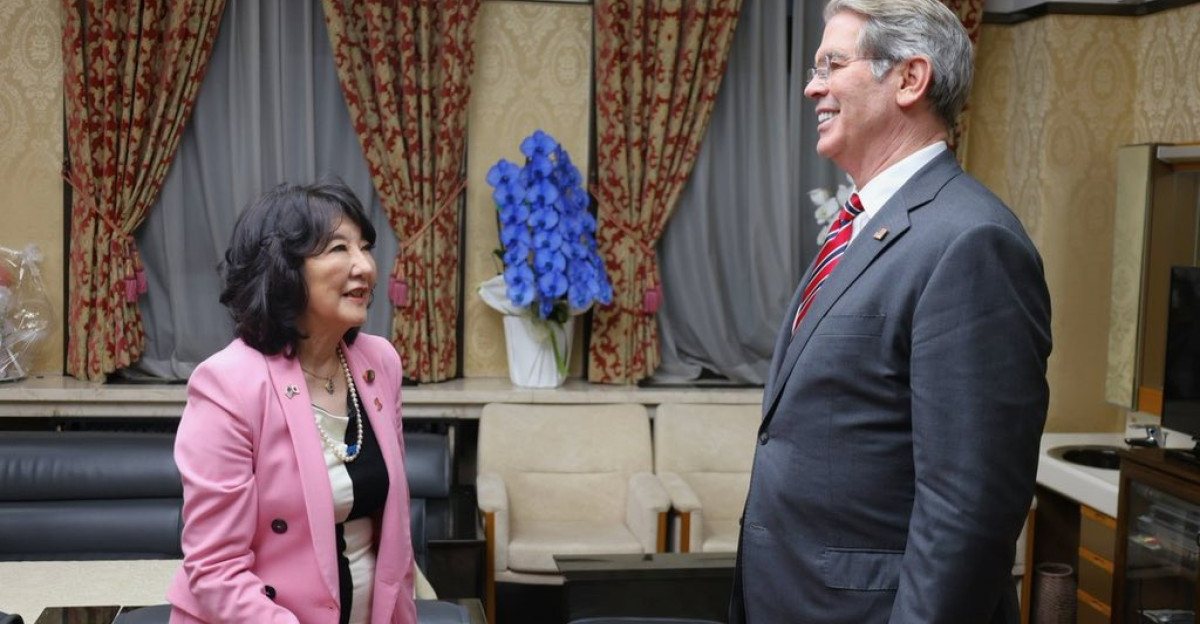
U.S. Treasury Secretary Scott Bessent imposed sanctions on January 15 against Iranian officials linked to the crackdown. He disclosed intelligence tracking tens of millions of dollars smuggled abroad by regime leaders through global banks, likening it to rats abandoning a sinking ship. This asset exodus hints at crumbling internal stability and eroding financial pillars that sustain the regime and its forces.
Strategic Calculations and Restraint
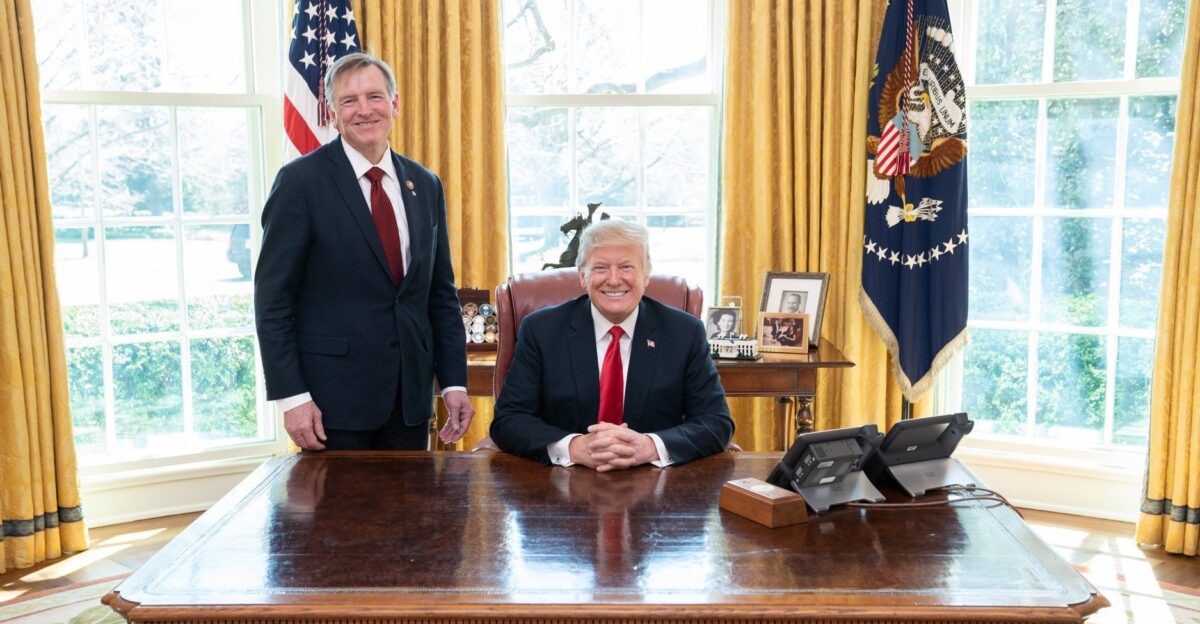
President Trump informed advisors he stands ready to authorize strikes, eyeing a precise operation against leadership and infrastructure, per a Washington source cited by The Independent on January 14. Yet his approach favors awaiting a banking collapse to starve the Revolutionary Guard Corps, potentially sparking internal implosion without direct combat. On the same day, Trump stated Iran had paused protester killings and executions, calling it a positive shift, though Iran’s judiciary denied any deal. Israeli Prime Minister Benjamin Netanyahu urged delay, warning airstrikes alone would not cripple Tehran and could ignite wider war. Allies like the UK, Saudi Arabia, and European states echo caution, prioritizing evacuations over endorsement of force. Pentagon planners, briefed on strike options, express frustration over undecided timelines, with some sources pushing action days away.
The path ahead balances brinkmanship with restraint. A U.S. strike risks Iranian retaliation against 50,000 American troops in Qatar, the UAE, Saudi Arabia, Turkey, and Iraq, possibly engulfing Israel, proxies, and oil routes through the Strait of Hormuz—spiking global prices and inflation. Financial warfare might topple the regime bloodlessly, reshaping Middle East power without invasion’s toll. Protesters’ demands for reform and freedom persist as the true wildcard, their momentum testing Tehran’s grip. The coming days will clarify if economic isolation suffices or if force proves unavoidable, with stakes echoing across borders and markets.
Sources:
Reuters: “At least 2571 killed in Iran’s protests, US-based rights group HRANA says”
The Independent: “Trump ‘ready to push the button’ on airstrikes in Iran as US evacuates thousands of troops from Middle East bases”
U.S. Treasury Department: “Secretary Bessent Announces Sanctions Against Architects of Iran’s Brutal Crackdown”
BBC: “Who is Erfan Soltani, Iranian protester whose execution was reportedly postponed”
Air & Space Forces Magazine: “US Evacuates Al Udeid as Trump Weighs Action Against Iran”
New York Times: “Trump Says Iran Is Stopping Its Killings of Protesters”