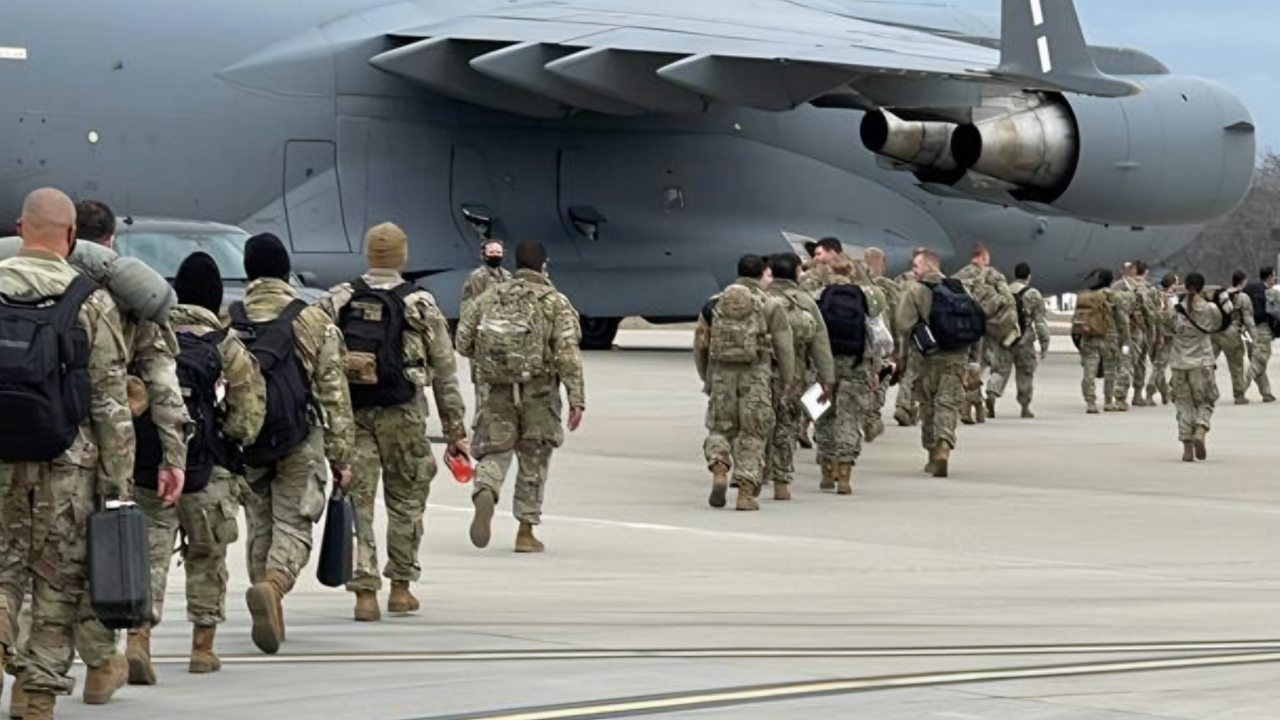
Iran’s streets have become battlegrounds, with over 2,600 deaths in 14 days marking the deadliest unrest since the 1979 Islamic Revolution. As the rial collapses and protests swell, President Trump has escalated U.S. military moves, raising fears of imminent conflict in the Persian Gulf.
Economic Collapse Sparks Uprising
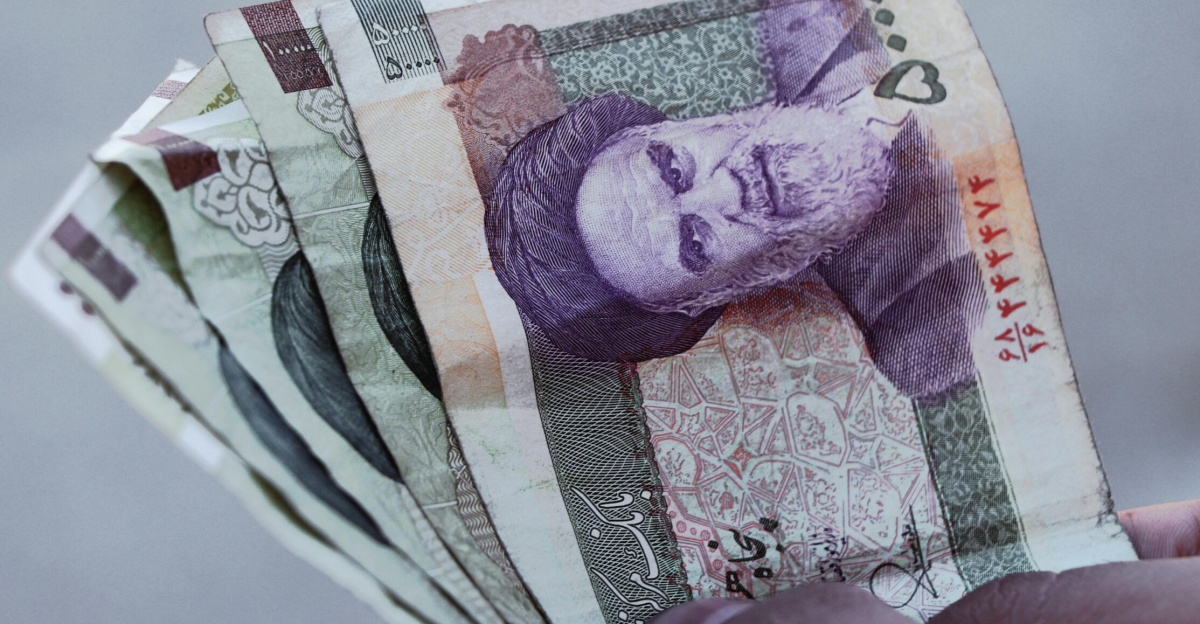
Iran’s currency plunged to 1.4 million rials per U.S. dollar in December, fueling annual inflation of 42.5 percent. Savings vanished for ordinary citizens, igniting protests over basic necessities that quickly morphed into a broader assault on four decades of theocratic governance.
The Human Rights Activists News Agency recorded 2,615 deaths by mid-January: 2,403 protesters, 147 government forces, and children caught in the violence. French Foreign Minister Jean-Noel Barrot described it as the most violent repression in Iran’s modern history, with many victims shot at close range using automatic weapons. This surpassed the 2019 protests’ toll by over 1,000 deaths, achieved in half the time.
Trump’s Signals and Military Shifts
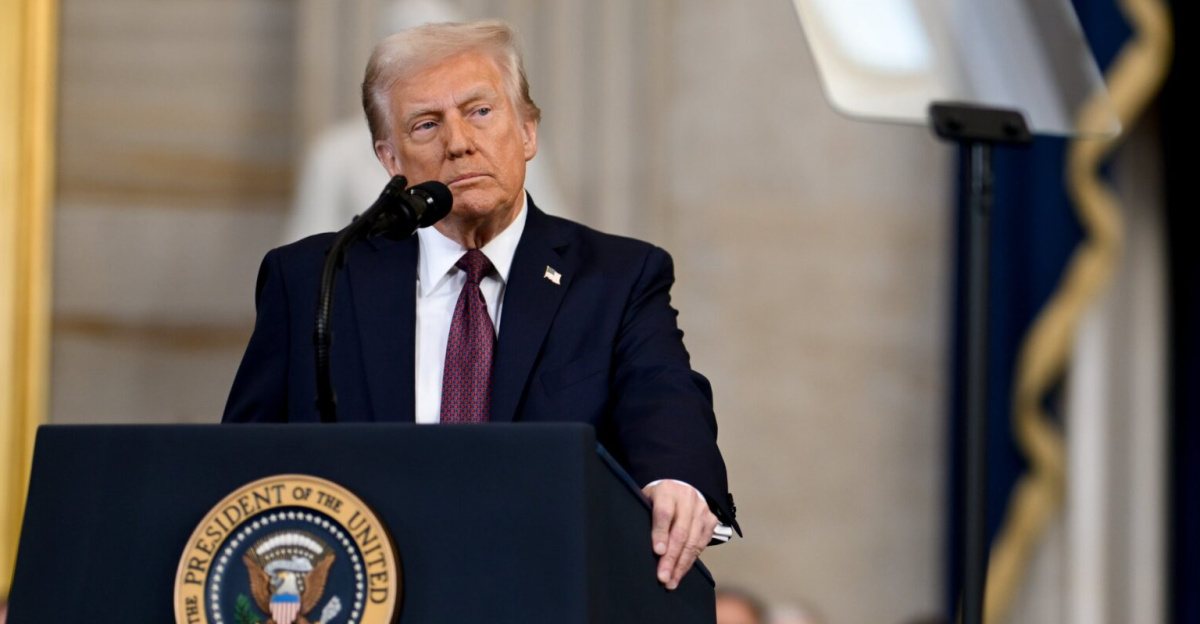
Trump posted on Truth Social urging Iranian protesters to seize institutions, adding that help was on the way, though he offered no specifics when questioned. Meanwhile, Al Udeid Air Base in Qatar, housing 10,000 U.S. troops and serving as U.S. Central Command’s hub, began evacuating personnel. Britain pulled personnel from the site, signaling preparations for potential Iranian retaliation.
A source near Trump indicated readiness for targeted strikes to dismantle the regime. European officials told Reuters that U.S. intervention could occur within 24 hours. A Western military official noted to Reuters that such unpredictable signals were deliberate strategy, keeping adversaries off balance.
Iran’s Warnings and Retaliation Threats
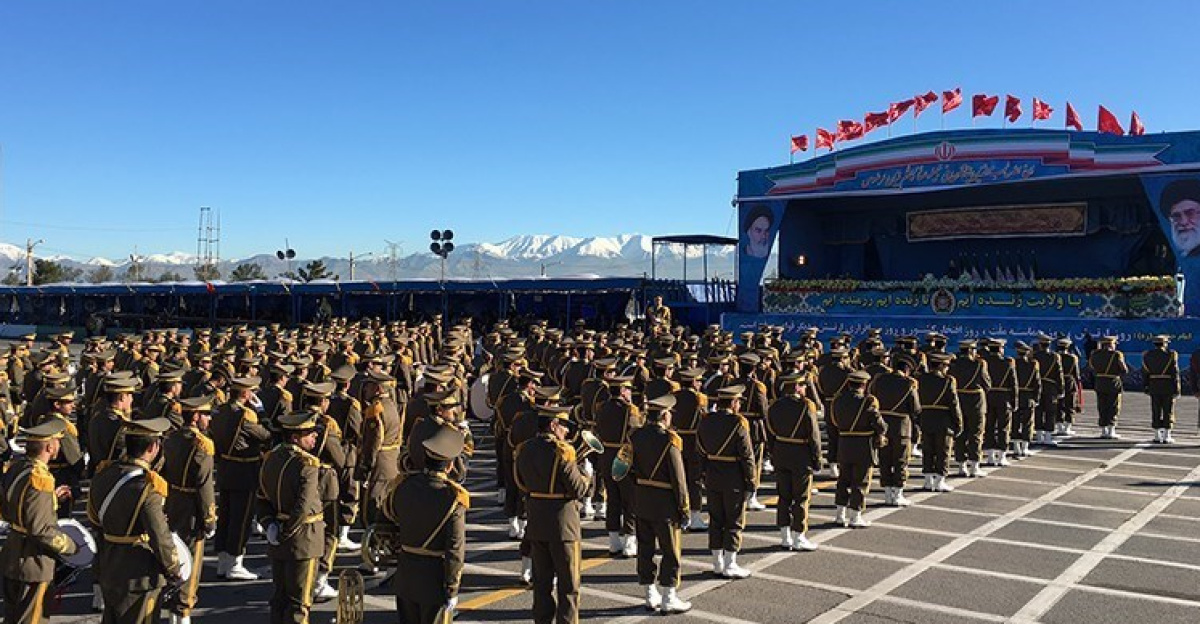
Recalling Operation Midnight Hammer in June 2025—when U.S. B-2 bombers and Israeli forces struck nuclear facilities at Natanz, Fordow, and Isfahan—Iran warned it would target U.S. bases in Saudi Arabia, the UAE, and Turkey if struck again. A senior Iranian official told Reuters that retaliation would follow any U.S. attack, urging those nations to block American launches. Gulf diplomats pressed Washington for restraint.
The Strait of Hormuz, through which 20 million barrels of oil—20 percent of global supply—flow daily, looms large. Closure or tanker attacks could surge prices and trigger worldwide recession, explaining allies’ hesitance.
Crackdown and Isolation Tactics
Authorities arrested over 18,000 protesters, with the judiciary pushing fast-track trials and threats of executions. State media denied hanging plans, but officials’ rhetoric suggested otherwise. On January 8, internet access fell to 1 percent of normal, blocking calls and social media. Starlink provided brief relief until GPS jamming caused 80 percent packet loss.
Diplomatic lines severed: talks between Iranian Foreign Minister Abbas Araqchi and U.S. Special Envoy Steve Witkoff ended. The U.N. Security Council convened at U.S. request, with G7 ministers threatening more restrictions. Russia cautioned of catastrophic fallout, while China called for calm.
De-escalation and Lingering Tensions
Trump later cited unnamed sources claiming killings had halted and executions averted, pulling back from strikes while saying options remained open. He redirected the USS Abraham Lincoln Carrier Strike Group from the South China Sea to the Gulf, with Arleigh Burke destroyers carrying Tomahawk missiles now in range. Iranian officials indicated executions were off the table.
Iran’s leadership faces its gravest internal threat amid economic ruin, youth anger, and global scrutiny. Trump’s mix of threats, deployments, and pauses has forced concessions without direct combat—for now. The regime’s survival hangs in balance; miscalculation could engulf the region in wider war, disrupting energy flows and alliances alike.
Sources:
U.S. Central Command and Department of Defense statements on Al Udeid Air Base personnel adjustments, January 14, 2026
U.S. Central Command and Department of Defense statements on Al Udeid Air Base personnel adjustments, January 14, 2026
Human Rights Activists News Agency (HRANA) death toll documentation and casualty verification, January 15, 2026
Reuters reporting on Trump administration Iran intervention timeline and European official statements, January 14, 2026
French Foreign Ministry statement by Jean-Noel Barrot on Iran crackdown characterization, January 13, 2026
Iranian Foreign Ministry and judiciary statements on protest response and diplomatic suspension, January 8-15, 2026