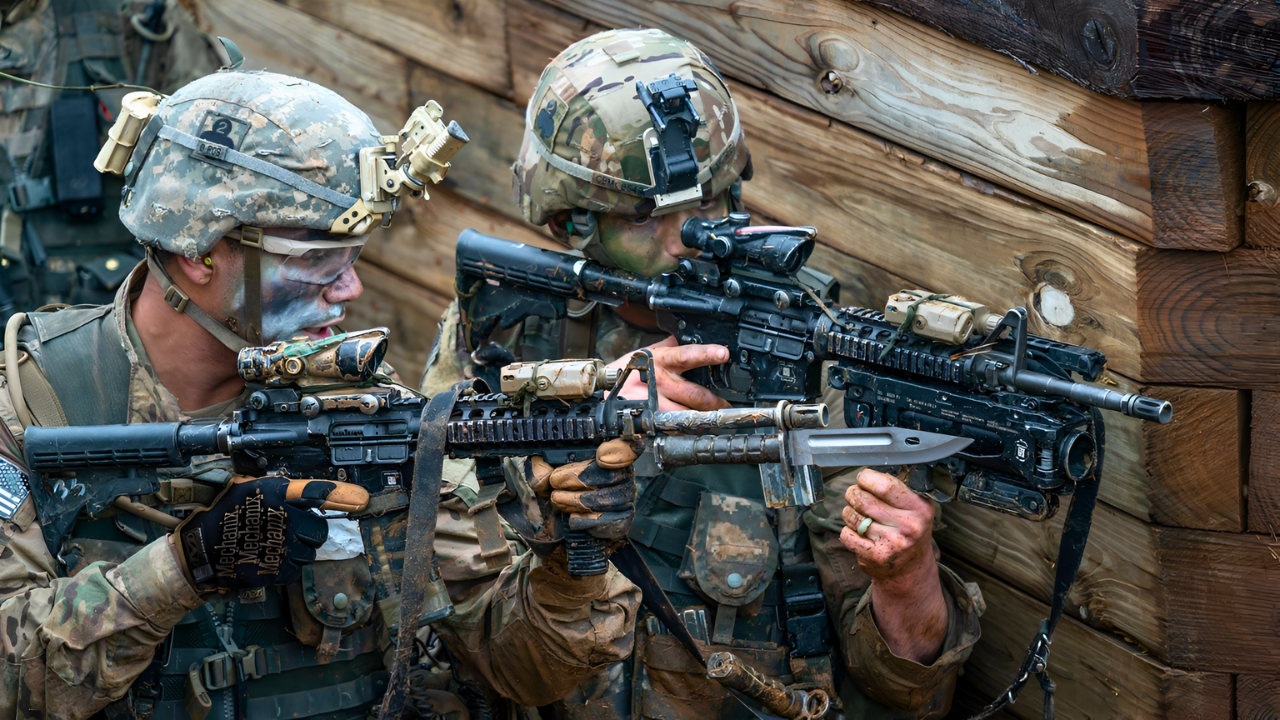
The United States is cutting back its military footprint in Romania, a key ally on NATO’s eastern edge. About 700 soldiers from the 2nd Infantry Brigade Combat Team of the 101st Airborne Division are heading home under a new order from the Trump administration.
This change will reduce U.S. forces in Romania from about 1,700 to 1,000. The move has stirred unease among NATO members, especially since Romania sits so close to Ukraine, where fighting still rages. Analysts warn that fewer American troops could expose a gap in the region’s defense network. Pentagon officials say the redeployment is part of a larger realignment to meet global demands, not a retreat from Europe.
Tensions Rise Over Eastern Security
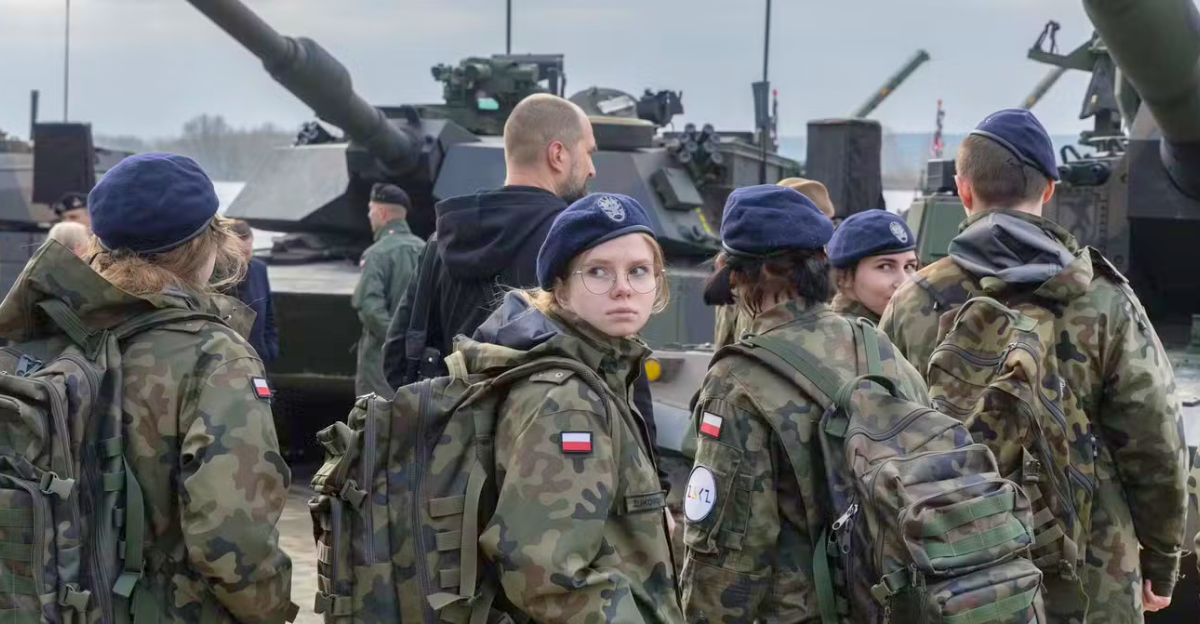
European leaders are alarmed that fewer American troops could make NATO’s border with Russia weaker. The drawdown comes at a time when the continent is still shaken by Russia’s invasion of Ukraine.
Many fear Moscow could see this as a sign of hesitation from Washington. NATO’s eastern members, like Poland, the Baltics, and Romania, have asked for reassurances that the alliance will remain vigilant. While the U.S. has stressed that its commitment to NATO is ironclad, the physical absence of troops tells a different story for those on the front line.
How NATO Fortified Its Eastern Edge
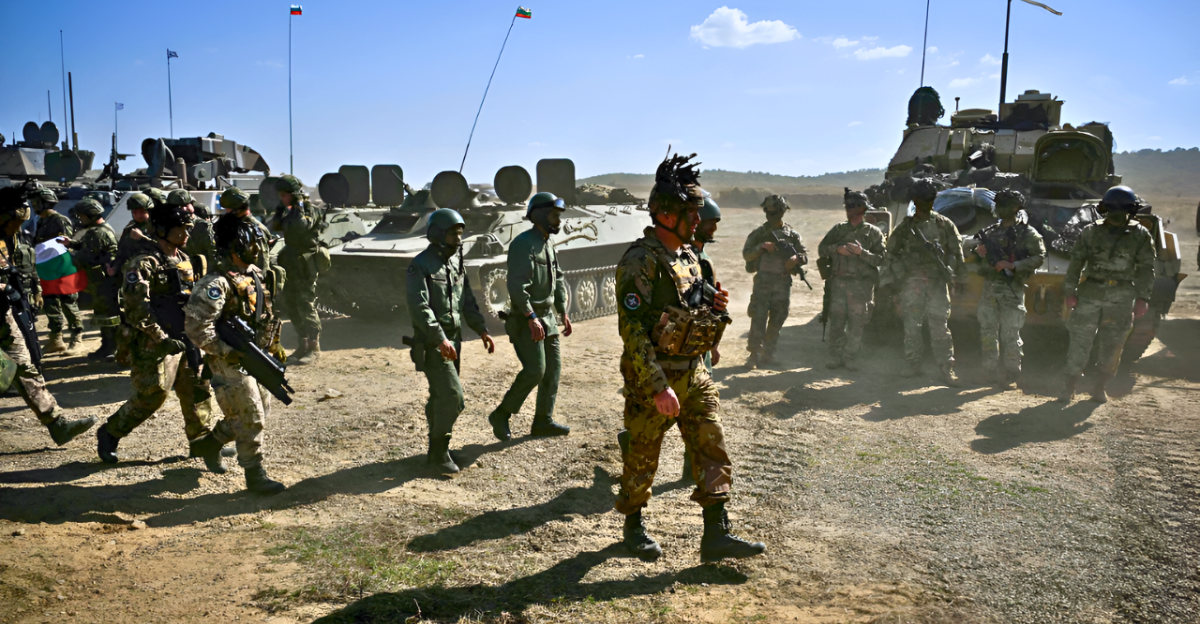
After Russia’s invasion of Ukraine, the U.S. and its allies began rotating troops into Eastern Europe to keep Moscow in check. One of the biggest deployments involved the 101st Airborne Division in Romania. The troops stationed there helped train with NATO partners, run joint drills, and reinforce border positions.
The idea was simple, make any potential attack too costly for Russia to attempt. Over time, that presence became a symbol of American commitment. Romania became a hub for coordinating exercises and logistics across the Black Sea region.
Shared Defense Pressure Builds
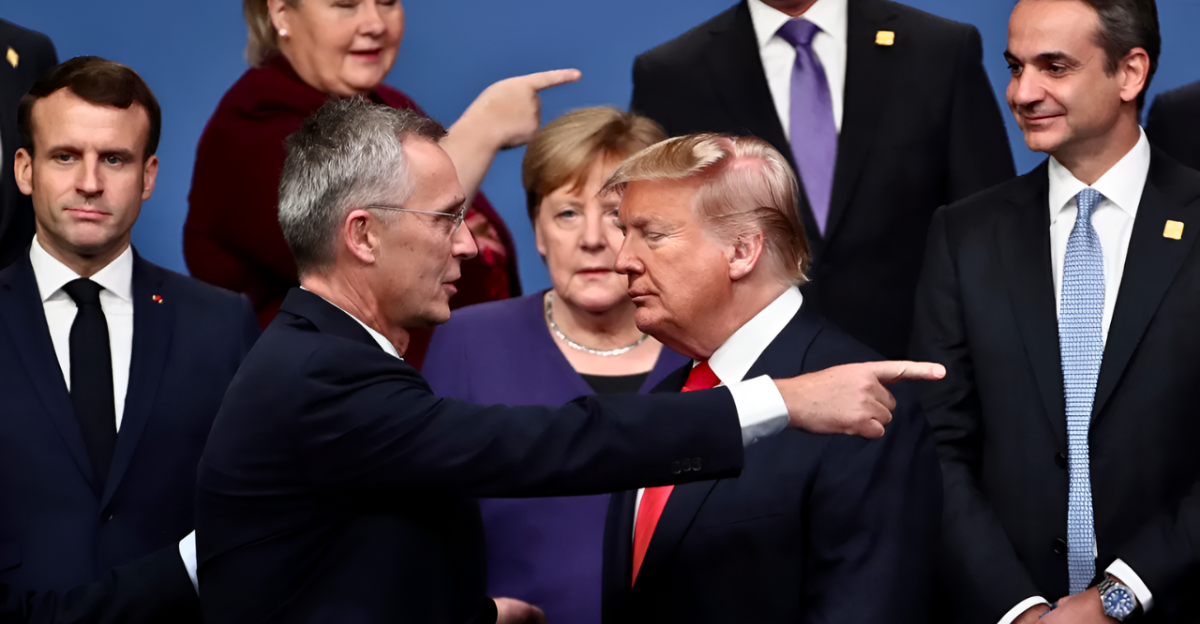
President Trump’s strategic focus on the Indo-Pacific is reshaping U.S. military priorities. Europe is being asked to shoulder more responsibility for its own defense. NATO’s 31 member nations have long been encouraged to spend at least 2 percent of their GDP on defense, a goal many are still racing to meet.
“Europe must no longer depend entirely on American protection,” said Poland’s Deputy Defense Minister. The administration argues that allies are now better prepared than before, with modernized armies and new regional partnerships. European countries, however, see additional defense spending as a financial and political challenge.
The Withdrawal Order Lands
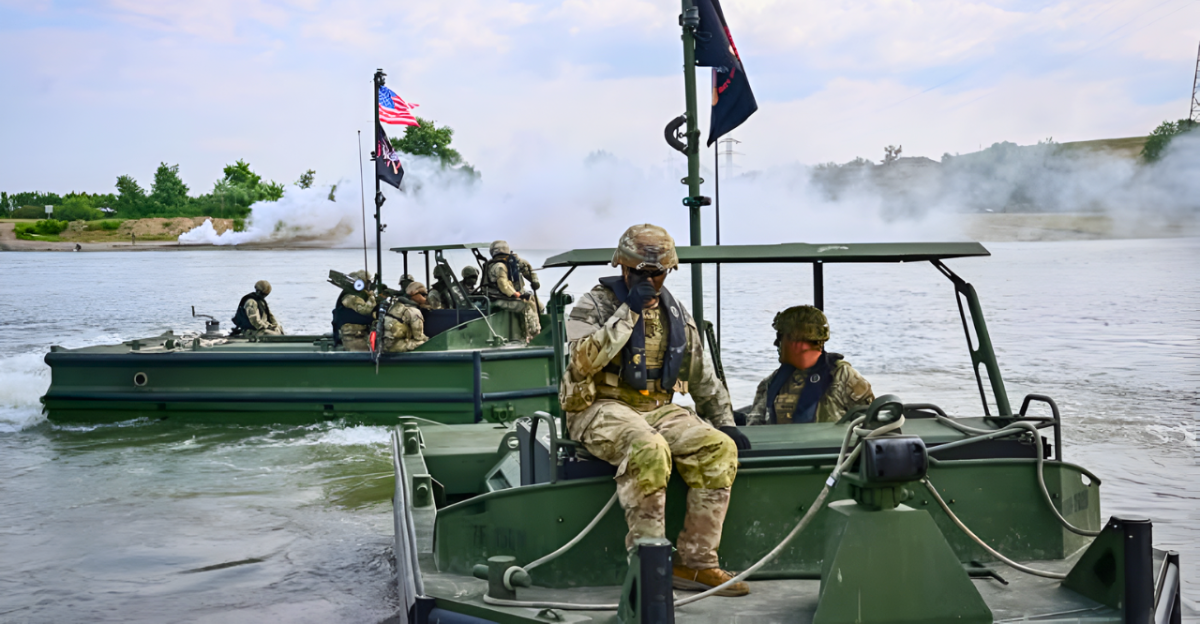
On October 29, 2025, the Trump administration officially ordered the withdrawal of the 2nd Infantry Brigade Combat Team from Romania. The Pentagon confirmed that these troops will not be replaced, dropping the U.S. troop count by nearly half. The timing caught many by surprise, given rising security tensions around Ukraine.
Still, the news has raised questions about whether NATO’s deterrence posture could be weakened. Analysts say it will now fall to European partners to fill the gap through coordinated exercises and joint response forces.
Romania Faces a New Normal
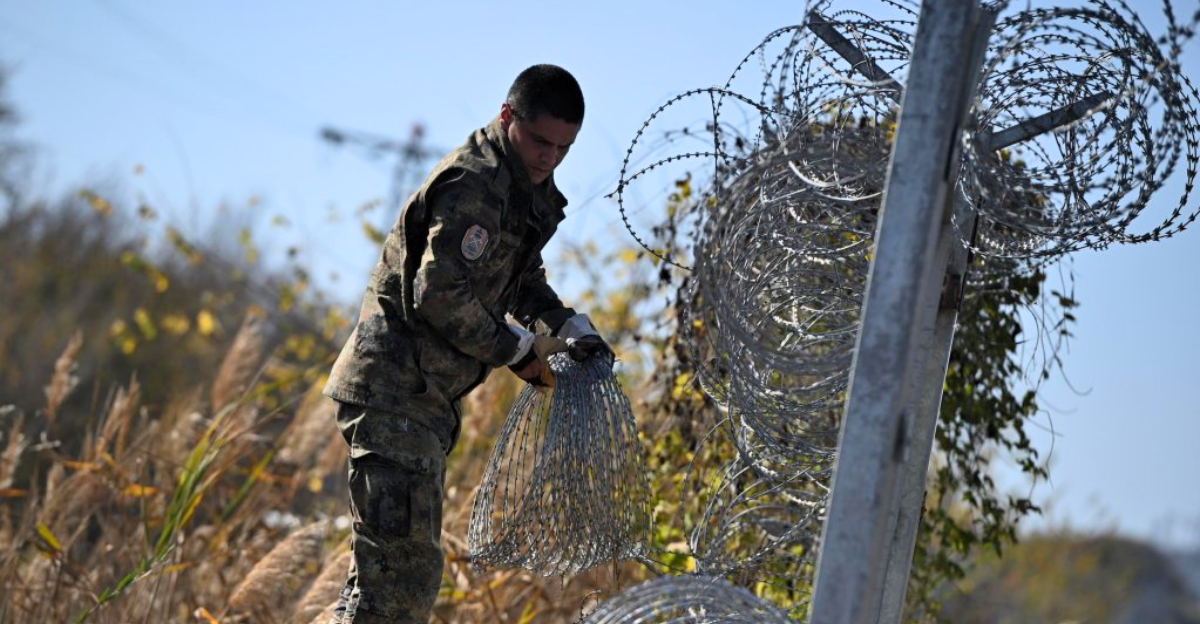
Romania borders Ukraine and Moldova, making its location vital to NATO’s security calculations. With U.S. troops set to drop by 40 percent, local leaders are balancing reassurance with realism. NATO currently operates several multinational battlegroups across the region, which officials believe can offset the reduced American presence.
Romanian defense planners have also expanded cooperation with Germany, France, and Poland to ensure readiness. Local sentiment is mixed, with pride in the country’s growing defense leadership but unease about the proximity to instability. Experts note that Romania’s air base at Mihail Kogălniceanu remains critical for rapid NATO deployments.
Allies Voice Unease
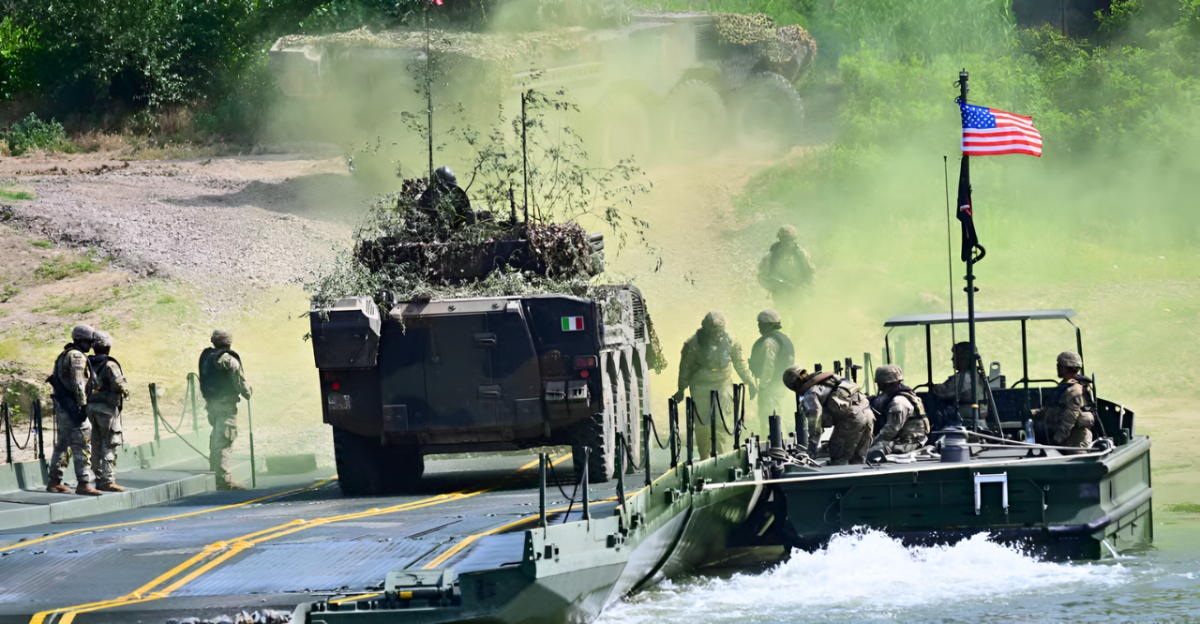
The troop reduction has rattled NATO allies who fear it could send the wrong signal to Russia, according to Senator Roger Wicker, a member of the Senate Armed Services Committee. His remarks reflect a wider belief that now is not the time to scale back. Local officials and community members in Romania and elsewhere share the concern.
Many recall how Russia tested NATO’s resolve in Crimea and Georgia when the alliance appeared divided. Romanian villagers near U.S. bases have expressed sadness about losing both economic benefits and a sense of security. Still, Washington insists the alliance remains united and capable.
Europe Steps Up Its Game
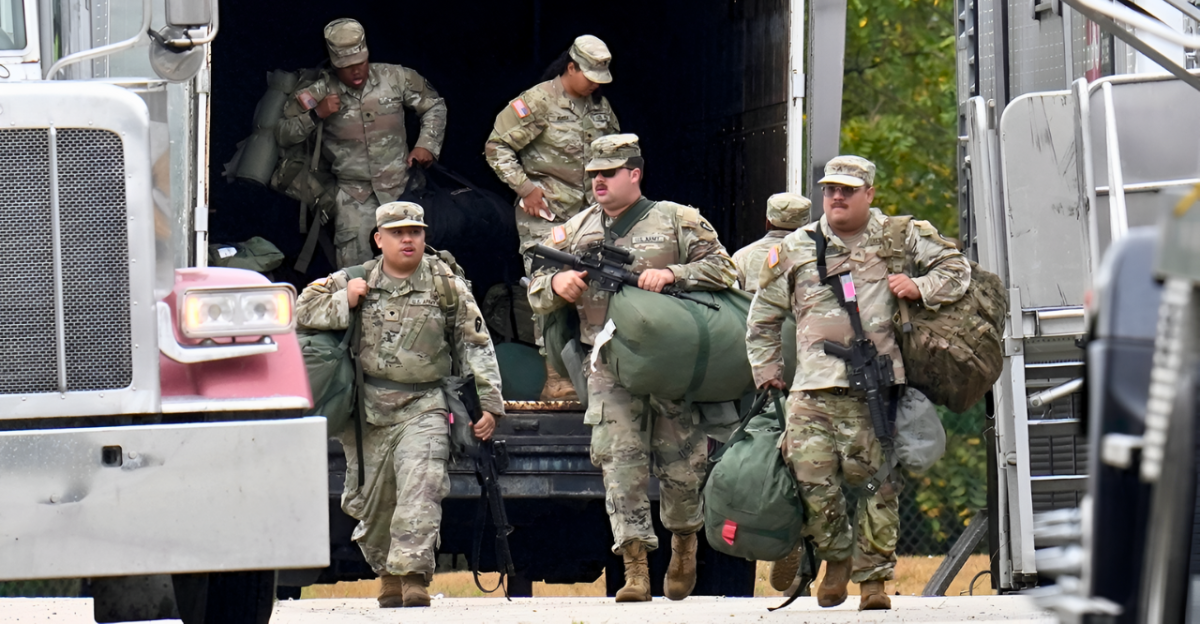
As American troops scale back in Romania, European allies are taking visible action to protect their borders. Germany recently deployed a new armored brigade to Lithuania, marking the first permanent German base outside its borders since World War II. The move is part of a wider European plan to strengthen NATO’s eastern flank.
France, Poland, and the Baltic states are also increasing defense budgets and adding new combat units to deter any Russian threats. These efforts represent the first coordinated attempt to fill potentially dangerous gaps left by shifting U.S. deployments.
A United Wall of Defense
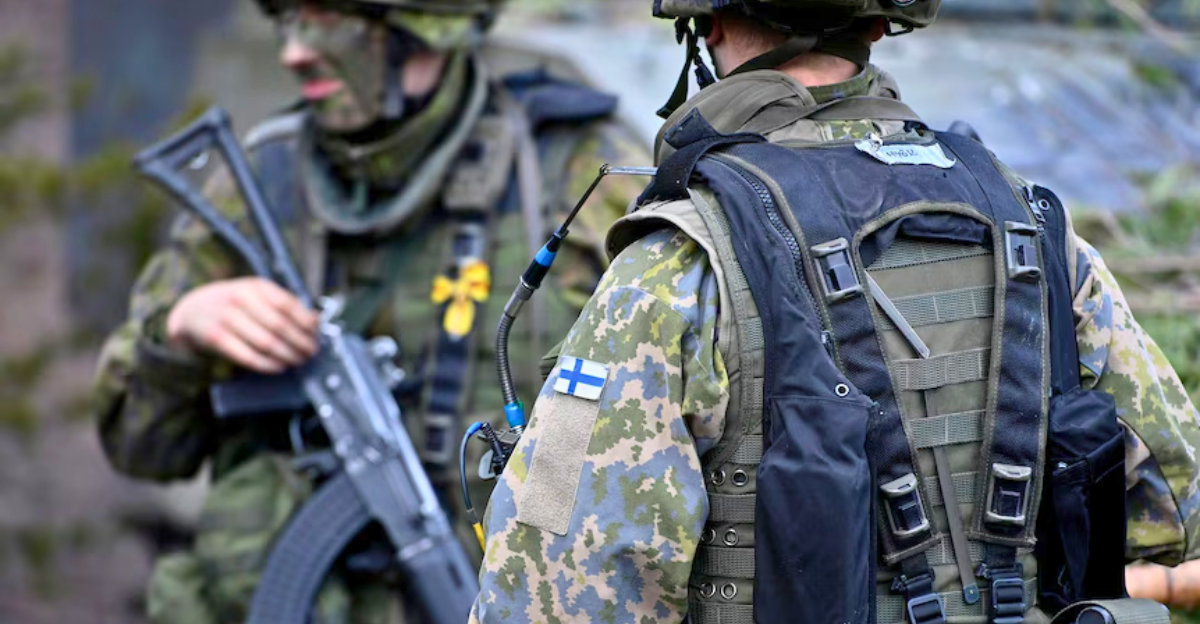
From Finland to Poland, NATO’s eastern members are connecting their national defenses into one continuous security shield. These nations are sharing intelligence, merging logistics, and coordinating strike capabilities to form what some call the New Iron Curtain, a defensive system designed to make any Russian incursion impossible.
The joint effort includes missile defense upgrades, common drone fleets, and interoperable command centers. By pooling resources, countries can guard larger areas without always relying on American troops. This growing sense of unity has made smaller states feel more empowered and prepared.
Republican Pushback Emerges
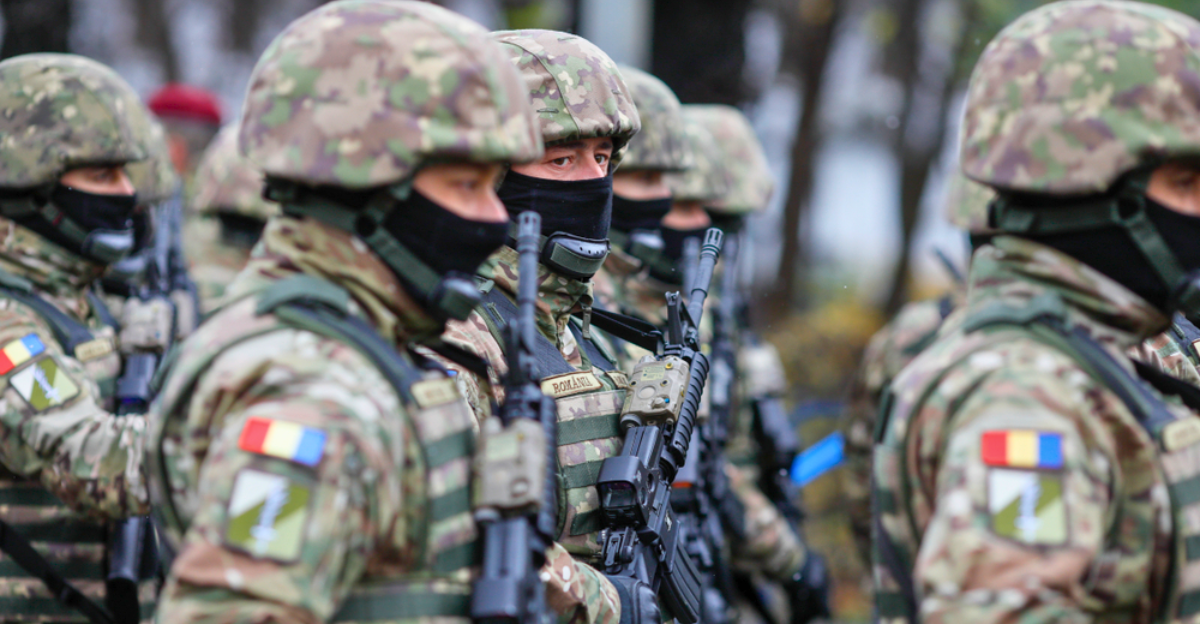
The administration’s decision to pull troops from Romania has sparked rare criticism from President Trump’s own party. Several leading Republican lawmakers voiced public concern, warning that scaling back could weaken deterrence against Russia.
This internal dispute highlights an unusual divide within the GOP over U.S. global engagement. Although some lawmakers support redirecting forces to the Indo-Pacific, others believe Europe remains vital to America’s strategic interests. The disagreement reflects a broader national debate about how far burden-sharing should go.
Pentagon Split on Strategy
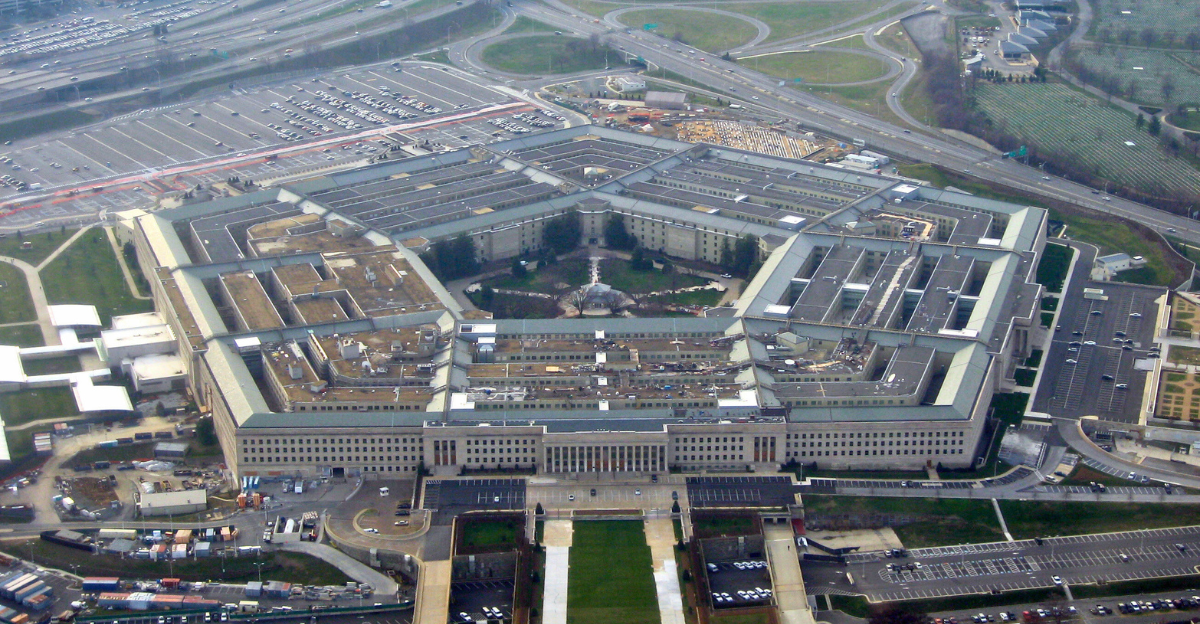
The Pentagon itself appears divided over shrinking the U.S. presence in Romania. Some senior officials wanted to maintain full rotations to keep a visible deterrent near Russia. Others argued that resources are urgently needed in Asia to counter China’s growing influence.
In the end, administrative priorities won out. The Department of Defense confirmed that the drawdown was carefully planned and coordinated with NATO leadership to avoid sudden vulnerabilities.
Europe Takes the Lead
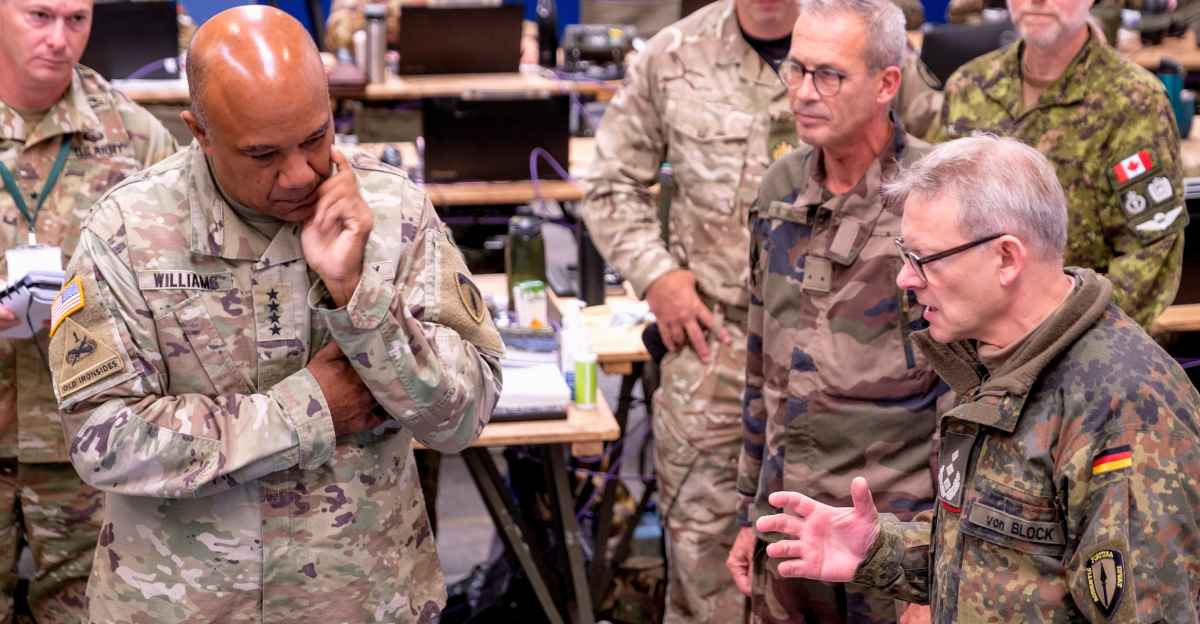
U.S. Army Europe and Africa officials have framed the troop reduction as a sign of confidence, not retreat. Over recent years, nations like Poland and Romania have rapidly improved their capabilities, investing in tanks, air defenses, and reconnaissance systems.
NATO headquarters sees the change as a healthy evolution toward greater balance among members. For American soldiers, it also means shorter rotations and more focus on rapid deployment readiness.
NATO Builds Back Stronger
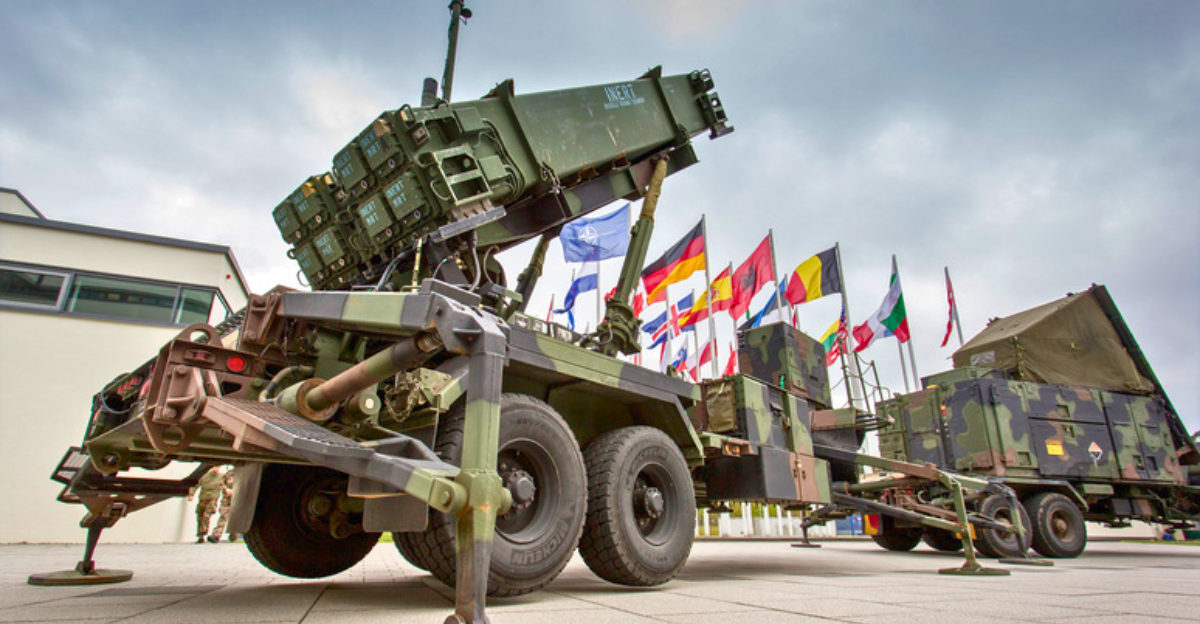
In response to the U.S. shift, NATO has begun fast-tracking new defense projects across its eastern flank. Chief among them are the Baltic Defense Line and Poland’s East Shield initiative, two fortified corridors linking air, land, and missile defenses across multiple borders.
Member states are also upgrading digital communication pipelines to ensure instant response in case of an attack. The East Shield, led by Poland, aims to become fully operational by 2027 and could host troops from several allied countries.
Analysts Caution on Risks
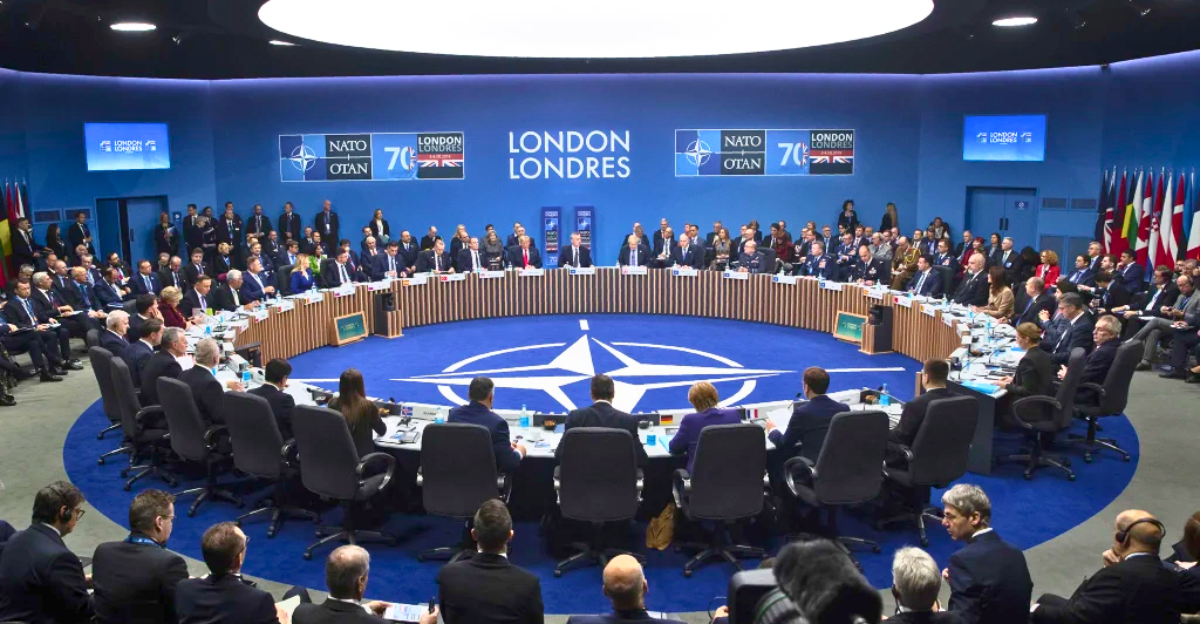
Despite strong rhetoric, not all experts are convinced that NATO can easily compensate for fewer U.S. troops. Analysts at the Carnegie Endowment warn that reduced American presence may lead to slower response times in emergencies.
Observers fear those gaps could widen without the logistical muscle the U.S. provides. Defenders of the policy point to Europe’s technological advances, like the new Franco-German drone network and pan-European ammunition stocks. But analysts still question whether these systems can fully replace decades of U.S.-led infrastructure.
Can Europe Fill the Gap?
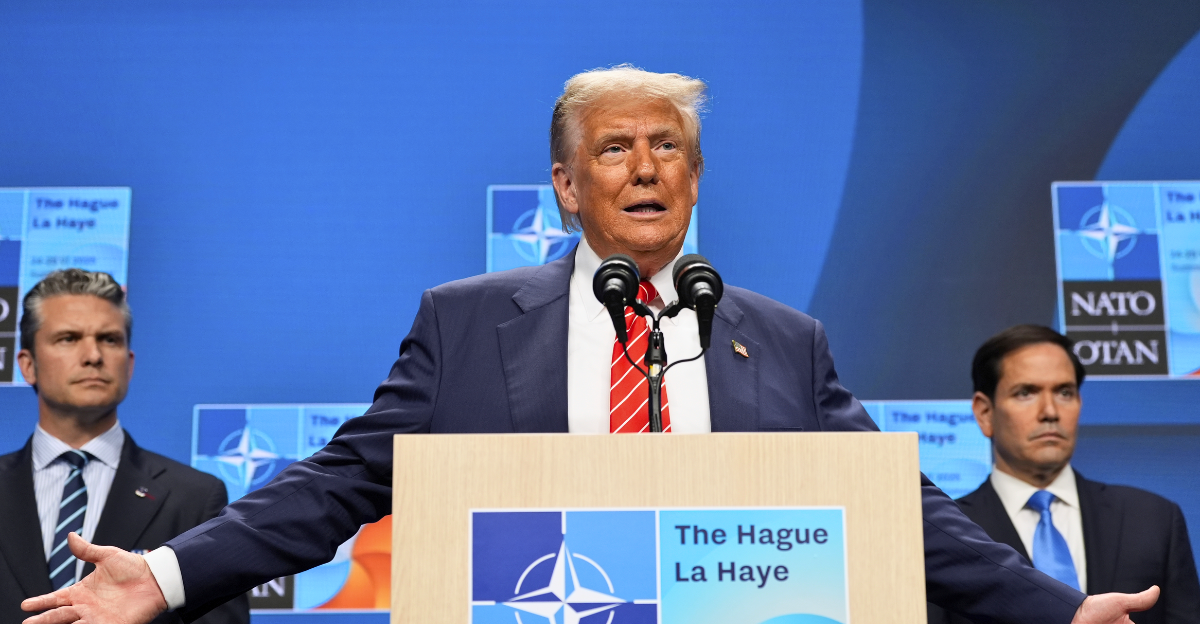
The big question now is whether Europe can truly replace the role American troops have long played in eastern defense. The past few years have seen major increases in regional cooperation, including shared training exercises and standardized equipment purchases.
The European Defense Fund has expanded investment in new technologies like anti-drone shields and AI-based surveillance. European armies are training together more frequently than ever before, boosting both skill and trust. The next two years will test these plans in practice, especially if pressure along NATO’s frontier grows.
Political Strain Within NATO
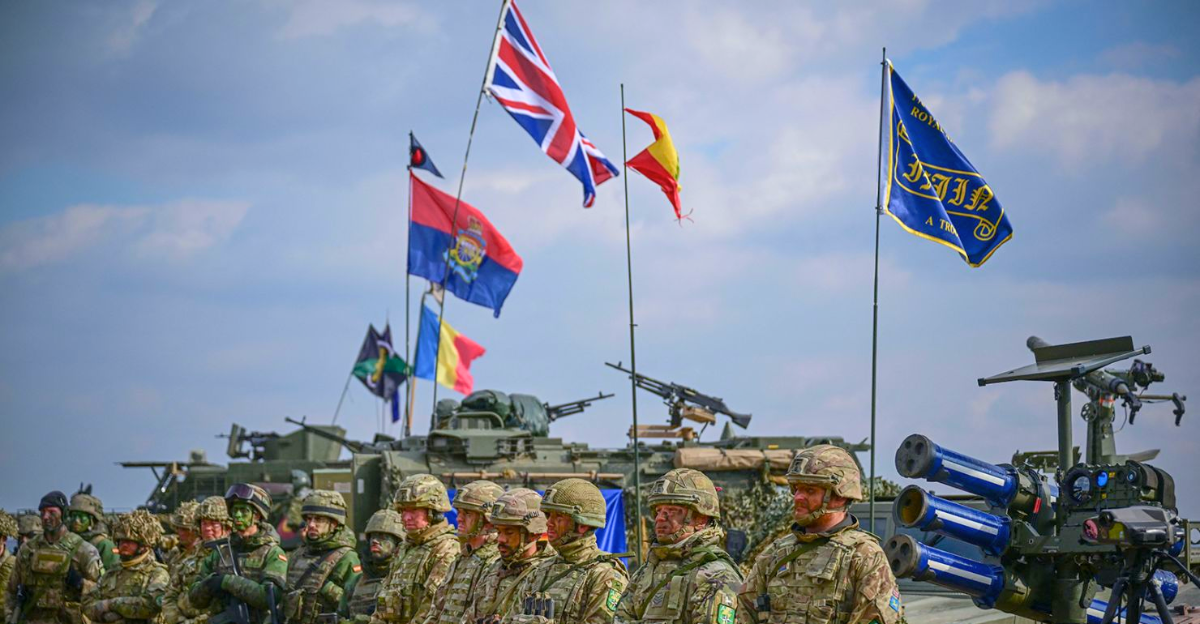
The troop reduction has reignited old debates about fairness and burden-sharing within NATO. Some European leaders see the move as a necessary push toward growth, while others view it as risky abandonment.
The U.S. insists that it’s not retreating but encouraging partnership grounded in equality. Still, frustration lingers among allies who rely heavily on American logistics and reconnaissance resources.
Baltic States Voice Alarm
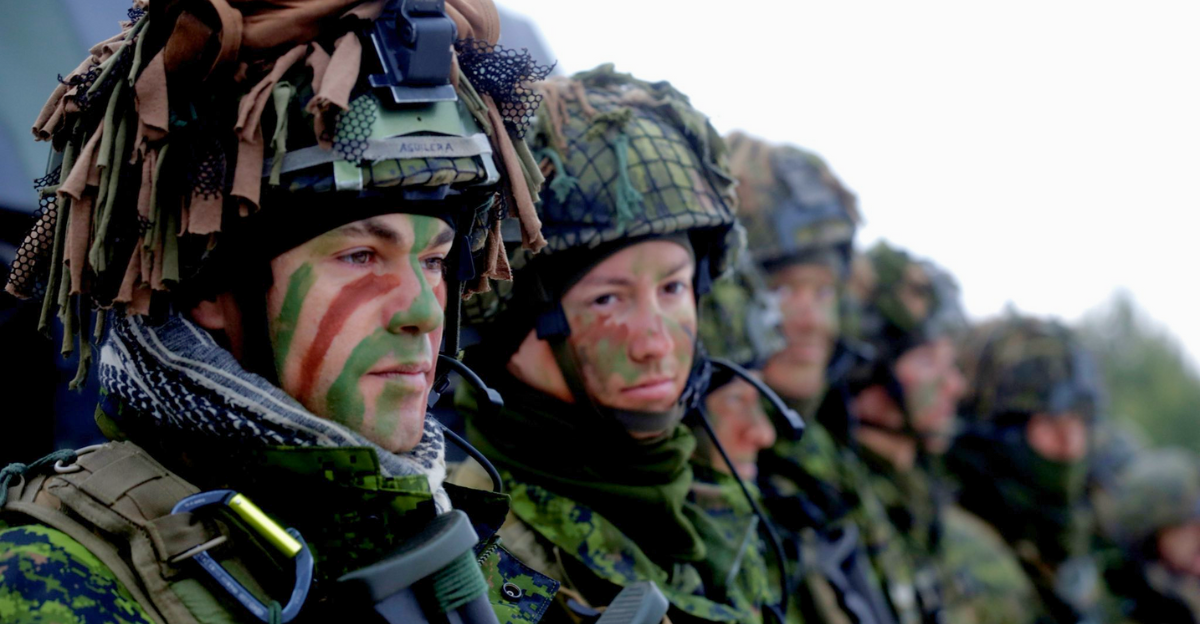
Lithuania, Latvia, and Estonia have reacted sharply to the U.S. decisions in Romania. Officials in Vilnius and Riga say they were not fully briefed about the timing and worry similar cuts could follow in their territories.
The Baltic countries are racing to strengthen their own forces by purchasing new air defenses and fortifying border zones. Poland, too, plans additional troop deployments near Kaliningrad, Russia’s heavily militarized enclave.
Reaffirming NATO’s Core Promise
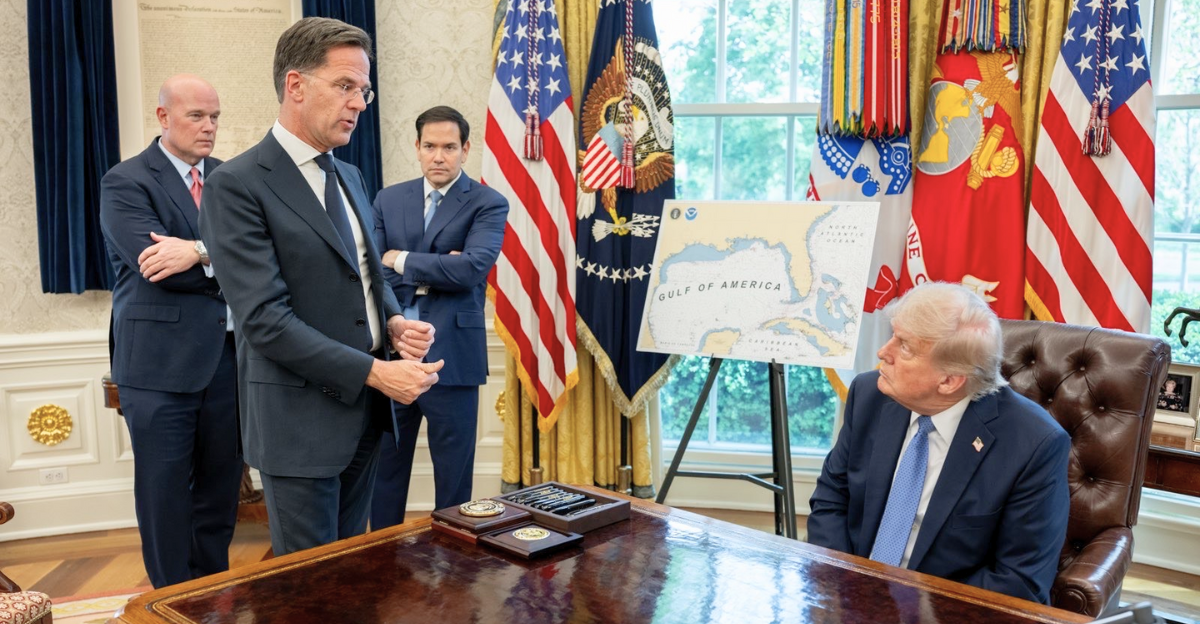
Amid criticism, U.S. officials have been clear that the drawdown doesn’t mean America is walking away from NATO’s defense guarantee. However, the change has spurred debate about how NATO defines readiness in an age of hybrid warfare and shifting resources.
The question isn’t just who shows up, but how fast they can respond. Some experts argue that flexibility and mobility now matter more than permanent troop counts.
Europe’s New Defense Mindset
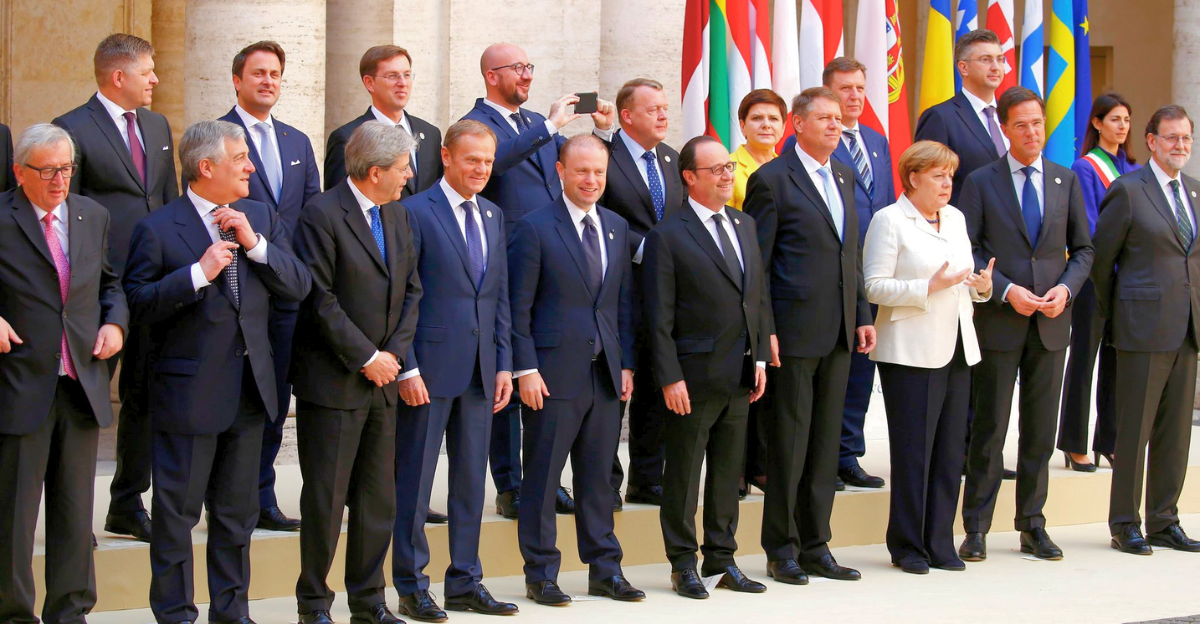
European nations are starting to see themselves as co-leaders, not dependents, in transatlantic defense. Governments that once waited for U.S. initiatives are now forming coalitions and funding projects independently.
Young officers across NATO are being trained to lead multinational units, while defense industries are designing interoperable hardware from the start. The mindset shift emphasizes regional autonomy within alliance frameworks.
NATO’s Defining Moment
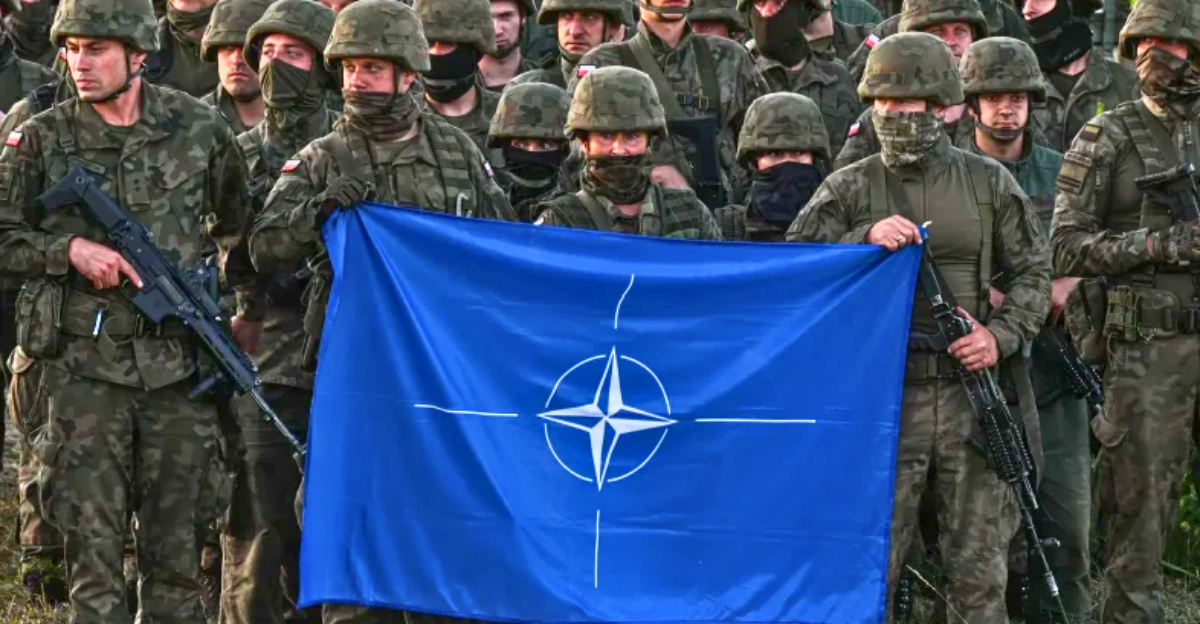
As Europe steps forward to fill the gap, the alliance must prove its unity and adaptability in a time of global realignment. The coming years will test whether the shift leads to a more balanced partnership or creates friction between allies.
For NATO, success will hinge on integrating national defenses into a truly collective system, guided by modern technology and shared purpose. On the ground in Romania and across the eastern frontier, soldiers continue drills as always, but everyone knows they’re part of something bigger.