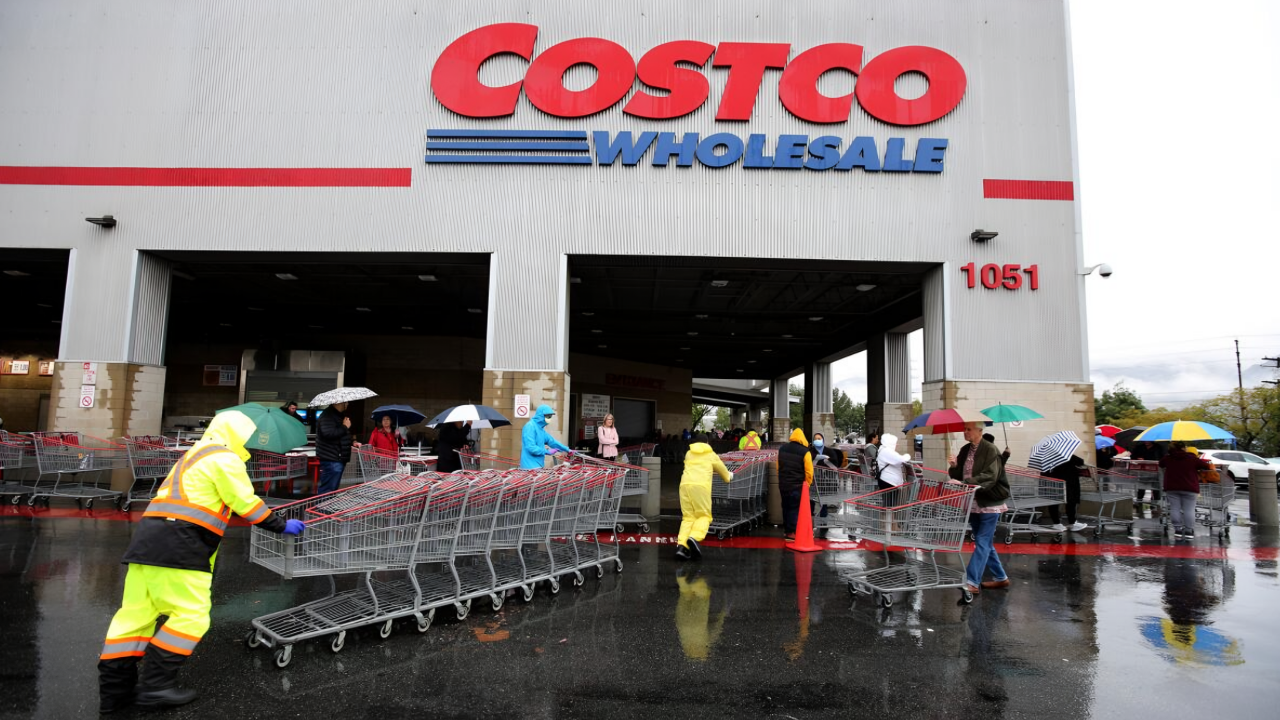
Costco Wholesale filed suit on November 28, 2025, at the U.S. Court of International Trade, challenging tariffs imposed under the International Emergency Economic Powers Act. The retailer’s move comes as a December 15 customs deadline threatens to lock in duties on thousands of shipments, making future refunds nearly impossible. The case represents the opening salvo in a broader constitutional battle over whether a 1977 emergency law can serve as the foundation for sweeping, revenue-generating tariffs that traditionally fall under congressional authority.
The Trump administration declared multiple national emergencies tied to trade deficits and fentanyl trafficking in early 2025, then deployed the IEEPA to layer duties across a wide range of imports from numerous countries. By late 2025, these tariffs and related measures had swelled annual U.S. customs duties to approximately $200 billion—more than double 2024 levels. That revenue surge, however, carries legal risk: if courts determine the IEEPA actions unlawful, substantial portions of collected duties could become subject to refund claims.
The Mechanics of Liquidation and Lost Rights
At the heart of Costco’s urgency lies “liquidation,” the customs process that finalizes duties owed on each shipment. Once an entry is liquidated, importers typically have 180 days to protest; after that window closes, their ability to challenge or reclaim money largely vanishes. Costco warned that many of its 2025 imports are scheduled to begin liquidating on December 15, making immediate legal action essential. Even if the Supreme Court ultimately rules the IEEPA tariffs illegal, that decision alone will not automatically unlock refunds for every importer. Companies must have protested in timely fashion or filed their own lawsuits to preserve rights—a reality driving the current wave of litigation.
A Growing Corporate Coalition
Costco is the largest public company to sue so far, but others are mobilizing. Revlon, EssilorLuxottica, Kawasaki, Bumble Bee, tire manufacturers, and auto suppliers have filed similar cases seeking to recoup IEEPA duties if the legal foundation crumbles. Many employ near-identical arguments drafted by specialized trade law firms, suggesting coordinated strategy among import-heavy industries.
The Supreme Court’s Constitutional Question
The justices are reviewing whether IEEPA—a 1977 law primarily designed for sanctions and asset freezes—can support a broad, long-running tariff regime. Two lower courts have already ruled that Trump exceeded his authority, arguing that revenue-raising tariffs function as taxes, which the Constitution reserves for Congress. During November oral arguments, justices from both ideological wings pressed government lawyers to identify any IEEPA text mentioning tariffs, duties, or taxes. Analysts detected skepticism that a generic power to “regulate” imports could silently grant presidents sweeping taxing authority, particularly when Congress has enacted specific trade statutes.
Financial Stakes and Market Expectations
Prediction markets and policy analysts now assess the administration’s chances as modest at best. Advisory firms estimate that total IEEPA-linked duties paid since early 2025 amount to tens of billions, with some scenarios placing potential refund exposure above $100 billion. The actual recovered amount will likely be lower, constrained by deadlines, documentation gaps, and litigation outcomes—but still substantial enough to affect corporate earnings and federal budget calculations.
Even as it defends IEEPA, the Trump administration is preparing fallback strategies. Section 301 allows tariffs responding to unfair trade practices, while Section 232 covers national-security-related imports. That diversified toolkit makes a complete tariff rollback unlikely, even following a strong court defeat. Research suggests tariffs have been partly absorbed by importers and foreign suppliers but also passed to U.S. consumers through higher prices, with analyses indicating that 2025 tariffs reduced real household purchasing power and added modestly to inflation, hitting lower- and middle-income families particularly hard.
Reshaping Corporate Risk Management
Trade lawyers report a surge in last-minute questions from companies that assumed a Supreme Court ruling would automatically resolve everything. Many are discovering that missed protest windows or incomplete records could result in millions in unrecoverable duties. Advisers urge import-heavy businesses to identify which 2025 shipments incurred IEEPA-based duties, verify liquidation status, and confirm whether protest periods remain open. Regardless of outcome, the Costco-Trump clash is likely to reshape how large retailers and manufacturers plan around trade policy shocks, with companies increasingly treating tariff exposure as a core financial risk rather than a background compliance matter.
Sources:
U.S. Court of International Trade filings (Costco Wholesale Corp. v. United States)
U.S. Customs and Border Protection liquidation guidance
Supreme Court oral arguments (November 2025 IEEPA tariff challenges)
The Budget Lab at Yale tariff revenue analysis
Peterson Institute for International Economics (PIIE) data
Reporting via ABC News, CNBC, and BBC