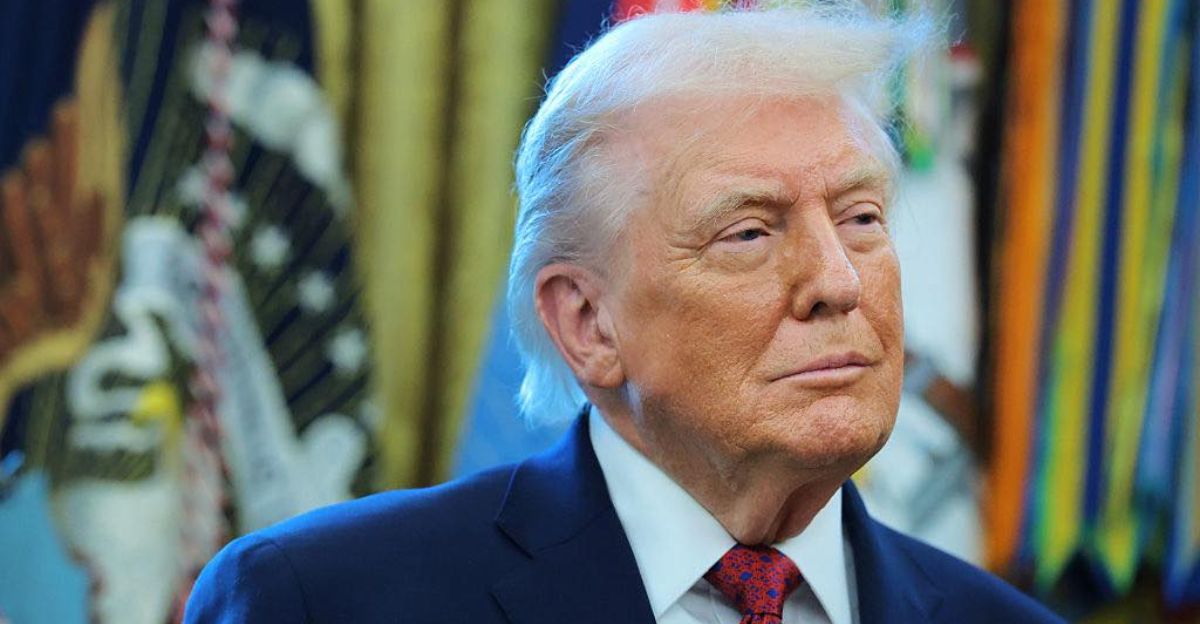
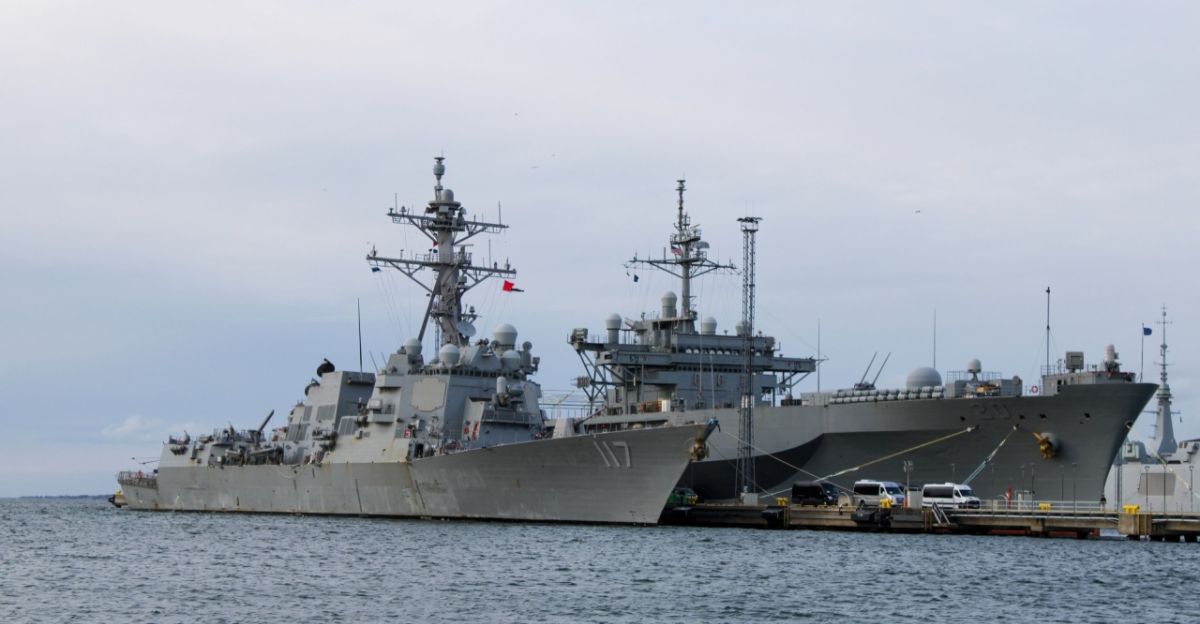
On December 16, 2025, President Donald Trump announced via Truth Social a “total and complete blockade” of all US-sanctioned oil tankers entering or leaving Venezuela.
Posted in capital letters, Trump accused Venezuela of stealing American oil, land, and assets while using revenues to fund “drug terrorism, human trafficking, murder, and kidnapping”. The declaration marks Washington’s most aggressive action against President Nicolás Maduro’s government.
Largest Caribbean Deployment in Decades
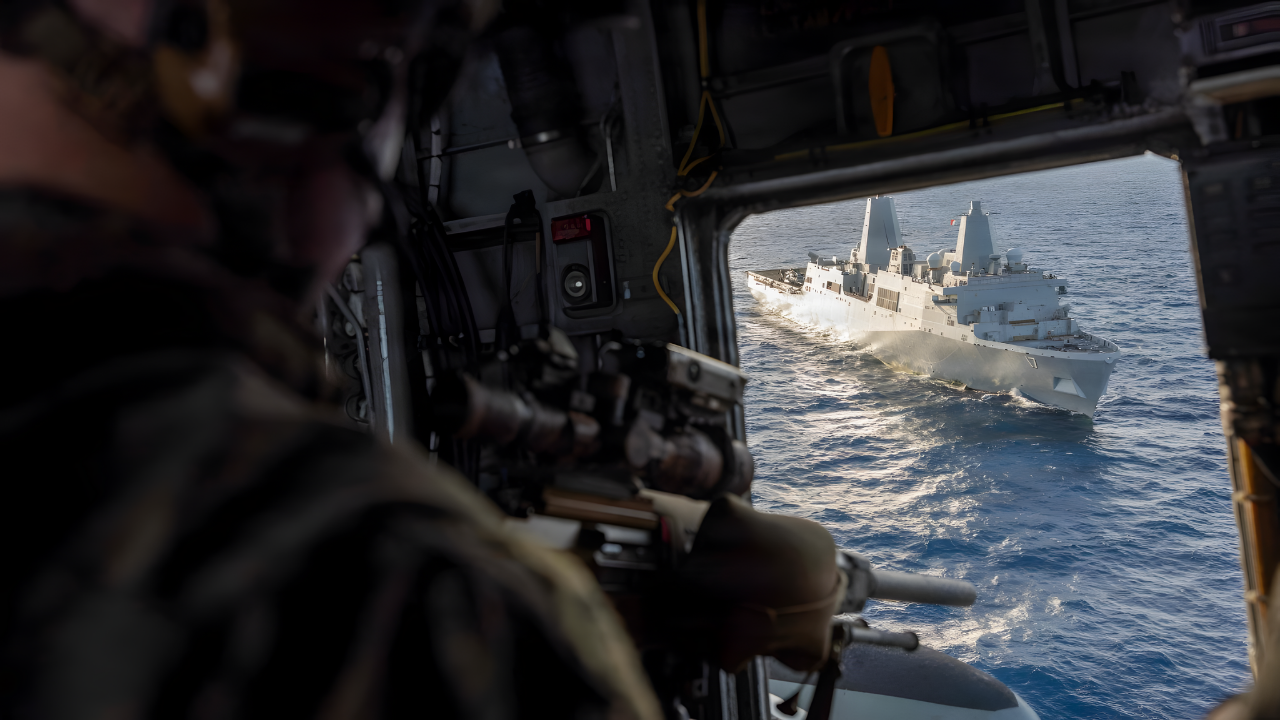
Trump claimed Venezuela is “completely surrounded by the largest Armada ever assembled in the History of South America”.
The United States has positioned approximately 15,000 military personnel in the Caribbean, including the USS Gerald R. Ford aircraft carrier strike group, F-35 fighter jets deployed to Puerto Rico, and nearly a dozen warships. This represents the largest US naval presence in the region since 1962.
Terrorist Designation Escalates Crisis

Alongside the blockade announcement, Trump designated the Venezuelan government as a foreign terrorist organization. He stated the military presence would remain “until such time as they return to the United States of America all of the Oil, Land, and other Assets that they previously stole from us”.
Deputy Chief of Staff Stephen Miller supported Trump’s claim that Caracas committed the “largest recorded theft of American assets and property”.
Shadow Fleet Operations Targeted
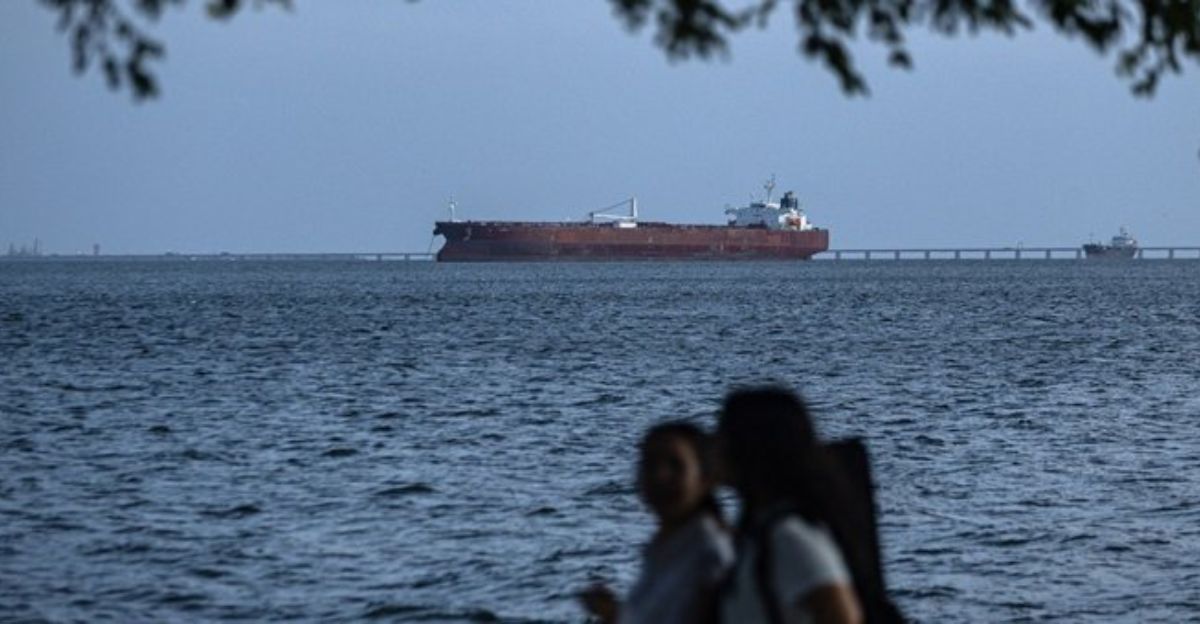
The blockade targets Venezuela’s extensive “shadow fleet”—approximately 1,000 aging tankers using sophisticated evasion tactics to circumvent US sanctions. Over 30 sanctioned tankers currently operate in Venezuelan waters, according to TankerTrackers.com data.
These vessels employ deceptive practices including frequently changing names, flags, and disabling tracking systems to avoid detection.
Tanker Seizure Triggers Action
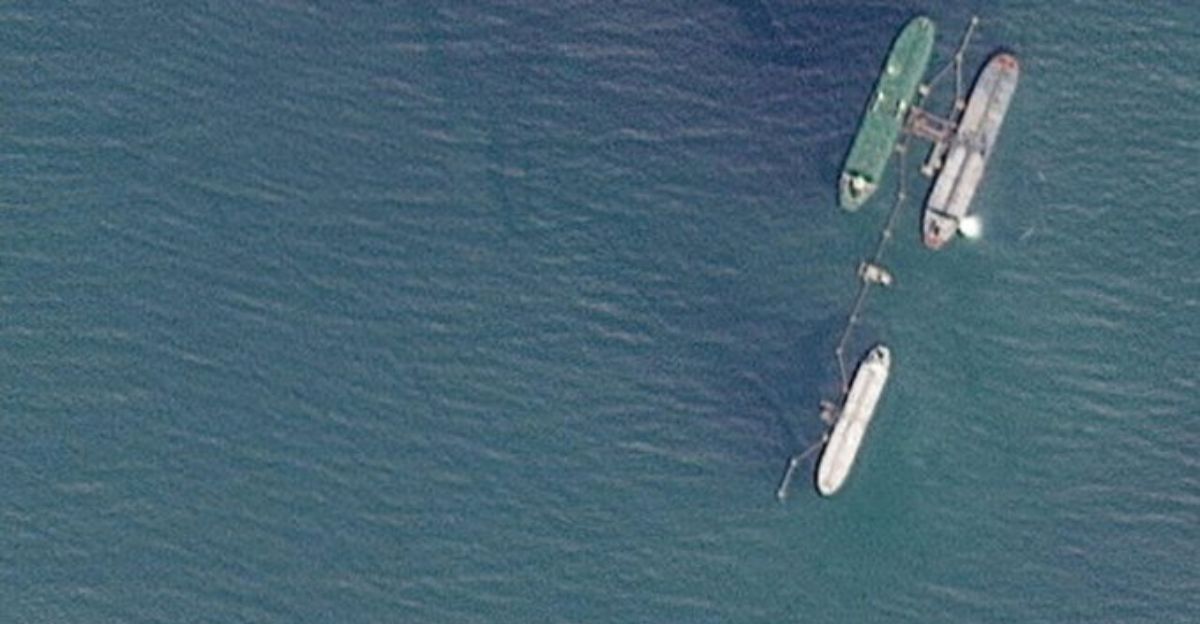
The immediate catalyst was the December 10 US Coast Guard seizure of the Skipper, a sanctioned tanker carrying nearly 2 million barrels of Venezuelan crude. Special forces launched via helicopter from USS Gerald R. Ford captured the vessel.
The Skipper had been using location spoofing technology to falsify its position while loading oil at Venezuela’s José Terminal.
Sophisticated Evasion Tactics Exposed
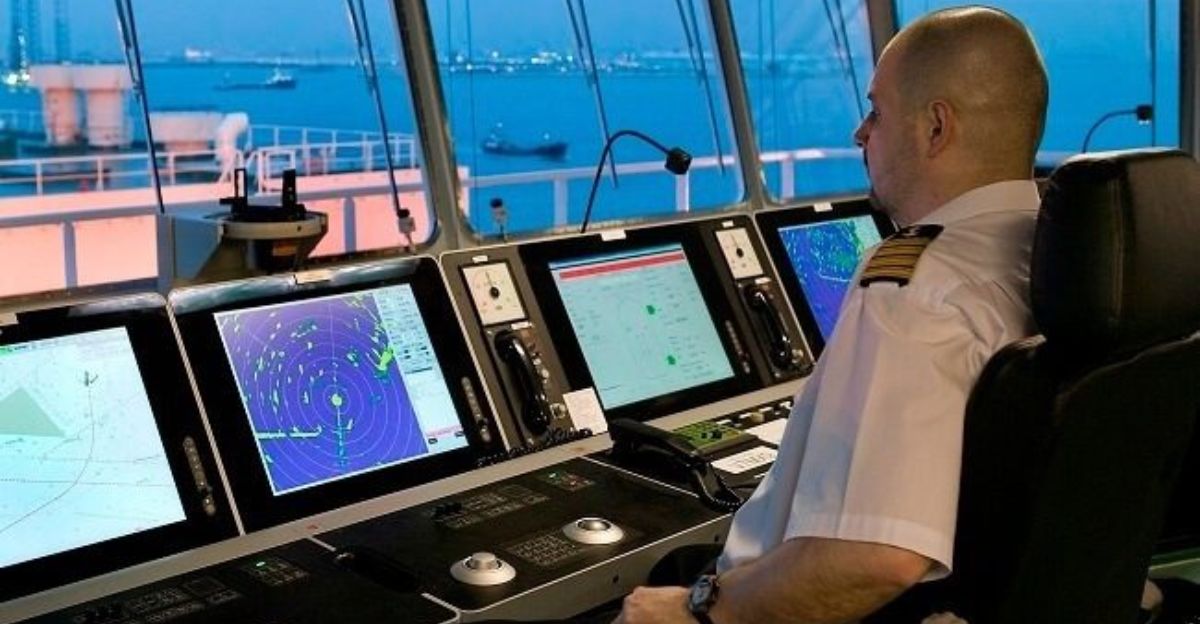
Ghost fleet vessels employ multiple deceptive methods. Ships frequently change names and flags, sometimes multiple times monthly. Some adopt identities of scrapped ships using stolen IMO registration numbers, creating “zombie ships”.
Vessels disable or “spoof” Automatic Identification Systems to transmit false location data and conduct ship-to-ship cargo transfers in international waters.
Venezuela Responds With Naval Escorts
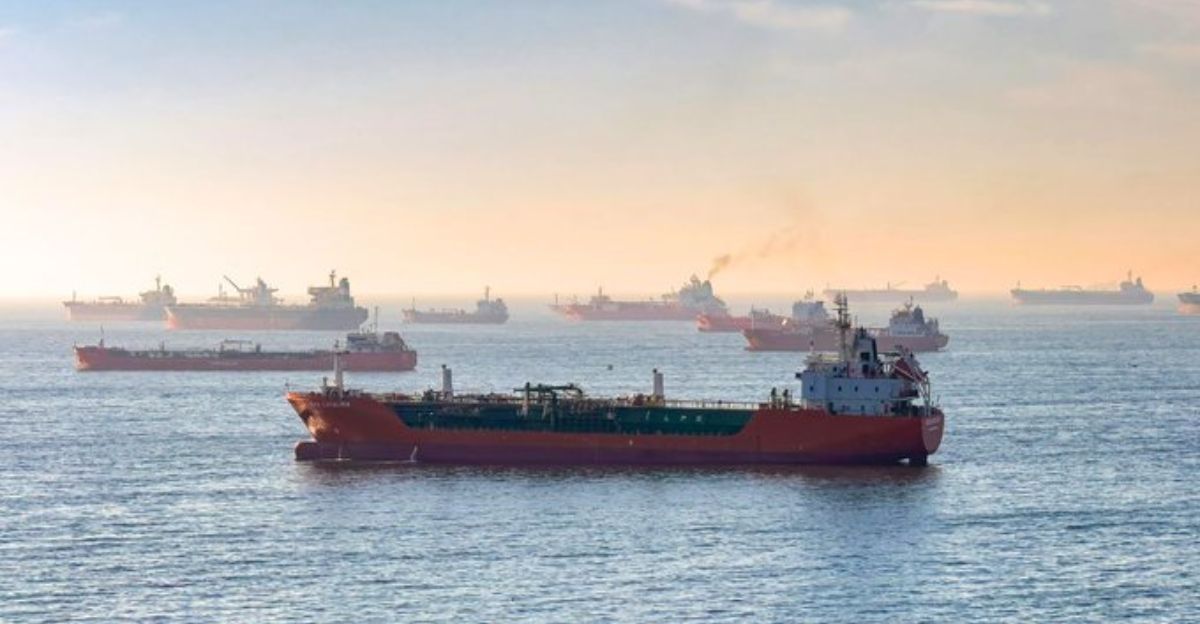
In direct defiance, President Maduro ordered Venezuelan navy warships to escort departing oil tankers. Between December 17-18, several vessels left Venezuelan ports bound for Asia under naval protection, carrying urea, petroleum coke, and oil-related products. While these escorted vessels weren’t on US sanctions lists, the tactic raises military confrontation risks.
Oil Exports Decline Sharply
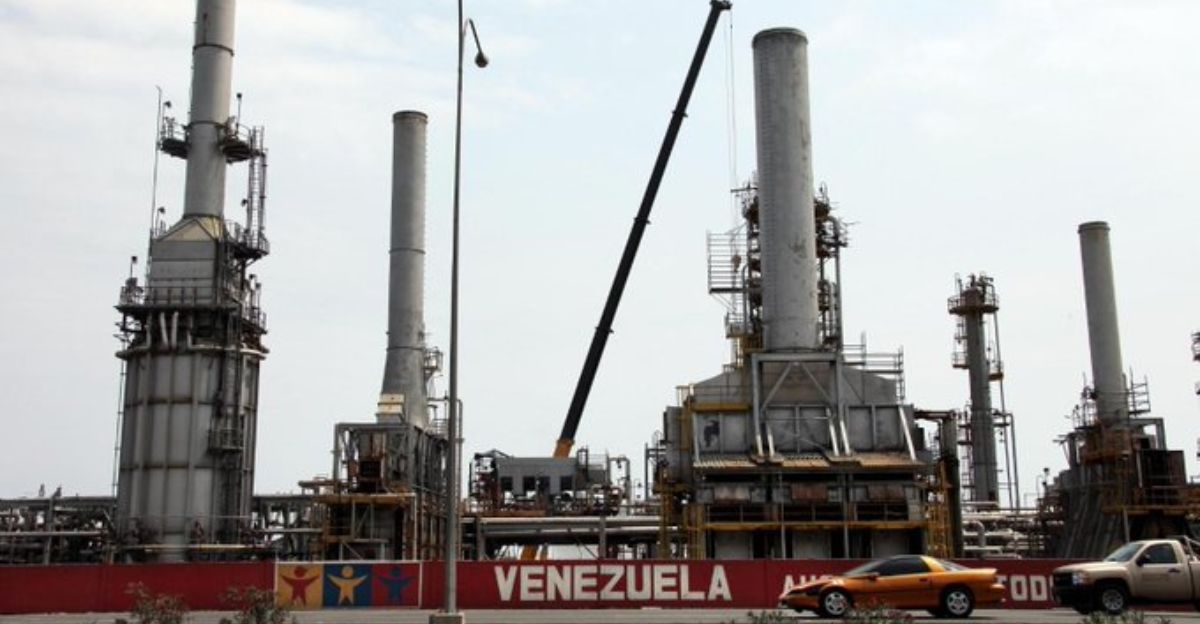
Venezuelan crude exports have fallen dramatically from over 900,000 barrels per day in November. Projections suggest December exports could drop to 702,000 barrels per day—the lowest since May.
Approximately 11 million barrels of oil and fuel remain stranded in Venezuelan waters as operators hesitate to depart, fearing US seizure.
China Condemns US Actions
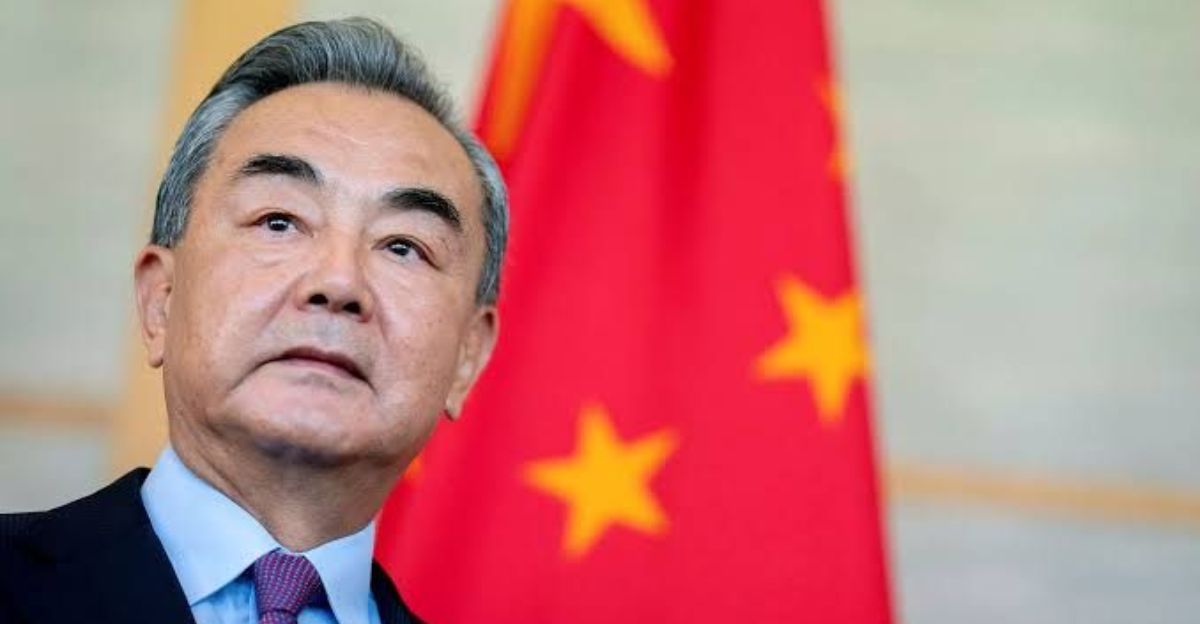
Beijing strongly opposed the blockade, with Foreign Minister Wang Yi telling Venezuelan counterpart Yvan Gil that China opposes “all forms of unilateral bullying”.
China currently receives approximately 80% of Venezuelan crude exports, making it most affected by supply disruptions. In November, China imported 613,000 barrels per day from Venezuela.
International Law Concerns Raised
International law experts and US lawmakers characterized the blockade as an act of war. NYU Law professor Ryan Goodman stated Trump’s actions constitute a “crime of aggression” against Venezuela.
Under international law, blockades imposed without declaration of war or UN Security Council authorization are considered illegal.
Congressional Pushback Narrowly Fails
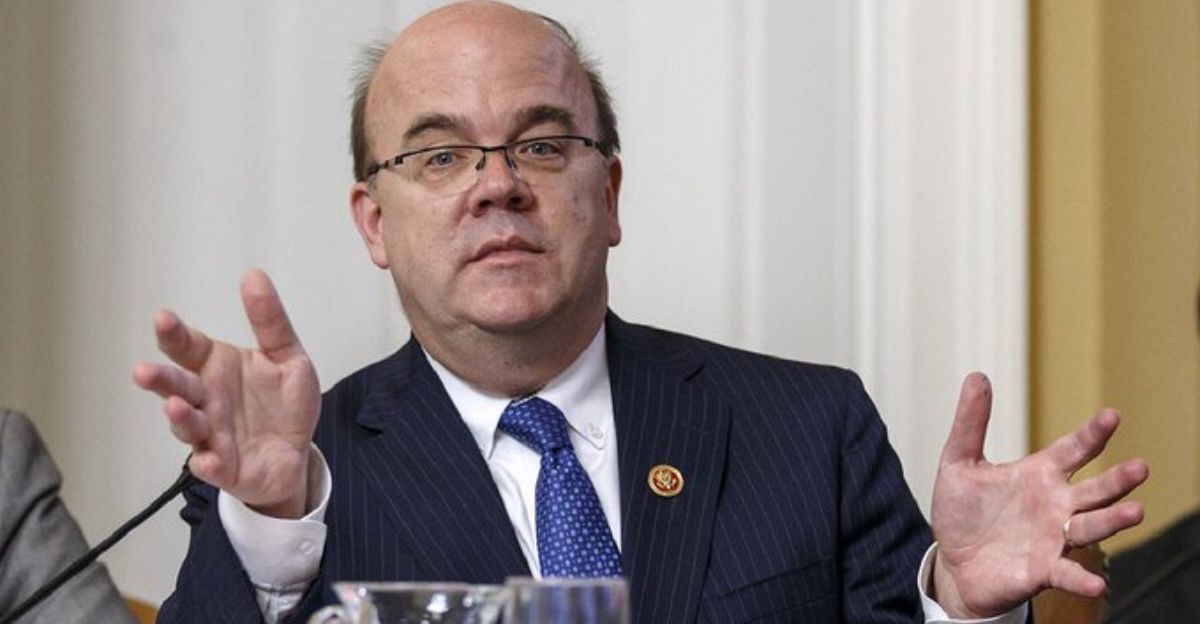
The US House of Representatives narrowly rejected two War Powers resolutions on December 17 prohibiting military action against Venezuela without congressional authorization. The first resolution, sponsored by Democratic Congressman Jim McGovern, was defeated 213-211. Republican support came after Secretary of State Marco Rubio provided assurances the administration doesn’t plan attacks against Venezuela.
Oil Markets React Cautiously

Following Trump’s announcement, oil prices rose over 1.5% in Asian trading, with US crude futures climbing to $55.96 per barrel.
However, Brent crude increased only 2.5% to around $60 per barrel—far less than typical price increases from removing one million barrels daily. Analysts attribute muted response to high OPEC spare capacity and weak winter demand.
Venezuela’s Constrained Production
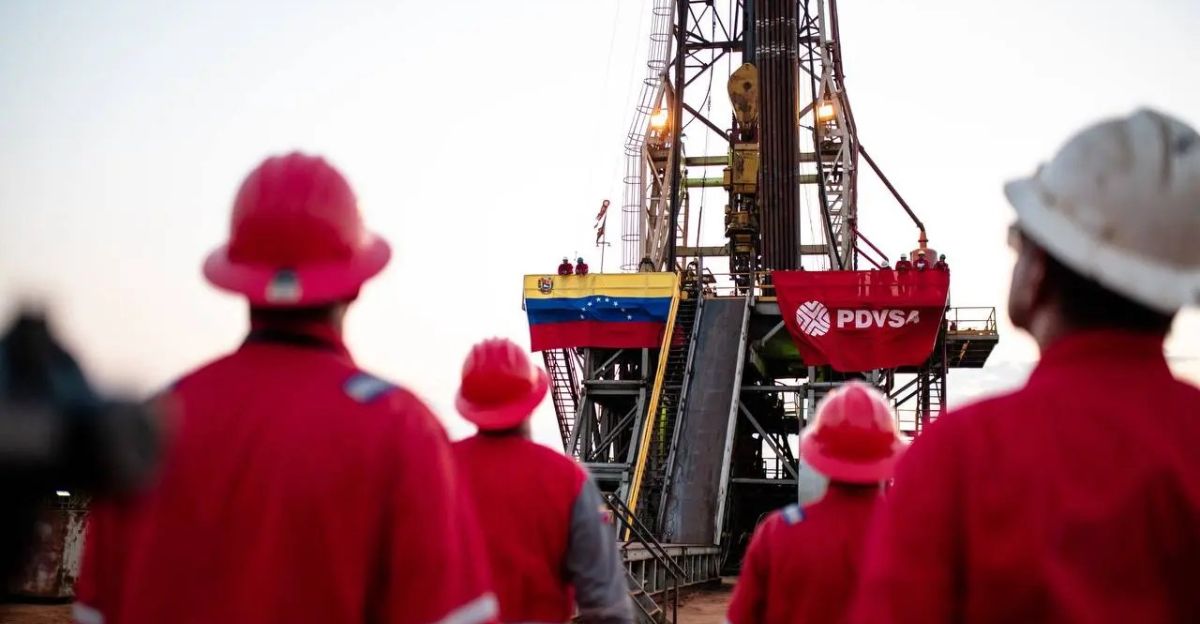
Venezuela currently produces approximately 1 million barrels per day—less than half produced when Maduro took power in 2013. Despite possessing the world’s largest proven oil reserves at 303 billion barrels, production remains constrained by sanctions and mismanagement.
Peak production reached 3.5 million barrels daily in 1998 before the Socialist regime began.
Historical Context: 2007 Nationalization
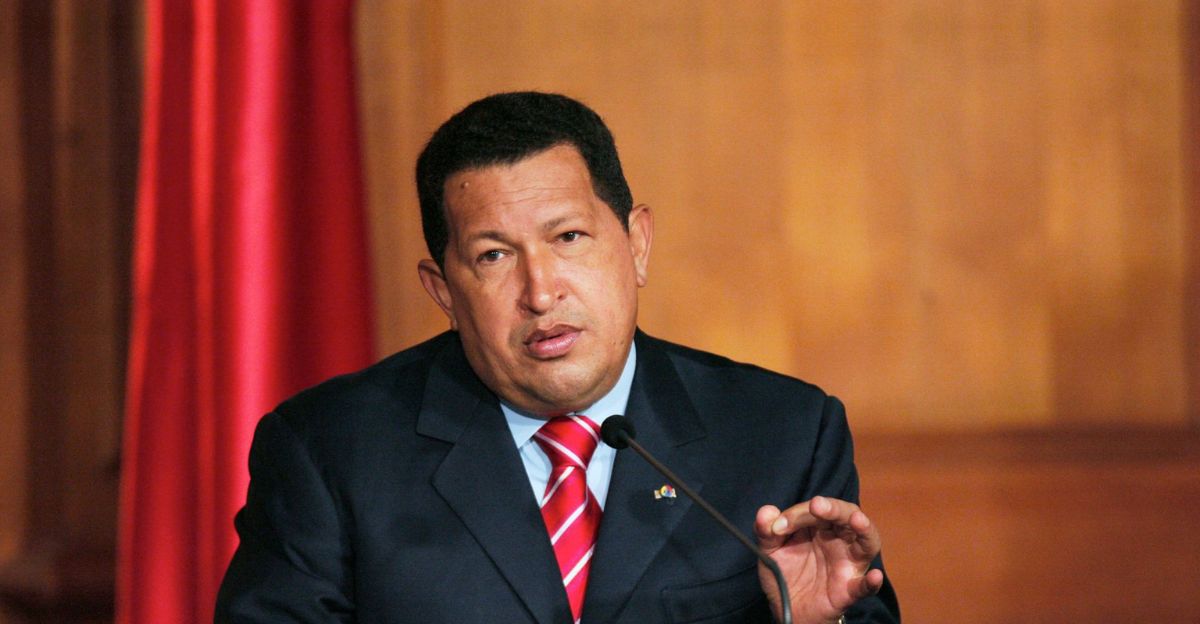
Trump’s claims Venezuela “stole” American assets refer to 2007 nationalization under President Hugo Chávez, when Venezuela required state oil company PDVSA hold majority stakes in all joint ventures.
ExxonMobil and ConocoPhillips refused these terms and departed, eventually winning international tribunal awards. ConocoPhillips holds the largest claim at $12 billion.
Chevron’s Unique Position
Chevron, which accepted nationalization terms, remains the only major US oil company operating in Venezuela under special Treasury Department license.
The company produces approximately 240,000 barrels per day, accounting for over 20% of Venezuela’s total output. Chevron is prohibited from transferring money to Maduro’s government, instead paying taxes in crude oil.
Additional Seizures Planned
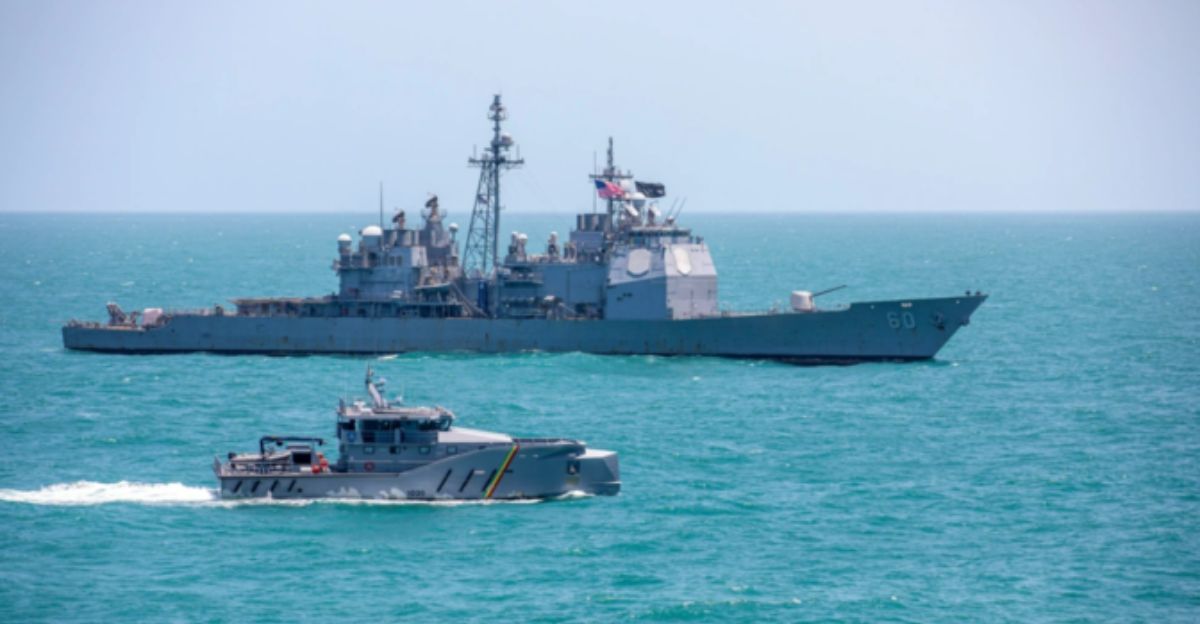
The White House indicated more tanker seizures are planned, with at least seven other falsely flagged, sanctioned tankers identified as potential targets. US Navy ships in the Caribbean have been monitoring tankers in international waters, aiming to deter them and encourage course changes.
The Treasury Department sanctioned six additional shipping companies and tankers on December 12.
Military Operations Raise Questions
Since September, US military operations resulted in at least 90-97 deaths from strikes on vessels allegedly involved in drug trafficking. However, no evidence has been publicly released to substantiate these claims. UN experts and international law scholars characterized these actions as extrajudicial killings
Enforcement Ambiguity Remains
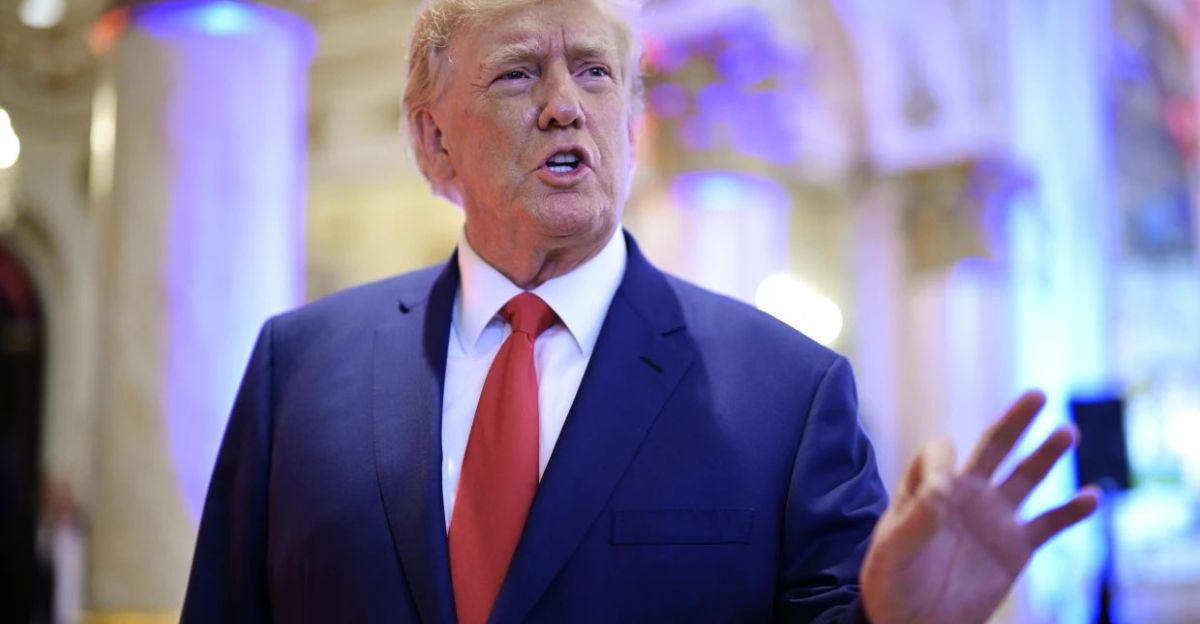
Significant uncertainty exists regarding enforcement. Trump’s announcement reportedly surprised senior Pentagon and US Southern Command officials, who scrambled to assess the military’s role.
As of December 19, little consensus existed within the administration about whether the military would lead interdiction efforts or if Coast Guard takes primary responsibility.
Venezuela Seeks International Support
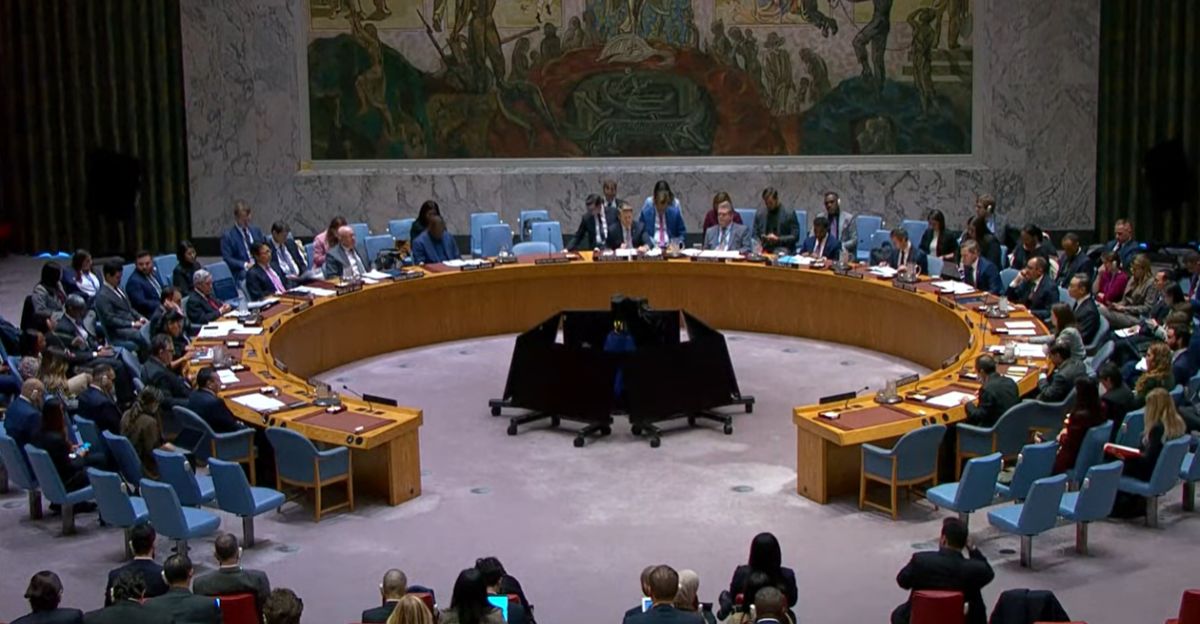
Venezuela called for a UN Security Council meeting to address what it describes as “ongoing US aggression”.
The Venezuelan government released a statement calling Trump’s declaration a “reckless and serious threat” that violates international law, free trade, and freedom of navigation. Allies China and Russia issued statements supporting Caracas against US actions.
Regional Stability at Risk

The standoff represents a critical juncture in US-Venezuela relations with implications for regional stability, international law, and global energy markets.
As Maduro continues deploying naval escorts and Trump maintains his most aggressive posture toward the South American nation, risks of miscalculation or military confrontation remain elevated. Venezuela’s state oil company PDVSA insists exports “continue normally” despite mounting pressure.
Sources:
“Trump Orders Total Venezuelan Naval Blockade To Cut Off Shadow Fleet Tankers.” CNBC, December 17, 2025.
“White House Truth Social Presidential Statements.” Official White House Statement, December 16, 2025.
“US Coast Guard Seizes Sanctioned Tanker Skipper.” US Coast Guard Official Report, December 10, 2025.
“House Votes on War Powers Resolution Against Venezuela Military Action.” US House of Representatives, December 17, 2025.
“Venezuela Oil Exports Drop Amid Blockade.” AP Reuters International Reporting, December 2025.