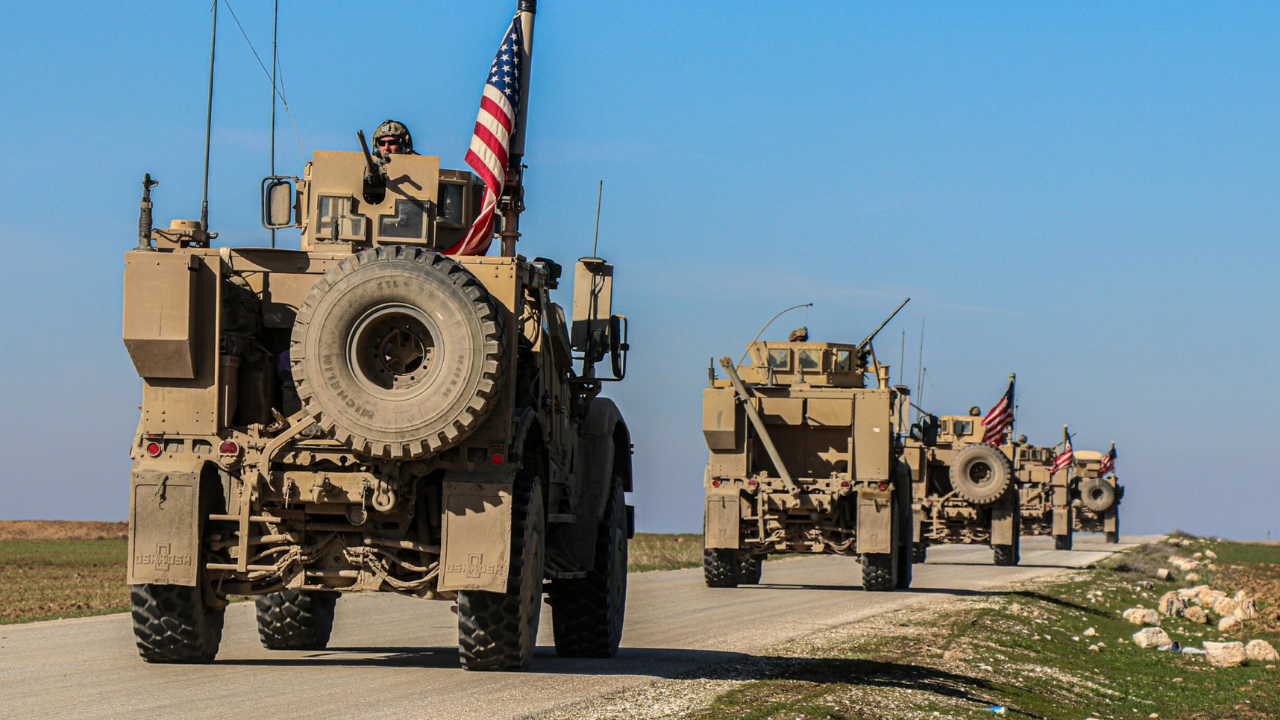
On January 13, 2026, European officials warned Reuters that U.S. military intervention in Iran could occur within 24 hours as the region braced for what appeared to be imminent conflict. President Donald Trump convened urgent Situation Room meetings to address a brutal crackdown that had killed thousands of protesters, with the White House evacuating personnel from Qatar air bases and ordering the USS Abraham Lincoln carrier strike group toward the Persian Gulf.
Military planners prepared strike options targeting Iranian Revolutionary Guard facilities, nuclear sites, and command centers, according to multiple reports
Deadly Toll
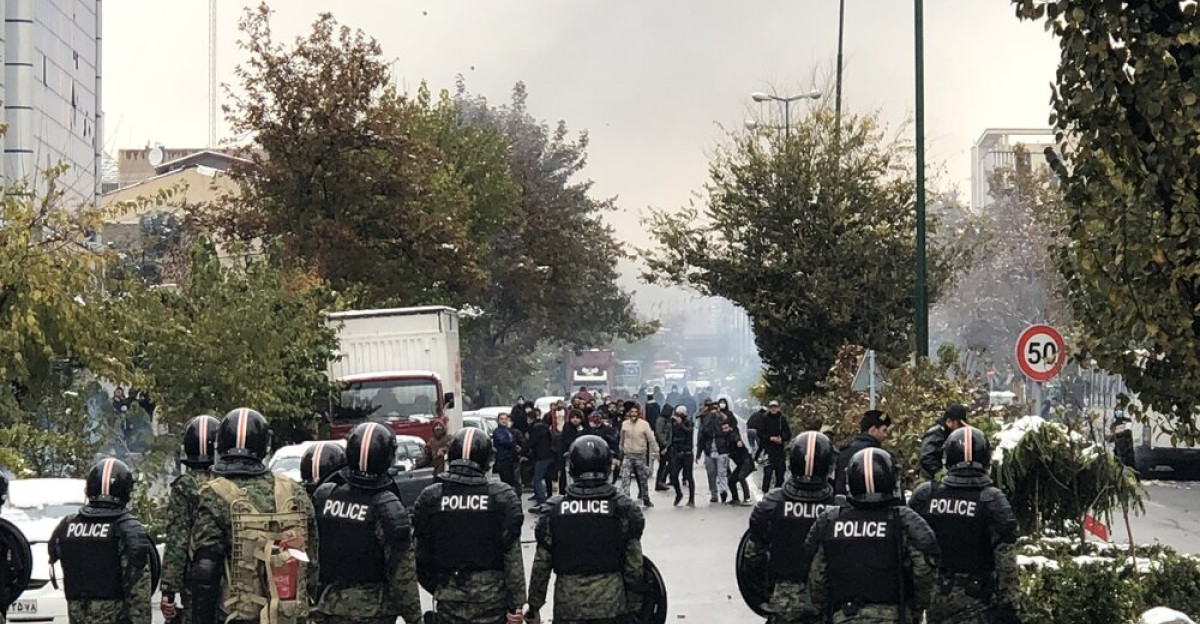
At least 2,400 protesters had been killed by Iranian security forces since late December 2025, according to the U.S.-based Human Rights Activists News Agency (HRANA), which tracks deaths through hospital records, family reports, and court documents. The Iran Human Rights organization documented 2,615 deaths, while BBC Persian interviewed eyewitnesses describing indiscriminate shooting into crowds.
Iranian officials initially denied the scale before a government representative later acknowledged at least 5,000 deaths, blaming “armed rioters and terrorists” for the violence that shocked international observers.
Economic Collapse
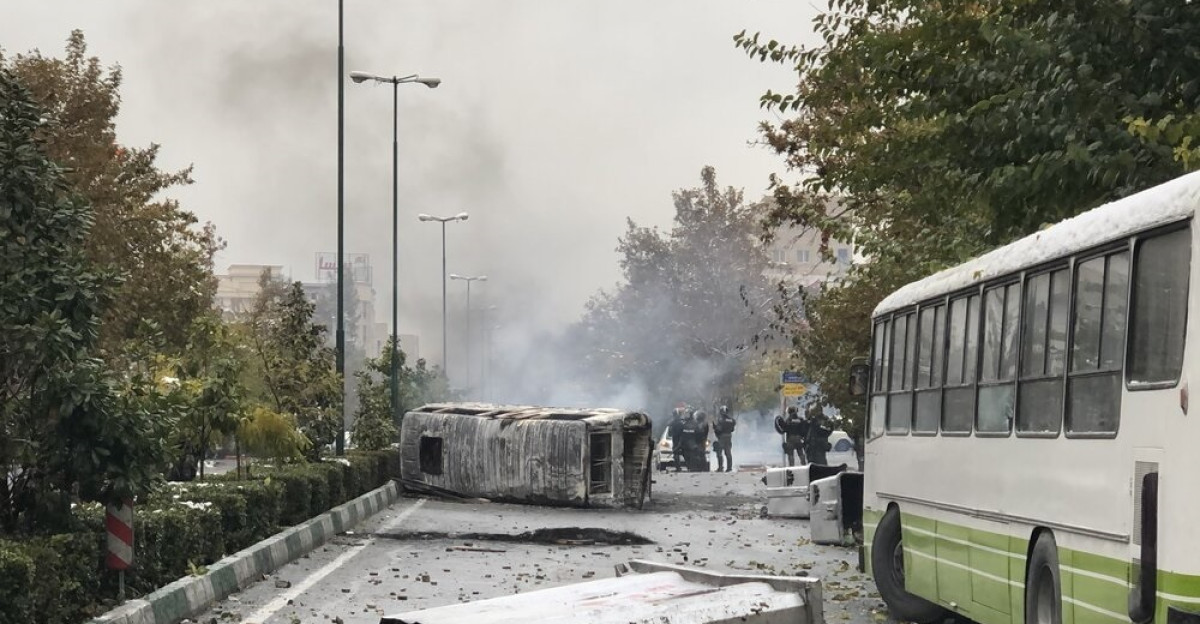
The protests erupted December 28, 2025, after Iran’s rial currency collapsed to historic lows, losing 60% of its value in three weeks and pushing food prices beyond reach for millions of working-class Iranians. Demonstrations began in Mashhad over bread costs but quickly spread to Tehran, Isfahan, Shiraz, and 140 other cities.
Frustrations over four decades of economic mismanagement, corruption, and international sanctions boiled over as women removed their hijabs in defiance and protesters chanted “Death to the dictator” in direct challenges to Supreme Leader Ali Khamenei’s authority.
Brutal Crackdown
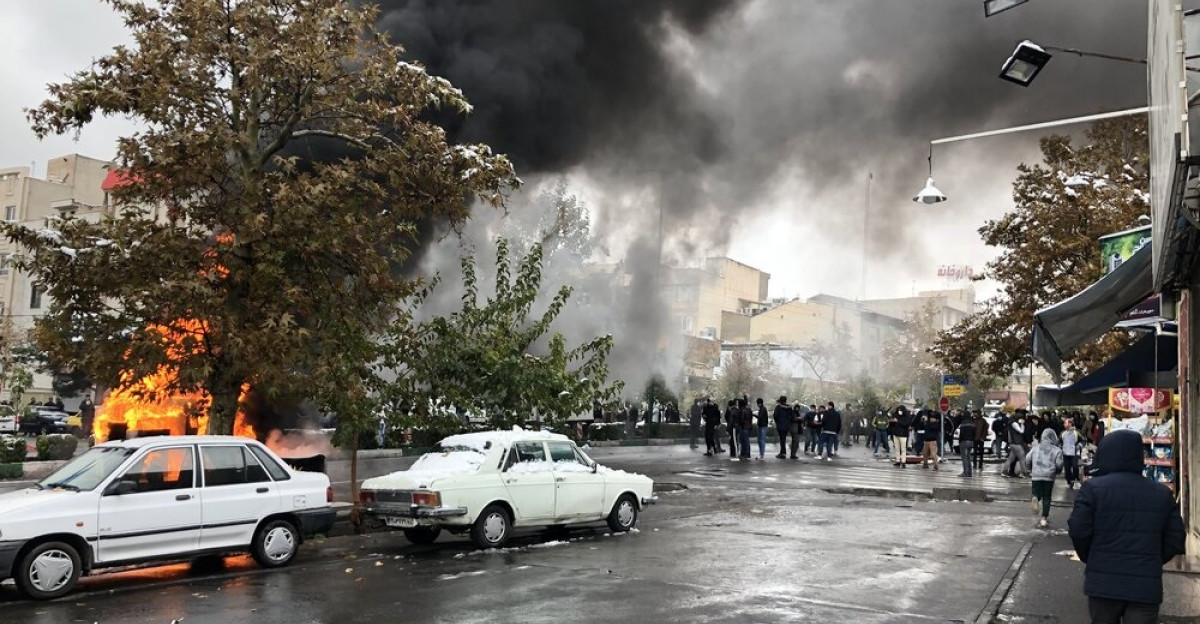
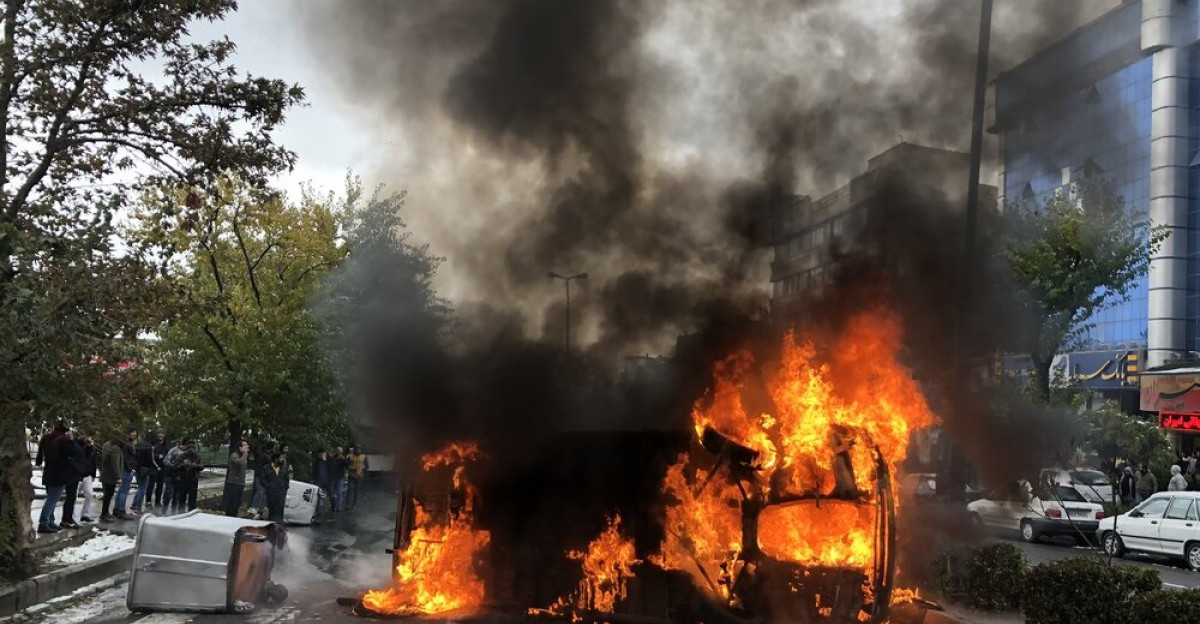
Iranian Revolutionary Guards and Basij paramilitary forces responded with live ammunition, chemical weapons, and systematic violence that human rights groups called unprecedented in scale and lethality. Security forces used snipers positioned on rooftops and fired directly into crowds from close range.
Testimony compiled by Amnesty International and Radio Free Europe described protesters beaten to death in detention centers, while internet access was cut to 95% of the country, creating a near-total information blackout that left families unable to confirm loved ones’ fates for days.
The Order That Never Came
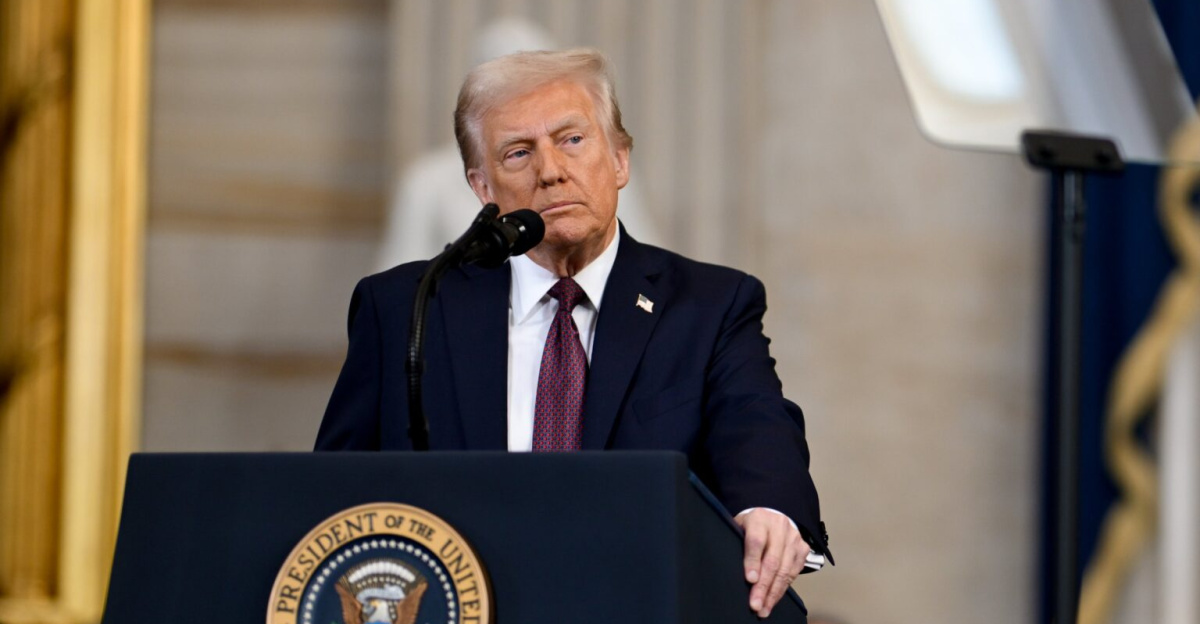
By Wednesday morning, January 15, 2026, generals and regional allies expected Trump to issue the final “execute” command for airstrikes within hours—but that order never materialized. Unlike June 2019, when Trump authorized Iran strikes and pulled back only after aircraft were airborne, this time he stopped short of formal execution orders.
Instead, he directed continued preparations while weighing intelligence and diplomatic channels, emerging around 3 PM ET on January 14 to announce that Iranian officials had privately assured the U.S. that planned executions of 800 detained protesters were canceled, signaling the strike window had closed.
Regional Impact
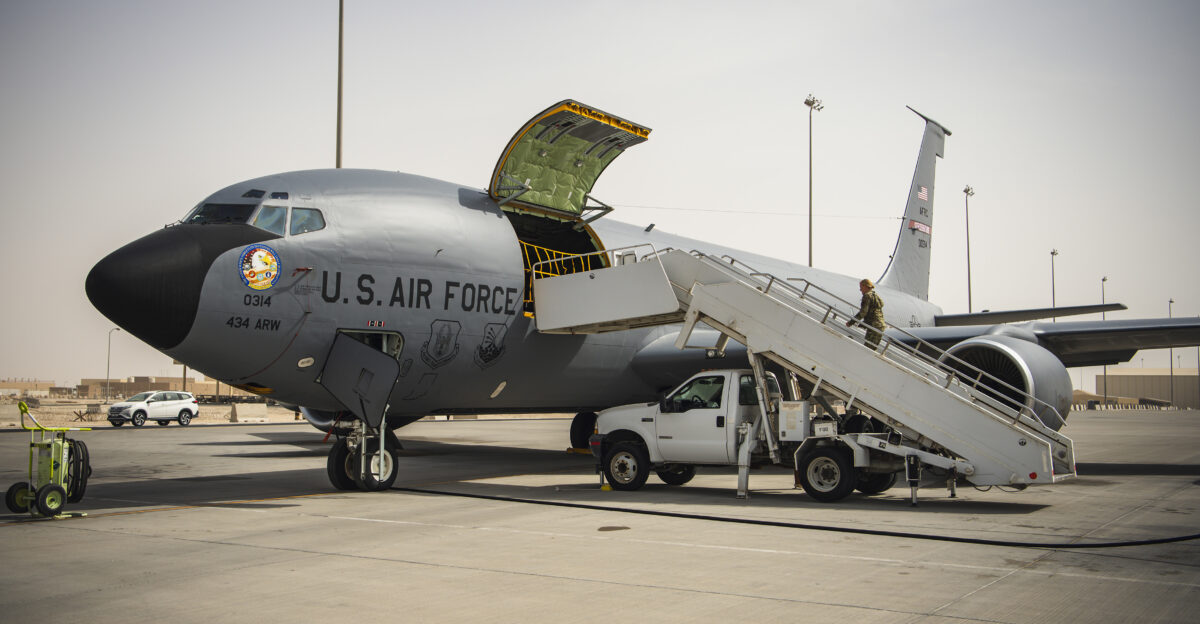
The crisis paralyzed the Persian Gulf region as governments evacuated embassies, airlines canceled flights, and oil markets spiked on fears of a wider war that could close the Strait of Hormuz, through which 20% of global oil supplies transit daily. Qatar’s Al Udeid Air Base became a potential Iranian missile target, prompting the withdrawal of non-essential staff.
Saudi Arabia, the UAE, and Iraq privately urged restraint, warning that U.S. strikes could trigger Iranian retaliation across the region and destabilize the fragile post-Gaza ceasefire architecture.
Voices From Tehran
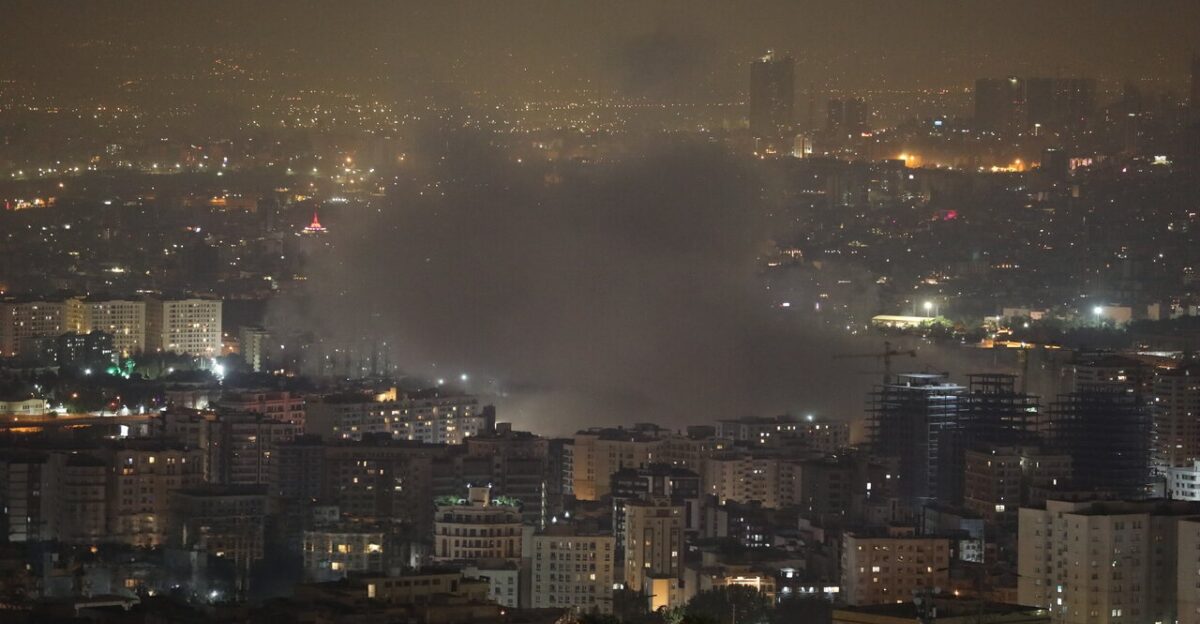
RFE/RL documented numerous accounts of security forces shooting unarmed protesters at close range, including teenagers killed while fleeing violence in residential neighborhoods. Exiled Crown Prince Reza Pahlavi called the crackdown a massacre and urged international intervention, telling The National that protesters have not retreated despite the regime’s violence.
Trump amplified calls for action on Truth Social, posting: “If they violently kill peaceful protesters, we will come to their rescue. We are locked and loaded and ready to go,” energizing Iranian dissidents who hoped American intervention could tip the balance against the clerical regime.
International Response
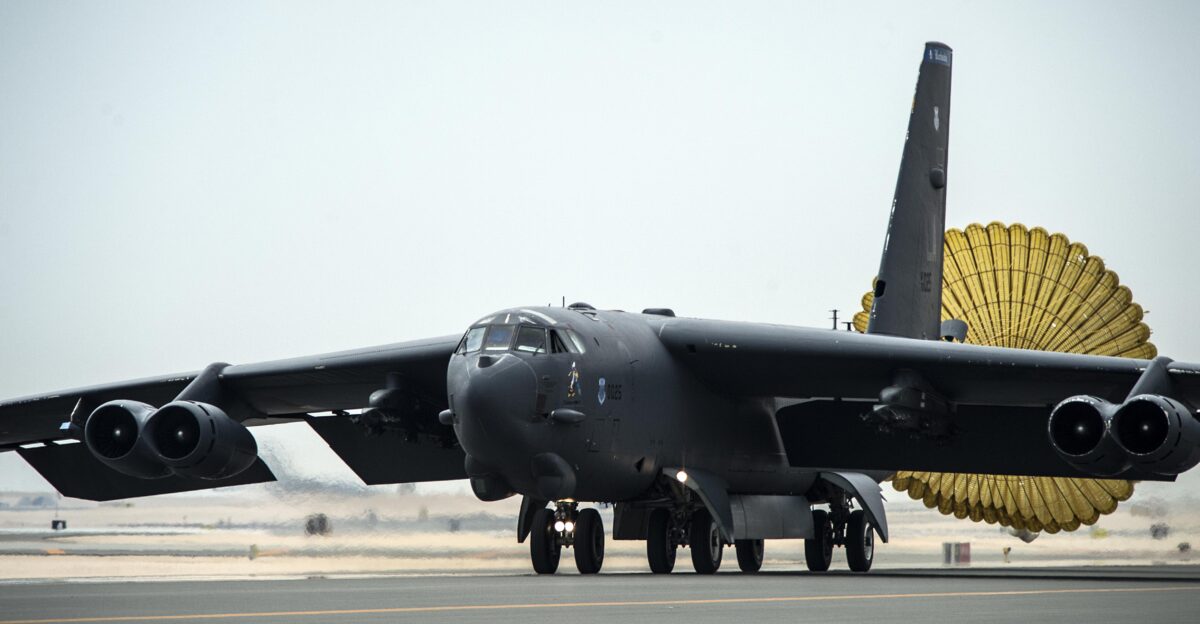
G7 foreign ministers convened to condemn what they characterized as deliberate use of violence against peaceful protesters while debating whether to support potential U.S. military action or pursue diplomatic channels through the UN Security Council.
The UK pulled troops from Al Udeid Air Base as a precautionary measure, signaling London’s concern about imminent escalation, while European leaders warned against unilateral strikes that could destabilize the Middle East. China and Russia issued joint statements calling for restraint and blaming U.S. sanctions for Iran’s economic collapse, deepening geopolitical divides over how to address the crisis.
Strategic Calculations
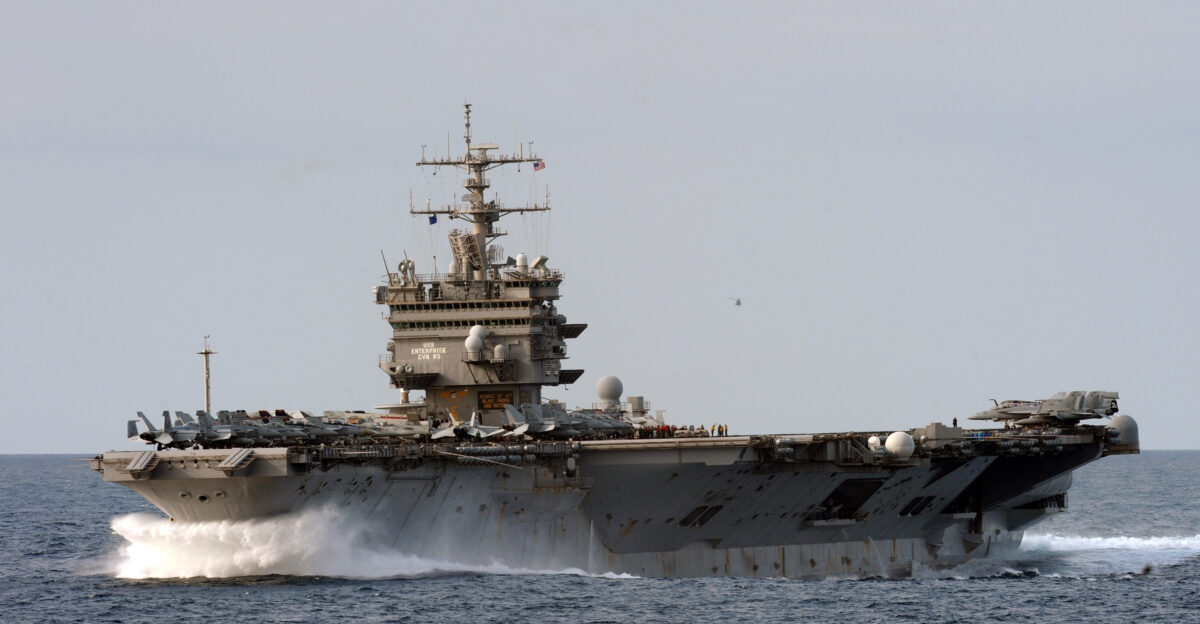
Military analysts noted the U.S. lacked sufficient forces in the region for sustained operations after years of pivoting toward Asia-Pacific competition with China. Only one carrier strike group was immediately available, and basing access was limited after Iraq restricted U.S. use of its airspace.
Iran’s defensive capabilities—including Russian-supplied S-300 systems, thousands of ballistic missiles, and proxy forces across the region—posed risks of multi-front retaliation that analysts warned could spiral into a months-long conflict.
The Backchannel Breakthrough
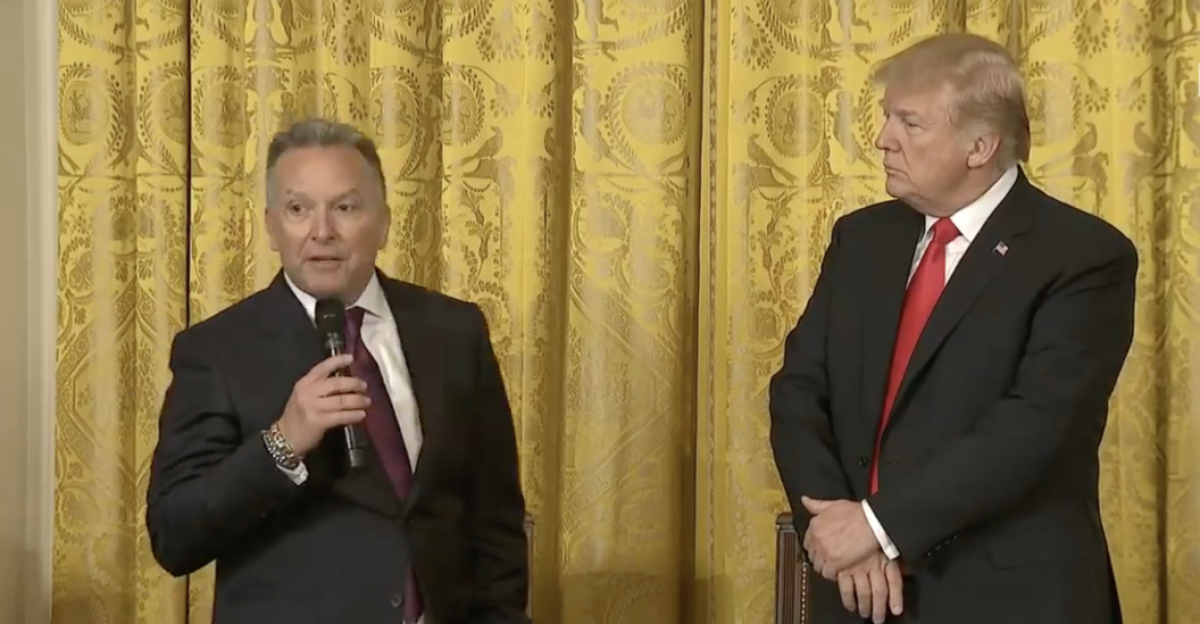
Trump’s Special Envoy Steve Witkoff held secret negotiations with Iranian Foreign Minister Abbas Araghchi through Qatari and Omani intermediaries on January 13–14, securing assurances that Tehran would halt protester executions in exchange for the U.S. standing down. By Wednesday afternoon, it was clear the strike order would not come.
Trump later said Iran’s cancellation of 800 scheduled hangings “had a big impact,” providing an off-ramp from military commitment that some senior advisors privately viewed as strategically unwise given overstretched U.S. forces.
Internal Tensions
The decision to halt strike preparations exposed deep divisions within Trump’s national security team, with some senior officials advocating military action to demonstrate American resolve. Others warned of insufficient intelligence on underground nuclear facilities and risks of failed missions reminiscent of past disasters.
Advisors debated whether intervention would embolden or crush the protest movement, while Iranian-American activists split over whether U.S. strikes would help or harm demonstrators, even as headlines declared the strikes “called off.”
Shift in Command
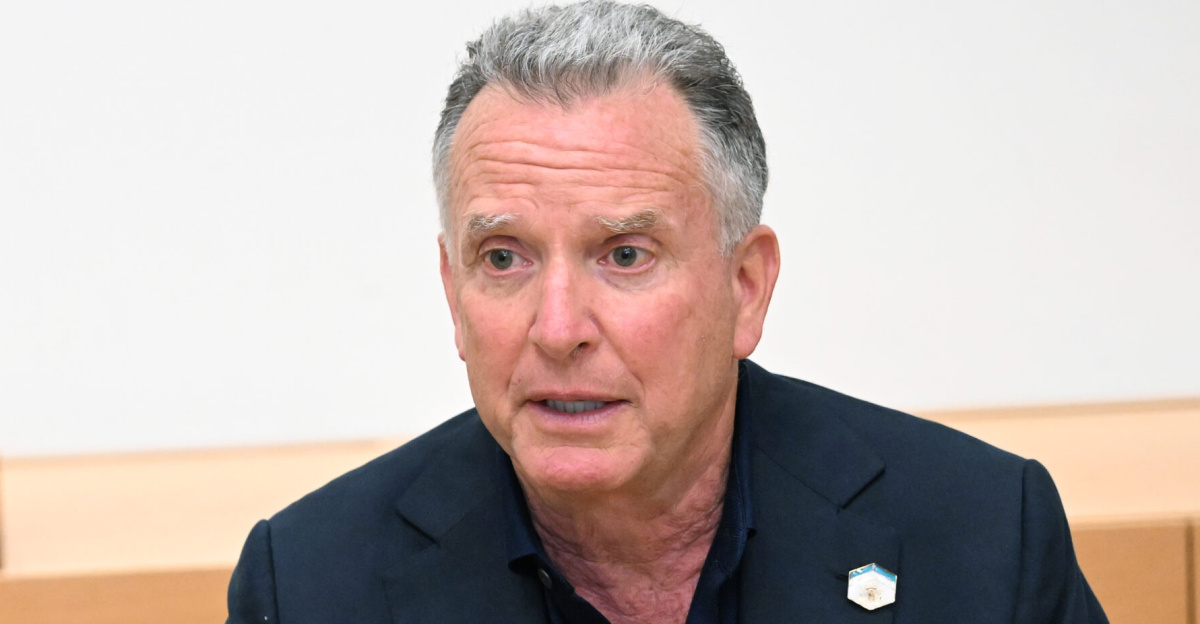
Trump tasked Witkoff, a longtime real estate associate with no formal diplomatic background, to lead backchannel talks after traditional State Department channels failed to secure Iranian concessions. The move reflected Trump’s preference for personal relationships over bureaucratic processes.
Witkoff’s involvement proved decisive when he established direct communication with officials close to Supreme Leader Khamenei, something career diplomats had been unable to achieve despite months of effort.
Carrier Deployment Continues
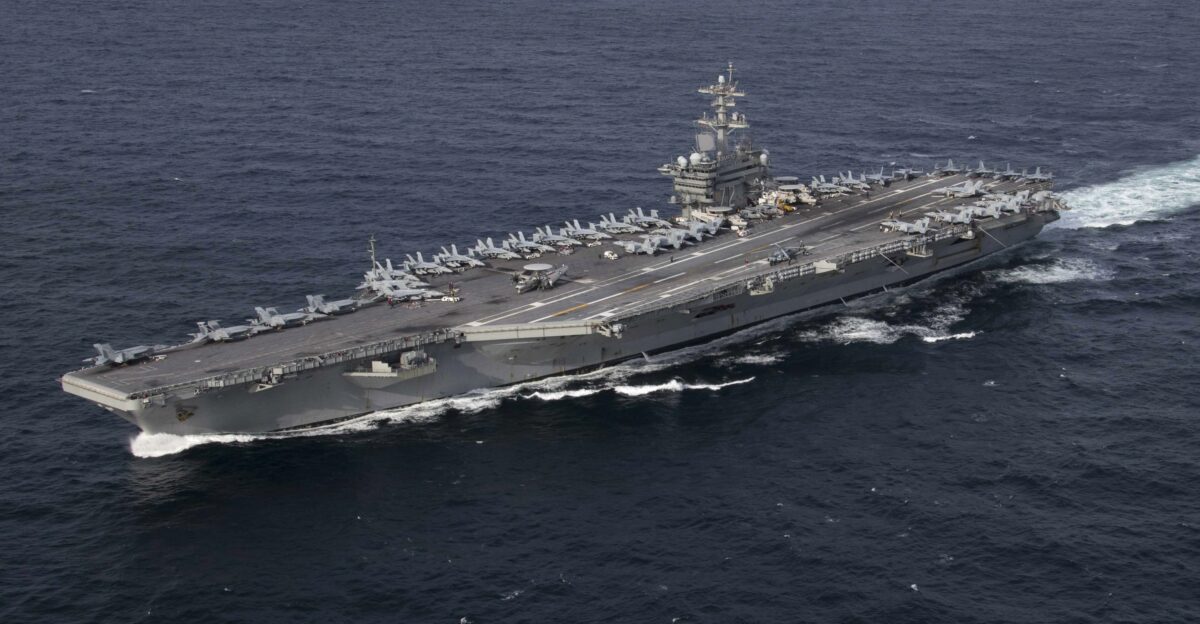
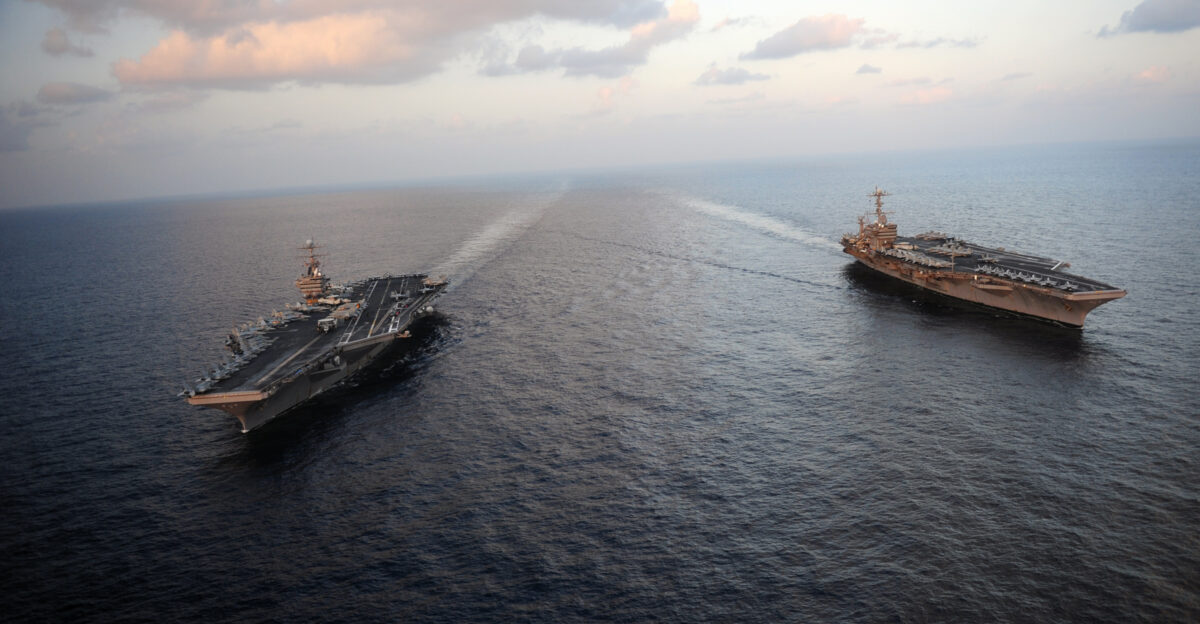
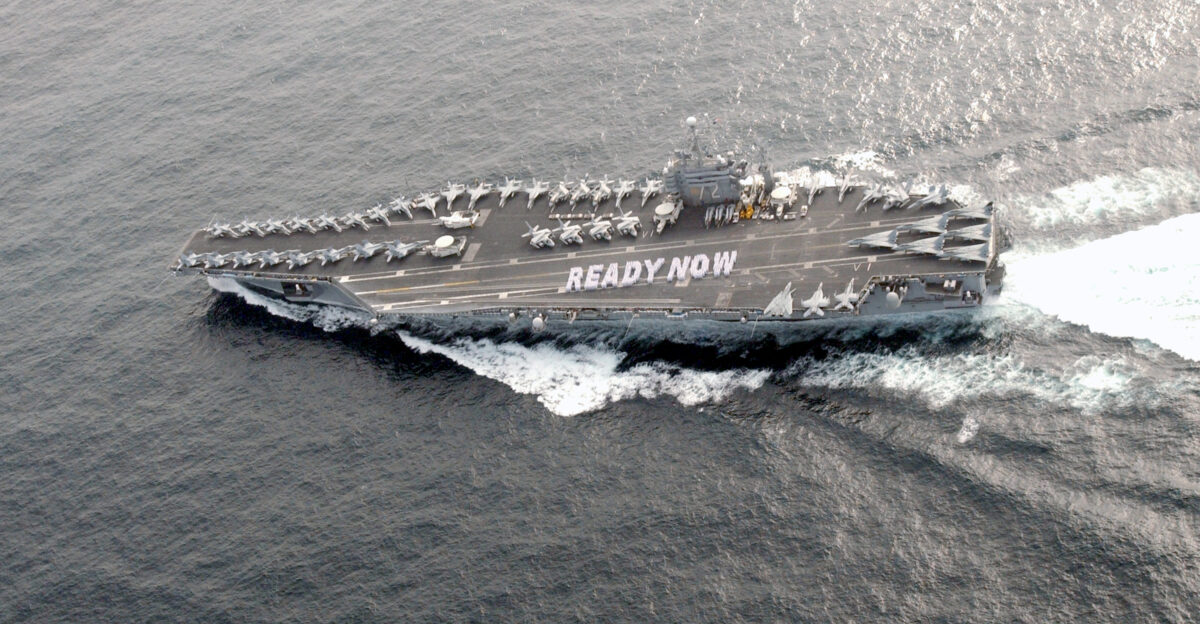
Despite the diplomatic breakthrough, the USS Abraham Lincoln continued its transit toward the Persian Gulf, arriving near Singapore on January 18 with an estimated January 25 arrival in the CENTCOM area. The nuclear-powered supercarrier and its strike group represented a significant show of force.
Navy officials emphasized the deployment served dual purposes: deterring Iranian aggression if talks collapsed and reassuring Gulf allies questioning U.S. resolve.
Skeptical Outlook
Regional experts expressed doubt that Iran’s assurances would hold, noting the regime’s history of tactical concessions followed by resumed repression once international attention faded. Foundation for Defense of Democracies Iran researcher Behnam Ben Taleblu warned that Tehran could simply wait for international scrutiny to diminish before resuming its crackdown, viewing the pause as tactical rather than strategic.
Human rights organizations documented continued arrests, disappearances, and torture in detention centers despite the claimed reduction in killings, with HRANA verifying 342 additional deaths in the week following Trump’s January 15 announcement.
Unresolved Questions
The crisis left fundamental questions unanswered about whether diplomacy alone can deter authoritarian regimes from massacring protesters. Trump’s reliance on backchannel assurances marked a departure from his earlier “maximum pressure” approach.
As internet access gradually returned to Iran, the true death toll remained contested, with some estimates reaching into the tens of thousands killed and hundreds of thousands injured.
Political Ramifications
Republican hawks criticized Trump’s restraint as a betrayal of Iranian protesters, arguing it emboldened authoritarian rivals. Democrats faced their own contradictions, balancing opposition to war with demands for human rights accountability.
The episode complicated Trump’s effort to present himself as both opposed to “endless wars” and tough on authoritarian regimes, a tension likely to define his second-term foreign policy.
Global Precedent
The crisis set a troubling precedent for how authoritarian governments can withstand pressure through tactical concessions and information control. Iran’s near-total internet shutdown limited real-time documentation and international outcry.
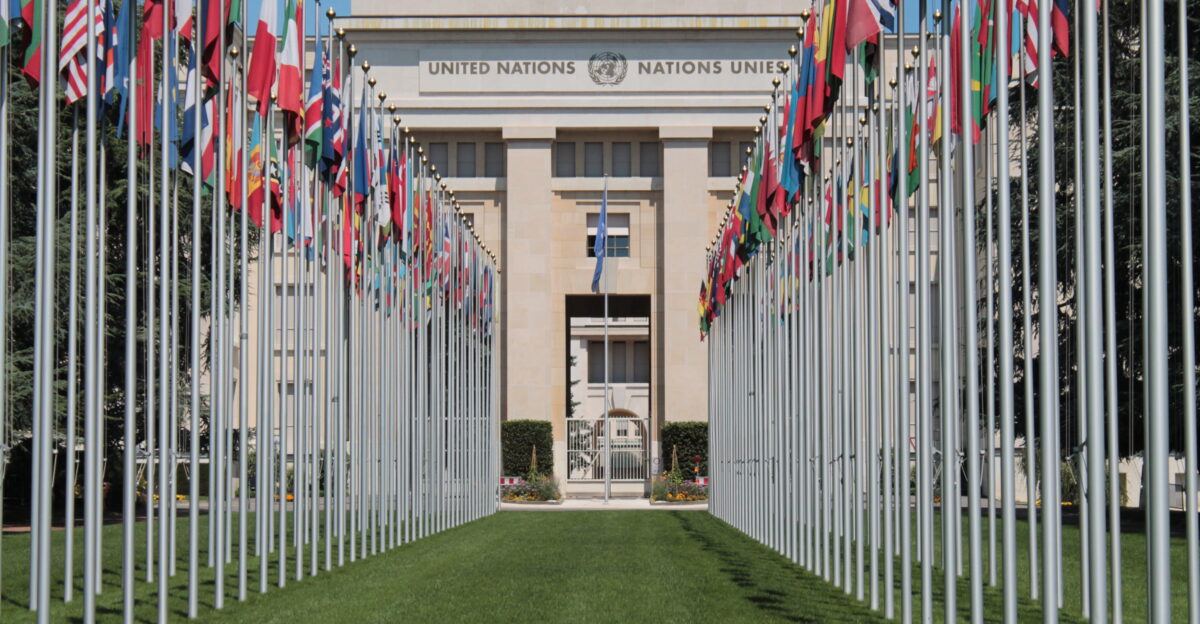
UN investigators announced plans to pursue crimes-against-humanity charges, though Iran’s non-recognition of the court’s jurisdiction makes accountability unlikely without regime change.
Legal Debates
Constitutional scholars debated whether Trump had authority to strike Iran without congressional approval, questioning whether existing authorizations could justify intervention in a domestic crackdown. The War Powers Resolution loomed as a theoretical constraint.
Had strikes occurred, courts would have faced a test of whether a president can unilaterally initiate humanitarian intervention to protect foreign civilians from their own government.
Generational Divide
The protests reflected a generational rupture in Iranian society, with demonstrators overwhelmingly under 35 years old and born after the 1979 revolution, possessing no memory of the Shah’s regime and thus immune to clerical warnings about returning to pre-revolutionary authoritarianism. Young Iranians’ access to VPNs, satellite TV, and smuggled Starlink terminals exposed them to global culture and prosperity their parents never experienced, creating expectations the theocratic system cannot fulfill.
Human Rights Watch researchers noted that this generation grew up under sanctions, isolation, and restricted freedoms, fueling frustrations that the regime cannot address through violence alone—an existential legitimacy crisis threatening the Islamic Republic’s long-term survival.
Broader Implications
The January 2026 crisis crystallized a defining geopolitical question: whether democracies possess tools beyond military force to influence authoritarian behavior. Trump’s decision to prioritize negotiations over airstrikes may be judged as restraint or missed opportunity.
As U.S. forces continue to posture in the region and Iranian security services retain control, the world watches to see whether diplomacy can deliver accountability and freedom for which thousands of Iranians paid with their lives.
Sources:
Axios, “The order never came”: Behind the scenes of Trump’s Iran…, January 18, 2026
Times of Israel, Witkoff indicates US prefers to resolve Iran tensions with diplomacy not military action, January 15, 2026
Al Jazeera, What is HRANA the US-based group behind Iran’s death toll figures, January 15, 2026
Air & Space Forces Magazine, US Evacuates Al Udeid as Trump Weighs Action Against Iran, January 15, 2026
Jerusalem Post, USS Lincoln en route to Middle East amid US-Iran tensions, January 17, 2026