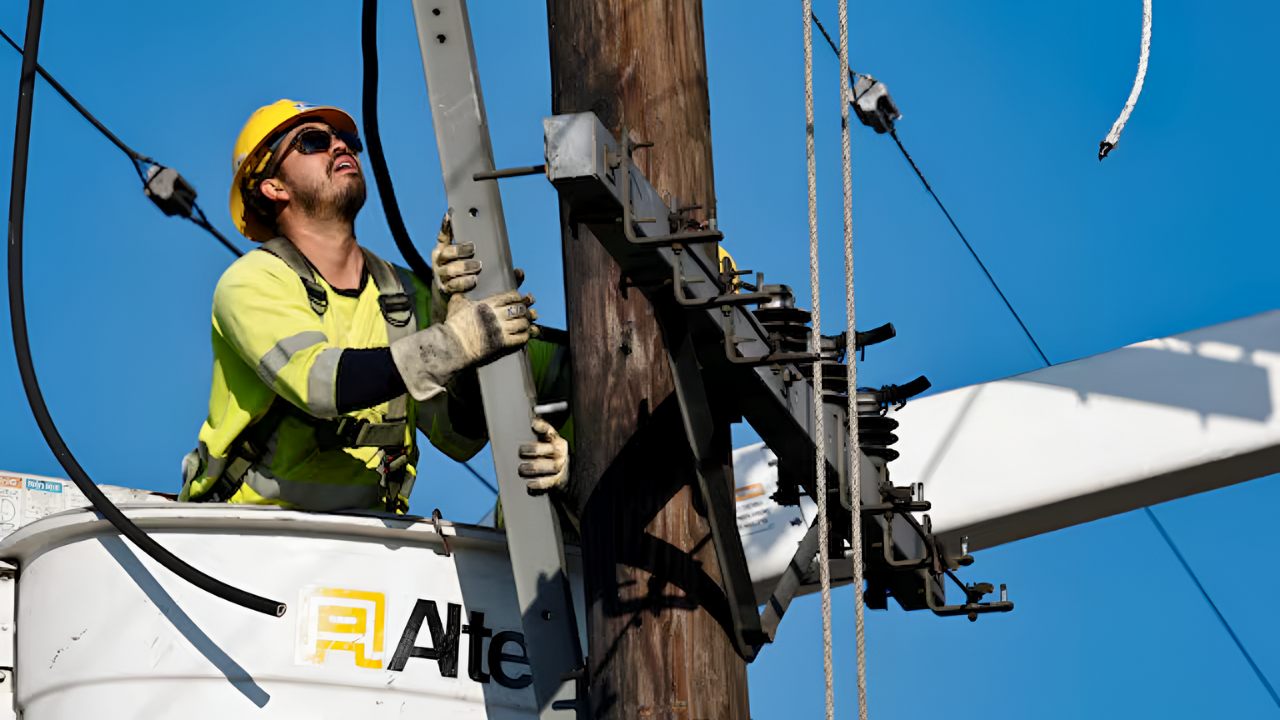
U.S. retail electricity prices hit a record 18.07 cents per kilowatt-hour in September 2025, up 7.4% from the year before, pushing monthly bills higher for 67 million Americans in the PJM Interconnection region. As data centers fuel an AI boom, grid strain has turned power costs into a pivotal issue for households and 2026 political campaigns.
Data Center Demand Strains Aging Grid
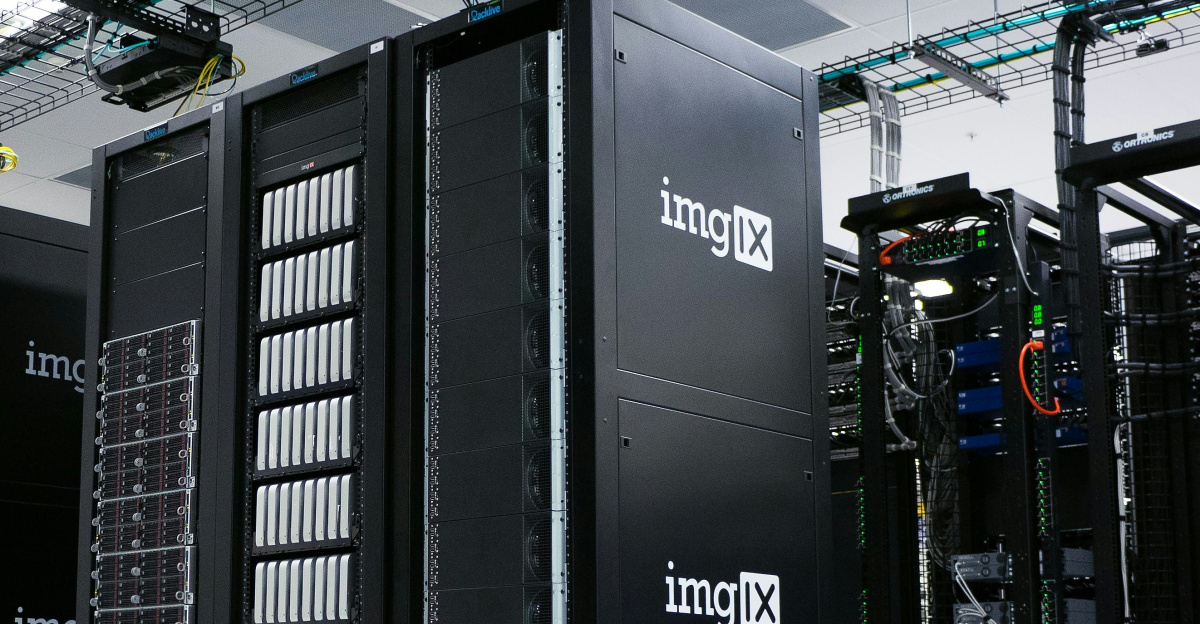
Data centers now use 4.4% of U.S. electricity, surpassing consumption in states like Ohio. The International Energy Agency forecasts this demand tripling to 640 terawatt-hours by 2035. By 2028, it could claim 6.7% to 12% of total supply, expanding three times faster than residential use and overwhelming infrastructure from decades past. Artificial intelligence training and operations drive this, requiring vast computational resources.
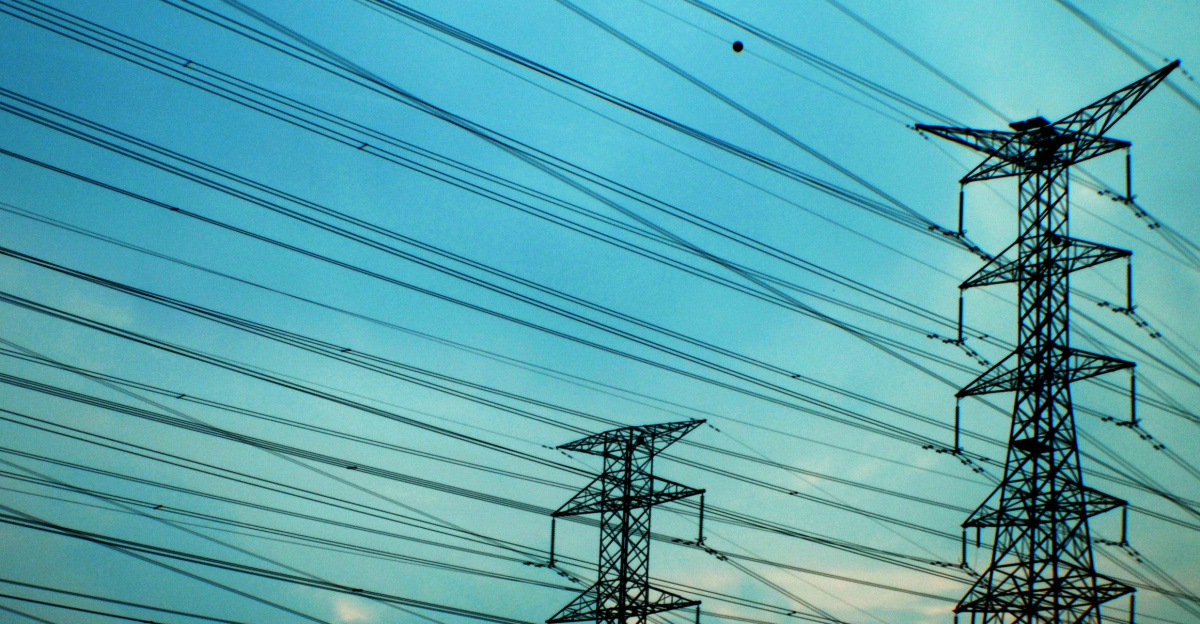
Grid operators predict peak supply will miss demand by 2028, the first shortfall in a decade, potentially reaching 175 gigawatts by 2033—enough for 130 million homes. Much of the transmission network exceeds 40 years old, past its limits, with 2-3 year delays for transformers due to supply shortages. Electrification of vehicles, heating, and industry compounds the pressure alongside data center growth, demanding urgent generation and line investments.
Capacity Auction Crisis Triggers Federal Intervention
PJM’s recent capacity auctions set price records, spurred by data center needs. The December 2025 auction missed reliability targets by 6.6 gigawatts, attributed to rapid data center builds. These facilities drove nearly half of $47.2 billion in costs, or $23.1 billion, shifting burdens to residential users and igniting public anger.
In January 2026, the Trump administration and bipartisan governors issued a Statement of Principles calling for a PJM emergency auction by September. It would enable tech firms to bid on 15-year power agreements funding $15 billion in new plants, relieving ratepayers. Energy Secretary Chris Wright positioned it as vital for U.S. AI competitiveness against China while shielding families from bill spikes—a rare federal move to reshape markets.
Virginia Ground Zero as Tech Firms Commit Funding

Northern Virginia, with 561 data centers, anchors global cloud and AI operations, facing up to 25% bill rises—triple the national projection of 8% by 2030. Supply disruptions here could cripple nationwide digital services. From April to June 2025, communities halted 20 projects worth $98 billion over cost concerns, pressuring leaders and making data centers a 2026 election focal point.
Microsoft committed to covering its data center power costs, with Google planning $25 billion in PJM-area AI facilities. Industry signals acceptance of direct funding eases tensions. PJM reviews the auction amid stakeholder input, but Federal Energy Regulatory Commission approval is required, with FERC Chair Laura Swett prioritizing data center connections. Timelines span 6-12 months; PJM was absent from White House talks, adding uncertainty.
Infrastructure and Regulatory Challenges Ahead
The auction could favor natural gas and nuclear with 15-year contracts. Critics highlight a 15-year fossil fuel commitment, possibly delaying renewables, plus data centers’ 170% water demand rise by 2030. New lines face 7-10 year permitting delays despite administration efforts to speed National Environmental Policy Act reviews; equipment shortages persist.
States like Oregon mandate data center grid offsets, with Pennsylvania capping prices through 2028. Federal plans risk overriding these amid interstate rivalry for facilities. The administration frames expansion as national security against China, as AI demands uninterrupted power amid competing grid needs from manufacturing and electrification.
The proposed auction could ease price pressures if tech bids succeed, approvals clear swiftly, and plants build on schedule. Yet regulatory hurdles, opposition from utilities and renewables, fossil fuel lock-in concerns, and transmission gaps leave outcomes uncertain, with broad implications for reliability, costs, and policy through the decade.
Sources: U.S. Department of Energy Fact Sheet – Emergency Auction Proposal, January 2026
U.S. Department of Energy – Statement of Principles, January 16, 2026
Federal Energy Regulatory Commission Priority Statement, January 2026
Energy Information Administration – Electricity Price Data, September 2025
International Energy Agency – Data Center Demand Projections, 2025
PJM Interconnection – Capacity Auction Results and Analysis, December 2025
Pennsylvania Governor’s Office – PJM Price Cap Extension, January 2026
Microsoft Community-First AI Infrastructure Blog, January 2026
USA Today Energy Analysis, January 2026