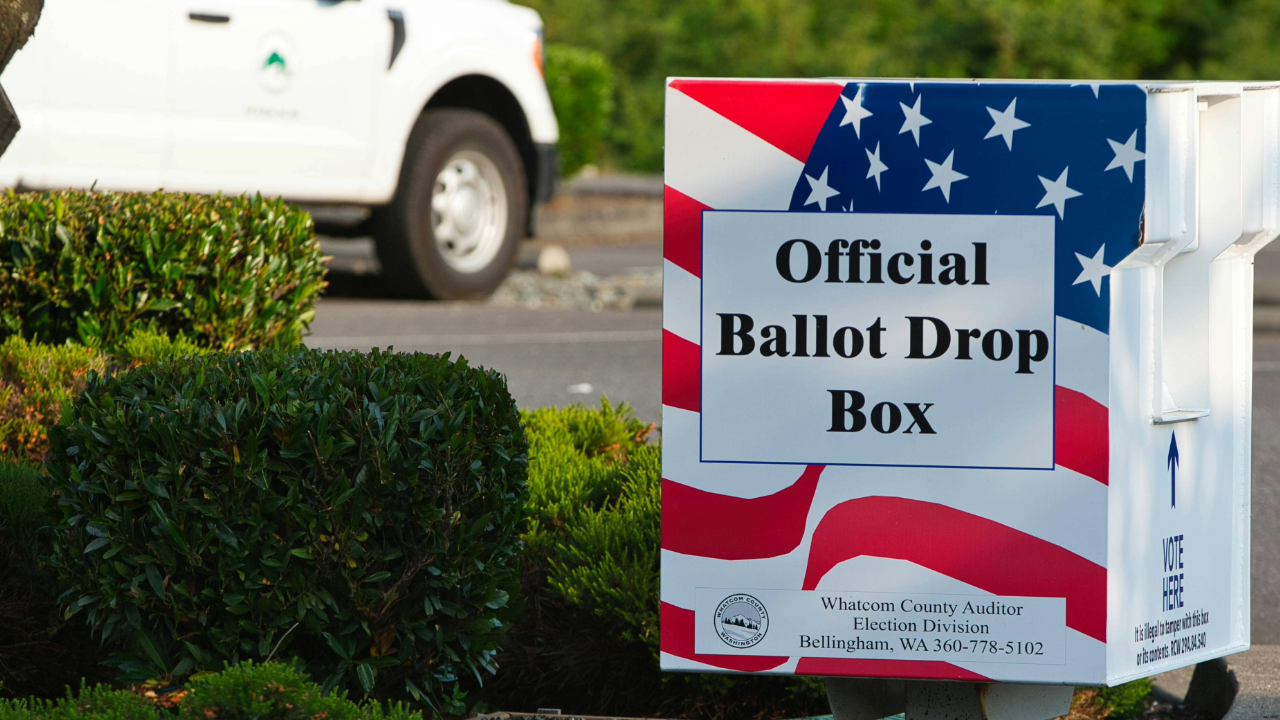
“The Constitution assigns no authority to the President” over federal election administration, U.S. District Judge John H. Chun declared in a sweeping 75-page ruling that permanently blocks Donald Trump’s executive order targeting vote-by-mail systems. The January 9, 2026 decision represents one of the most forceful judicial rejections of presidential power over elections in modern American history, affecting millions of voters.
Washington and Oregon Secure Permanent Injunction
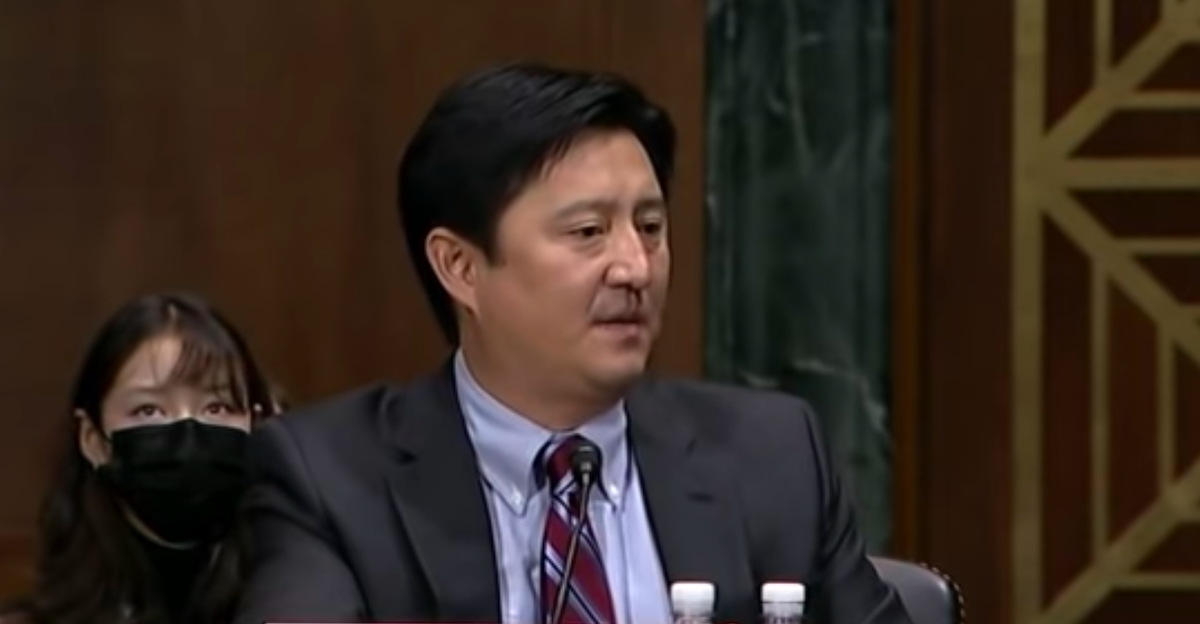
Judge Chun’s ruling permanently prohibits the Trump administration from enforcing Executive Order 14248 in Washington and Oregon, two universal vote-by-mail states.
The Seattle-based federal judge sided entirely with state officials who argued Trump exceeded his constitutional authority by attempting to unilaterally rewrite election rules. The decision protects voting systems that have operated successfully for decades in both states.
120,000 Ballots at Stake in Washington Alone

The practical impact is staggering. Washington counted nearly 120,000 ballots in the 2024 general election that were postmarked on Election Day but arrived afterward. Oregon counted approximately 14,000 such ballots.
Under Trump’s order, all these votes would have been discarded, potentially disenfranchising eligible voters due to postal delays beyond their control. State officials called this scenario a democratic catastrophe.
Trump’s Executive Order Sought Sweeping Changes
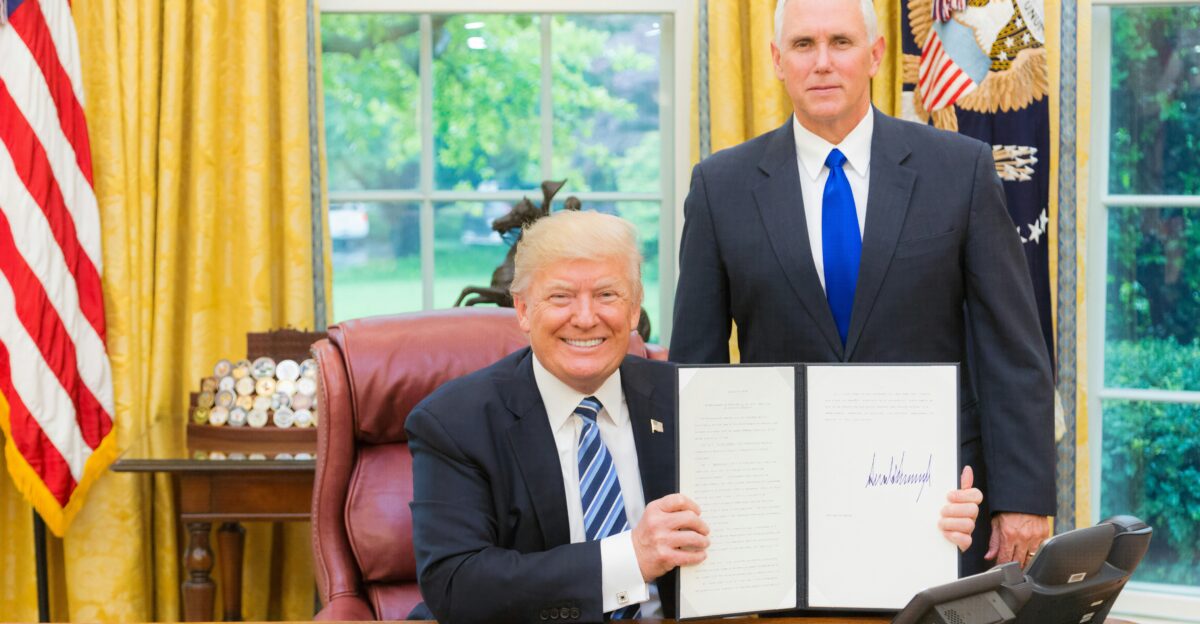
Executive Order 14248, titled “Preserving and Protecting the Integrity of American Elections,” was issued March 25, 2025.
The order mandated documentary proof of citizenship for voter registration, required all mail ballots be received by Election Day rather than postmarked, threatened federal funding cuts, and directed criminal prosecutions against non-compliant states. Legal experts immediately questioned its constitutionality.
Separation of Powers at the Heart of Ruling
Judge Chun emphasized foundational constitutional principles in his decision. “Separation of powers was designed to implement a fundamental insight: Concentration of power in the hands of a single branch is a threat to liberty,” the ruling stated.
The court determined that allowing presidents to dictate election rules would dangerously centralize authority in ways the Framers explicitly rejected when designing America’s governmental structure.
States Hold Constitutional Authority Over Elections

The Constitution vests election regulation authority with states and Congress exclusively, not the executive branch.
Judge Chun wrote that while the president holds executive power, “in the framework of our Constitution, the President’s power to see that the laws are faithfully executed refutes the idea that he is to be a lawmaker.” This core principle undergirds American democracy’s checks and balances system.
Presidential Power Requires Legal Foundation
The court clarified limits on executive authority. “Whenever the President issues an executive order, the power to issue the order must stem either from an act of Congress or from the Constitution itself,” Judge Chun explained.
Trump’s order lacked both statutory and constitutional foundations, making it unlawful. The president cannot unilaterally create election law without congressional authorization or constitutional basis.
Vote-by-Mail Systems Under Federal Attack

Washington and Oregon operate as universal vote-by-mail states where postal ballots are the default voting mechanism.
Both states accept ballots postmarked on or before Election Day but delivered afterward, a practice essential to prevent disenfranchisement from postal service delays. Trump’s order would have forced these states to abandon decades-old systems that enjoy broad public support and proven track records.
States Filed Lawsuit in April 2025

Washington and Oregon sued in April 2025, shortly after Trump issued the executive order. They moved for summary judgment in May, requesting Judge Chun permanently enjoin multiple order sections as unconstitutional and ultra vires—beyond presidential legal authority.
The states argued Trump’s mandates would impose massive costs, upend established election systems, and lock eligible voters out of democratic participation.
Washington Attorney General Celebrates Victory
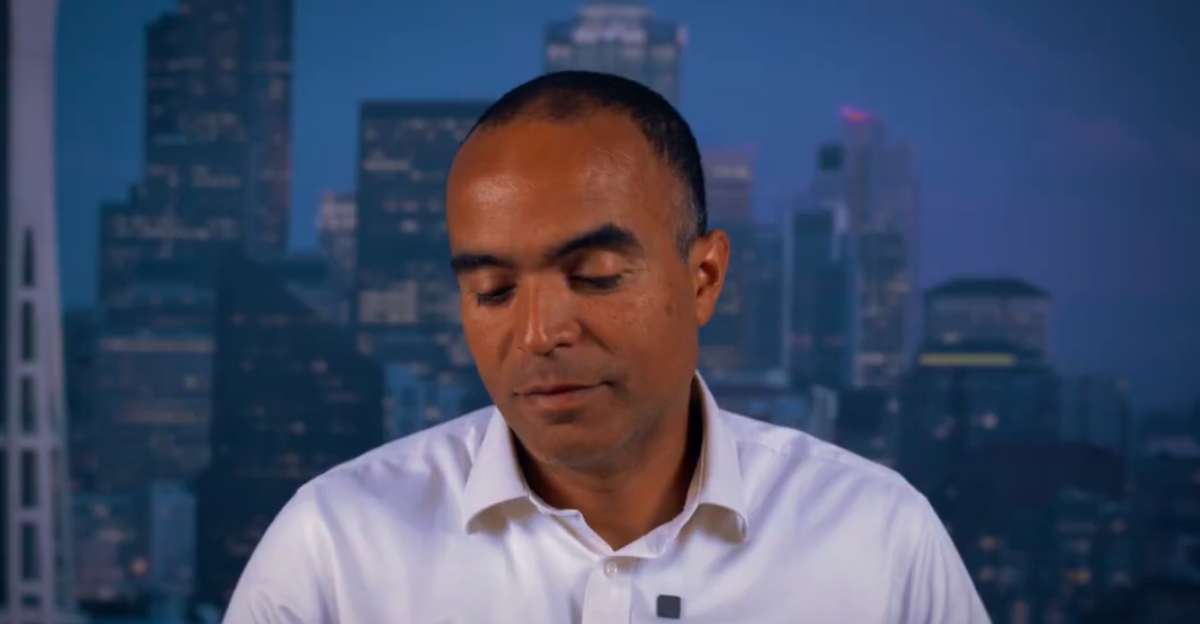
“This is a huge victory for voters in Washington and Oregon, and for the rule of law,” Washington Attorney General Nick Brown declared following the ruling.
He added that “the court enforced the long-standing constitutional rule that only States and Congress can regulate elections, not the Election Denier-in-Chief.” Brown emphasized the decision protects state sovereignty over election administration.
Secretary of State Defends Voting Access
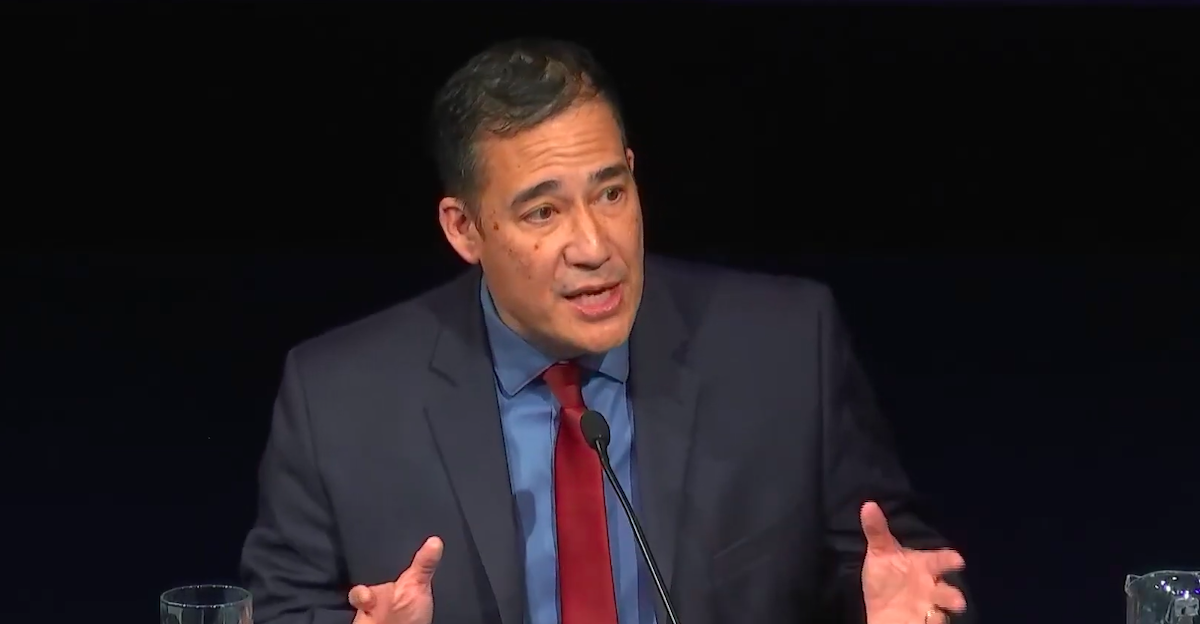
Washington Secretary of State Steve Hobbs stressed voter protection. “We oppose requirements that suppress eligible voters and will continue to advocate for inclusive and equitable access to registration while protecting the integrity of the process.
The U.S. Constitution guarantees that all qualified voters have a constitutionally protected right to vote and to have their votes counted,” Hobbs stated in response to the ruling.
Multiple Provisions Permanently Blocked
The permanent injunction prohibits federal enforcement of several order provisions. Washington and Oregon may maintain existing ballot-receipt deadline laws. The government cannot force proof-of-citizenship requirements onto voters using federal registration forms.
Federal funding cannot be conditioned on compliance with the order. Criminal prosecutions threatened against non-compliant states are blocked entirely.
Federal Funding Threats Deemed Unconstitutional

Judge Chun specifically addressed Trump’s attempt to withhold federal election funds. “The President has no authority to unilaterally impose new conditions on federal funds or ‘thwart congressional will by canceling appropriations passed by Congress,'” the ruling declared.
This provision would have given the president unprecedented leverage over state election systems through financial coercion.
White House Vows to Appeal Decision
White House spokesperson Abigail Jackson defended the executive order after the ruling. “President Trump cares deeply about the integrity of our elections and his executive order takes lawful actions to ensure election security.
This is not the final say on the matter and the Administration expects ultimate victory on the issue,” Jackson stated. The administration has indicated it will appeal.
Third Major Court Defeat for Trump Order
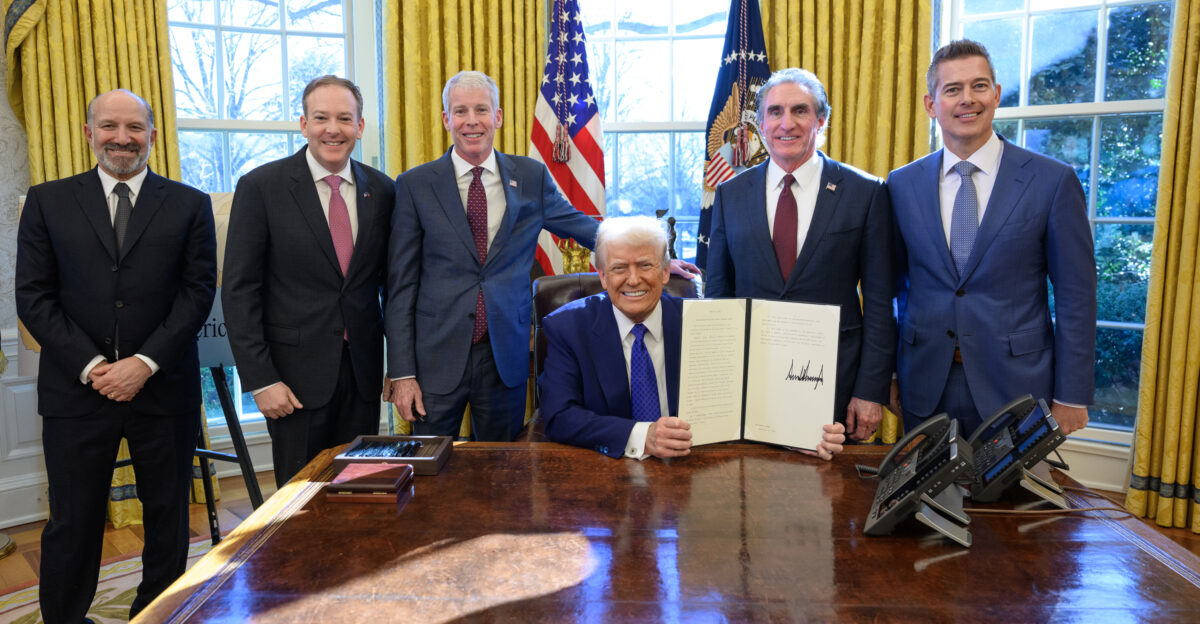
Judge Chun’s decision represents the third significant federal court ruling blocking substantial portions of the elections executive order. U.S.
District Judge Colleen Kollar-Kotelly in Washington, D.C., blocked proof-of-citizenship provisions in April 2025. U.S. District Judge Denise Casper in Massachusetts blocked ballot-deadline enforcement mechanisms in June 2025. Both earlier rulings face ongoing appeals.
Additional Legal Challenges Pending Nationwide

Multiple lawsuits challenging Executive Order 14248 remain active in federal courts across the country. Legal observers characterize the situation as “a broader legal reckoning over presidential power and voting rights.”
The accumulating adverse rulings suggest federal courts nationwide reject Trump’s assertion of unilateral authority over election administration. More decisions are expected in coming months.
Court Restores Constitutional Balance
Judge Chun framed his ruling as constitutional restoration. “In granting this relief, the Court seeks to restore the proper balance of power among the Executive Branch, the states, and Congress envisioned by the Framers,” the decision states.
The ruling reinforces that election authority remains jointly held by states and Congress, with presidents possessing no independent power over voting rules.
Implications for 2026 Midterm Elections

The ruling’s timing proves critical with 2026 midterm elections approaching. Vote-by-mail systems in Washington and Oregon will operate without federal interference under existing state laws.
However, uncertainty remains in states without protective court orders as Trump’s executive order technically remains active elsewhere. Legal experts anticipate further litigation before November’s congressional elections.
Presidential Power Over Elections Curtailed
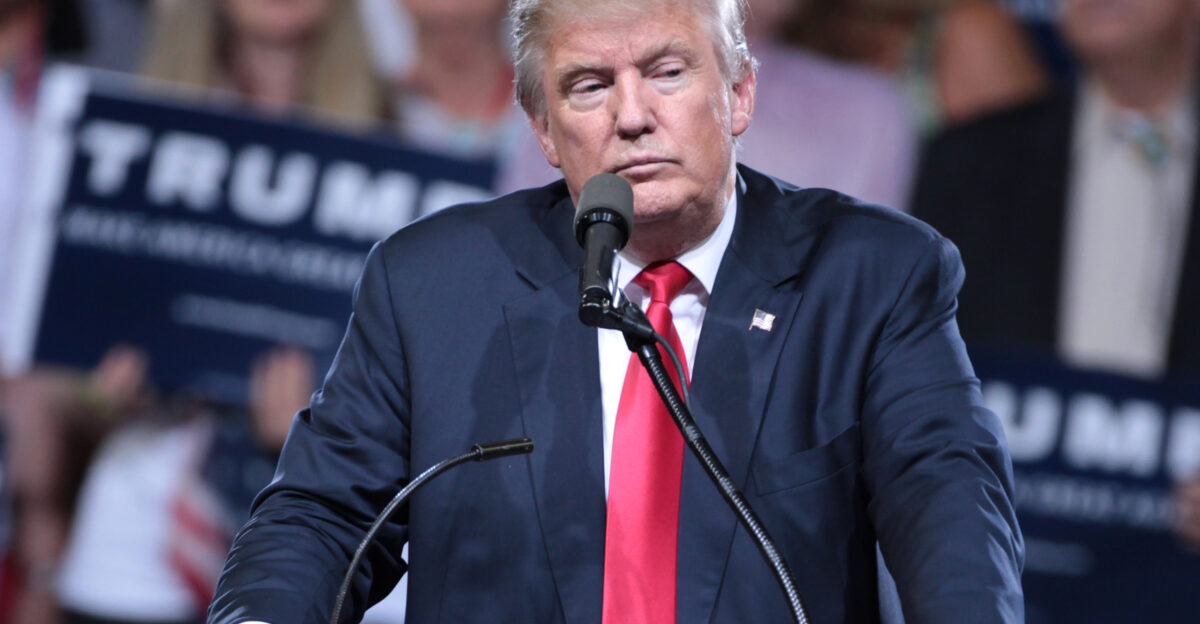
The decision establishes important precedent limiting executive authority over voting. Federal courts have now repeatedly rejected presidential attempts to unilaterally impose election requirements on states.
Constitutional scholars note the rulings reinforce foundational principles of federalism and separation of powers. The question of whether appeals courts will uphold these limitations remains the next critical legal battleground.
States’ Rights Affirmed in Election Administration

Judge Chun’s 75-page opinion provides a comprehensive defense of state sovereignty in election matters. Unless Congress passes legislation establishing different standards, states retain full authority to set ballot-receipt deadlines, registration procedures, and voting methods for federal elections.
The ruling emphasizes that presidential preferences about election administration carry no legal weight without congressional action or constitutional authorization supporting executive intervention.
Sources:
U.S. District Court Western District of Washington ruling (Judge John H. Chun, January 9, 2026)
CNN Politics coverage of Trump election order injunction; Law and Crime court filing analysis
Politico reporting on federal judge election funding ruling; Reuters Trump executive order coverage
Washington State Attorney General office official statements; Washington Secretary of State public response
White House spokesperson statements on Executive Order 14248; Fox News federal court ruling coverage