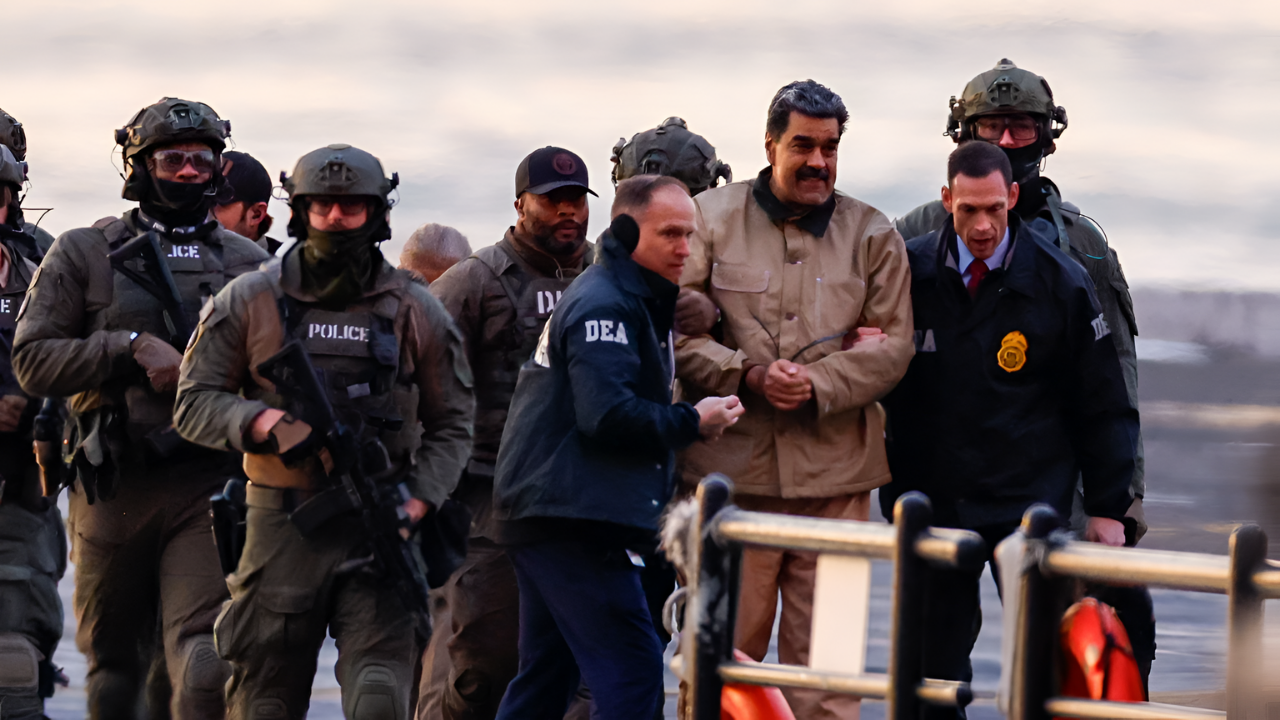
Just after 2 a.m., explosions rippled across Caracas as aircraft streaked overhead and power failed across parts of the city. Venezuelan military installations, including the vast Fuerte Tiuna base, were hit in rapid succession. U.S. helicopters moved low over the coast.
By 3:20 a.m., Nicolás Maduro was airborne, under U.S. custody. More than 150 American aircraft from 20 bases had executed the largest U.S. military operation in Latin America in decades—before most of the world woke up.
Stakes Skyrocket
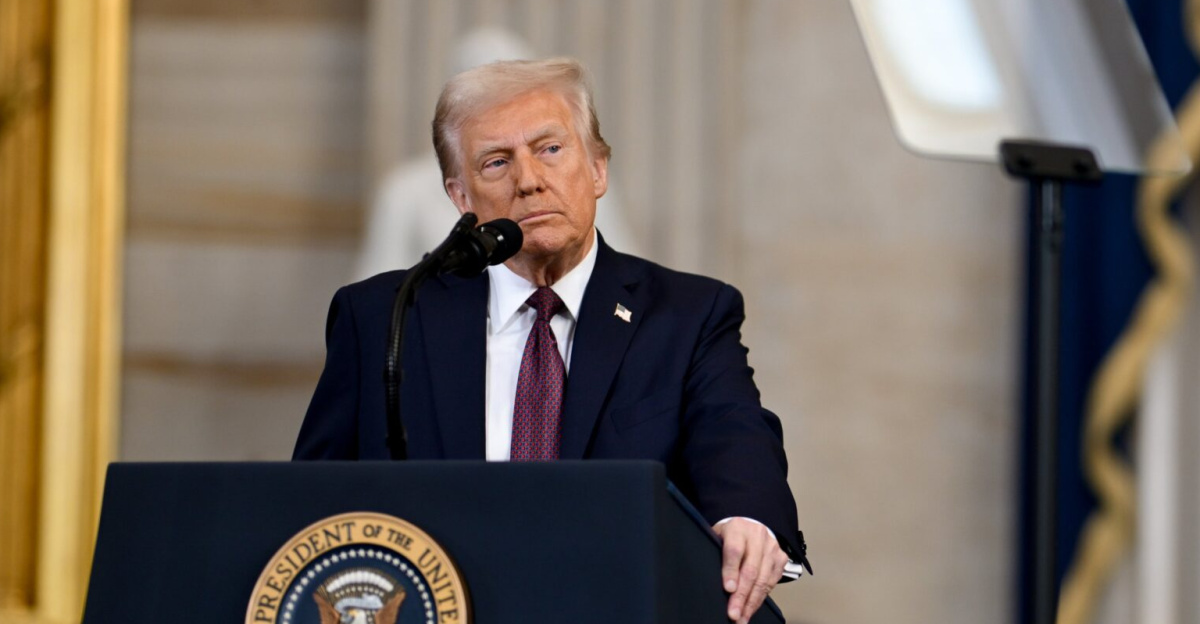
Within hours, President Donald Trump framed the strikes as a decisive blow against narcotics trafficking and regional instability. He accused Venezuela’s leadership of enabling cocaine flows into the United States and declared the operation would “change the future of Venezuela.”
The language signaled something far bigger than a limited raid. Allies and adversaries alike began asking the same question: was Washington dismantling a criminal network—or reshaping a country’s political destiny by force?
Long Decline
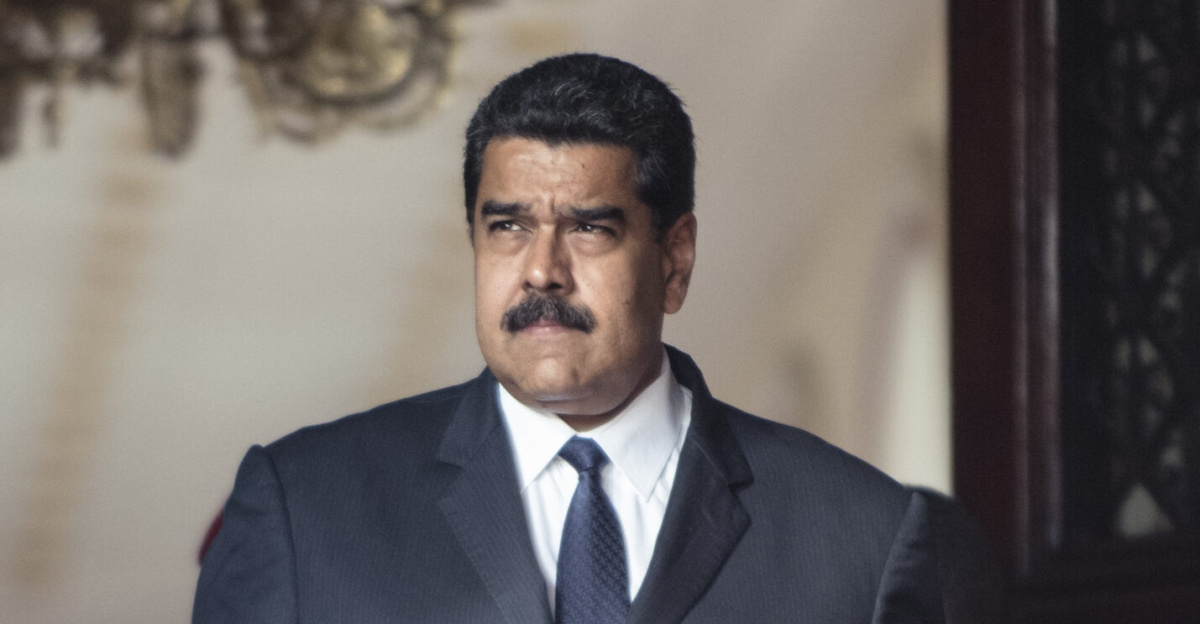
Venezuela’s collapse did not begin overnight. Under Nicolás Maduro’s 12-year rule, hyperinflation erased savings, infrastructure crumbled, and about 8 million citizens fled abroad.
Oil production—the backbone of the economy—fell to roughly 860,000 barrels per day, less than a third of output a decade earlier. Allegations of corruption, repression, and manipulated elections steadily isolated Caracas, leaving the oil-rich nation economically shattered and diplomatically cornered.
Pressure Builds
By 2024 and 2025, Venezuela was under intense strain. U.S. sanctions tightened as Washington and key allies refused to recognize Maduro following allegations of fraud in the 2024 election.
At the same time, the U.S. Justice Department pursued long-running narcotics and weapons cases against Maduro and senior officials, publicly labeling the government a criminal enterprise intertwined with cocaine trafficking—setting the legal groundwork for what followed.
Capture Confirmed
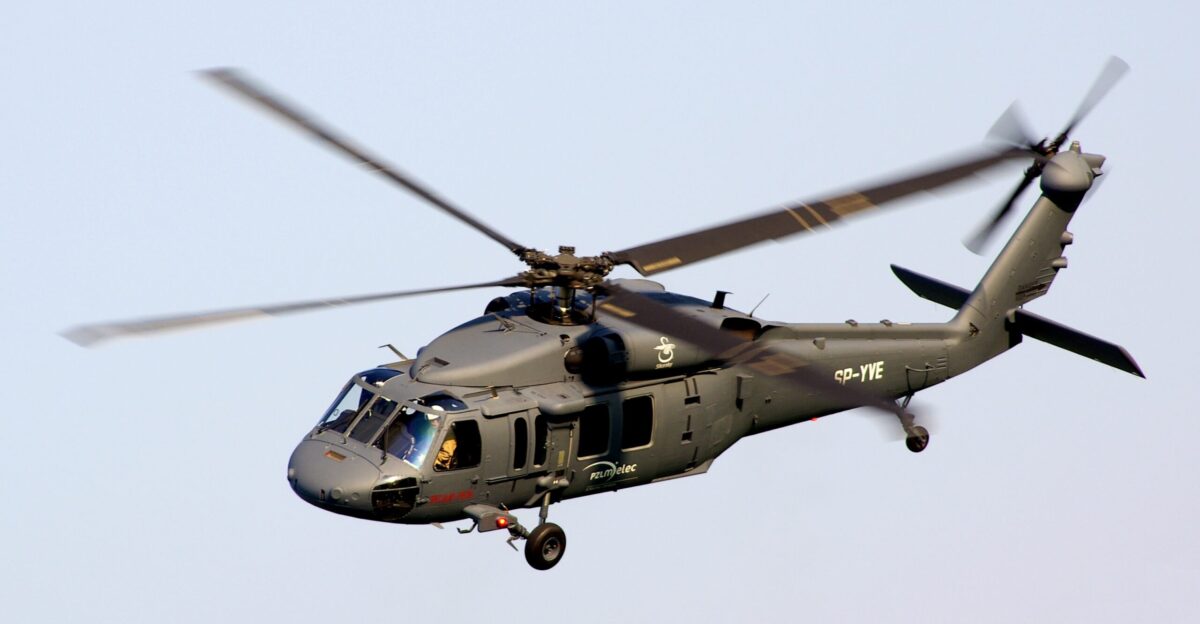
Friday’s shock centered on one revelation: Nicolás Maduro had been captured. U.S. Delta Force operators, supported by airpower and intelligence assets, seized him in a predawn raid in Caracas under “Operation Absolute Resolve.” Trump authorized the mission late Thursday.
After surrendering alongside his wife, Maduro was flown out of Venezuela by helicopter. He now faces U.S. charges including narco-terrorism, cocaine importation, and weapons offenses.
Brooklyn Cell
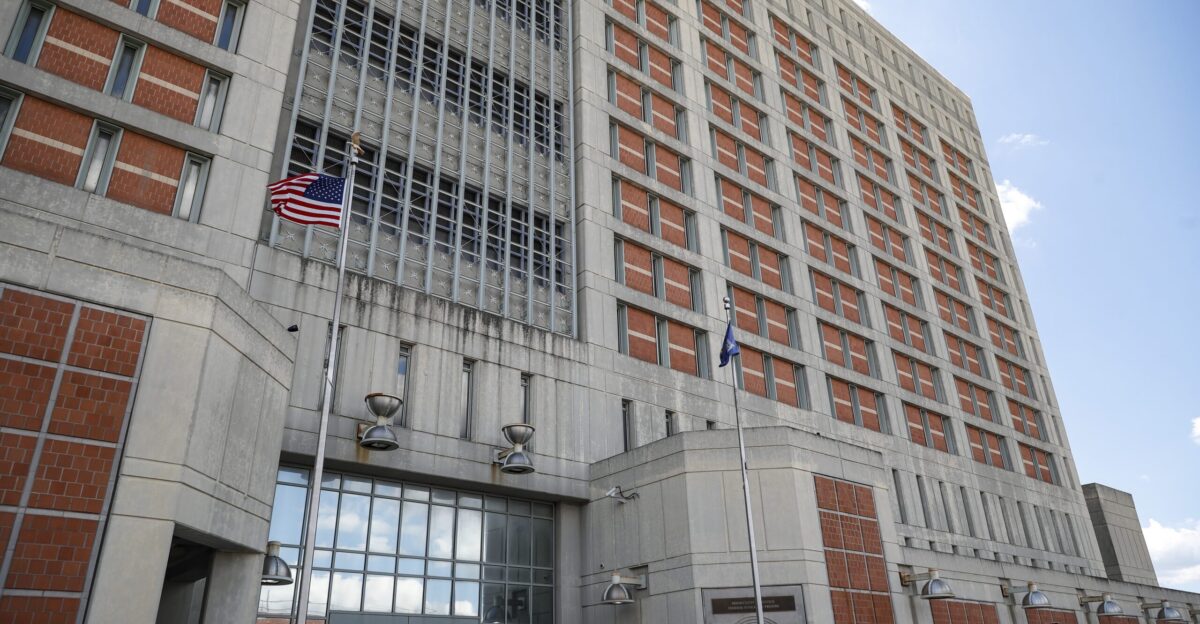
Maduro was transferred to the Metropolitan Detention Center in Brooklyn, New York, where he awaits trial in federal court in Manhattan. Both he and his wife, Cilia Flores, have pleaded not guilty.
U.S. officials emphasize the case is being treated as a criminal prosecution, not a wartime detention. Holding a former—or disputed—head of state in a civilian jail underscores Washington’s insistence that this was law enforcement, not occupation.
Shock in Caracas
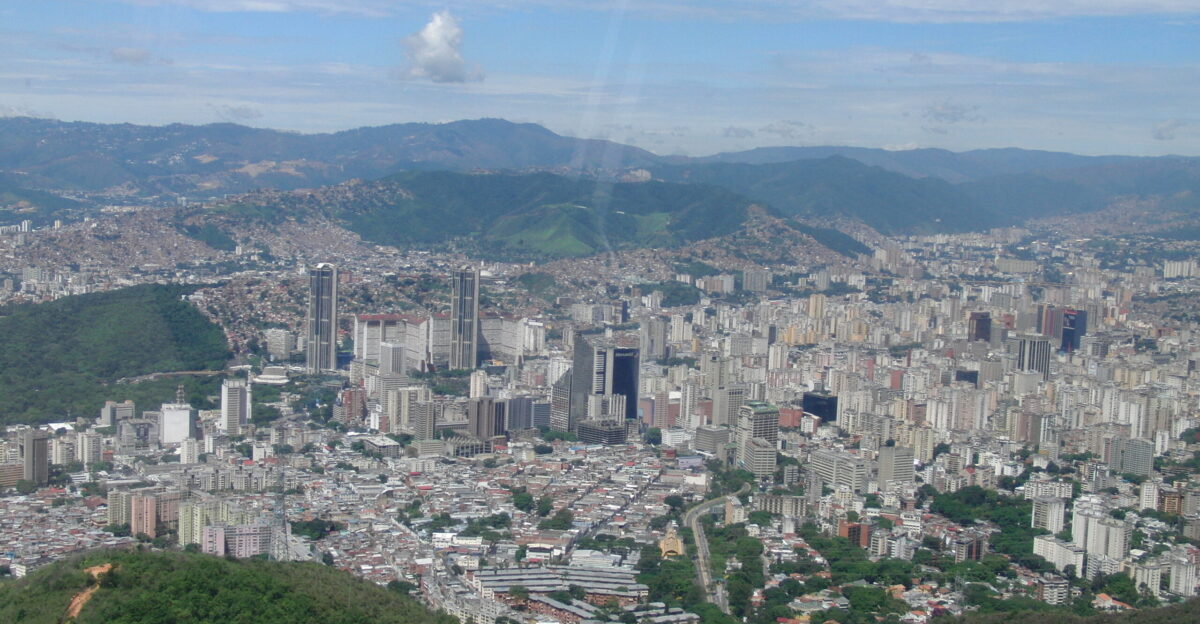
Maduro’s sudden removal threw Venezuela into political turmoil. Vice President Delcy Rodríguez was sworn in as acting president, condemning the U.S. operation as an illegal kidnapping and a violation of the U.N. Charter.
At the same time, she cautiously signaled openness to cooperation with Washington. For millions still in Venezuela, uncertainty deepened—over security, public services, and whether any transition could stabilize daily life after years of crisis.
Families and Streets
The shockwaves extended far beyond Caracas. Roughly 30 million people inside Venezuela—and about 8 million abroad—watched events unfold via phones and television.
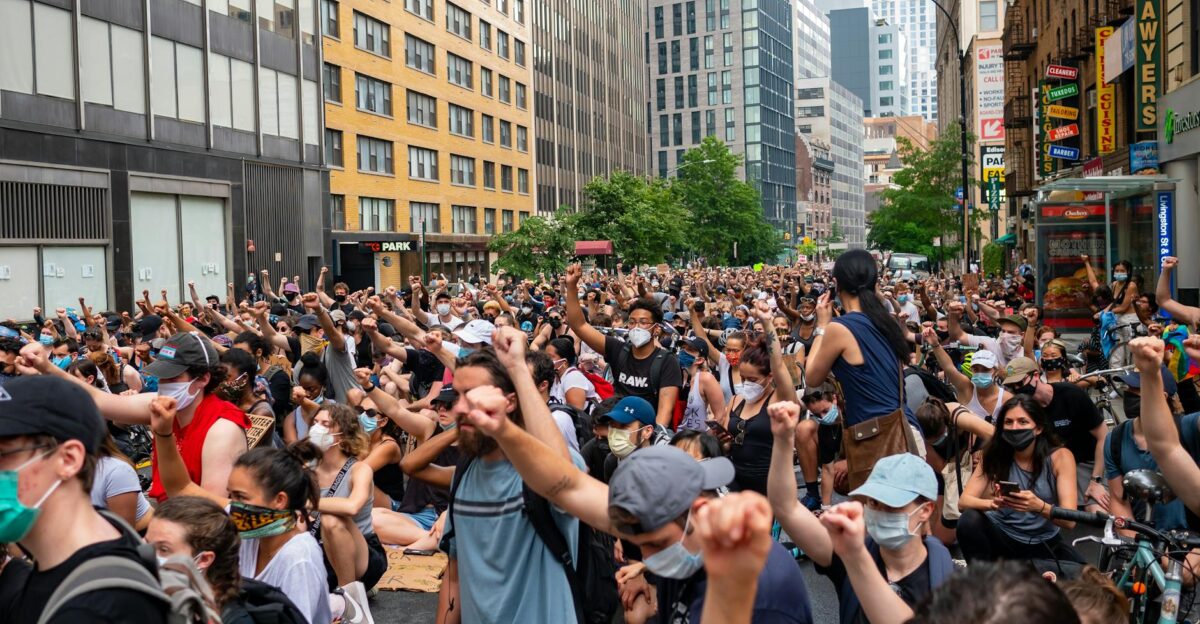
Protests also erupted in the United States. Outside the Manhattan courthouse, demonstrators held signs reading “No War for Venezuelan Oil” and “U.S.A. Hands Off Venezuela,” revealing deep divisions over whether the operation represented justice, interventionism, or something in between.
Oil in Play
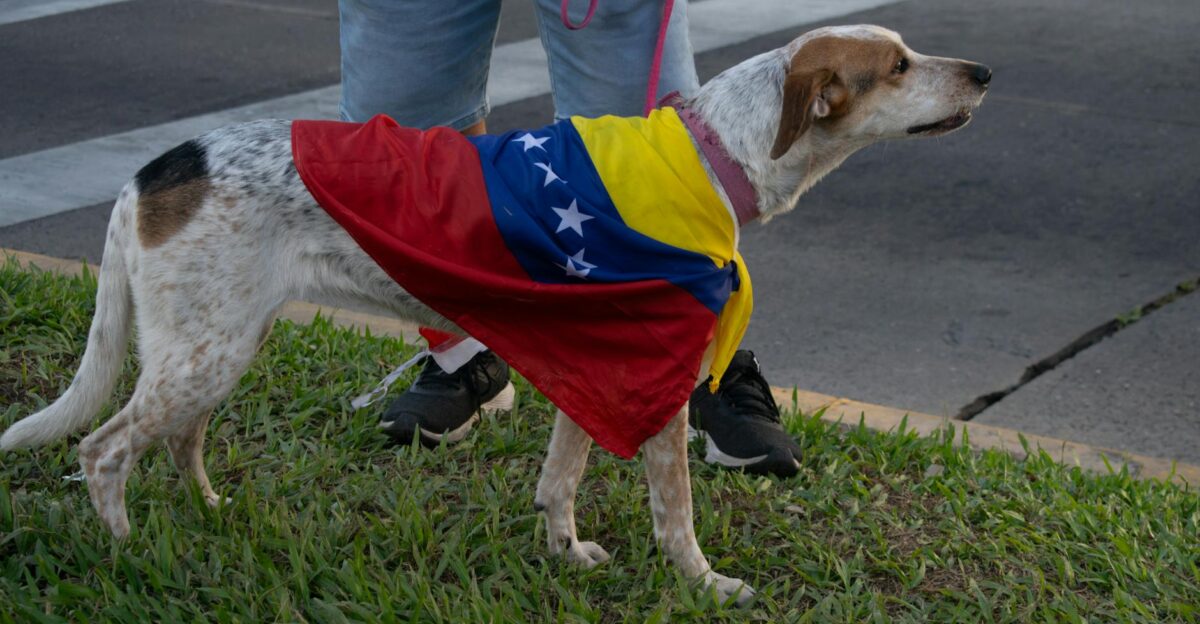
Global attention quickly turned to oil. Venezuela holds about 303.2 billion barrels of proven reserves—the largest on Earth, roughly 17 percent of the global total.
Analysts say the operation instantly put those reserves “in play.” A post-Maduro order could reshape crude flows, weaken OPEC+ pricing power, and reduce Russian influence. Energy markets began recalculating Venezuela’s role almost as soon as the raid became public.
Bounty Triggered
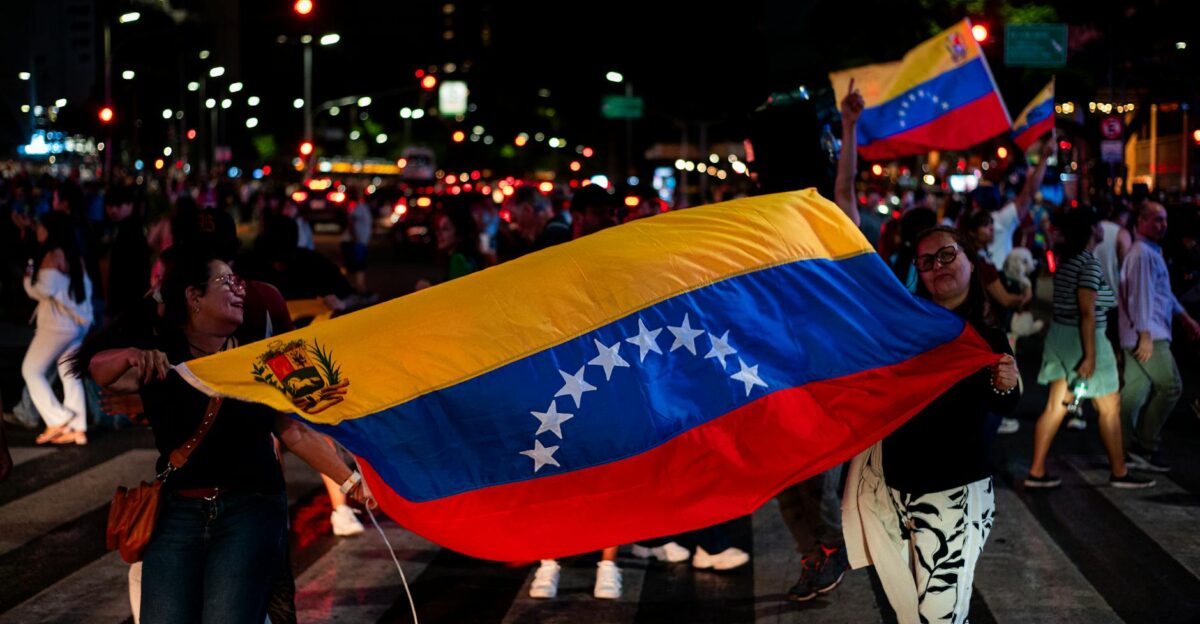
Few details drew as much attention as the $50 million U.S. bounty placed on Maduro last August. His capture fulfills the reward’s conditions, though officials have not disclosed whether it will be paid.
The bounty highlights how far Washington had shifted—from diplomacy to treating a sitting or recently ousted head of state like a top-tier fugitive in a global criminal manhunt.
Allies Divided
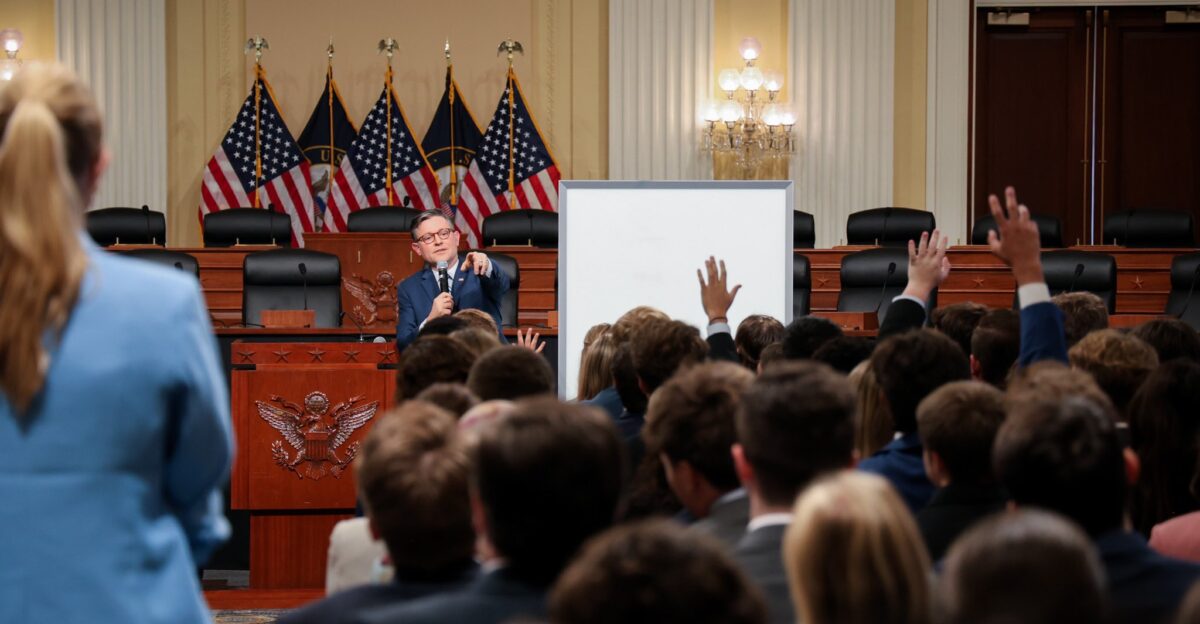
Reaction in Washington was sharply split. House Speaker Mike Johnson praised the raid as lawful and decisive, arguing the U.S. was not occupying Venezuela.
House Minority Leader Hakeem Jeffries called it an unauthorized military action, warning that Venezuela’s future should be determined by its people. The divide underscores a growing debate over executive power, war authority, and how far counter-narcotics justifications can stretch.
Power Vacuum
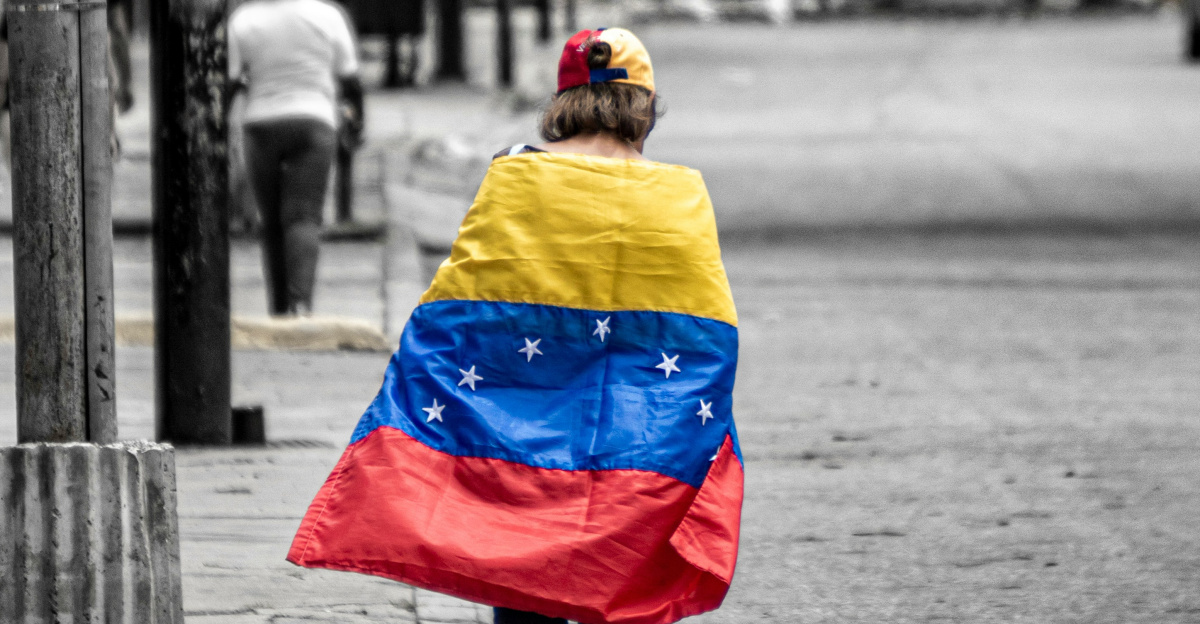
As interim leader, Delcy Rodríguez faces a precarious balancing act. She has condemned U.S. actions while exploring limited cooperation to prevent economic freefall.
Opposition leader María Corina Machado welcomed Maduro’s capture, but remains sidelined. Trump has publicly questioned her popular support, suggesting Washington may not simply hand power to the existing opposition—adding uncertainty to Venezuela’s already fragile political transition.
U.S. “In Charge”
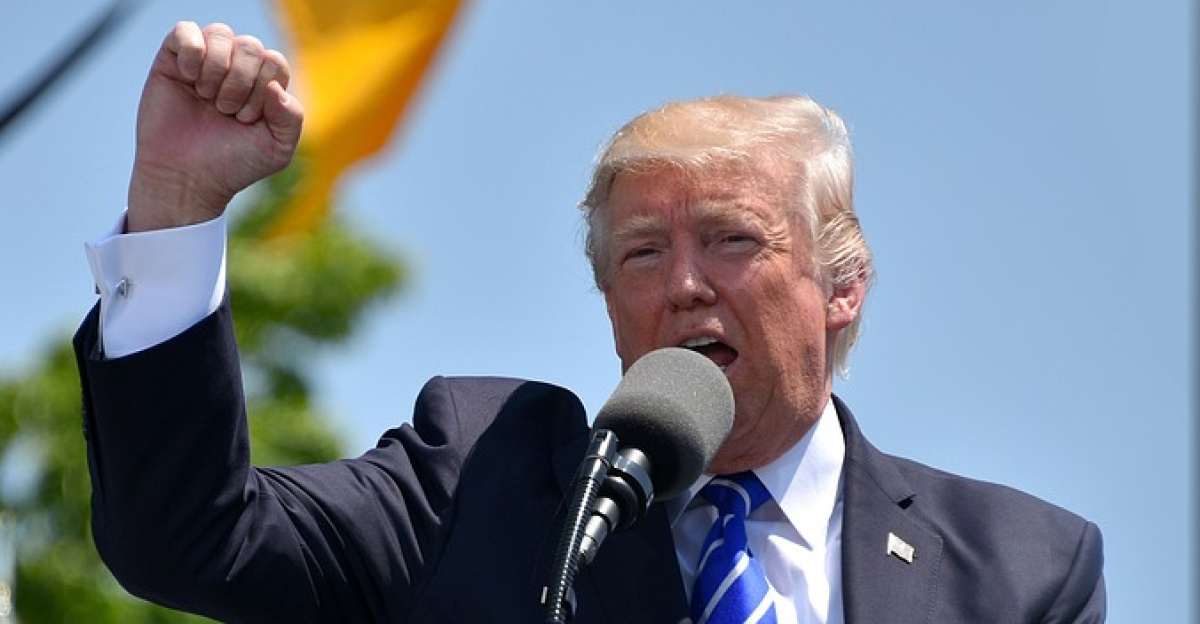
President Trump has been blunt, saying the United States is “in charge” of Venezuela for now and will help nurse the country back to health. He has floated U.S. oversight until stability returns, followed by elections.
No clear timeline or governance structure has been outlined. The remarks have fueled accusations of de facto control, even as officials insist there are no plans for formal occupation.
Legal Storm
Maduro’s prosecution will test major legal boundaries. He faces charges carrying potential life sentences, and U.S. refusal to recognize him as Venezuela’s legitimate president weakens immunity claims.
Legal scholars are closely watching how courts handle extraterritorial jurisdiction and executive war powers. Congress is also weighing whether Trump exceeded his authority—ensuring the legal battle will be as consequential as the military one.
Oil Leverage
Trump has openly discussed using oil as leverage, including an “oil quarantine” and U.S. assistance to rebuild Venezuela’s energy sector. Analysts caution revival would require tens of billions of dollars and years of investment.
Still, a successful reboot could redirect heavy crude to U.S. Gulf Coast refineries and curb Russian and Chinese influence—making energy policy central to Washington’s strategy.
U.N. Charter Clash
At the United Nations, condemnation was swift. Special Rapporteur Ben Saul called the operation “squarely prohibited” under the U.N. Charter, citing Venezuela’s sovereignty.
The Security Council convened an emergency session as Cuba, China, and others denounced Washington. Supporters argue Maduro’s alleged criminal role and disputed legitimacy justify extraordinary measures. The clash highlights deep fractures over how international law applies to alleged narco-states.
Moscow and Beijing
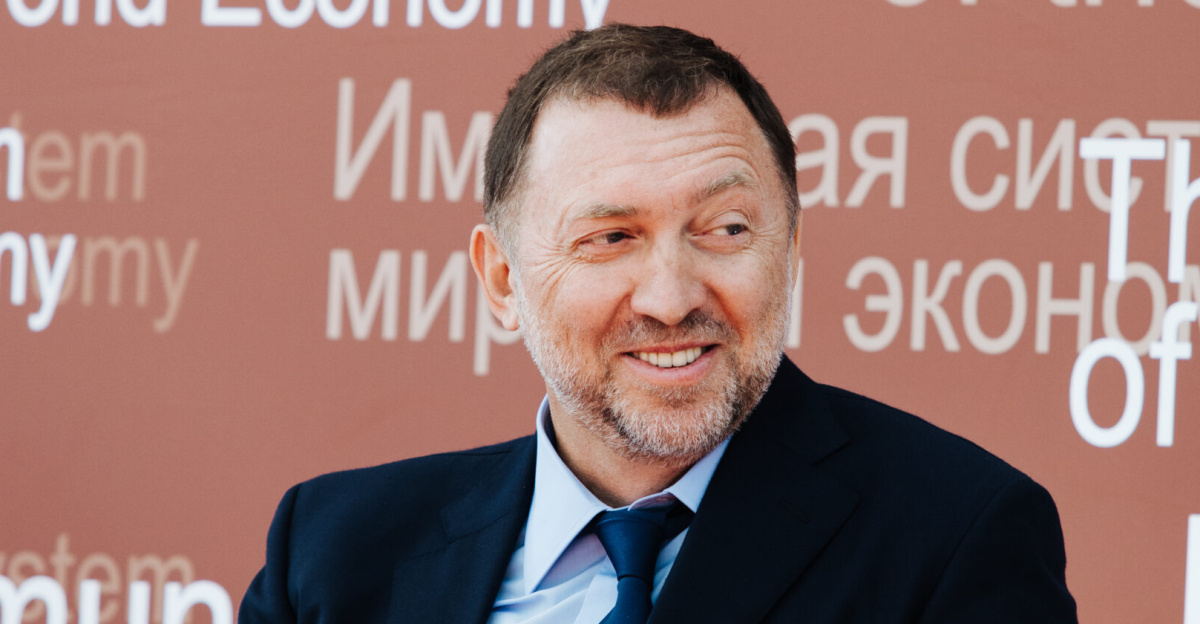
Russia, China, Iran, and Cuba are recalibrating. Russian oligarch Oleg Deripaska warned U.S. control of Venezuelan fields could influence over half of global oil reserves and cap prices near $50 per barrel.
China, which gets only 4–5 percent of its oil from Venezuela but has invested billions, strongly condemned the raid. Analysts say both powers see troubling precedents for future conflicts.
Cuba’s Exposure
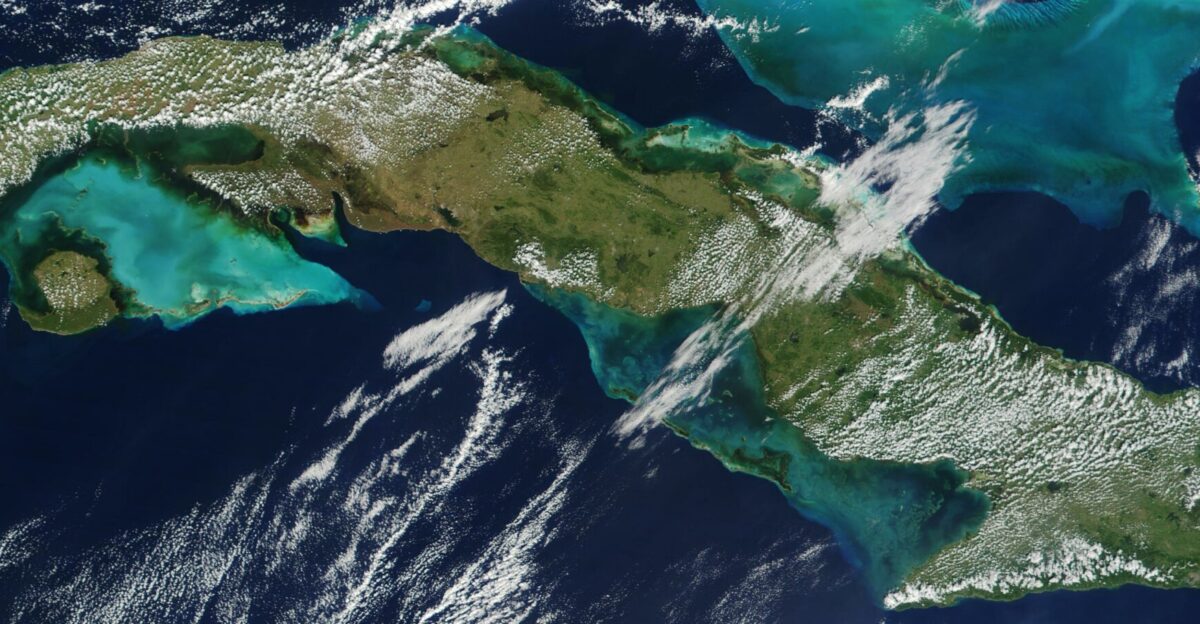
Cuba appears especially vulnerable. Havana says 32 Cuban officers were killed during the strikes, and the island relies on Venezuela for about 35,000 barrels of oil per day—roughly half its supply gap.
Energy experts warn Cuba lacks funds to replace lost shipments, while U.S. sanctions already strain its grid. Any disruption or repricing of Venezuelan oil could deepen blackouts and political stress.
Climate Costs
Environmental groups warn Venezuela’s extra-heavy crude is among the most climate-intensive in the world. Inside Climate News reports chronic leaks and venting give Venezuelan production one of the highest methane intensities globally.
Even with improved practices, expanding output could lock in emissions for decades. Analysts estimate simply maintaining current production may require around $53 billion in new infrastructure investment.
Precedent Set
Supporters say Maduro’s capture proves powerful leaders can face accountability for drug and weapons crimes. Critics warn it sets a dangerous precedent: unilateral military action to seize a foreign head of state atop the world’s largest oil reserves.
As court battles, U.N. debates, and energy negotiations unfold, Venezuela’s future now sits at the crossroads of criminal justice, geopolitics, and a rapidly shifting global energy order.
Sources:
The New York Times – “What We Know About Maduro’s Capture and the Fallout” – January 3, 2026
The New York Times – “Inside ‘Operation Absolute Resolve,’ the U.S. Effort to Capture Maduro” – January 3, 2026
BBC News – “World leaders react to US attack on Venezuela” – January 3, 2026
BBC News – “Thirty-two Cubans killed during US attack on Venezuela” – January 5, 2026
Al Jazeera – “Delcy Rodriguez sworn in as Venezuela’s president after Maduro abduction” – January 5, 2026
CBS News – “U.S. lawmakers react after Trump announces Venezuela strikes” – January 3, 2026