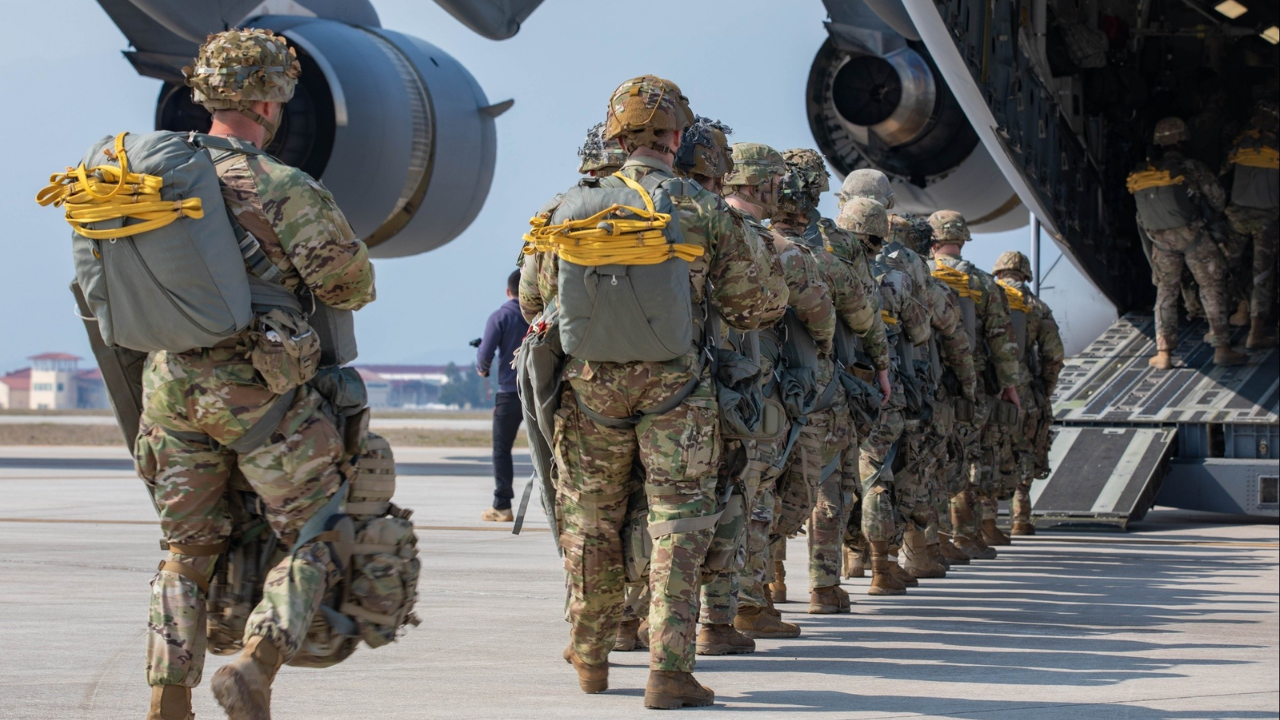
On January 8, 2026, President Donald Trump told Fox News, “We’re going to start now hitting land with regard to the cartels.” The words echoed across borders, hours after American Delta Force operators captured Venezuelan President Nicolás Maduro in Caracas.
Mexico’s cities, ports, and border towns suddenly faced the possibility of being ground zero in a U.S. anti-cartel campaign, leaving officials scrambling to respond before any potential strike.
Trump’s War Could Expand
Trump’s announcement signals a potential dramatic escalation in America’s war on drugs. Operation Southern Spear, launched in September 2025, targeted cartel narcoboats across the Caribbean and eastern Pacific. Over 35 maritime strikes have killed more than 115 suspected traffickers.
With “land strikes” now threatened, the campaign could extend deep into Mexico, threatening cartel strongholds in Sinaloa, Jalisco, and border states. The White House frames any potential operation as legally justified, citing prior Foreign Terrorist Organization (FTO) designations.
From Sea to Land

U.S. forces have already dominated the waters. Nearly 97% of drugs arriving by sea have been intercepted, Trump claimed. But cartels adapt quickly, shifting operations inland.
The next phase could target drug labs, armories, and smuggling routes embedded in cities and towns. Unlike isolated maritime strikes, land operations would carry higher civilian risk and diplomatic complications, especially since Mexico is a treaty ally. If authorized, such operations would reportedly involve studying dozens of potential sites across multiple states before issuing any deployment orders.
Operation Absolute Resolve – Venezuela as a Blueprint
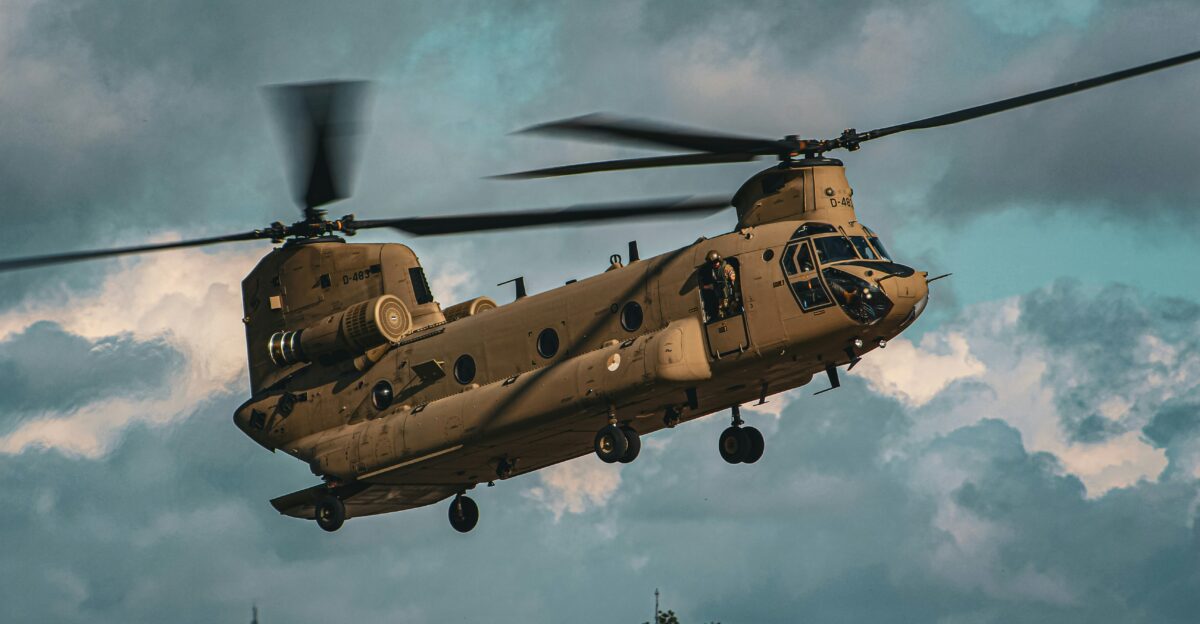
Just days before, Delta Force executed Operation Absolute Resolve in Caracas, capturing Maduro. The raid involved 150 aircraft, Delta operators, and resulted in roughly 100 casualties reported by the Venezuelan government.
The operation demonstrated U.S. willingness to conduct high-risk, deep-strike missions in urban areas. Within 48 hours, Trump was already discussing Mexico as the next potential target, raising questions about whether similar precision raids could occur against cartels embedded among civilians.
Six Cartels Labeled FTOs
Trump’s administration designated six Mexican cartels as Foreign Terrorist Organizations in February 2025: Sinaloa, Jalisco New Generation (CJNG), Northeast, Gulf, United Cartels, and Michoacán Family. This classification provides the legal framework for military action akin to campaigns against ISIS or Al-Qaeda.
The decision reflects growing U.S. concern over fentanyl trafficking, which now contributes to more than 100,000 drug overdose deaths annually in the United States, making these cartels not just criminal enterprises but national security threats.
Sinaloa and CJNG – Powerhouses of Crime
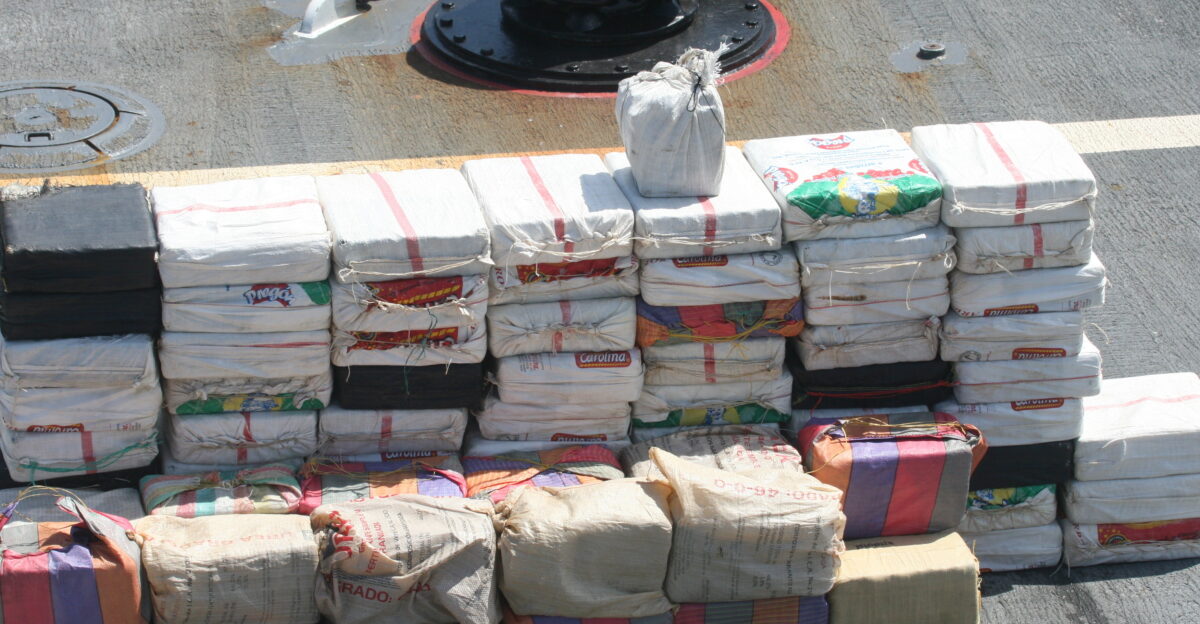
The Sinaloa Cartel and CJNG dominate Mexico’s drug trade. In recent years, cartel conflict has killed over 30,000 Mexicans annually. The Sinaloa Cartel has fractured since the July 2024 U.S. capture of leader Ismael “El Mayo” Zambada, sparking deadly internal wars.
CJNG now controls roughly two-thirds of Mexican territory, deploying armed drones and military-grade weapons. Both groups are central to the production and distribution of fentanyl, the synthetic opioid fueling the U.S. overdose crisis.
Potential Targets in Mexico
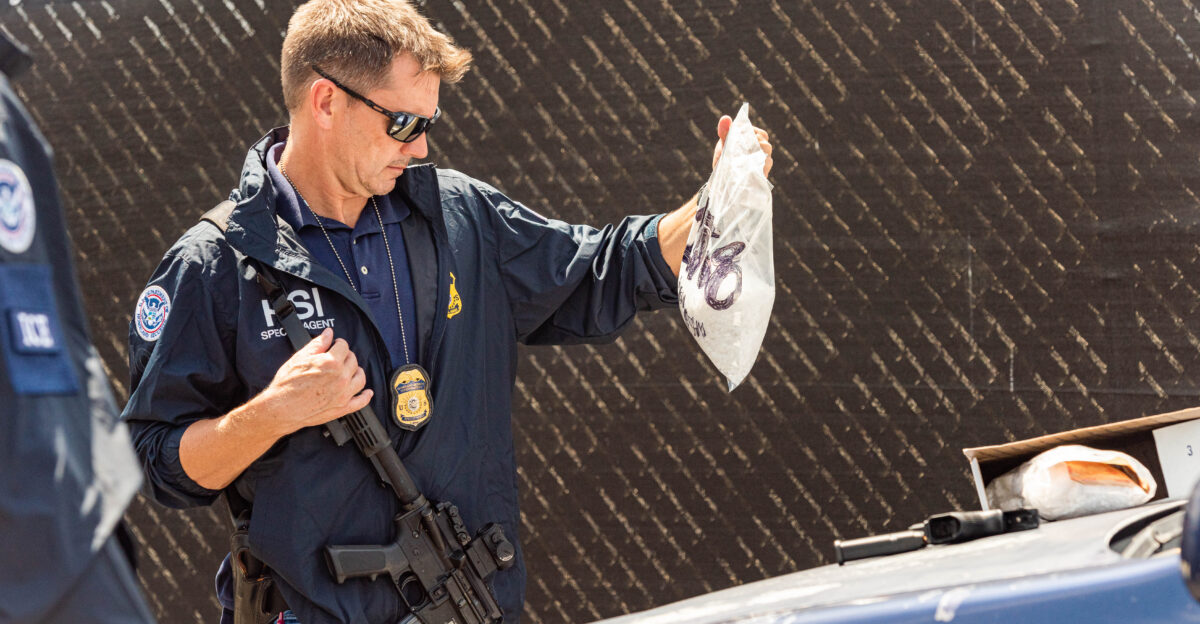
If strikes were authorized, potential U.S. targets would likely focus on leadership compounds, fentanyl labs in Sinaloa and Jalisco, ports importing precursor chemicals from China, major smuggling hubs along the U.S. border, and cartel armories.
Military analysts suggest operations could potentially combine F-35 and F-22 fighters, MQ-9 Reaper drones, EA-18G Growlers, and Delta Force teams. Yet targeting cartels in densely populated areas raises extreme civilian risk, a complication absent from maritime strikes or the Venezuela raid.
Military Complexity

Unlike Venezuela, U.S. strikes in Mexico must navigate an ally’s territory. Mexican forces may resist unauthorized incursions. The geographic scale—six cartels across dozens of states—would require hundreds of coordinated strikes.
Operations could evolve into a sustained campaign rather than a single raid, demanding intricate logistics, intelligence sharing, and careful management of international perception. If authorized, operations could potentially utilize bases in Texas, Arizona, New Mexico, and California for rapid deployment.
Mexico Scrambles Diplomatically
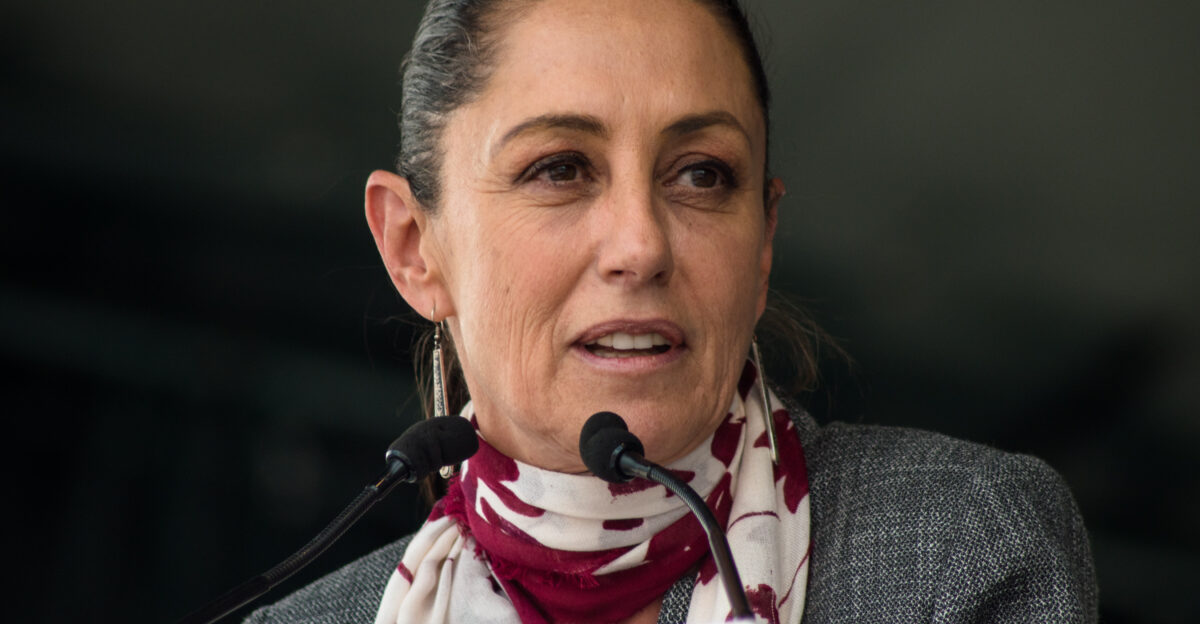
President Claudia Sheinbaum faces an unprecedented dilemma. Publicly, she rejects foreign intervention, emphasizing sovereignty: “For Mexico, sovereignty and self-determination are neither optional nor negotiable.”
Privately, she’s deployed 10,000 National Guard troops to the U.S. border, coordinated security operations with U.S. authorities, and pushed for extradition of top traffickers. Her goal is to demonstrate cooperation while avoiding a direct confrontation with the U.S. military.
The Diplomatic Tightrope
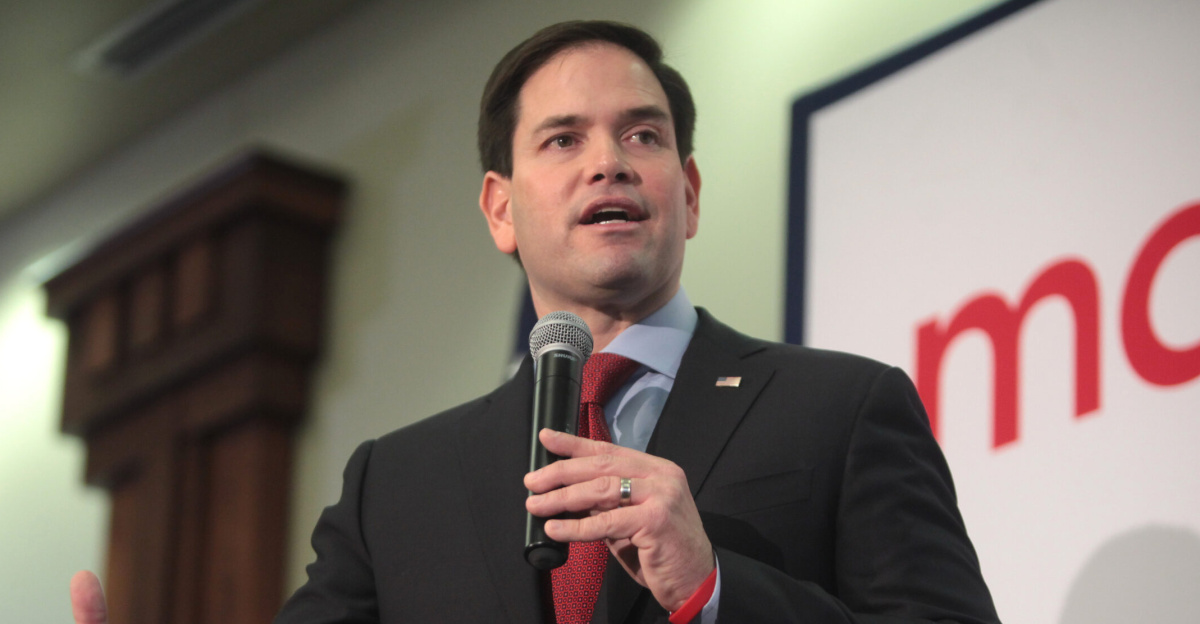
Sheinbaum has strengthened coordination with Secretary of State Marco Rubio, citing joint successes like a 1.6-ton cocaine seizure. At the same time, she’s proposing constitutional reforms to prevent unauthorized foreign operations on Mexican soil.
Economically, she’s imposed tariffs ranging from 5% to 50% on Chinese imports to align with U.S. trade interests ahead of the July 2026 USMCA review. The administration walks a careful balance: asserting sovereignty while avoiding provoking Washington.
Trump Pushes for Permission
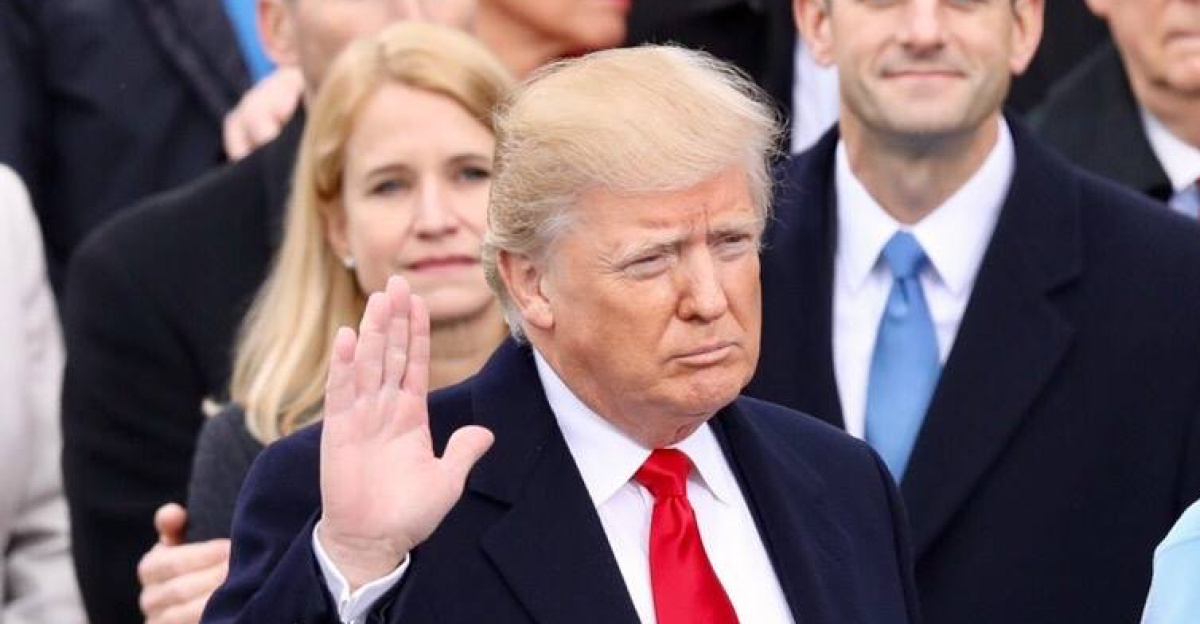
Trump claims he has repeatedly pressed Sheinbaum to allow U.S. troops to eliminate cartels. “No, no, Mr. President, please, no,” he said she replied.
U.S. officials regard the threat as credible, influenced by the Maduro operation. A Mexican official, speaking to U.S. media, acknowledged the seriousness privately: “Seeing what they did in Venezuela made us realize…we are on the list of potential targets.” The president’s insistence underscores how closely U.S. domestic fentanyl deaths influence foreign military decisions.
Legal Hurdles
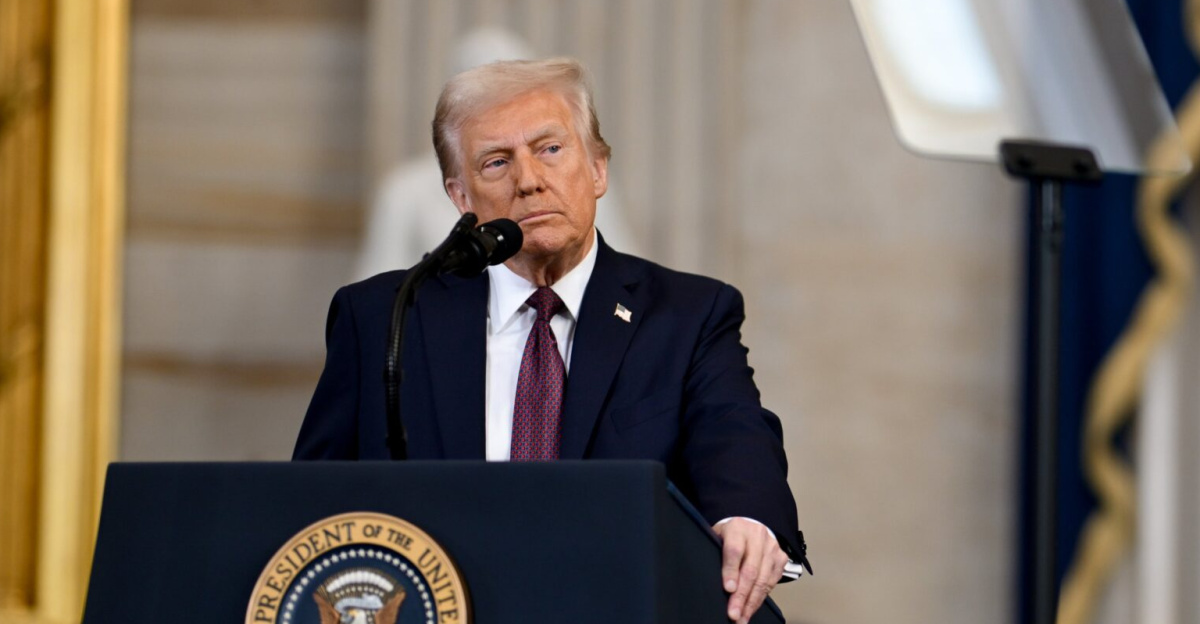
The administration relies on six FTO designations and the December 2025 classification of fentanyl as a weapon of mass destruction to justify potential strikes. Executive orders authorize force against designated terrorist organizations, yet Congress is pushing back.
On January 8, the Senate advanced a War Powers Resolution 52–47, aiming to limit Trump’s unilateral authority. Legal scholars note that violating Mexico’s sovereignty could constitute one of the most serious breaches of international law by the U.S. in decades.
Economic Risks

U.S.-Mexico bilateral trade approaches $780 billion annually, with Mexico as America’s largest trading partner. Unilateral military action could disrupt the USMCA, triggering tariffs, business restrictions, or even threats to exit the agreement.
The July 2026 review looms as a critical deadline. Striking Mexico risks significant economic fallout, in addition to diplomatic and human costs. Military planners must weigh these variables alongside operational objectives and domestic political pressure.
Potential Strike Scenarios
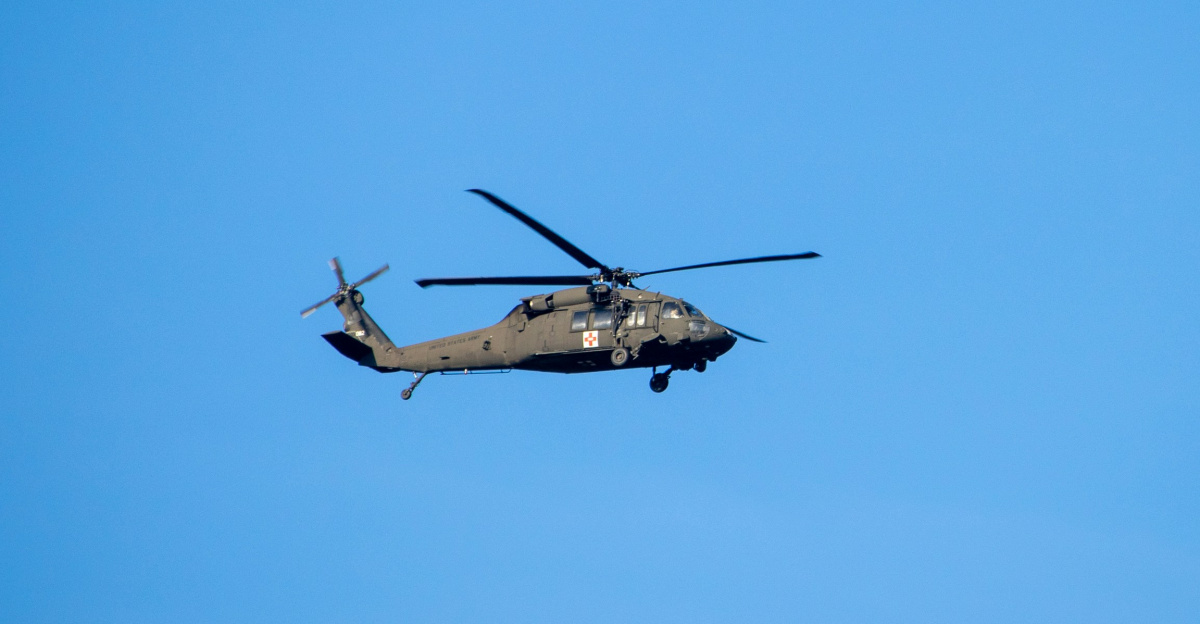
If authorized, land operations would likely mirror Venezuelan tactics: special operations units, precision strikes, and rapid extraction. High-value cartel targets would include labs producing fentanyl, fortified compounds, and smuggling hubs.
Unlike Caracas, cartel operations are embedded in civilian areas, increasing casualty risks exponentially. Any military action would face unprecedented complexity: operational coordination across multiple states, potential confrontation with Mexican forces, and intelligence verification of rapidly shifting cartel leadership.
Military Assets in Position
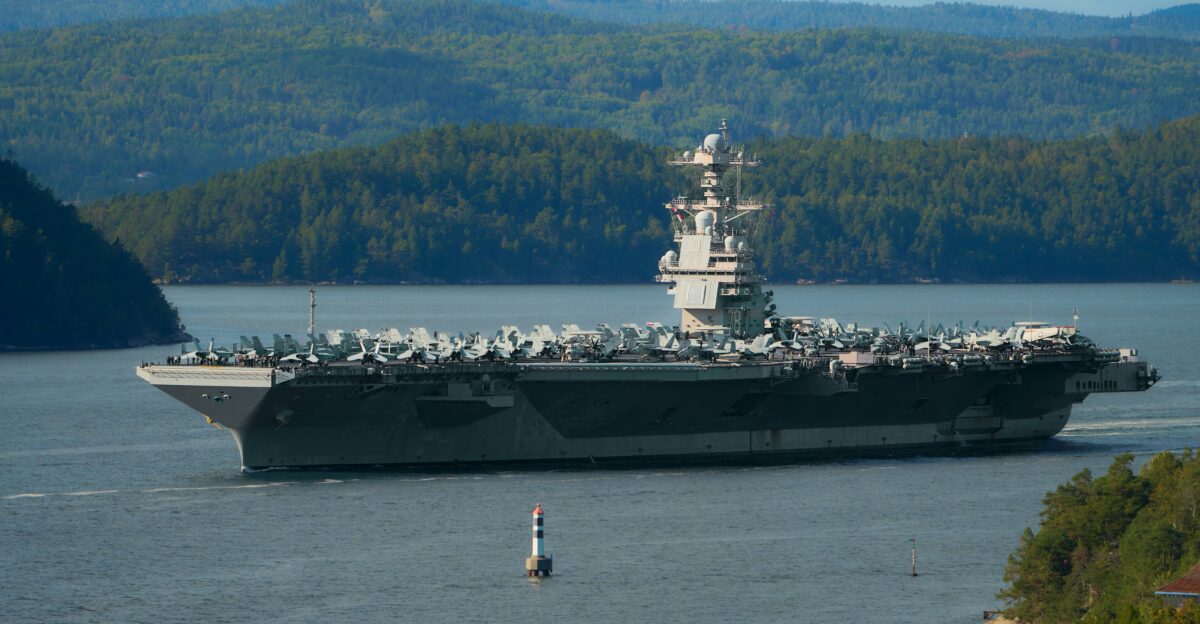
Assets positioned for potential action include the USS Gerald R. Ford carrier strike group in the Caribbean with over 75 aircraft, F-35 stealth fighters deployed to Puerto Rico, and special operations teams trained for high-risk missions across the region.
Unlike Venezuela, operations against Mexico could launch directly from U.S. soil. Military posture suggests that if orders came, strikes could begin with minimal preparation time, adding urgency to Mexico’s diplomatic and domestic security measures.
Political Pressure
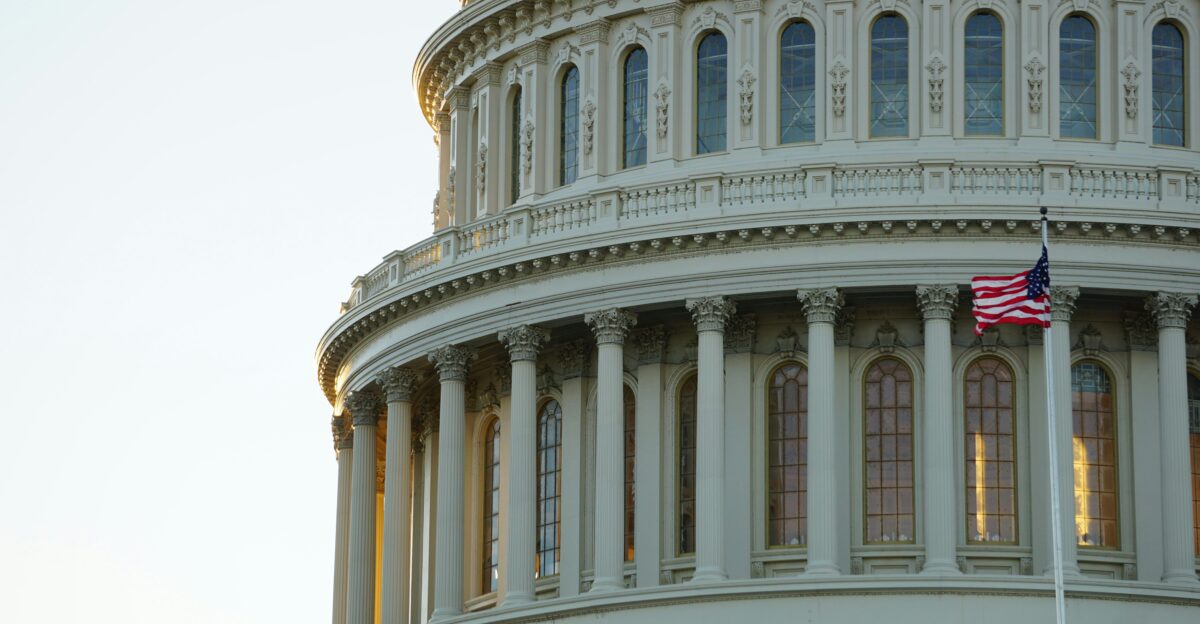
Trump faces mounting political pressure to act on drug overdose deaths exceeding 100,000 annually. Domestic constituencies view cartels as a national security threat, intensifying the incentive for direct military action.
The administration frames any potential operation as legally and morally justified, invoking the FTO designations and WMD classification. Congressional resistance and international law, however, create tension between political imperatives and legal constraints, forcing careful calculation before any land strikes could commence.
Uncertain Timing
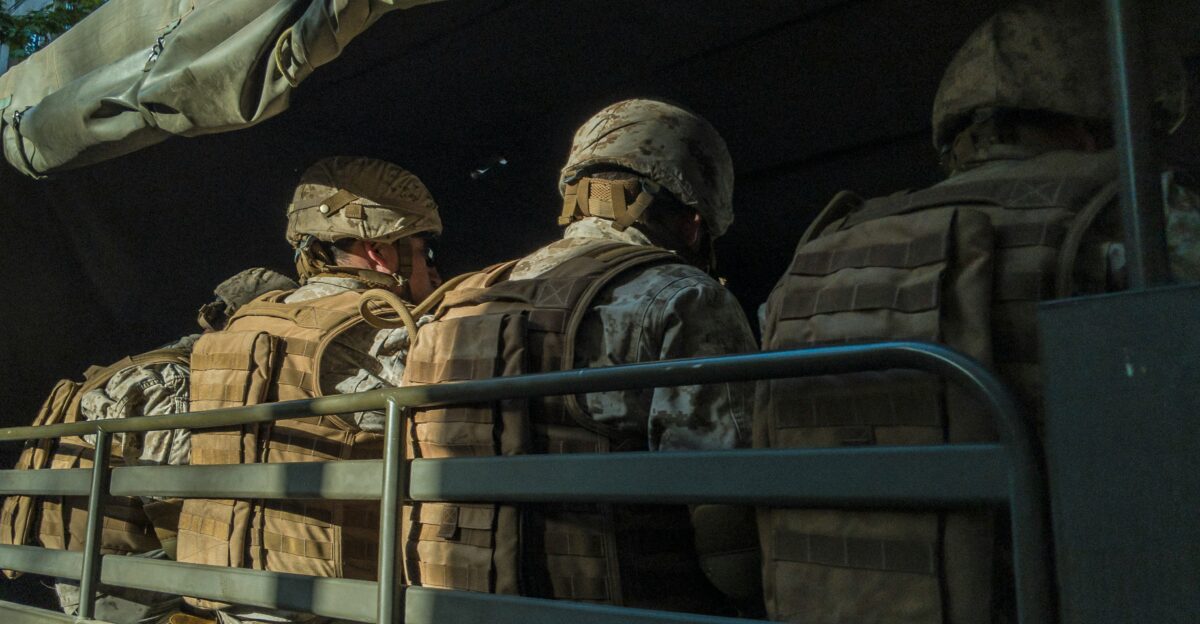
Trump has not publicly confirmed operational timing or target specifics. Military Times reports that strikes “could be imminent,” though no deployment orders have been publicly announced.
The ambiguity may be strategic: pressuring Mexico to act more decisively against cartels without triggering open conflict. Alternatively, it could indicate ongoing operational preparation for a high-risk, rapid-deployment scenario. Intelligence, border security, and cartel activity will influence final timing, creating a precarious countdown.
Stakes for Mexico
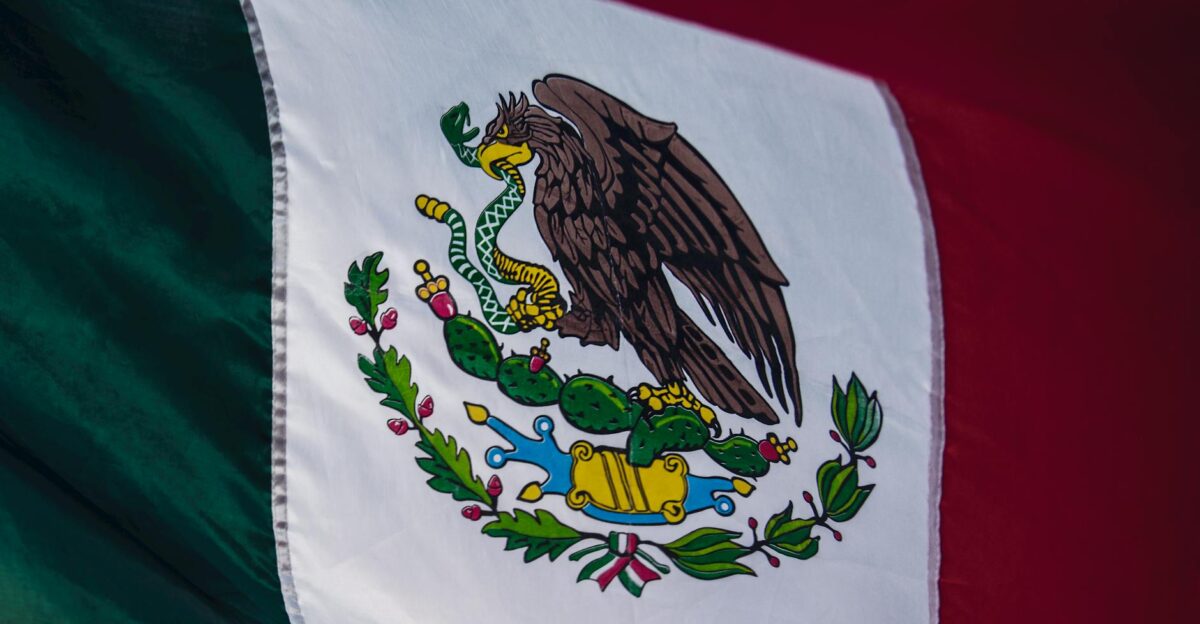
Mexico faces an impossible choice: too weak to militarily resist, too proud to allow foreign intervention, too dependent economically to provoke conflict, and too pressured domestically to concede openly.
President Sheinbaum must show tangible progress against Sinaloa, CJNG, and other cartels before Trump’s patience runs out. Failure could invite U.S. strikes, dramatically altering security, civilian safety, and Mexico’s sovereignty, creating the most complex crisis between the two nations in decades.
High-Stakes Negotiation
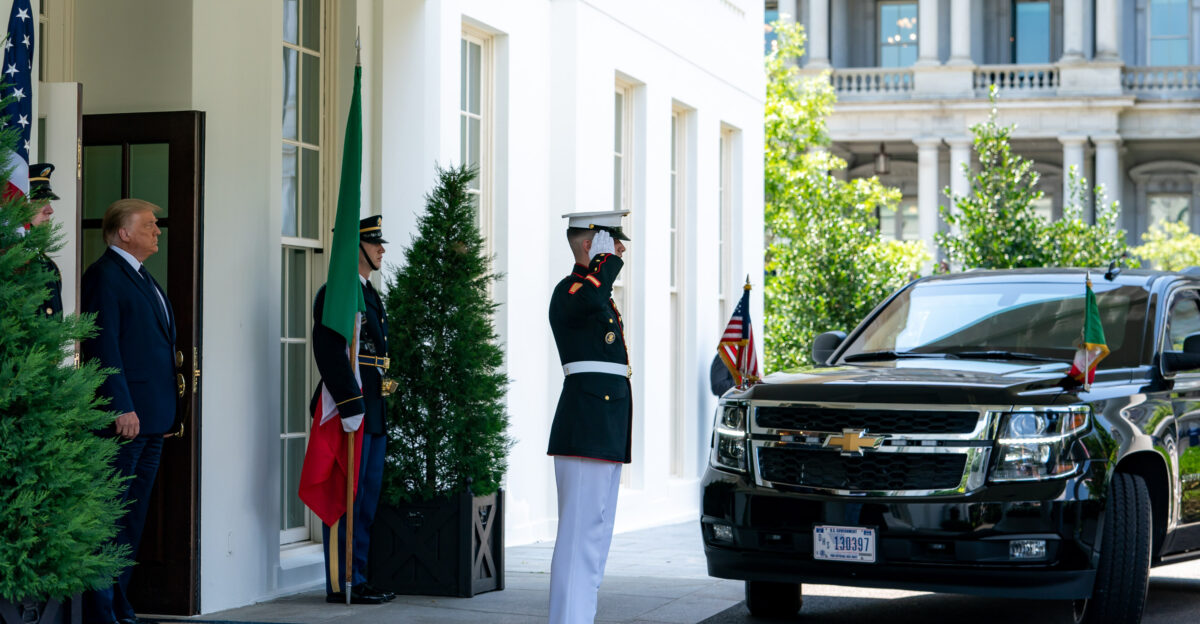
The situation has all the hallmarks of a high-stakes negotiation disguised as potential war. Trump’s “start now” rhetoric, combined with the Maduro precedent, signals real operational capability.
For Mexico, visible success against cartels is the only plausible deterrent. Cooperation, not confrontation, may avert immediate conflict. Yet the stakes are immense: missteps could trigger direct military action, civilian casualties, economic disruption, and long-term diplomatic fallout with Washington.
The Question Looms
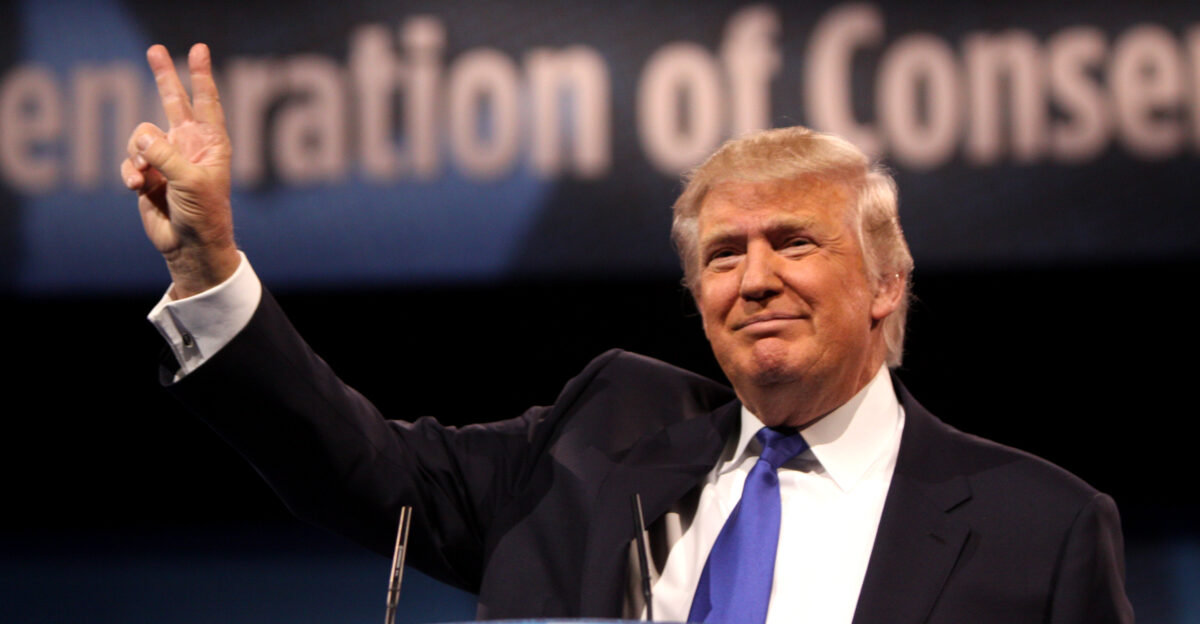
The central question is whether Trump will follow through on his threat to strike Mexico—the legal, operational, and military groundwork is in place.
The pressing uncertainty is whether Mexico can demonstrate enough control over the cartels to prevent U.S. unilateral action. The coming weeks will determine whether diplomacy, law enforcement, and international pressure can avert a military showdown, or whether border states will become the stage for the most audacious U.S. anti-cartel campaign in modern history.
Sources:
CNBC, “Trump suggests U.S. military will hit cartels in Mexico on land”, January 9, 2026
New York Times, “Inside ‘Operation Absolute Resolve,’ the U.S. Effort to Capture Maduro”, January 3, 2026
Military Times, “Where Trump has threatened to strike next”, January 9, 2026
Wilson Center, “Assessing the Designation of Mexican Cartels as Foreign Terrorist Organizations (FTOs)”, February 27, 2025
White House, “Designating Fentanyl as a Weapon of Mass Destruction [Executive Order]”, December 15, 2025
NBC News, “Senate advances measure to restrict Trump’s power to use military force in Venezuela”, January 8, 2026