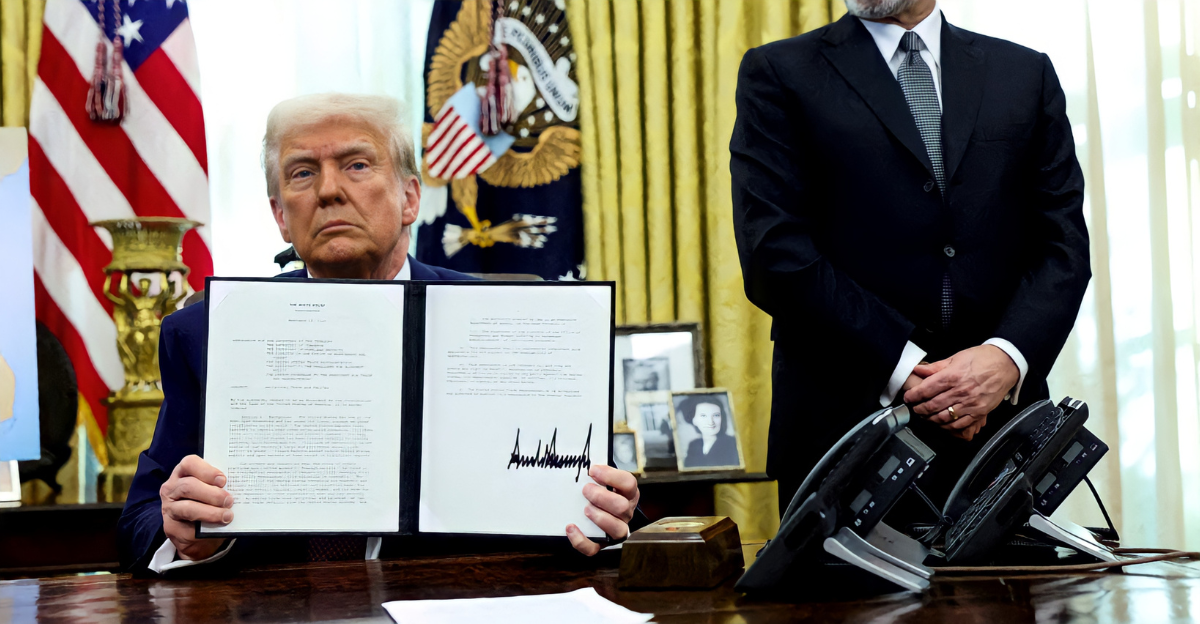
The announcement by President Trump that all branded and patented pharmaceuticals will be subject to a 100% tariff starting on October 1, 2025, represents a significant change in US trade policy. Unless pharmaceutical companies are actively constructing manufacturing facilities in the US, this tariff is, in effect, requiring Big Pharma to “reshore” production.
The tariff is intended to challenge supply chains that have been outsourcing production overseas more and more, reversing thirty years of the World Trade Organization’s (WTO) zero-tariff policy. Rebuilding American pharmaceutical manufacturing capacity, lowering dependency on foreign supplies, and bolstering national security are the rationales behind this action.
The Historical Background of Pharmaceutical Tariffs
US pharmaceutical imports have been mostly duty-free for more than 30 years, which has contributed to the development of intricate international supply chains for both completed pharmaceuticals and active pharmaceutical ingredients (APIs). The goal of this no-tariff strategy was to encourage innovation and reasonable drug prices.
However, dependence on overseas producers, particularly those from countries such as China and India, has sparked concerns about supply chain vulnerabilities. The goal of previous WTO negotiations in the early 2000s was to remove tariffs worldwide in order to increase access to medications. However, recent geopolitical unrest and disruptions brought on by the pandemic have rekindled the discussion about reshoring.
Current Trends in Pharmaceutical Imports
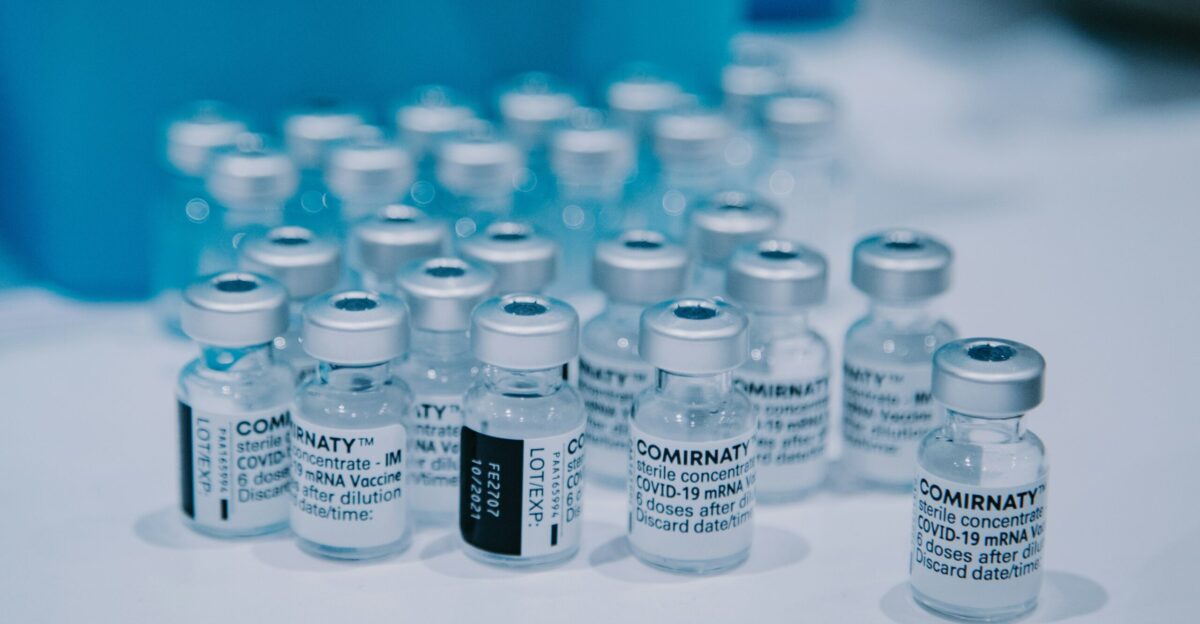
The United States imports a large amount of vaccines, APIs, and packaged medications. In 2023, this accounted for approximately 5.6% of all US imports, or $158 billion in packaged drugs and an additional $65 billion in biologics.
Ireland, Switzerland, Germany, and India are essential suppliers, illustrating a varied but globally reliant supply chain. Drug imports have reduced domestic production, increasing the likelihood of disruption from trade disputes or geopolitical crises.
Issues Influencing the Tariff Decision
Growing shortages of vital medications, supply chain instability, and an excessive concentration of API production in nations with which there are geopolitical tensions, most notably China, are among the significant issues facing the United States. The COVID-19 pandemic brought these vulnerabilities to light.
In order to ensure medicine availability and strengthen national defense-linked supply resilience, the tariff seeks to encourage reshoring. However, there are several obstacles to domestic pharmaceutical manufacturing, such as high upfront costs, strict regulations, a lack of workers, and low domestic margins, particularly for generic medications.
Significant Pharma Investments and Reactions
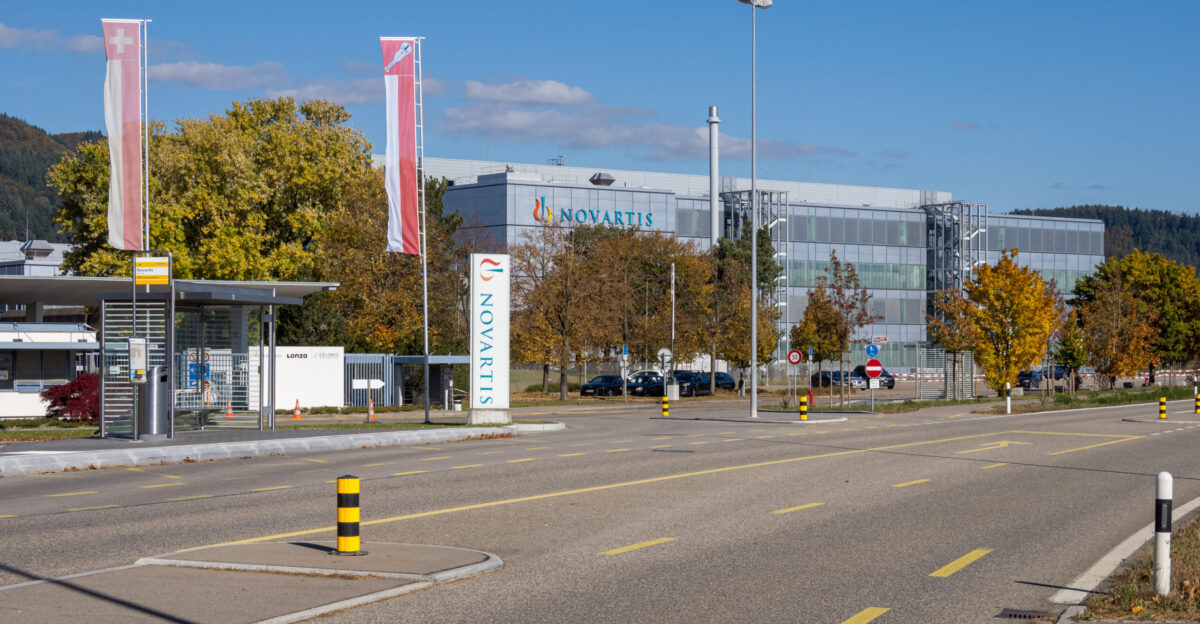
Leading pharmaceutical companies responded to the tariff threat by announcing multibillion-dollar investments to increase manufacturing capacity in the United States. Novartis pledged $23 billion over five years for new research and manufacturing facilities across the United States, while Eli Lilly plans $27 billion for several “mega sites” centered on injectables and APIs.
These investments show a strategic shift toward supply chain control and alignment with US policy. To reap the benefits of the tariff imposition, however, patience and a substantial investment are needed, as full operational capacity is years away.
The Tariffs’ Effects on the Economy

Initial cost increases for importers could result from tariffs on imported medications, which could double the prices of $212 billion in pharmaceutical imports annually. Smaller tariffs increase average household drug costs by about $600 annually, according to Yale University Budget Lab, and this new 100% tariff is predicted to increase that amount significantly.
The long-term advantages of domestic manufacturing, such as job creation and economic sovereignty, are balanced against higher costs. Strategic independence is expressly given precedence over immediate cost savings in this policy.
Effects on Patient Access and the Drug Supply Chain

According to experts, the tariffs may temporarily worsen drug shortages and upset supply chains, which could delay access to necessary treatments. Because pharmaceutical manufacturing is a global industry that frequently relies on cross-border production stages, unexpected import barriers could lead to bottlenecks.
Exemptions for businesses that construct plants in the United States, however, are meant to reduce certain risks. It is anticipated that greater domestic production capacity will eventually improve supply reliability, but some generic drug markets with extremely narrow profit margins may find the shift difficult.
Geopolitical Aspects and National Security
Due to worries that foreign control over pharmaceutical supply chains could be used as leverage during geopolitical conflicts, the tariffs are partially justified on the basis of national security. With reshoring policies, the United States seeks to lessen China’s strategic vulnerability of dominating the production of APIs.
The action is part of a larger post-pandemic trend of supply chain nationalism, in which governments try to secure vital industries at home to lessen their reliance on hostile countries.
Divergent Opinions and Industry Criticism
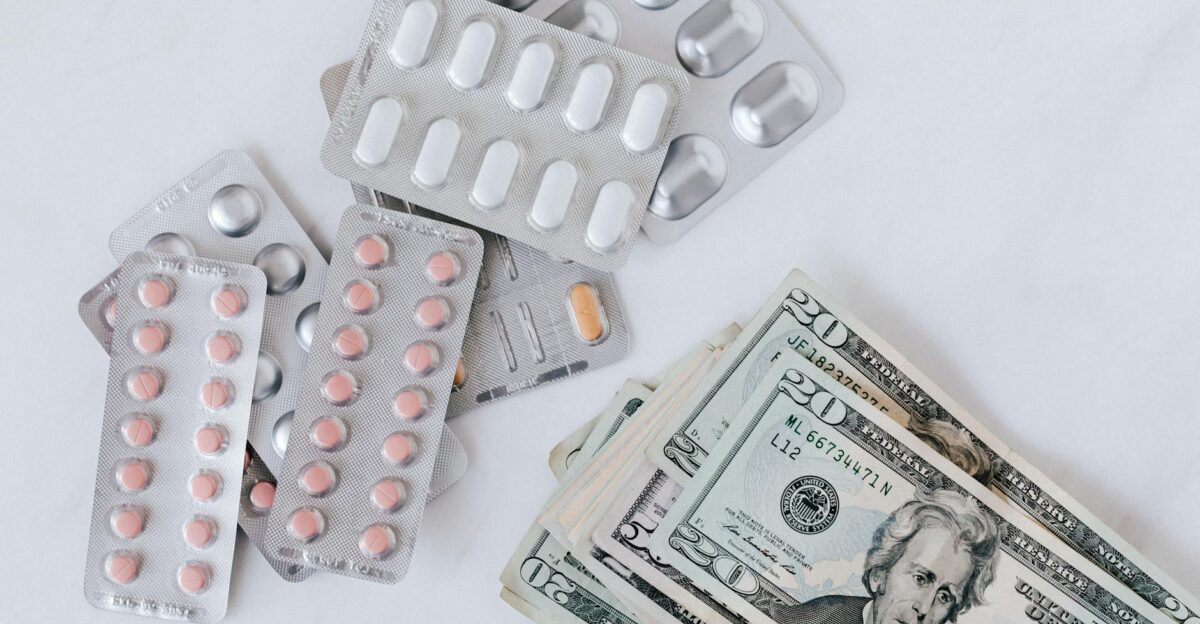
Tariffs, according to their detractors, hurt consumers, increase the cost of drugs, and may hinder innovation by directing funds away from research and toward compliance. Because pharmaceutical supply chains are complicated and difficult to move, there are worries about short-term patient harm from supply disruptions.
Tariffs, according to some experts, will disproportionately burden generic drug markets, which are unable to absorb increased production costs. These criticisms place a strong emphasis on striking a balance between patient welfare, market dynamics, and national security priorities.
How Domestic Investment Is Forced by Trump’s Tariffs
The policy provides a strong financial incentive for Big Pharma to reshore production by tying tariff exemptions to the ongoing construction of US manufacturing facilities. This strategy compels businesses to make upfront financial commitments, permanently moving some production lines to the US market.
The action effectively turns trade costs into a domestic industrial policy tool by utilizing trade policy to drive infrastructure development in a critical industry, something that is rarely seen at this scale.
Unexpected Partnerships Between Innovation and AI

AI-driven drug discovery is predicted to account for 30% of new medications by 2025, coinciding with the rise in domestic manufacturing spurred by tariffs. AI can work in tandem with reshoring initiatives to streamline production procedures, cut expenses, and accelerate time to market.
This combination of technology and policy could make the United States a global leader in advanced manufacturing as well as drug development, which would have a positive impact on the economy and public health.
Case Study: “Mega Sites” by Eli Lilly
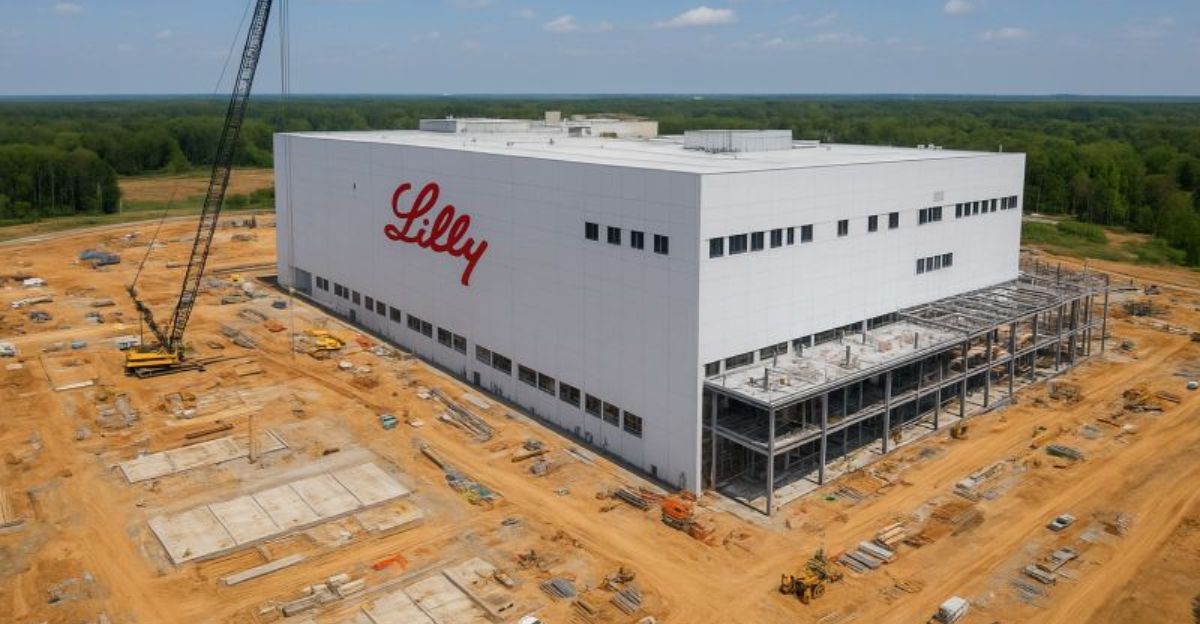
Eli Lilly’s pledge to construct several sizable domestic facilities for the production of injectables and APIs is a prime example of how tariffs are driving industry change.
These “mega sites” boost the creation of high-tech jobs in the country while addressing a significant supply chain vulnerability, API’s reliance on imports from China. The scope and aspirations demonstrate how tariffs can lead to long-term structural changes in a crucial industry, reversing decades-long offshoring trends.
Tariffs as an Industrial Strategy: A Historical Account
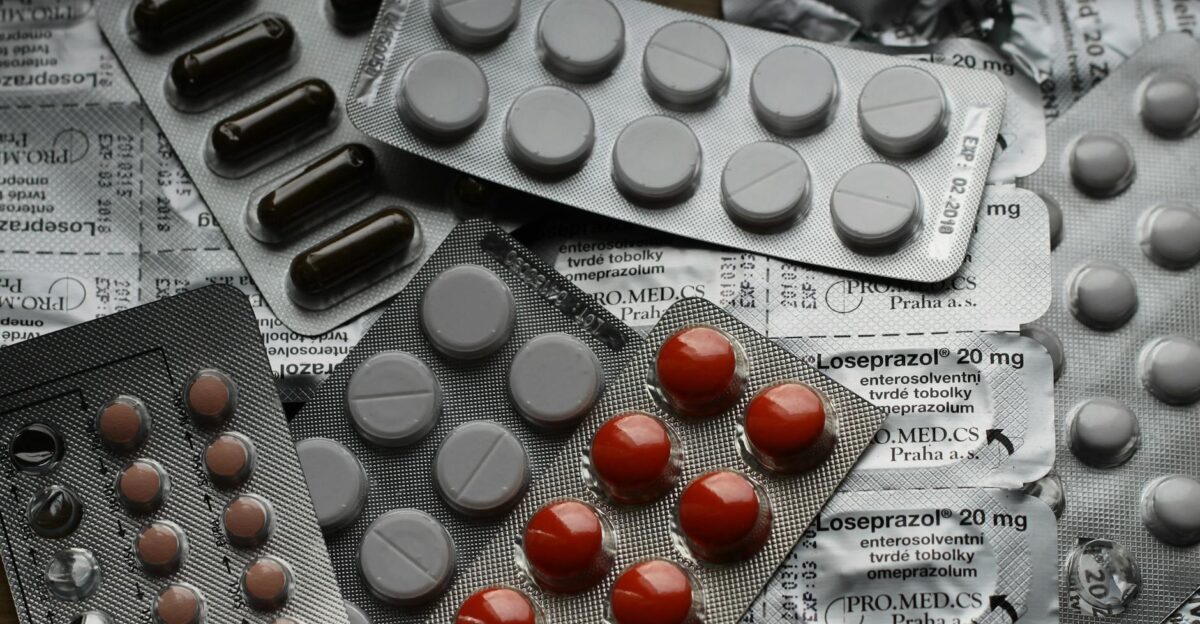
From early 20th-century US steel tariffs to post-war Japan’s manufacturing policies, emerging economies have historically used tariffs to safeguard emerging industries and build domestic capacity.
Trump’s new pharmaceutical tariffs are in line with the traditional theory that trade barriers should be used as a tool for strategic growth rather than as a form of protectionism. In light of global vulnerabilities, this aligns the United States with a proven industrial strategy to fortify vital supply chains.
Possible Second-Order Impacts on Medical Care

Long-term reshoring may result in a more resilient healthcare system, lowering shortages and price spikes brought on by global shocks, even though tariffs initially raise drug prices.
Healthcare infrastructure will be indirectly improved by the creation of jobs in the pharmaceutical industry and associated local economies. Furthermore, treatment adherence and health outcomes can be enhanced by dependable drug supplies, offsetting some financial concerns with better public health.
Tariffs and the Trade Deficit Balance

The $139 billion pharmaceutical trade deficit in the United States in 2024 was a significant factor in the overall goods deficit.
By encouraging domestic production, tariffs help businesses become less dependent on imports and improve the trade balance. The strategy seeks to address systemic economic imbalances that impair domestic production capabilities, even though short-term adjustments may be painful.
Tariffs as a Tool for Industrial Policy

Trump’s strategy reinterprets tariffs as strategic industrial policy tools rather than blatant punitive taxes. The “Tariff-Conditional Investment Model” establishes a direct causal relationship between tariffs and the expansion of manufacturing by requiring businesses to obtain exemptions through tangible domestic capital expenditure.
This model might serve as a model for other crucial industries where supply chain risks necessitate immediate reshoring.
Unexpected Domestic Manufacturing Capacity Data
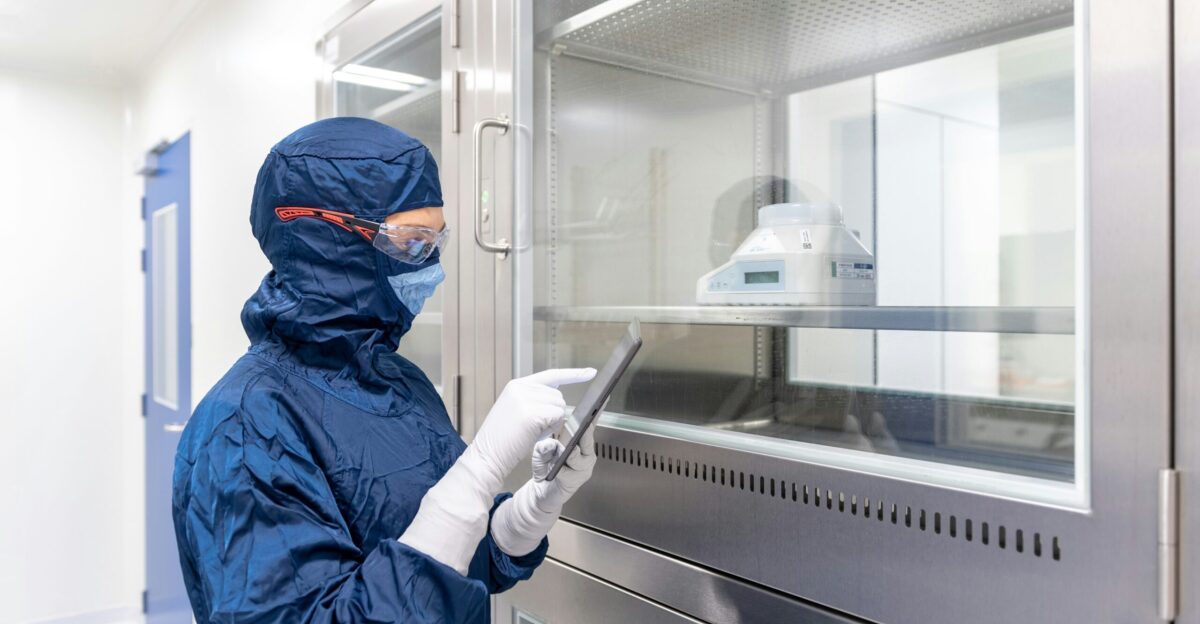
Contrary to popular belief, half of the manufacturing of finished dose drugs is done in the United States, and 27% of the manufacturing facilities that supply the pharmaceutical market in the country are already domestic. But there is still a lot of reliance on foreign APIs.
In order to dispel the myth that the pharmaceutical industry in the United States has completely outsourced its production, the tariff policy works to increase this domestic presence.
Implementation Risks and Mitigations
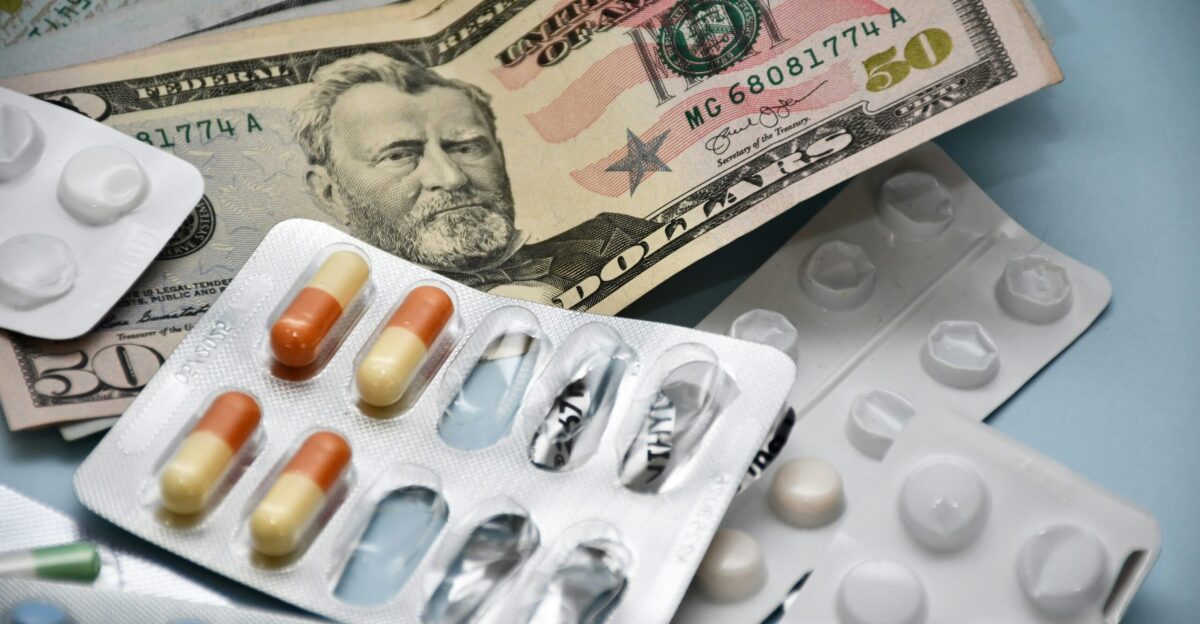
Short-term drug price inflation and supply disruptions are risks associated with the implementation of the tariffs. However, the goal of phased exemptions for ongoing plant construction projects is to facilitate the transition.
In order to balance reform with the needs of patient access, government grants and regulatory support programs are implemented in tandem with tariffs to lower barriers to domestic investment, particularly for generics.
API Reliance on China

Over 80% of the world’s API is produced in China, a concentration that could be used as a weapon in trade disputes or pandemics.
The pharmaceutical tariff removes a single point of failure for necessary medications that are essential for public health emergencies and national security by forcing American companies to rebuild this vital supply domestically.
In Conclusion
Trump’s bold, calculated move to reinvest in American pharmaceutical manufacturing and lessen dangerous foreign dependence is his 100% tariff on imported medications.
The policy is in line with a long-standing industrial strategy to safeguard vital industries, even though it carries the risk of temporary cost increases and supply chain disruptions. This action could reestablish the United States as a pharmaceutical powerhouse, more independent, creative, and resilient in the face of global uncertainties, when combined with cutting-edge technologies and significant corporate investments.