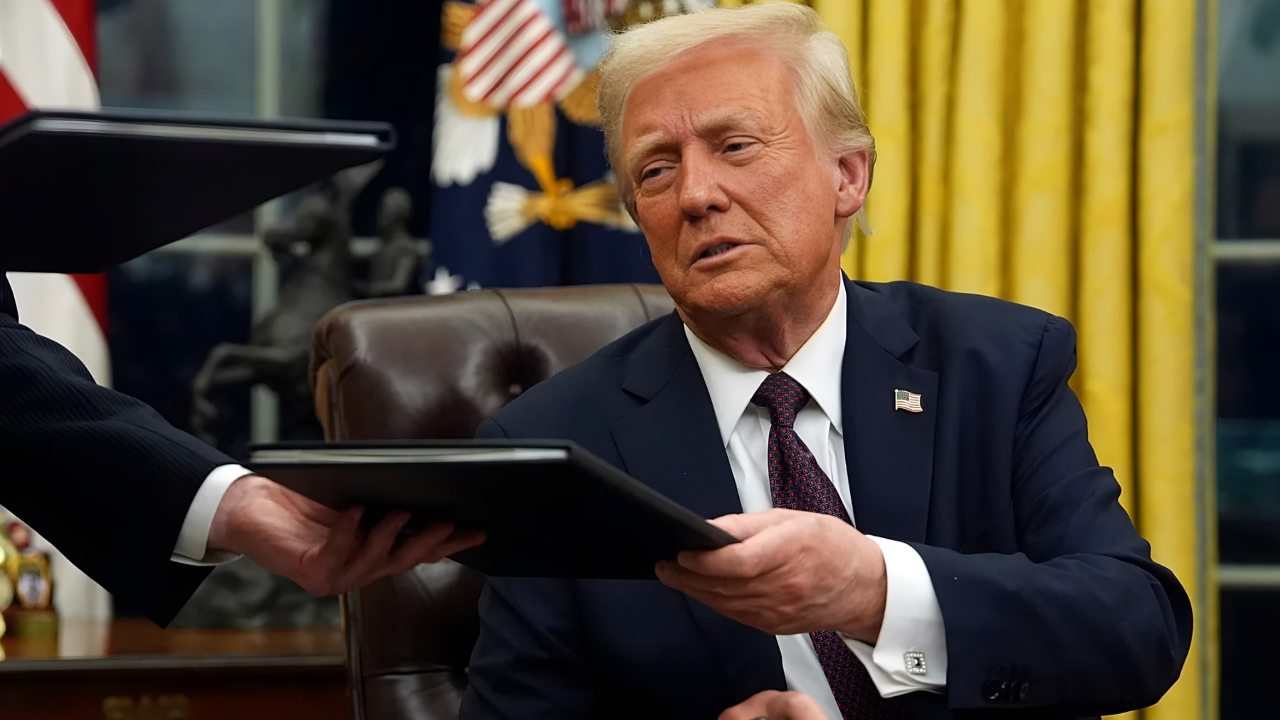
On November 19, 2025, the Trump administration proposed a significant rollback of the Endangered Species Act (ESA). By eliminating automatic protections for newly threatened species and allowing economic factors in listing decisions, this proposal could jeopardize protections for over 1,600 species nationwide. Environmentalists are raising alarms as the 30-day public comment period begins before the final rules are set.
Could this be the end of decades of progress?
Why Now? Political and Economic Motivations
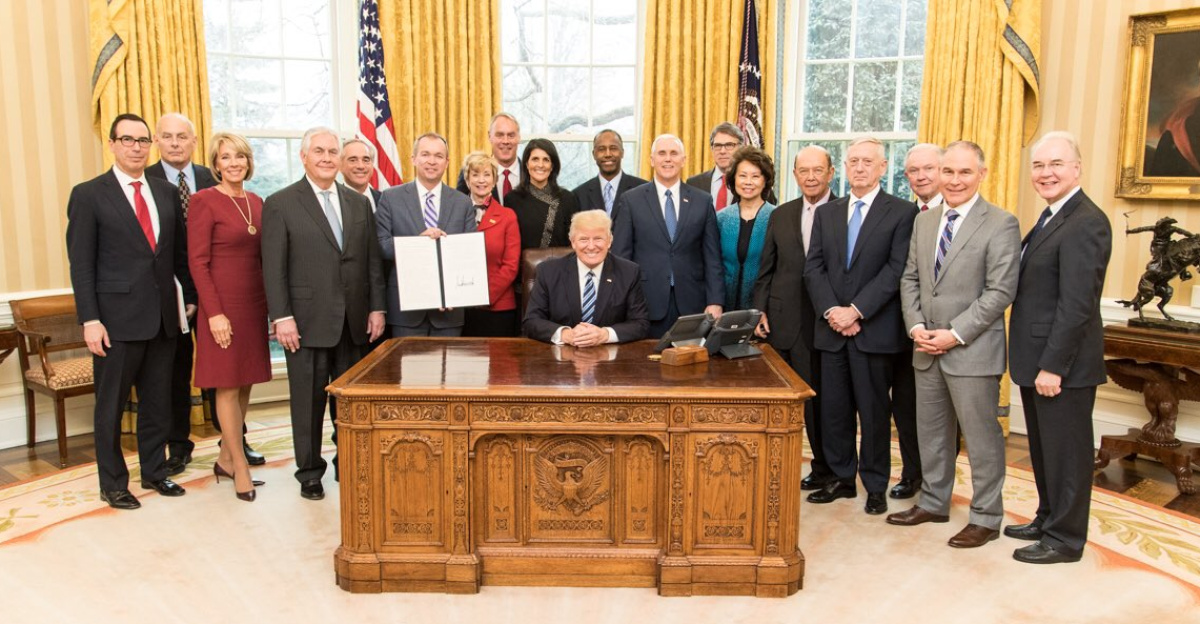
The rollback comes as the Trump administration pushes for greater economic development. By prioritizing drilling, mining, and logging over wildlife protections, the administration argues that factoring in economic considerations will expedite projects. Supporters claim this approach will stimulate industry growth.
Critics, however, warn that the shift undermines years of conservation work for immediate financial gain. Interior Secretary Doug Burgum claims the changes will “restore the ESA to its original intent.”
Potential Species Impact: Iconic Wildlife at Risk

Iconic species like the monarch butterfly, Florida manatee, and California spotted owl could see delayed protections if the proposal passes. Without automatic safeguards, these animals may face years of waiting for critical recovery measures.
Experts argue that the new rules could prolong the process of designating protected habitats, placing species that are already vulnerable in even greater danger. Could these beloved creatures be pushed closer to extinction?
Corporate Response: Industry Applauds, Conservationists Alarmed

The rollback has sparked mixed reactions. Industry groups, including property rights advocates, support the move, arguing it will reduce regulatory burdens and expedite project approvals. In contrast, environmental organizations like Earthjustice and Defenders of Wildlife are voicing concerns, claiming the proposal will delay recovery efforts for endangered species.
The divide is stark: one side sees economic opportunity, while the other fears ecological collapse.
Substitutes and Adjacent Markets: Conservation Funding in Jeopardy

With ESA protections weakened, funding for conservation initiatives could be at risk. Eco-tourism and wildlife rehabilitation businesses may face uncertainty as recovery efforts slow down. Local economies that rely on wildlife tourism could experience challenges as species protection is delayed, raising concerns about long-term sustainability.
How will these markets cope with the shifting policy landscape?
International Implications: U.S. Leadership in Question
The rollback could have global ramifications, diminishing the U.S.’s standing as a leader in conservation. If the U.S. weakens its ESA enforcement, other countries may follow suit. International wildlife protection agreements could be strained, and trade partners might adjust their environmental clauses accordingly.
As global attention turns to the U.S., how will this shift affect America’s influence in environmental diplomacy?
Human Story: Scientists and Rangers on the Front Lines

Wildlife biologists, park rangers, and conservation scientists are on the front lines of this battle. For many, the ESA has been a powerful tool in preventing species extinctions. “This is a death sentence for so many animals,” says Stephanie Kurose from the Center for Biological Diversity.
These dedicated professionals face an uncertain future as protections that once seemed secure are now at risk.
Political Response: Legal Battles and State Pushback Expected

Environmental groups are preparing for legal action, anticipating challenges in federal court. States with rich biodiversity, particularly those in the West, are expected to push back with their own protective measures. A protracted legal battle seems inevitable, especially since previous ESA rollbacks were reversed under the Biden administration.
The fight over these proposals is far from over.
Economic Development Expansion: Short-Term Gains, Long-Term Risks

The rollback could allow for increased drilling, mining, and construction in previously protected habitats. While this could stimulate short-term economic growth, scientists warn of long-term environmental consequences. Habitat destruction, loss of pollination, and decreased tourism revenue could result in greater economic costs down the road.
Can short-term economic gains truly offset the price of lost ecosystems?
Retailer Strategies: Adapting to Policy Uncertainty
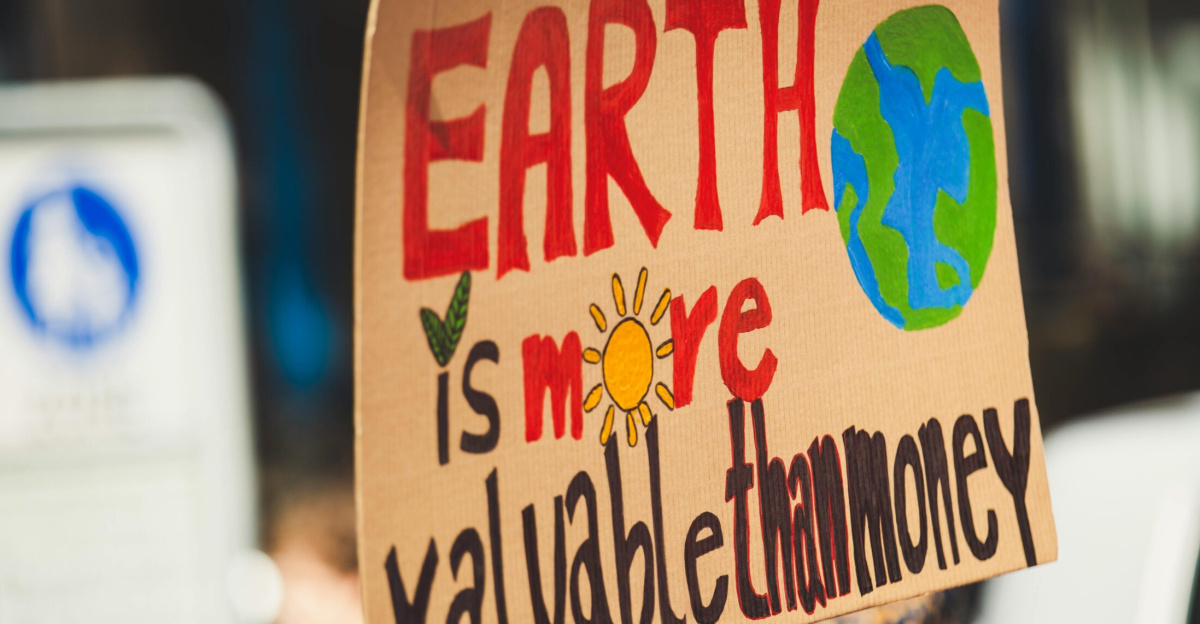
Retailers focused on eco-friendly products may need to adjust their marketing and sourcing strategies in response to the rollback. Consumer demand for wildlife protection remains high, with 84% of Americans supporting ESA protections. Companies will need to ensure their products and messaging align with conservation values, even as the political landscape shifts.
How will brands maintain consumer trust amid these changes?
Restaurant and Hospitality Shifts: Regional Tourism at Risk

Restaurants and hotels that depend on wildlife tourism may face challenges as the rollback threatens species recovery efforts. Local businesses in areas with rich biodiversity could see a decline in visitors if protected species face delayed recovery.
Some businesses may focus on local conservation efforts to attract eco-conscious tourists, but long-term uncertainty looms.
Knock-On Industries: Supply Chain Considerations

Industries like agriculture, fishing, and resource extraction could see increased costs as habitat protections are delayed. In some sectors, the rollback could be beneficial, removing regulatory barriers to resource extraction. However, companies in agriculture and fishing could face disruptions as ecosystem degradation leads to higher operational costs.
The new rules could be a mixed bag for various industries.
Global Consumer Impact: Biodiversity and Food Security

Biodiversity plays a critical role in global food security. A decline in pollinator populations, for instance, could directly impact food supplies worldwide. International travelers may also have fewer opportunities for wildlife tourism in the U.S.
The rollback of ESA protections could have ripple effects on global consumers, with the U.S. playing a pivotal role in maintaining ecological balance.
Health and Ecosystem Services at Risk

Ecosystem services like clean water, air purification, and disease regulation are under threat as species recovery is delayed. These services are vital to public health, and disruptions in these systems could lead to long-term costs.
As natural systems decline, communities may face higher expenses for water treatment, pest control, and other public health measures.
Cultural and Environmental Debate: A Nation Divided
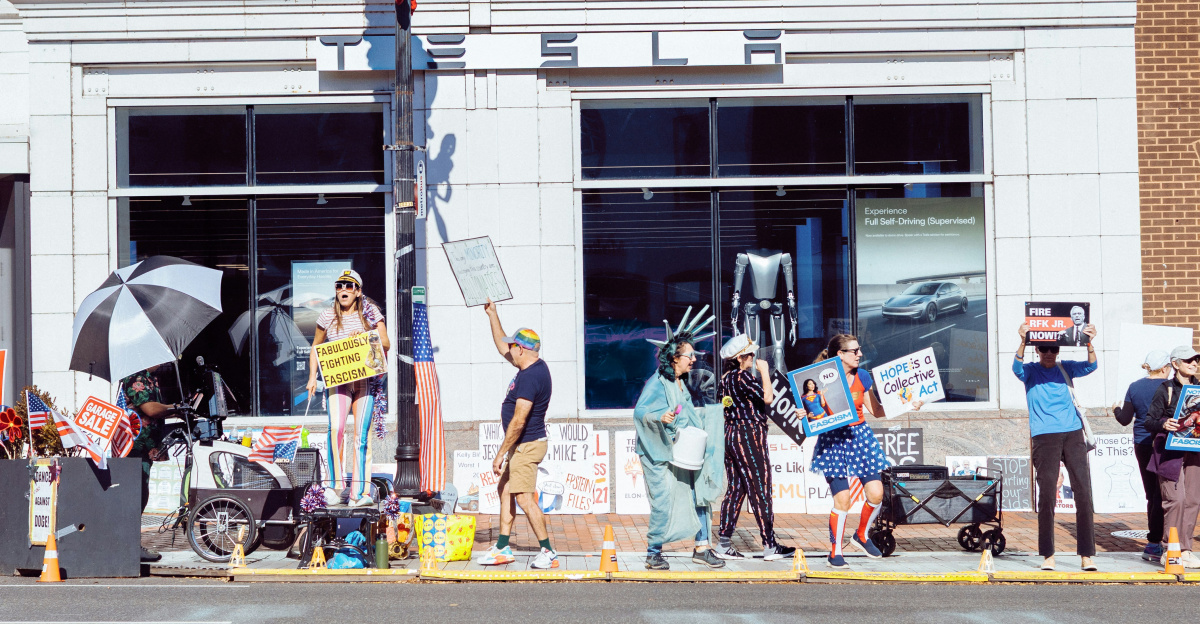
The rollback has sparked a deep cultural divide in the U.S. While the majority of Americans support ESA protections, there are strong political and economic forces calling for deregulation. This tension is reflected in the public debate over how to balance conservation with economic development.
As the U.S. grapples with this issue, the future of its natural heritage hangs in the balance.
Winners and Losers: Industry vs. Ecosystems

Resource extraction industries stand to benefit from the rollback, with reduced regulatory burdens and faster project approvals. However, ecosystems and local communities that rely on wildlife tourism are poised to lose.
The broader economic impacts will play out over time, but one thing is certain: the balance of winners and losers will have far-reaching consequences.
Financial Market Considerations: Environmental Risk and ESG Scrutiny

Financial markets are keeping a close eye on the regulatory changes, as environmental factors influence project valuations. Companies involved in habitat-sensitive industries could face increased scrutiny from ESG (Environmental, Social, and Governance) investors.
As legal uncertainties loom, markets may react to the shifting regulatory landscape, impacting investor confidence.
How to Engage: Supporting Conservation Amid Uncertainty

Concerned citizens can get involved by submitting comments during the 30-day public comment period. Supporting conservation organizations and staying informed on policy developments are crucial for those who want to protect wildlife.
As the decision-making process unfolds, public engagement will be key to shaping the future of species protection in the U.S.
What’s Next? The Regulatory and Legal Road Ahead

The next few months will be critical, with public comments, state-level responses, and court challenges likely to shape the outcome of the proposed rollback. The final decision could come down to legal battles and legislative interventions.
As the regulatory process unfolds, stakeholders from all sides will continue to mobilize in this fight for the future of wildlife protections.
The Big Picture: America at a Crossroads

The proposed rollback of ESA protections marks a crucial turning point in U.S. environmental policy. With a 30-day public comment period and legal challenges on the horizon, the final decision will determine how the U.S. balances economic development with the need to protect endangered species.
The outcome will have lasting consequences for both the environment and future generations.
Sources:
U.S. Fish and Wildlife Service Official Press Release (November 18, 2025)
NOAA Fisheries/National Marine Fisheries Service Official Action Page (November 20, 2025)
Federal Register Published Rules (November 21, 2025, published in Federal Register 90 FR)
Defenders of Wildlife Official Press Statement (November 18, 2025)
Center for Biological Diversity Official Press Release (November 18, 2025)
Department of Interior Official Press Release (November 18, 2025)