Corporate boardrooms across America have turned their gaze toward the legal landscape shaped by former President Donald Trump. In recent years, major networks have found themselves paying substantial settlements to resolve his defamation claims, with ABC News offering $15 million and Paramount settling for $16 million. What initially seemed like mere legal threats have quickly morphed into strategic business calculations.
Media executives are re-evaluating their priorities; no longer is it solely about upholding journalistic integrity. The landscape has shifted to focus on financial survival amid systematic legal intimidation. As legal threats loom larger, companies are forced to weigh the cost of defending against such claims against potential business fallout.
Calculating the Cost of Lawsuits
Trump’s litigation strategy is both aggressive and calculated, marked by a recurring pattern—file lawsuits, apply regulatory pressure, and wait for capitulation. This approach has been evident in how media giants handle defamation claims, with Disney choosing to settle rather than defend its anchor George Stephanopoulos.
Legal experts note that Trump’s method represents a troubling new trend, often referred to as the “weaponization of civil lawsuits.” More than 4,000 civil lawsuits have followed Trump, allowing him to exhaust opponents with the sheer weight of legal fees.
This marks a fundamental transformation in how defamation law operates, shifting focus from protecting reputations to controlling narratives.
A Bold Move: The $15 Billion Suit
Now, Trump has escalated his legal campaign by filing a staggering $15 billion lawsuit against The New York Times, targeting four reporters—Susanne Craig, Russ Buettner, Peter Baker, and Michael S. Schmidt—alongside the publisher, Penguin Random House. This lawsuit alleges a history of “intentional and malicious defamation” linked to the publication of the book “Lucky Loser,” which critiques Trump’s business dealings.
The damages claimed reflect not only personal grievances but also purported harms to Trump Media and Technology Group stock value. By demanding such an astronomical figure, Trump signals confidence in his legal strategy and a willingness to challenge accountability journalism through financial intimidation.
Similar costly settlements have led many media outlets to prioritize business interests over constitutional principles, transforming investigative journalism into a precarious endeavor.
Chilling Effects on the Press
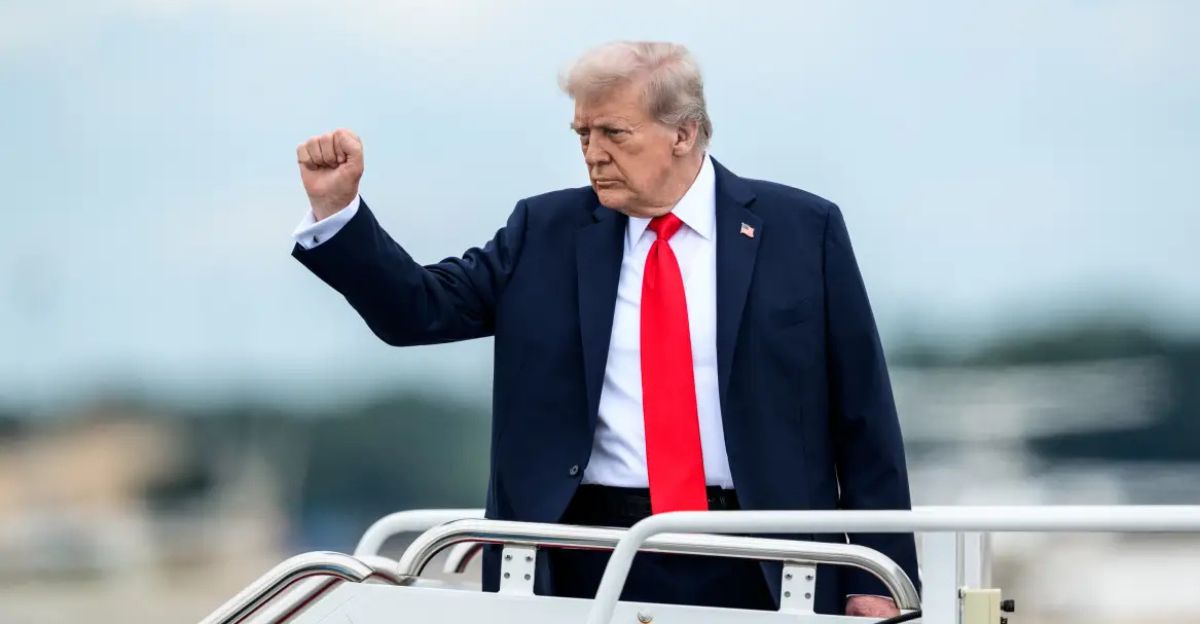
The implications of Trump’s lawsuit extend beyond the courtroom, establishing what some First Amendment lawyers deem an “extortion-industrial complex.” Investigations from the Federal Communications Commission into news coverage further add layers of complexity, particularly for companies facing pending mergers.
As executives grapple with reputational risks, settling Trump’s lawsuits is becoming a normalized business practice rather than a constitutional fight. This trend could lead to a formidable impact on journalistic freedom, raising alarms about the delicate balance between corporate survival and journalistic integrity.
The response from The New York Times—or lack thereof—could become a pivotal indicator of the state of press freedom in America as other news organizations watch closely.
Conclusion: What Lies Ahead for Journalism?
In the shadows of Trump’s legal ambitions, a challenging future for independent journalism looms. Settlements, once seen as political maneuvers, are increasingly viewed as necessary business strategies.
As media companies face rising pressures to secure merger approvals and maintain regulatory relationships, many might lose sight of their core mission—the pursuit of truth. The essence of accountability journalism hangs in the balance as the stakes rise.
As one legal expert aptly put it, this lawsuit could redefine how power dynamics play out between the media and political leaders, instilling a chilling effect on investigative journalism for years to come.