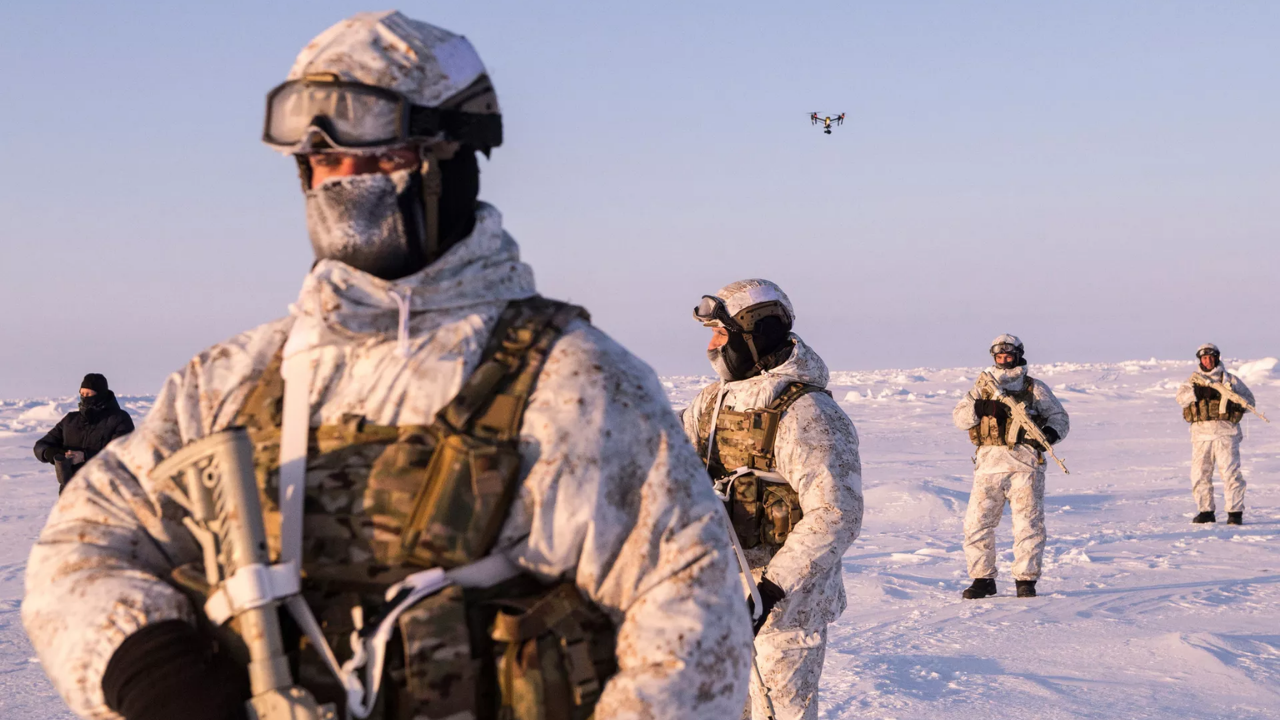
U.S. President Donald Trump’s declaration that America “needs to own Greenland” to block Russia or China sent shockwaves through NATO on January 10, 2026, thrusting the Arctic into urgent geopolitical focus and prompting alliance-wide consultations.
Greenland Suddenly at the Center
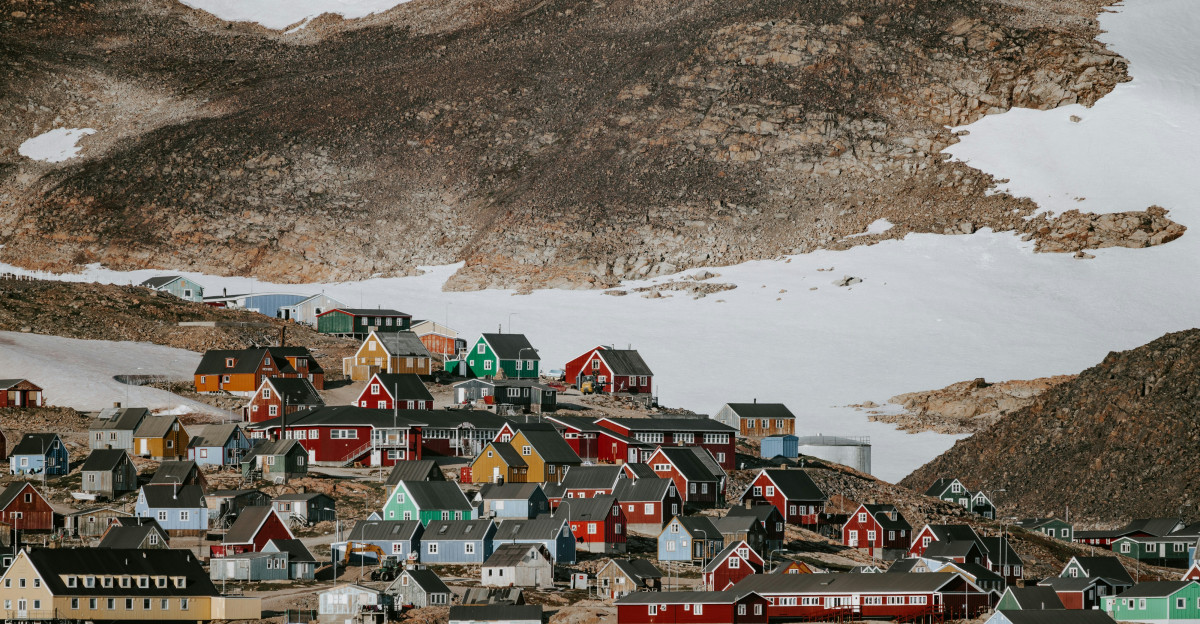
Greenland’s strategic position, straddling key North Atlantic routes with existing U.S. military bases like Pituffik Space Base, has made it a flashpoint. Trump’s statement drew swift rejection from Danish and Greenlandic leaders, who labeled it “extremely disrespectful.” The remark exposed transatlantic frictions at a time when melting ice is unlocking new shipping lanes, resources, and vulnerabilities in the High North.
NATO’s Arctic Building Blocks
NATO has tested models adaptable to Arctic needs. Baltic Sentry, started in January 2025, deploys frigates, patrol aircraft, and drones to guard undersea cables in the Baltic Sea. Eastern Sentry, launched in September 2025, bolstered surveillance after Russian airspace violations over Poland and Estonia. These multinational efforts integrate air, sea, and cyber tools, providing a blueprint for northern expansion to protect infrastructure linking continents.
Europe’s Anxiety Deepens
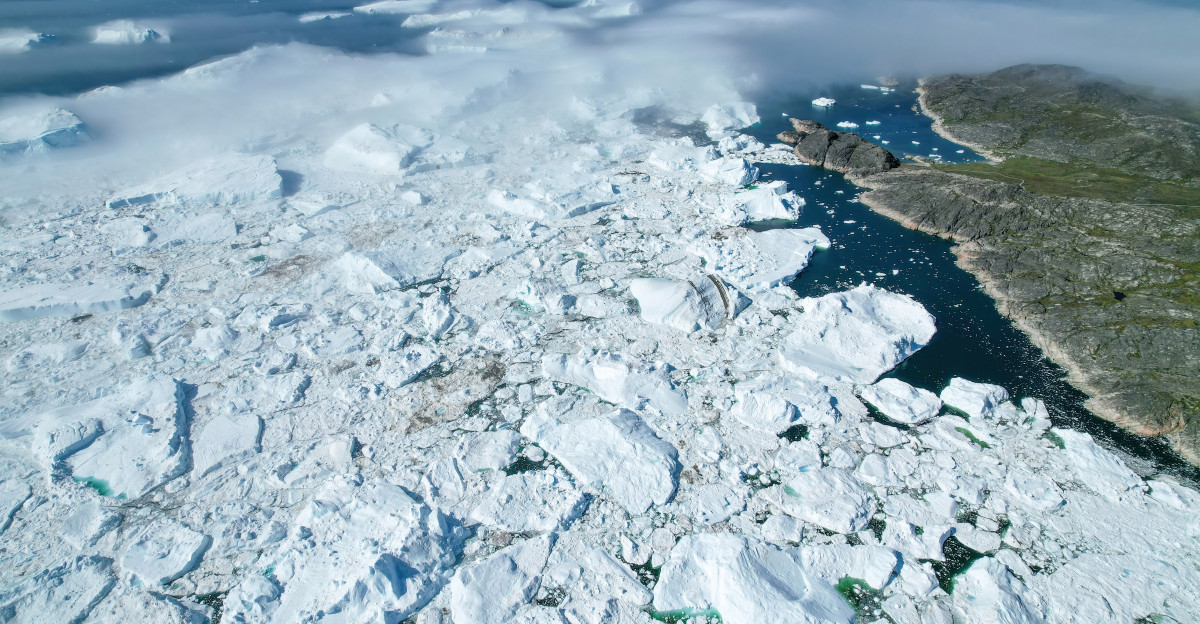
European nations fear alliance cracks. Belgium’s Defence Minister Theo Francken called for unity to counter divisions. France, Germany, and the UK are drawing up plans to address U.S. concerns without eroding Greenland’s autonomy, while NATO Secretary-General Mark Rutte conferred with U.S. Secretary of State Marco Rubio. Russia’s post-2022 Ukraine invasion tactics—drones, jets, cyber attacks, and sabotage—have sharpened focus, with the Arctic now part of Moscow’s probing pattern. China advances more subtly, funding infrastructure and research as ice recedes, raising alarms over trade routes and resources.
The Arctic Sentry Proposal
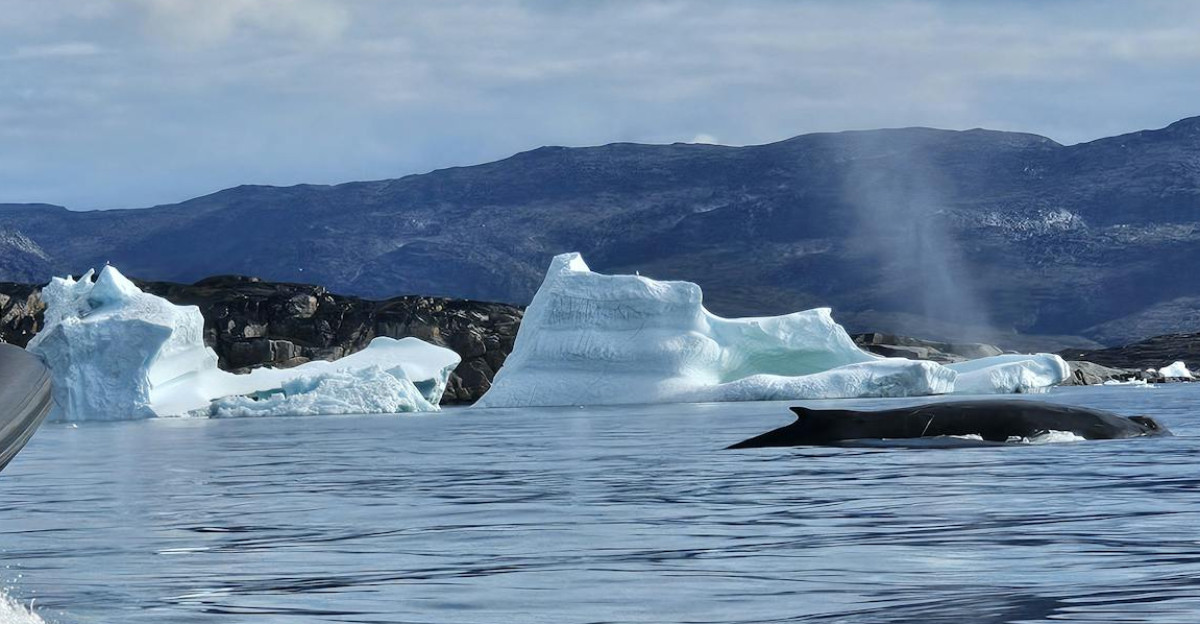
Belgium proposed “Arctic Sentry” to mirror existing missions, envisioning future deployment of drones, sensors, vessels, and aircraft for Arctic monitoring. Francken stressed collaboration to show strength. The initiative aims to ease U.S. worries while upholding cohesion and Greenland’s status under Danish foreign policy control. NATO is consulting but requires consensus from all 32 members, delaying any quick decision. Denmark balances rejection of takeover talk with recognition of rising stakes, tied to the 1951 U.S. defense pact.
Greenland Pushes Back Together
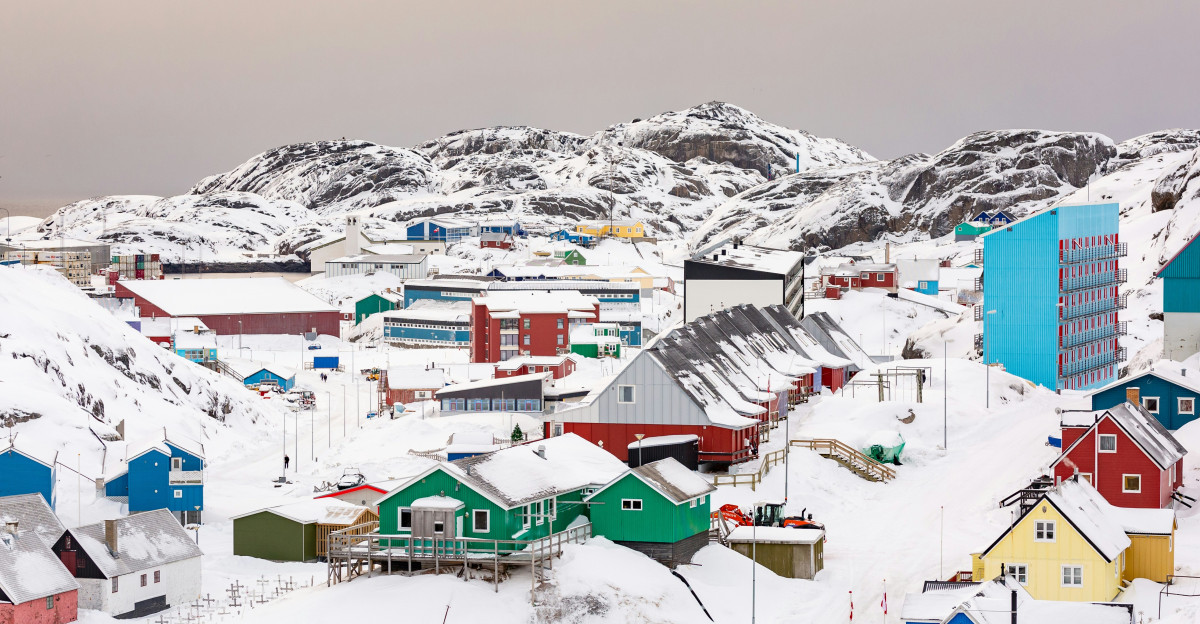
Greenland’s five parliamentary parties united in a declaration: “We will not be Americans, we will not be Danes, we are Greenlanders.” Prime Minister Jens-Frederik Nielsen and opposition leader Pele Broberg decried the rhetoric, insisting on diplomacy. Broberg noted risks concentrate in uninhabited east coast areas, not population hubs, with no direct threat to residents. All parties back updating the U.S. defense deal on their terms, rejecting large-scale troop deployments as impractical amid harsh terrain and weather. Intelligence sharing may suit better than boots on the ground.
Russia’s airspace incursions in September 2025 triggered Article 4 consultations, underscoring broader pressures. Undersea cables, vital for power and data, face sabotage risks seen in the Baltic, making protection paramount. Climate change accelerates rivalry by exposing rare earths and routes, intensifying competition for Arctic resources and access.
Cooperation Or Confrontation
NATO proceeds deliberately, with Rutte confirming High North talks. Sovereignty remains ironclad under international law; unilateral moves are impossible. Belgium’s plan seeks to channel U.S. security concerns multilaterally, amid broader debates on burden-sharing and alliance cohesion.
Greenland asserts agency, eyeing independence beyond Danish oversight and direct global ties. As Arctic governance strains against competition, NATO’s response—via Arctic Sentry or revised pacts—will shape whether the region fosters cooperation or ignites confrontation.
Sources:
“Trump says US needs to ‘own’ Greenland to prevent Russia and China occupying it.” BBC News, 9 Jan 2026.
“NATO should launch operation to boost security in Arctic, Belgian minister says.” Reuters, 11 Jan 2026.
“Greenland’s Political Parties Reject Trump’s Threats.” TIME, 9 Jan 2026.
“NATO launches ‘Baltic Sentry’ to increase critical infrastructure security.” NATO, 13 Jan 2025.