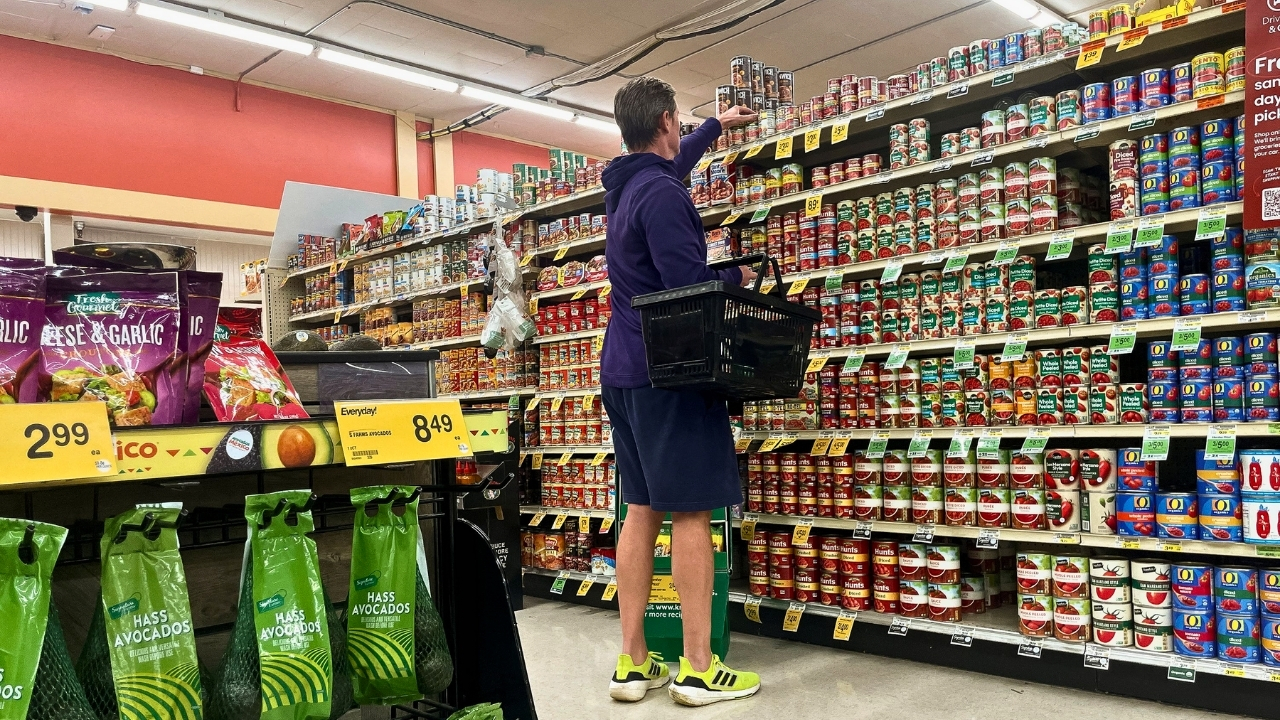
Holiday shoppers leaned over freezer doors in November 2025, scanning turkey labels with surprise. Tags showed 16% lower prices year-over-year, and Walmart promoted Thanksgiving baskets 25% cheaper than 2024. It felt like a win—bright yellow discount tags, full carts, early-morning crowds.
But the savings were more illusion than relief. The cheaper baskets contained fewer items, smaller portions, and lower-cost brands. Food prices had already risen 23.6% since 2020, and tariff cuts arrived too late to reverse momentum.
Why Tariffs Made Groceries More Expensive
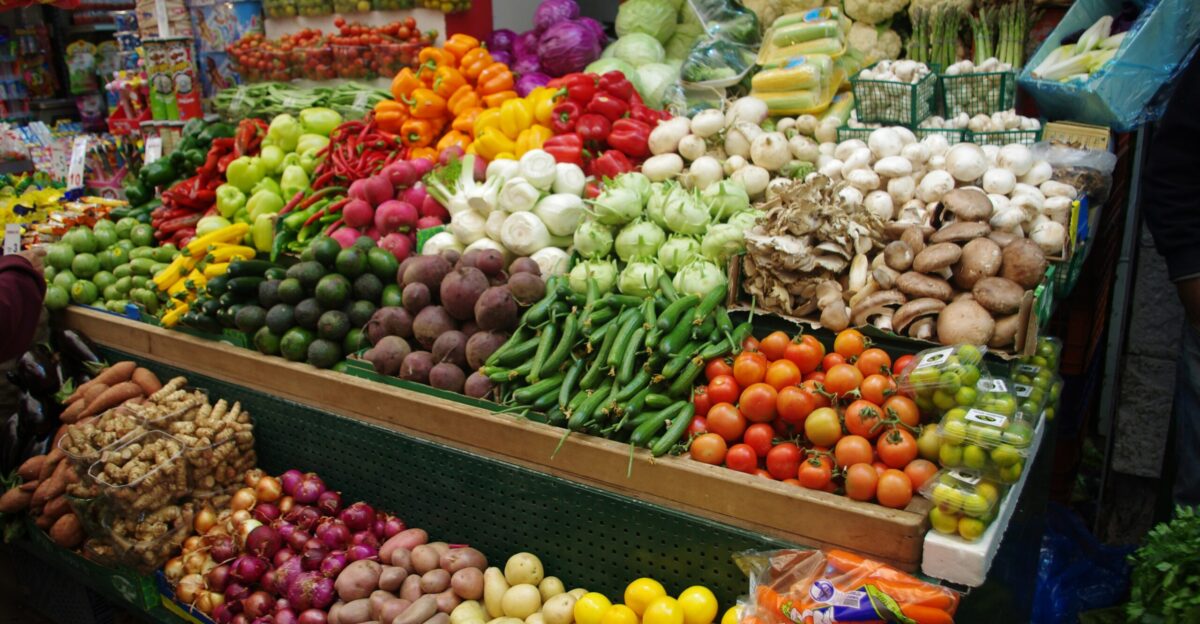
For over a year, the administration imposed steep import duties on global staples—Brazilian beef, Colombian and Vietnamese coffee, and Mexican tomatoes. When trade agreements lapsed, costs climbed and shoppers noticed. Exit polls later showed voters directly connecting tariffs to checkout totals.
By late 2025, nearly 200 food items were retroactively exempted. But months of inflation were already baked into supply chains. Reversing tariffs confirmed what critics said from the start: higher import taxes raise grocery prices.
Thanksgiving Discounts Hide a Harder Truth
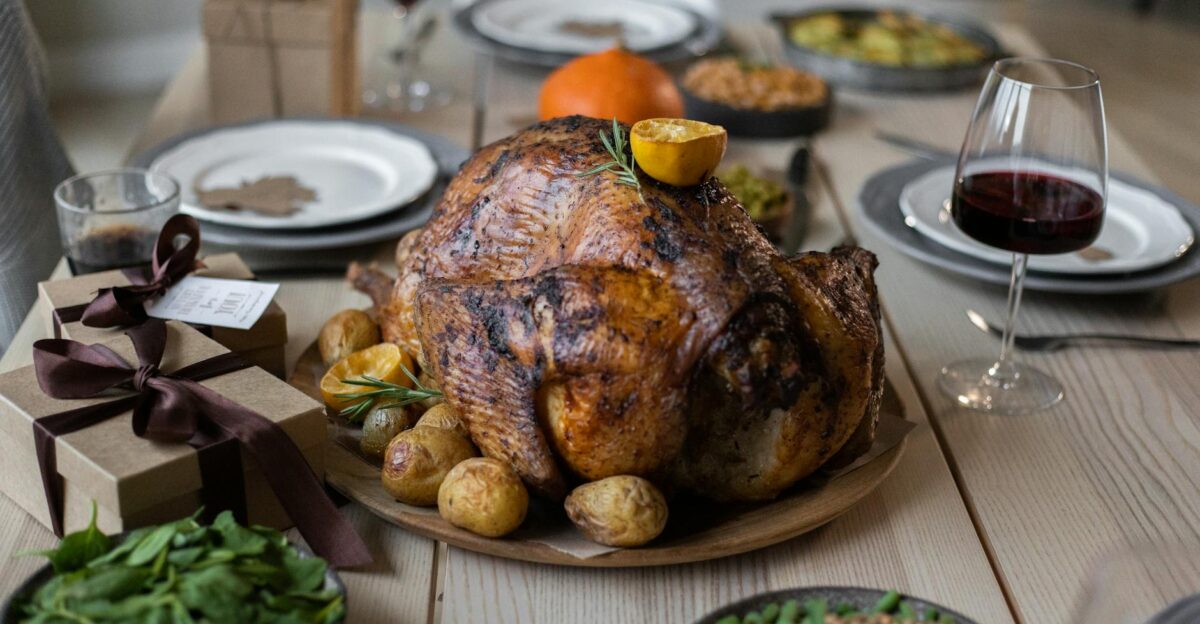
Holiday savings looked good on paper, but the details told a different story. Walmart’s Thanksgiving basket cost 25% less, yet included fewer goods and lower-tier brands. Retailers temporarily absorbed margins to soften seasonal sticker shock.
Economists warned the celebration would fade fast. Many expect January 2026 price rebounds once promos expire. America briefly paid less—while receiving less. Purchasing power quietly thinned under the surface of a discount.
Beef Prices Rise Even After Tariff Relief
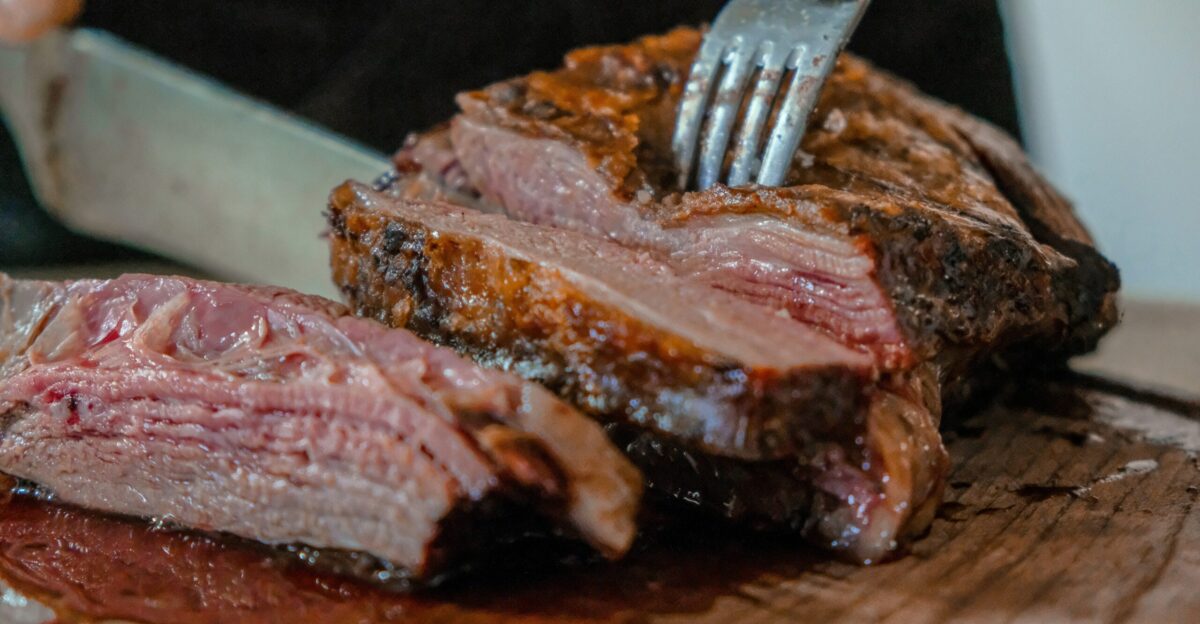
Even with tariff cuts, beef remained expensive. Cattle herds were already shrinking in natural cycles. A Mexican cattle import freeze (Nov 2024–Feb 2025) due to New World screwworm detections tightened supply further.
USDA projected 11.6% higher beef and veal prices in 2025. Cheaper tariffs could not compensate for fewer animals. Ranchers faced disease risk and limited herds, underscoring a key truth—trade relief doesn’t override biology.
Coffee Relief Won’t Reach Shelves Quickly
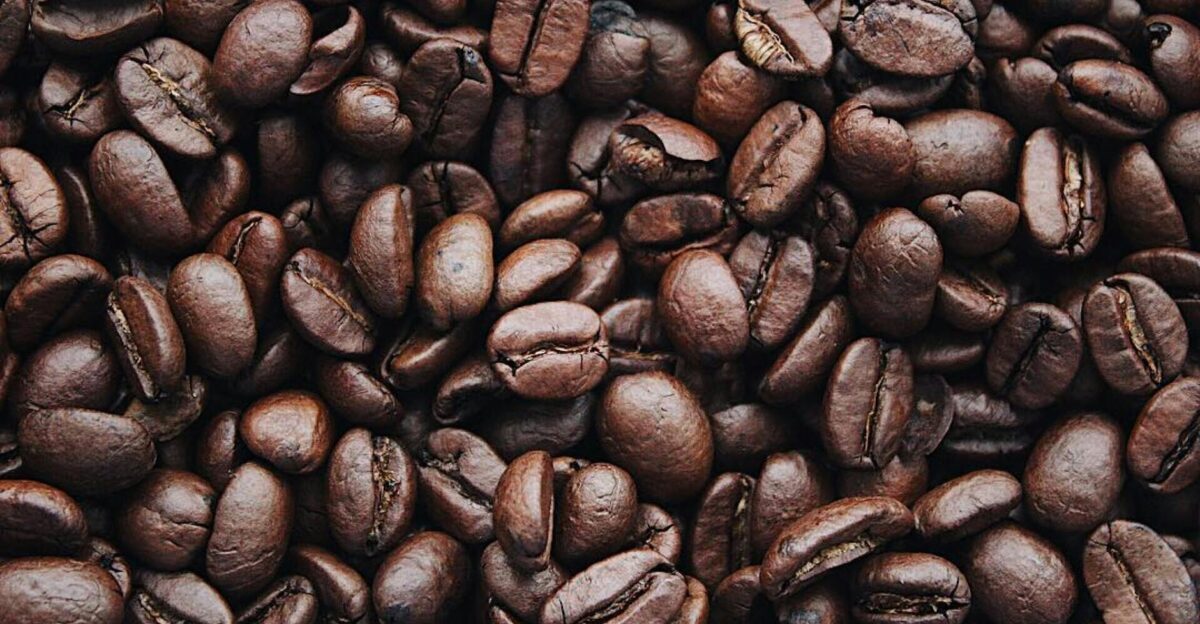
Brazil supplies one-third of U.S. coffee imports, with major shares also from Vietnam and Colombia. When tariffs were removed in November 2025, beans were already moving through the system at older, higher duty rates.
Retailers must first sell through expensive inventory before prices fall. Savings won’t reach consumers immediately. Even with rollback, Americans may wait months for cheaper coffee—a reminder that supply chains move slower than policy.
Eggs Surge for a Different Reason
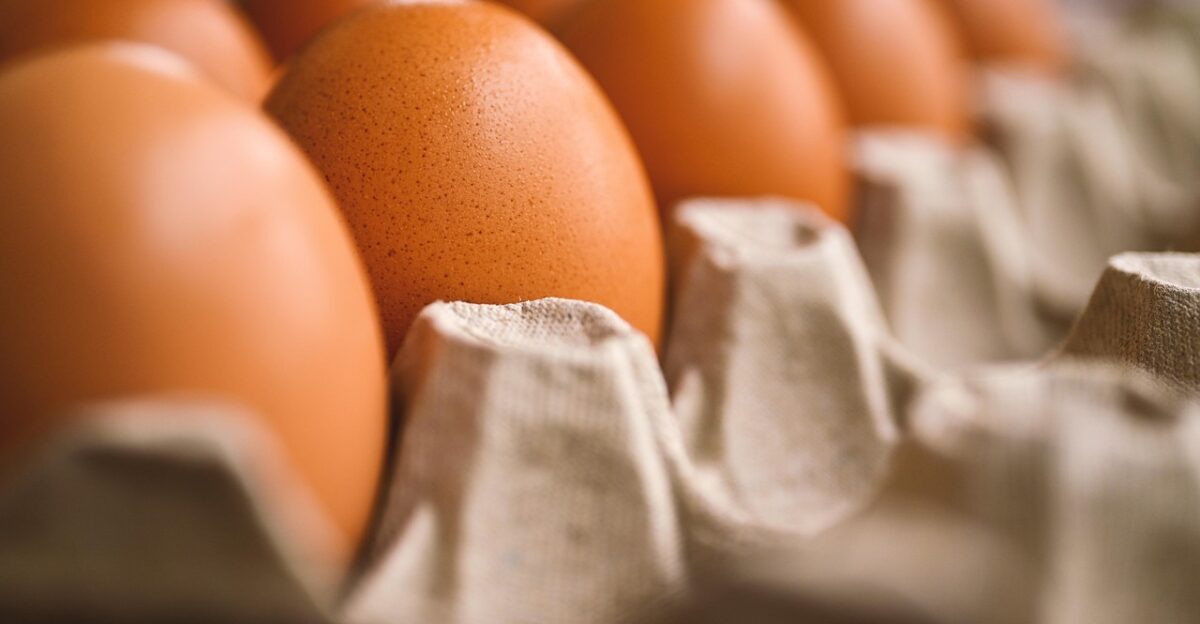
Egg prices spiked for reasons separate from tariffs. Avian influenza outbreaks slashed flock numbers, pushing farm-level egg costs up 36.7% and retail prices 24.8% higher for 2025. Disease—not tariffs—became the dominant price driver.
Tariff cuts on other foods offered no relief here. Production still relied on costly feed and chemical inputs, many tariffed themselves. Eggs became the symbol of a larger truth: inflation wasn’t just political—it was biological and structural.
Input Tariffs Keep Food Expensive
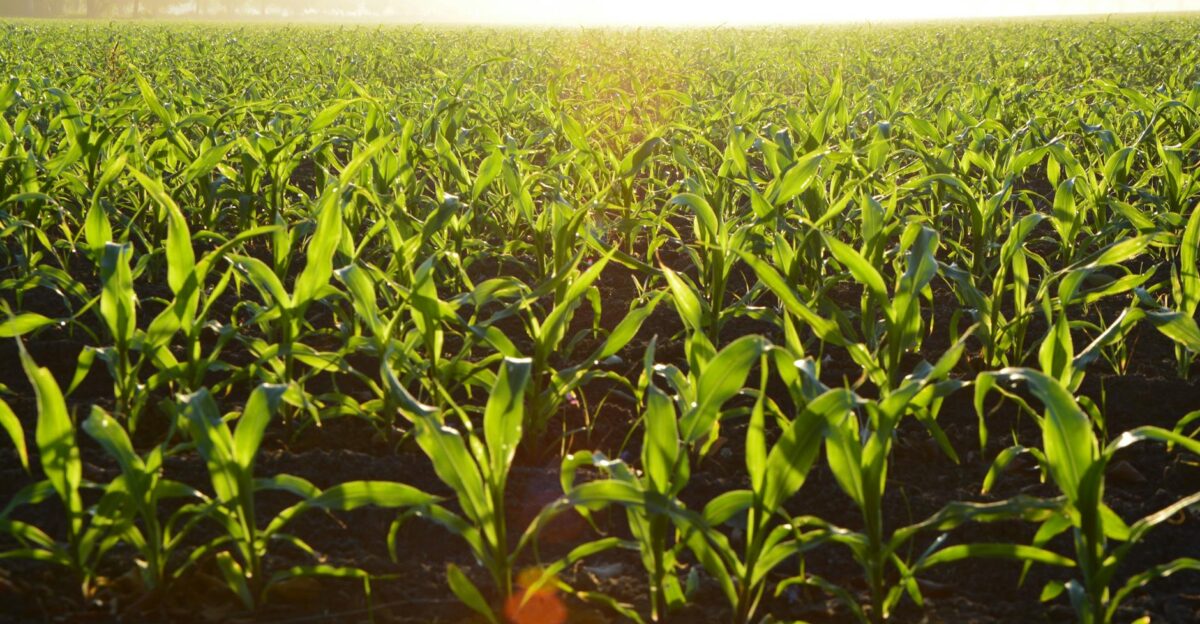
Finished food tariffs fell, but steel, aluminum, pesticide and farm-input tariffs stayed, raising equipment and fertilizer costs. Farmers paid more to produce the same crops and proteins, pushing final prices upward.
Economists warn that input tariffs can create 5–15% retail price pass-throughs. Cutting duties on tomatoes means little if tractors, fuel and crop chemicals stay expensive. Relief was partial—not systemic.
DOJ Targets Meatpacking Power
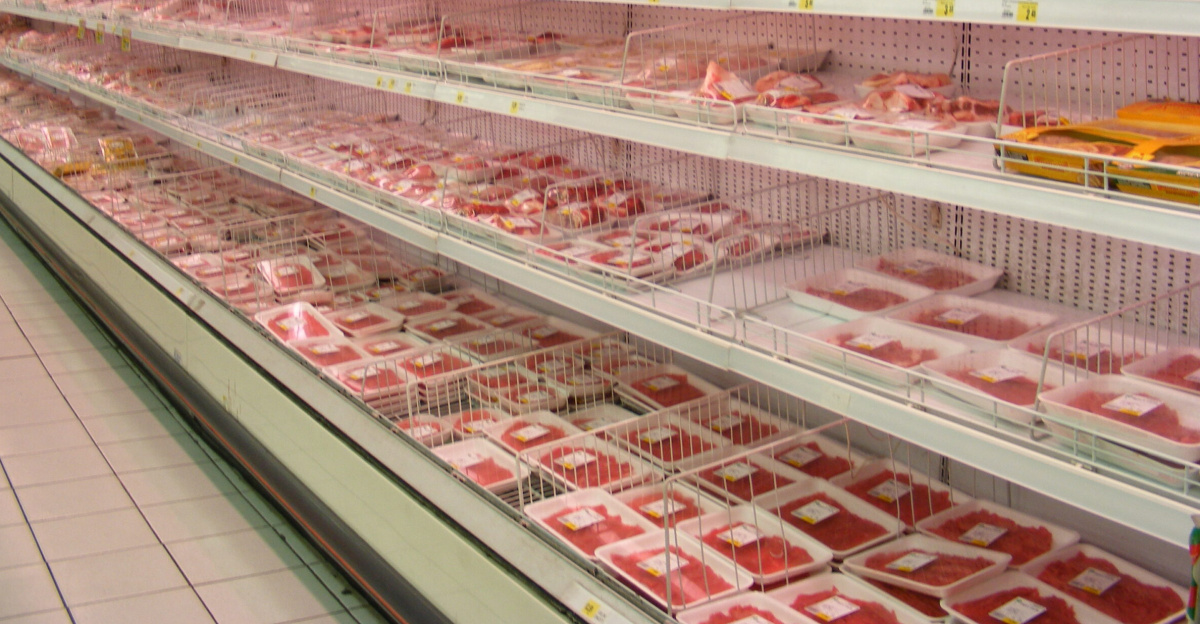
In November 2025, the DOJ launched investigations into major meatpackers controlling ~80% of U.S. beef processing. High beef prices post-rollback fueled suspicion that market concentration—not just tariffs—drove inflation.
A prior case had closed weeks earlier, raising questions about timing. Whether accountability lowers prices remains unknown, but the shift signaled Washington exploring structural causes beyond tariffs.
Food Inflation Stays Ahead of Core Inflation
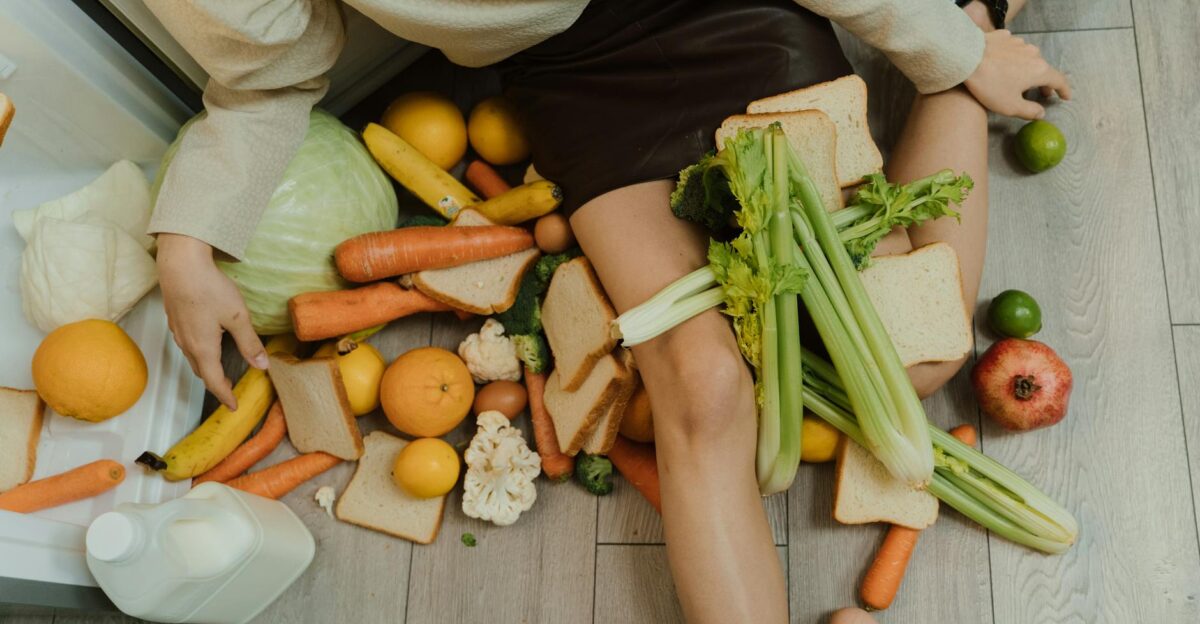
Even as overall inflation cooled to 2.6% in August 2025, food-at-home trends stayed higher at 2.7%. Since 2020, grocery prices climbed 23.6%, biting into budgets more sharply than housing or healthcare.
The impact reached 132–165 million Americans. Average households absorbed an estimated $200–$400 more yearly—a slow burn rather than a spike. Food inflation eased slowly, but the new price floor held firm.
Shrinkflation and Brand Switching Become the Norm
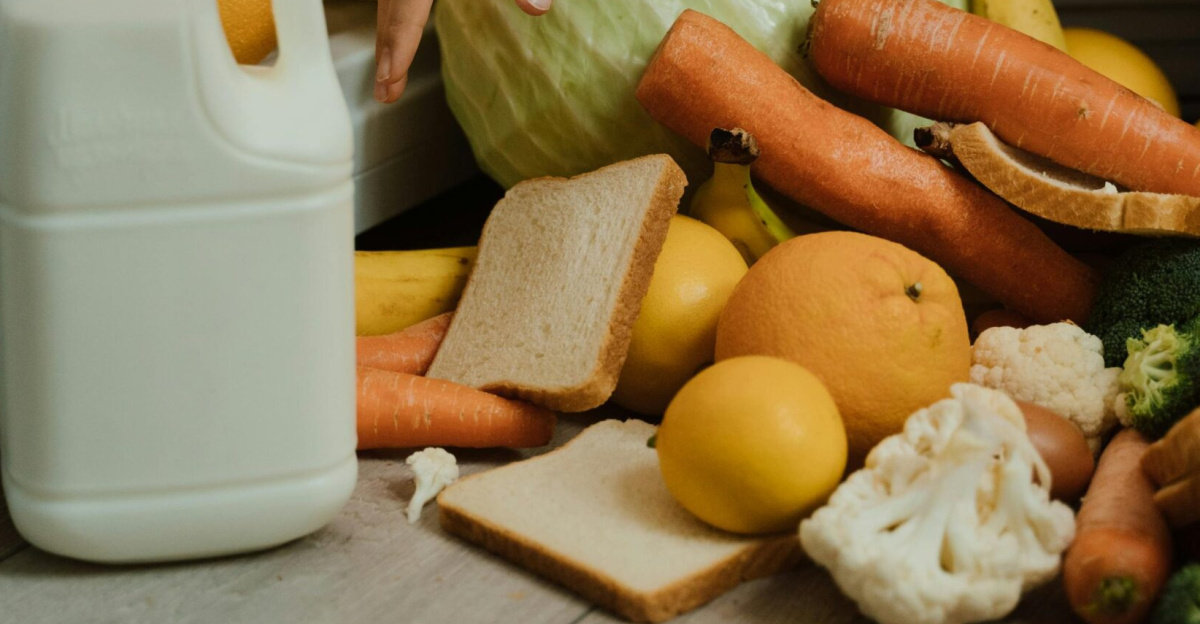
Shoppers responded by switching to cheaper private-label groceries. Premium products left carts, replaced by bulk rice, canned staples and budget snacks. The shift was broad, noticeable, and persistent.
Shrinkflation became standard—same price, less inside. Dieticians warned poorer nutrition may follow as fresh produce and proteins get replaced by shelf-stable alternatives. Inflation didn’t just change spending—it changed eating.
Sustainability Loses When Budgets Tighten
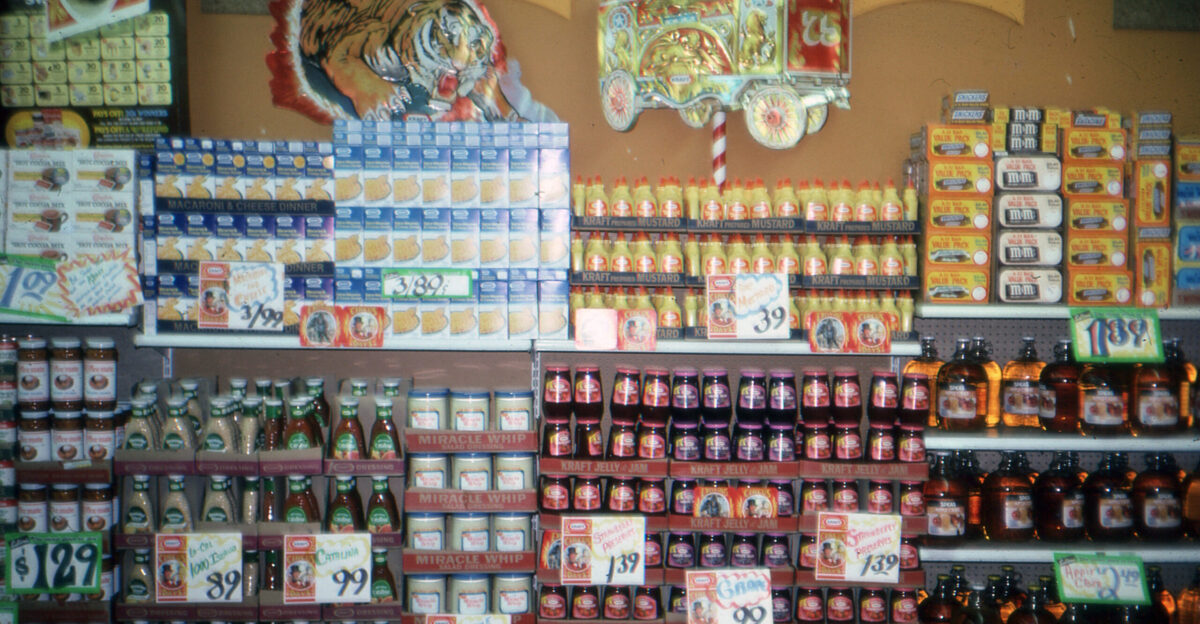
Organic and local food once symbolized ethical consumption. But premium pricing became unmanageable under inflation. Sales slowed as families prioritized affordability over sustainability.
Farmers markets and CSA programs saw enrollment drop. Environmental advocates warned cheap food systems often come with ecological cost. Inflation didn’t just tighten wallets—it shifted values.
Polling Turns Against the Administration
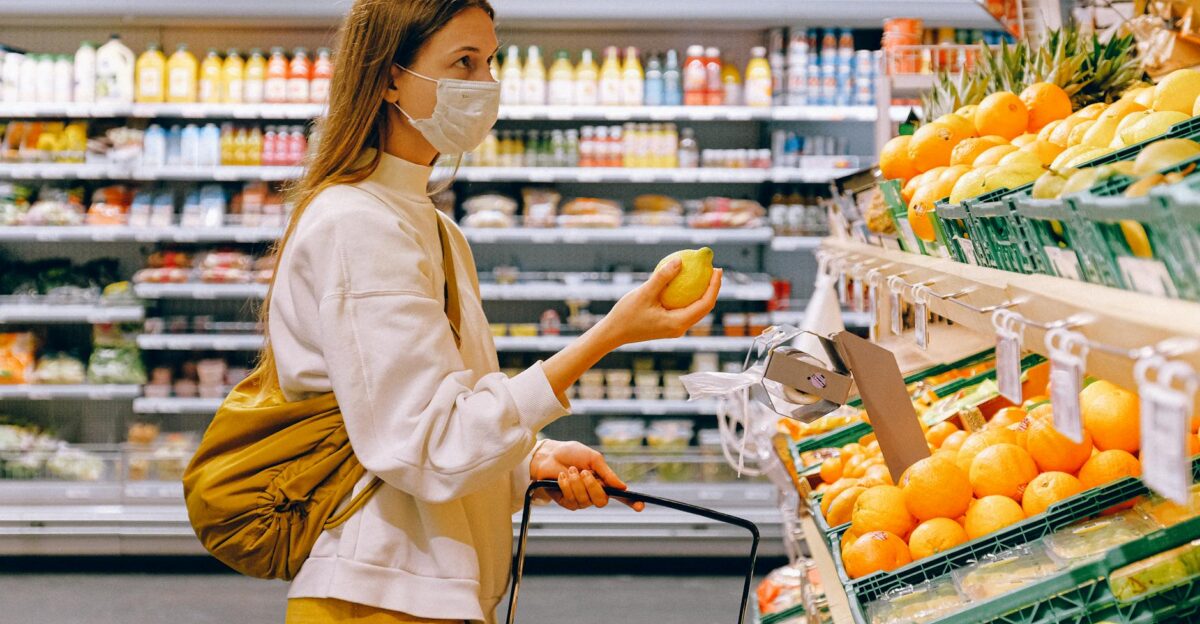
A POLITICO/Public First poll found 55% of Americans blame the administration for high grocery prices—more than housing or healthcare frustrations. Even 20% of Trump’s 2024 voters feared they couldn’t afford basic food.
The tariff rollback, though significant, came after public opinion hardened. Once a household struggles to afford food, policy corrections rarely erase that memory.
Discount Retailers Win the Inflation Economy
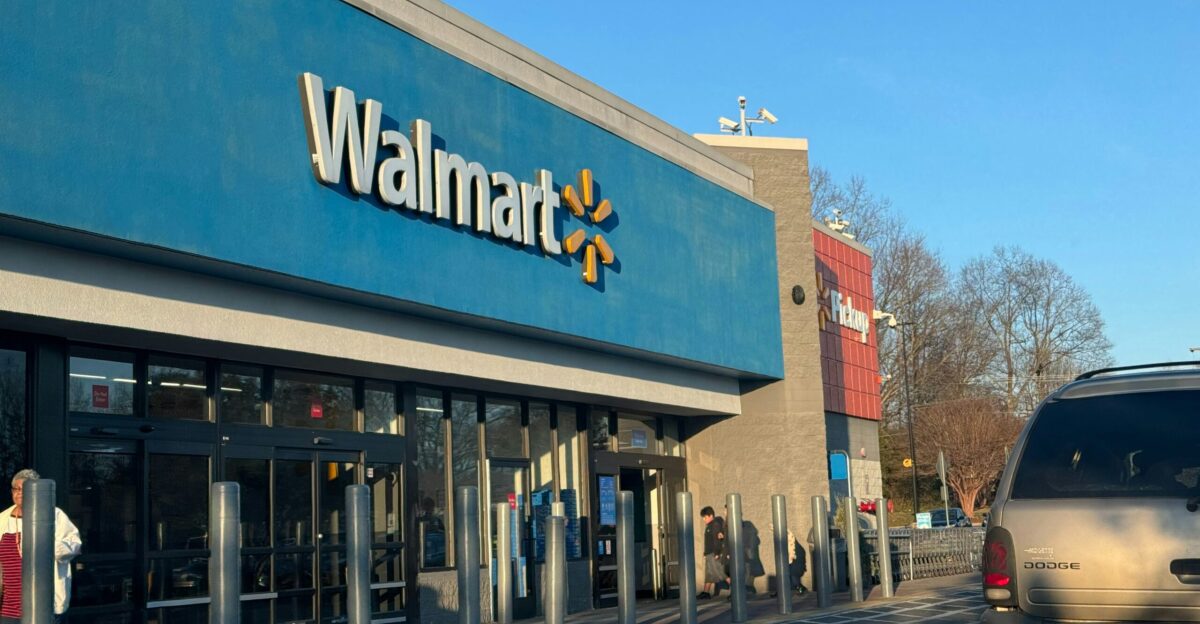
Value-focused shopping accelerated. Walmart, Costco and dollar-store chains surged while premium grocers struggled. Private-label manufacturing expanded to meet demand.
Analysts expect this shift to outlive inflation. Savings-based habits stick. Grocery markets quietly reorganized—price consciousness became the new normal.
How Consumers Can Protect Their Budgets
Experts say households should buy in bulk, lean toward private-label goods, time purchases around sales cycles, and watch for January 2026 volatility. Bulk staples and seasonal produce stretch savings.
Bird flu remains a major risk to poultry and eggs; tariff adjustments need months to filter through. Strategic shopping—not policy—is the most reliable shield.
The Tariff Paradox
Tariff rollbacks confirmed what economists long argued: duties on imports raise grocery prices. Yet lifting them didn’t unwind four years of inflation. “Once prices go up, they don’t come down,” economist David Ortega noted.
Tariff policy was only one piece. Disease outbreaks, input tariffs, cattle cycles and market concentration mattered more. Relief slowed inflation—but reversing it demands long-term structural reform far beyond 2026.
Sources
CNN — “Trump lowers tariffs on coffee, beef and fruits” (November 14, 2025)
Argus Media — “Trump removes 40pc tariffs on Brazil’s beef, coffee” (November 20, 2025)
Just-Food — “Trump removes 40% tariff on Brazilian beef, coffee” (November 20, 2025)
Grocery Dive — “US exempts 200+ agricultural products from reciprocal tariffs” (November 13, 2025)
Food Manufacturing (JMCO) — “Trump Administration Removes Tariffs on Food Commodities Amid Price Concerns” (November 22, 2025)