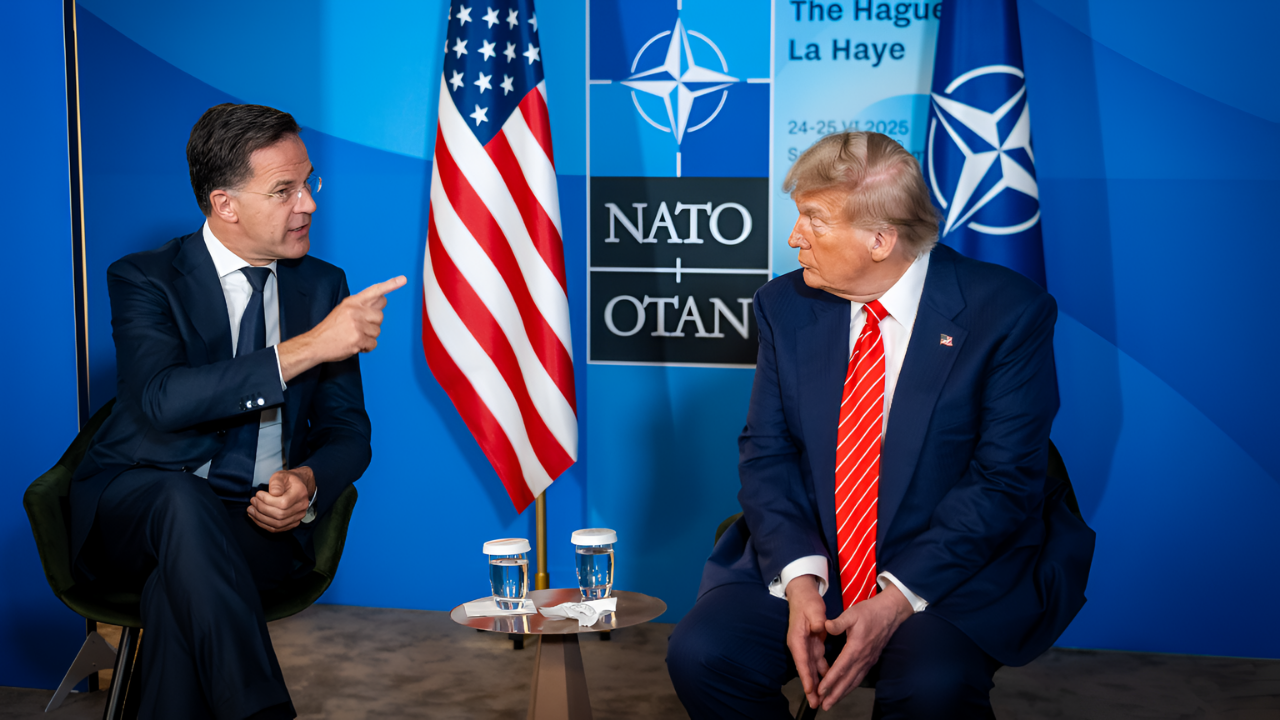
The Pentagon is quietly reshaping U.S. military commitments to NATO by eliminating around 200 positions at three key command centers, cutting roughly half of American staff there through natural attrition as personnel rotate out over coming years. This move, amid rising tensions over Greenland, tariffs, and a 2027 deadline for Europe to lead alliance defense, underscores fraying transatlantic bonds.
Command Centers in the Crosshairs
The reductions target the NATO Intelligence Fusion Centre in the UK, the Allied Special Operations Forces Command in Brussels, and STRIKFORNATO maritime operations in Portugal. The Fusion Centre, running since 2007, delivers classified intelligence from national, open-source, signals, geospatial, and electronic data across 28 member states to support NATO leaders. STRIKFORNATO manages maritime strike operations, while the Special Operations Command oversees alliance-wide missions. Officials emphasize natural attrition as the method, avoiding abrupt withdrawals.
These centers form NATO’s operational core, with the Intelligence Fusion Centre alone staffing over 200 professionals from multiple nations around the clock. Losing seasoned U.S. officers risks gaps in tracking threats like Russian capabilities, built over decades.
Europe’s Troop Footprint and the 80,000 Figure
About 80,000 U.S. troops remain stationed across Europe, with nearly half—around 35,000—in Germany, plus rotating units in Poland, Romania, and Bulgaria. This marks America’s largest forward presence outside Asia. The 200 positions represent just 0.25% of that total, but their role in coordination amplifies the effect, particularly in intelligence and operations hubs.
NATO Secretary General Mark Rutte stated on January 13, 2026, “The time when we conveniently let the United States carry the burden for our security is over.” His words reflect Europe’s dawning awareness as U.S. staffing shrinks.
The 2027 Ultimatum and Capability Crunch
In December 2025, Pentagon officials informed European partners that by 2027—now just 24 months away—Europe must take over most NATO conventional defense tasks, including replacing U.S. forces, enablers, and capabilities long taken for granted. Bruegel analysis estimates Europe needs 50 new combat brigades, 300,000 additional troops, and over $250 billion annually to meet this.
European NATO allies field 1,400 main battle tanks among France, Germany, Italy, and the UK, yet defending the Baltics alone could demand that number. They have 1.47 million active personnel but lack unified U.S.-style command structures, with artillery stocks described as barebones—needing 1 million 155mm shells for 90 days of conflict. Production lags due to a fragmented defense market favoring national preferences over joint procurement.
Tariff Pressures and Congressional Pushback
President Trump imposed 10% tariffs on eight European nations starting February 1, 2026, raising to 25% until Denmark hands over Greenland. European officials paused a trade deal in response. Davos talks on January 22 yielded a tariff pause for an Arctic security framework linked to the 1951 Defense Agreement.
Congress countered with a $901 billion defense bill in December 2025, barring U.S. troop levels in Europe below 76,000 without certification and restricting unilateral NATO exits. It also allocated $400 million for Ukraine aid despite administration opposition. Still, Congress cannot compel the Pentagon to refill NATO vacancies.
The Trump administration’s December 2025 National Security Strategy omits Russia as a primary threat, instead criticizing the EU for policies it calls erosive, while praising parties like National Rally and Alternative for Germany as true partners. Moscow deemed it aligned with its views.
Russia Watching, Hybrid Threats Rising
Russia maintains over 5,400 nuclear warheads, modernizing amid Ukraine losses of 20,000-25,000 monthly, sustained by conscription. It bolsters Arctic forces with Tsirkon and Kinzhal systems. German intelligence flags covert preparations for conflict by 2029. NATO warns of hybrid tactics: disinformation, influence operations, sanctions, diplomacy, and energy cuts to fracture alliances without direct war.
Article 5, invoked once post-9/11, relies on credibility rather than mandatory force—each ally decides its response. Doubts grow as U.S. pulls from hubs. Former Finnish intelligence chief Pekka Toveri cautioned Russia might target one member with low-intensity strikes, nuclear saber-rattling, drones, sabotage, and cyber attacks to divide NATO.
A NATO military source noted on January 22, 2026, “Adjustments to US force posture are not unusual. The Americans had assured us for several months that they would announce a reduction in personnel within the various NATO structures.” Critics view it as deliberate erosion.
EU leaders convened emergency summits in late January 2026, launching Re-Arm Europe 2030 with 150 billion euros in loans to spur 800 billion in spending. Germany pledged to lift defense from 80 billion to 140 billion euros yearly, nearing 3.5% of GDP. Yet timelines strain against 2027 pressures.
These shifts test NATO’s cohesion as Russia advances and Europe scrambles to fill voids, with understaffed centers complicating threat detection and response. The alliance’s resilience hinges on whether Europe can bridge gaps before deadlines force harder choices.
Sources:
US to Cut Roughly 200 NATO Positions. Reuters, January 23, 2026
US Announces Initial Withdrawal of Officers From NATO Structures. Le Monde, January 22, 2026
Pentagon Funding Deal Includes $8B Hike and Support for NATO. Stars and Stripes, January 21, 2026
US Sets Deadline For Europe To Lead NATO By 2027. Stars and Stripes, December 8, 2025