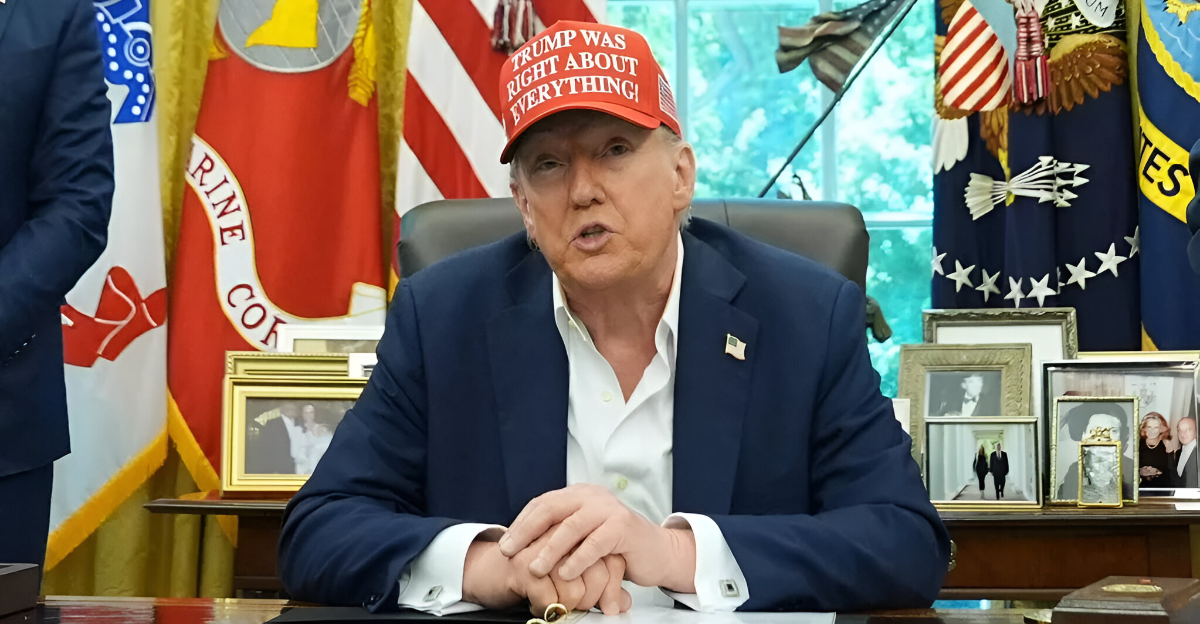
Recent legal developments have thrust President Trump’s tariffs into the spotlight, with a federal court declaring several trade measures unconstitutional. The ruling has ignited intense debates about the implications for the U.S. economy.
In what many call a dramatic assertion, Trump contends that if these tariffs are lifted, a staggering $15 trillion in investments could “immediately vanish.” This eye-popping figure has caught the attention of policymakers, businesses, and investors alike, all wondering how the legal landscape will evolve and what the future holds for American trade and industry. The stakes have never been higher.
Impact of Tariff Rulings on the U.S. Economy
Trump’s claim of a $15 trillion loss is more than the GDP of economic powerhouses like China or Japan, creating significant trepidation within the financial community. While the figure has alarmed many, critics urge caution, arguing that it may be speculative and lacking an empirical basis. “It feels unrealistic,” says a financial analyst.
As uncertainty permeates global markets in 2025, the potential for sudden investment pattern shifts looms. Everyone is waiting to see how these events could impact their strategies moving forward, setting the stage for ongoing discussions about economic repercussions.
Trump’s $15 Trillion Investment Claim Explained
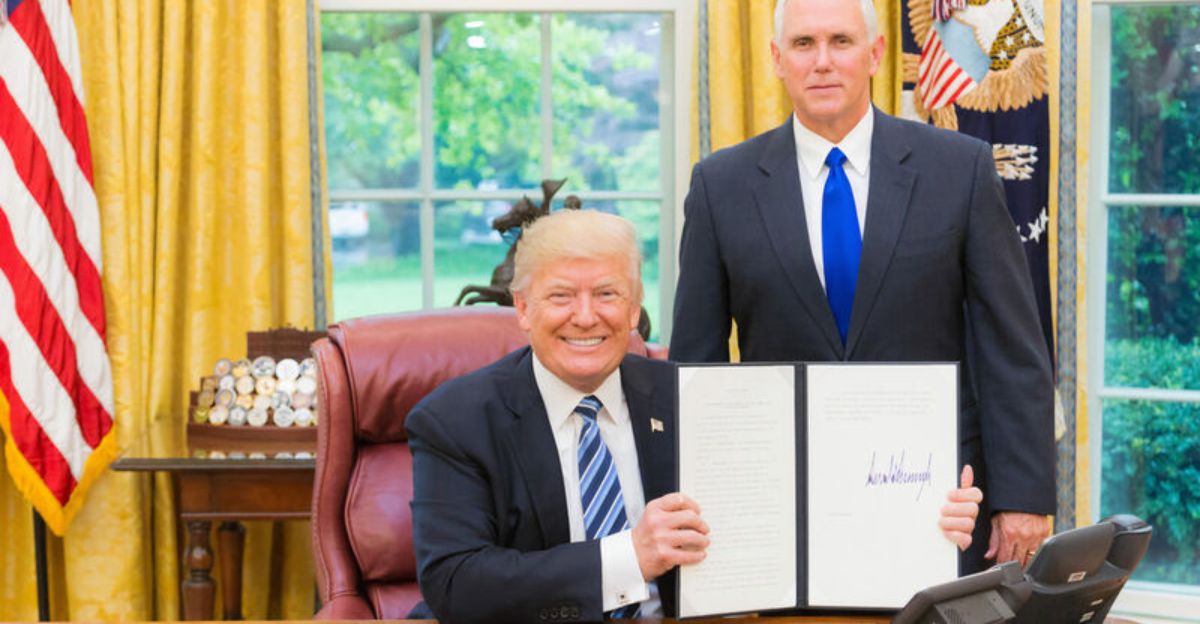
The inception of Trump’s tariff policies occurred during his tenure when he invoked emergency powers to impose sweeping tariffs aimed at revitalizing American manufacturing and curbing imports. These tariffs primarily targeted products from countries such as China, Canada, and Mexico, leading to sustained international controversy and raising questions about presidential authority.
“We need protection for our jobs,” some supporters argue, while others doubt it. The polarizing nature of these tariffs underscores a complex dialogue about their long-term ramifications on trade relationships and the legal boundaries of executive power in shaping economic Policy.
Financial Community Reactions to Economic Uncertainty

Amid rising global competition and trade wars, American industries face heightened pressures as they strive to adapt. A striking 34% decline in foreign direct investment (FDI) in 2025 has left many businesses anxious about their future in the U.S. economy. “We’re concerned about losing our competitiveness,” a local manufacturer shares.
This sharp drop raises alarms within sectors dependent on international investment and trade, compelling companies to reassess their market strategies in light of increased Scrutiny and competition. As the stakes mount, the challenge lies in navigating this turbulent economic terrain where uncertainty reigns.
Historical Context of Trump’s Tariff Policies
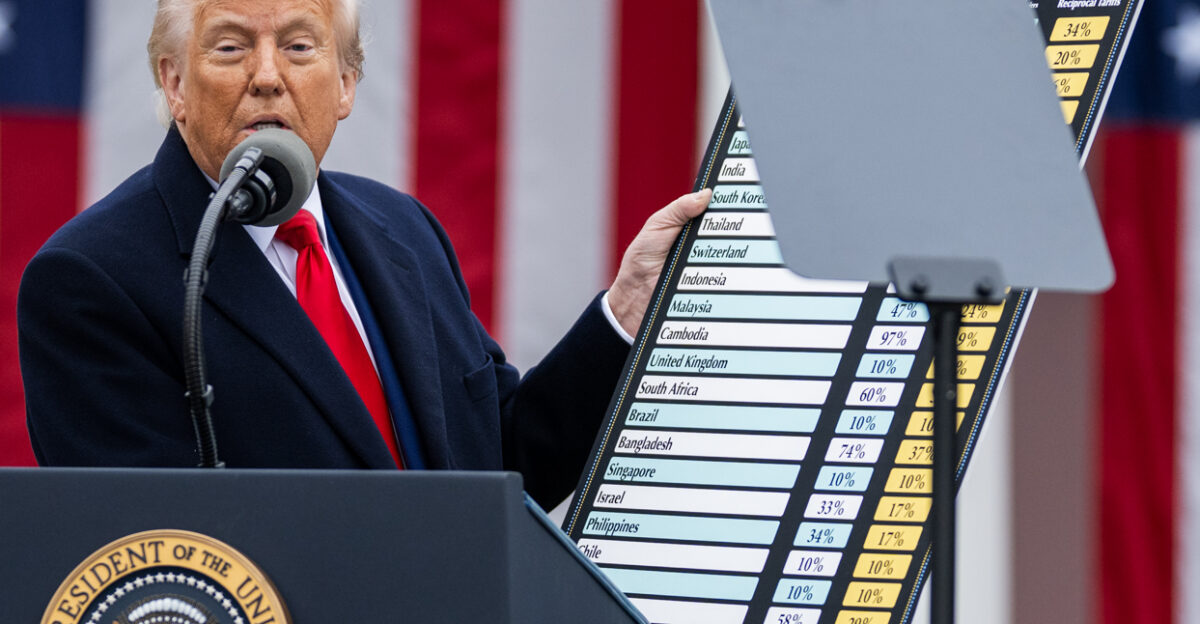
On August 29, the U.S. Court of Appeals for the Federal Circuit stunned many by ruling that Trump exceeded his authority under the International Emergency Economic Powers Act when imposing broad tariffs. While the tariffs are pending a Supreme Court appeal, their future is increasingly uncertain.
“We rely on clear policies to plan for the future,” a local worker anxiously states. This legal bombshell is pivotal, revealing the intricate legal challenges surrounding trade policy and how they affect individuals and communities nationwide.
Controversies Surrounding Presidential Trade Authority

Regions heavily reliant on manufacturing, such as Michigan and Ohio, are now bracing for potential job losses and factory closures as the stability of trade policy falters. Analysts emphasize how these localized economies are susceptible to tariff changes, and any fluctuations can dampen worker confidence. “The uncertainty is already impacting our hiring,” reveals a plant manager.
Local leaders stress the immediate need for a reliable trade environment, warning that even transient instability can hinder investment and growth, threatening the livelihoods of those dependent on the manufacturing sector’s resilience.
Global Competition and Its Effect on American Industries

Business owners are grappling with the uncertainty of tariffs, leading to frustration. “Just when we adapted to the new tariffs, everything seems uncertain again,” laments Mark Lopez, a manufacturer from Detroit. His sentiments echo those of many industry stakeholders, as companies begin to stall planned expansions, leaving thousands of workers in limbo while legal battles unfold.
The emotional toll of uncertainty weighs heavily on communities that rely on stable economic policies, highlighting the human cost behind the shifting landscape of trade measures and how closely intertwined people’s lives are with these economic policies.
The Decline of Foreign Direct Investment in 2025
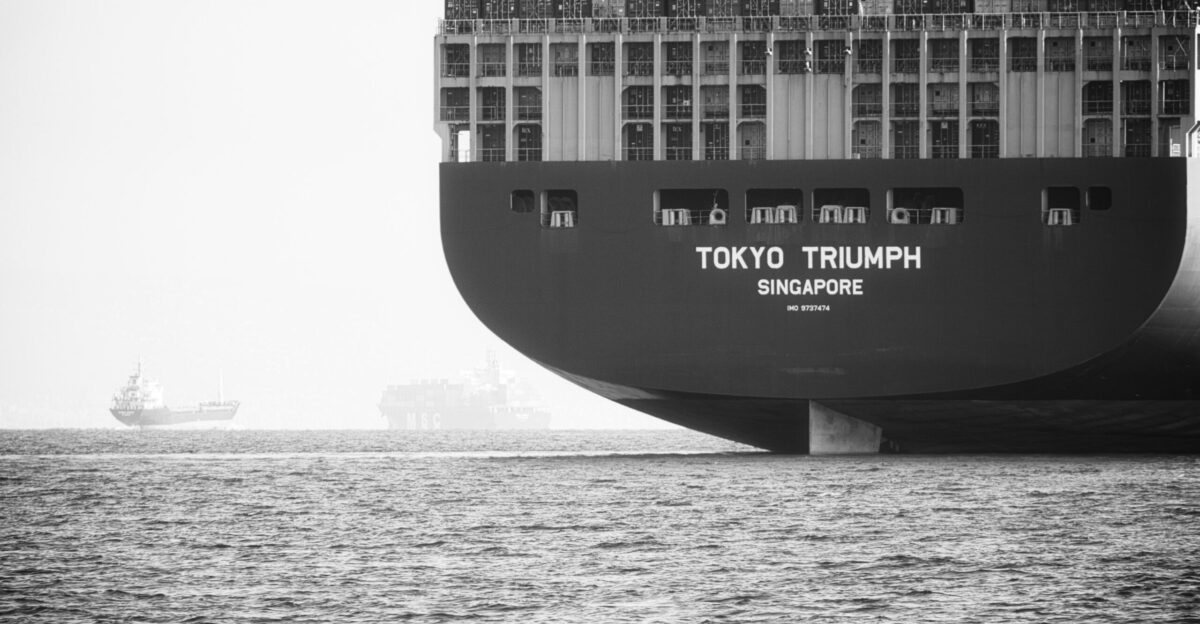
The ripple effects of shifting U.S. tariffs extend far beyond American borders, impacting global supply chains and forcing suppliers to adapt in real time. Leading players in the electronics and automotive sectors face rising costs and delays stemming from these policy changes. “It disrupts everything, from sourcing to delivery timelines,” shares a supply chain manager.
As competitors in Europe and Asia see opportunities in the turbulent landscape of U.S. trade policies, the complexity and interconnectedness of international commerce become increasingly apparent, demonstrating how local measures can have global ramifications.
Manufacturing Sector Faces Challenges in a Shifting Market
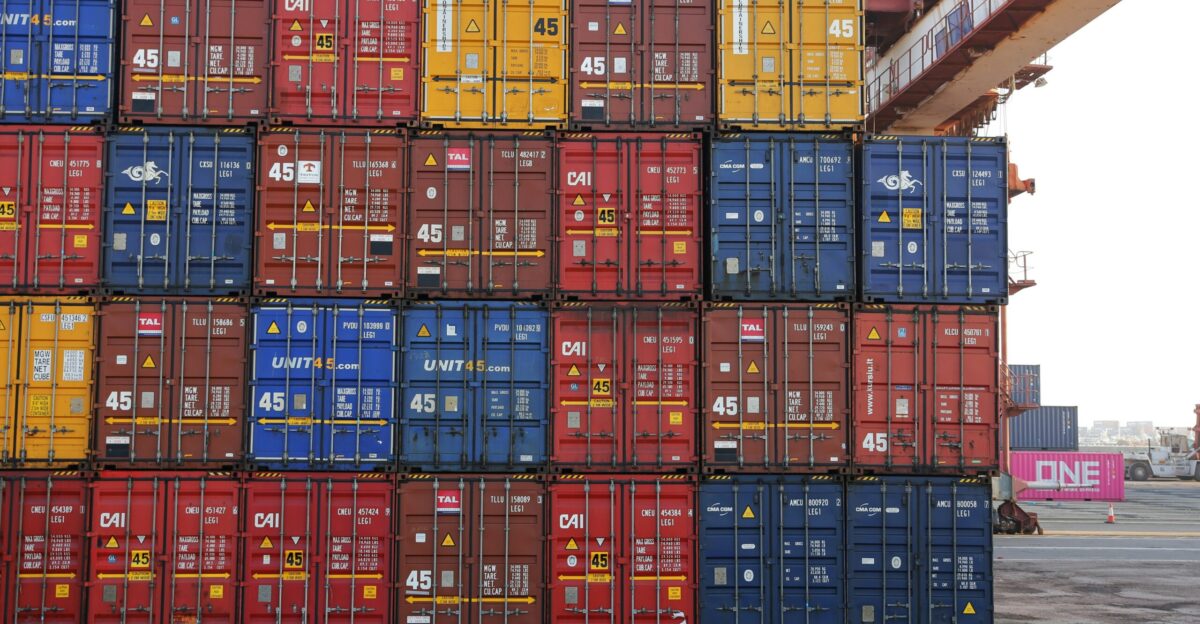
Despite Trump’s alarming $15 trillion loss prediction, the Bureau of Economic Analysis reported a mere $151 billion in new foreign direct investment in the United States for 2024. This stark figure raises questions about the validity of the previously cited potential fallout, leading many to believe that the perceived risks are exaggerated.
“There’s a clear contrast between rhetoric and reality,” points out an economist. As stark realities confront the speculative assertions, ongoing discussions about trade and investment must be rooted in factual data to avoid fueling undue market panic.
Landmark Court Ruling on Tariff Authority
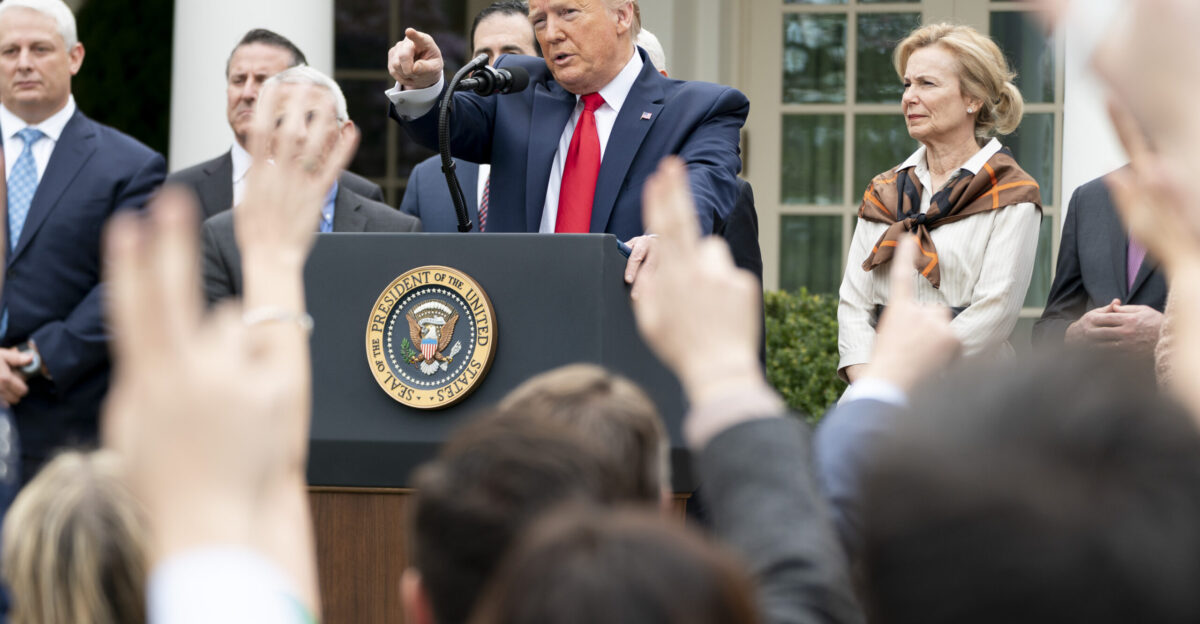
Reports indicate that during Trump’s presidency, announcements often reclassified existing or unrelated investments to create a misleading narrative about the investment impacts attributed to tariffs. Independent analyses suggest that genuine effects amount to less than $5 trillion, far from the $15 trillion figure publicized.
“It’s troubling to see numbers used as a political tool rather than a reflection of facts,” indicates a concerned policy analyst. As public trust in economic data falters, transparency and accurate representation of investment figures become paramount to inform policy discussions and public opinion.
Implications of the Appeals Court Decision
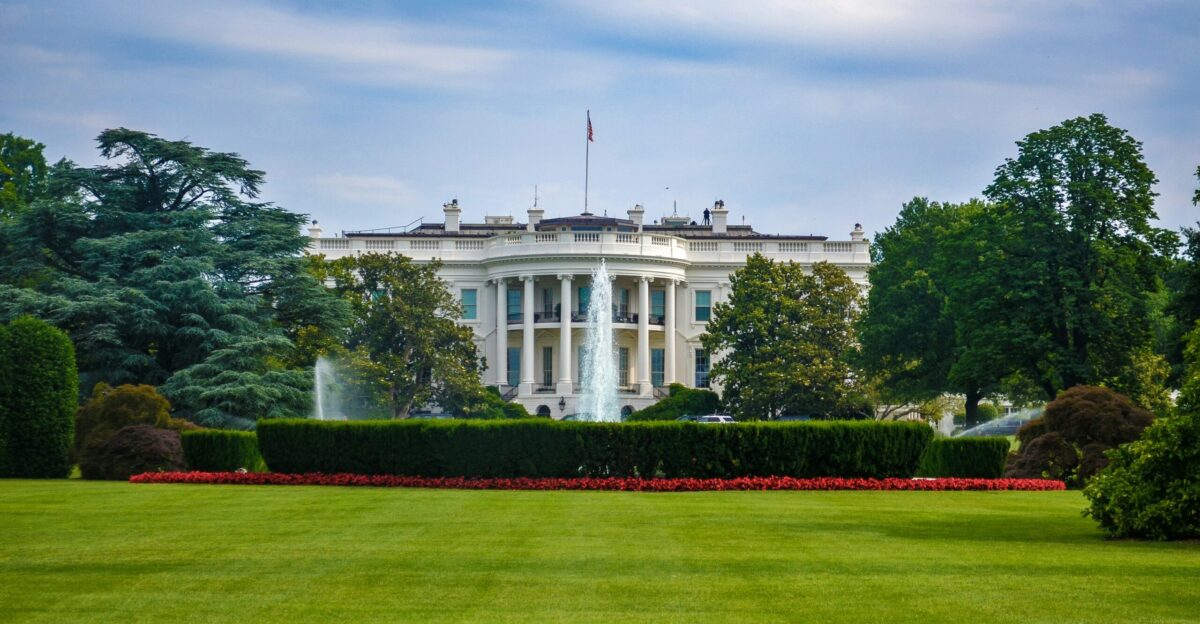
Inside the White House, internal rifts have emerged over the legal strategy concerning tariffs. Advisors are split between those advocating a robust Supreme Court appeal and others cautioning that such an aggressive stance could alienate moderate business interests.
“We need to tread carefully,” says a senior advisor. This division exemplifies the administration’s broader uncertainties, revealing how varied priorities could shape the continued discourse surrounding tariffs and their economic ramifications as elected officials weigh their options for guiding Policy into the future.
The Future of Tariffs Awaiting Supreme Court Review
Despite mounting criticism, Trade Representative Alice Hartley stands firm in defending the tariffs as vital for safeguarding American jobs. Detractors argue that the administration exceeded its legal authority and neglected to engage with industry and Congress. “We must include all voices in this discussion,” asserts a government consultant.
This conflict underscores the ongoing struggle for balance between pursuing economic goals and adhering to legal constraints. As these debates gain traction, the need for cohesive strategies that foster collaboration is highlighted in seeking effective and sustainable economic policies.
Job Vulnerability in Manufacturing-Dependent Regions
Faced with the looming prospect of tariff reversals, businesses and trade groups are lobbying Congress for transitional aid and investment incentives to mitigate potential disruptions. Some states propose tax relief initiatives and infrastructure advancements to retain manufacturers. “We need a lifeline to ensure our growth,” a local economic development official advocates.
A collaborative approach, crossing party lines, emerges as crucial for ensuring that the manufacturing sector can navigate the complexities of regulatory shifts while supporting local job markets and overall economic health.
Analyzing the Economic Impact of Tariff Changes
Most mainstream economists openly challenge Trump’s formidable $15 trillion claim, citing credible data that casts doubt on such projections and warning that sensationalized rhetoric could incite unnecessary chaos in financial markets. Institutions like Goldman Sachs and UBS estimate potential negative impacts from overturned tariffs to be measured in hundreds of billions, significant yet manageable compared to hyperbolic claims.
“We should base our discussions on evidence rather than fear,” emphasizes an economic researcher. Balancing fact-based economic assessments with the political landscape becomes vital for fostering informed dialogues.
Business Sentiment Amidst Tariff Uncertainties
The U.S. economic landscape is evolving with uncertainty looming over future tariffs and trade policies. Stakeholders across various industries call for clarity to navigate the complexities of ongoing legal disputes. “A steady hand is vital to guide us through these uncertain times,” a seasoned industry veteran remarks.
The intricate dynamics of tariffs and legal challenges will shape U.S. trade relations, necessitating engagement and adaptability from all involved as they seek to foster a sustainable environment for business, both nationally and internationally.
Community Concerns Over Trade Policy Instability

The repercussions of tariff fluctuations have not just macroeconomic implications but also profoundly affect local economies. For communities rooted in manufacturing or export, shifts in trade policy can trigger layoffs and factory closures. “We’re scared for our future,” shares a laid-off worker from Ohio.
This uncertainty compounds challenges already faced due to the shifting global economic environment, compelling residents and local businesses to navigate fears surrounding job security and sustainability as they succumb to the pressures of changing trade conditions and legal uncertainties.
Human Impact of Tariff Policy Changes
In light of ongoing tariff disputes, there is an urgent call for legislative action to provide clear guidance on U.S. trade policy, aiming to stabilize the economy and reassure businesses. Trade groups advocate for comprehensive strategies that include protection measures and incentives for U.S. industries.
“We need a united front to tackle these trade issues,” emphasizes a trade policy advocate. A framework that balances protection for domestic jobs while encouraging foreign investment emerges as crucial for fostering long-term stability and growth amid fluctuating geopolitical tensions.
Disruptions in Global Supply Chains Due to U.S. Tariffs

Countries affected by the tariffs have begun reassessing their strategies in developing trade relations with the U.S. As international partners navigate their economic landscapes, they must look for alternatives and safeguard their interests. “We can’t remain vulnerable to U.S. policy changes,” a European trade representative explains.
The global economic interdependence underscores how U.S. trade decisions extend beyond national borders, impacting alliances and fueling a broader reevaluation of international trade postures amidst an atmosphere of uncertainty.
Responses from the Electronics and Automotive Sectors

As the situation unfolds, economic forecasting becomes increasingly crucial in anticipating the potential impacts of tariff changes. Analysts diligently study market signals and provide insights to businesses aiming to navigate the complexities of U.S. trade policy.
“We need data to make informed decisions,” asserts an economic consultant. Accurate forecasting can aid in mitigating risks, guiding businesses to remain agile amid unpredictable trade developments while fostering resilience in a competitive global market.
Navigating Economic Uncertainty in a Changing Trade Landscape

In conclusion, the intersection of tariffs, economic Policy, and legal challenges paints a complex picture for the future of American trade. As stakeholders grapple with uncertainties, the need for coherent strategies, robust dialogue, and informed legislative decisions becomes paramount.
“We must move forward with a proactive approach,” emphasizes an economic leader. The unfolding narrative will undoubtedly shape the U.S. economy and its relationships with global partners, ushering in a new chapter in the intricate world of trade policies that demands attention and resilience from all parties involved.