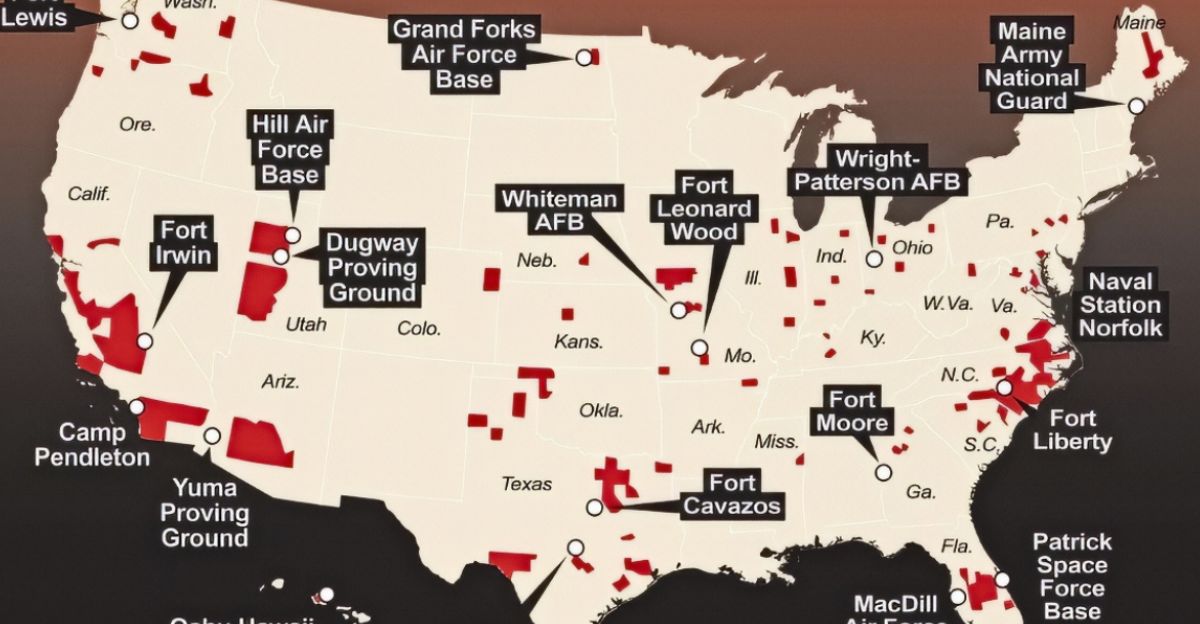
For years, the question of who owns U.S. farmland has mostly stayed out of the news. But that changed on July 8, 2025, when the Trump administration rolled out the National Farm Security Action Plan, a new policy aimed at blocking Chinese-linked groups from buying American farmland.
The plan bans future farmland purchases by organizations tied to the Chinese Communist Party and opens the door for the government to reclaim some land already under foreign control.
It also adds heavy penalties for breaking the rules, with fines as high as 25% of a property’s value. Officials say this is about more than crops: it’s about protecting food supply chains, local communities, and national security.
At the center of the debate is one number: 277,000 acres of U.S. farmland are currently in the hands of groups linked to China.
While that’s only a sliver of America’s farmland, leaders argue that where the land is located and how it’s used makes it far more important than the raw acreage. Brooke Rollins, a senior advisor, summed it up bluntly: “Farms are weapons turned against us.”
A Historic Shift
This is the most significant step on foreign land ownership since 1978, when the Agricultural Foreign Investment Disclosure Act required foreign investors to report their land purchases but didn’t actually limit them.
The new plan, in contrast, directly blocks future sales and threatens steep financial penalties, making it a far tougher approach. The administration points to risks ranging from food production to possible surveillance near sensitive U.S. facilities.
Supporters say keeping farmland under American control strengthens independence and reduces the chance of outside pressure during tough times. Farmers themselves are divided. Some see it as a way to keep land in local hands. Others worry it will scare off investment, especially in rural areas already short on money and jobs.
Legal fights are almost certain. Questions over property rights, trade deals, and how far the federal government can go in regulating land sales are all likely to land in court. Diplomatically, China is also expected to push back, calling the plan unfair and possibly tying it to broader U.S.–China tensions.
A Global Trend
Other countries have taken similar steps. Australia, for example, has limited foreign buyers, and Canada requires government screening for certain purchases. The U.S. move is part of a bigger trend: governments treating farmland not just as real estate, but as a strategic asset.
What comes next depends on how the rules are enforced and whether courts let them stand. Federal agencies now need to track farmland sales, monitor ownership, and fine those who break the law. At the same time, land markets could shift as some buyers leave, possibly affecting prices and investment in rural towns.
In the end, this debate goes beyond China. It’s about how America sees food, security, and independence. Farmland isn’t just soil. It’s power. And who holds it may shape the country’s future.