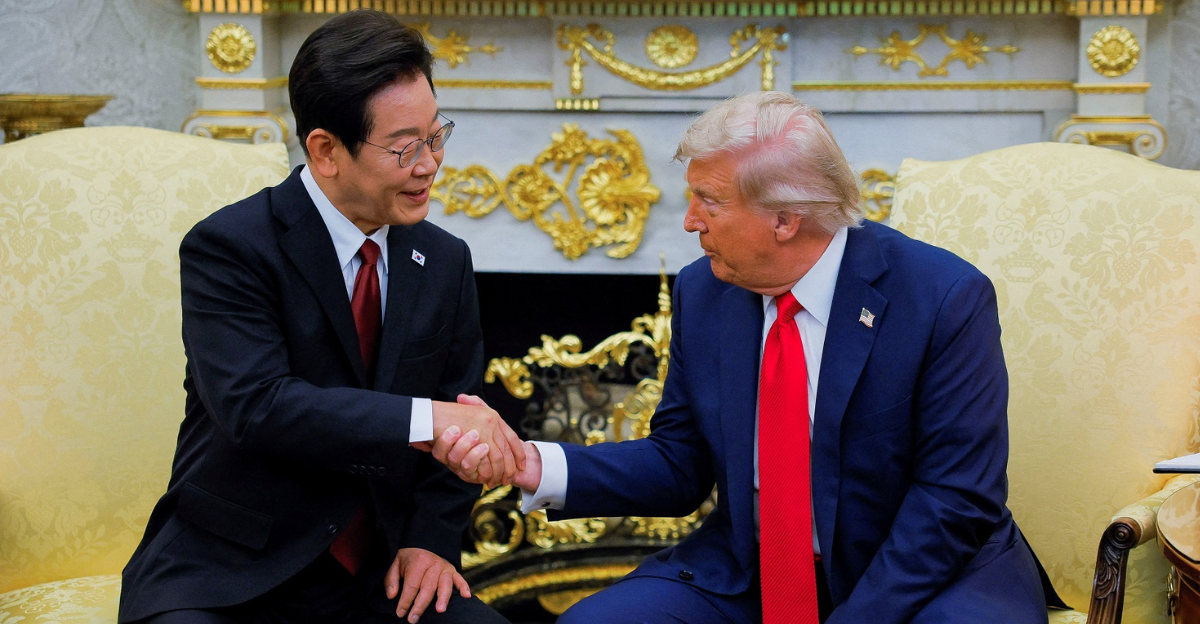
A framework to direct $350 billion in broader investments linked to trade agreements and commitments of $150 billion in private South Korean investments across a range of US sectors was revealed at the recent summit between former US President Donald Trump and South Korean President Lee Jae Myung, which marked a turning point in the two countries’ economic ties. By combining geopolitical concerns, industrial revitalization (particularly shipbuilding), technological cooperation, and shared security interests, this initiative represents a strategic shift beyond simple economic transactions.
The investment is expected to support critical minerals, semiconductors, nuclear energy, aerospace, and artificial intelligence, all of which are vital for future global security and competitiveness. It is a prime example of a symbiotic relationship, with South Korea supporting American industrial capacity while receiving tariff relief and stability in strategic partnerships.
US-Korea Economic Relations in Their Historical Context
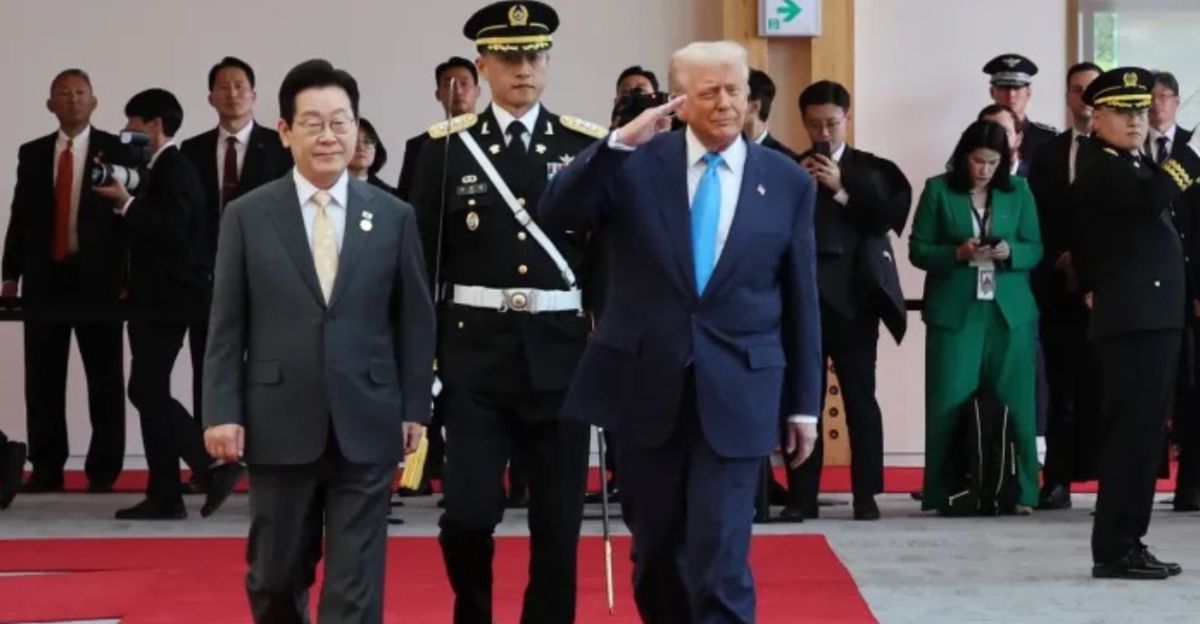
The Korea-U.S. Free Trade Agreement (KORUS FTA) of 2012 established the foundation for trade liberalization and economic interdependence, marking the beginning of the longstanding U.S.-South Korea economic partnership. Because of its export-oriented growth model, South Korea has historically been a significant trading partner and investor for the United States, particularly in the manufacturing and technology sectors.
But when tariffs on South Korean goods threatened this relationship during Trump’s presidency, tensions arose. This dynamic has been rebalanced with the new investment announcement, which combines economic pragmatism with longstanding alliance commitments. It represents a shift from trade to strategic industrial alliances that support US domestic capabilities, particularly in light of China’s increasing economic assertiveness.
An Outline of the $150 Billion Pledge for Investment
South Korean private companies have committed to investing $150 billion in cutting-edge fields, including nuclear energy, biotechnology, semiconductor manufacturing, artificial intelligence, and shipbuilding. Aerospace expansion is emphasized by Korean Air’s historic $36 billion Boeing aircraft deal, while companies such as Hyundai Motor Group increased their US investment plans from $21 billion to $26 billion.
This investment shows an unprecedented level of commitment, almost sextupling South Korean foreign direct investment in the US, projected for 2024. The commitment’s scope demonstrates South Korea’s faith in the potential of the American market and in their bilateral partnership, highlighting industrial cooperation as a means of reviving the American economy. This figure also emphasizes how economic and defense interests align, highlighting how commercial and strategic priorities are intertwined.
Reviving American Shipbuilding: A Strategic Turnabout
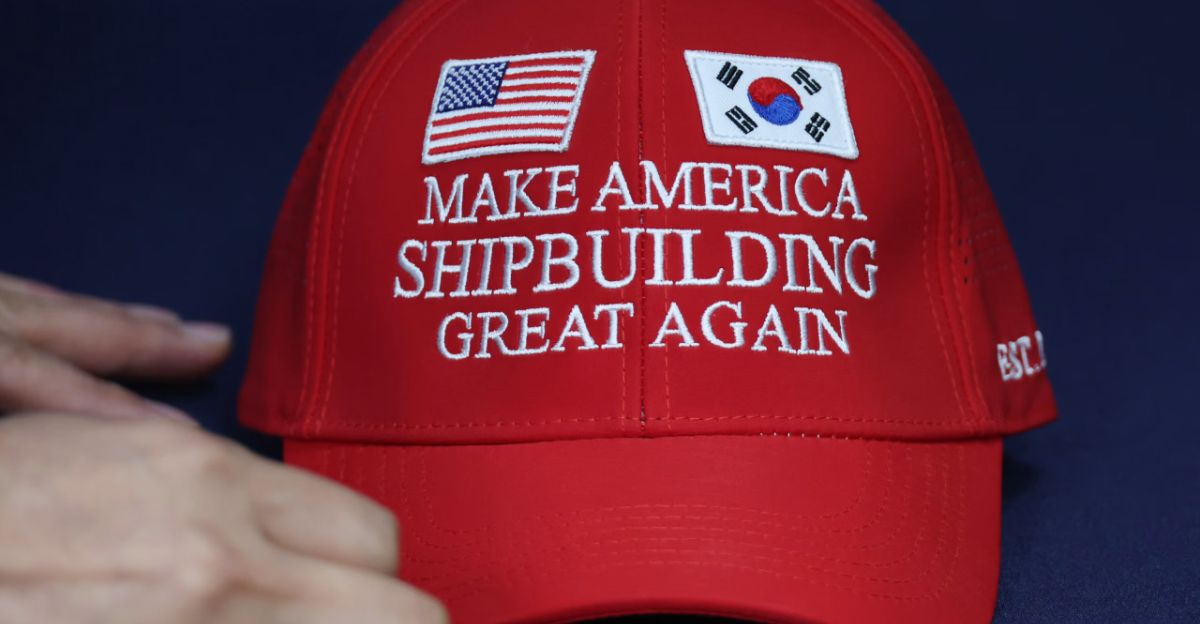
The resurgence of American shipbuilding is a key component of the investment framework. With the second-largest shipbuilding industry in the world, South Korea is proposing to invest $150 billion in restoring US maritime capabilities, a dwindling sector that is vital to both commercial shipping and national defense.
This program, which South Korea has dubbed “Make America Shipbuilding Great Again” (MASGA), capitalizes on Trump’s economic agenda and nationalist rhetoric. Beyond financial benefits, reopened American shipyards would directly improve naval capabilities in the face of escalating maritime tensions in the Indo-Pacific, especially with regard to China and North Korea. The plans, which include modernization of facilities, workforce expansion, and co-production agreements with US yards, could strengthen bilateral defense ties and revive America’s maritime industrial base.
Collaboration between Industry and Technology

The investment plan is in line with the worldwide competition for technological leadership. In this geopolitical struggle, industries like artificial intelligence and semiconductor manufacturing are crucial. While investments in biotechnology and quantum computing demonstrate foresight into emerging industries, South Korean behemoths like Samsung are already growing their semiconductor facilities in Texas.
Given recent geopolitical supply shocks, these partnerships could strengthen US innovation ecosystems and protect supply chains that are susceptible to external disruptions. Integration between these industries also promotes international technology transfer and cooperative R&D, maintaining a strategic partnership based on shared innovation and competitiveness against adversaries such as China.
Regional Development and Economic Multipliers
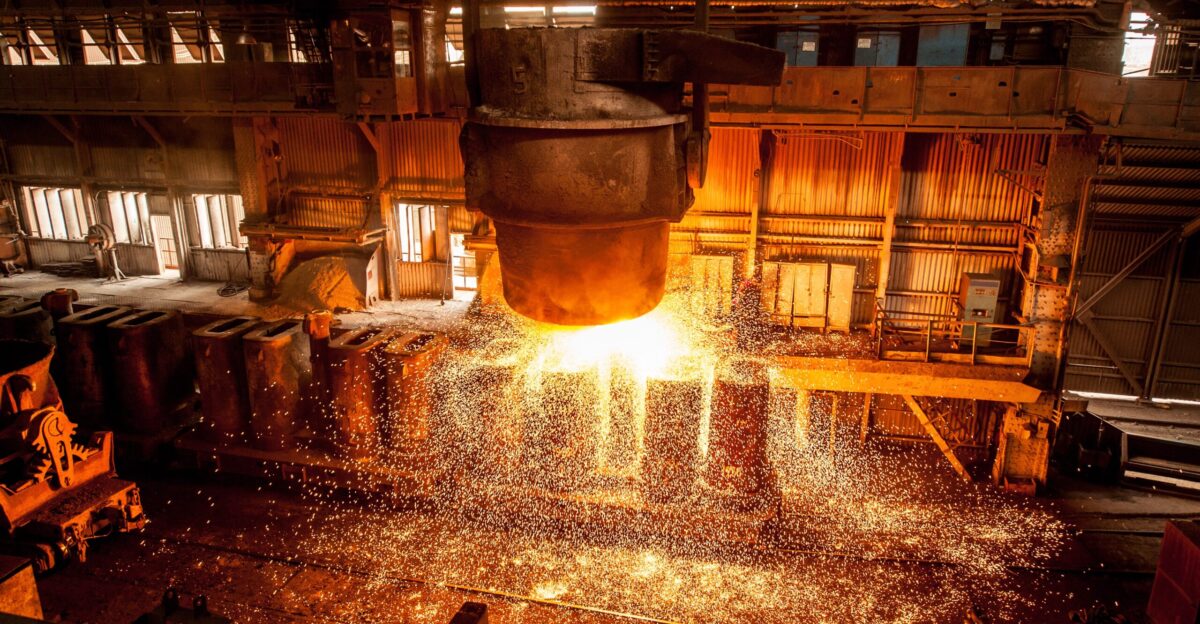
The proposed $150 billion and larger $350 billion initiatives have significant multiplier effects across US regions in addition to direct investments. New steel mill construction, like Hyundai’s Louisiana project, stimulates downstream industries and creates jobs locally. In a similar vein, aerospace contracts and shipyard modernization have an impact on nearby industries like manufacturing and logistics.
Decades of industrial decline are reversed by these investments, particularly in heartland communities that are facing automation and offshoring. The project could boost America’s manufacturing base and regional economies by integrating South Korean companies deeply into the American industrial fabric. It would also garner bipartisan political support because of the obvious economic benefits that go beyond headline numbers.
Indo-Pacific Security and Geopolitical Significance
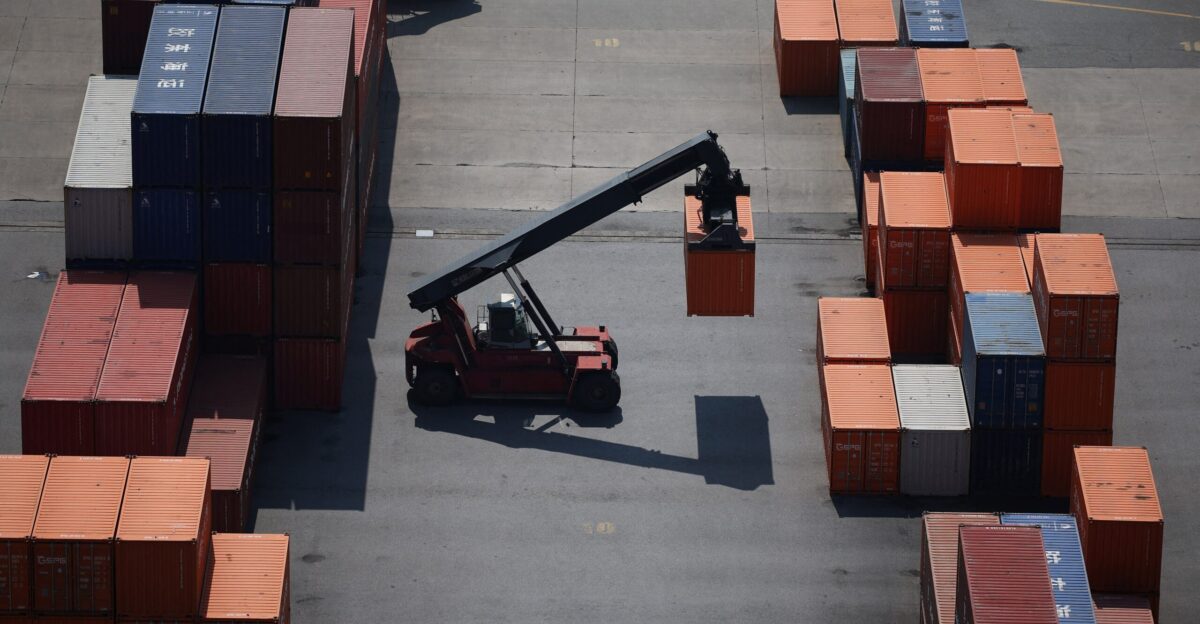
It is impossible to separate this economic agreement from its geopolitical context. North Korean provocations and Chinese assertiveness characterize the complex Indo-Pacific environment in which the U.S.-South Korea alliance operates. The investment framework promotes a dual-use agenda, economic growth, and security reinforcement by tying significant financial commitments to military-industrial renewal and technology sectors.
While the United States benefits from industrial capabilities essential to its strategic posture, South Korea gains leverage through lower tariffs and greater economic dependency on the United States. Furthermore, plans to strengthen maritime capabilities frame economic ties as a cornerstone of larger regional security architectures, directly counterbalancing China’s naval expansion.
Difficulties and Debates

There are obstacles in the way of the promise. Co-production in American shipyards may be complicated by legal restrictions such as the Jones Act and Buy American laws, which could postpone implementation. Disagreements over profit allocation also surfaced, with South Korean representatives calling for balanced risk and reward frameworks and US officials arguing that the majority of returns would benefit America.
Stakeholders who are skeptical of extensive industrial revitalization or suspicious of foreign influence are politically opposed to the deal. China also keeps a close eye on things and cautions against military collaboration with South Korean-built ships. Making promises a reality requires overcoming these geopolitical, legal, and financial obstacles.
The Political Theater: The Dynamics of the Summit
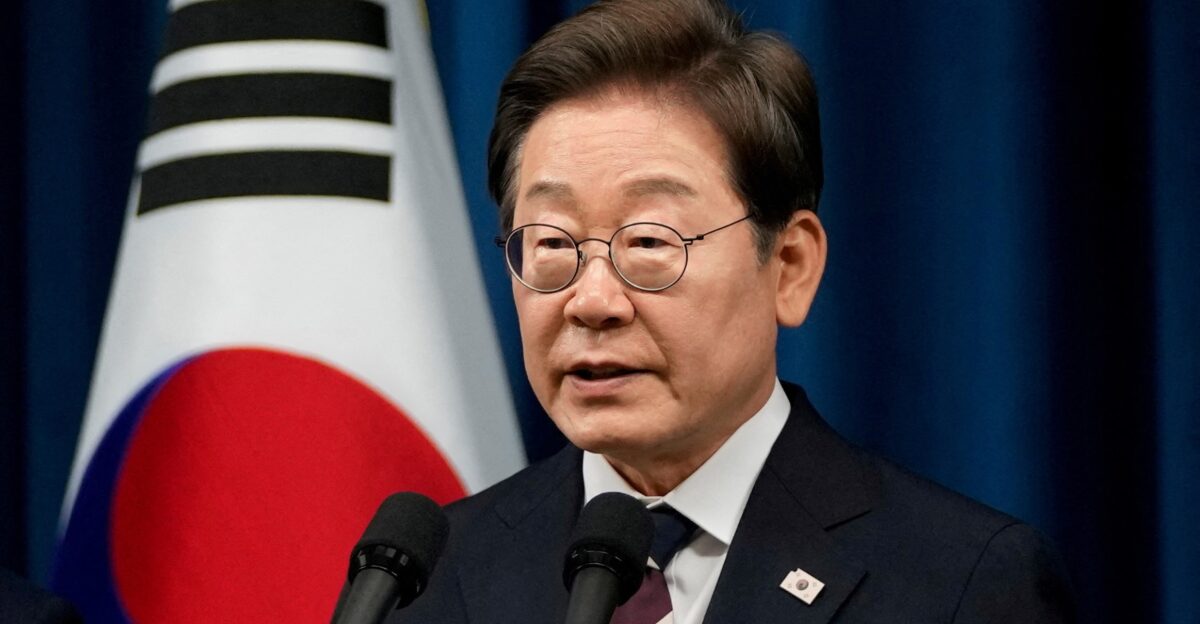
Between Trump and Lee, in addition to being economic, the summit was a political theater event that highlighted diplomacy and leadership psychology. Lee Jae Myung made calculated attempts to secure goodwill in the midst of tense U.S.-South Korea relations by strategically flattering Trump and appealing to his relationship with Kim Jong Un.
Trump’s conflicted public remarks, which combined criticism and adoration, brought attention to how transactional contemporary geopolitics is and the individuals who influence it. This background demonstrates how high-level psychological manipulation, media theatrics, and personal diplomacy shape deals, impacting their scope and depth beyond just numbers.
Second-Order Economic Effects Extrapolated

The infusion of South Korean capital is anticipated to stimulate supply chains that rely heavily on innovation in the United States, generating feedback loops in which US technological innovations attract additional foreign direct investment.
In some US regions, this could hasten the transition from service-driven to manufacturing-anchored economic models, undoing some of the effects of the earlier stages of globalization, when manufacturing shifted offshore. Improved workforce skills and requirements for vocational training may also result from the knock-on effect, encouraging educational reforms in the US that are in line with the demands of the technology and defense industries.
Supply Chain Diversification and Resilience
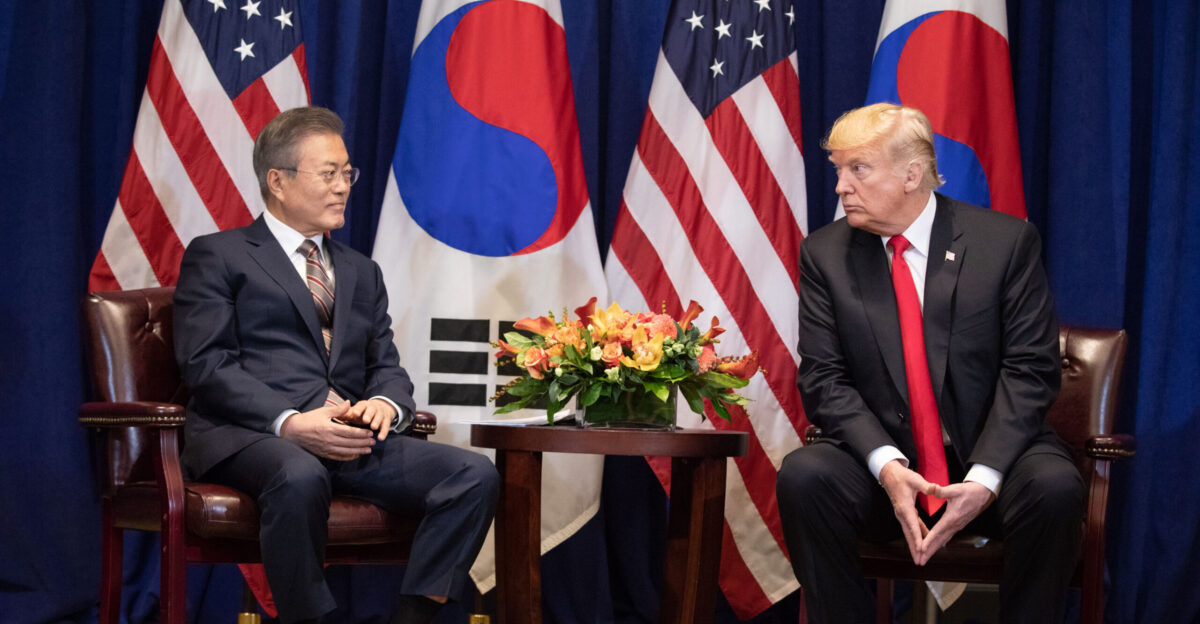
The investment agreement between the US and South Korea is a calculated step toward creating robust, diverse supply chains that are essential to the global technology economy. By making investments in U.S.-based semiconductor, battery, pharmaceutical, and advanced material manufacturing, South Korea helps reduce the risks associated with geopolitical tensions, especially those related to China.
These initiatives are in line with US policies that seek to protect supply routes that are vital to both economic stability and national security. Increased diversity in important industries lessens susceptibility to pandemics and trade wars by acting as a buffer against single points of failure. In a multipolar world that is fracturing, the alliance serves as an economic hedge due to its shared commitments to innovation in technology supply chains, which highlight shared interests in long-term strategic autonomy and global competitiveness.
Strategic Partnerships in the Economy

This investment project is an example of a new type of strategic economic partnership that goes beyond conventional trade agreements. Economic cooperation that is purposefully in line with geopolitical goals is exemplified by the U.S.-South Korea partnership, which combines industrial policy with defense and diplomatic strategy.
The combined emphasis on clean energy, critical minerals, and advanced manufacturing highlights an all-encompassing strategy for alliance-building and economic security. This model looks ahead to international collaborations in which joint investments in infrastructure and technology act as a deterrent to competing powers as well as an economic engine. It establishes a standard for how allies could work together to support a homegrown industrial revival in the face of international competition and security requirements.
Dangers of Relying Too Much on Foreign Investment

Relying too much on foreign investment for vital US industries carries risks, even with the strategic advantages. Critics caution that this could lead to vulnerabilities if South Korean political or economic changes change investment priorities or commitments, which could interfere with American industrial plans or supply chains.
In an effort to lessen reliance, some support more public funding and domestic capital investment to supplement foreign direct investment. Furthermore, South Korea may find itself in a precarious position between major powers as a result of geopolitical tensions with China, running the risk of pressure or economic retaliation. This opposing viewpoint acts as a warning, emphasizing the value of well-balanced industrial policies that combine strong domestic capacity with international partnerships.
Unexpected Social and Political Consequences

Social and economic environments will change as a result of the explosion of South Korean investment in American industrial centers. As automation and advanced manufacturing increase, workforce dynamics may change, necessitating extensive worker retraining initiatives and educational reforms. When South Korean corporate culture and governance are integrated, cross-cultural management issues arise that call for sophisticated solutions.
In order to prevent displacement or unrest, local communities may experience socioeconomic changes that call for proactive engagement and policy planning. Furthermore, as the presence of multinational corporations grows and diversifies the American workforce, these changes may act as a springboard for more extensive discourse on labor rights and immigration policies, supporting the technological and financial benefits of investment with social complexity.
US-Japan Industrial Partnership After the War

The post-World War II U.S.-Japan industrial relationship, in which American investment fueled Japan’s industrial rise globally, is mirrored in reverse in the U.S.-South Korea economic alliance. As the balance of economic power in the Asia-Pacific shifts, South Korea is now reversing roles by allocating funds to revive American industry.
This historical analogy emphasizes the changing character of bilateral cooperation by highlighting the ways in which economic diplomacy and geopolitical strategy are intertwined over decades. A blueprint for handling intricate economic interdependence in the face of global competition can be found in the lessons learned from the U.S.-Japan model, which includes defense ties, trade balance management, and technology transfer. This reversal points to more significant shifts in alliance and leadership dynamics in the global economy.
Impact of the Shipbuilding Resurgence: An Extreme Case Study
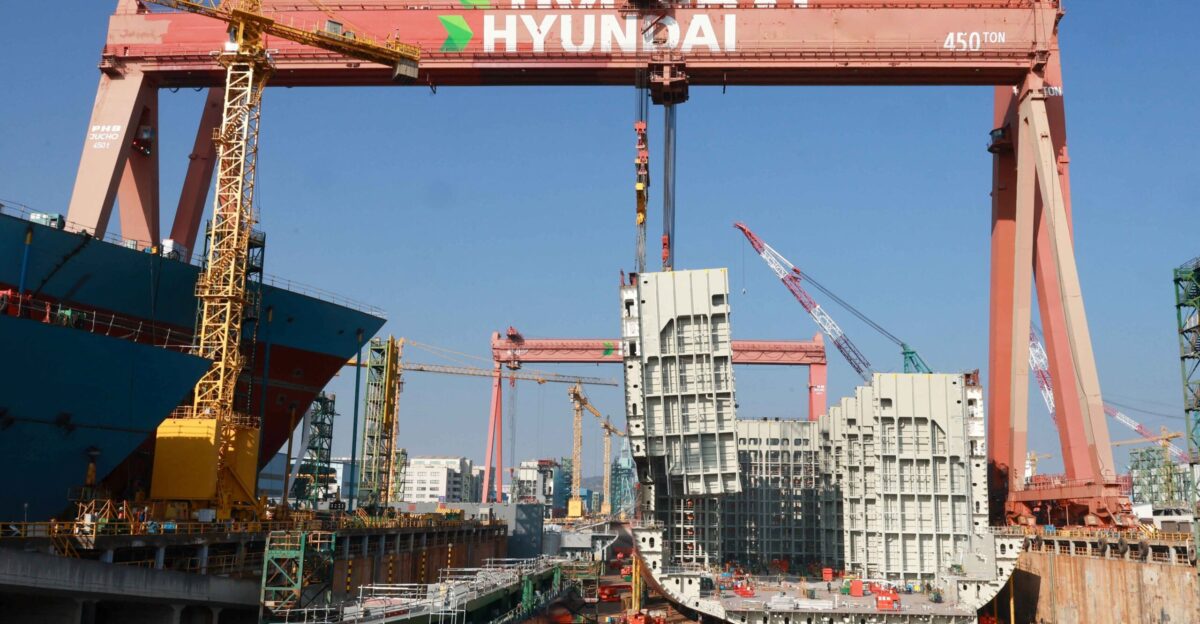
Within ten years, South Korea’s $150 billion shipbuilding investment could revolutionize American naval and maritime might. This comeback might redefine Indo-Pacific security dynamics by positioning the United States as a powerful counterbalance to China’s growing naval fleet. Tens of thousands of jobs would be created by modernized US shipyards, which would also improve naval logistics and power projection and strengthen supply chains.
A strategic leap in maritime dominance as well as a commercial revival are the goals of the “Make America Shipbuilding Great Again” project, which demonstrates how focused industrial investment can alter the military balance of the world. This extreme situation serves as an example of the significant effects that economic agreements have on regional and national power structures.
Energy and Environmental Aspects
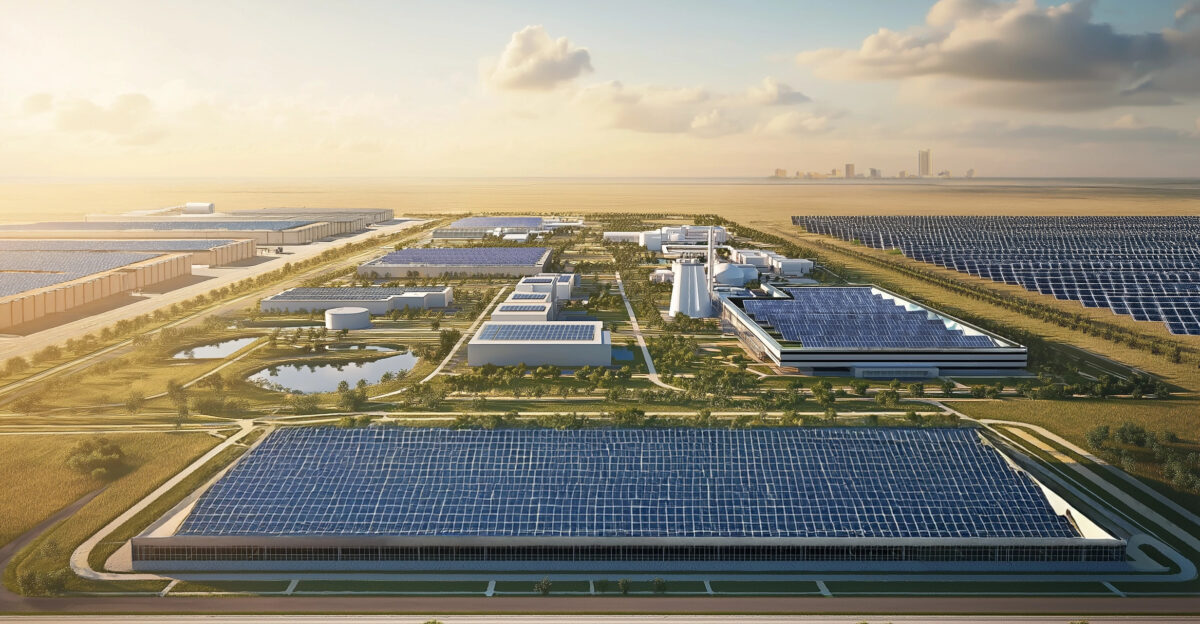
Investment commitments in clean technology and nuclear energy closely match the objectives of global decarbonization. A dedication to next-generation nuclear and hybrid clean energy systems is demonstrated by South Korean companies’ involvement in projects such as Fermi’s advanced energy complex in Texas.
These initiatives promote sustainable industrial growth, even though steel and aerospace projects raise traditional environmental concerns. Incorporating environmental stewardship reduces ecological risks and increases the alliance’s attractiveness in light of growing climate consciousness. Recognizing that long-term sustainability is essential to long-lasting economic and security partnerships, striking a balance between investments in green technology and robust industrial expansion represents a crucial evolution in economic diplomacy.
Innovation Ecosystems and Technological Spin-Offs

In addition to direct investments, the agreement creates dynamic innovation ecosystems that connect US research capabilities with South Korea’s technological prowess. Combining AI, quantum computing, semiconductors, and biotechnology could lead to unanticipated discoveries that speed up commercialization and give businesses a competitive edge. These industrial hubs may give rise to collaborative research, knowledge sharing, and startup development, creating conditions where technological spillovers benefit the economies of both nations.
This strengthens leadership in global innovation by generating a positive feedback loop. Thus, the strategic alliance goes beyond conventional investment frameworks with a long-term vision of scientific collaboration, serving not only as an economic agreement but also as an incubator for innovations influencing the future of several high-tech sectors.
Possible Effect on the Dynamics between the US and North Korea
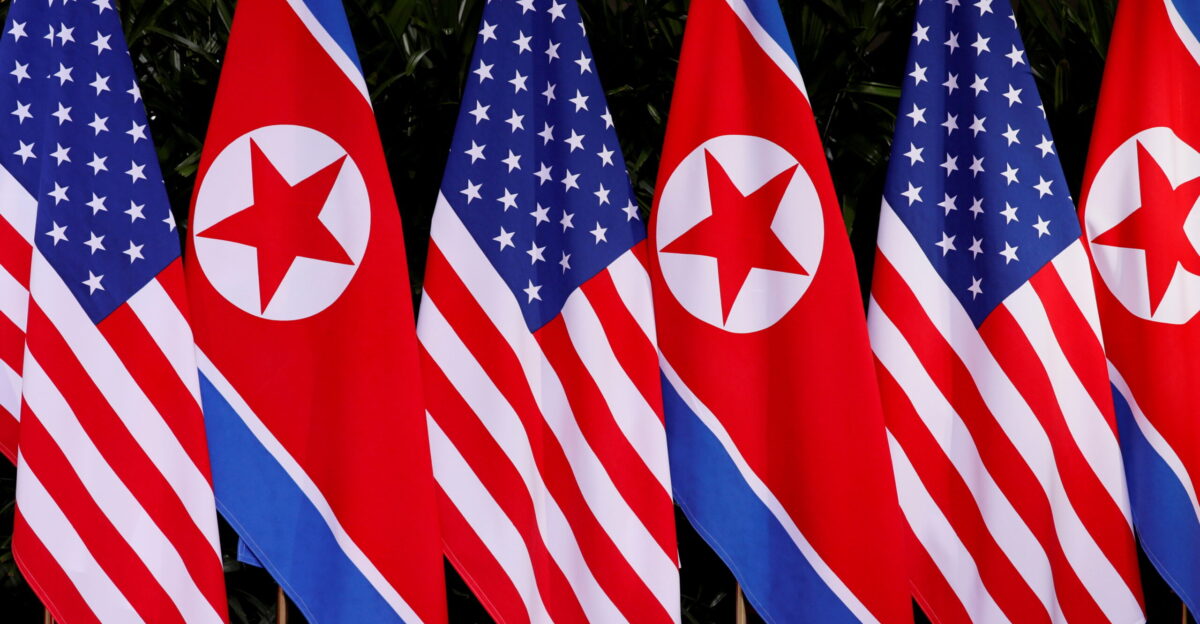
The security environment surrounding the Korean Peninsula is significantly impacted by efforts at industrial and economic renewal. By showcasing military-industrial might, increased U.S.-South Korea cooperation shows allied cohesion and may put pressure on North Korea to rethink provocations. Increased militarization, however, runs the risk of raising tensions, necessitating skillful diplomacy to prevent unforeseen crises.
As long as denuclearization negotiations progress, financial investments may also create avenues for participation through monetary incentives. This multifaceted strategy highlights the ways in which economic diplomacy and security strategy are intertwined, with investments serving two functions: stabilizing a volatile geopolitical environment that is still crucial to US strategic interests in East Asia and promoting growth.
In Conclusion
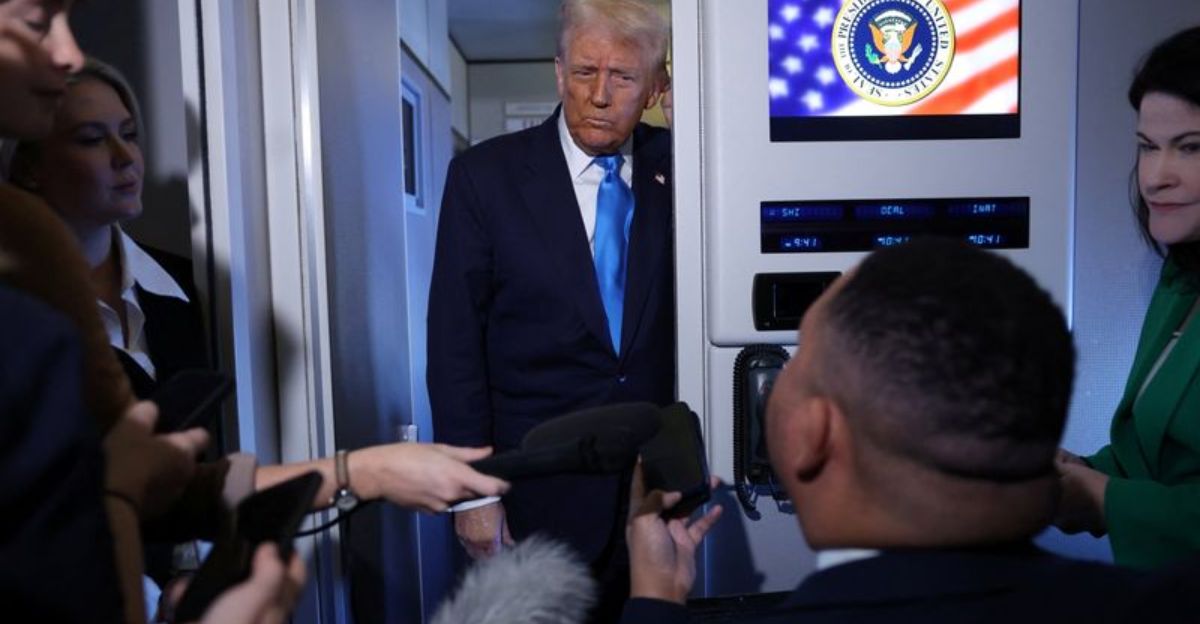
Within a larger framework of $350 billion, the announcement of $150 billion in South Korean investments represents a historic convergence of industrial revival, strategic alliance, and economic ambition. In the face of geopolitical rivalry, these pledges aim to revitalize vital American industries, strengthen regional security postures, and reshape international economic alliances.
Even though there are still obstacles to overcome, such as complicated regulations and geopolitical tensions, the initiative is a testament to creative alliance-building in which financial investment serves as both a diplomatic and a powerful tool. The agreement marks a turning point in U.S.-South Korea relations and provides a model for future partnerships that combine national security requirements with economic revitalization.