
The Trump administration has rolled out a controversial policy offering unaccompanied migrant children $2,500 to return to their home countries voluntarily.
The initiative, confirmed through Department of Health and Human Services (HHS) documents reviewed by major news outlets, targets minors aged 14 and older — and it’s dividing opinion across political and humanitarian lines.
A Quiet Rollout With Big Consequences
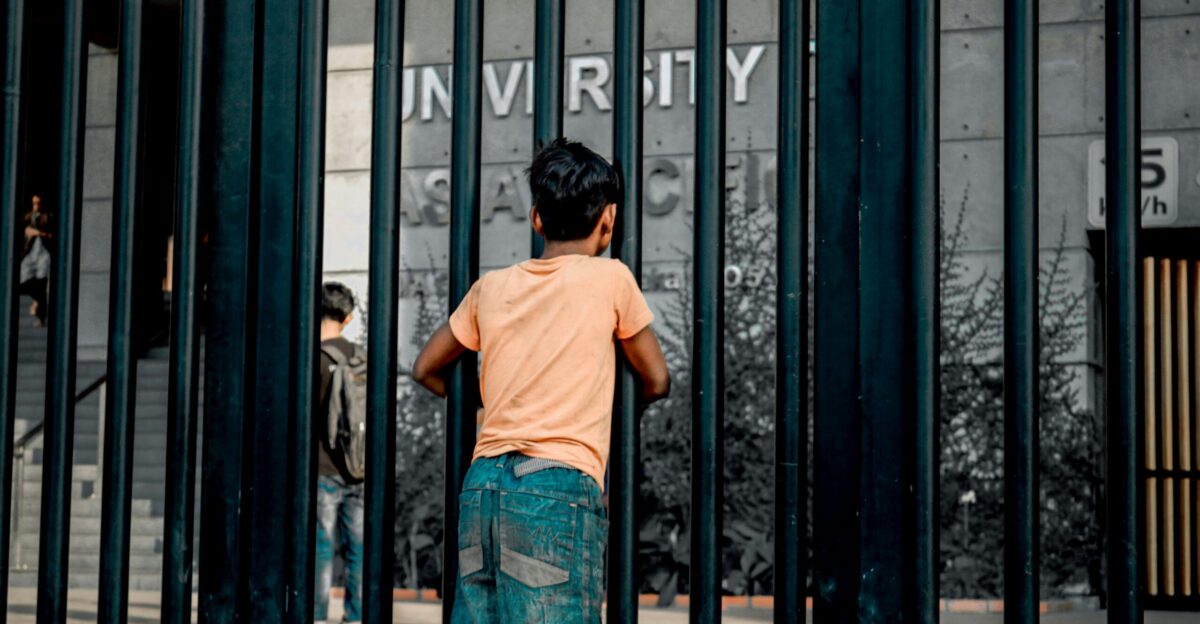
The program was quietly introduced to migrant shelters on October 3, 2025. Within hours, legal aid organizations were told to inform eligible minors about a one-time payment they could receive if they agreed to “self-deport.”
The announcement came with tight timelines and little fanfare, but the ripple effects have been anything but quiet.
What the Policy Offers
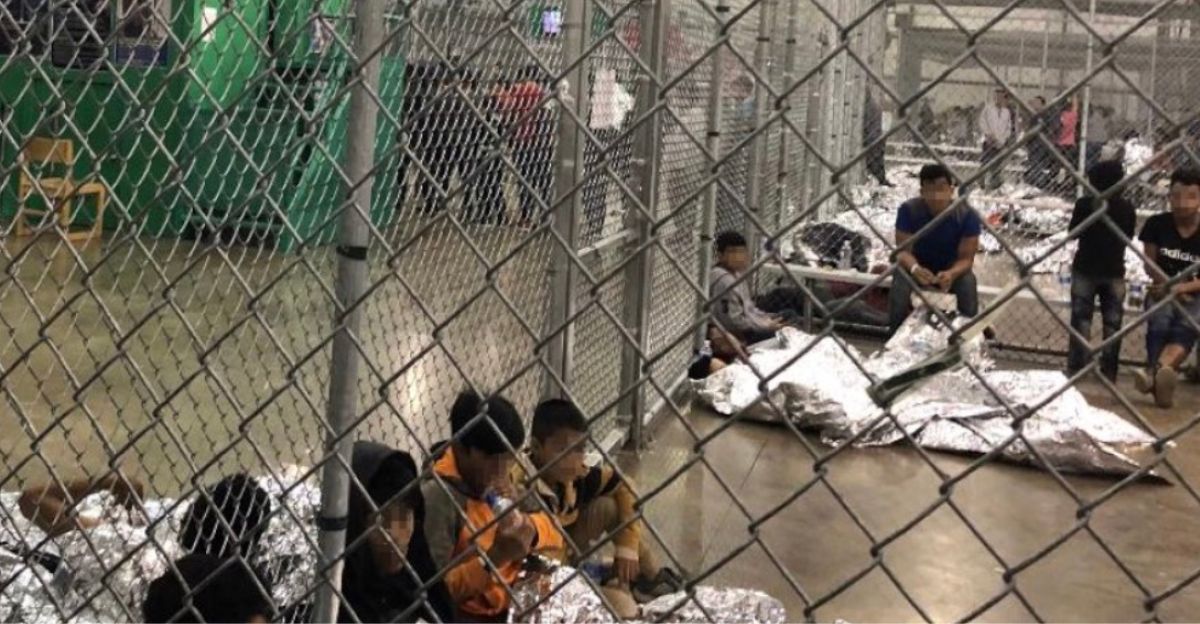
According to the HHS briefing, any unaccompanied minor in federal custody who chooses to return home can receive $2,500 upon arrival in their country of origin.
Officials described it as a “reintegration stipend” meant to help children restart their lives. The payments would be processed only after a judge approves the departure and verifies that it’s voluntary.
Who Qualifies — and Who Doesn’t

Only minors aged 14 or older who are not citizens of Mexico qualify for the offer. The restriction stems from U.S. law: Mexican children are already subject to separate expedited return procedures.
For everyone else — mainly teens from Honduras, Guatemala, and El Salvador — the new program opens a path that many advocates say feels less like a choice and more like a surrender.
“Voluntary,” Officials Say

The Department of Homeland Security (DHS) and U.S. Immigration and Customs Enforcement (ICE) insist the policy is fully voluntary. “No one is being coerced,” an ICE spokesperson told reporters, emphasizing that minors will have access to legal counsel before deciding.
Advocates are questioning whether a teenager in custody, far from family and home, can ever truly make a free choice.
Judges Still Control the Process

Even if a child opts in, their departure isn’t immediate. Immigration judges must confirm that the decision is informed and voluntary before authorizing removal.
According to ICE, the $2,500 is disbursed only once the minor arrives home. Officials say this ensures accountability, but critics see it as a bureaucratic gloss over a moral dilemma.
A Familiar Pattern of Incentives
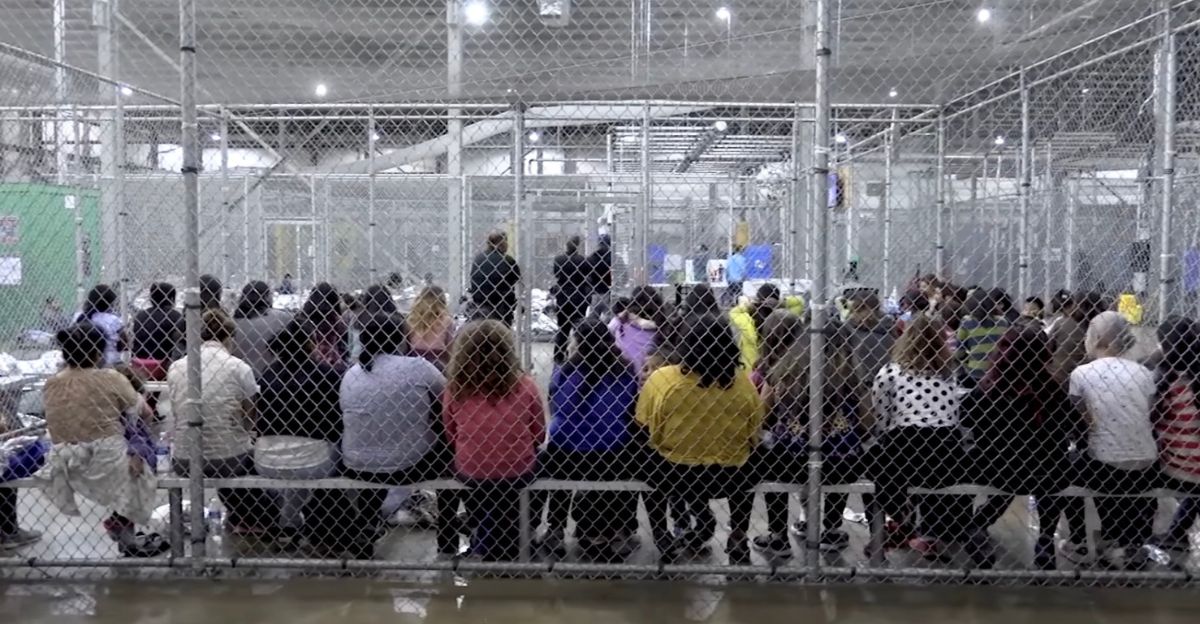
This isn’t the administration’s first attempt to pay migrants to leave. Earlier this year, the government offered $1,000 to undocumented adults who chose voluntary departure.
In June, $250 million in federal funds were redirected to similar programs. Supporters call these incentives “cost-effective alternatives” to detention; opponents call them “cash-for-exit” schemes.
The Financial Logic Behind It

Officials argue the math is simple: paying people to go home is cheaper than detaining them indefinitely. Housing one unaccompanied child can cost hundreds of dollars a day, according to DHS data.
“It’s about reducing costs while maintaining fairness,” a senior official told Reuters. Critics say the focus on money ignores the human stakes involved.
Advocates See Dangerous Precedent

Child welfare and immigration groups have been quick to condemn the program. “It undermines legal protections for vulnerable children,” several organizations said in a joint statement cited by NBC News. Many fear it could send kids back to the same violence and instability they fled.
The cash, they argue, doesn’t erase the danger waiting on the other side of the border.
“They Deserve Safety, Not a Check”
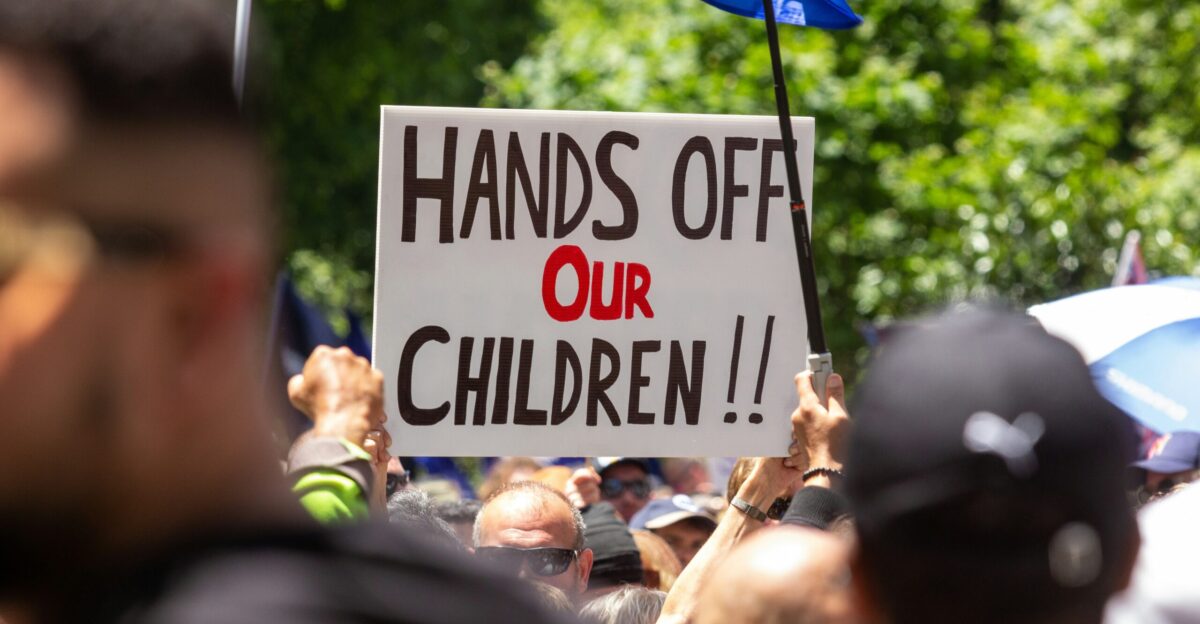
Wendy Young, president of Kids in Need of Defense, told CBS News that unaccompanied children “deserve protection, not payment to return to danger.”
Her organization helps minors navigate asylum and protection claims — and she worries that the new policy trades compassion for convenience. “These are children who came here seeking safety,” she said. “We can’t forget that.”
Can a Teen Truly Consent?
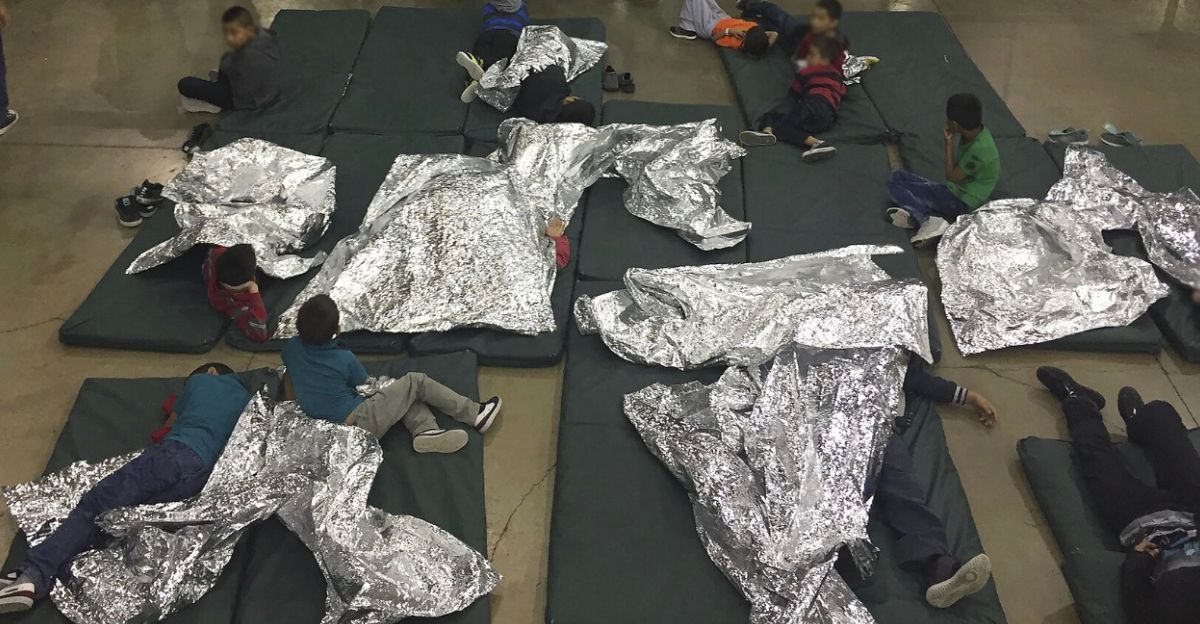
Legal experts question whether minors in custody can meaningfully consent to deportation. “They’re often traumatized, isolated, and dependent on the same system offering them money to leave,” said immigration attorney Jennifer Podkul in comments to NPR. “That raises serious ethical questions.”
Even if lawyers are available, advocates say language barriers and fear of authority make true understanding difficult.
Inside the Shelters: Tension and Confusion

Shelter staff across the country received the rollout memo with little notice. Some say they’re still unsure how to present the information without exerting pressure. “
These are not easy conversations,” one shelter director told The Guardian. “We’re explaining to kids that they can take money to go home — often to places they barely escaped alive.”
The 24-Hour Window

Adding to the confusion, shelters were instructed to notify DHS within 24 hours if a minor chose to participate. Legal aid groups have called that deadline “unrealistic” and potentially coercive.
“You can’t make a life-altering decision like that overnight,” said one advocate quoted by Axios. “Especially not when you’re 15 and in a government facility.”
Mexican Minors Excluded — and That Raises Eyebrows

Mexican children are not eligible for the stipend due to existing repatriation rules. This exclusion has drawn criticism, with some experts arguing it highlights unequal treatment based on nationality.
Others note that because Central American children are entitled to full hearings, the offer might pressure them into giving up legal rights meant to protect them.
Legal and Ethical Tightrope

Under U.S. law, unaccompanied children from non-bordering countries are entitled to immigration hearings before removal. Legal scholars warn that financial incentives could undermine that right.
“If money is the motivation, voluntariness becomes questionable,” said immigration law professor Stephen Yale-Loehr in comments to USA Today. Lawsuits challenging the policy’s legality are already being discussed.
ICE Pushes Back on Rumors

Social media quickly spread rumors that the initiative was part of a secret “Freaky Friday” operation. ICE has firmly denied those claims, calling them “false and misleading.”
Officials reiterated that the program is not a covert enforcement action but rather “a transparent, voluntary return option” under federal oversight.
The Numbers Behind the Story

As of August 2025, about 2,000 unaccompanied minors were in federal custody, according to HHS data. Most are teenagers from Central America who fled gang violence, poverty, or family reunification issues.
For many, the offer of $2,500 — roughly equivalent to a few months’ wages back home — is a tempting but fraught choice.
Capitol Hill Divides Over the Plan

Lawmakers are already taking sides. Some Republicans call the program a “pragmatic tool” to ease strain on the system. Democrats argue it betrays America’s humanitarian commitments.
According to Politico, several senators are reviewing whether the initiative complies with U.S. and international child protection laws. The political battle is just beginning.
Legal Showdown on the Horizon

Immigrant rights groups are preparing to challenge the policy in court. Attorneys argue it may violate international conventions on the rights of the child and U.S. asylum protections.
“Children cannot give informed consent under these circumstances,” said one attorney involved in early filings. The outcome could shape future immigration practices for years to come.
A Cash Offer With Moral Costs

Supporters see efficiency; critics see exploitation. At its core, the $2,500 offer is a test of how far the government will go to manage border pressures through incentives instead of enforcement.
Behind the numbers are children weighing impossible choices — between safety, family, and survival. The question now is whether a check can ever buy peace of mind.
A Defining Policy Moment
As debates continue in courts, Congress, and shelters across the country, the program starkly reflects America’s immigration divide. Is it compassion through choice or coercion wrapped in cash?
This experiment — blending bureaucracy, politics, and childhood vulnerability — may define the tone of the nation’s next immigration chapter.