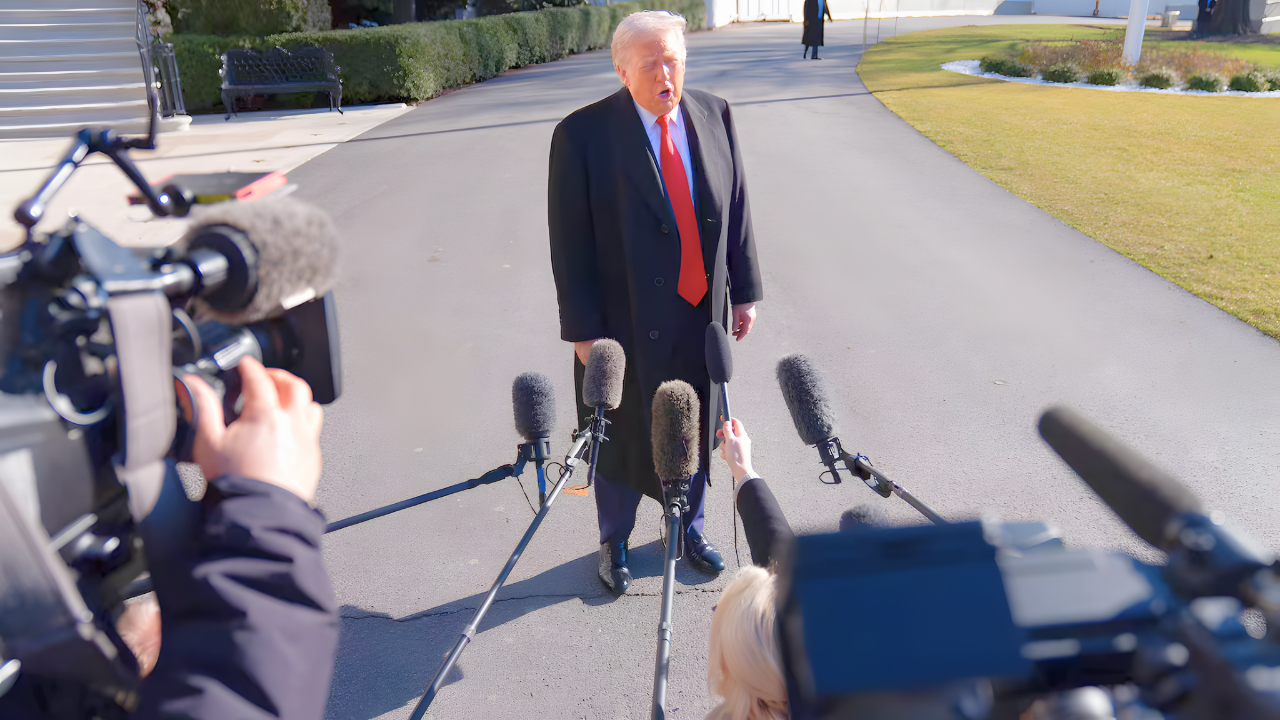
The U.S. government is moving to block a major stream of legal immigration by pausing immigrant visas for 75 countries, many of which send large numbers of spouses, children, and parents to join family already in America. These are not short-term visitors, but people seeking green cards through family ties, job offers, or diversity lotteries, and in recent years they have numbered in the hundreds of thousands annually.
For those families, consular processing will continue on paper, but visas will not be issued, effectively trapping applicants in a processing purgatory with no end date. One State Department memo says immigrant visa processing “will be paused while the State Department reassesses immigration processing procedures to prevent the entry of foreign nationals who would take welfare and public benefits.”
Immigration History

This freeze is the latest step in a years-long tightening of U.S. immigration rules under President Donald Trump, starting with the first travel bans in 2017 and expanding into broader country lists and tougher vetting standards. Earlier actions targeted specific regions or security risks, but by late 2025 the administration had already widened restrictions to dozens of countries over issues like deportation refusals and overstay rates.
The new pause goes further by zeroing in on whether future immigrants could become a public charge, a legal term for people likely to depend on government support. Federal guidance from Trump’s first term had already expanded which benefits could disqualify applicants, but this time the State Department is using that standard as the basis for a sweeping, worldwide reassessment.
Mounting Pressures
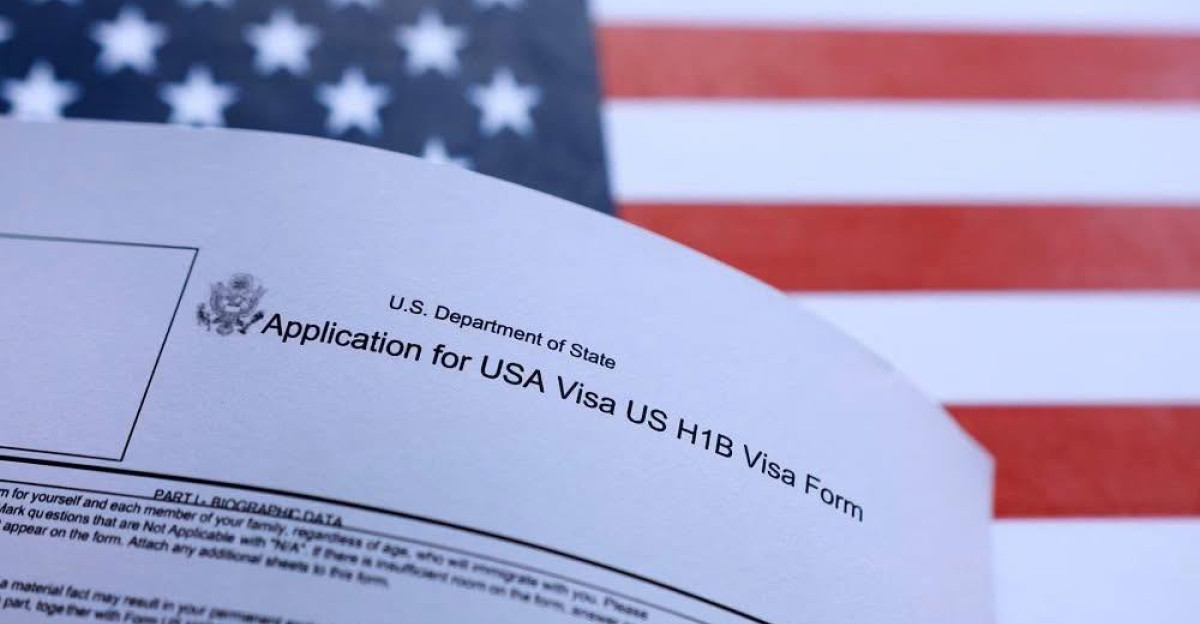
Supporters of the freeze say the U.S. can no longer ignore high visa overstay rates, security worries, and fears that some immigrants draw too heavily on welfare programs. Internal discussions have highlighted countries facing conflict or instability, such as Somalia, Afghanistan, and Haiti, where weak institutions and economic crises are driving more people to seek safety or opportunity in the U.S.
Officials also point to long‑running concerns over fraud and misuse of social programs, citing high‑profile scandals like Minnesota’s “Feeding Our Future” case, which Trump allies have linked to broader immigration enforcement.
Policy Reveal

The heart of the policy is stark: beginning January 21, U.S. consulates will stop issuing immigrant visas to applicants from 75 named countries, with no set date for restarting. The State Department quietly posted and then updated public guidance in mid‑January, describing these nations as “nationalities at high risk of public benefits usage” and explaining that officers must reassess how they decide whether someone is likely to become a public charge.
Applicants from these countries can still submit forms and attend interviews, but their immigrant visas will not be printed or placed in passports until the review is complete. The freeze covers family‑based, employment‑based and diversity immigrant visas processed abroad, making it one of the largest single restrictions on legal immigration in modern U.S. history.
Global Fallout

The consequences will be felt most sharply in regions that have long, deep migration ties to the United States, including parts of the Middle East, Africa, Latin America, and South Asia. Countries such as Afghanistan, Pakistan, Bangladesh, Nigeria, Ethiopia, Brazil, Cuba, and Haiti have sent tens of thousands of family‑based immigrants to the U.S. in recent years, and many of those pipelines will now be frozen.
For war‑torn nations like Afghanistan and Syria, the halt could strand people who supported U.S. missions or whose relatives are already in America, leaving them in dangerous or unstable environments.
Family Limbo
Behind the statistics are families suddenly thrown into emotional and financial uncertainty, as American citizens and permanent residents watch their loved ones’ plans collapse overnight. A U.S. citizen who has already completed the long, expensive process of sponsoring a spouse or child may now see their case stuck at the final stage, with no clear timeline and no way to speed it up.
Many had already waited years due to backlogs; the new freeze transforms that delay into an indefinite separation that could impact jobs, childcare, and mental health. Advocacy groups describe phones ringing off the hook with calls from people desperate to know whether aging parents, newly married partners, or orphaned relatives will ever be allowed to come.
Exemptions Clarified
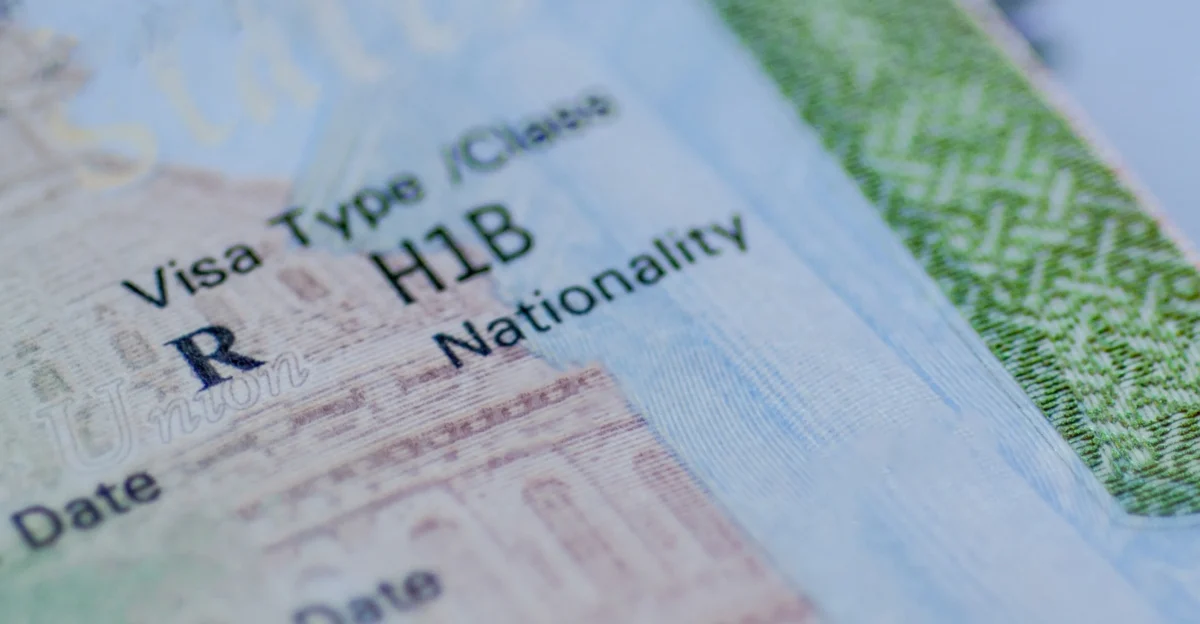
The freeze is narrowly targeted at immigrant visas, meaning many other kinds of travel to the United States will continue under existing rules. Tourist and business visas (B‑1/B‑2), student and exchange visas (F, M, and J categories), and temporary work visas such as H‑1B and L‑1 are not covered by the new suspension.
That carve‑out is crucial for global events like the 2026 World Cup and the 2028 Olympics, where the U.S. expects a surge in visitors, athletes, and support staff from around the world. Dual citizens from affected countries who travel on passports from nations not on the list will also be able to apply as usual for nonimmigrant visas.
Welfare Focus
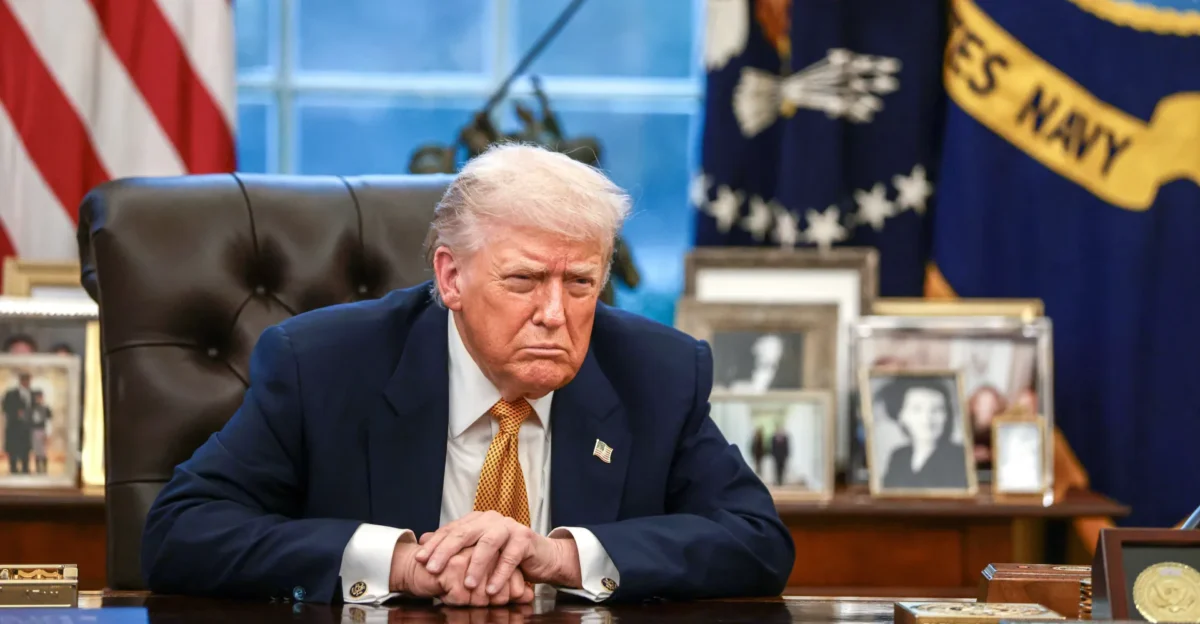
At the core of the policy is the long‑contested “public charge” test, which allows the government to deny green cards to people considered likely to rely heavily on public assistance. Current guidance instructs consular officers to weigh an applicant’s age, health, family status, education, skills, and financial resources to assess whether they can support themselves without extensive government help.
Under Trump, officials have argued that immigrants from the 75 listed countries show higher use of certain benefits, although outside experts say the data can be complex and easy to misinterpret.
TPS Revocation
For some communities, the immigrant visa pause is arriving on top of another heavy blow: the rollback of Temporary Protected Status (TPS), which has allowed certain nationals to live and work legally in the U.S. because of crises at home.
Somalis with TPS, for example, now face looming deadlines to either qualify for another status or prepare to leave, at the same moment that the main family‑based route from Somalia is being shut down at consulates abroad. Humanitarian advocates say these overlapping moves risk sending people back to countries still facing conflict, terrorism, or natural disasters, undermining long‑standing U.S. commitments to protection.
Stakeholder Outrage
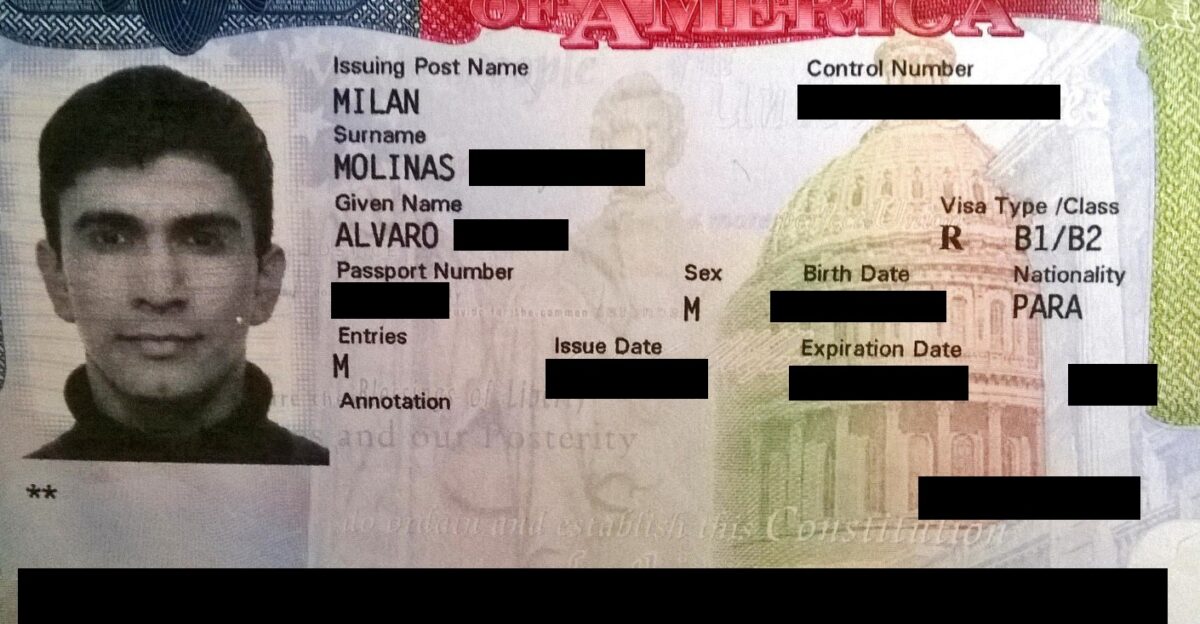
The backlash has been swift from human rights groups, refugee advocates, and many immigration lawyers, who argue that the freeze punishes people who followed the rules and applied through legal channels.
Organizations warn that indefinite delays without individualized assessments could violate due‑process norms and create an unequal system where nationality alone shapes someone’s fate. Some U.S. citizens are already organizing petitions and protests outside consulates, urging exceptions for immediate family members and calling the policy cruel and indiscriminate.
Leadership Stance
Senior officials insist the administration is acting well within its authority and fulfilling a core campaign promise to tighten immigration rules for those seen as economic burdens. Principal Deputy State Department Spokesperson Tommy Pigott framed the move as a defensive measure, saying the government was “bringing an end to the abuse of America’s immigration system by those who would extract wealth from the American people.”
The White House has also signaled that it views this as part of Trump’s mandate following his return to office, portraying the freeze as a necessary correction after what it calls years of lax enforcement. State Department guidance cites long‑standing provisions in immigration law that allow visas to be denied when applicants are deemed likely to become public charges, arguing that the pause simply updates how that standard is applied.
Review Strategy
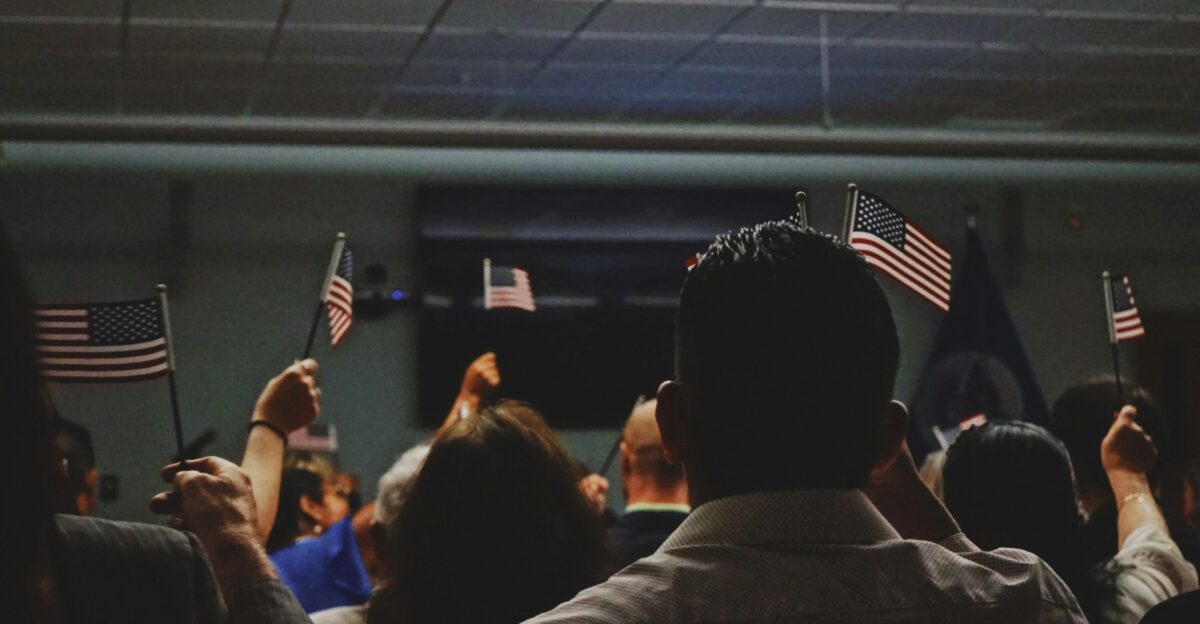
Inside the bureaucracy, the freeze comes with marching orders for a sweeping review of how immigrant visa cases from the 75 countries are handled. Consular officers have been told to keep interviewing applicants and collecting documents but to hold off on issuing visas until new guidelines on financial self‑sufficiency are in place.
That review is expected to look at everything from how income and assets are verified to whether sponsors in the U.S. have the means to support relatives without relying on public assistance. Policy experts say the process could produce more detailed checklists and higher documentary hurdles, especially for older applicants, those with health issues, or people from poorer regions.
Expert Doubts
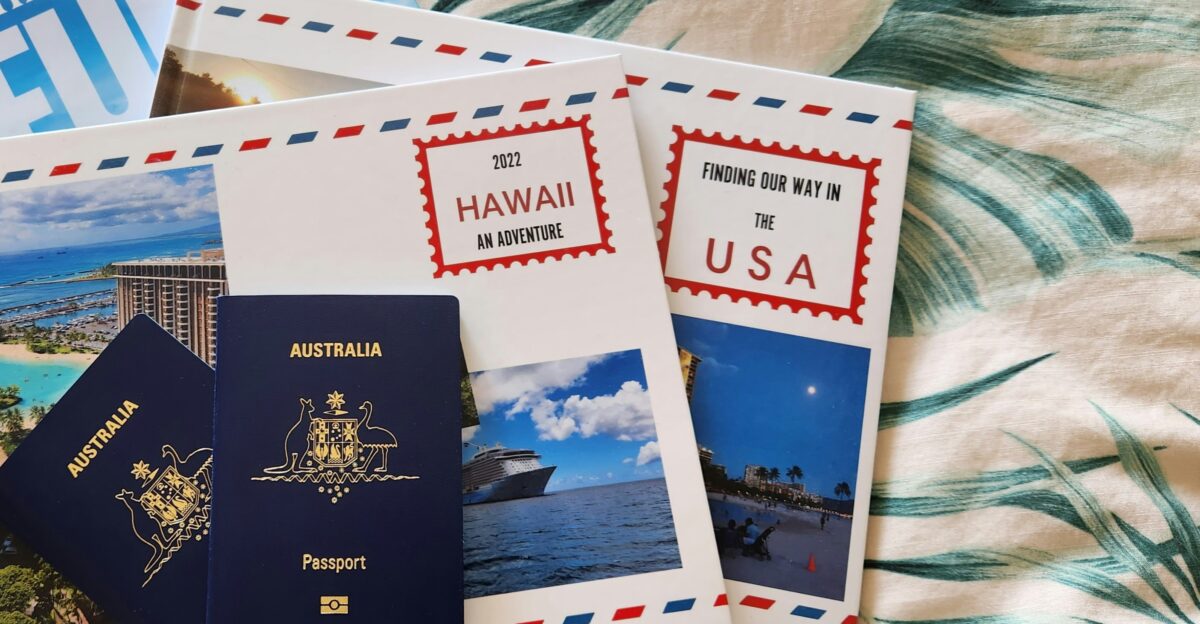
Many immigration specialists question whether the freeze is necessary to achieve the administration’s stated goals, noting that U.S. law already requires immigrants to show they will not be a public charge. They argue that if enforcement of existing rules is the issue, the government could invest in better training and data, rather than halting visa issuance for nearly two‑fifths of the world’s countries.
Economists also warn of ripple effects, such as reduced remittances flowing back to developing nations and potential labor shortages in U.S. industries that rely heavily on family‑based immigrant networks.
Future Unknown
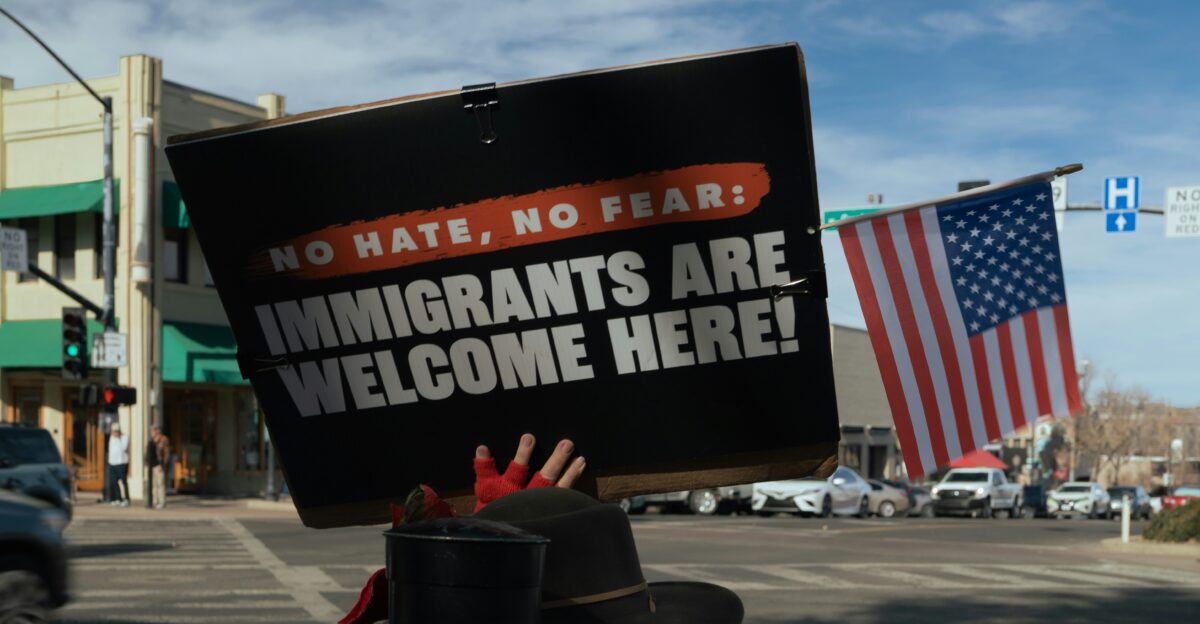
For now, the only certainty is uncertainty: the State Department has not given a timeline for finishing its review, and there is no automatic expiration date for the freeze. Future court challenges, congressional pressure, or a shift in political priorities could all shape how long the suspension lasts and whether it is narrowed, expanded, or overturned.
Families, employers, and foreign governments are left to plan around a policy that might last months or years, with little clarity on what benchmarks must be met for visas to resume.
Sources:
TIME; U.S. Will Suspend Visa Processing From 75 Countries; January 13, 2026.
JD Supra; State Department Suspends Immigrant Visa Processing for 75 Countries; January 15, 2026.
U.S. Department of State; Immigrant Visa Processing Updates for Nationalities at High Risk of Public Charge; January 13, 2026.
Council on Foreign Relations; Trump’s New Immigrant Visa Freeze Explained; January 2026.
Reuters; Trump administration to suspend immigrant visa processing for 75 nations next week; January 14, 2026