
A swarm of Aedes aegypti mosquitoes—a tropical species notorious for transmitting Zika, West Nile, dengue, and yellow fever—has invaded Washington County, Utah’s high-desert terrain.
The invasive species, first reported in 2022, with a renewed surge in 2025, now threatens an estimated 180,000 residents who never expected bloodsucking tropical pests in their arid backyards.
Residents are calling for help with a constant refrain: “Help, we are getting eaten alive,” according to Sean Amodt of the Southwest Mosquito Abatement District.
Why Tropical Mosquitoes Reached Utah
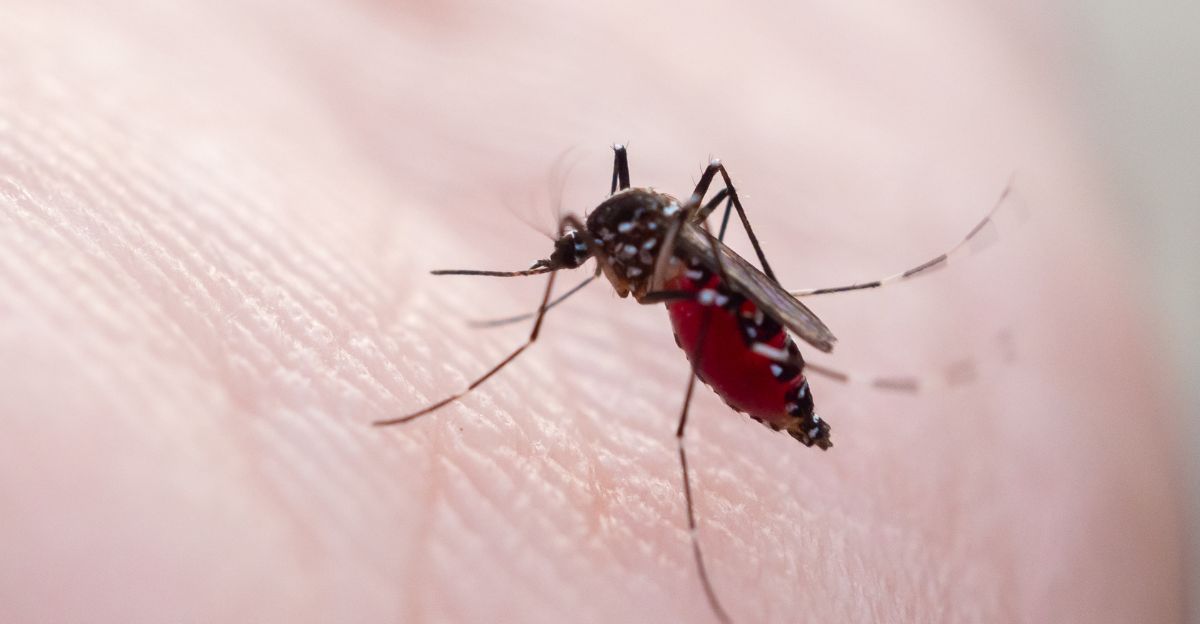
Scientists attribute the unexpected invasion to climate change, which is extending mosquito habitats and seasons far beyond historical ranges.
Stanford researcher Dr. Erin Mordecai’s 2025 study found that 4.6 million dengue infections occur annually across 21 countries, directly attributable to climate warming—representing 18% of the current dengue burden. Warmer temperatures allow Aedes aegypti to survive in previously inhospitable regions like Utah.
Hospital Visits Surge as Residents Suffer Mysterious Welts
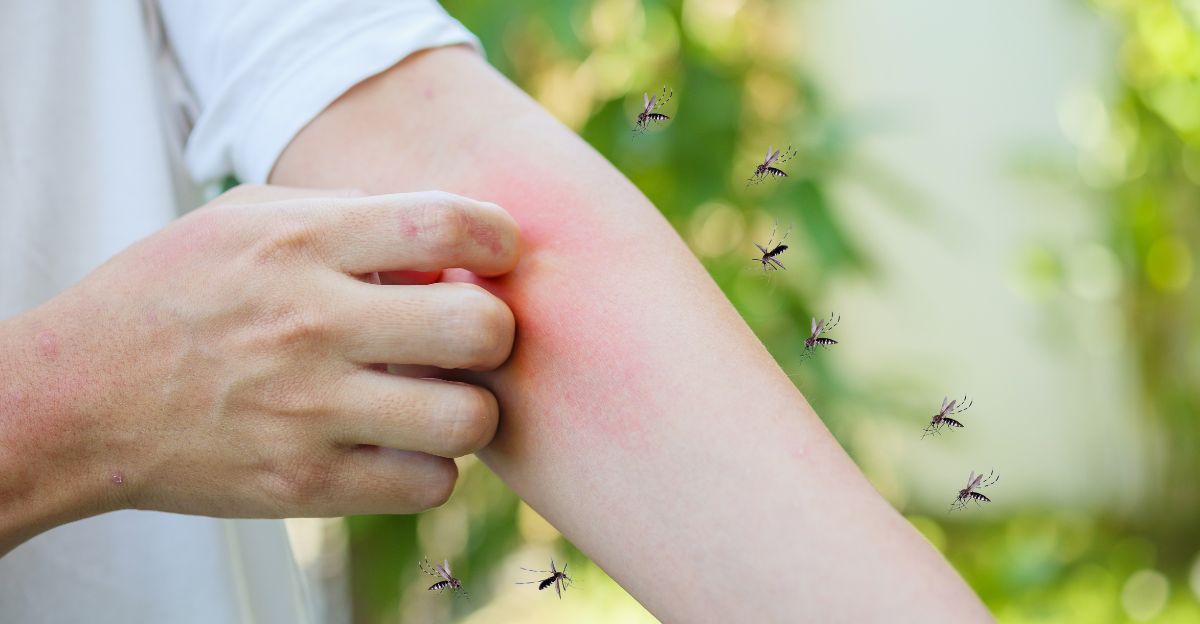
Washington County residents are being hospitalized with severe red welts and bruises from repeated mosquito bites, unaware of the source of the bites. Aedes aegypti feeds aggressively on humans during daylight hours, biting the same person multiple times.
Unlike native mosquitoes, these invaders leave painful, raised welts that have sent confused victims to emergency rooms.
The species’ imperceptible bite and relentless feeding behavior distinguish it from typical Utah mosquitoes.
Extermination Industry Overwhelmed by Invasive Species

Professional exterminators in Washington County are struggling to contain the outbreak despite deploying foggers, sprays, and targeted treatments. Sean Amodt’s district received over 40 service requests in recent weeks from desperate homeowners.
Finding breeding sources remains challenging, as Aedes aegypti larvae thrive in small water containers—such as flowerpots, bottle caps, abandoned tires, and even coffee cups. Officials admit that the species is “likely to stay” in the region from May through November each year.
Mosquito Control Product Sales Skyrocket Nationwide
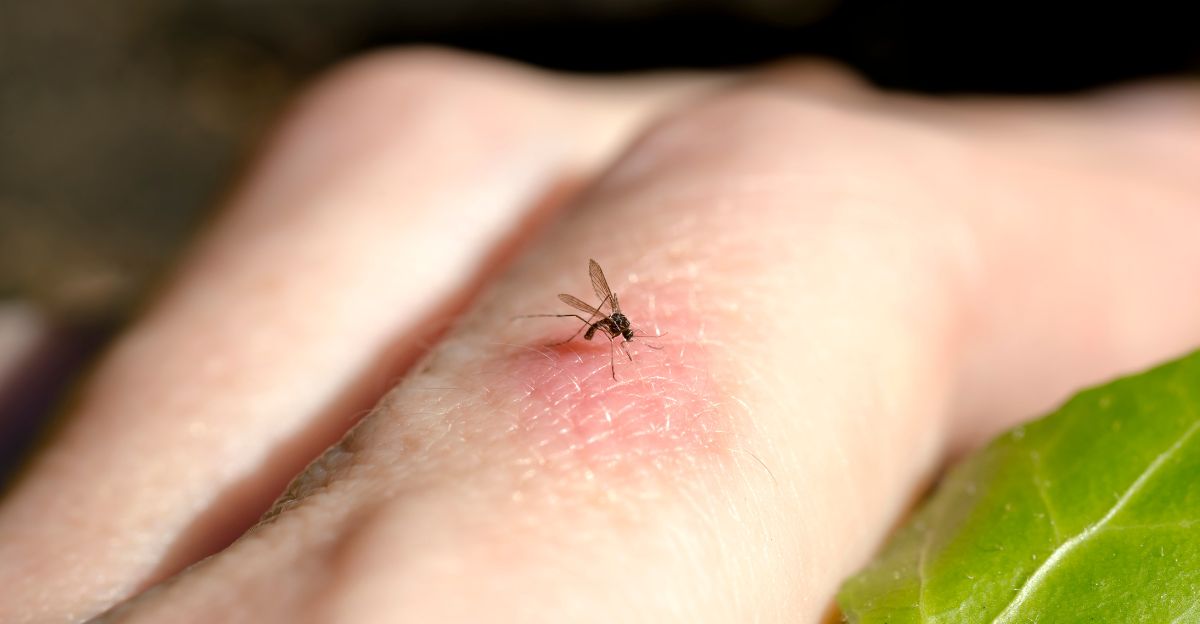
The invasive mosquito crisis is fueling explosive growth in the mosquito control industry. The global mosquito control products market, valued at $6.85 billion in 2025, is projected to reach $9.96 billion by 2032.
Smart traps, DEET-free repellents, and eco-friendly solutions are experiencing the fastest growth, particularly in outdoor residential applications.
U.S. leadership in this market reflects heightened consumer awareness following locally acquired dengue cases in California (15 cases) and Texas (1 local case) in 2025.
International Trade in Vector Control Technology Expands
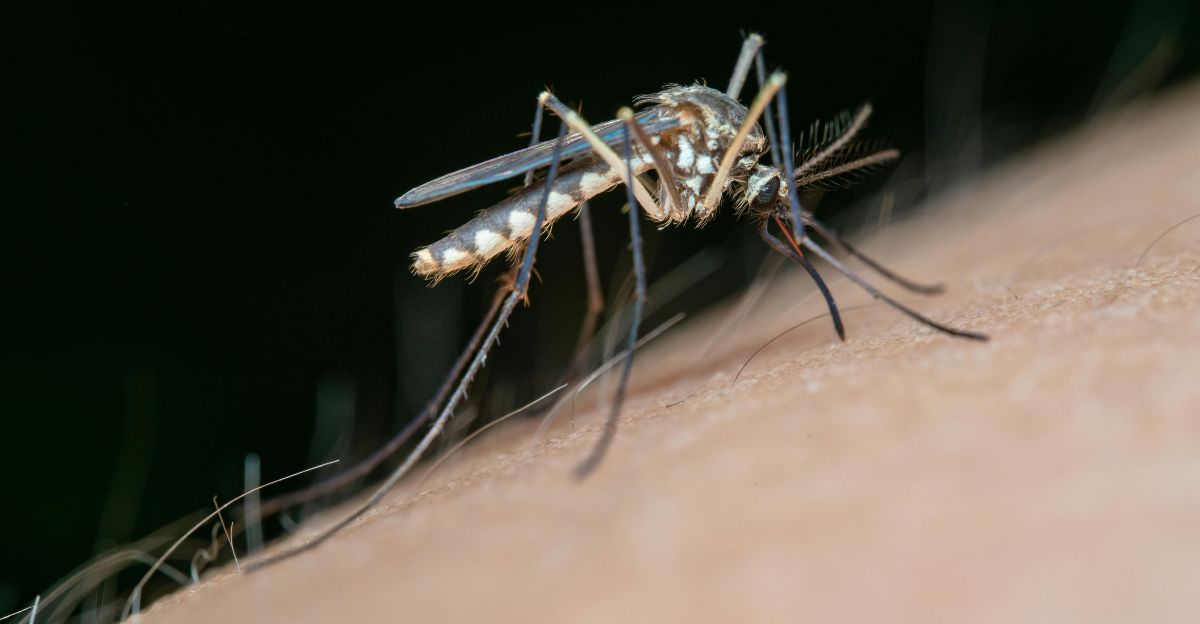
The Utah outbreak mirrors global patterns driving international demand for mosquito control technologies. Asia-Pacific countries like India and China are rapidly expanding vector control programs, with India’s National Vector Borne Disease Control Programme leading investment.
Multinational companies, including BASF SE and Sumitomo Chemical, are exporting innovative larvicides and insecticides to malaria-prone regions.
Climate-driven mosquito range expansion is creating unprecedented cross-border cooperation on vector surveillance.
Utah Families Alter Daily Routines to Avoid Daytime Biters
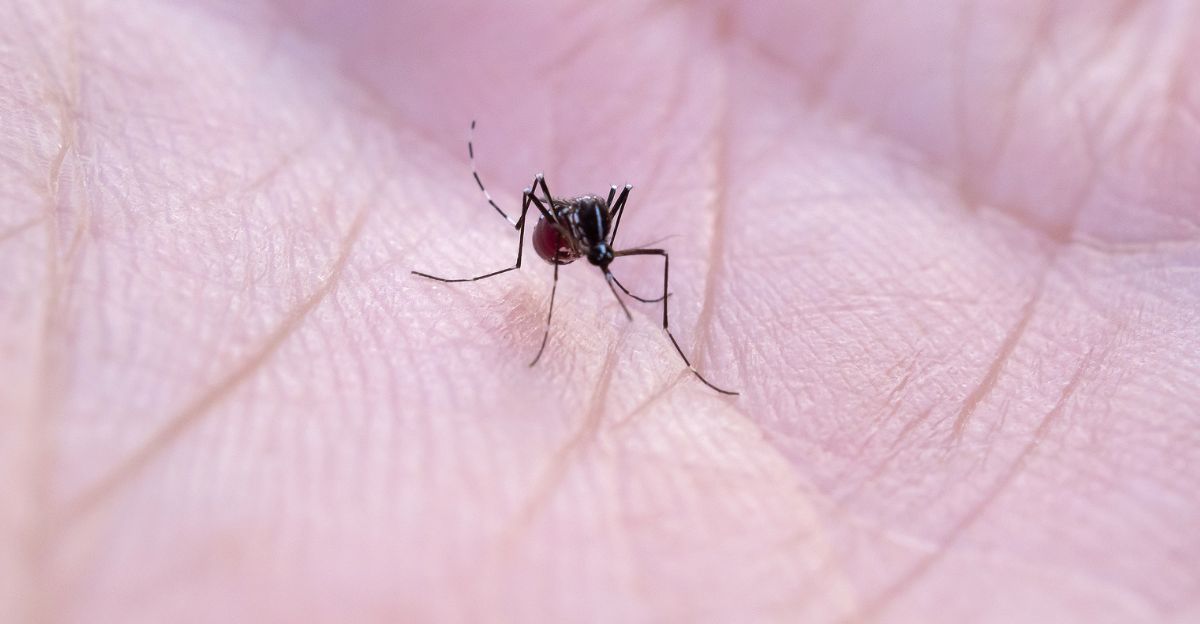
Unlike most mosquitoes, which feed at dusk, Aedes aegypti hunts humans during daylight hours, forcing Washington County families to restrict their outdoor activities.
Parents report keeping children indoors during peak afternoon hours. Backyard barbecues, gardening, and recreational activities have declined sharply.
The species’ preference for thin-skinned areas like ankles and wrists makes it particularly aggressive. Residents describe feeling besieged in their own yards, unable to enjoy outdoor spaces.
Utah Officials Issue Public Health Emergency Protocols
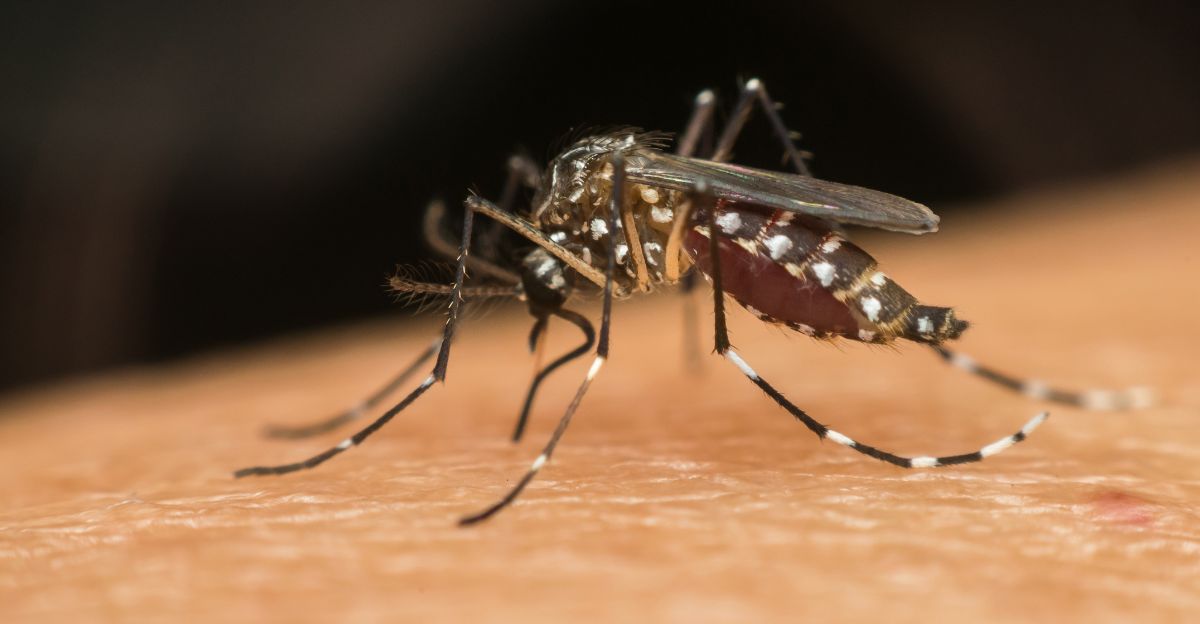
The Southwest Mosquito Abatement District has distributed thousands of public health pamphlets advising residents to eliminate standing water and clear outdoor clutter.
District crews are conducting intensive inspections, trapping, and treating in affected neighborhoods. Officials emphasize checking potting soils, decorative ponds, soda bottles, tree holes, and abandoned tires.
Residents can call 435-627-0076 to request emergency services. The seven-month infestation window (May to November) requires sustained vigilance.
Disease Vector Threats Raise Public Health Concerns
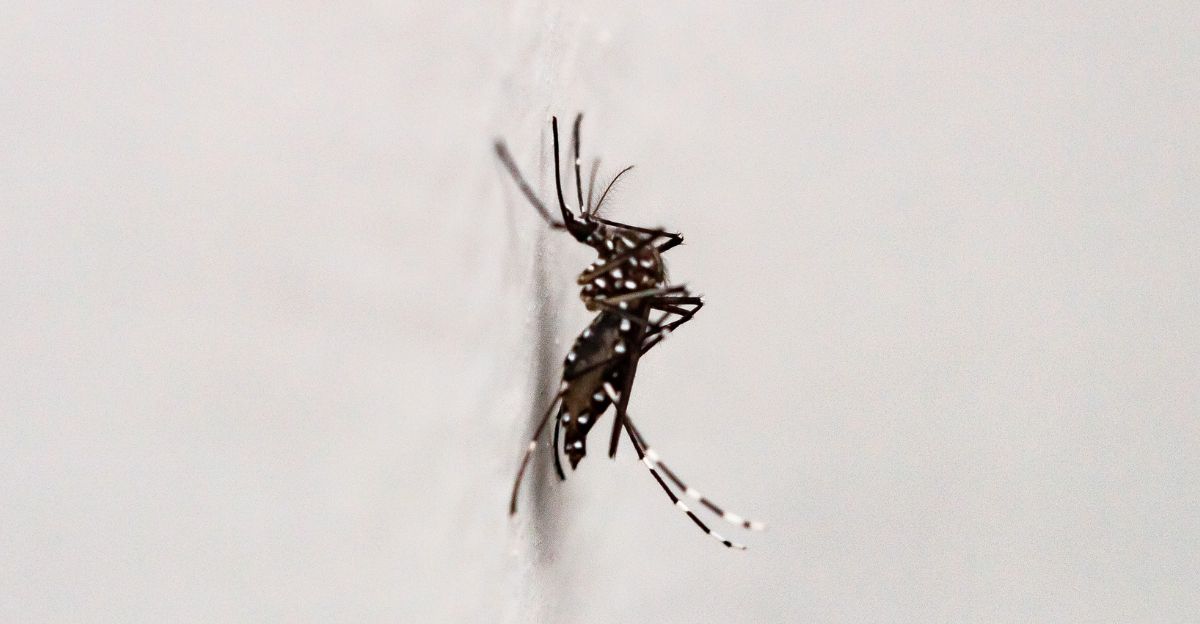
Aedes aegypti is classified as one of the world’s most dangerous mosquito species, capable of transmitting dengue, Zika, yellow fever, chikungunya, and West Nile virus.
While the Washington County population hasn’t yet contracted diseases locally, the species’ presence elevates risk significantly. Utah reported its first 2025 West Nile virus case in Salt Lake County in August, resulting in hospitalization.
Vector-borne diseases can cause long-term neurological consequences or death, particularly in individuals over 50.
Outdoor Recreation Industry Faces Downturn in Affected Regions
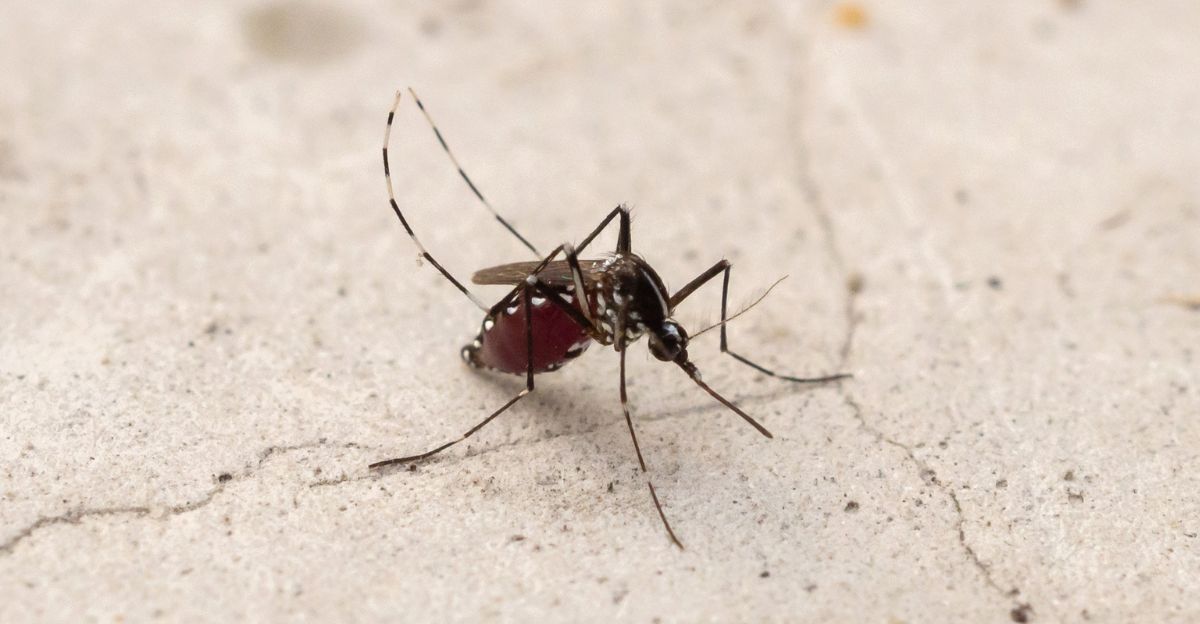
Washington County’s tourism and outdoor recreation sectors are experiencing declines as visitors avoid areas infested with mosquitoes.
The county’s appeal as a gateway to Zion National Park and red rock landscapes depends on outdoor accessibility. Local businesses catering to hikers, campers, and cyclists report decreased foot traffic during peak mosquito season.
Hotels and resorts are investing heavily in mosquito control measures to maintain guest satisfaction. Economic ripple effects include reduced tax revenues for county services.
Environmental Debate: Chemical Control vs. Ecosystem Impact
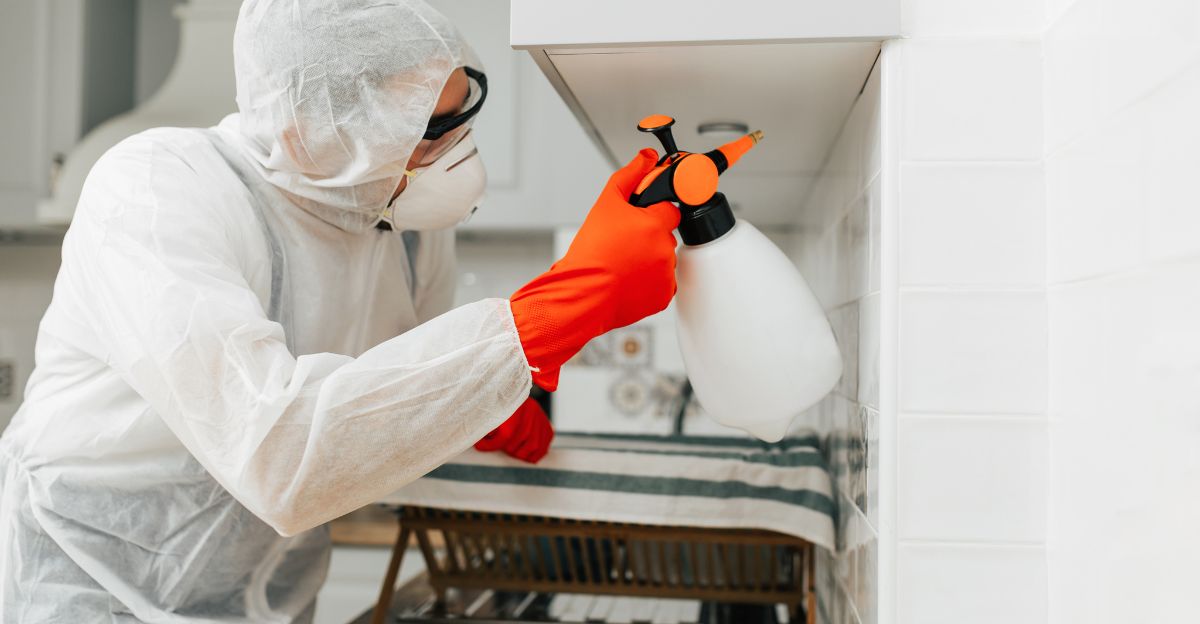
The mosquito crisis has sparked debate over the use of aggressive chemical control methods versus environmental preservation. While foggers and sprays offer immediate population knockdown, ecological advocates are concerned about the impacts on native pollinators and aquatic ecosystems.
Utah’s desert ecosystem supports delicate species balances. Integrated Pest Management (IPM) approaches, which combine biological, physical, and chemical methods, are gaining traction.
Biodegradable larvicides and genetically modified mosquitoes represent emerging alternatives under consideration.
Climate Change
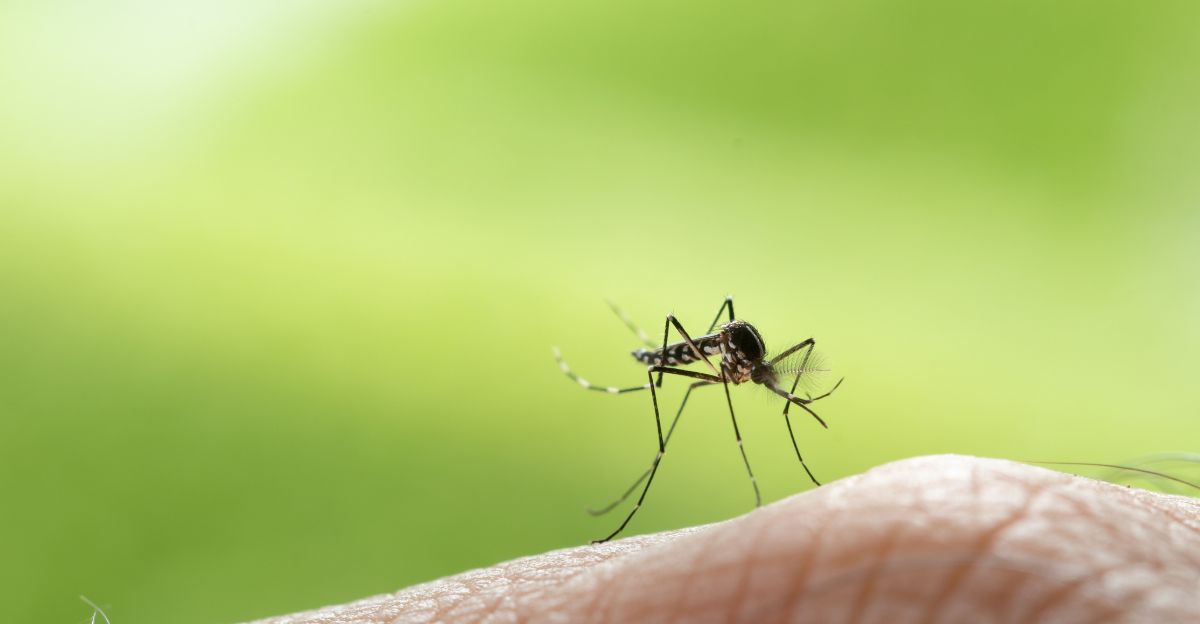
The expansion of Aedes aegypti into temperate regions, such as Utah, exemplifies the cascading health impacts of climate change.
Dr. Erin Mordecai’s Stanford research found 4.6 million dengue infections annually across tropical regions are attributable to climate warming—a warning that further temperature increases could drive disease into previously protected areas.
Global projections estimate that dengue environmental suitability will expand significantly across North America by 2060. Public health agencies are increasing surveillance and control investments to anticipate mosquito range shifts.
Biotech Firms and Smart Trap Manufacturers
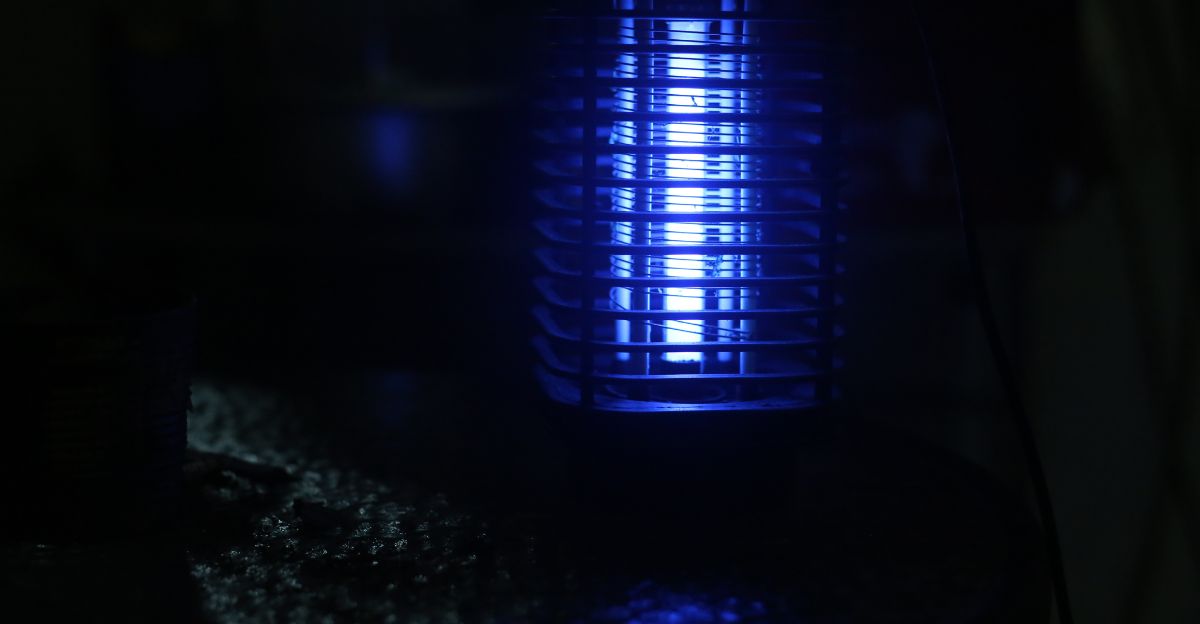
Companies developing AI-powered mosquito traps and genetically modified mosquito solutions are experiencing a surge in demand.
Smart trap manufacturers equipped with sensors and connectivity features are driving growth, as urban households and commercial facilities adopt non-toxic solutions.
Conversely, traditional outdoor recreation equipment suppliers face declining sales in high-infestation zones.
How to Protect Your Family
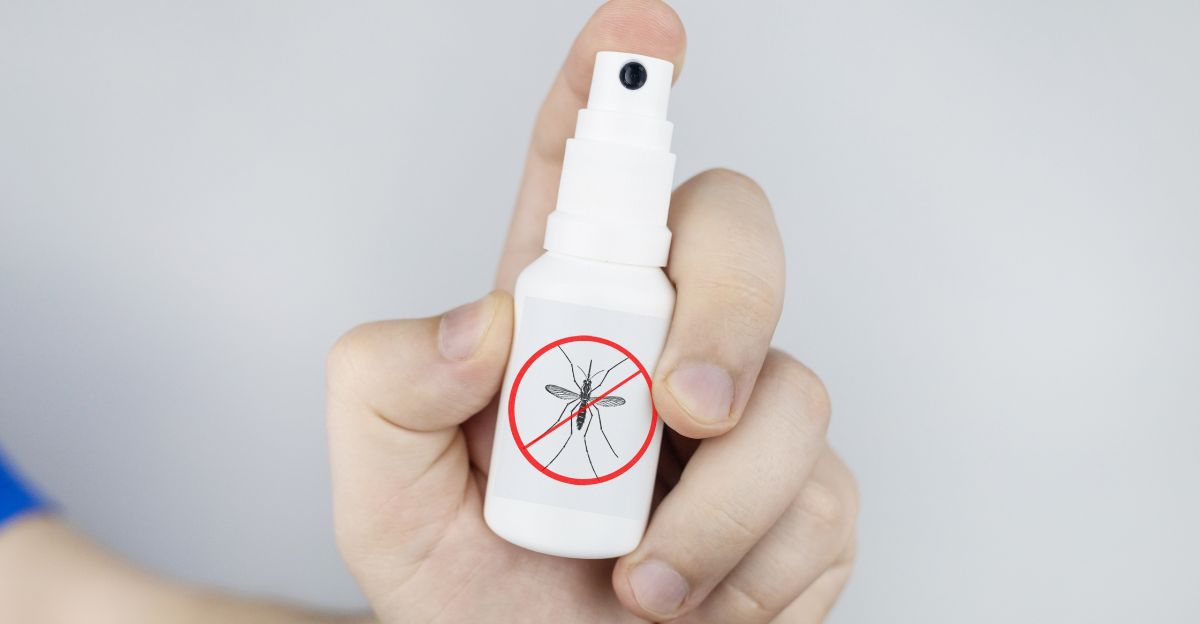
Health officials recommend using EPA-registered repellents containing DEET, picaridin, IR3535, or oil of lemon eucalyptus. Wear long sleeves and pants during daylight hours when Aedes aegypti is most active.
Eliminate all standing water weekly, including birdbaths, gutters, and plant saucers. Install fine mesh screens on windows and doors.
Consider professional mosquito abatement services for severe infestations. Check your yard for larvae in any container holding water, regardless of its size.
The New Normal: Permanent Range Shifts Ahead
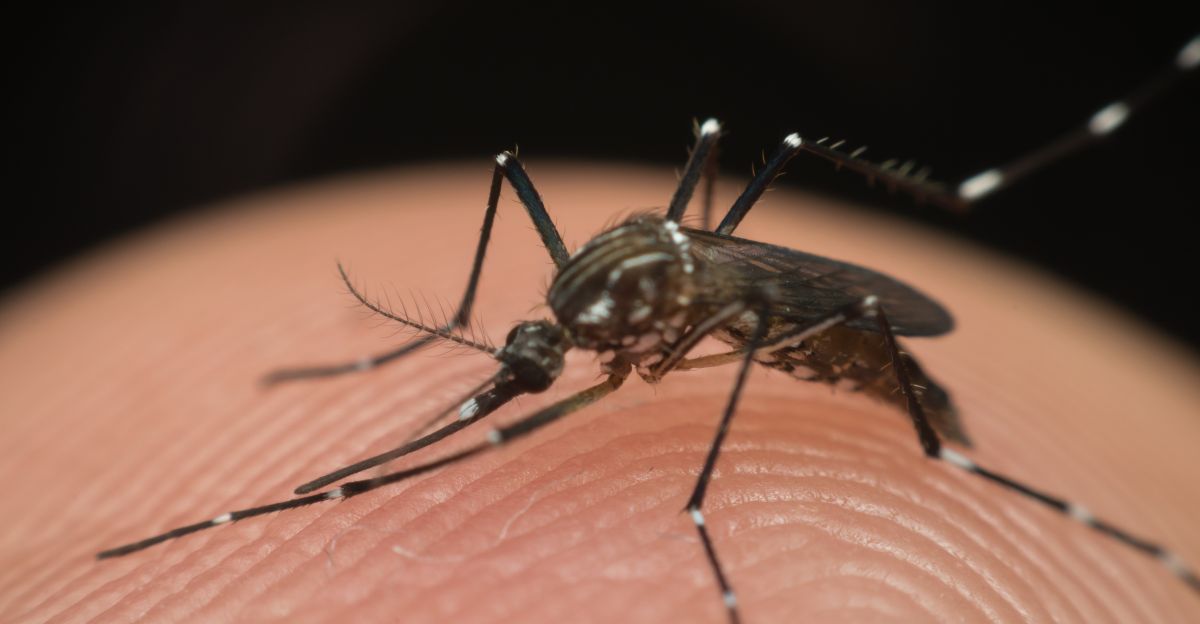
Utah officials acknowledge Aedes aegypti is likely to establish permanent populations, fundamentally altering the state’s public health landscape.
Climate projections suggest suitable habitat for Aedes aegypti will expand dramatically across the continental United States by 2100, with 91% of the North American population projected to live in suitable niche areas.