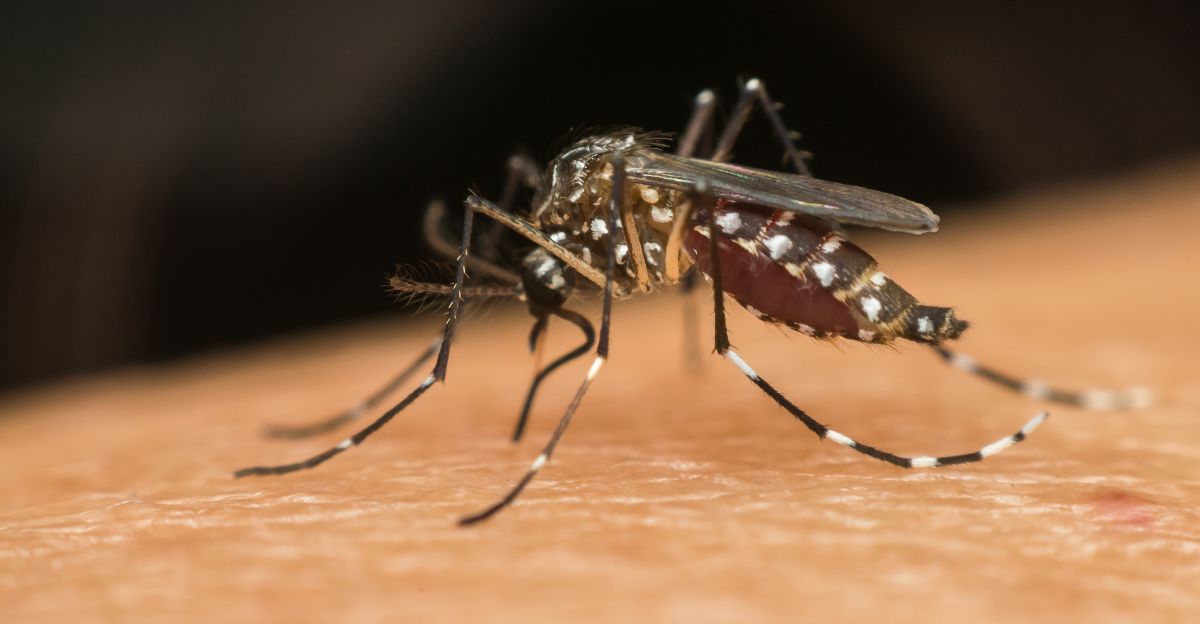
A swarm of Aedes aegypti mosquitoes, infamous for spreading diseases like Zika, dengue, and yellow fever, has taken hold in Washington County, Utah—a region once considered too arid for tropical pests.
First detected in 2013 and resurging in 2025, this invasive species now threatens the daily lives of 180,000 residents, marking a dramatic shift in the local environment and public health landscape.
Climate Change Expands Mosquito Territory
The arrival of Aedes aegypti in Utah is a direct consequence of climate change, which is extending mosquito habitats into new regions. Warmer temperatures have enabled these mosquitoes to survive in areas previously inhospitable to them.
A 2025 Stanford study led by Dr. Erin Mordecai found that climate warming is responsible for 4.6 million dengue infections annually across 21 countries, accounting for 18% of the global dengue burden.
Utah’s high-desert climate, once a natural barrier, now supports the mosquito’s lifecycle, allowing it to thrive from May through November.
Rising Health Concerns and Hospital Visits
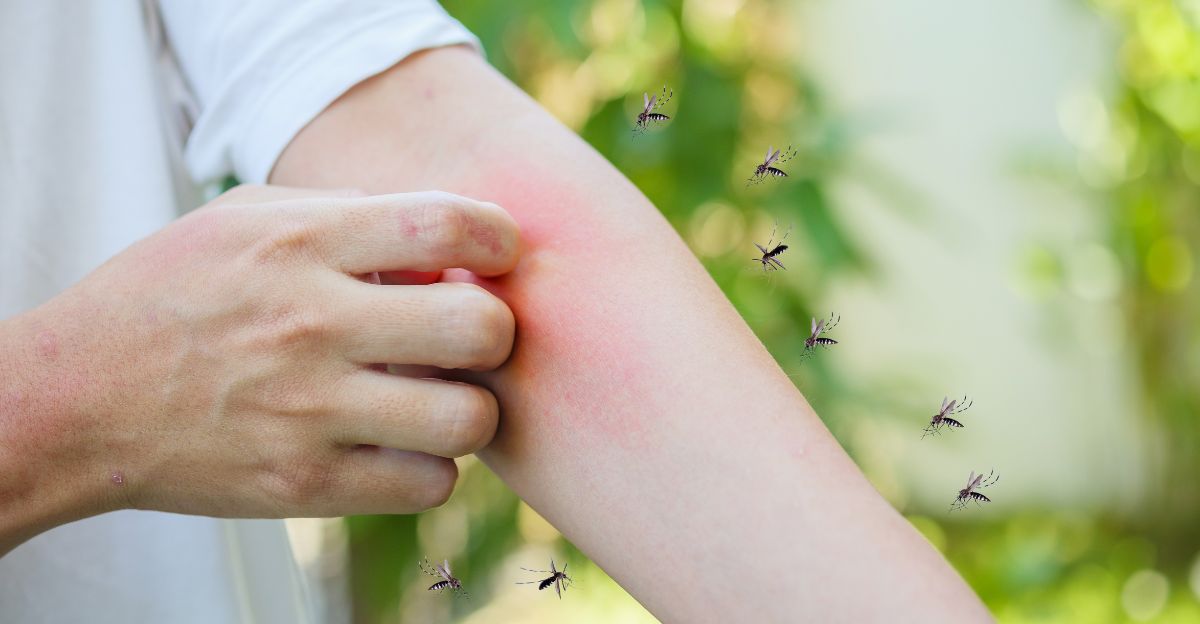
Residents of Washington County are experiencing severe reactions to mosquito bites, including painful red welts and bruises. Unlike native species, Aedes aegypti bites multiple times, often during daylight hours, and targets areas with thin skin, such as the ankles and wrists.
The bites are so aggressive and frequent that many victims have sought emergency medical care, often unaware of the source. The species’ stealthy feeding behavior and resilience have made it a formidable public health challenge, with local hospitals reporting a surge in cases related to mosquito bites.
Strained Extermination Efforts and Industry Growth

Local exterminators are struggling to contain the outbreak, deploying foggers, sprays, and targeted treatments with limited success.
The Southwest Mosquito Abatement District has received over 40 service requests in recent weeks, as residents struggle to control breeding sites.
Aedes aegypti larvae thrive in small water containers—such as flowerpots, bottle caps, tires, and even discarded coffee cups—making eradication difficult. Officials acknowledge that the species is likely to remain a seasonal fixture, requiring sustained vigilance.
Nationally, the crisis has fueled rapid growth in the mosquito control industry. The global market for mosquito control products is valued at $6.85 billion in 2025 and is projected to reach $9.96 billion by 2032.
Demand for smart traps, DEET-free repellents, and eco-friendly solutions is rising, especially in residential areas. The U.S. leads this market, driven by heightened awareness following locally acquired dengue cases in California and Texas.
Impact on Daily Life and Local Economy
The presence of Aedes aegypti has forced Utah families to alter their routines. Unlike most mosquitoes that feed at dusk, this species hunts during the day, prompting parents to keep children indoors during peak hours. Outdoor activities such as barbecues, gardening, and recreation have declined sharply, with residents feeling besieged in their own yards.
The local tourism and outdoor recreation industries are also suffering. Washington County, a gateway to Zion National Park, relies on outdoor accessibility to attract visitors.
Businesses catering to hikers, campers, and cyclists report decreased foot traffic, while hotels and resorts invest heavily in mosquito control to maintain guest satisfaction. The economic ripple effects include reduced tax revenues for county services.
Public Health Response and Disease Risks
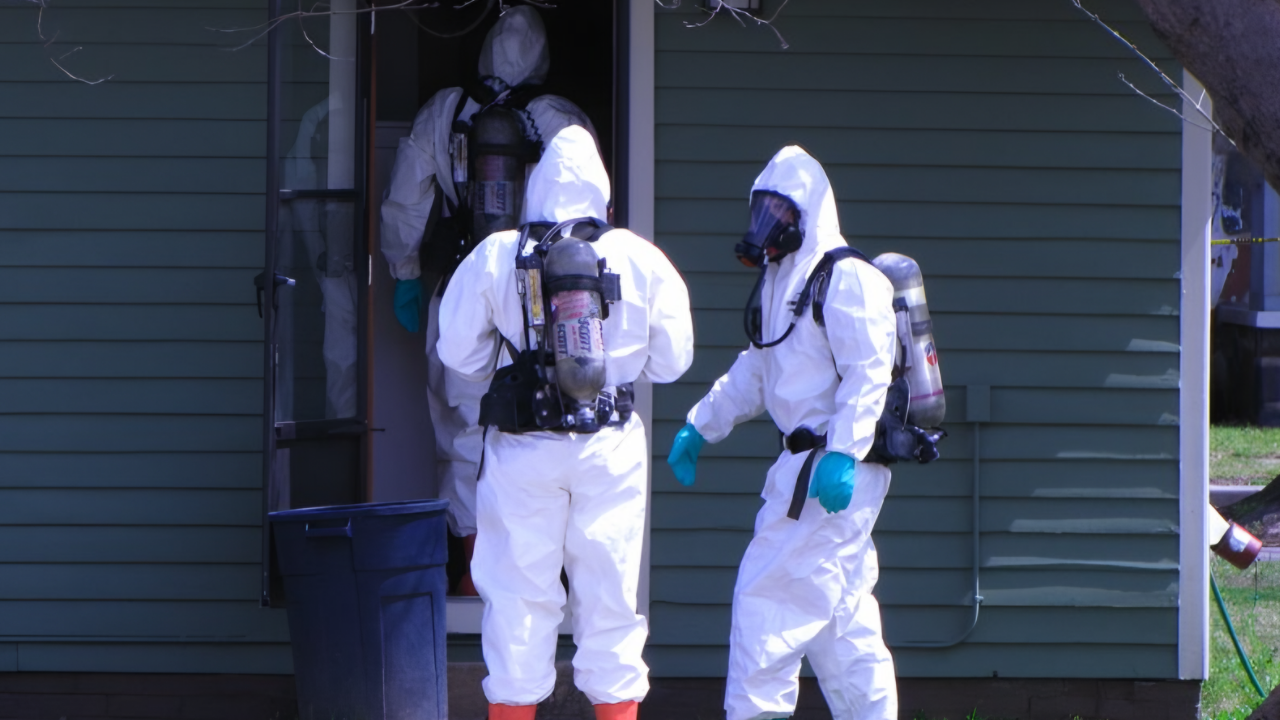
In response to the outbreak, the Southwest Mosquito Abatement District has launched intensive public health campaigns, distributing pamphlets and conducting neighborhood inspections.
Residents are urged to eliminate standing water and clear outdoor clutter, with emergency services available for severe infestations. The seven-month mosquito season demands ongoing community cooperation.
Aedes aegypti is recognized as one of the world’s most dangerous mosquito species, capable of transmitting dengue, Zika, yellow fever, chikungunya, and West Nile virus. While no local disease transmission has been reported in Washington County, the risk is elevated.
Utah recorded its first West Nile virus case of 2025 in Salt Lake County, resulting in hospitalization. Vector-borne diseases pose serious threats, especially to individuals over 50, with potential for long-term neurological complications or death.
Environmental Debate and Future Outlook
The mosquito crisis has sparked debate over the use of chemical control methods versus environmental preservation. While foggers and sprays offer immediate relief, concerns persist about their impact on native pollinators and aquatic ecosystems.
Integrated Pest Management (IPM), which combines biological, physical, and chemical strategies, is gaining increasing support. Emerging alternatives include biodegradable larvicides and genetically modified mosquitoes.
Climate projections indicate that Aedes aegypti will continue to expand its range across North America, with 91% of the continent’s population expected to live in suitable habitats by 2100.
Utah officials acknowledge that permanent mosquito populations are likely, fundamentally altering the state’s public health landscape.
As biotech firms develop AI-powered traps and genetically modified solutions, the region faces a new normal—one defined by ongoing adaptation, vigilance, and innovation in the face of climate-driven change.