Minnesota’s welfare programs, meant to aid vulnerable residents, became conduits for an estimated $9 billion in fraud from 2018 to 2025 across 14 Medicaid initiatives. First Assistant U.S. Attorney Joe Thompson estimates that half or more of the $18 billion disbursed in these high-risk programs was stolen—a figure disputed by Governor Tim Walz as unsubstantiated—leading to 98 federal charges against executives, administrators, and providers. What began as standard audits has ballooned into one of the state’s largest criminal probes, exposing systemic failures in oversight.
Pandemic Feeding Fraud Exposed

The COVID-19 school closures triggered a surge in federal child nutrition funds. Feeding Our Future, a program for low-income children, grew from $3.4 million in 2019 to $200 million in 2021. Auditors overlooked warning signs like invented meal counts, nonexistent sites, and lavish spending. The network claimed delivery of 91 million phantom meals, with nonprofit founder Aimee Bock at the center of the scheme. Prosecutors labeled it the biggest U.S. pandemic fraud case, with $250 million stolen and between $60 million and $75 million recovered.
Housing Program’s Rapid Demise

Parallel theft struck the Housing Stabilization Services, which started at $2.6 million in 2020 and hit $104 million yearly by 2024—a 4,000% increase. Thirteen people faced charges for fake claims on undelivered homeless services. State officials halted the program entirely on October 31, 2025, citing widespread fraud. These cases revealed a broader pattern in under-monitored, federally backed efforts targeting vulnerable groups, including Medicaid autism services and personal care assistance, where parents received $300 to $1,500 monthly kickbacks per child for enrolling kids in unprovided therapies.
Somalia Money Trail Uncovered

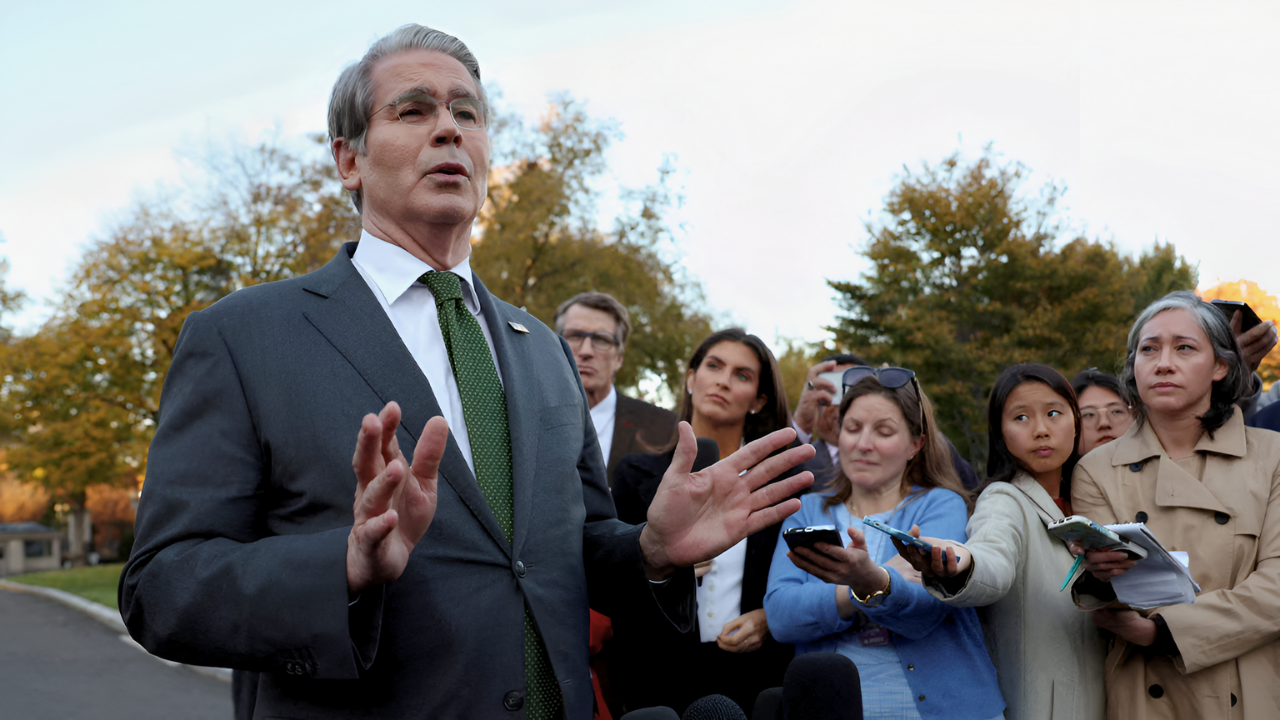
Treasury Secretary Scott Bessent revealed on January 8, 2026, that millions in pilfered funds allegedly reached Somalia via hawala networks—informal transfer systems evading banks. In public statements, Bessent stressed the money was for American families, not Mogadishu or terror groups. Treasury is investigating allegations that portions may have reached Al-Shabaab, the group responsible for American deaths in East Africa. Minneapolis, with its large Somali-American population, emerged as a laundering hub. Reports suggest $20 million yearly moved through certain networks, though key sourcing on Minnesota-specific hawala flows has faced scrutiny. Of 98 charged across all Minnesota fraud programs, 85 were of Somali descent, per Attorney General Pam Bondi; Feeding Our Future saw 78 indictments.
Federal Crackdown Intensifies

Treasury deployed agents in Minnesota, with FinCEN issuing a January 8, 2026, Geographic Targeting Order for Hennepin and Ramsey Counties, mandating reports on outbound transactions over $3,000. Four money operators got investigation notices, plus IRS referrals. A new 1% federal excise tax on all U.S. remittances, effective January 1 under the “One Big Beautiful Bill Act,” aims to curb illicit flows, projected to raise $10 billion over a decade despite diaspora concerns over family support burdens.
Political Fallout and Path Ahead
Governor Tim Walz ended his reelection bid on January 5, 2026, amid accusations his team ignored warnings and retaliated against whistleblowers, including firings and punitive transfers. Attorney General Keith Ellison faced criticism at congressional hearings over the administration’s response to fraud warnings. By January 2026, 62 convictions occurred; over 50 Feeding Our Future defendants pleaded guilty, five to seven were convicted at trial. Bock forfeited $5.2 million, including a Porsche and luxury items; a $120,000 juror bribe attempt underscored the desperation. Lawmakers divided: some blamed cultural oversights and political favoritism toward constituencies, others decried risks of broad stigma.
This scandal prompts scrutiny of undetected theft over nearly a decade, with funds fueling luxuries, foreign property, and alleged terror financing. Prosecutions extend into 2027, but recovery lags—highlighting needs for real-time safeguards amid welfare and remittance policy debates. Stronger systems could prevent repeats, though informal networks challenge enforcement, leaving billions irretrievable and taxpayers bearing the cost.
Sources:
U.S. Treasury – Secretary Bessent Announces Initiatives to Combat Fraud in Minnesota
House Oversight Committee – Hearing Wrap-Up: Minnesota Governor Walz and Attorney General Ellison Ignored Rampant Taxpayer Fraud
FOX 9 Minnesota – Federal prosecutors: Minnesota fraud crisis could top $9B
City Journal – Minnesota Welfare Fraud: Some Funds Went to Al-Shabaab
AM 1100 The Flag – First on Flag Family: Treasury Sec. Bessent talks MN fraud, early tax season, agriculture
CBS News Minnesota – Everything we know about Minnesota’s massive fraud schemes