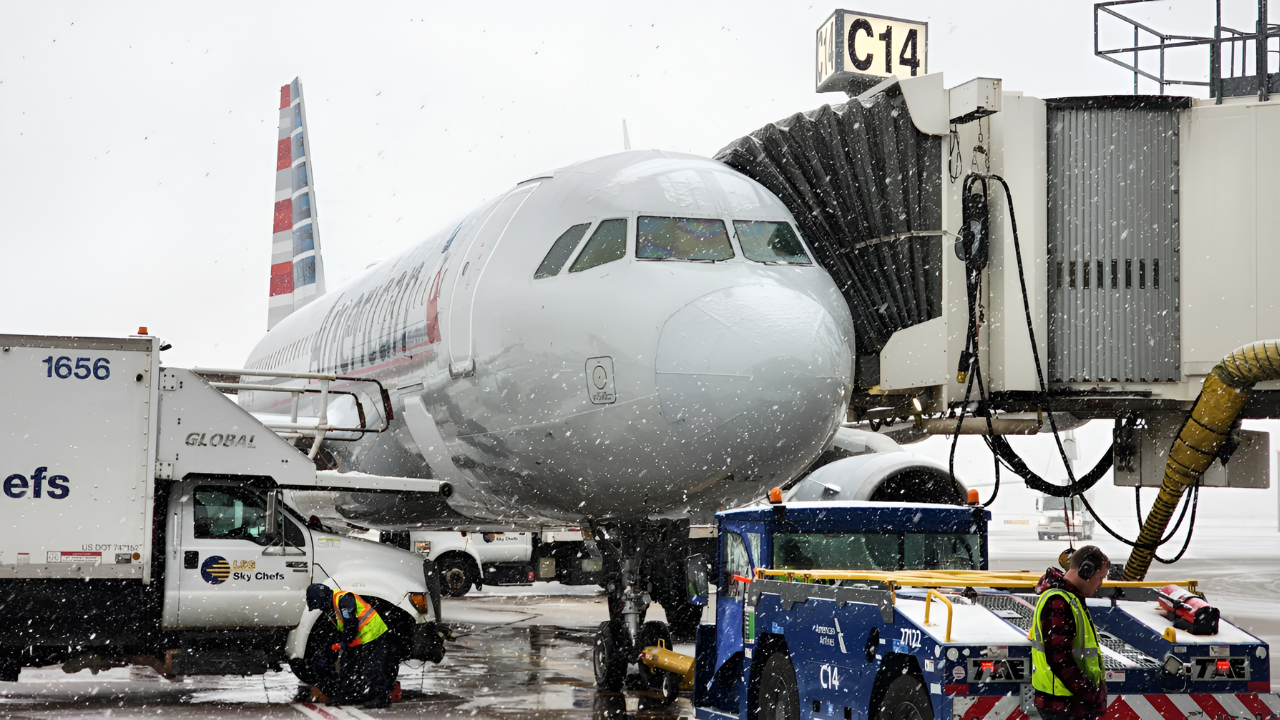
Bomb Cyclone Ezra turned what was supposed to be a busy but joyful holiday travel week into a nationwide nightmare. Spanning over 20 states, the storm triggered over 9,000 flight disruptions by New Year’s Eve. Winds roared past 110 mph in some areas as snowstorms collided with record cold.
In St. Louis, temperatures plunged dramatically in one day. Over Lake Erie, the storm’s wrath even shifted the lake’s water level by seven feet. This was the holiday freeze that no one expected and holiday plans quickly froze over.
A Holiday Nightmare Begins
Winter Storm Ezra hit when airports were already overcrowded and flight schedules full. Within days, more than 9,000 flights were delayed and 850 canceled across the country. Families were stranded from Detroit to Boston, sleeping on airport floors or in long hotel lines.
“It was chaos,” recalled traveler Melissa Ortiz, whose flight to Chicago was canceled twice. Meteorologists warned that the storm’s rapid intensification would ripple into early January, leaving airlines scrambling to recover.
The Science Behind a “Bomb Cyclone”
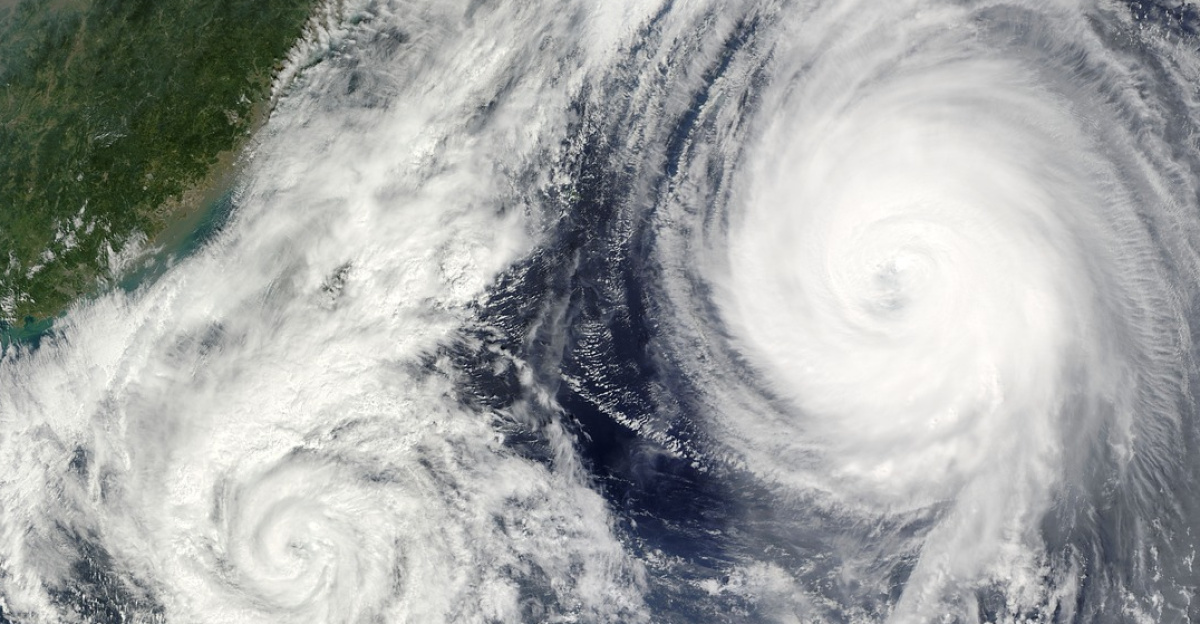
Ezra earned its name when its air pressure plunged more than 24 millibars in just 24 hours, a defining characteristic of a bomb cyclone. This steep pressure drop increased wind speed and created a powerful pressure gradient, unleashing hurricane-force gusts and blinding snow squalls.
“It’s like a storm on steroids,” explained meteorologist Jim Cantore of The Weather Channel. The collision of cold Arctic air and warm southern moisture made Ezra an explosive event spanning half the nation.
Millions Under Storm Warnings
At one point, 40 million Americans were under winter storm or blizzard alerts. As Ezra grew stronger, 114 million people, nearly one in three Americans, were placed under high-wind warnings.
Trees snapped, power lines fell, and major highways turned perilous. The National Weather Service called it “a system of exceptional reach and power,” as wind alerts blanketed much of the eastern U.S.
Two Dozen States Covered in Snow and Ice
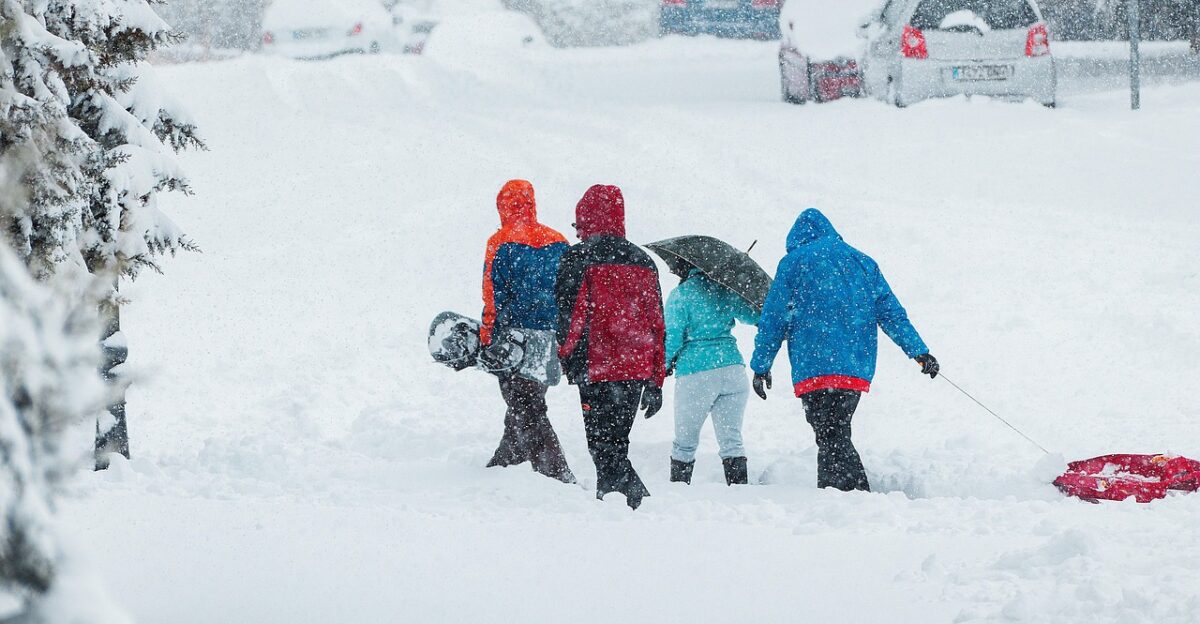
Ezra’s snowfall totals stunned forecasters. Michigan’s Mt. Arvon recorded nearly 28 inches, while parts of Wisconsin and New York saw drifts topping 20 inches. Over 20 states were placed under winter storm or blizzard warnings.
In the Great Lakes region, forecasters expected up to four feet of lake-effect snow. The Midwest holiday corridor quickly became impassable, leaving truckers and travelers stranded.
Whiteouts and Dangerous Roads
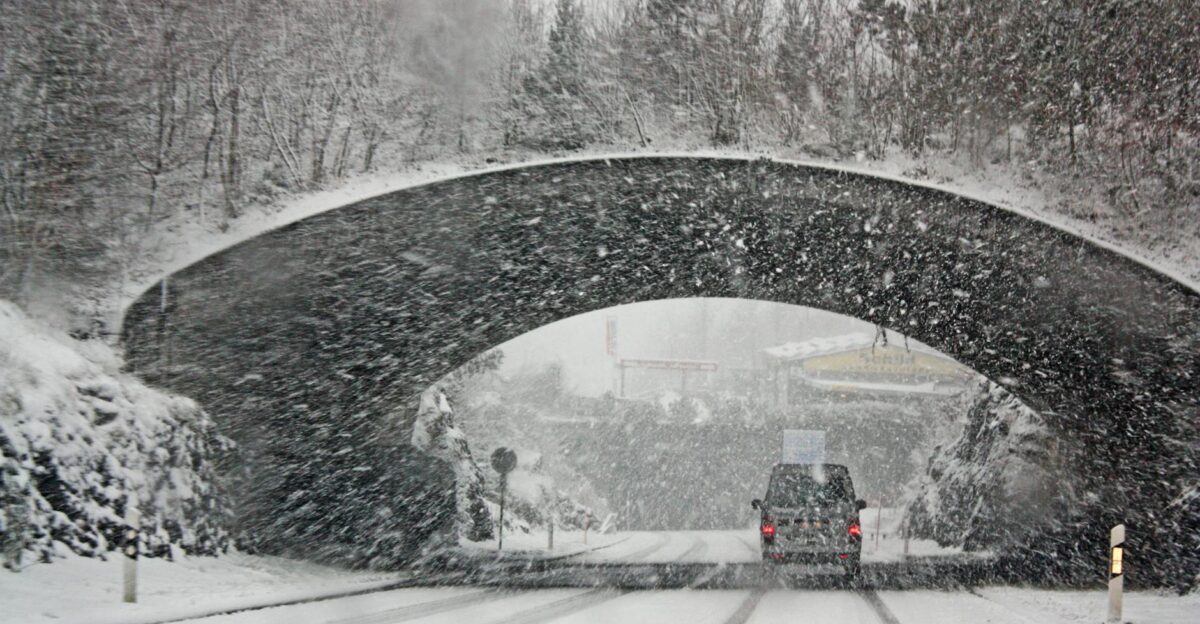
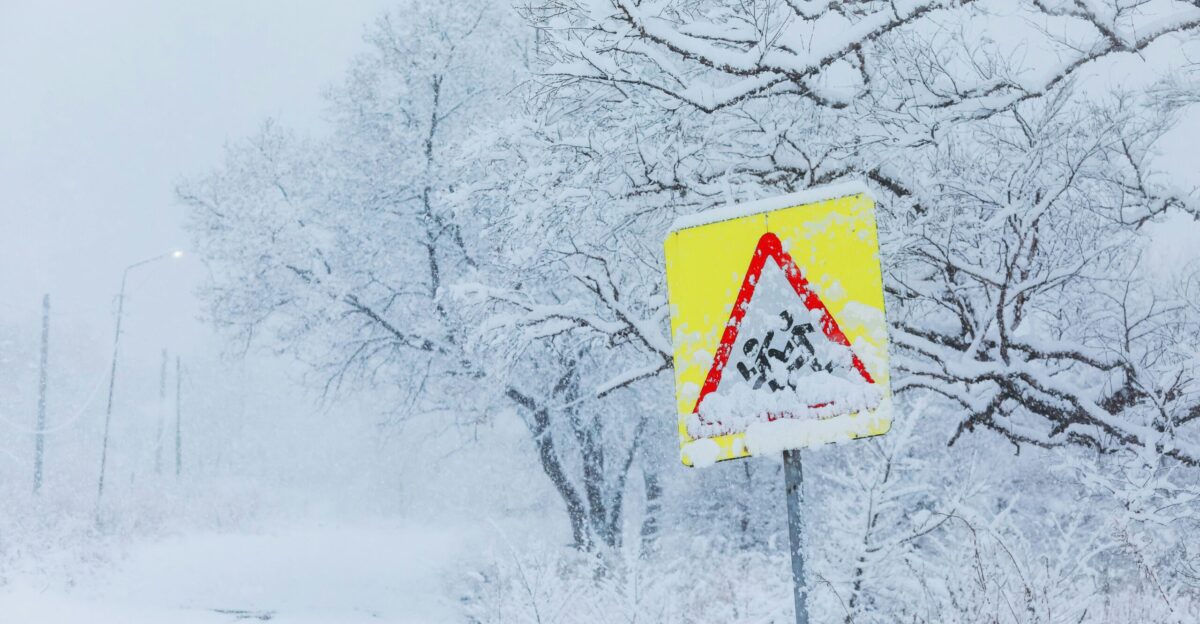
At Ezra’s peak, snowfall hit three inches an hour, enough to turn clear roads into total whiteouts within minutes. Drivers reported going from hazy visibility to pitch white between one overpass and the next.
“You couldn’t see the hood of your own car,” said Ohio resident David Latham. Police across multiple states responded to hundreds of crashes as travel conditions turned from risky to deadly.
Winds Like Hurricanes

Buffalo’s airport recorded a 79 mph gust, barely below its all-time record. On Mount Washington in New Hampshire, the wind topped 116 mph. Those powerful gusts toppled trees, cut power, and churned waves along shorelines.
The National Weather Service compared the inland winds to those typical of mid-Atlantic hurricanes, a rare occurrence in winter conditions.
Power Outages in Freezing Cold
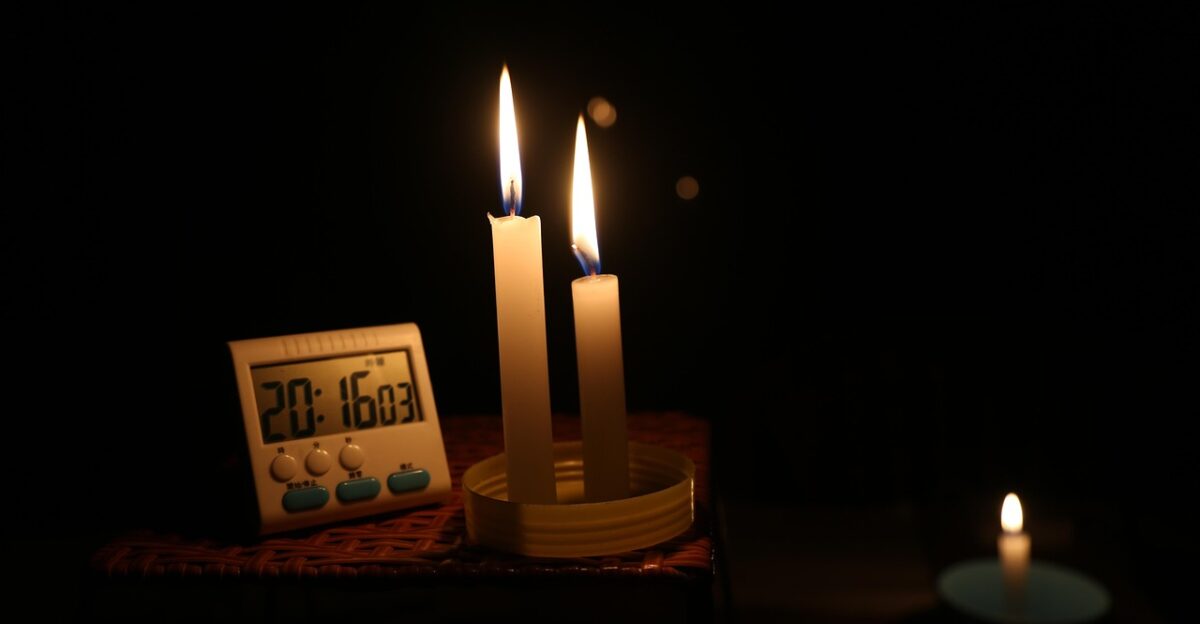
More than 300,000 homes lost electricity at the storm’s peak, leaving nearly a million people vulnerable to freezing temperatures. By Monday night, about 200,000 households were still without power in New York, Pennsylvania, and the Great Lakes region.
“When the lights went out, so did our heat,” said Erie resident Thomas McBride. Utility workers raced against subzero wind chills to restore service and clear downed lines.
Tornadoes and Tragedy
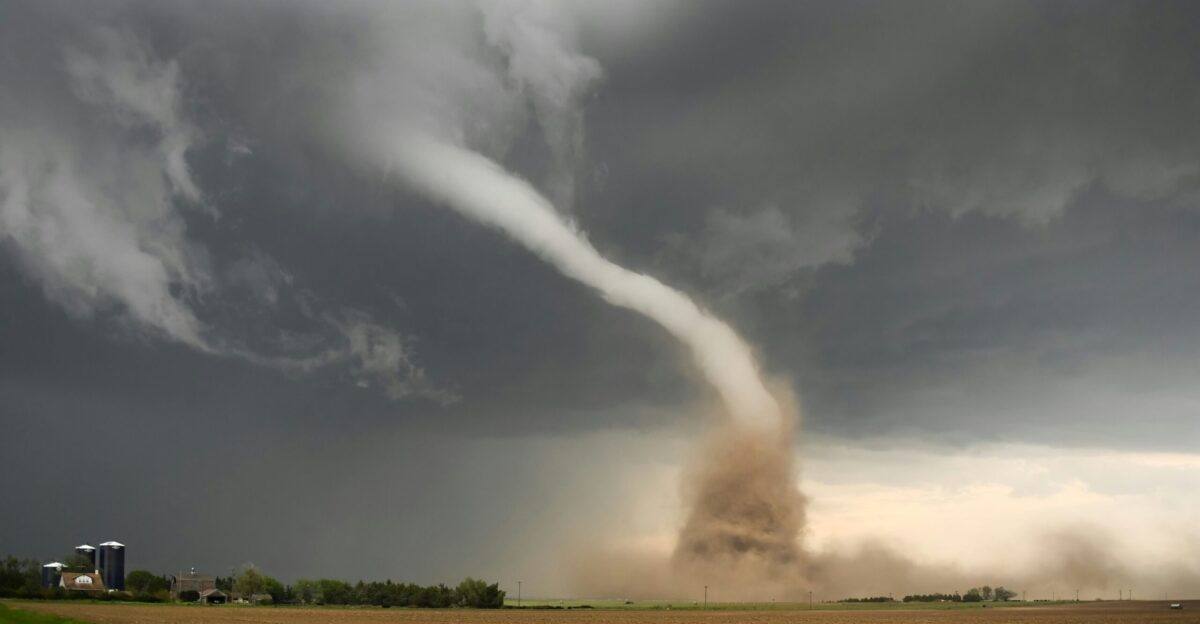
Ezra wasn’t just snow, it spun off tornadoes in its warm southern sector. Survey teams confirmed at least six twisters, some rated EF1, across Illinois and Indiana. Three deaths were reported, including one skier struck by a falling tree. “A single storm producing blizzards and tornadoes is extremely rare,” noted NOAA meteorologist Laura Gilkey.
Record-Breaking Temperature Drop
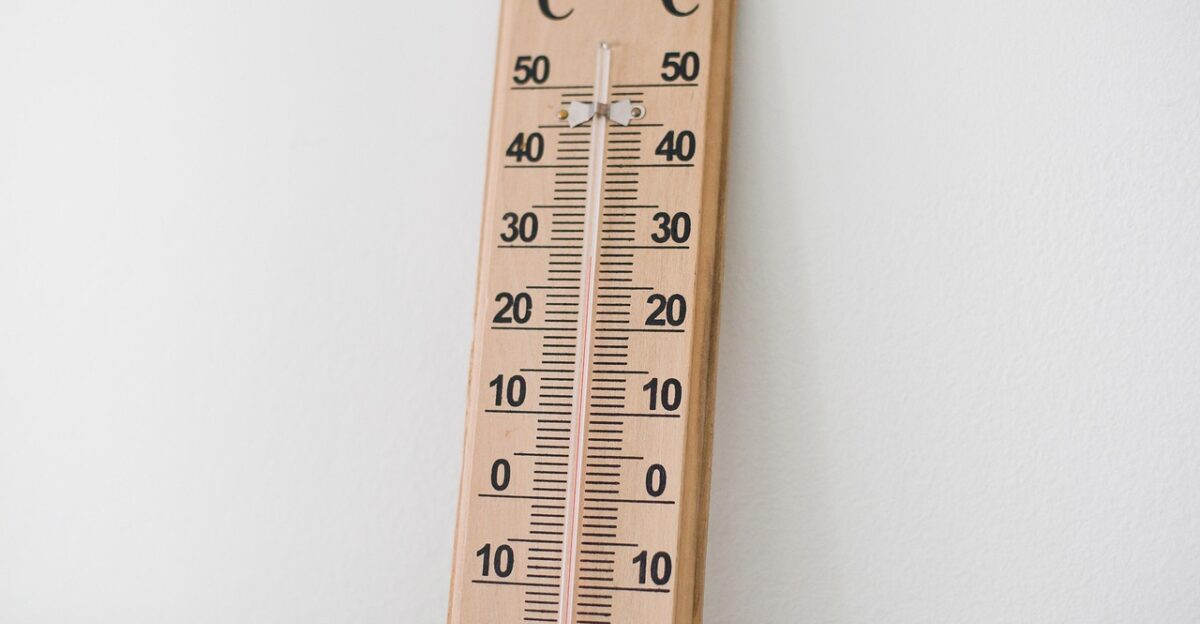
In St. Louis, temperatures soared to 78°F, the city’s warmest December on record before plunging over 50 degrees into the 20s overnight. That shift shattered local records. Elsewhere across the Midwest, similar temperature whiplash left residents stunned. “It felt like summer in the morning and Antarctica at night,” said one Missouri teacher.
Ice Storm Hits the Northeast
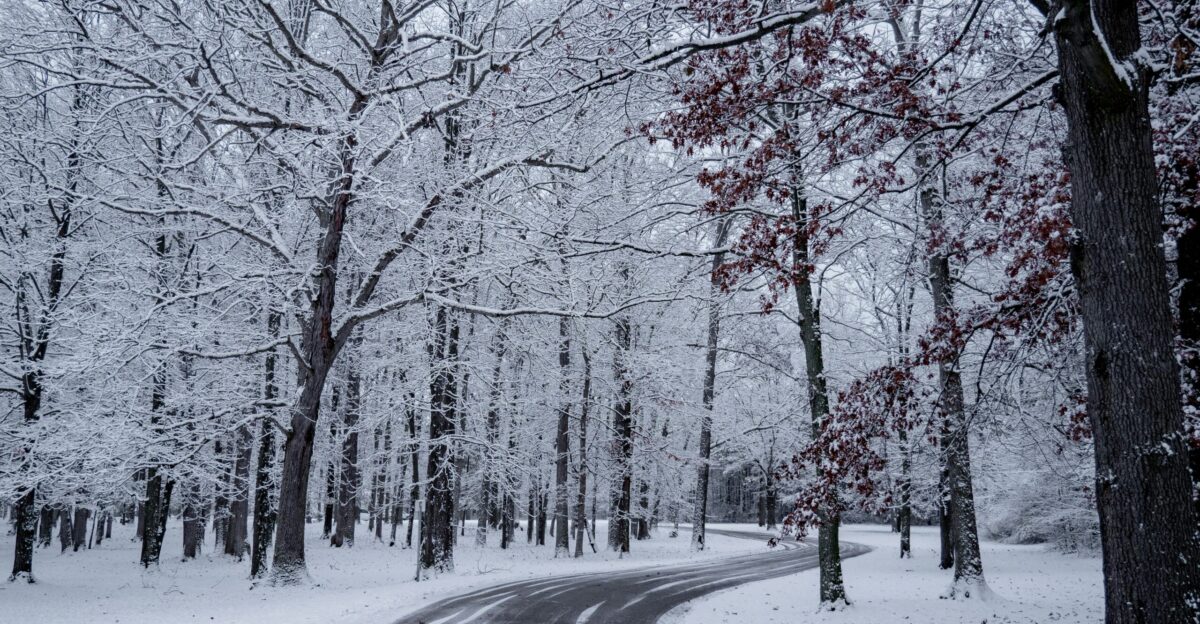
While the Midwest froze under snow, the Northeast battled dangerous ice. A thick glaze up to one inch coated trees and power lines from the Appalachians to New England. Roads turned into skating rinks. “An inch of ice can weigh branches down like a ton of bricks,” explained AccuWeather meteorologist Bernie Rayno. Emergency responders had to use tire chains to navigate frozen backroads.
Airports Grind to a Halt
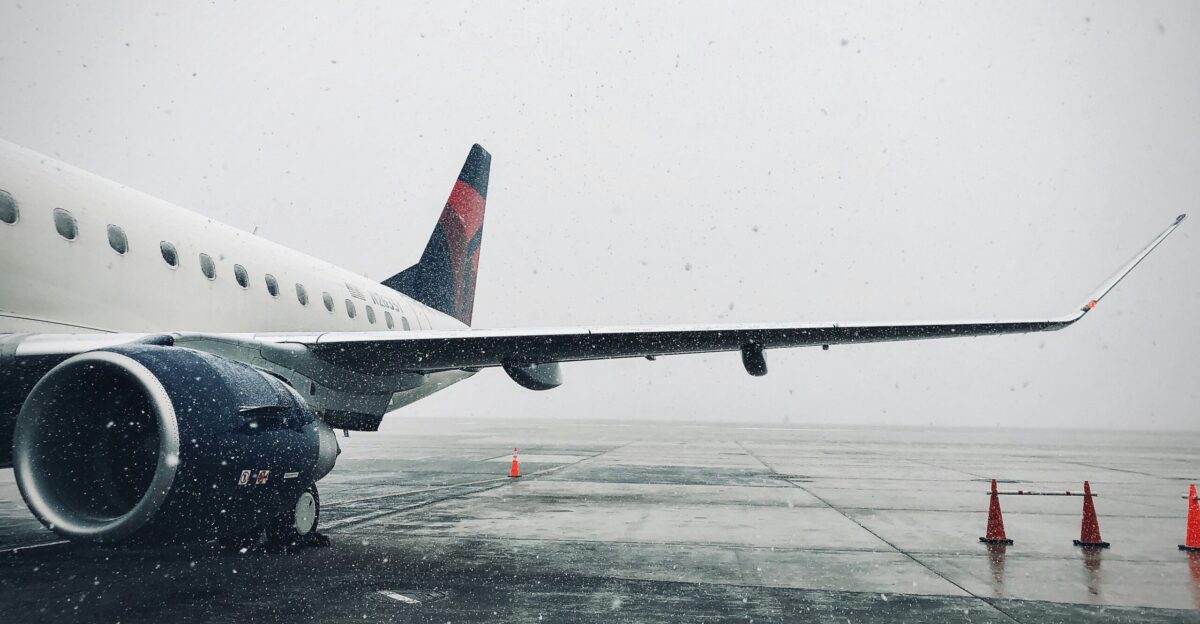
Airports across the Midwest and East Coast descended into chaos. De-icing delays and crew shortages prompted thousands of cancellations at major hubs like Detroit, Newark, and Boston Logan. Nearly 2 million travelers were affected nationwide.
Despite waived change fees, stranded passengers faced long waits and lost luggage. “I’ve never seen anything like this in 20 years of flying,” said Delta pilot Stephanie White.
Highway Disasters
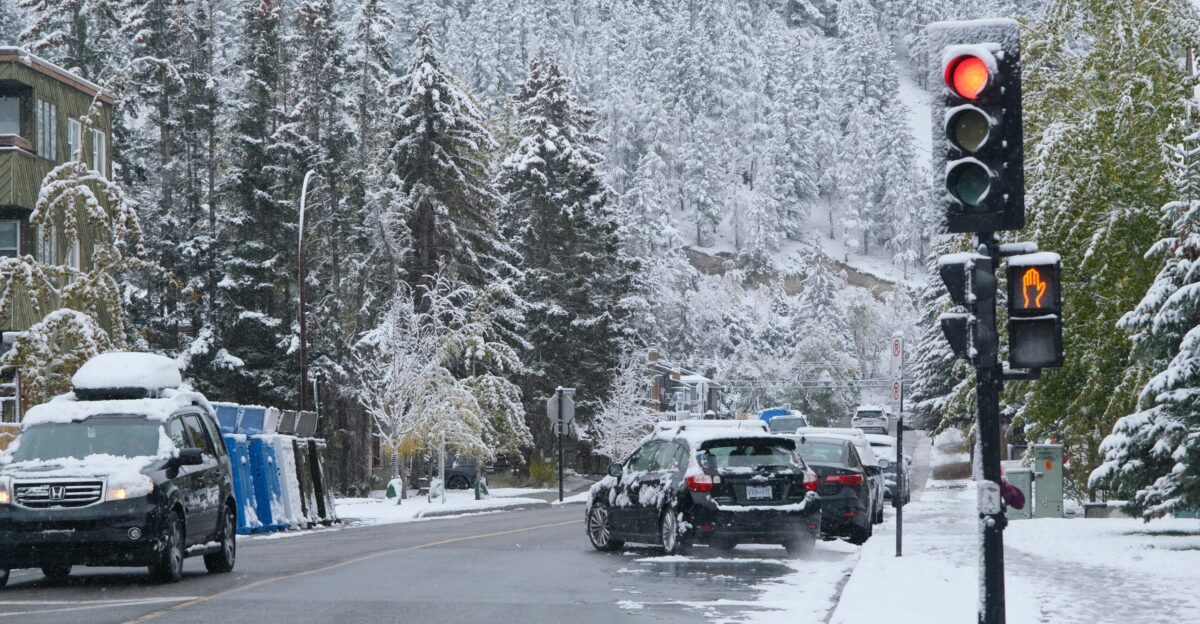
Road travel fared no better. Chain-reaction crashes shut down interstates including I-75 in Michigan, I-35 in Iowa, and I-80 in Pennsylvania. Minnesota troopers responded to hundreds of incidents in a single day. Authorities begged people to stay off the roads as tow trucks and first responders worked nonstop.
Lake Erie’s “Sloshing” Shockwave
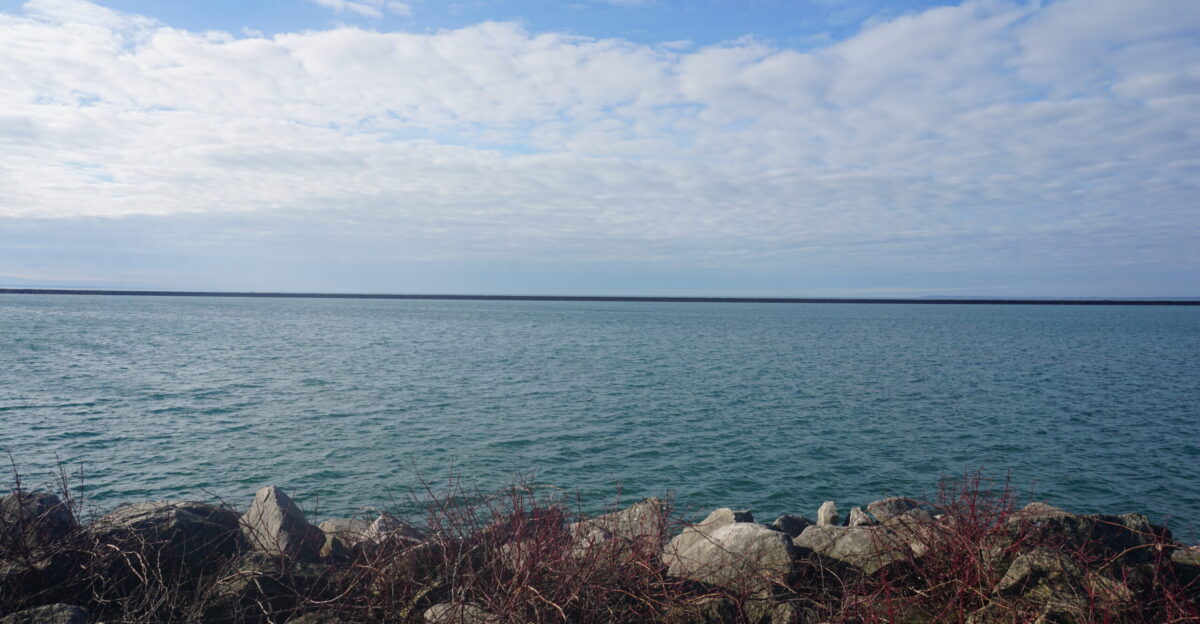
Fierce west-to-east winds across Lake Erie displaced massive volumes of water, producing a rare “seiche”, a rocking of the lake. Water levels dropped over six feet near Toledo and rose the same near Buffalo, a nearly 13-foot swing that exposed parts of the lakebed and even sunken shipwrecks. The National Weather Service called the seiche “one of the most dramatic in decades.”
Counting the Cost

Experts estimate Ezra’s total damage between $50 and $100 million, factoring in property loss, power disruptions, and canceled business operations. But the emotional toll was greater, missed family gatherings, canceled surgeries, and isolated communities. “You can rebuild houses, but not holidays,” said Chicago nurse Angela Lopez, who spent Christmas stranded in an airport terminal.
Officials Urge: Stay Home, Stay Safe

Governors across several states pleaded with residents to avoid travel. New York Governor Kathy Hochul said, “If you’re in an impacted area, please avoid all unnecessary travel and follow local direction.” The storm’s reach, size, and ferocity left parts of America frozen and cut off, reminding everyone how even in an age of constant movement, nature still writes its own schedule.
Sources:
Reuters, Winter Storm Ezra snarls US travel as meteorologists warn of ‘bomb cyclone’, 2025-12-28
Weather.com, Winter Storm Ezra Triggers Seiche on Lake Erie, 2025-12-30
USA Today, Lake Erie’s floor exposed in ‘seiche’ caused by strong wind, 2025-12-29
Yahoo News, Officials raise alarm after documenting record-shattering warmth and whiplash cold in St. Louis, 2025-12-30
Final Call, Bomb cyclone strikes the Northeast and Midwest, 2026-01-05