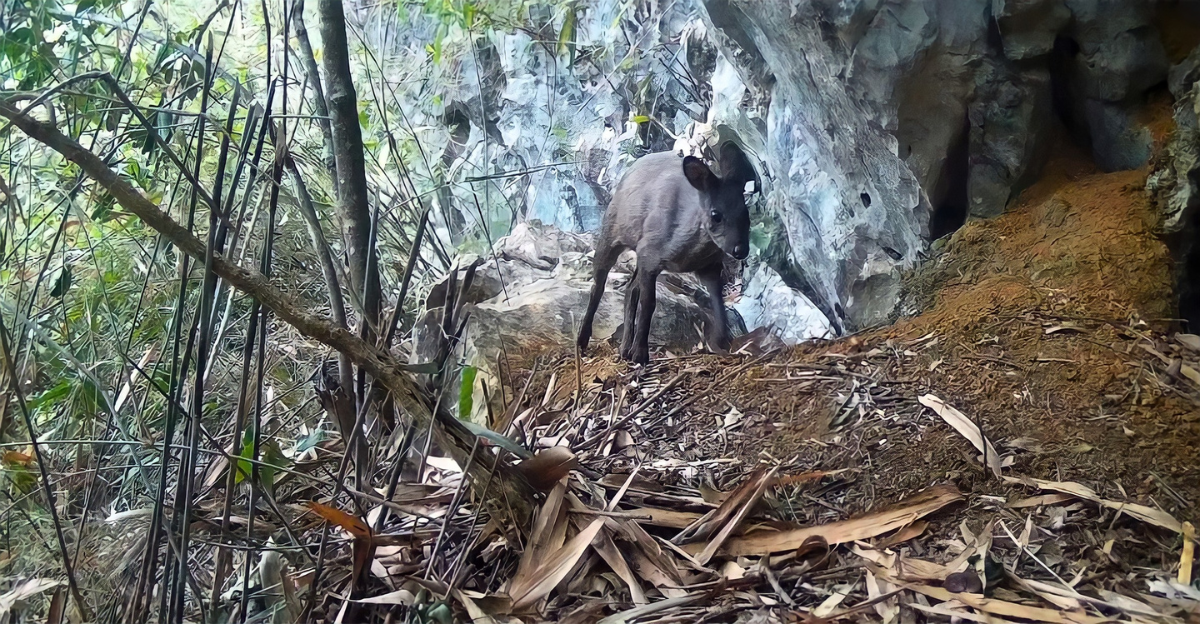
Specialized cameras designed to capture images of animals when they move into the frame are increasingly being utilized for wildlife research. These cameras operate independently, enabling scientists to observe animals in their natural environments without human interference.
They are particularly valuable in remote forest regions that may pose safety risks for researchers who would otherwise need to visit these areas frequently.
Wildlife Threats
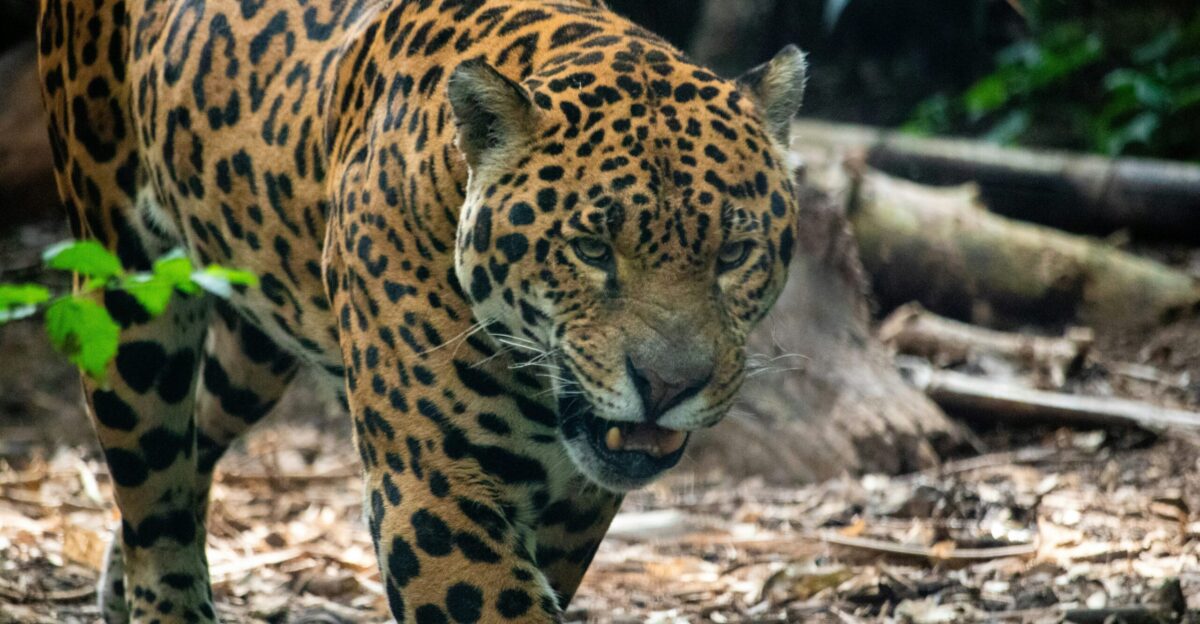
Wild animals are encountering significant challenges due to habitat loss and various human activities. Many forest regions suffer from inadequate scientific monitoring, which hampers our understanding of changes in animal populations.
To make informed conservation decisions, scientists require more comprehensive information about endangered species.
Protection Laws
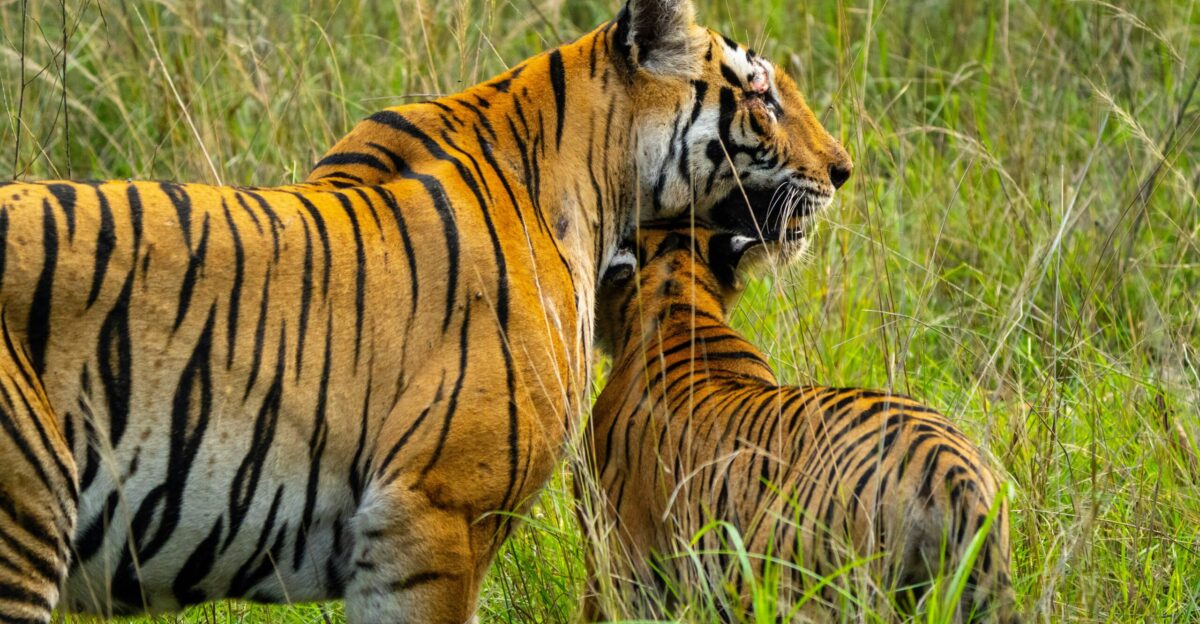
India has implemented a range of wildlife protection laws aimed at preventing the extinction of endangered species. To safeguard crucial animal habitats, the government has created national parks and tiger reserves.
These legal measures make it unlawful to hunt or harm protected species. Additionally, conservation programs are dedicated to preserving forest areas, ensuring that endangered animals have safe environments in which to thrive.
Research Needs
Many important wildlife areas don’t get enough scientific monitoring, which makes it hard to understand how animal populations are changing. Researchers often find it challenging to gather accurate information about rare species that live in remote forest areas.
By improving surveillance systems, we could collect crucial data that helps in planning and making decisions for conservation efforts. Currently, the lack of scientific information makes it tough to know how well conservation efforts are working.
Keonjhar Results
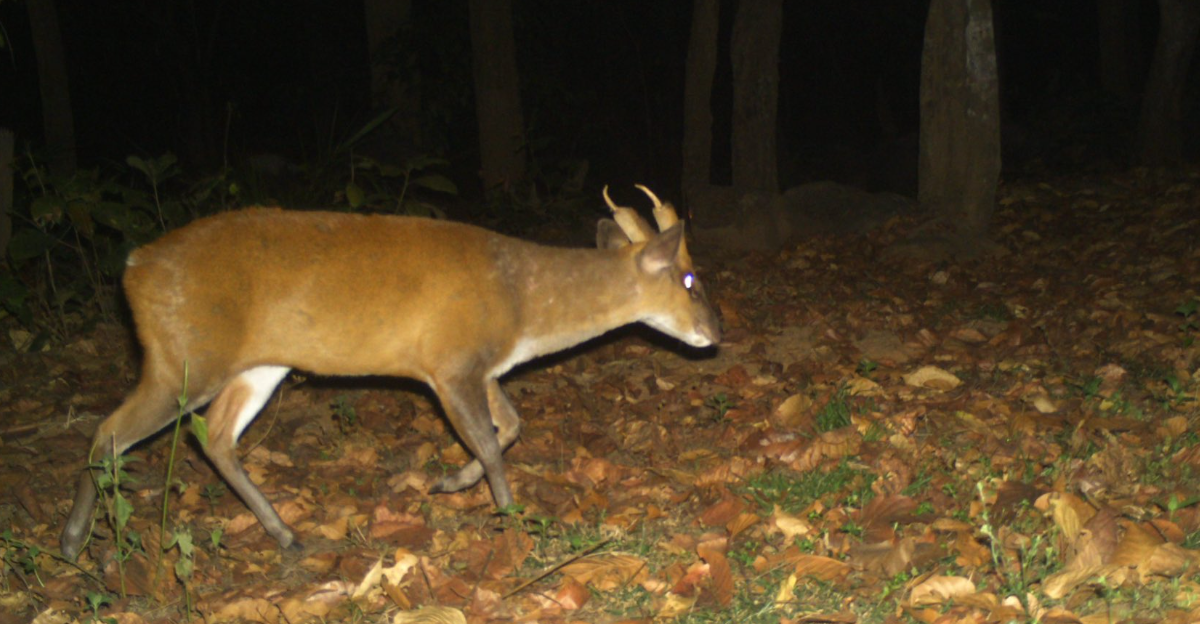
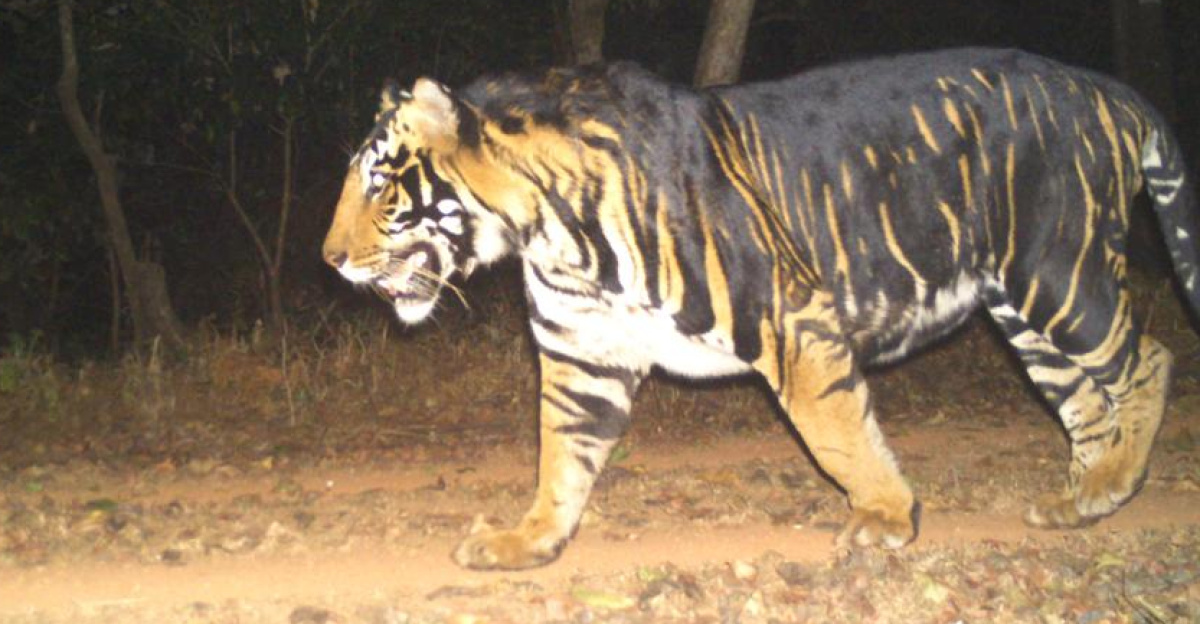
Cameras were set up to detect movement in the forests of Keonjhar, Odisha, and they took pictures of rare animals over three years. They captured images of unique black tigers, four-horned antelopes, sloth bears, and pangolins.
H.D. Dhanaraj, the District Forest Officer, confirmed these discoveries from the camera footage. The cameras were placed in protected areas known as Janghira, Kaliahata, and Atai.
Tiger Documentation
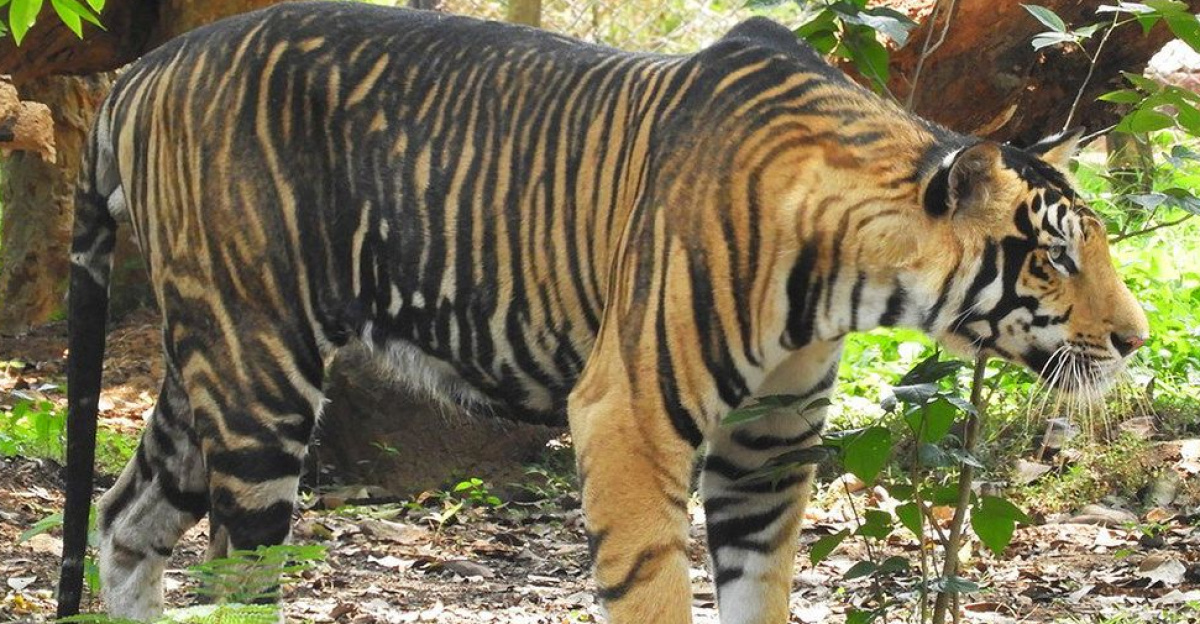
During their study, the cameras in Keonjhar spotted at least eight tigers with darker fur. These darker tigers, called melanistic tigers, have more pigment in their fur than regular tigers.
The cameras captured pictures of them in protected forest areas over three years. This evidence shows that tigers live in the Keonjhar region.
Official Statement
“These findings reinforce the effectiveness of conservation initiatives and the importance of sustained ecological protection,” District Forest Officer H.D. Dhanaraj stated about the camera results.
Forest department personnel check camera locations every 15 days for maintenance and data collection. The cameras help track wildlife movement and population health in the protected areas.
Multiple Species
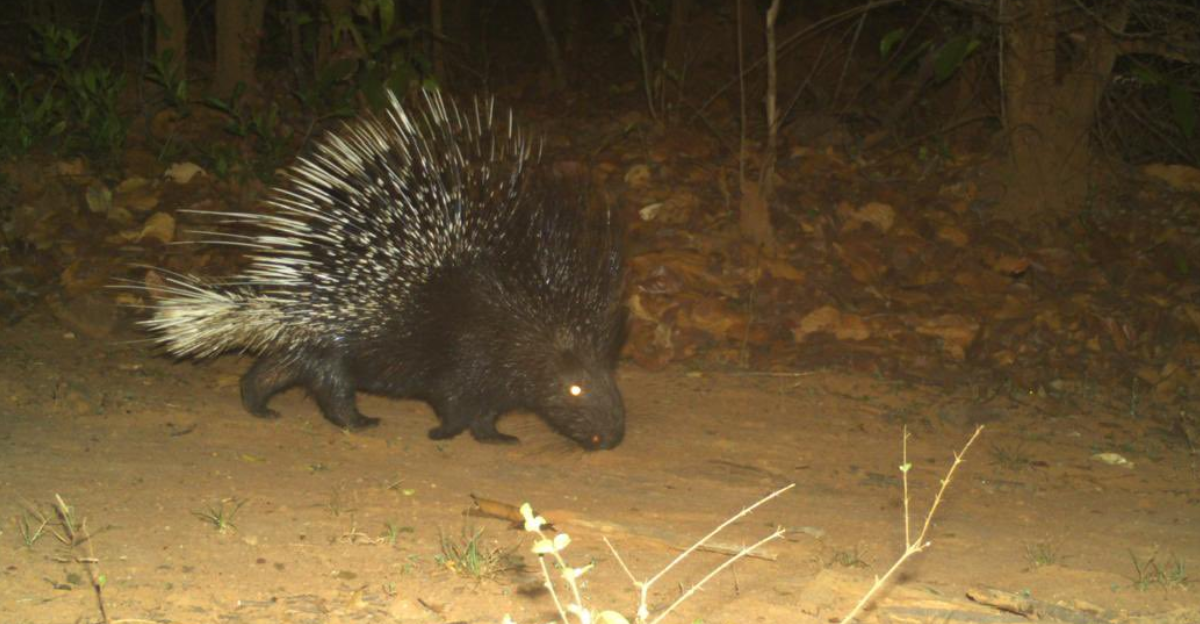
These photos were taken by special cameras that automatically snap pictures when they detect movement.
The cameras were set up to work continuously in three protected forest areas over a three-year period. During this time, they recorded various animals living in those forests.
Three Zones
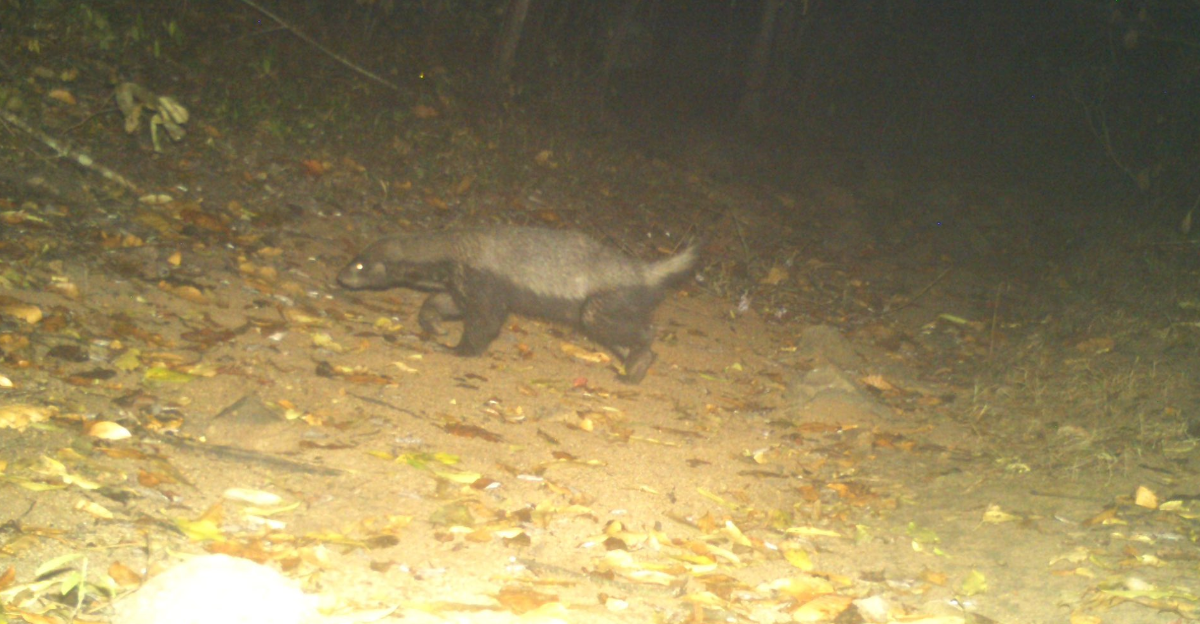
The camera monitoring happened in three special forest areas in Keonjhar district. According to the forest department, these areas are Janghira, Kaliahata, and Atai.
Cameras were set up in these spots to watch and track wildlife activity. Together, these three locations allowed for thorough monitoring of the animals in the region.
Monitoring Period
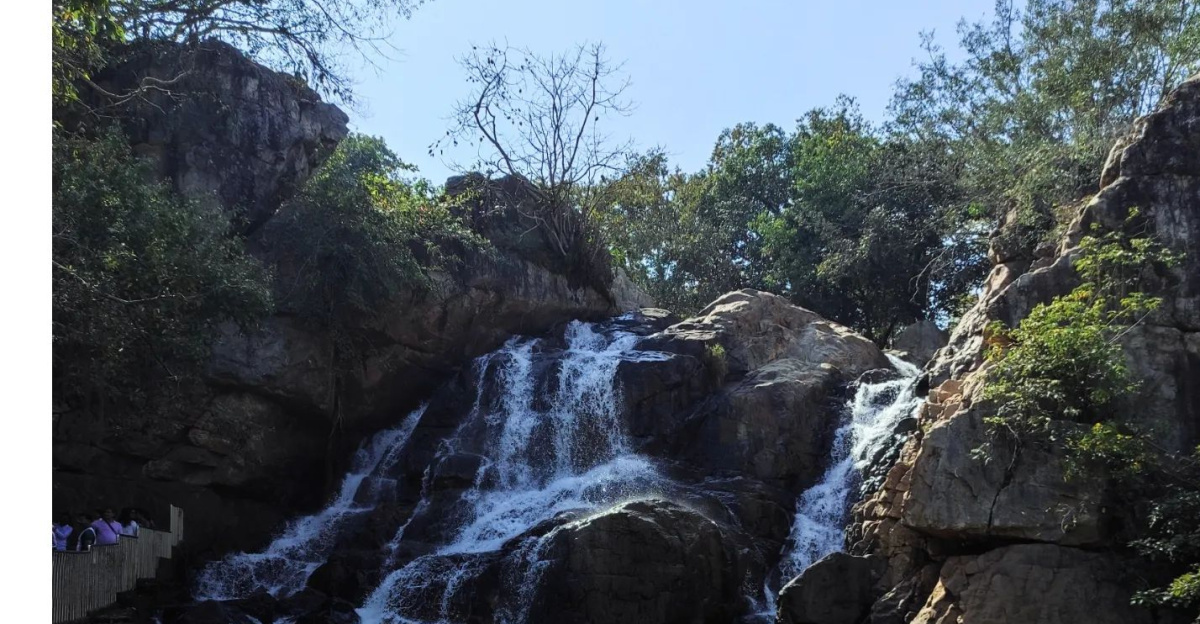
The wildlife surveillance project occurred in the Keonjhar forests for three straight years. During this time, cameras that detect movement were set up to automatically take pictures of animals.
Because the project lasted so long, researchers were able to gather a lot of photos showing different animals in the area. Having three years’ worth of data means they have a good amount of information to study and learn from.
Surveillance Schedule
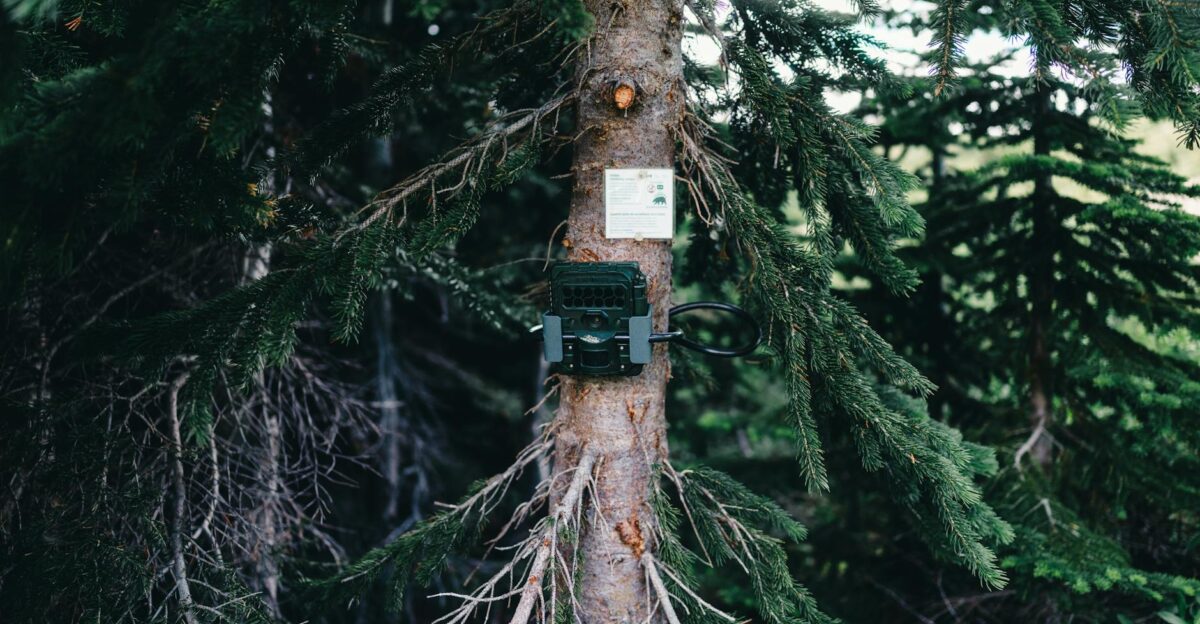
Forest department teams visit camera locations every 15 days to perform maintenance and collect photographs. This regular schedule ensures cameras remain functional and continue capturing wildlife data.
The surveillance checks provide systematic data collection throughout the monitoring period. Bi-weekly maintenance helps ensure consistent camera operation.
Camera Function
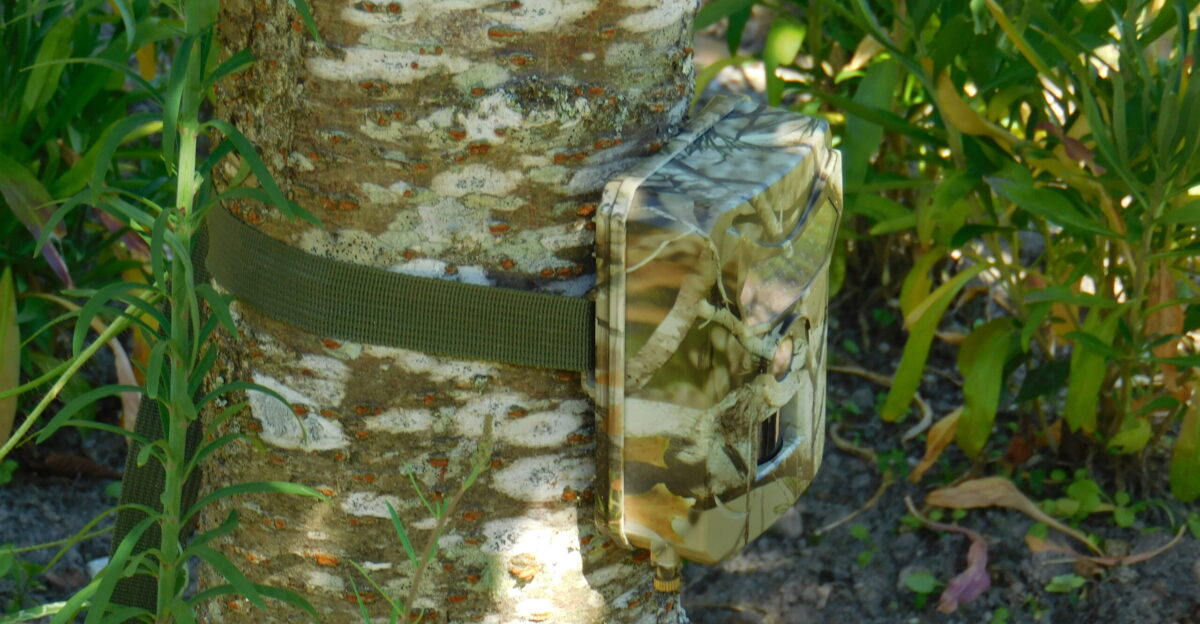
The cameras help officials track wildlife movement and population health in protected forest areas. Motion sensors activate the cameras when animals pass nearby, creating automatic photographic records.
The devices operate without human presence, which might disturb natural animal behavior. Camera placement allows regular monitoring of remote areas that are difficult to access.
Forest Officer Role
District Forest Officer H.D. Dhanaraj confirmed the camera trap findings and provided official statements about the results. The forest department oversees camera placement, maintenance, and data collection in the protected zones.
Official confirmation provides credibility and authority to the wildlife monitoring project. Forest department leadership supports the surveillance program.
Photographic Evidence
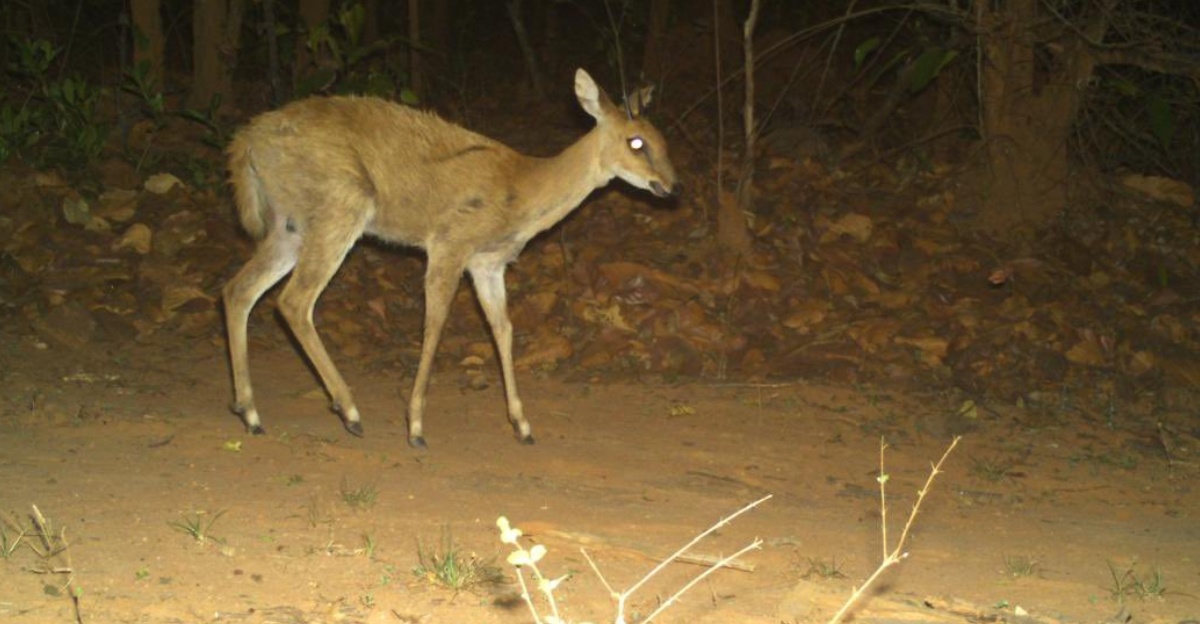
The camera traps photographed rare wildlife species in their natural habitat, providing visual proof of animal presence in the Keonjhar forest areas.
Photographic evidence offers more reliable documentation than observation reports alone. The pictures create permanent records for scientific analysis and conservation planning.
Technology Application
Motion-sensitive cameras represent one approach to wildlife monitoring in protected forest areas. The technology allows continuous surveillance without constant human presence in remote locations.
Camera traps can document nocturnal animals and rare species that are difficult to observe directly. This monitoring method provides systematic data collection over extended time periods.
Conservation Context
The Keonjhar camera project represents systematic wildlife monitoring in protected forest areas. Documentation of multiple rare species provides information about wildlife populations in these zones.
Forest protection efforts combine legal designation with active surveillance and management. Protected area status aims to prevent habitat destruction and species loss.
Data Collection
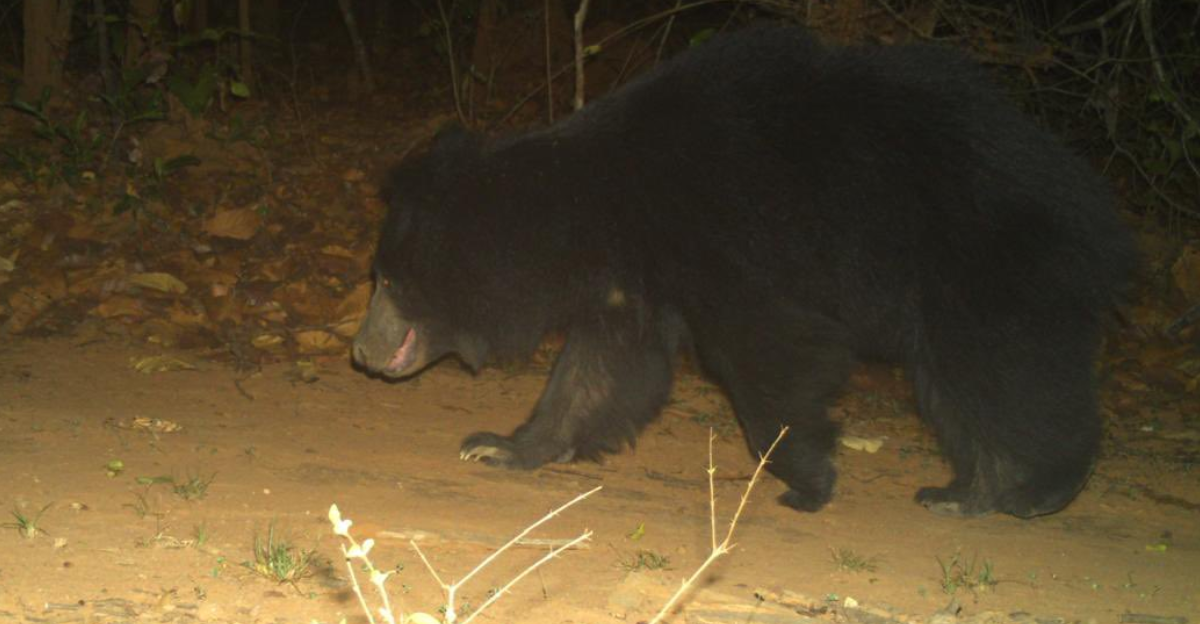
Three years of continuous camera monitoring generated substantial photographic data about wildlife in Keonjhar forests. Systematic surveillance provides information that can be analyzed to understand animal population patterns.
Regular data collection through automated cameras creates consistent monitoring records. Long-term studies offer more reliable information than short-term observations.
Species Status
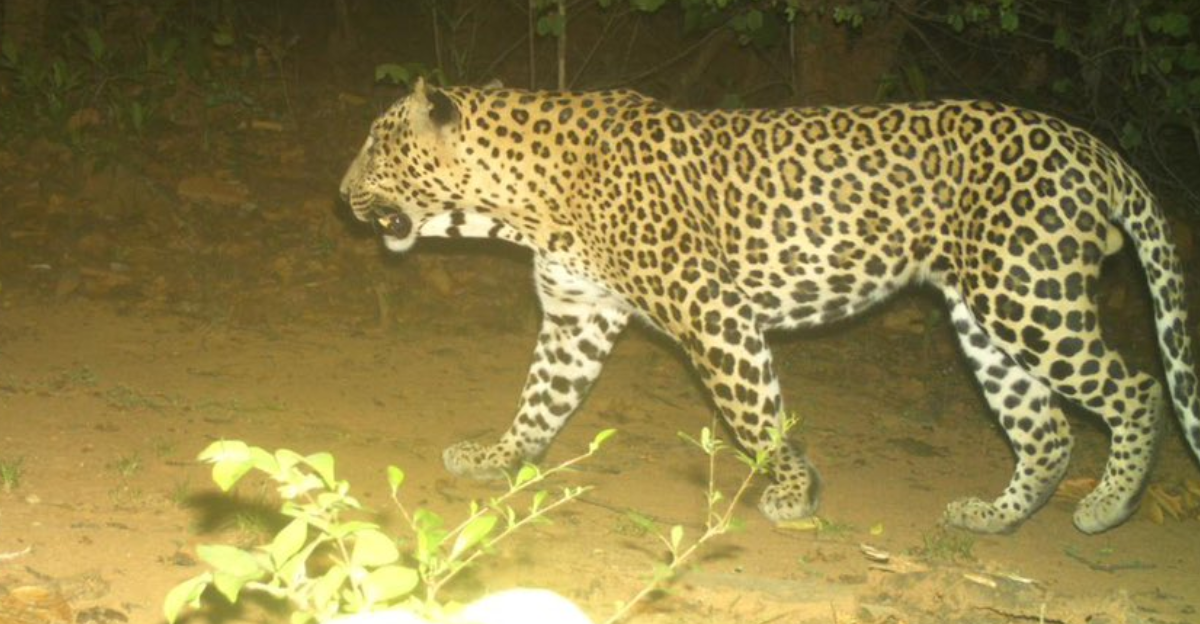
The four documented species – melanistic tigers, four-horned antelopes, sloth bears, and pangolins – are important for conservation. These animals receive protection under Indian wildlife laws designed to prevent extinction.
Legal protection aims to preserve rare species through habitat conservation and anti-poaching enforcement. Protected status makes harming these animals illegal.
Forest Protection

The three protected zones where cameras operate receive special management to preserve wildlife habitat. Janghira, Kaliahata, and Atai areas have been designated protected for conservation purposes.
Protected forest designation aims to maintain habitat conditions suitable for rare species survival. Conservation management includes surveillance, protection, and habitat maintenance activities.
Documentation Value
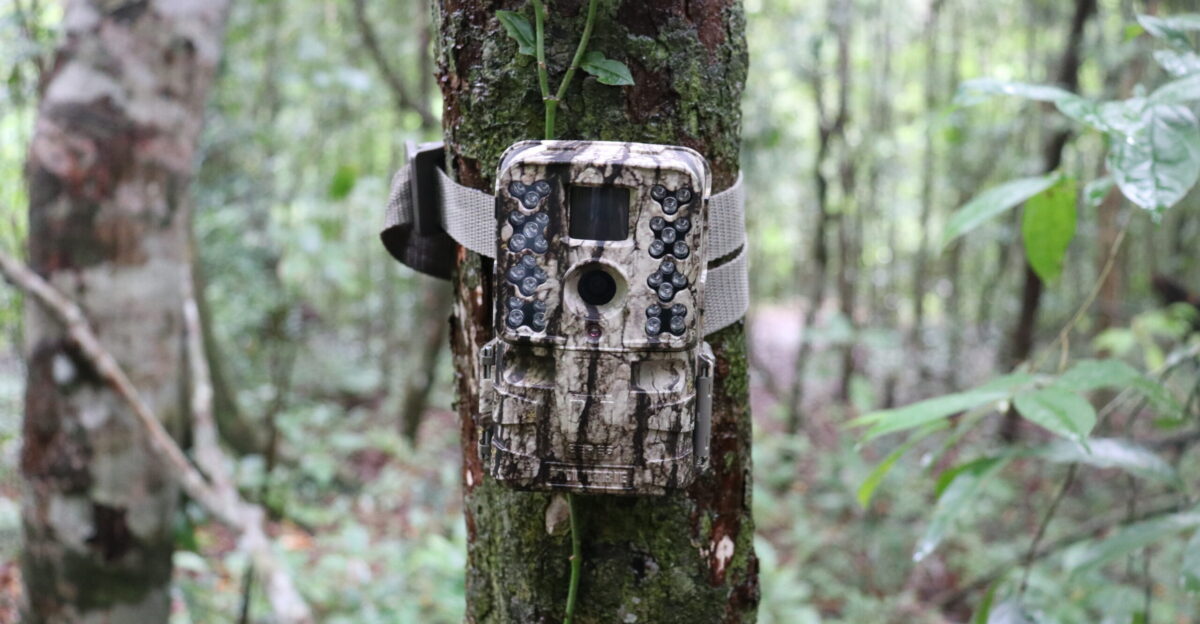
The Keonjhar camera project has documented rare wildlife species in protected forest areas. Photographic evidence from motion-activated cameras provides systematic records of animal populations.
This type of monitoring creates data that can inform conservation management decisions. Scientific documentation helps track wildlife populations in protected areas.