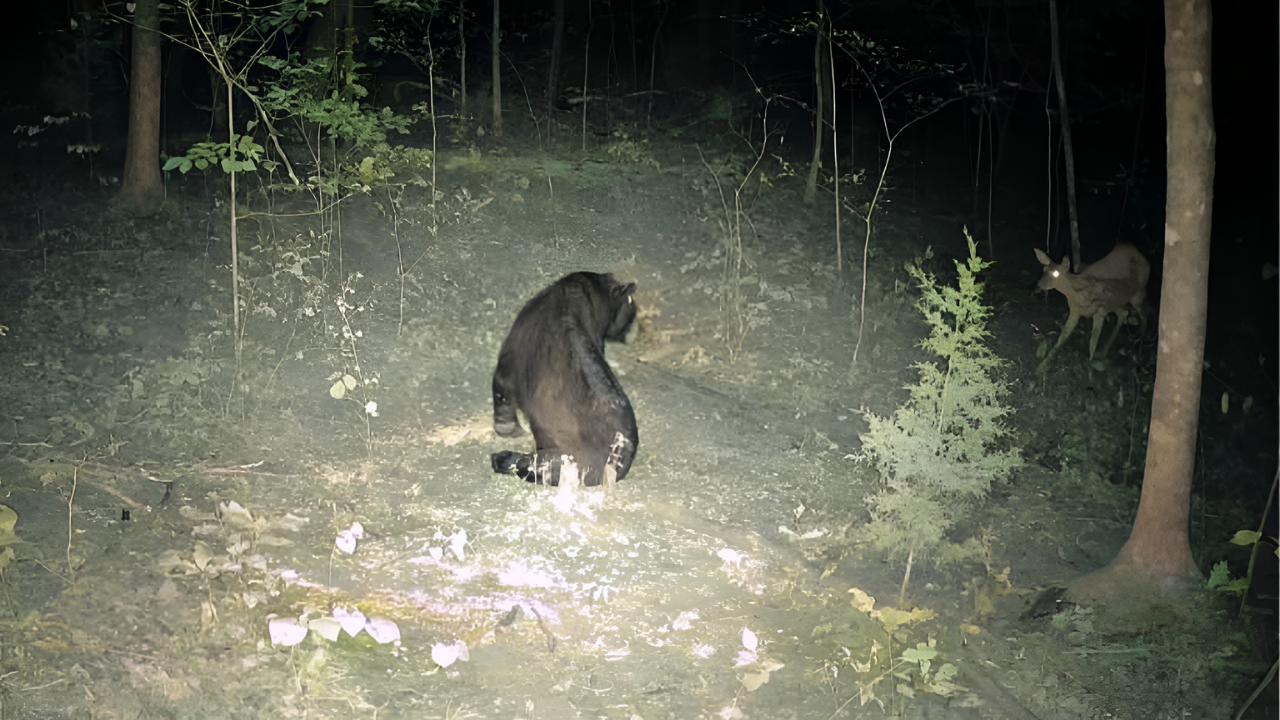
Late one night, a trail camera flickered on inside Cleveland Metroparks. In the footage, an animal with sleek, dark fur slipped between trees—a shape not seen here in more than a century. When wildlife officials reviewed the clip in early 2025, they confirmed the remarkable event: a fisher, long vanished from Cuyahoga County, had returned.
From Vanished Forests to Vanished Wildlife
By 1900, Ohio had lost some 20 million acres of forest to logging and agriculture. As the woodlands disappeared, so did the animals dependent on them. Wolves, mountain lions, and fishers all vanished from the local landscape, their habitats fragmented and predator webs dismantled. Cuyahoga County, with its expanding cities and cleared farmland, lost nearly all its native carnivores.
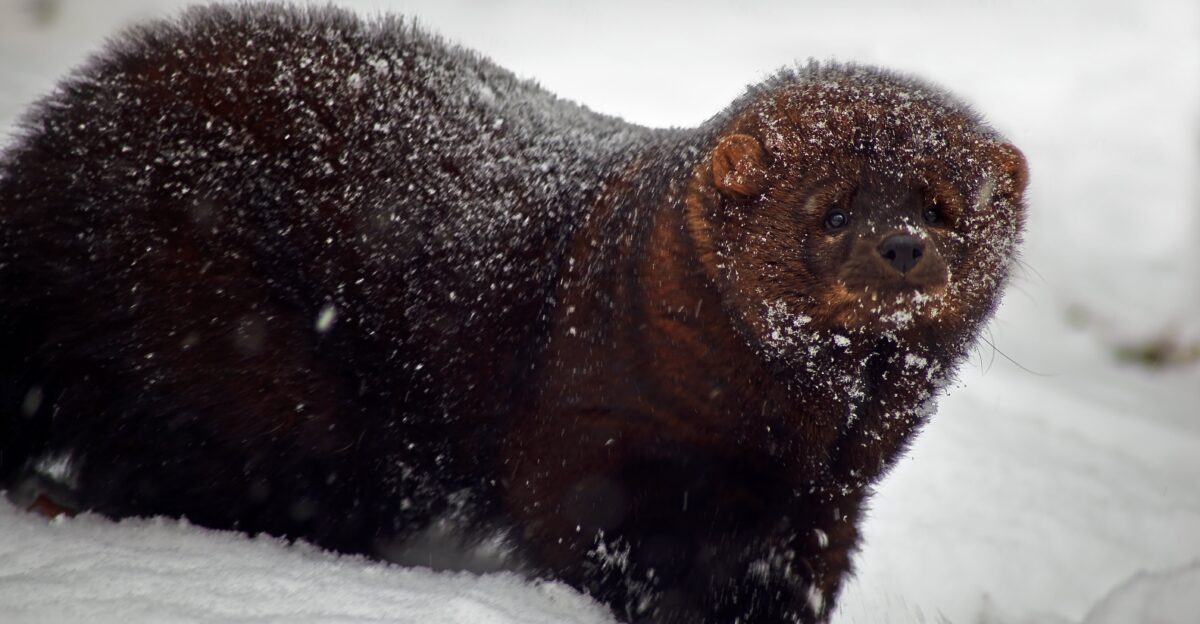
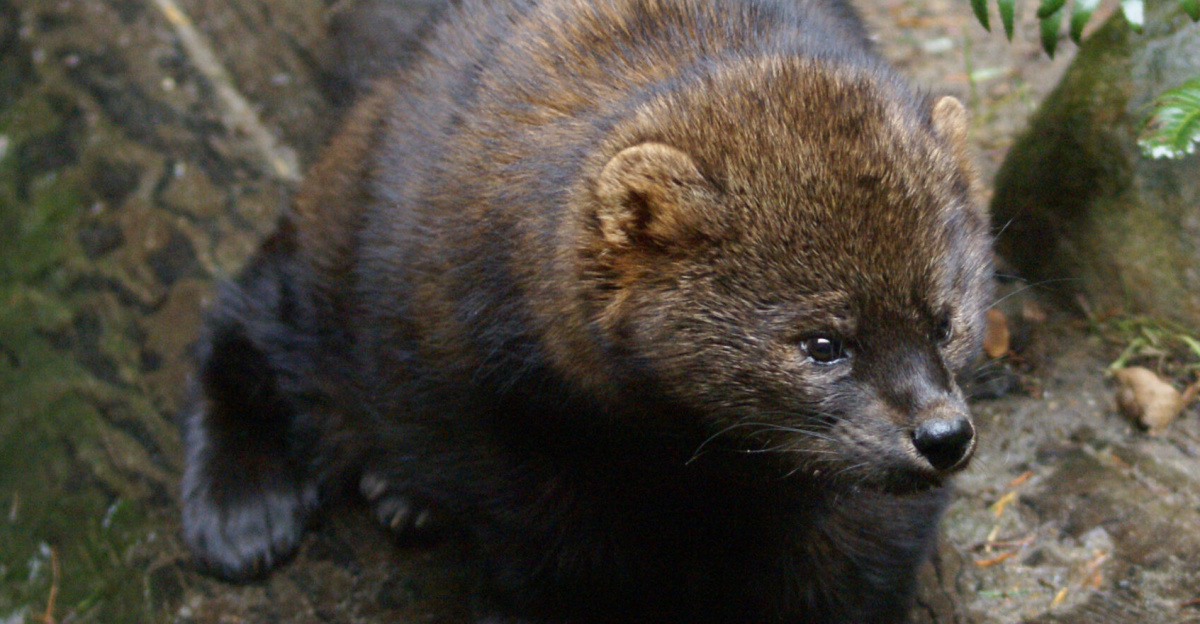
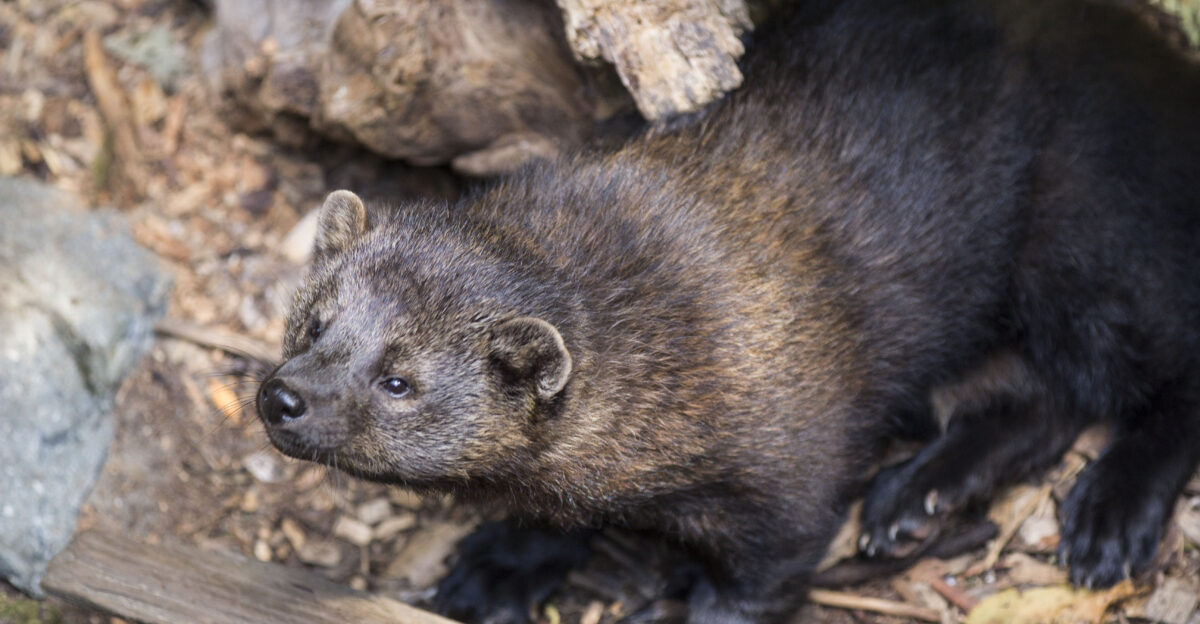
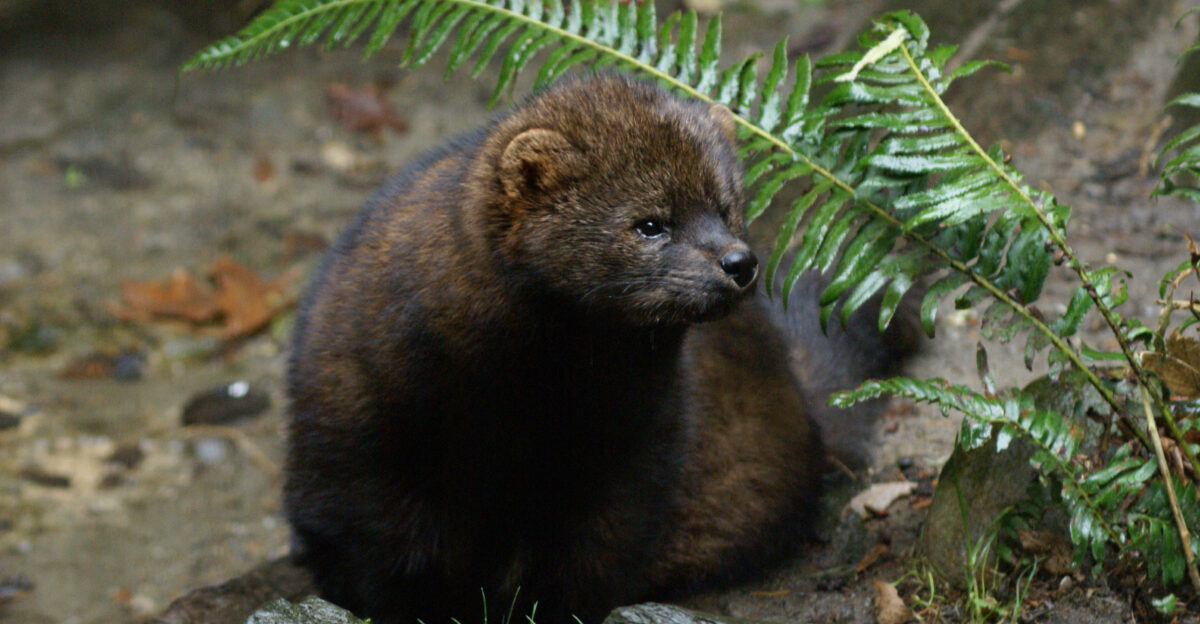
Fishers—muscular, tree-climbing hunters in the weasel family—once thrived across Ohio’s forests. By the late 1800s, however, heavy trapping for their valuable pelts and widespread deforestation wiped them out. Wildlife records show no verified fisher sightings in Cuyahoga County for roughly 170 years. That historic silence ended only when modern cameras caught one moving through regenerated woods.
Rebuilding Wild Ohio
The Cleveland Metroparks system has become a case study in recovery. Decades of habitat protection and species management have quietly reshaped Ohio’s ecological map. River otters, absent for decades, began reappearing in 2021. Bobcats followed in 2022. Trumpeter swans, brought back in 1996, now glide over park ponds once too polluted to support life.
Since 2013, about 40 verified fisher sightings have been recorded across 10 counties in Northeast Ohio. These scattered appearances track the gradual return of healthy forest ecosystems. Restoration work, coupled with strict wildlife protection, has given predators the cover and prey they once lost.
Then, in 2025, a Metroparks trail camera captured unmistakable footage of a fisher. Wildlife Management Coordinator Andy Burmesch identified the animal, and the Ohio Division of Wildlife confirmed it—the first verified record in Cuyahoga County since the 1800s. Officials publicly announced the find on January 18, 2026, calling it a milestone for regional ecology.
Signs of a Quiet Comeback
The fisher’s appearance is more than an isolated curiosity. Cuyahoga County, home to nearly 1.3 million residents, hosts over 25,000 acres of Metroparks land spread across 18 reservations. Within this patchwork of green corridors, roughly 200 trail cameras track animal movements. The fisher’s presence suggests that forest connections—though hemmed by suburbs and freeways—are once again viable for mid-sized predators.
Cleveland Metroparks ecologists, including Jon Cepek, emphasize cautious optimism. “This is tremendously exciting,” Cepek said, noting that the park’s dual mission of recreation and conservation depends on managing coexistence. Fishers are elusive and wary, rarely approaching people. Yet residents sometimes mistake them for mink, underscoring the need for public education and verified reporting.
The Ohio Division of Wildlife confirmed that no reintroduction took place. The fisher likely arrived naturally, dispersing from populations in nearby Pennsylvania, consistent with the state’s management approach: restore forests and let nature reclaim its ground. Biologists had already found evidence of reproduction when a pregnant fisher was recovered in 2023, proving that the species is breeding somewhere within northern Ohio.
Tracking a Cautious Explorer
Monitoring remains key to understanding whether fishers can permanently reestablish in the region. Officials estimate that the species expands its range at roughly 10 to 15 miles per year when suitable habitat connects. Trail cameras continue to record nocturnal visitors, but data gaps leave uncertainty about how many fishers truly roam Ohio. Cepek notes that false sightings complicate the picture, reminding researchers that one confirmed animal doesn’t guarantee a stable population.
Still, the sighting reinforces confidence in long-term restoration. Over decades, habitat protections, wetland reconstruction, and sustainable policy have created conditions for natural recolonization. Cleveland Metroparks’ balanced model—serving people while sheltering wildlife—demonstrates what patient stewardship can deliver after generations of loss.
Looking Forward
The fisher’s return carries both ecological and cultural meaning. No one alive in Cuyahoga County had ever seen one here before. Its reappearance signals that Ohio’s forests have reached a new threshold of health, capable of supporting complex food webs once broken by industry. As a mid-level carnivore, the fisher’s survival depends on functioning ecosystems—a living indicator that recovery is working.
Scientists now face questions about the future: Can Northeast Ohio sustain multiple fishers? Will they find enough space and prey near cities? And how can residents share landscapes with returning predators after a 170-year absence? Each answer will shape how conservation moves forward.
For now, one clip of a lone fisher stands as quiet evidence that nature doesn’t forget. Given enough time and care, even the most elusive species can find its way home.
Sources:
WOSU / WYSO – Rare fisher spotted in Cleveland Metroparks for first time in nearly 200 years – December 17, 2025
News 5 Cleveland – 200 years later: Fisher spotted on Cleveland Metroparks trail camera – December 15, 2025
Petapixel – Trail Camera Captures Elusive “Fisher” in Ohio County for First Time Since 1800s – December 17, 2025
Yahoo News (via ODNR reporting) – A pregnant fisher, the animal, was discovered in Ohio. Here’s why that matters. – March 6, 2024
Good News Network – Trail Cam Spotted a Rare Fisher Not Seen in the Cleveland Area Since the 1800s – December 29, 2025
Outdoor News – Ohio Mixed Bag: Fishers reproducing in the state – March 11, 2024