Toyota Motor Corporation announced a sweeping recall on October 30, 2025, affecting 1,024,407 vehicles across its Toyota, Lexus, and Subaru brands. The defect involves a software glitch in the Panoramic View Monitor system that can cause rearview cameras to freeze or display blank screens during reversing, potentially leaving drivers without critical visibility during backup maneuvers. This marks one of the largest camera-related recalls in recent U.S. automotive history and underscores the growing vulnerability of modern vehicles to software failures.
The Scope of Impact
The recall encompasses 520,000 Toyota vehicles, 467,000 Lexus units, and 20,096 Subaru Solterras, with key affected models including the Highlander, RAV4, Camry Hybrid, Lexus RX, and Subaru Solterra. The defect primarily affects 2022–2026 model years equipped with the Panoramic View Monitor system. Dealerships nationwide—including approximately 1,277 Toyota locations, 244 Lexus dealers, and 642 Subaru shops—now face significant service demand as owners must schedule free in-person software updates. Smaller, rural dealerships risk extended backlogs, while urban megadealerships confront operational strain despite their larger capacity.
How the Defect Occurs
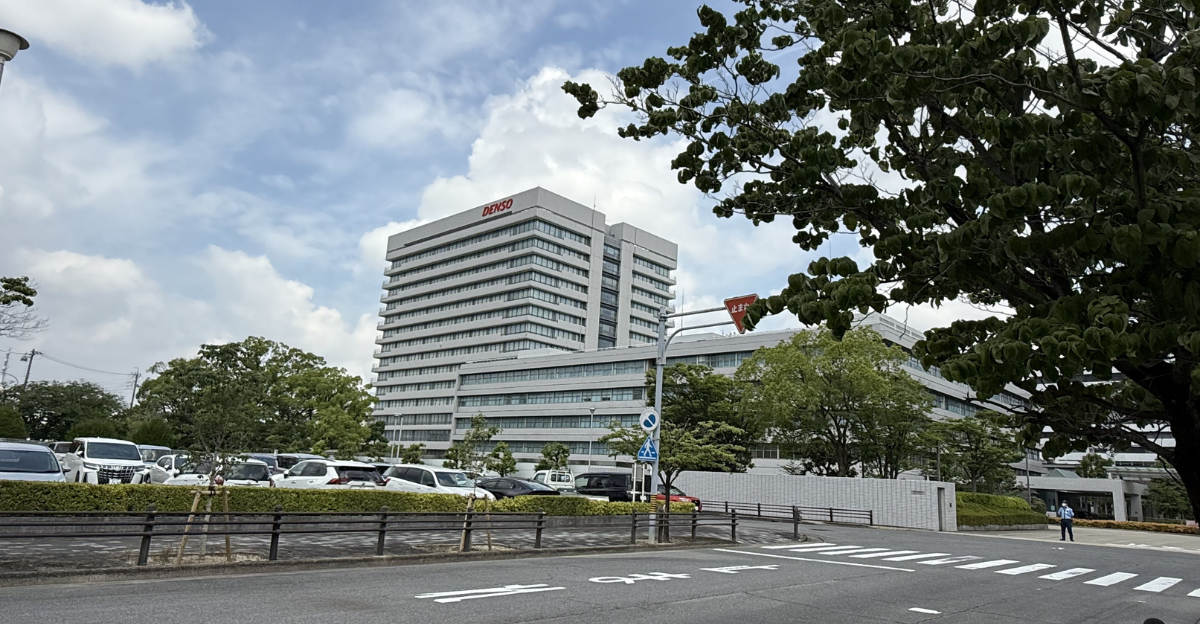
The technical failure stems from a timing error in the parking assist electronic control unit manufactured by Denso Corporation. When a driver reverses within 0.7 to 2.6 seconds after ignition, overlapping 23-millisecond optical alignment data-writing processes misalign, causing the camera feed to freeze or go blank. The frozen image can persist for up to 1.8 seconds, leaving drivers without visibility during a critical safety window. This defect violates Federal Motor Vehicle Safety Standard No. 111, which mandates that rear camera feeds be available within two seconds of reversing.
Discovery and Timeline
Initial reports emerged from Japan in April 2024, noting potential issues on affected vehicles. Bench testing later confirmed a potential issue, though real-world replication remained elusive. Through field and bench testing, the defect proved difficult to detect because it is probabilistic, triggered only within a narrow post-ignition window that standard quality assurance cycles rarely reproduce. This edge-case scenario remained hidden until extensive testing revealed the fault.
Repair Process and Timeline
Toyota and Lexus dealers will install a free software update correcting the ECU timing logic, with no hardware replacement required. However, updates cannot be delivered over-the-air due to safety validation requirements, necessitating in-person visits. Service bays may experience extended scheduling as dealerships work through recall demand. Owners must verify their vehicle identification numbers via Toyota.com/recall, Lexus.com/recall, or NHTSA.gov/recalls and schedule updates promptly. While most vehicles remain drivable, timing-sensitive camera failures remain possible, making early scheduling critical to minimize exposure and ease dealership pressure.
Broader Implications
This recall illustrates a fundamental shift in automotive safety from mechanical to digital oversight. Denso Corporation, which manufactures the defective parking assist computer, now faces production capacity stress that could ripple across vehicle assembly and 2026 model deliveries. The recall demonstrates Toyota Motor Corporation’s heavy reliance on critical suppliers and the vulnerability of cross-brand operations to supply chain disruptions. Software-driven recalls now carry significant operational implications, redefining industry risk standards as modern vehicles increasingly depend on software for safety-critical systems.