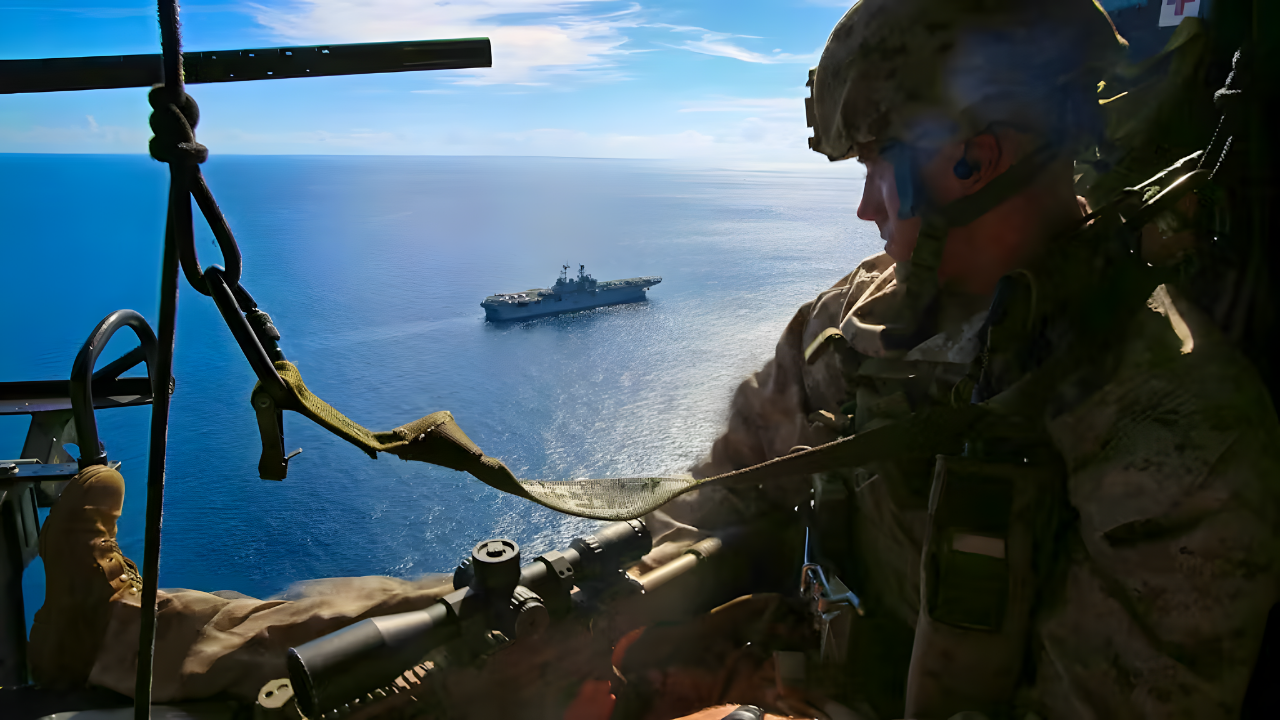
President Donald Trump declared a total blockade of US-sanctioned oil tankers entering or leaving Venezuela on December 16, 2025, escalating tensions in a long-simmering dispute over oil assets. Posted in capital letters on Truth Social, the announcement accused Caracas of stealing American oil, land, and property while funding drug trafficking, human trafficking, murder, and kidnapping.
This move deploys the largest US military presence in the Caribbean since 1962, with about 15,000 personnel, the USS Gerald R. Ford carrier strike group, F-35 jets in Puerto Rico, and nearly a dozen warships. Trump described it as the biggest armada in South American history, vowing to keep forces in place until Venezuela returns seized assets. Deputy Chief of Staff Stephen Miller called it the largest recorded theft of American wealth and property.
Largest Caribbean Deployment in Decades
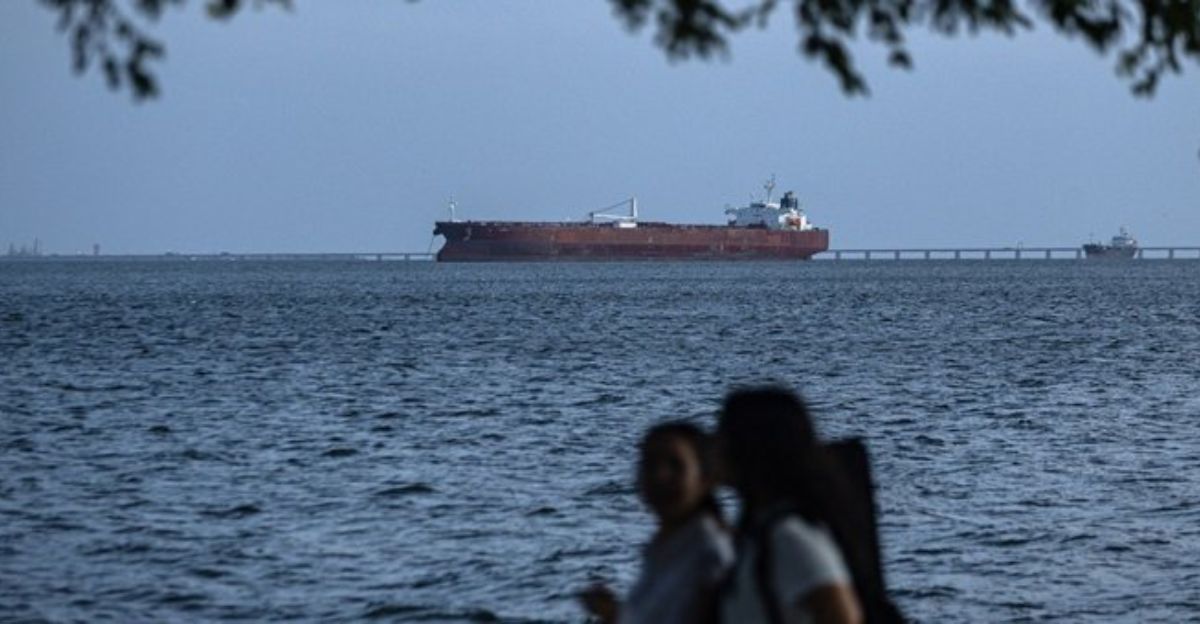
The buildup surrounds Venezuela completely, targeting its shadow fleet of around 1,000 aging tankers that dodge sanctions through name changes, flag switches, disabled trackers, location spoofing, and ship-to-ship transfers in international waters. Data from TankerTrackers.com shows over 30 sanctioned vessels in Venezuelan waters, some posing as scrapped “zombie ships” with stolen identities.
The trigger came on December 10, when US Coast Guard special forces, helicoptered from the USS Gerald R. Ford, seized the tanker Skipper carrying nearly 2 million barrels of crude from Venezuela’s José Terminal. The vessel had used spoofing to fake its location.
Shadow Fleet Targeted
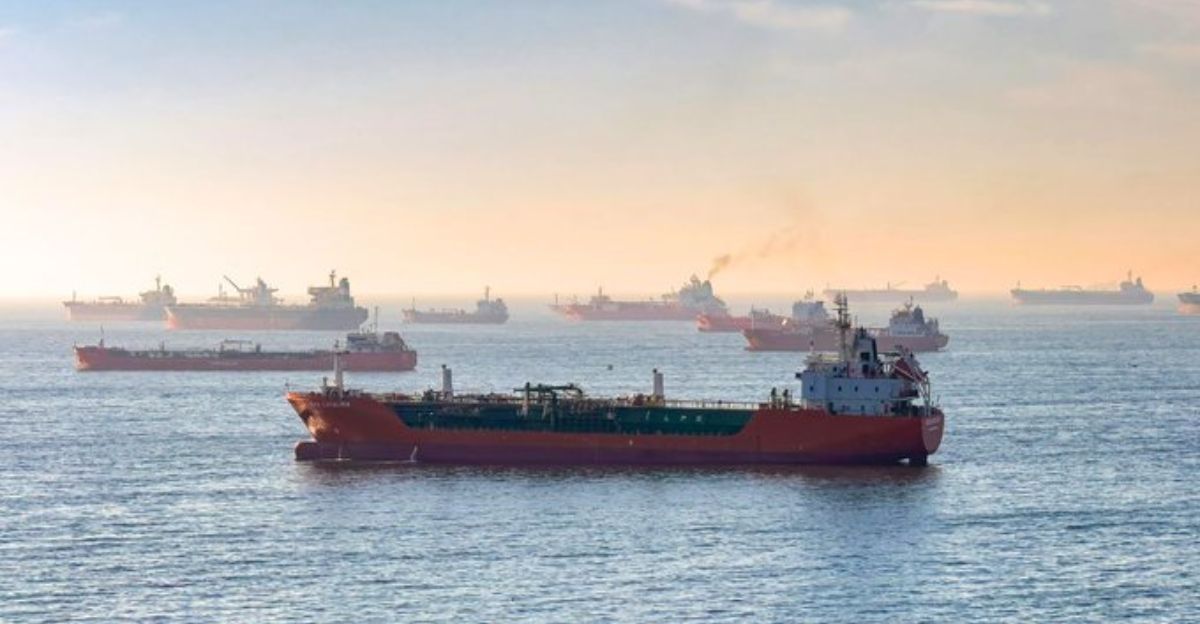
Venezuela’s response defied the order: President Nicolás Maduro deployed navy warships to escort tankers out. From December 17 to 18, several ships carrying urea, petroleum coke, and oil products headed to Asia under protection. Though not sanctioned, the escorts heighten collision risks with US forces.
Exports plummeted from over 900,000 barrels per day in November, with December projections at 702,000—the lowest since May. Some 11 million barrels sit stranded in Venezuelan waters as operators fear seizures. Production lingers at 1 million barrels daily, down from 3.5 million in 1998 and half the output when Maduro took office in 2013, despite 303 billion barrels in proven reserves—the world’s largest.
China, taking 80% of exports (613,000 barrels daily in November), condemned the action. Foreign Minister Wang Yi told Venezuelan counterpart Yvan Gil that Beijing opposes unilateral bullying.
Global Backlash Builds
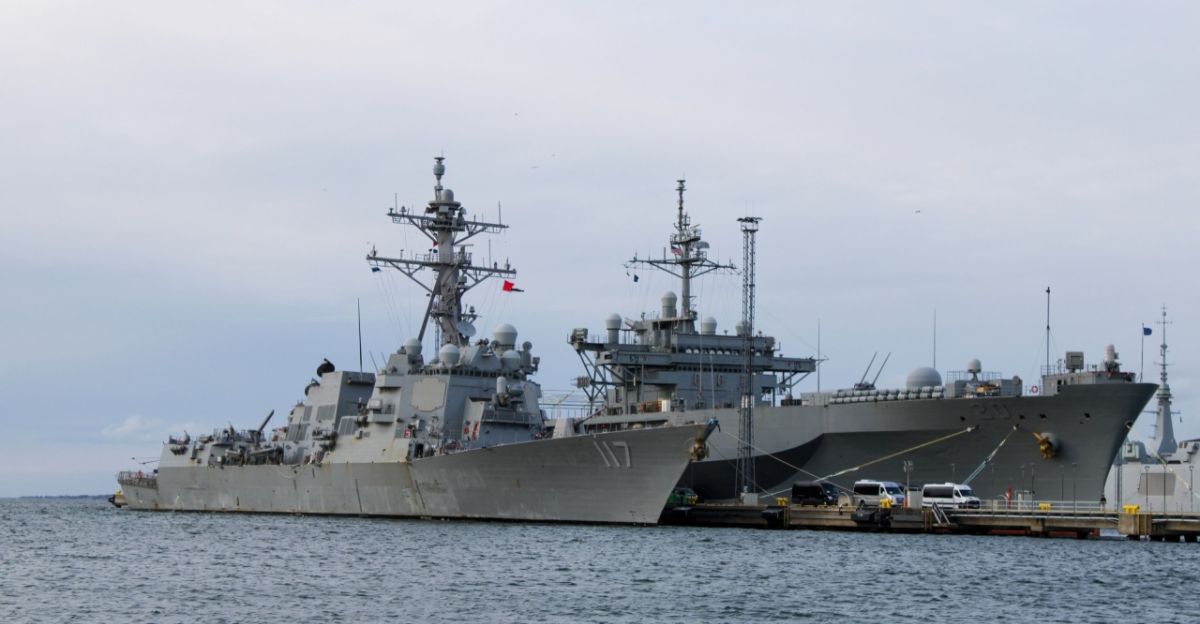
Trump also labeled Venezuela’s government a foreign terrorist organization. Critics, including NYU Law professor Ryan Goodman, called the blockade a crime of aggression and illegal under international law without war declaration or UN approval. US lawmakers pushed back: the House rejected two War Powers resolutions 213-211 on December 17, after Secretary of State Marco Rubio assured no attacks were planned.
Oil markets reacted mildly, with US crude up 1.5% to $55.96 per barrel and Brent at $60—dampened by OPEC spare capacity and weak demand.
Historical claims trace to 2007, when Hugo Chávez nationalized oil ventures, forcing PDVSA majority stakes. ExxonMobil and ConocoPhillips left, winning tribunal awards; Conoco’s claim tops $12 billion. Chevron stayed under license, producing 240,000 barrels daily—over 20% of output—paying taxes in crude, not cash.
More enforcement looms: the White House eyes seven more tankers, with Treasury sanctioning six firms and vessels on December 10-11. US ships monitor international waters to deter departures. Since September, operations linked to 90-97 deaths on alleged drug vessels, though evidence remains unreleased; UN experts decry extrajudicial killings.
Enforcement questions persist, surprising Pentagon leaders. No clear lead between military and Coast Guard emerged by December 19. Venezuela seeks UN Security Council action, calling it aggression violating navigation rights; allies Russia and China back Caracas. PDVSA claims exports proceed normally.
Regional Stability Hangs in Balance

This standoff tests US-Venezuela ties, international norms, and energy flows. With naval escorts clashing against blockades and seizures mounting, miscalculation risks grow, threatening broader stability and markets amid Venezuela’s oil woes.
Sources:
“Trump Orders Total Venezuelan Naval Blockade To Cut Off Shadow Fleet Tankers.” CNBC, December 17, 2025.
White House Truth Social Presidential Statements.” Official White House Statement, December 16, 2025.
“US Coast Guard Seizes Sanctioned Tanker Skipper.” US Coast Guard Official Report, December 10, 2025.
“House Votes on War Powers Resolution Against Venezuela Military Action.” US House of Representatives, December 17, 2025.
“Venezuela Oil Exports Drop Amid Blockade.” AP Reuters International Reporting, December 2025.